RFID Carbon Fiber Wallet Suppliers and Manufacturers
Compare 28 verified RFID Carbon Fiber Wallet suppliers by location, response time, lead time, and pricing. Review product specifications like material and customization options before contacting factories in Guangdong or Fujian for quotes; review the available evidence before requesting comparable quotations from suitable candidates.
Updated
Suppliers List

Dongguan Jianfeng Gifts Company
- Trading Company
- China Guangdong
- Lead time23 days
- Avg. response≤ 10h
Main productsMetal Product, Leather Product, RFID Card Holder, Wallet, Money Clip, Coin Purse, Card Holder, Gifts, Metal Accessories, Wallet Tracker
Main marketsSouth America,Eastern Europe,Mid East,North America,Southeast Asia,Eastern Asia,Oceania,Western Europe,Africa


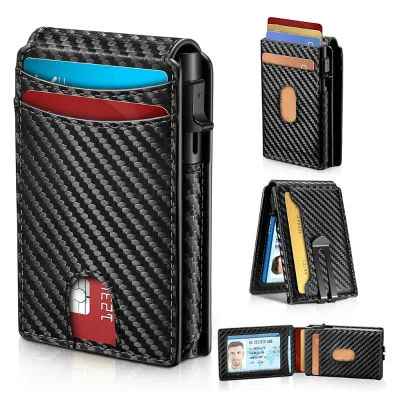
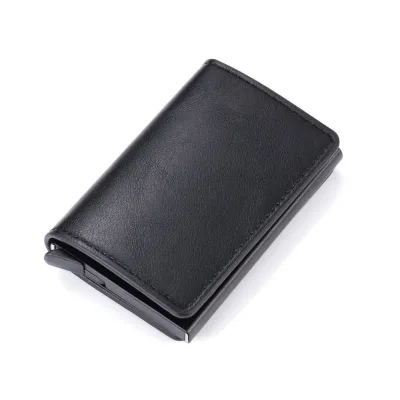
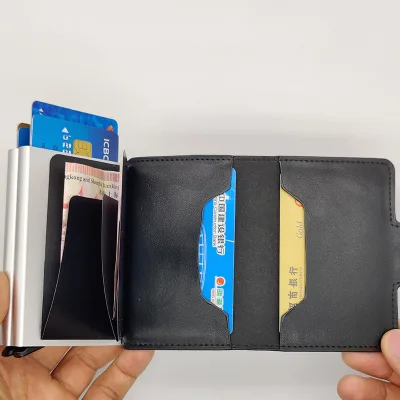
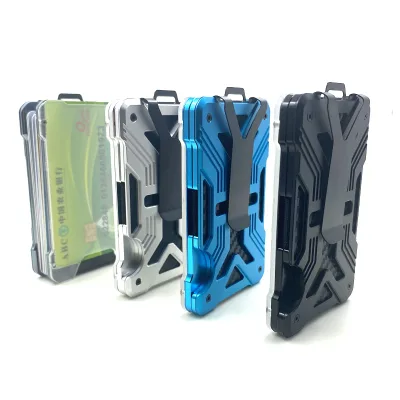
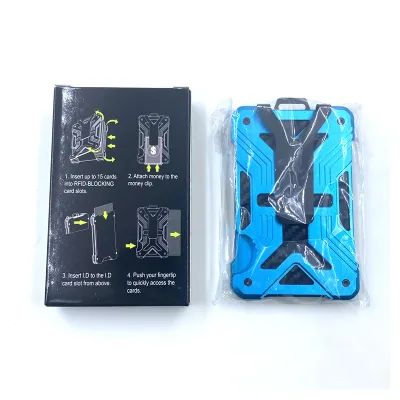
New Model Carbon Fiber Slide RFID Protected Aluminum Wallet RFID Slim Mens Wallet for Men
$5.49 - $5.99
MOQ: 50 Pieces


QUANZHOU HORBEST BAGS CO., LTD
- Verified by CTI
- Trading Company
- China Fujian
- Lead time90 days
- Avg. response≤ 3h
Main marketsEurope

Shenzhen Me Young Products Co., Ltd.
- Manufacturer, Trading Company
- Guangdong, China
- Lead time0 days
- Avg. response≤ 3h
Main productsCard Holder,Wallets,Handbag,backpack,shopping bag
Main marketsNorth America(60.00%), Western Europe(15.00%), South America(10.00%), Africa(3.00%), Mid East(2.00%)
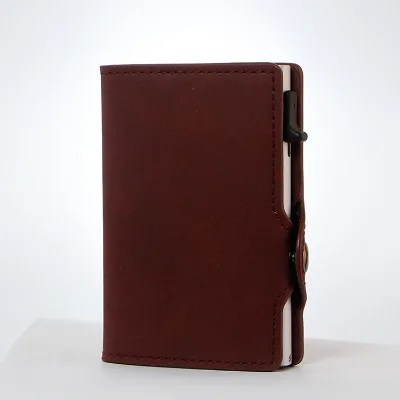
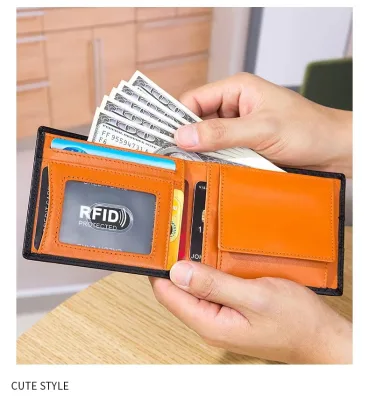
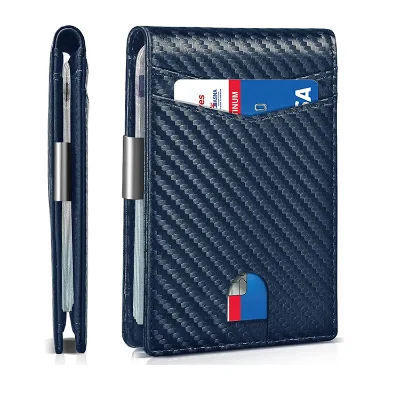
Bifold Rfid Wallet for Men Genuine Leather Short Wallet Carbon Wallets
$6.3156 - $6.7305
MOQ: 3 pieces
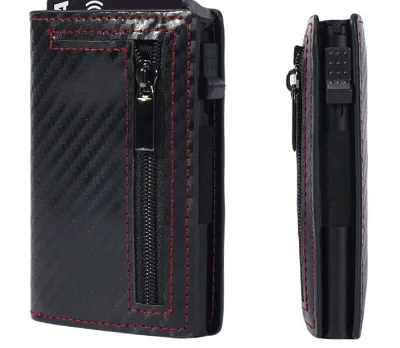
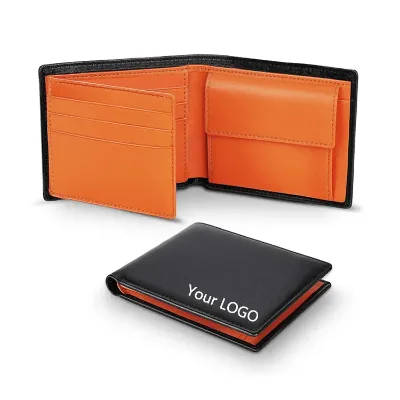
Guangzhou Danseyou Trading Co., Ltd.
- Manufacturer, Trading Company, Distributor/Wholesaler
- Guangdong, China
- Lead time0 days
- Avg. response≤ 5h
Main productsRfid Wallet/Leather Wallet,Rfid Card Holder,Purse,Money Clip,Women Handbag
Main marketsNorth America(30.00%), Central America(10.00%), Western Europe(10.00%), Eastern Europe(10.00%), Southern Europe(10.00%), Northern Europe(5.00%), Africa(5.00%), Domestic Market(5.00%), Eastern Asia(5.00%), South America(5.00%), Southeast Asia(2.00%), Mid East(2.00%), South Asia(1.00%)

Hightop Lighting And Metal (Shenzhen) Ltd
- Manufacturer, Trading Company
- Guangdong, China
- Lead time15 days
- Avg. response≤ 2h
Main productsRFID card holder,aluminum wallet,leather aluminum wallet,carbon fiber wallet,carbon fiber card holder
Main marketsNorth America(45.00%), Northern Europe(20.00%), Western Europe(10.00%), Southern Europe(5.00%), Mid East(5.00%), Eastern Europe(5.00%), Central America(3.00%), Domestic Market(1.00%), South Asia(1.00%), Oceania(1.00%), South America(1.00%), Africa(1.00%), Southeast Asia(1.00%), Eastern Asia(1.00%)
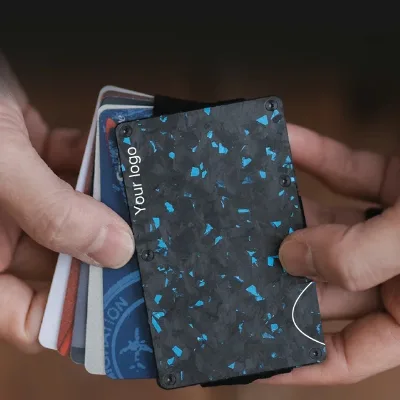
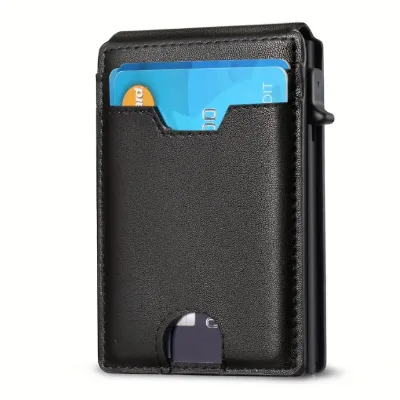
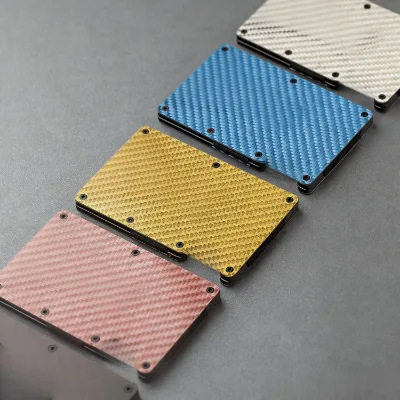
Custom Logo Shiny Black Metal RFID Wallets Shine Colored Forged Carbon Fibre Credit Card Wallet
$2.10 - $4.99
MOQ: 2 Minimum
Guangzhou Bogia Leather Products Co., Ltd.
- Manufacturer, Distributor/Wholesaler
- Guangdong, China
- Lead time20 days
- Avg. response≤ 2h
Main productsWallet,Card Holder,Leather Bag,Phone Bag,Luggage tag
Main marketsNorth America(30.00%), Western Europe(16.00%), Eastern Europe(13.00%), South America(12.00%), Northern Europe(11.00%), Domestic Market(2.00%), South Asia(2.00%), Southern Europe(2.00%), Africa(2.00%), Central America(2.00%), Southeast Asia(2.00%), Eastern Asia(2.00%), Mid East(2.00%), Oceania(2.00%)
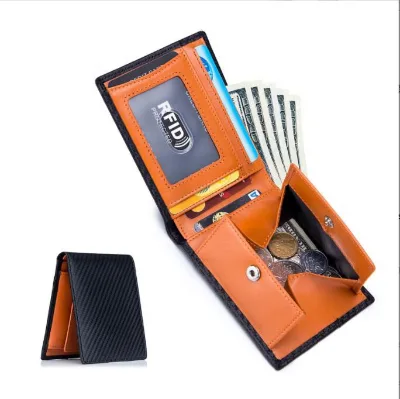
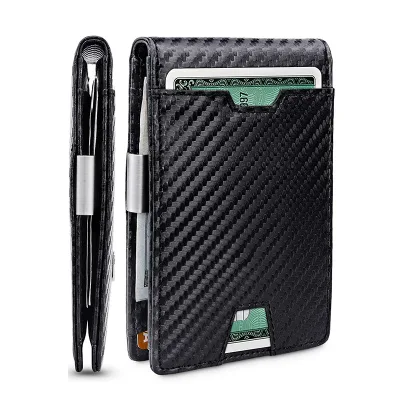
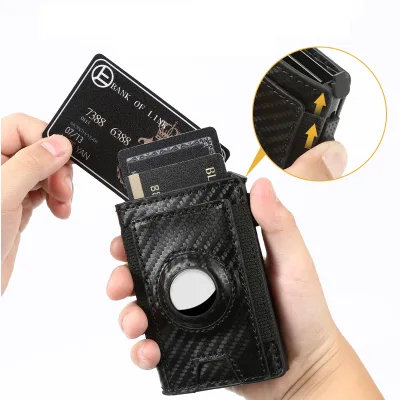
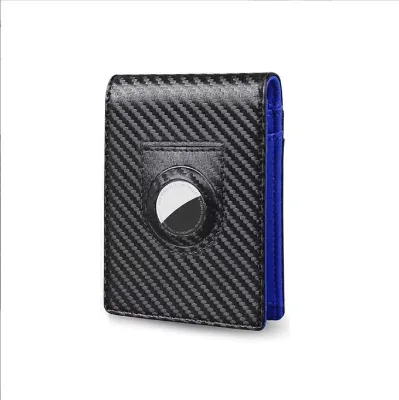
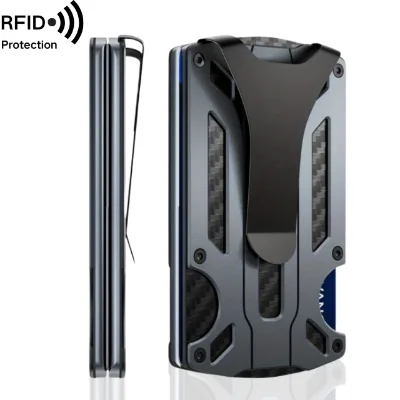
2025 Hot Sale Mens Manufacturer Custom PU/ Genuine Leather Carbon Fiber Slim RFID Men Tag Wallet
$2.99 - $4.99
MOQ: 200 pieces

- Verified by TUVRHEINLAND
- Trading Company
- China Zhejiang
- Lead time15 days
- Avg. response≤ 3h
Main productsLanyard, Promotional Gift, Baseball Cap, Bags, T-Shirt, Ceramic Mug, Sport Water Bottle, PU Toys
Main marketsEurope,Australia,North America

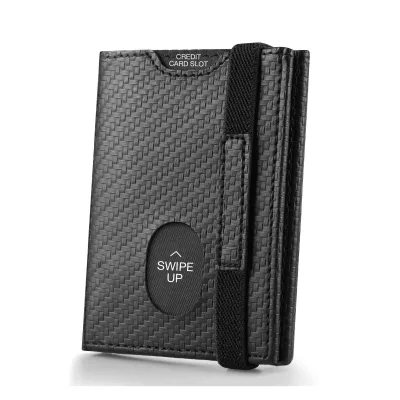
RFID Blocking Wallet, Carbon Fiber Card Wallet, Promotional Metal Card Holder
$3.60 - $5.00
MOQ: 100 Pieces


Chengdu MIND IOT Technology Co., Ltd.
- Verified by SGS
- Manufacturer/Factory
- China Sichuan
- Lead time23 days
- Avg. response≤ 7h
Main productsSmart Card, IC Card, PVC Card, Paper Card, Prepaid Scratch Card, Magnetic Card, IC Solutions
Main marketsSouth America,Eastern Europe,Mid East,North America,Southeast Asia,Eastern Asia,Oceania,Western Europe,Africa

Guangzhou Yujia Industrial Co., Ltd.
- Verified by SGS
- Combined
- China Guangdong
- Lead time15 days
- Avg. response≤ 2h
Main productsPU Leather, PVC Bar Mat, Mouse Pad, Wallets, Rubber Muse Pad, Men's Wallet, Passport Holder, Handbags, Wrist Keyboard Mat
Main marketsDomestic

RFID Carbon Fiber Wallet Customized Men′ S Leather Money Clip Wallet
$2.90 - $3.90
MOQ: 100 Piece

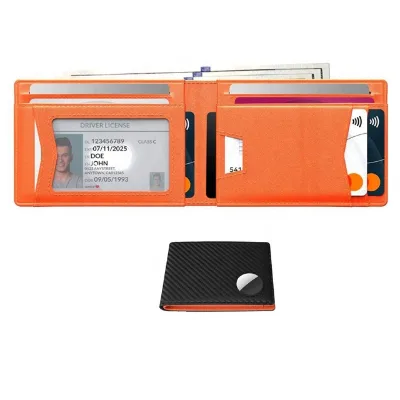
2025 RFID Luxury Carbon Fiber Leather Slim Airtag Wallet Men Zipper Credit Card Holder
$4.87 - $6.90
MOQ: 200 Piece

$4.87 - $6.90
MOQ: 200 Piece

$5.05 - $6.50
MOQ: 200 Piece


Updated RFID Carbon Fiber Wallet Customized Men′ S Leather Money Clip Wallet
$4.87 - $6.90
MOQ: 200 Piece
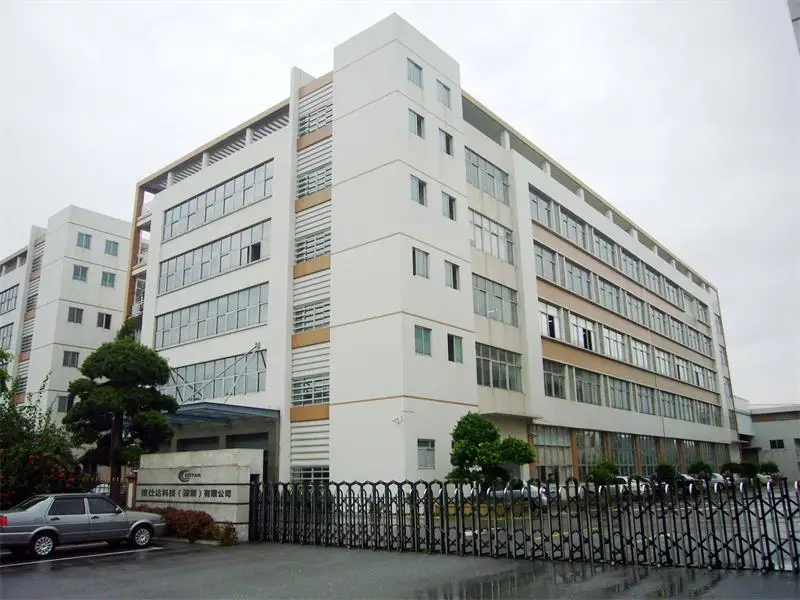
Gstar Technology (Shenzhen) Co., Ltd.
- Manufacturer
- Guangdong, China
- Lead time20 days
- Avg. response≤ 3h
Main productspurse,Card holder,Card holder Card holder,Wallet with metal card holder
Main marketsNorth America(25.00%), Western Europe(16.00%), South America(15.00%), Eastern Europe(10.00%), Southeast Asia(8.50%), Central America(8.00%), Mid East(6.50%), Northern Europe(5.00%), Southern Europe(2.10%), Eastern Asia(1.50%), Africa(1.20%), South Asia(0.70%), Oceania(0.30%), Domestic Market(0.20%)
- Verified by TüVRheinland
- Manufacturer, Trading Company
- Lead time0 days
- Avg. response≤ 1h
Main productsLeather Wallet, Key Holder, Card Holder, Leather Passport, Shoulder Bag
Main marketsNorth America(40%), Domestic Market(15%), Eastern Europe(10%)

Wenzhou Fashion Leather Manufacture Co., Ltd.
- Combined
- China Zhejiang
- Lead time30 days
- Avg. response≤ 8h
Main productsBelt, Leather Belt, Fashion Lady Belt, Fashion Man Belt, Fashion Belt, Canvas Belt, PU Belt, Wallet, Purse, Man Wallet
Main marketsSouth America,Europe,North America
Guangzhou Feiyue Leather Goods Co., Ltd.
- Manufacturer
- Guangdong, China
- Lead time0 days
- Avg. response≤ 2h
Main productsLeather Wallet,Leather Card Holder,Leather Passport Holder & Luggage Tag,Leather Office Desk Sets,Leather Hotel Accessories
Main marketsNorth America(28.00%), Eastern Europe(25.00%), Domestic Market(15.00%), Southeast Asia(10.00%), South America(6.00%), Northern Europe(5.00%), Western Europe(5.00%), Eastern Asia(5.00%), Mid East(1.00%)

Guangdong Hangyu Composite Material Technology Co., Ltd.
- Manufacturer, Trading Company, Distributor/Wholesaler
- Guangdong, China
- Lead time0 days
- Avg. response≤ 8h
Main productsCarbon fiber tube,The carbon fiber board,The plane model,Auto parts,Unmanned aerial vehicle (uav) arm
Main marketsDomestic Market(70.00%), Southern Europe(20.00%), South Asia(10.00%)
Guangzhou Boslun Industrial Co., Ltd.
- Manufacturer, Trading Company
- guangdong, China
- Lead time25 days
- Avg. response≤ 2h
Main productsLuggage & Bags,cosmetic bag,tote bag,backpack,drawstring bag
Main marketsWestern Europe(48.00%), Domestic Market(20.00%), North America(17.00%), South America(15.00%)

Shenzhen Ango Commerce S & T Co., Ltd.
- Manufacturer, Trading Company, Buying Office
- Guangdong, China
- Lead time15 days
- Avg. response≤ 3h
Main productsCard Holder,Wallet,Belt,Bag,Keychain
Main marketsWestern Europe(40.00%), South America(25.00%), North America(20.00%), Northern Europe(10.00%), Eastern Europe(10.00%), Southern Europe(5.00%), Mid East(3.00%), Southeast Asia(2.00%)

Guangzhou Kinglaiky Industrial Ltd.,
- Verified by TUVRHEINLAND
- Trading Company
- China Guangdong
- Lead time15 days
- Avg. response≤ 11h
Main productsPromotional Gifts, Pen, Leather Product, Wallet, Keyring, Namecard Holder, Mouse Mat, Flask, Wristband, USB Pen Drive
Main marketsAfrica

Dongguan Mygoal Electronic Technology Co., Ltd.
- Manufacturer, Trading Company
- Guangdong, China
- Lead time7 days
- Avg. response≤ 18h
Main productsCarbon Fiber Hunting Gun Accessories,Carbon Fiber Protective Helmet,carbon fiber bicycle frame,Carbon Fiber Automotive Accessories,carbon fiber motorbike Accessories
Main marketsAfrica(30.00%), Western Europe(30.00%), North America(20.00%), Northern Europe(10.00%), Domestic Market(5.00%), Southern Europe(5.00%)
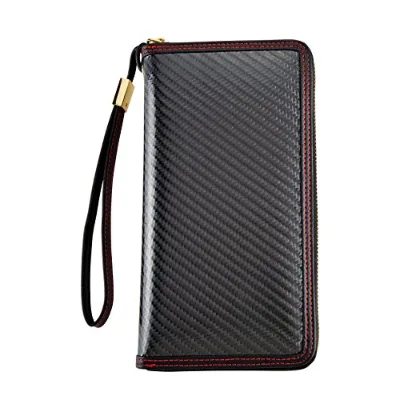
Carbon Fiber High Quality Luxury Men's Wallet
$17.00 - $33.50
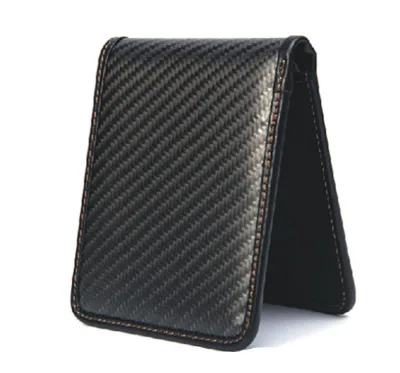
Best Selling Luxury Carbon Fiber Men's Wallet
$17.00 - $33.50
Guangzhou Beslly Leather Co., Ltd.
- Verified by TüVRheinland
- Manufacturer, Trading Company
- Lead time15 days
- Avg. response≤ 3h
Main productsWallet, Card Holder, Handbag, Travel Bags, Backpacks
Main marketsNorth America(22%), Eastern Europe(15%), Western Europe(10%)

Xiamen Le Young Imp. & Exp. Co., Ltd
- Verified by BV
- Trading Company,Manufacturer/Factory
- China Fujian
- Lead time23 days
- Avg. response≤ 4h
Main productsLeather Folder, Trave Wallet, Leather Notebook, Leather Compendium, Leather Portfolio, Leather Diary, Leather Journal, Hotel Supply, Leather Card Holder, Leather Wallet
Main marketsSouth America,Eastern Europe,Mid East,North America,Southeast Asia,Eastern Asia,Oceania,Western Europe,Africa


Leather Men Card Case RFID Blocking Credit Card Holder Wallet with Keychain
$2.45 - $2.89
MOQ: 300 Pieces

Leather Passport Holder Wallet Cover RFID Travel Wallet Passport Ticket Document Holder
$3.05 - $3.99
MOQ: 300 Pieces


JingZhou SynTek Smart Technology Co., Ltd.
- Combined
- China Hunan
- Lead time15 days
- Avg. response≤ 3h
Main productsRFID Cards, RFID Ear Tags, RFID Wristbands, RFID Animal Microchips, iButton Keys, iButton Probe Readers, RFID Keyfobs, RFID Epoxy Keychains, RFID Animal Readers, RFID Reader Writer Duplicators
Main marketsEurope
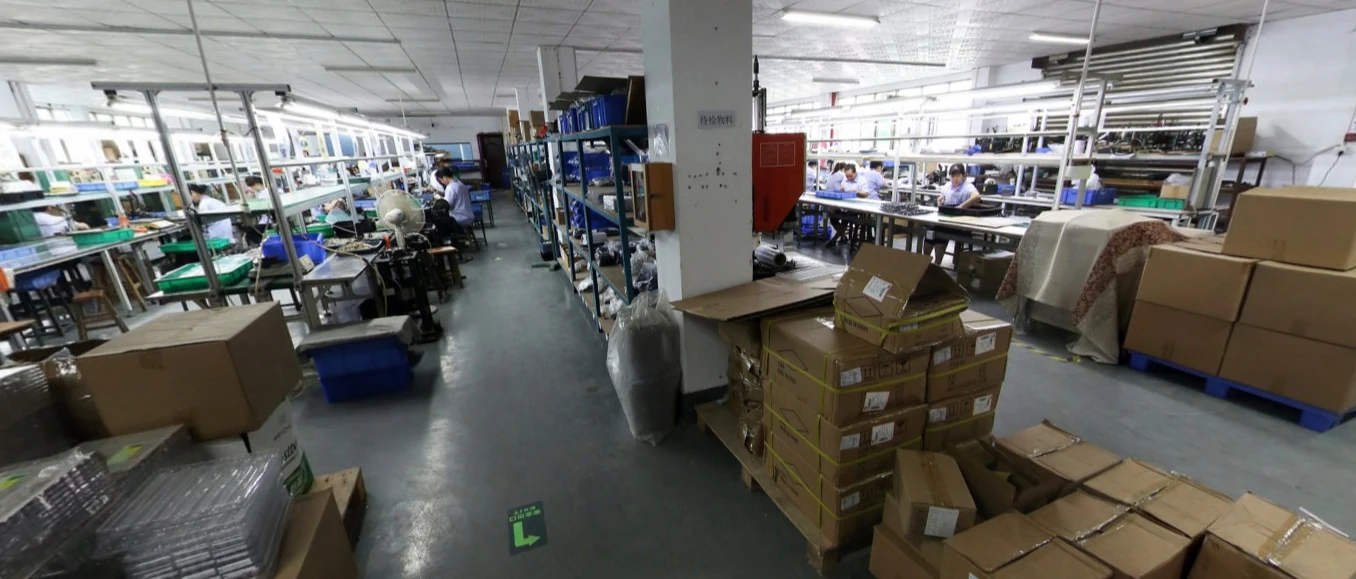
- Trading Company
- Hong Kong S.A.R.
- Lead time30 days
- Avg. response≤ 8h
Main productsWallets & Holders,Mobile Phone & Accessories,Small living equipment,OEM Production,ODM Production
Main marketsNorth America(50.00%), South America(20.00%), Oceania(15.00%), Western Europe(5.00%), Eastern Asia(4.00%), Mid East(2.00%)

Jinjiang Jiaxing Supply Management Co., Ltd.
- Verified by TUVRHEINLAND
- Trading Company
- China Fujian
- Lead time30 days
- Avg. response≤ 2h
Main productsEVA Clogs, Flip Flop, Shoe Charms, Shopping Bags, Wristbands, Gifts, Promotional Gifts, Slipper, Sport Cap, Ball
Main marketsNorth America
Guangzhou Denglinlu Leather Products Co., Ltd.
- Manufacturer
- Guangdong, China
- Lead time20 days
- Avg. response≤ 7h
Main productsWallet,card holder,leather box,rfid wallet,popup card case
Main marketsWestern Europe(30.00%), North America(25.00%), Southeast Asia(10.00%), Domestic Market(5.00%), Southern Europe(5.00%), Northern Europe(5.00%), South America(5.00%), Eastern Asia(5.00%), Oceania(5.00%), Eastern Europe(5.00%)
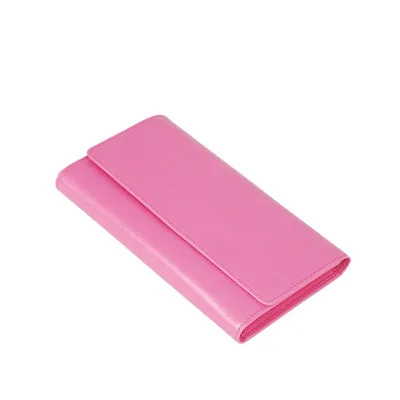
Woman Wallet OEM Service REACH Certificated Factory RFID Ladies Wallet Trifold pink Wallets
$6.1463 - $6.4953
MOQ: 300 pieces
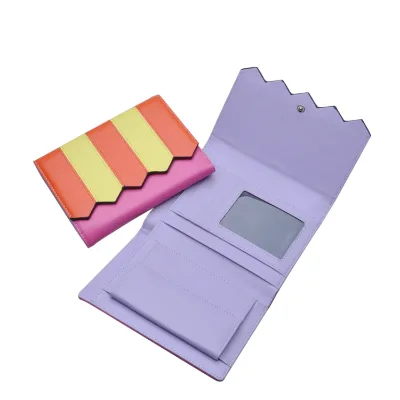
High Quality Short Style Women Brifold Wallet
$5.89 - $6.50
Fuzhou Dotprint Packaging Co., Ltd.
- Verified by Intertek
- Manufacturer, Trading Company
- Lead time0 days
- Avg. response≤ 4h
Main productsPaper Boxes, Paper Bags, Books, Cards, Notebooks
Main marketsWestern Europe(28%), Domestic Market(23%), North America(22%)

Guangzhou CF Leather Co., Ltd.
- Verified by SGS
- Combined
- China Guangdong
- Lead time30 days
- Avg. response≤ 24h
Main productsBag, Luxury Handbag, Women Handbag, Handbag
Main marketsAfrica,Domestic,Europe
Shenzhen Lamye Technology Co., Ltd.
- Manufacturer, Trading Company, Distributor/Wholesaler
- Guangdong, China
- Lead time15 days
- Avg. response≤ 5h
Main productsConsumer Electronics,Power Strip,Tripod,Signal Blocking Faraday Products,RFID Blocking products
Main marketsWestern Europe(50.00%), North America(30.00%), Eastern Europe(10.00%), Oceania(5.00%), Mid East(3.00%), South America(2.00%)

Shenzhen Chenxi Lingdong Technology Co., Ltd.
- Verified by BV
- Trading Company
- China Guangdong
- Lead time15 days
- Avg. response≤ 13h
Main marketsSoutheast Asia/ Mideast,Europe,North America

















Comprehensive Sourcing Guide
RFID Carbon Fiber Wallet Supplier Concentration and Factory Types
The current supplier landscape for RFID carbon fiber wallets reveals a distinct geographic and structural concentration, primarily anchored in China’s Guangdong province. Data indicates that a significant portion of available suppliers operate from this region, which is historically known for its robust manufacturing infrastructure and specialized supply chains for electronics and accessories. Within this cluster, the company types vary, with some entities identifying strictly as trading companies while others present themselves as manufacturers or hybrid entities offering both production and trading services. This distinction is critical for buyers, as trading companies often provide broader product assortments and flexible order terms, whereas manufacturers may offer deeper customization capabilities and potentially lower unit costs for larger volumes. The presence of Guangdong-based suppliers suggests a mature ecosystem where raw material sourcing, particularly for aluminum and carbon fiber composites, is streamlined, allowing for efficient production cycles. Buyers should note that while Guangdong is a dominant hub, other regions like Fujian also host verified suppliers, indicating a distributed but concentrated industry. Understanding this geographic spread helps in assessing logistics costs and communication time zones, as suppliers in these coastal provinces are generally well-accustomed to international trade requirements and export procedures.
Beyond geography, the operational models of these suppliers dictate the nature of the partnership. Many suppliers in this category offer OEM and ODM services, allowing brands to create unique products rather than sourcing generic stock. For instance, some suppliers highlight their capacity for own-brand development alongside custom manufacturing, which is valuable for companies looking to establish a distinct market identity. The main products listed by these suppliers often extend beyond just wallets, including items like metal accessories, coin purses, and card holders, suggesting that many factories have versatile production lines capable of handling various leather and metal goods. This versatility can be advantageous for buyers seeking to consolidate suppliers for multiple accessory types. However, it also requires careful vetting to ensure that the supplier’s primary expertise aligns with the specific technical demands of RFID blocking and carbon fiber integration. Buyers must determine whether the supplier’s manufacturing focus is on high-volume standardization or low-volume bespoke customization, as this will influence pricing structures and minimum order quantities significantly.
How to Verify RFID Carbon Fiber Wallet Suppliers
Verifying the legitimacy and capability of RFID Carbon Fiber Wallet suppliers requires a multi-layered approach that goes beyond surface-level profile reviews. One of the most immediate indicators of reliability is the supplier’s verification status, such as CTI verification, which provides a third-party assessment of the company’s business license and operational scope. Buyers should prioritize suppliers who have undergone such rigorous checks, as this reduces the risk of engaging with fraudulent entities. Additionally, response time is a crucial metric for assessing operational efficiency; suppliers with faster response times, such as those under three hours, often indicate a more agile and customer-centric organization. This agility is particularly important during the negotiation and sampling phases, where quick communication can prevent delays and misunderstandings. Buyers should also look for suppliers who provide detailed product attributes, including material specifications, hardness levels, and waterproof ratings, as transparency in these areas reflects a professional approach to quality control and product description accuracy.
Another critical aspect of verification is the assessment of customization capabilities and production standards. Suppliers that explicitly state customization is available and provide specific details about their production techniques, such as handmade processes or specific model numbers, demonstrate a higher level of operational maturity. Buyers should request samples to physically verify the RFID blocking functionality and the quality of the carbon fiber material, as these are key selling points that cannot be fully assessed through digital listings alone. Furthermore, checking the supplier’s main products and company type helps in understanding their core competencies; a trading company might offer a wider range of designs, while a manufacturer might provide better control over the production process. It is also advisable to review the supplier’s packaging options, such as the use of black gift boxes or cartons, as this impacts the final product presentation and shipping efficiency. By combining verification badges, response metrics, and detailed product evidence, buyers can build a comprehensive profile of each supplier’s reliability and suitability for their specific sourcing needs.
What to Compare Across RFID Carbon Fiber Wallet Suppliers
When evaluating multiple suppliers for RFID carbon fiber wallets, buyers must systematically compare key operational metrics to identify the best fit for their business model. Lead time is a primary differentiator, with some suppliers offering significantly faster turnaround times than others. For example, while some suppliers may have a lead time of around twenty-three days, others might list longer durations or even zero-day lead times for stock items, which requires careful clarification to avoid misunderstandings. Minimum Order Quantity (MOQ) is another critical factor, ranging from fifty pieces for smaller, more flexible orders to one thousand pieces for bulk purchases. Buyers with limited capital or those testing new markets may prefer suppliers with lower MOQs, while those with established distribution channels might leverage higher volumes for better pricing. Response time also plays a role in the overall supplier experience, with faster responses often correlating with better customer service and problem-solving capabilities during the order fulfillment process.
Price and product specifications are equally important in the comparison process. Unit prices for these wallets can vary based on material composition, such as the use of aluminum versus leather, and additional features like MagSafe compatibility or tracking capabilities. Buyers should compare the price ranges offered by different suppliers, noting that prices can fluctuate based on order volume and customization requirements. For instance, some suppliers may offer prices starting from around two dollars for basic models, while more complex designs with tracking features may cost significantly more. Additionally, comparing product attributes such as weight, dimensions, and color options helps in assessing the product’s suitability for the target market. Suppliers that provide detailed specifications, including standard sizes and material hardness, enable buyers to make more informed decisions. By creating a comparison matrix that includes lead time, MOQ, price, response time, and product details, buyers can objectively evaluate suppliers and select the one that offers the best balance of cost, quality, and service.
Common RFID Carbon Fiber Wallet Sourcing Risks
Sourcing RFID carbon fiber wallets involves several inherent risks that buyers must proactively manage to ensure a successful procurement process. One significant risk is the discrepancy between advertised product features and actual quality, particularly regarding RFID blocking efficacy. While many suppliers claim their products offer robust RFID protection, buyers must verify this through independent testing or by requesting certification documents, as not all products may meet the required standards. Another risk is the variability in material quality, especially concerning the carbon fiber and aluminum components. Some products may use lower-grade materials that affect durability or aesthetics, leading to customer dissatisfaction and returns. Buyers should be cautious of suppliers who do not provide detailed material specifications or who are vague about their production processes, as this lack of transparency can mask quality issues. Additionally, the risk of intellectual property infringement exists, particularly when dealing with suppliers offering OEM services, so buyers must ensure that their designs are protected and that the supplier adheres to confidentiality agreements.
Logistical and communication risks are also prevalent in international sourcing. Miscommunication regarding order specifications, packaging requirements, or shipping instructions can lead to costly errors and delays. Suppliers with slower response times may be less responsive to urgent issues, exacerbating these risks. Furthermore, the risk of supply chain disruptions, such as raw material shortages or production bottlenecks, can impact lead times and order fulfillment. Buyers should assess the supplier’s capacity and reliability by reviewing their production history and customer feedback. Another risk is the potential for hidden costs, such as unexpected shipping fees or customs duties, which can affect the final landed cost of the products. Buyers should clarify all cost components upfront and ensure that the supplier provides accurate quotations that include all relevant fees. By identifying and mitigating these risks through thorough due diligence, clear communication, and contractual safeguards, buyers can protect their interests and ensure a smoother sourcing experience.
RFID Carbon Fiber Wallet Regional Sourcing and Logistics
The regional concentration of RFID Carbon Fiber Wallet suppliers in China, particularly in Guangdong and Fujian provinces, offers distinct logistical advantages for international buyers. Guangdong, being a major manufacturing hub, benefits from well-developed infrastructure, including proximity to major ports like Shenzhen and Guangzhou, which facilitates efficient export operations. This geographic advantage often translates to faster shipping times and lower freight costs, making it an attractive option for buyers seeking to minimize logistics expenses. Suppliers in this region are also accustomed to handling international shipments, ensuring that packaging and documentation meet global standards. Additionally, the presence of a dense network of suppliers in Guangdong fosters competition, which can lead to better service levels and more competitive pricing. Buyers should consider the logistical implications of sourcing from these regions, including the potential for consolidated shipping if they are sourcing multiple product types from the same area.
In contrast, suppliers located in Fujian, such as those in Quanzhou, may offer different logistical profiles, potentially with varying port access and shipping routes. While still within China, these suppliers might have different lead times and shipping options compared to their Guangdong counterparts. Buyers should evaluate the specific logistics capabilities of each supplier, including their experience with international carriers and their ability to handle customs clearance. The origin of the products, as indicated in supplier data, can also influence the choice of shipping method, with some suppliers offering door-to-door services or specialized logistics solutions. Understanding these regional differences allows buyers to optimize their supply chain by selecting suppliers that align with their logistical preferences and cost constraints. Furthermore, buyers should consider the environmental and social implications of their sourcing decisions, as regional regulations and practices may vary, impacting the overall sustainability of their supply chain.
RFID Carbon Fiber Wallet Commercial Terms and Order Planning
Effective order planning for RFID carbon fiber wallets requires a thorough understanding of the commercial terms offered by suppliers, including payment structures, customization policies, and after-sales support. Many suppliers offer flexible customization options, allowing buyers to tailor products to their brand’s specifications, but these customizations often come with higher MOQs and longer lead times. Buyers must carefully balance their desire for unique products with the practical constraints of production capacity and cost. Additionally, suppliers may offer different packaging options, such as black gift boxes or standard cartons, which can impact the final product presentation and shipping efficiency. It is essential for buyers to clarify these details during the negotiation phase to avoid misunderstandings and ensure that the final product meets their expectations. Furthermore, understanding the supplier’s return and warranty policies is crucial for managing risk, especially when dealing with large orders or new product launches.
Payment terms and escrow services are also key components of commercial planning. Buyers should prioritize suppliers who offer secure payment methods, such as escrow, to protect their financial interests until the goods are received and verified. This is particularly important for first-time transactions or when dealing with suppliers who have not yet established a long-term relationship. Buyers should also consider the impact of currency fluctuations and exchange rates on their costs, especially if sourcing from international suppliers. Clear communication regarding pricing, including any potential additional fees for customization or expedited shipping, is essential for accurate budgeting. By establishing clear commercial terms and planning orders strategically, buyers can minimize financial risks and ensure a smooth transaction process. This includes setting realistic expectations for lead times and maintaining open lines of communication with suppliers to address any issues that may arise during production or shipping.
FAQs
What is the price range for RFID carbon fiber wallets?
Prices typically range from $2.29 to $14.99 depending on features. Basic aluminum models start around $2.29, while smart tracking wallets cost up to $14.99. Standard carbon fiber options generally fall between $3.68 and $5.99. Buyers should verify specific unit costs based on order volume and customization requirements.
What is the minimum order quantity for these wallets?
MOQs vary significantly by supplier and product type. Some manufacturers require a minimum of 50 pieces for standard minimalist designs. Others, particularly for specialized storage bags, may demand 1000 pieces. Buyers must check individual product listings to confirm the exact MOQ applicable to their specific order size and customization needs.
How long does production take for these orders?
Lead times differ across suppliers, ranging from zero days to ninety days. Some Guangdong-based manufacturers report quick turnaround times, while others in Fujian may require up to ninety days. Buyers should confirm current production schedules directly with suppliers to ensure timely delivery for their specific order quantities and customization levels.
Are these wallets waterproof?
Most listed RFID carbon fiber wallets are not waterproof. Product attributes consistently indicate non-waterproof status for both leather and aluminum variants. Buyers requiring water resistance should verify specific material treatments or coatings with the supplier, as standard minimalist designs prioritize slim profiles over full weather protection capabilities.
Can I customize the logo on these wallets?
Customization is widely available for most RFID Carbon Fiber Wallet models. Suppliers offer logo printing and branding options for bulk orders. Buyers should confirm specific customization methods, such as embossing or laser engraving, and verify any additional costs or minimum order requirements associated with personalized branding services.
Where are these wallets manufactured?
Manufacturing primarily occurs in China, specifically in Guangdong and Fujian provinces. Guangdong suppliers often focus on trading and manufacturing, while Fujian-based producers may specialize in specific storage solutions. Buyers can verify exact production locations and facility details to ensure alignment with their sourcing preferences and quality standards.
What response times can buyers expect from suppliers?
Supplier response times vary, with some responding within approximately three hours and others taking nearly ten hours. Faster response rates are often associated with verified manufacturers. Buyers should prioritize suppliers with quicker response times to ensure efficient communication regarding quotes, samples, and order status updates throughout the procurement process.