Source Public Address Amplifier for Schools, Events, and Venues
Explore 30 verified Public Address Amplifier options from Chinese manufacturers. Compare power ratings, channel configurations, dimensions, and materials to find the right solution for schools, events, and venues. Review specifications like 120W to 1200W output and 2 to 6 channel setups to ensure compatibility with your specific public address system requirements.
Updated
Key considerations
Products List
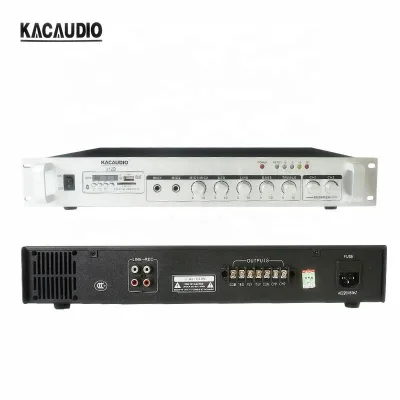
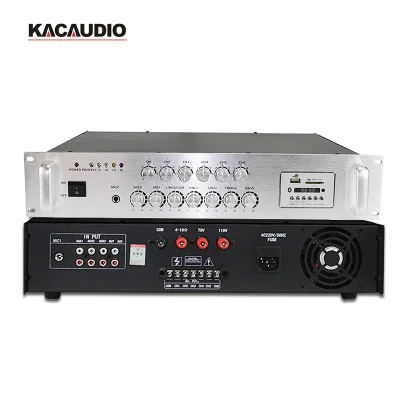
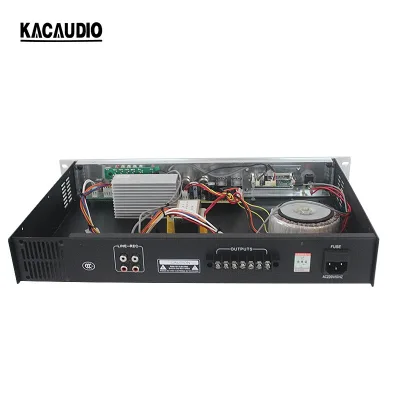
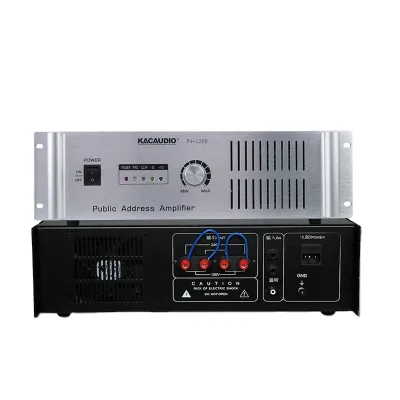
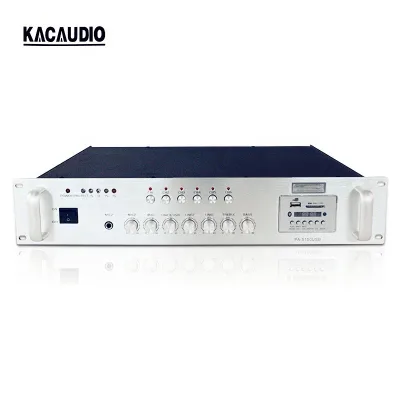
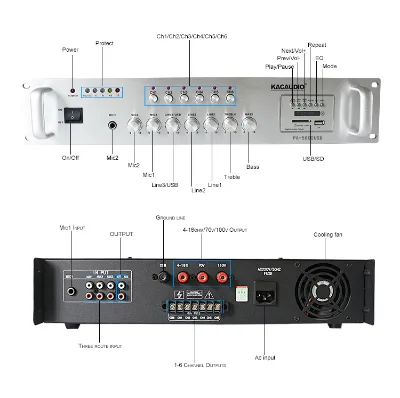
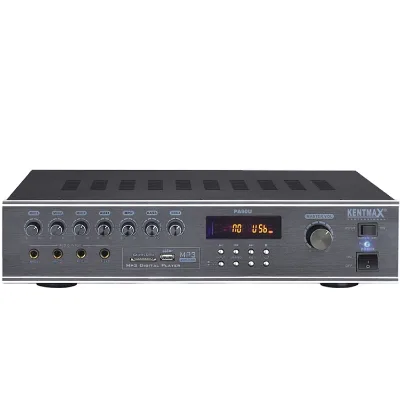
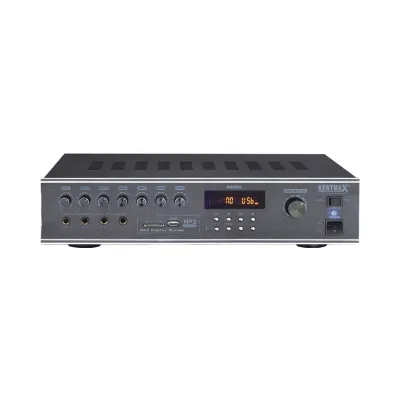
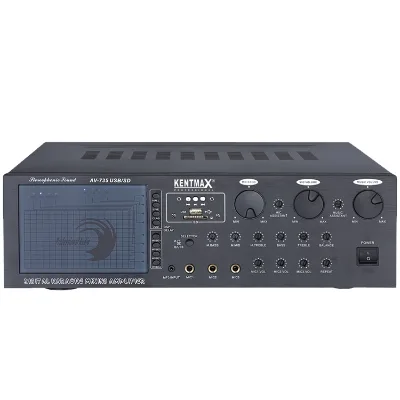
180W AMP Sound Public Address System Set 250W Power Amplifier for Church School
$67.2436 - $75.5196
MOQ: 300 pieces
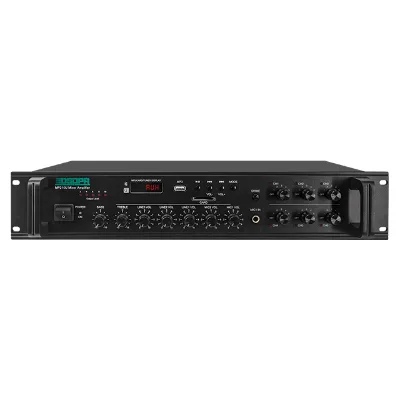


High Quality Constant Voltage Amplifier Public Address System 1000W/4ohms
$1.00 - $3000.00
MOQ: 1 Pieces
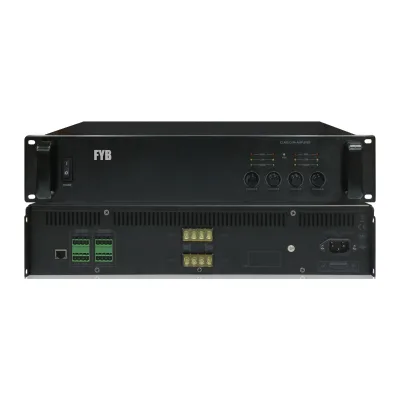
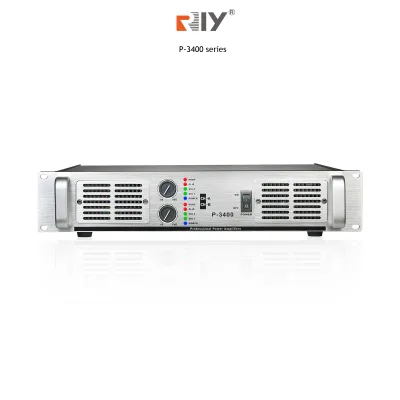
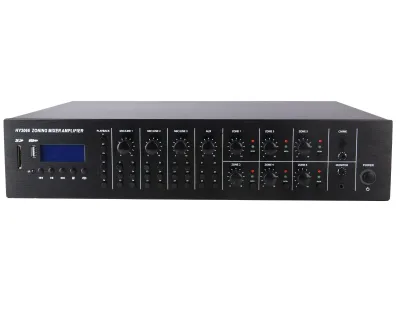
Comprehensive Sourcing Guide
Public Address Amplifier Sourcing Guide
Sourcing public address amplifiers requires a clear understanding of the specific acoustic environment and power distribution needs of the target installation. These devices serve as the core engine for PA systems, converting low-level audio signals into high-power outputs capable of driving loudspeaker arrays in diverse settings. Buyers must distinguish between general-purpose home amplifiers and robust professional units designed for continuous duty cycles in commercial or industrial spaces. The decision hinges on whether the application demands simple background music reproduction or high-intensity voice clarity for emergency announcements.
The market offers a wide spectrum of configurations, ranging from compact 120W units to high-capacity 1200W professional amplifiers. Observations indicate that brands like KACAUDIO provide OEM options, allowing buyers to customize branding while leveraging established manufacturing capabilities. It is critical to verify the channel configuration, as some listings specify 2.0 stereo channels while others offer 6-channel multi-zone capabilities. This distinction directly impacts the complexity of the audio distribution network and the number of independent speaker zones that can be managed simultaneously.
Product Scope and Observed Listing Signals
Current market listings reveal a diverse range of product types, including home amplifiers, PA amplifiers, and professional audio power amplifiers. The observed power ratings vary significantly, with specific models rated at 120W, 150W, 350W, and up to 1200W. This variance suggests that buyers must carefully match the amplifier’s rated power to the impedance and sensitivity of the connected loudspeakers to prevent distortion or damage. The presence of both "Home Amplifier" and "PA Amplifier" classifications indicates that some units are versatile, while others are specialized for high-output public address applications.
Physical attributes also vary, with materials ranging from plastic and metal combinations to all-metal chassis constructions. Colors observed include black, silver, and silver-black combinations, which may influence aesthetic integration into visible installations. Dimensions and package sizes differ, with single package weights ranging from 7.6 kg to 27.0 kg. These physical specifications are crucial for logistics planning, rack mounting considerations, and ensuring the structural integrity of the installation site. Buyers should verify the exact model numbers, such as J12D or PA-1200, to ensure compatibility with existing system components.
Technical Specifications to Verify
Frequency response is a critical technical parameter, with observed ranges extending from 40Hz to 18KHz±0.5Db. This bandwidth suggests suitability for full-range audio reproduction, including both speech intelligibility and musical content. Buyers must verify if the amplifier supports the specific frequency requirements of their loudspeakers, particularly for low-frequency reproduction in larger venues. The channel count is another vital specification, with options including 2-channel stereo and 6-channel multi-zone configurations. Understanding the channel architecture is essential for designing a system that can handle multiple audio sources or zone-specific volume controls.
Output power ratings must be cross-referenced with the amplifier’s efficiency and thermal management capabilities. High-power units, such as those rated at 1200W, require robust cooling systems and stable power supplies to maintain performance under load. Features like short-circuit protection are noted in some listings, indicating built-in safeguards against speaker faults. Buyers should also examine the input and output connector types, ensuring compatibility with existing audio mixing consoles and speaker lines. The distinction between professional amplifiers and standard PA amplifiers often lies in these durability and protection features.
Compliance and Safety Documentation
Electrical safety is paramount when deploying high-power amplifiers in public spaces. Buyers must ensure that the equipment complies with local electrical standards and safety regulations, particularly regarding grounding and insulation. While specific certification marks are not detailed in the provided context, it is essential to request documentation proving compliance with relevant international or regional safety directives. This includes verifying that the amplifier’s power supply components meet required safety thresholds to prevent electrical hazards during prolonged operation.
Environmental and electromagnetic compatibility standards are also critical for professional audio equipment. Amplifiers should be tested for electromagnetic interference to ensure they do not disrupt other electronic systems in the venue. Buyers should inquire about the manufacturer’s quality control processes and whether the products undergo rigorous testing for reliability. Documentation such as test reports or compliance certificates should be requested prior to placing large orders. This due diligence helps mitigate risks associated with equipment failure or regulatory non-compliance in the final installation.
Cost Drivers and Commercial Terms
The price range for public address amplifiers is broad, reflecting differences in power output, build quality, and feature sets. Observed prices span from $1 to $3000, with higher costs typically associated with professional-grade units featuring advanced protection circuits and higher power ratings. Buyers should analyze the cost per watt to determine value, considering that higher efficiency and durability may justify a higher upfront investment. The presence of OEM options may also influence pricing, as custom branding and packaging can add to the unit cost.
Minimum order quantities (MOQ) vary, with observed ranges from 1 to 300 units. This flexibility allows buyers to test smaller batches before committing to larger purchases. Lead times and shipping terms are significant commercial factors, especially for heavy units with package weights up to 27.0 kg. Buyers should negotiate clear terms regarding shipping responsibilities and insurance coverage. Understanding the total landed cost, including duties and freight, is essential for accurate budgeting and ensuring that the project remains financially viable.
Supplier Qualification and Quality Control
Supplier verification is crucial when sourcing from manufacturers in regions like Zhejiang, China. Buyers should assess the supplier’s manufacturing capabilities, including their ability to produce OEM products and maintain consistent quality across batches. The presence of private molds or specific model numbers like PA-5150USB can indicate a supplier’s specialization and technical expertise. It is advisable to request samples to evaluate build quality, thermal performance, and audio fidelity before committing to bulk orders.
Quality control processes should be clearly defined, with inspections covering both functional performance and physical durability. Buyers should inquire about the supplier’s defect rate and warranty policies. Establishing a clear communication channel for technical support and after-sales service is essential for long-term partnership. Verifying the supplier’s reputation and past performance with similar clients can provide additional confidence in their reliability. A robust quality control framework ensures that the amplifiers meet the specified technical requirements and perform reliably in the field.
Long-Term Procurement Checks
Sustainability and lifecycle management are increasingly important in procurement decisions. Buyers should consider the energy efficiency of the amplifiers, as lower power consumption can reduce operational costs over time. The availability of spare parts and technical support is critical for maintaining system uptime. Suppliers that offer comprehensive warranty coverage and responsive technical assistance provide greater long-term value. Buyers should also evaluate the supplier’s commitment to product updates and improvements, ensuring that the technology remains relevant.
Scalability is another key consideration for future expansion. Buyers should choose suppliers who can accommodate increased order volumes without compromising quality or lead times. Building a relationship with a reliable supplier can facilitate smoother procurement processes and better negotiation leverage. Regular performance reviews of the installed equipment can inform future purchasing decisions, helping to identify trends in reliability and performance. A strategic approach to supplier management ensures that the audio infrastructure remains robust and adaptable to changing needs.
FAQs
What is the rated power range for kacaudio public address amplifiers?
The rated power ranges from 120W to 1200W across different models. Specific units include 120W, 150W, 350W, and high-power 700W or 1200W variants. This allows selection based on venue size and audio requirements for public address systems.
Which frequency response specifications are available for these amplifiers?
One model features a frequency response of 40Hz-18KHz±0.5Db. Other units may have different output power ratings like 5-10W. These specifications ensure clear audio reproduction for background music and public address applications in various environments.
Can I find OEM public address amplifiers with custom branding?
Yes, OEM options are available under the KACAUDIO brand name. These amplifiers support public address system integration and can be customized for specific applications. Buyers can source professional audio power amplifiers tailored to their brand requirements and technical needs.
What are the physical dimensions and weight of these amplifiers?
Dimensions vary by model, with sizes like 482*310*80mm or 482 x 390 x 88mm. Single gross weights range from 7.6 kg to 27.0 kg. Package sizes also differ, such as 64X42X18 cm or 60X60X31 cm, affecting shipping logistics.
Where are kacaudio public address amplifiers manufactured?
These amplifiers are manufactured in Zhejiang, China. The place of origin is consistently listed as China for the supplied product range. Buyers can source these professional audio devices directly from suppliers located in this region for global distribution.
What channel configurations are offered for PA amplifiers?
Available channel configurations include 2 channels (2.0) and 6 channels. Some models are designed for multi-zone public address systems. This variety supports different audio distribution needs, from simple stereo setups to complex multi-zone commercial installations.