Source DJ Smoke Fog Machine for stage events, clubs, and festivals
Compare 30 DJ Smoke Fog Machine options with varying power, tank capacity, and control modes. Buyers can evaluate models ranging from 1200W to 3000W for stage events, clubs, and festivals; compare the available evidence and request quotations based on your requirements.
Updated
Key considerations
Products List


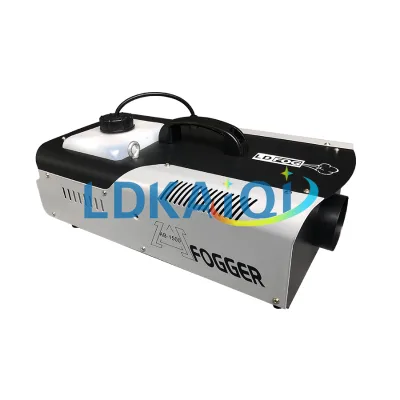


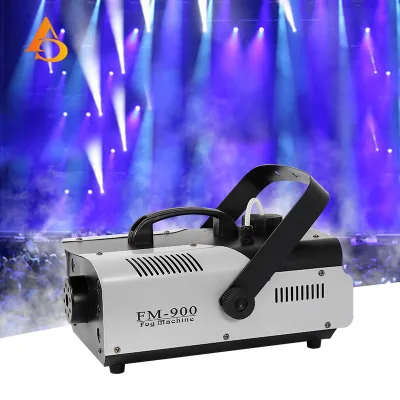

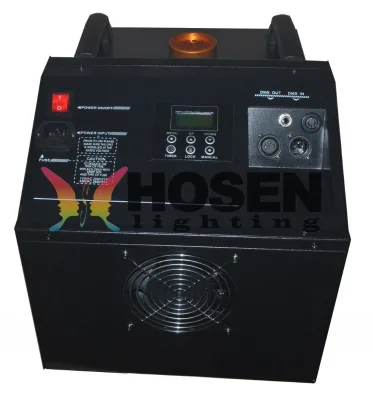
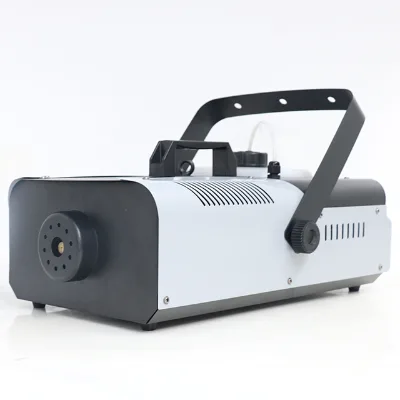


Comprehensive Sourcing Guide
DJ Smoke Fog Machine Sourcing Guide
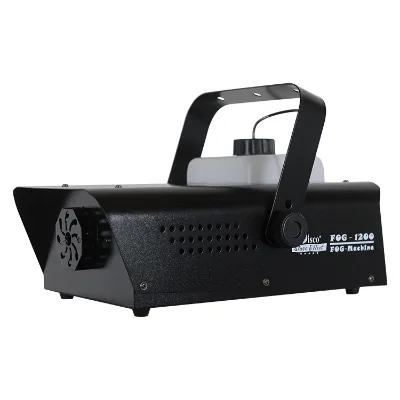
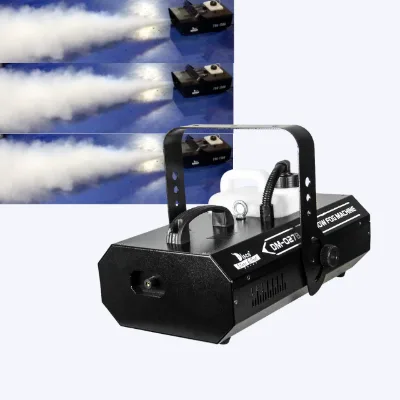
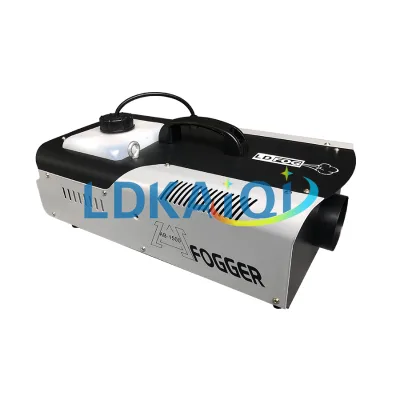
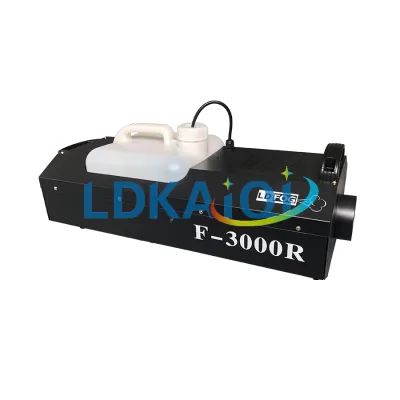
Procuring reliable fog machines for DJ setups requires careful attention to power consumption, heating efficiency, and control compatibility. The observed market features units ranging from 1200W to 3000W, with distinct differences in tank capacity and output distance. Buyers must align machine specifications with venue size and power infrastructure to ensure consistent performance during events.
Verification of technical parameters is critical before finalizing orders. Key attributes include re-heating times, which vary from five to nine minutes, and smoke output rates that can reach 20,000 cubic centimeters per minute. Understanding these metrics helps procurement teams select equipment that meets the dynamic demands of stage events, clubs, and festivals without causing electrical overloads or operational delays.
Product Scope and Observed Listing Signals
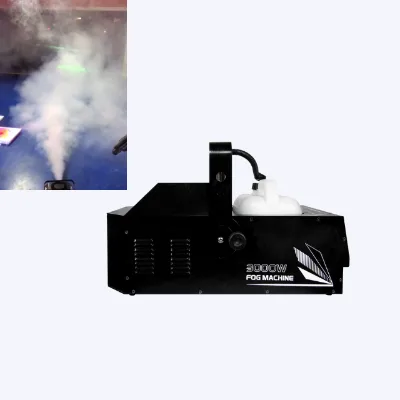
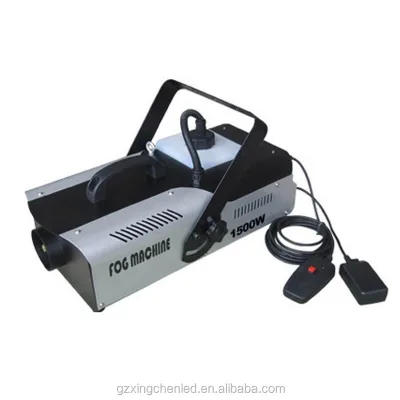
The current market offers a diverse range of fog machines tailored for various event scales. Listings indicate models with power ratings of 1200W, 1500W, and 3000W, catering to both small gatherings and large-scale productions. Observed price points span from $1 to over $1,800, reflecting differences in build quality, control sophistication, and brand positioning. Minimum order quantities are typically low, often starting at one unit, which facilitates trial purchases for small venues or individual DJs.
Physical dimensions and weights also vary significantly across product lines. Compact units may measure around 400x226x130mm and weigh 5kg, while larger professional models can exceed 560x365x339mm and weigh up to 16kg. Tank capacities range from 1.2 liters to 6 liters, influencing runtime between refills. Buyers should evaluate these physical constraints to ensure the equipment fits within stage spaces and transport logistics without compromising operational efficiency.
Technical Specifications to Verify
Power and voltage compatibility form the foundation of safe operation. Most observed units support AC 100-240V at 50-60Hz, providing flexibility for international deployment. However, power consumption varies from 1200W to 3000W, requiring verification of local circuit capacity. High-power models deliver greater smoke density and longer throw distances, often reaching 12 meters, but demand robust power supplies and cooling systems to maintain performance during extended use.
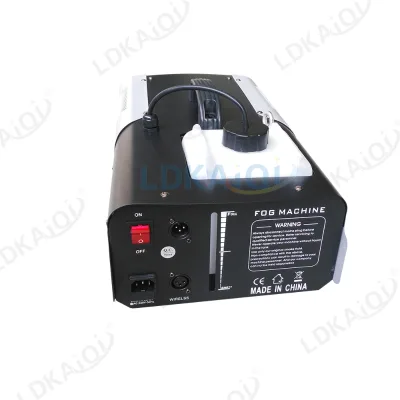
Control mechanisms and heating times directly impact workflow efficiency. Options include remote, wire, DMX512, and LCD controls, with DMX512 being essential for synchronized lighting rigs. Re-heating times range from five to nine minutes, affecting how quickly a machine can resume operation after depletion. Buyers must verify these specifications against their event schedules to avoid downtime. Additionally, smoke output rates and fuel consumption per liter should be calculated to estimate operational costs and refill frequency during long events.
Compliance and Safety Documentation
Safety certifications are non-negotiable for professional equipment deployment. CE certification is observed in several listings, indicating adherence to European health, safety, and environmental protection standards. Buyers must request valid certification documents to verify that the manufacturer has undergone proper testing for electrical safety and material compliance. Without verified documentation, equipment may pose risks to users and venues, potentially leading to liability issues or event cancellations.
Warranty terms provide a critical layer of protection against manufacturing defects. Observed warranties range from three months to one year, varying by supplier and model. Procurement teams should clarify the scope of coverage, including parts and labor, and understand the process for claiming repairs or replacements. A robust warranty indicates manufacturer confidence in product durability and ensures that unexpected failures do not result in significant unplanned expenses or operational disruptions during critical events.
Cost Drivers and Commercial Terms
Pricing structures are influenced by power output, control complexity, and build materials. Higher wattage machines with DMX512 capabilities and larger tanks command premium prices due to increased manufacturing costs and enhanced functionality. Buyers should analyze the total cost of ownership, including consumables like fog liquid, which is a standard requirement for operation. Fuel consumption rates, such as 40 minutes per liter, help estimate ongoing operational expenses and inform budgeting for large-scale productions.
Commercial terms, including minimum order quantities and packaging, affect logistics and inventory management. Most suppliers offer single-item purchases, reducing initial capital outlay for small businesses. Packaging dimensions, such as 50x30x20cm cartons, influence shipping costs and storage requirements. Buyers should negotiate clear terms regarding shipping responsibilities, return policies, and payment methods to mitigate financial risks and ensure smooth transaction processes.
Supplier Qualification and Quality Control
Supplier verification is essential to ensure product reliability and after-sales support. Buyers should prioritize manufacturers from established industrial regions, such as Guangdong, China, where supply chains for electronic and stage equipment are mature. Requesting detailed product specifications, including model numbers and technical datasheets, allows for precise comparison and verification against observed market data. Transparent communication regarding production capabilities and quality assurance processes is a strong indicator of supplier professionalism.
Quality control measures should be explicitly defined in purchase agreements. Buyers must confirm that units undergo pre-shipment testing to verify heating times, smoke output, and control functionality. Inspecting packaging integrity and included accessories, such as remote controls or power cables, ensures that products arrive in working condition. Establishing clear channels for technical support and spare parts availability is crucial for maintaining equipment performance and minimizing downtime during critical events.
Long-Term Procurement Checks
Continuous monitoring of supplier performance and product consistency is vital for long-term success. Buyers should track warranty claim frequencies and response times to assess supplier reliability. Regularly reviewing updated product specifications ensures that equipment remains compatible with evolving stage technologies and control systems. Maintaining a diverse supplier base can mitigate risks associated with single-source dependencies and provide flexibility in sourcing during peak demand periods.
Feedback from end-users, such as DJs and event organizers, provides valuable insights into real-world performance. Observations regarding re-heating times, smoke density, and ease of use should inform future purchasing decisions. Buyers should also stay informed about industry standards and safety regulations to ensure ongoing compliance. By maintaining rigorous procurement practices, organizations can secure high-quality fog machines that enhance event experiences while minimizing operational risks and costs.
FAQs
What is the typical re-heating time for these fog machines?
The re-heating time varies by model, ranging from 5 to 9 minutes depending on the specific unit selected. Some units require 7 minutes while others need 5 minutes or up to 9 minutes to reach optimal operating temperature for fog production.
Which voltage standards do these machines support for operation?
These machines support a wide voltage range of AC 100V to 240V at 50-60Hz, ensuring compatibility with global power standards. This flexibility allows the equipment to function reliably in various regions without requiring additional voltage converters or adapters.
How much fog liquid can the oil tank hold in different models?
Tank capacities vary significantly across models, with options ranging from 1.2 liters to 6 liters of fog liquid storage. Larger units like the DM-072 hold 6 liters, while smaller portable models may only hold 1.2 liters or 2 liters of fluid.
Can these fog machines be customized for specific event needs?
Yes, customization is available for many models to meet specific event requirements or branding needs. Buyers can request tailored specifications, ensuring the equipment fits unique stage setups or specific operational demands for clubs, festivals, and weddings.
What control modes are available for operating these fog machines?
Control modes include remote control, wire control, and DMX512 systems for professional integration. Some advanced models also feature LCD interfaces, allowing operators to manage fog output precisely during complex stage events or automated lighting sequences.
What is the maximum smoke distance these machines can achieve?
Smoke distance capabilities range from 5 to 12 meters depending on the specific model and power rating. Higher power units like the 3000w model can project smoke up to 12 meters, while smaller units typically reach distances between 5 and 10 meters.
Are these fog machines certified for safety and quality standards?
Yes, many models carry CE certification, indicating compliance with relevant safety and quality standards for electrical equipment. This certification ensures the machines meet necessary regulatory requirements for use in public venues and professional entertainment environments.