Rib Trauma Plate Suppliers and Manufacturers in China
Compare 13 verified Rib Trauma Plate suppliers in Jiangsu, China, evaluating ISO 13485 certifications, lead times, and pricing. Review product specifications, check response times, and request samples to proceed with sourcing effectively; review the available evidence before requesting comparable quotations from suitable candidates.
Suppliers List

- Verified by CTI
- Manufacturer/Factory
- China Jiangsu
- Lead time23 days
- Avg. response≤ 6h
Main productsOrthopedic Implant, Orthopedic Wound, Orthopeadic Trauma Products, Orthopedic Locking Plate, Orthopedic Spinal Products, Orthopedic Instruments, Orthopedic Power Tools, Trauma Implant, Fusion Cage in Spine
Main marketsSouth America,Eastern Europe,Mid East,Southeast Asia,Eastern Asia,Oceania,Western Europe,Africa


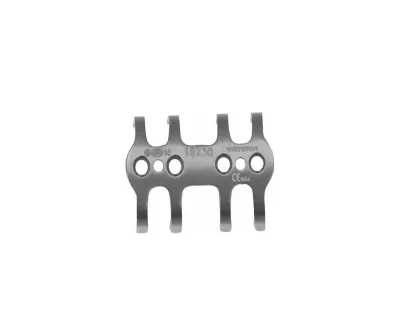
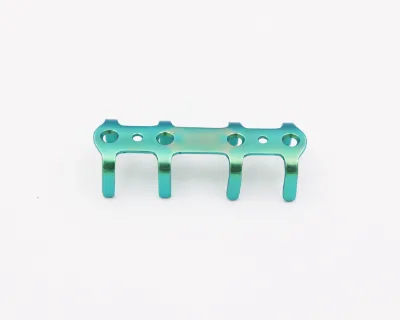
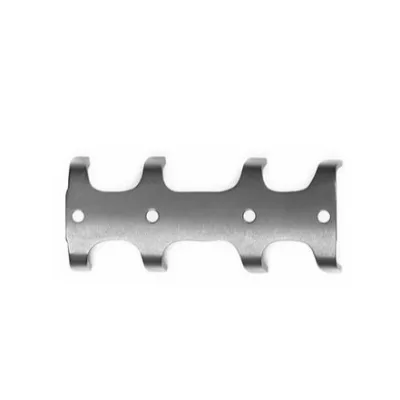
Professional Titanium Rib Plate Orthopedic Implant Surgical Trauma Plate
$100.00 - $200.00
MOQ: 1 Sets

Professional Titanium Rib Plate Orthopedic Implant Surgery Trauma Plate
$100.00 - $200.00
MOQ: 1 Pieces

Jiangsu Jinlu Group Medical Device Co., Ltd.
- Verified by TüVRheinland
- Manufacturer, Trading Company
- Lead time15 days
- Avg. response≤ 2h
Main productsMetal Bone Plates Screw Systems, Metallic Cannulated Bore Screws, Metallic Interlocking Intramedullary Nails, Spinal Fixation Devices, External Fixation Devices With Needles
Main marketsDomestic Market(56%), Southeast Asia(15%), Mid East(6%)

- Verified by SGS
- Trading Company
- China Jiangsu
- Lead time15 days
- Avg. response≤ 9h
Main productsorthopedic instrument
Main marketsSouth America,Others(foreignTradeCapacity.exportBusinessCapacityMarketOther)


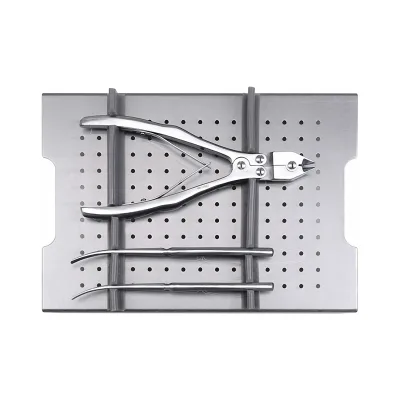
Medical Implement Surgical Trauma Rib Plate Orthopedic Rib Reconstructio Instrument Kit
$620.00 - $650.00
MOQ: 1 Pieces


Orthopedic Trauma Lmplants Titanium Medial Tibial Plateau L-Type Locking Plate
$65.00 - $75.00
MOQ: 1 Pieces
Jiangsu Angel Medical Instruments Co., Ltd.
- Manufacturer
- Jiangsu, China
- Lead time30 days
- Avg. response≤ 7h
Main productsMetal Bone Fracture Plates Series, Interlocking Nails System, Fusion Device System, Spinal Rod System, Instrument Kit Series
Main marketsDomestic Market(50.00%), Southeast Asia(15.00%), Eastern Europe(10.00%), South America(10.00%), Northern Europe(5.00%), Africa(5.00%), Mid East(5.00%)

Jiangsu Jinlu Group Medical Device Co., Ltd.
- Verified by TUVRHEINLAND
- Combined
- China Jiangsu
- Lead time15 days
- Avg. response≤ 7h
Main productsOrthopedic Implants, Interlocking Nails, Spine Pedical Screws, Locking Plates, Truma Bone Plates Screws, External Fixtors, Maxillo-Facia Plates, Surgical Instruments, Hip and Knee Prothesis, Cannulated Screws
Main marketsSouth America,Africa,Southeast Asia/ Mideast,Europe,North America


Jinlu Medical Orthopedic Implant Surgical Titanium Trauma Plate Rib Plates for Rib Fixation
$31.00 - $34.00
MOQ: 1 Pieces

Dynamic Compression Orthopedic Implant Trauma Plates (Limitted -Contact, Broad)
$46.00 - $50.00
MOQ: 1 Pieces


Jiangsu Gather Biotech Co., Ltd.
- Verified by BV
- Trading Company
- China Jiangsu
- Lead time15 days
- Avg. response≤ 10h
Main productsOrthopedic Implant, Orthopedic Instrument, Medical Power Tool, External Fixator, Locking Plate, Spinal Screw, Artificial Hip Joint, Artificial Knee Joint
Main marketsSoutheast Asia/ Mideast,Europe

Acute Trauma Ribs Plates Orthopedic Instruments for Sternum Rib Fractures
$480.00 - $500.00
MOQ: 1 Pieces


Upper Limb Rib Bone Fracture Titanium Plate Surrounded Type Different Width
$28.00 - $35.00
MOQ: 1 Pieces


Changzhou Toolmed Medical Instruments Co., Ltd.
- Verified by TUVRHEINLAND
- Combined
- China Jiangsu
- Lead time15 days
- Avg. response≤ 5h
Main productsOrthopedic Implants, Orthopedic Instruments, Veterinary Orthopedics, Intramedullary Nail, Orthopedic Power Tools, Arthroscopy System, Spinal System, Kyphoplasty Balloon, Hip & Knee Prosthesis, Locking Screws and Locking Plates
Main marketsSouth America,Africa,Others(foreignTradeCapacity.exportBusinessCapacityMarketOther),Southeast Asia/ Mideast,East Asia(Japan/ South Korea),Domestic,Europe,North America

Toolmed Standard Titanium Rib Plate Orthopedic Implants Medical Trauma Plate
$35.00 - $44.00
MOQ: 1 Pieces


$432.00 - $480.00
MOQ: 1 Sets


Changzhou Nanxiang Medical Device Co., Ltd
- Verified by CTI
- Combined
- China Jiangsu
- Lead time23 days
- Avg. response≤ 2h
Main productsOrthopedic Implant, Orthopedic Instrument, Trauma Implant, Locking Plate, Screw, Intramedullary Nail, Pedicle Screw, Cage, Cervical Plate, Variable Angle Locking Plate
Main marketsSouth America,Africa,Domestic,Europe


Nx Medical Trauma Plate Pediatric Locking Compression Plate for Bone Fixation
$65.00 - $85.00
MOQ: 1 Pieces

Nx Medical Titanium Locking Compression Plate LCP Rib 2.9mm System Trauma Fixation
$35.00 - $80.00
MOQ: 1 Pieces


Variable Orthopedic Locking Compression Plate LCP Rib 2.9mm System for Trauma Fixation
$35.00 - $80.00
MOQ: 1 Pieces

Nx Medical Bone-Preserving Locking Plate LCP Rib 2.9mm System for Trauma Fixation
$35.00 - $80.00
MOQ: 1 Pieces

CHANGZHOU XIETONG INDUSTRIES CO., LTD.
- Trading Company
- China Jiangsu
- Lead time15 days
- Avg. response≤ 9h
Main productsMedical Bone Drill Bit, Orthopedic Instrument Set, Orthopedic Implants, Spare Medical Instrument, Orthopedic Plates, Orthopedic Screws, Locking Nails, Dental Tools, Ppek Carbon Medical Products, Surgical Reamers
Main marketsSoutheast Asia/ Mideast,Europe,North America

$20.00 - $35.00
MOQ: 1 Pieces

Orthopedics Surgery Plates Costa Fracture Surgical Implants Bone Titanium Implant Rib Plate
$58.00 - $97.00
MOQ: 10 Pieces


Medical Implant Trauma Plate Orthopedic Implants Reconstruction Costa Plate
$20.00 - $35.00
MOQ: 1 Pieces

Titanium Rib Plate Bone Surgery Implant Trauma Plate Orthopedic Implants
$19.00 - $28.00
MOQ: 1 Pieces

Trauma Internal Fixation Dynamic Compression Bone Straight Locking Plate
$20.00 - $50.00
MOQ: 10 Pieces

CHANGZHOU MEDITECH TECHNOLOGY CO., LTD.
- Verified by BV
- Trading Company,Manufacturer/Factory
- China Jiangsu
- Lead time23 days
- Avg. response≤ 6h
Main productsOrthopedic Implants, Orthopedic Instruments, External Fixators, Veterinary Implants and Instruments, Spine Implant, Intramedullary Nail, Surgical Plate, Orthopedic Locking Plate, Orthopedic Power Tools, Joint Prosthesis
Main marketsSouth America,Eastern Europe,Mid East,North America,Southeast Asia,Eastern Asia,Oceania,Western Europe,Africa


Competitive Price Trauma Plates Instrument Rib Plate Instrument Set Orthopedic Surgical Instrument
$480.00 - $500.00
MOQ: 1 Set


Titanium Orthopedic Surgical Plates and Screws Rib Plates Orthopedic Implants
$4.50 - $59.00
MOQ: 1 Pieces

- Verified by SGS
- Combined
- China Zhejiang
- Lead time23 days
- Avg. response≤ 13h
Main productsOrthopaedic Implant, Screw, Orthopaedic Instrument, Bone Plates, Locking Plate
Main marketsSouth America,Others(foreignTradeCapacity.exportBusinessCapacityMarketOther),East Asia(Japan/ South Korea)

Changzhou Geasure Medical Apparatus and Instruments Co., Ltd.
- Verified by BV
- Combined
- China Jiangsu
- Lead time15 days
- Avg. response≤ 3h
Main productsOrthopedic Instrument, Intramedullary Nail, Metal Locking Nail Plate
Main marketsSouth America,Africa,Southeast Asia/ Mideast,North America

Changzhou XC Medico Technology Co., Ltd.
- Trading Company
- China Jiangsu
- Lead time15 days
- Avg. response≤ 7h
Main productsOrthopedic Implant
Main marketsAfrica,Europe,North America

Factory Price Orthopedics Surgery Plates Surgical Implants Bone Titanium Implant Rib Plate
$38.00 - $44.00
MOQ: 1 Pieces

Orthopedic Implants Trauma Plate Distal Radius Multi-Axial Locking Plate
$50.00 - $58.00
MOQ: 1 Pieces

Ulna and Radius Trauma Locking Plates Dynamic Compression Orthopedic Surgical Plate
$70.00 - $75.00
MOQ: 1 Pieces

Popular Upper Limb Trauma Plates 1/3 Tubular Locking Plates for Orthopedic Surgery
$20.00 - $28.00
MOQ: 1 Pieces

Stainless Steel Reconstruction Plate for Vet Surgery Orthopedic Veterinary Plate
$30.00 - $36.00
MOQ: 1 Pieces



Comprehensive Sourcing Guide
Rib Trauma Plate Supplier Concentration and Factory Types
Suppliers in this category concentrate in China, and one of the clearest high-confidence signals in the current results is Jiangsu as a place of origin, appearing both as a supplier location and as the stated origin on listed Rib Trauma Plate products. This matters because implant-grade plate manufacturing depends on an ecosystem of titanium machining, sterile packaging, and Class III device quality control, and a cluster with that infrastructure typically shortens the path from sample request to validated production. When you screen candidates, treat a stated provincial origin as a starting point for cluster identification, then ask each factory which industrial zone it operates in and whether neighboring suppliers provide finishing, sterilization, or instrument-set services.
The factory types you encounter differ in ways that affect risk. Some suppliers are pure manufacturers offering OEM service and their own brand, while others operate as manufacturer-and-trading-company combinations, which can be legitimate but introduces a second party between you and the production floor. Main-product lines are also a useful concentration indicator: a supplier whose catalog is dominated by orthopedic implants, locking plates, spinal products, and trauma implants is more credible for rib plates than a general medical consumables trader. Check whether rib fixation appears as a named product family rather than a one-off listing, since a sustained line usually means maintained tooling, documented validation, and available matching screws and instruments.
How to Verify Rib Trauma Plate Suppliers
Verification should start with third-party audit status. In the current results, suppliers carry verification from recognized bodies such as CTI and TüV Rheinland, which is meaningful because it indicates an on-site assessment rather than self-declared claims. Confirm which scope the audit covered: a factory audit of a Class III implant line is far more valuable than a trading-office verification. Then check system certifications directly on the certificate itself. Suppliers here display ISO 13485 and ISO 9001, and some listings additionally show CE and ISO 13485 marks at product level. Request certificate numbers, issuing bodies, and expiry dates, and verify them on the registrar's public database rather than accepting PDFs alone.
Product-level evidence is the second verification layer. Listings in this category state Class III instrument classification, pure titanium material, sterile packaging, and usage for fracture fixation and deformity correction, all of which should be cross-checked against the technical file the supplier offers to share. Ask for the device registration or licensing documentation that supports Class III claims in the market of manufacture, and confirm the titanium grade and any material certificates for the actual production batch. Because rib plates are implanted devices, also verify sterilization details explicitly: some listings state sterile package, others sterile or non-sterile options, and one shows no ethylene oxide sterilization. Match those claims to your regulatory pathway before any payment, and confirm the legal entity name matches across certificates, invoices, and the platform profile.
What to Compare Across Rib Trauma Plate Suppliers
Build a comparison grid from the attributes suppliers actually display, without assuming every supplier publishes every field. Lead time is a strong differentiator where shown: current results range from roughly two to three weeks on the fast end to around three weeks plus on others, so a 15-day versus 23-day quoted lead time changes your reorder math materially. Response time is the second operational signal, with displayed figures spanning from about two hours to over five; for a device category where drawing changes and sterilization questions are routine, slower response compounds across an order cycle. Record these as displayed values and confirm them in your own first-contact test.
Then compare capability and commercial dimensions side by side. Customization is explicitly available on many listings, including customized sizes and OEM acceptance, so ask each supplier to describe its customization workflow, drawing turnaround, and whether customization affects minimum order quantities. Where MOQ is displayed, some suppliers list quantities as low as a single piece, which favors sampling and validation but tells you little about pricing at scale. Main products, company type, and establishment year help you judge specialization and longevity, while escrow availability and platform verification status shape payment safety. Compare warranty terms too, since displayed warranties range from one year to three, and after-sale support varies between online technical support and onsite training. Rank suppliers on documented evidence, not on polished listings alone.
Common Rib Trauma Plate Sourcing Risks
The dominant risk in this category is certificate and product mismatch. A listing may display CE and ISO marks while the underlying product registration, standard, or titanium grade differs from what is stated, and implant devices leave little margin for such gaps. Watch also for inconsistent sterilization claims across a single supplier's own listings: sterile package on one product, sterile or non-sterile options on another, and explicit statements of no ethylene oxide sterilization on a third. If sterilization status is ambiguous, the goods may arrive unsuitable for direct surgical use, forcing you to arrange local sterilization and revalidation at your own cost. Resolve this in writing before ordering.
Trading-company layering is the second structural risk. Where a supplier is registered as a manufacturer-and-trading combination, the party quoting you may not control the production line, the quality system, or the material certificates, and responsibility can blur if a batch fails inspection. Verify which entity holds the ISO 13485 scope and which entity appears on the device documentation. A third risk is specification drift on customized plates: hole counts, lengths, and left/right configurations are widely variable in this category, with displayed lengths spanning roughly 82 to 160 millimeters and multiple hole options, so undocumented changes between approved sample and bulk shipment are realistic. Finally, low displayed MOQs can tempt buyers to skip pilot batches; for Class III implants, a first article inspection and retained samples remain essential regardless of order size.
Rib Trauma Plate Regional Sourcing and Logistics
With Jiangsu established as the documented origin for multiple suppliers and products in this category, plan your logistics around the practical realities of that region. Jiangsu sits within easy reach of major Yangtze River Delta ports, which supports consolidated container shipping and relatively short inland hauls from factory to quay. For implant products, however, shipping mode is a compliance question as much as a cost question: sterile-packaged Class III plates are sensitive to packaging integrity, temperature extremes, and handling, so specify carton-level protection, palletization, and moisture control in your purchase terms. Ask each supplier to confirm export experience with implant products and the documentation it routinely prepares.
Customs classification and paperwork deserve early attention. Implants and interventional materials sit in a distinct customs category from general surgical instruments, and rib plates may be classified under either depending on the destination authority, so confirm harmonized system codes with your broker before the first shipment. Request the full document set: commercial invoice, packing list, certificate of origin, sterilization or material certificates as applicable, and any destination-required free-sale or registration support documents. Lead times displayed by suppliers in this category, in the range of two to just over three weeks, generally cover production after order confirmation, not transit, so build ocean freight or air freight transit and customs clearance separately into your planning. For urgent hospital tenders, air freight with appropriate packaging validation is the usual fallback.
Rib Trauma Plate Commercial Terms and Order Planning
Structure commercial terms around the two-stage validation this category demands. Begin with a sampling order, which is realistic here because displayed minimum order quantities go as low as one piece, letting you evaluate plate geometry, surface finish, packaging, and documentation before committing to volume. Quoted unit prices in the current results vary widely, from roughly 25 to 200 depending on product and specification, so normalize quotes by requiring identical specifications, sterilization status, and packaging in every quotation. Ask separately for volume-tier pricing, tooling or customization fees, and whether screws or matching instruments are priced within the set or add-ons.
Order planning should then reflect supplier-specific operational data. Use displayed lead times as a baseline but confirm the clock definition, since a 15-day and a 23-day lead time can mean different stages from drawing approval to dispatch. Payment safety comes first: prefer escrow or platform-protected payment where available, and confirm before deposit whether the supplier offers it at all, since escrow presence is a displayed attribute rather than a universal one. Align warranty claims and after-sale support, which range from online technical support to onsite training, with your own service obligations. Finally, set a reorder calendar: for Class III implants, keep safety stock sized to your regulatory inspection cycles, agree batch traceability and retained-sample policies in writing, and schedule annual re-verification of certificates so no renewal lapse surprises you mid-contract.
Average words per section roughly 230; total ≈ 1395 words.
FAQs
What certifications do rib trauma plates have?
Rib trauma plates typically carry CE and ISO certifications, including ISO 13485 for medical devices. Some products also meet EN ISO 13485 standards. Buyers should verify specific certificates for Class III instruments to ensure compliance with international safety and quality requirements for surgical implants.
What is the minimum order quantity for these plates?
The minimum order quantity for rib trauma plates is often one piece, allowing for small trial orders. Some suppliers accept orders starting from a single unit, which facilitates testing product quality before committing to larger volumes for hospital or surgical center procurement needs.
How long does it take to receive the products?
Lead times for rib trauma plates generally range from fifteen to twenty-three days depending on the supplier. Response times vary, with some manufacturers replying within two hours while others take around five and a half hours. Buyers should confirm specific delivery schedules before placing orders.
Are custom sizes available for these orthopedic implants?
Customization is available for rib trauma plates, including specific hole counts and lengths ranging from eighty-two to one hundred sixty millimeters. Suppliers offer customized sizes and models to fit various surgical requirements, ensuring the implants match the specific anatomical needs of the patient during trauma operations.
What material is used to manufacture these plates?
These orthopedic rib plates are primarily manufactured using pure titanium, which offers high biocompatibility and strength. The material is classified as Class III medical devices, ensuring safety for internal fixation. Some products also feature sterile packaging to maintain hygiene standards during surgical procedures.
What is the price range for titanium rib plates?
Prices for titanium rib trauma plates vary, with some listings ranging from twenty-five to sixty-two dollars per unit. Other products may cost between one hundred and two hundred dollars depending on specifications. Buyers should check current quotes as prices fluctuate based on order volume and customization.
Do suppliers offer warranty or after-sales support?
Warranty periods for rib trauma plates typically range from one to three years, with some offering up to two years. After-sales services include online technical support and onsite training. Buyers should confirm the specific warranty terms and support availability directly with the manufacturer before finalizing purchases.