anti-odor anti-slippery ladies sandals Suppliers and Manufacturers
Explore 33 verified suppliers offering anti-odor anti-slippery ladies sandals with customizable features and materials. Compare response times, lead times, certifications, and pricing to select the right partner for your order; review the available evidence before requesting comparable quotations from suitable candidates.
Updated
Suppliers List
Xiamen Everpal Trade Co., Ltd.
- Verified by SGS Group
- Manufacturer, Trading Company
- Lead time30 days
- Avg. response≤ 5h
Main productsFlip Flops, Slippers, Sandals, Clogs, Sports Shoes
Main marketsNorth America(35%), Central America(22%), Western Europe(14%)
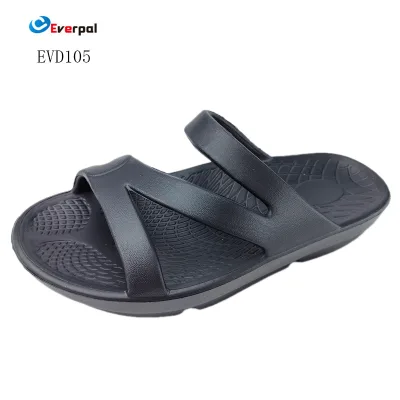
Ladies Thick Sole Recovery Slide Slippers Sandals
$3.927 - $4.3923
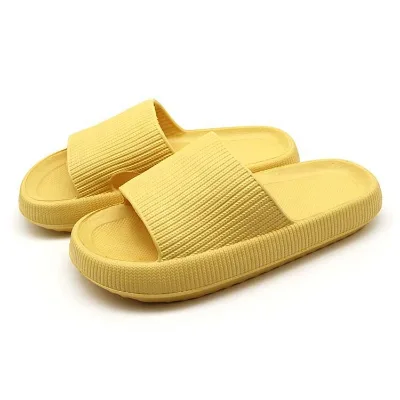
Lady Soft Anti-Slip Comfort Sandals with Logo Cloud Lightweight Women's Slides Slippers
$1.4691 - $1.5304
MOQ: 1 pairs

- Verified by CTI
- Trading Company
- China Fujian
- Lead time45 days
- Avg. response≤ 2h
Main productsEVA Slippers, Slide Sandals, Beach Sandals, Canvas Shoes, PVC Slippers, PE Slippers, Garden Shoes, Clog, Boots, Flip-Flops
Main marketsEast Asia(Japan/ South Korea)

Wholesale Summer Slip-Resistant Unisex Indoor Outdoor Ladies Design Slide Sandals
$2.00 - $2.10
MOQ: 1000 Pairs


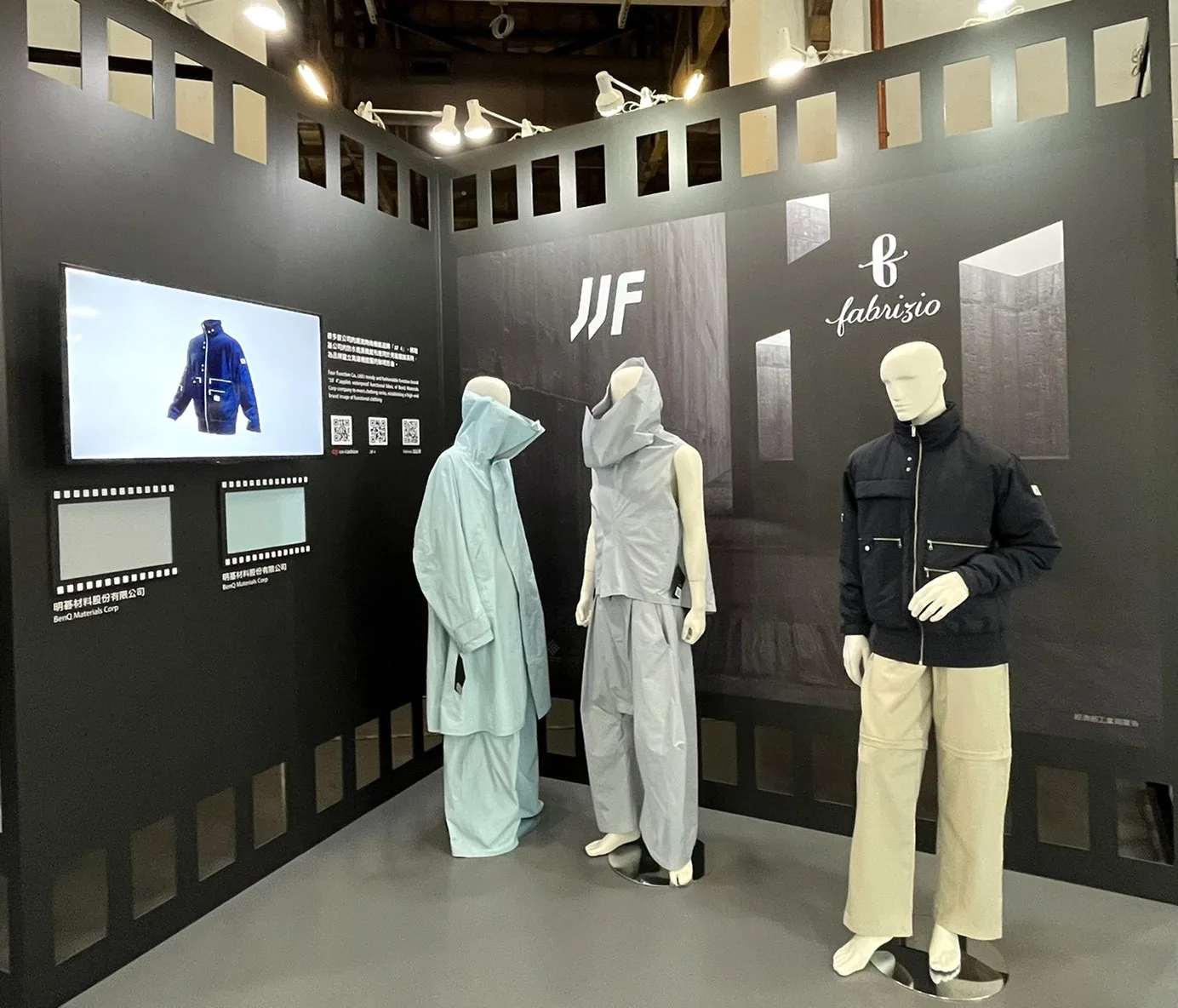
Glamoroux International Co., Ltd.
- Trading Company
- Taiwan, China
- Lead time30 days
- Avg. response≤ 6h
Main productsGarment & Footwear,Sports & Outdoor,Household & Lifestyle,Pets Products,Healthcare
Main marketsWestern Europe(70.00%), North America(30.00%)
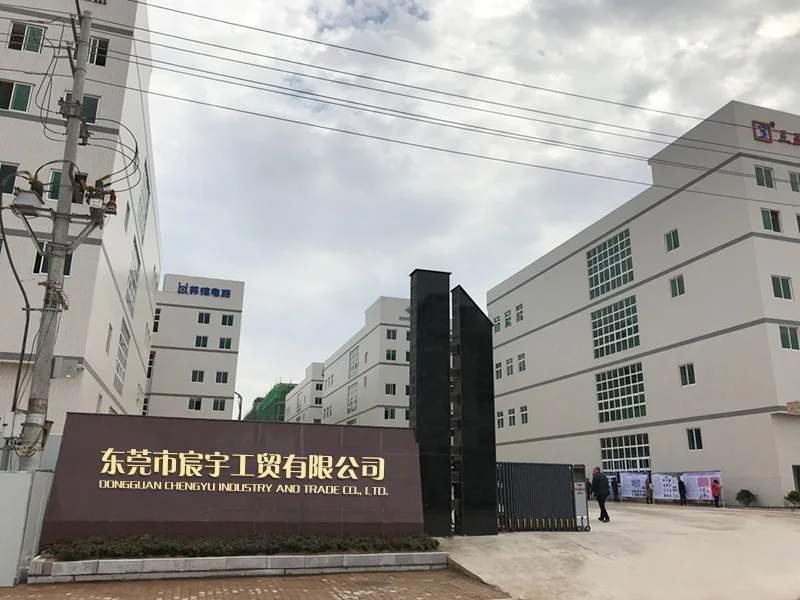
Dongguan Chen Yu Industry And Trade Co., Ltd.
- Manufacturer, Trading Company
- Guangdong, China
- Lead time15 days
- Avg. response≤ 2h
Main productsSlides Slippers,Flip Flops,Bath Slippers,Clogs,water shoes
Main marketsNorth America(30.00%), Eastern Europe(20.00%), South America(20.00%), Northern Europe(10.00%), Mid East(10.00%), South Asia(5.00%), Southern Europe(5.00%)

- Verified by BV
- Trading Company
- China Fujian
- Lead time30 days
- Avg. response≤ 8h
Main productsSlippers, Flip Flops, Clogs, EVA Beach Slippers, Gift Slippers, Injection Slippers, Canvas Shoes, Sandals
Main marketsSouth America,Africa,Southeast Asia/ Mideast,Europe,North America

$1.50 - $4.00
MOQ: 1000 Pairs


Trendy Breathable Sandals Indoor Outdoor Slip on Slipper for Women Ladies
$1.50 - $3.50
MOQ: 1000 Pairs

2023 Fashion Custom New Women Outdoor Non-Slip Sandals Flat Slipper High Quality
$1.50 - $3.50
MOQ: 3000 Pairs
Chengdu Jugaomei Industry And Trade Co., Ltd.
- Trading Company
- Sichuan, China
- Lead time0 days
- Avg. response≤ 5h
Main productsheels,shoes,boots,sandals,woman pumps
Main marketsNorth America(30.00%), Domestic Market(20.00%), Western Europe(20.00%), Mid East(20.00%), Eastern Europe(10.00%)

Maanshan Tumashte Import-Export Trade Co., Ltd.
- Verified by SGS
- Trading Company
- China Anhui
- Lead time15 days
- Avg. response≤ 5h
Main productsKnife Set, Shoes, Smegg Mug Cup, Smegg Cup, Smegg Cups Coffee, Knife, Kitchen Knife Set, Set De Cuchillos
Main marketsSoutheast Asia/ Mideast,Europe,North America


C Family Lady's Classic One-Piece Versatile Flat-Bottomed Slip-on Sandals
$11.15 - $11.53
MOQ: 20 Pieces
Guangdong Renrenhe Shoe Industry Co., Ltd.
- Verified by Intertek
- Trading Company
- Lead time15 days
- Avg. response≤ 2h
Main productsSlippers, Plastic Shoes, Flip Flops, Sandals, Clogs
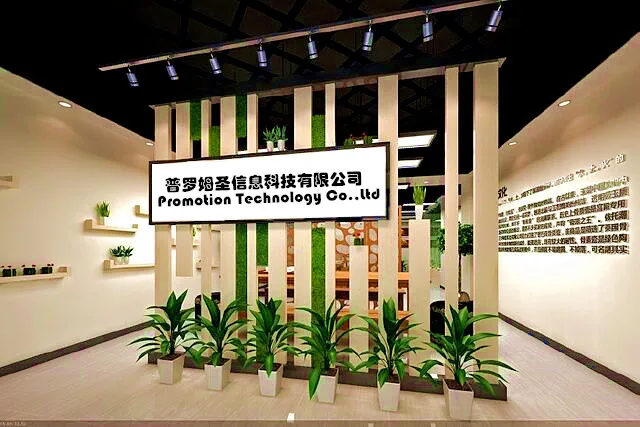
Shaanxi Puluomusheng Information Technology Co., Ltd.
- Trading Company
- Shaanxi, China
- Lead time15 days
- Avg. response≤ 2h
Main productsShoes,Sandals,Pumpa,Heels,Boot
Main marketsNorthern Europe(30.00%), North America(25.00%), Oceania(15.00%), Africa(15.00%), Mid East(10.00%), Southeast Asia(5.00%)
Chengdu Meijiali Shoes Co, Ltd.
- Trading Company
- Sichuan, China
- Lead time20 days
- Avg. response≤ 7h
Main productsShoes,Clothes,Bags
Main marketsWestern Europe(45.00%), North America(30.00%), Oceania(10.00%), Africa(7.00%), Southern Europe(2.00%), Eastern Asia(2.00%), Mid East(2.00%), South America(1.00%), Northern Europe(1.00%)
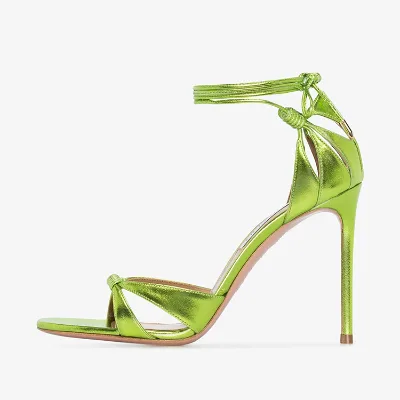
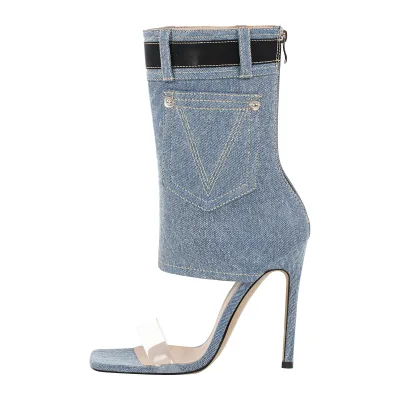
Blue Denim Heeled Sandals for Women and Ladies Working Other Sandals Fashion Shoes
$16.99 - $26.99
MOQ: 30
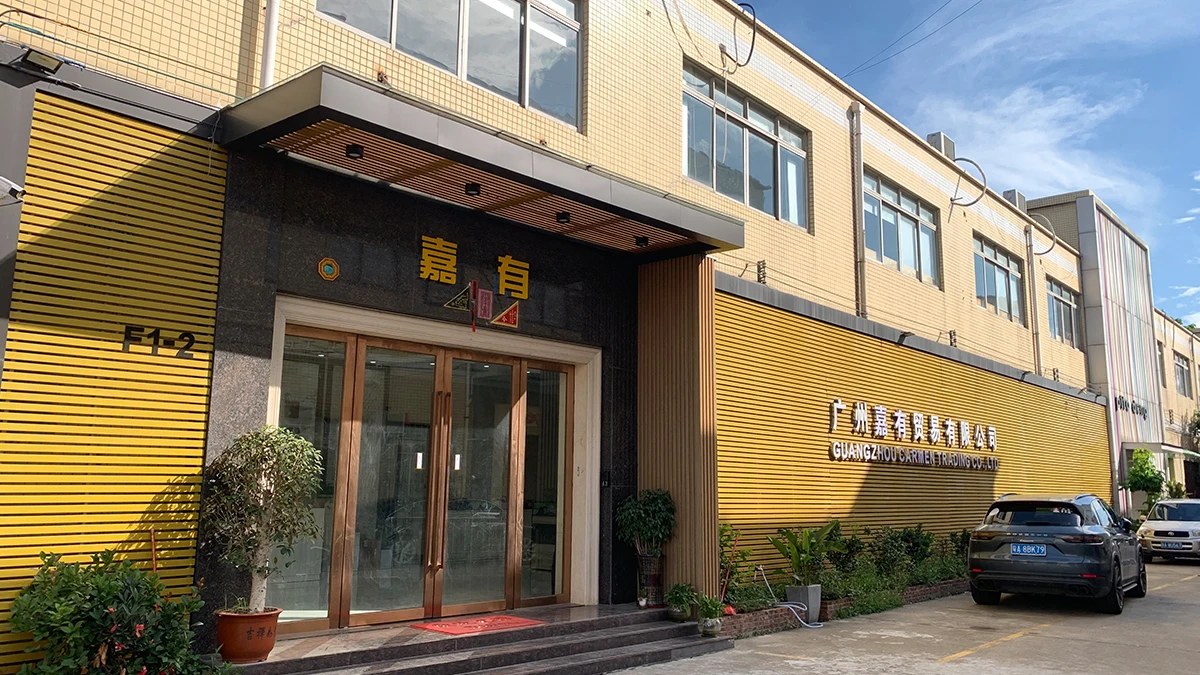
Guangzhou Carmen Trading Company Limited
- Manufacturer, Trading Company
- Guangdong, China
- Lead time30 days
- Avg. response≤ 10h
Main productsFocus on lady shoes / kid shoes / casual shoes more than 15 Years,kids shoes
Main marketsSouth America(20.00%), North America(20.00%), South Asia(10.00%), Central America(10.00%), Mid East(10.00%), Southeast Asia(10.00%), Eastern Europe(10.00%)
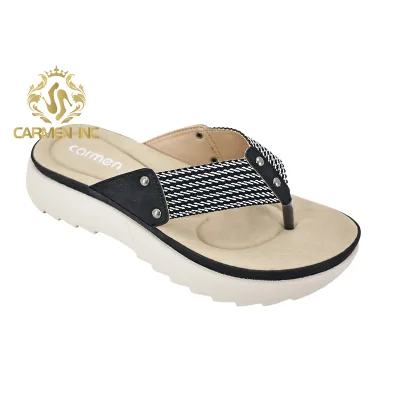
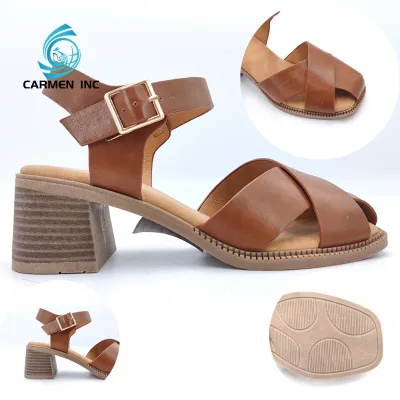
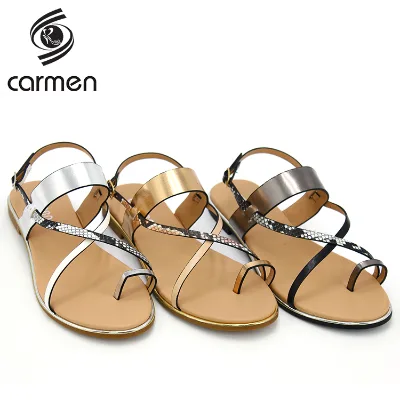
Black Flip-Flops Women Comfort Spring and Summer Sandals Sawtooth Shape Sole Anti-Slip Lady Slipper
$7.80 - $8.80
MOQ: 200 pairs
- Trading Company
- Sichuan, China
- Lead time20 days
- Avg. response≤ 4h
Main productsBoots,Casual Shoes,Sports Shoes,Baby Shoes,Sandals
Main marketsNorth America(45.00%), Western Europe(20.00%), Mid East(15.00%), Southeast Asia(10.00%), Eastern Europe(5.00%), Africa(5.00%)

Guangdong Guangfusan Footware Co., Ltd.
- Manufacturer, Trading Company
- Guangdong, China
- Lead time15 days
- Avg. response≤ 4h
Main productsslippers,Sandals,Flip Flops,Shoes,Plastic Shoes
Main marketsSoutheast Asia(60.00%), Africa(30.00%), Mid East(5.00%), South Asia(1.00%), Central America(1.00%), Eastern Asia(1.00%), North America(1.00%), South America(1.00%)
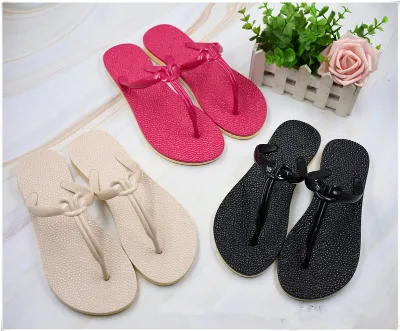
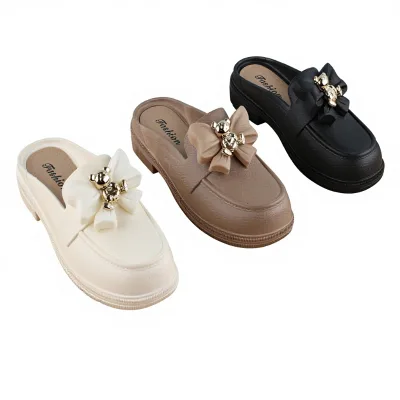
Summer Women Sandals Ladies Flip Flop Women Shoes Slipper and Sandal Casual Shoes
$0.50 - $1.40
MOQ: 3000

- Manufacturer, Trading Company
- Zhejiang, China
- Lead time15 days
- Avg. response≤ 2h
Main productsshoes,Kids shoes,slippers
Main marketsEastern Europe(30.00%), Domestic Market(15.00%), North America(10.00%), Southeast Asia(5.00%), South Asia(5.00%), Southern Europe(5.00%), Northern Europe(5.00%), Western Europe(5.00%), Eastern Asia(5.00%), Mid East(5.00%)
Yiwu Zhongbu International Trade Co., Ltd.
- Verified by SGS Group
- Manufacturer, Trading Company
- Zhejiang, China
- Lead time30 days
- Avg. response≤ 3h
Main productsProfessional Chef Shoes / Clogs, Medical Nursing Shoes / Surgical Clogs, Industrial Safety Clogs with Composite Toe, ESD Anti-Static Work Footwear , Functional Leisure Footwear
Chaozhou Jiesi Shoes Co., LTD.
- Verified by SGS Group
- Manufacturer, Trading Company
- Lead time0 days
- Avg. response≤ 2h
Main productsWomen Sandals, Women Slippers, Women Heels, Childen Shoes
Main marketsNorth America(50%), Africa(30%), South America(10%)
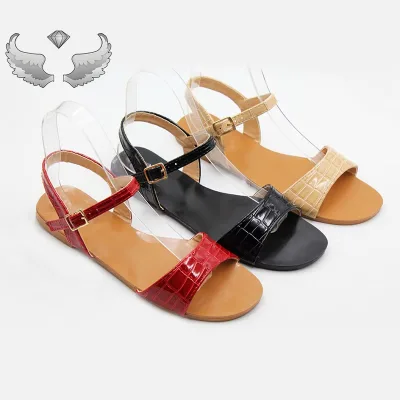
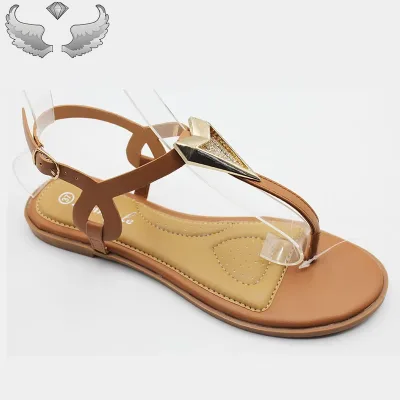
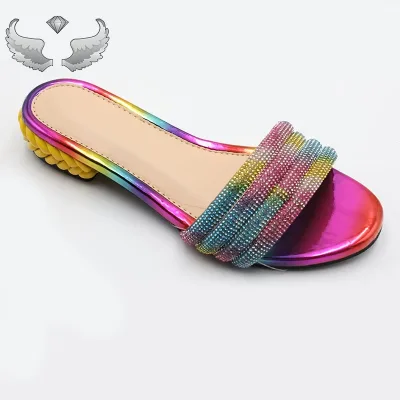
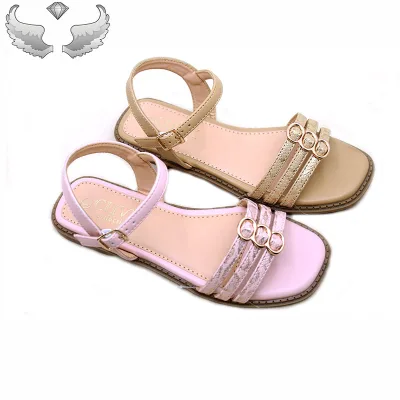
$3.20 - $3.40
MOQ: 1200 pairs
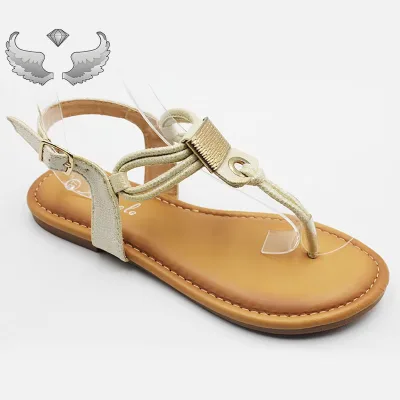
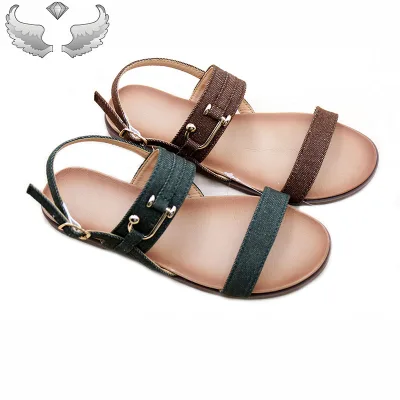

Xiamen Mango Fashion Shoes Trade Co., Ltd
- Verified by BV
- Trading Company
- China Fujian
- Lead time45 days
- Avg. response≤ 21h
Main productsSneaker, Women Sneakers, Sport Shoes, Skateboards, Casual Shoes, Vulcanized, Boots, Sandals, Slippers
Main marketsSouth America,Southeast Asia/ Mideast,North America

Women Wedge Sandals for Women Solid Color Slippers Comfort Womens Sandals
$6.00 - $7.90
MOQ: 1500 Pairs

- Verified by TüVRheinland
- Manufacturer, Trading Company
- Lead time5 days
- Avg. response≤ 1h
Main productsWomen Slippers, Women Sandals, Girls Sandals, Baby Sandals
Main marketsNorth America(30%), Africa(30%), Western Europe(20%)
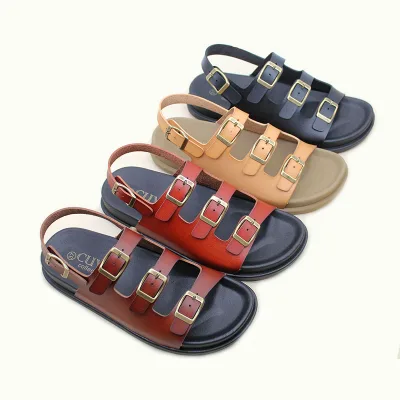
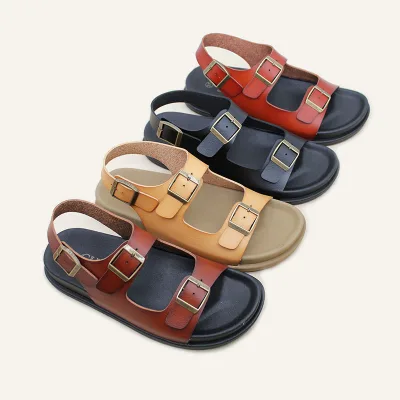
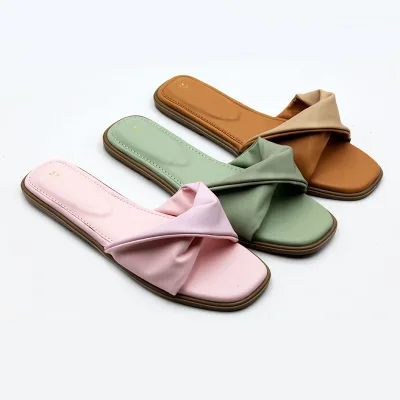
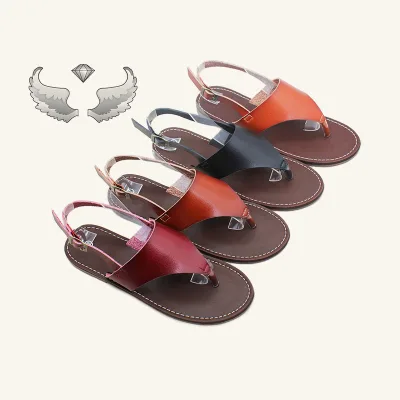
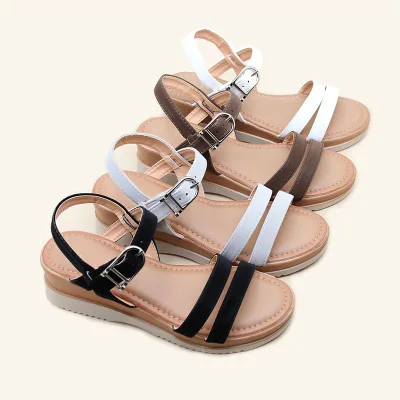
$3.8402 - $4.0452
MOQ: 1 pairs

Shenzhen Fashion Industrial Co., Ltd.
- Trading Company,Manufacturer/Factory
- China Guangdong
- Lead time38 days
- Avg. response≤ 5h
Main productsShoes, Sneaker Shoes, Sports Shoes, Women Shoe, Casual Shoes, Ladies Shoes, Fashion Shoes, Slippers, Sandals, Boots
Main marketsSouth America,Eastern Europe,Mid East,North America,Southeast Asia,Eastern Asia,Oceania,Western Europe,Africa


Hot Sale Woman Sandals High Quality for Lady Sandal Comfortable Summer Wedge Sandals Wedge Shoes
$7.62 - $8.15
MOQ: 100 Pairs
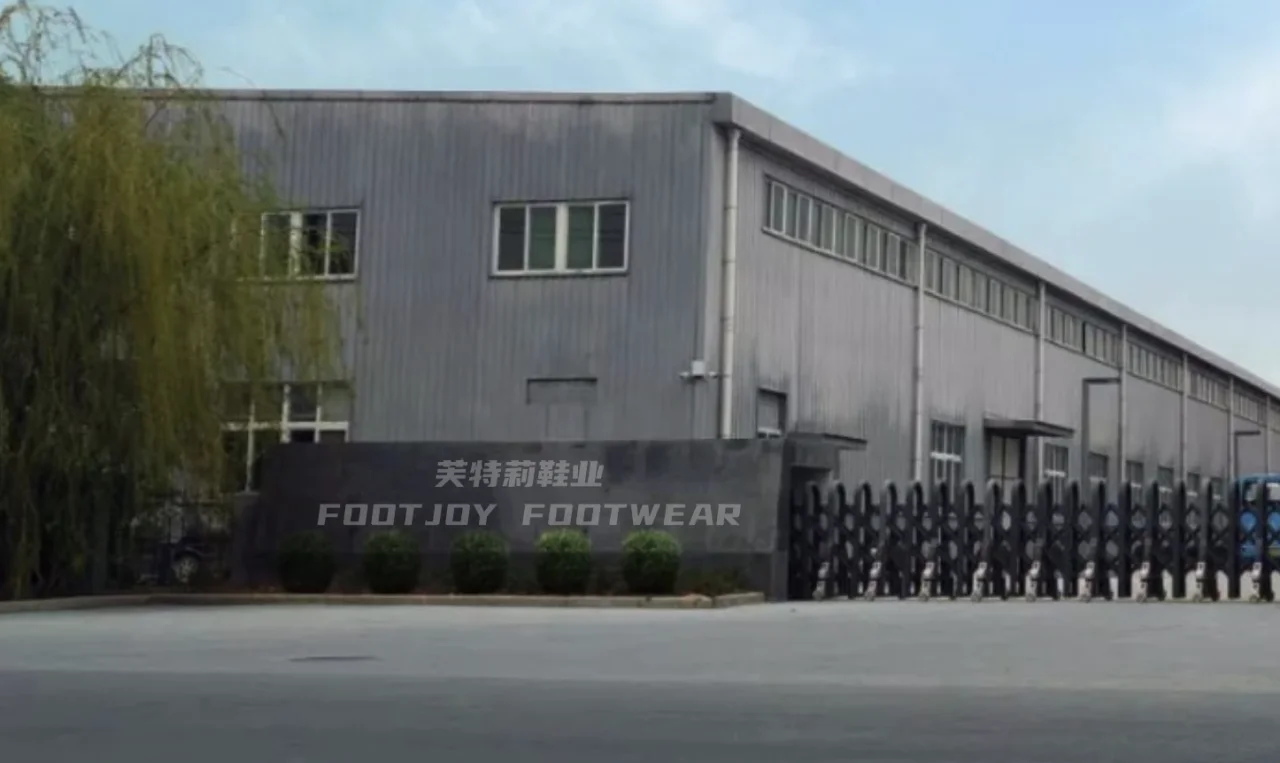
Jinjiang Longhu Futeli Footwear Firm
- Trading Company
- Fujian, China
- Lead time15 days
- Avg. response≤ 5h
Main productsSports Shoes,Fashion Sneakers,Lady Heels,Dress Shoes,Slippers
Main marketsAfrica(20.00%), Western Europe(20.00%), North America(20.00%), Southeast Asia(10.00%), Mid East(10.00%), Oceania(10.00%), Southern Europe(5.00%), Northern Europe(5.00%)
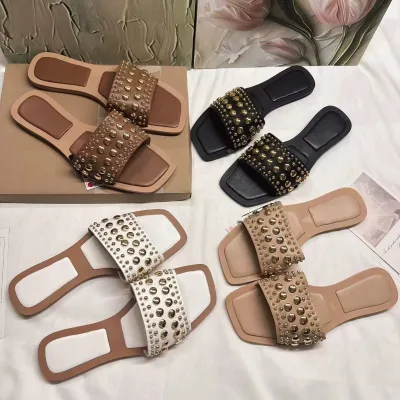
$11.3113 - $13.265
MOQ: 1 units
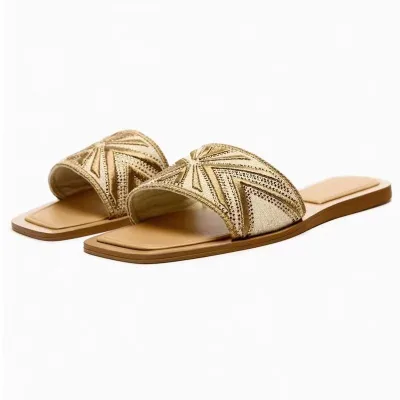
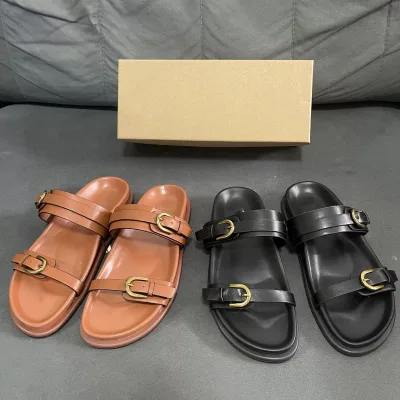
$12.2358 - $13.265
MOQ: 1 units

Quanzhou Deran Footwear Co., Ltd
- Verified by TUVRHEINLAND
- Trading Company
- China Fujian
- Lead time23 days
- Avg. response≤ 9h
Main productsClogs, Slippers, Shoe Charms, Mules, Sandals, Rain Boots
Main marketsNorth America

Multi Colored Thick Soled High-Heeled Sandals for Women Non-Slip Slides Slippers
$1.88 - $2.99
MOQ: 500 Pairs

Multi Colored Sandals for Women Non-Slip Lightweight Breathable Garden Clogs Shoes
$1.88 - $2.99
MOQ: 500 Pairs
Fuzhou Jinghong Electronic Commerce Co., Ltd.
- Verified by TüVRheinland
- Trading Company
- Lead time0 days
- Avg. response≤ 1h
Main productsFlat Sandals
Main marketsCentral America(55%), North America(25%), South America(20%)
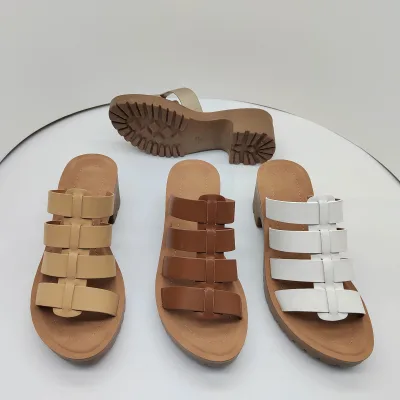
2022 New Woven Ladies Sandals Comfortable Home Ladies Sandals and Slippers Sandales Femmes
$6.10 - $6.80
MOQ: 200 pairs
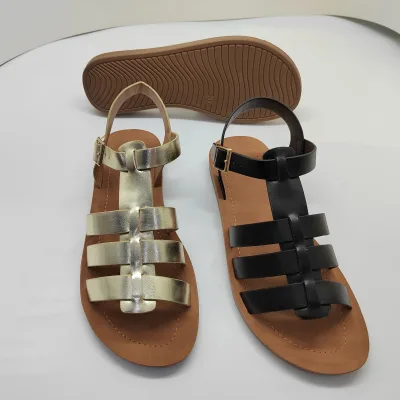
Women Sandals Platform Heeled Toe square Slip-on Lady's Casual Half Upper Shoes Women Shoes
$4.38 - $7.14
MOQ: 200 pairs
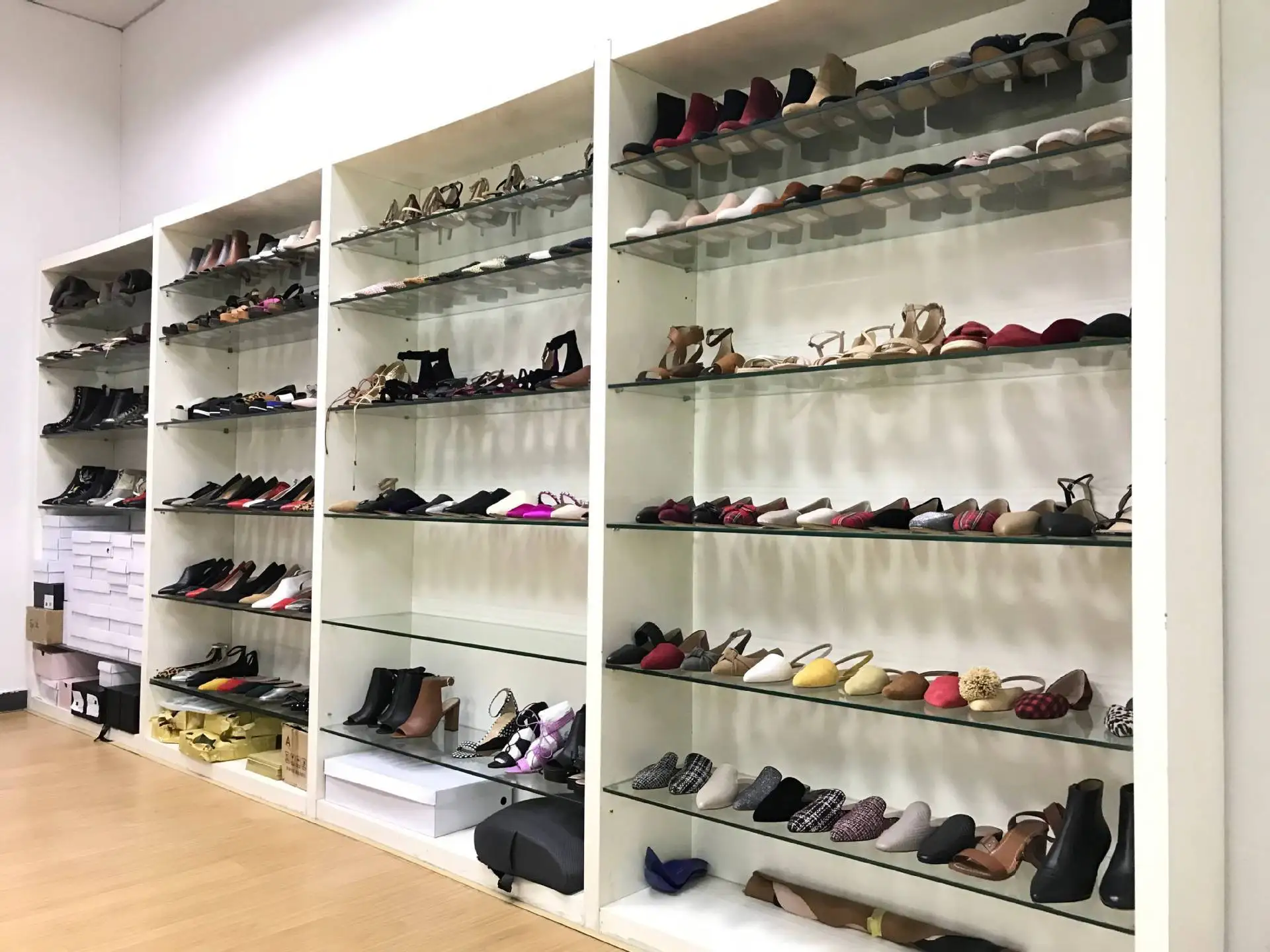
Shenzhen Lanfoo Trading Co., Ltd.
- Trading Company, Distributor/Wholesaler
- Guangdong, China
- Lead time15 days
- Avg. response≤ 5h
Main productsShoes,High heels,Pumps,Boots,Sandals
Main marketsNorth America(30.00%), Southeast Asia(10.00%), Mid East(10.00%), Northern Europe(10.00%), Domestic Market(5.00%), South Asia(5.00%), Eastern Europe(5.00%), Central America(5.00%), Africa(5.00%), Western Europe(2.00%), Eastern Asia(2.00%), Southern Europe(2.00%), South America(2.00%), Oceania(2.00%)

Quan Zhou Jin Jiang Cenki Imp&Exp Co., Ltd.
- Verified by SGS
- Trading Company
- China Fujian
- Lead time30 days
- Avg. response≤ 2h
Main productsSport Shoes, Casual Shoes, Slippers, Sandals, Boots, Flip Flops, Football Shoes, Clog Shoes, Safety Shoes, Children Shoes
Main marketsAfrica

Patent Leather Double Buckle Multi Strap Square Toe Flat Slip Women's Sandals
$6.30 - $6.70
MOQ: 100 Pairs

Buckle Decor Single Strap Square Toe Smooth Leather Flat Slip Women's Sandals
$5.38 - $5.88
MOQ: 100 Pairs

Professional Supplier Soft Puffy Braided Strap Slide Casual Summer Women's Sandals
$1.85 - $2.05
MOQ: 100 Pairs
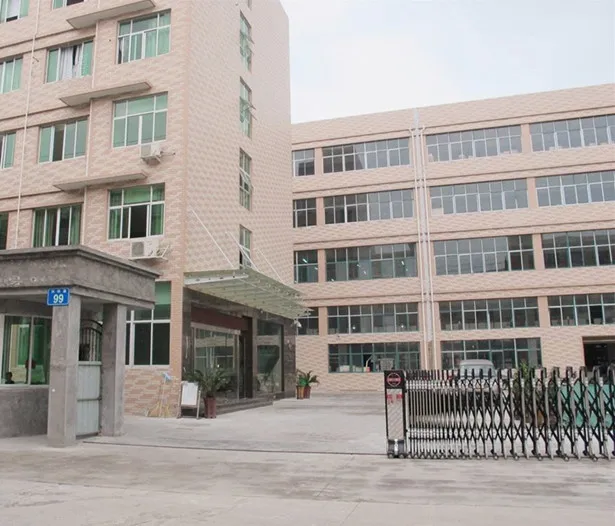
Guangzhou JY Trading Co., Ltd.
- Trading Company
- Guangdong, China
- Lead time3 days
- Avg. response≤ 3h
Main productsShoe, Fashion Shoes, Men Shoes, Cotton Slippers, Slippers
Main marketsNorth America(20.00%), Africa(20.00%), Eastern Europe(20.00%), Western Europe(15.00%), Eastern Asia(10.00%), Oceania(5.00%), Mid East(5.00%), Southeast Asia(5.00%)

Guangzhou Shengchengman Trading Co., Ltd.
- Verified by CTI
- Trading Company,Manufacturer/Factory
- China Guangdong
- Lead time45 days
- Avg. response≤ 3h
Main productsWomen Shoe, High Heels, Sandals, Slippers, Flat Shoes, Boots, Sports Shoes, Baby Shoes, Party Shoes, Brand Shoes
Main marketsSouth America,Mid East,North America,Western Europe,Africa

OEM Fashion Square Toe Open Toe Slippers Summer Crystal Heel Lady Sandals
$8.76 - $9.37
MOQ: 120 Pairs

Women's Sandals with Straps in Summer Are Convenient and Comfortable for Work. High Heels
$7.72 - $8.34
MOQ: 120 Pairs

Quanzhou Ding Chen Charm Trading Co., Ltd.
- Trading Company
- Fujian, China
- Lead time0 days
- Avg. response≤ 2h
Main productsWomen Shoes,Men Shoes,OEM Slide Sandal,Boots,Sport shoes
Main marketsNorth America(70.00%), Eastern Europe(30.00%), Eastern Asia(30.00%), Northern Europe(20.00%), Western Europe(20.00%), South America(20.00%), Southern Europe(20.00%), Africa(10.00%)

Quanzhou Xinpu Trading Co., Ltd.
- Verified by SGS
- Trading Company
- China Fujian
- Lead time15 days
- Avg. response≤ 3h
Main marketsNorth America

- Verified by SGS
- Trading Company
- China Fujian
- Lead time30 days
- Avg. response≤ 2h
Main productsBoots, Sneakers, Sandals, Corkshoes, Kids Shoes, Customized Shoes, Footwear, Slipper, Winter Boots, Snow Boots
Main marketsEast Asia(Japan/ South Korea)
- Verified by SGS Group
- Trading Company
- Lead time30 days
- Avg. response≤ 2h
Main productsFlip Flops Slippers, Slides Slippers, Clogs & Mules, Women Sandals
Main marketsWestern Europe(40%), Eastern Asia(30%), North America(20%)
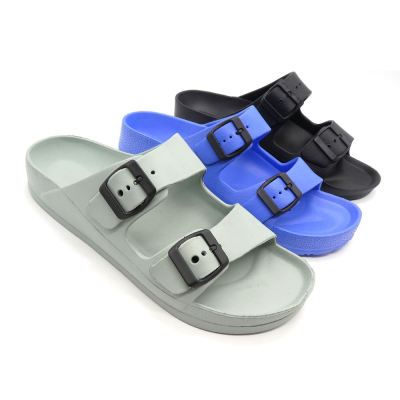
China Hotsale Quick-Drying Sandals for Women Summer Slides With Two Straps
$1.10 - $1.30
MOQ: 1000 pairs
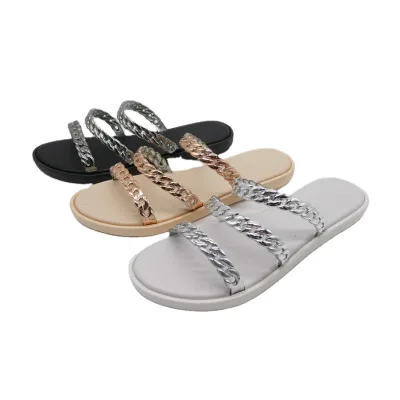
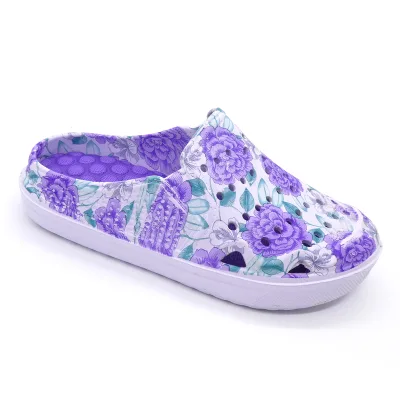

Quanzhou Meisner Import and Export Trading Co., Ltd
- Verified by CTI
- Trading Company
- China Fujian
- Lead time60 days
- Avg. response≤ 1h
Main productsSandals, Women Sandals, Beach Sandals, Slippers, Lady Sandals, Outdoor Shoes, Men Slippers, School Shoes, Men Sandals, Women Slippers
Main marketsSoutheast Asia/ Mideast

Men's and Women's Comfortable Wear-Resistant Breathable Lazy Slippers Anti Slip Sandal
$7.95 - $9.09
MOQ: 2000 Pairs


Yueqing Senda Shoe Materials Co., Ltd.
- Verified by BV
- Combined
- China Zhejiang
- Lead time23 days
- Avg. response≤ 1h
Main productsRubber Sole, Shoe Sole, Shoe Sole Mold, Sole Sticker, Soccer Outsole, Shoe Sole Vulcanizing Machine, Rubber Sheet, Safety Shoes Outsole, Shoe Last, Rubber Cupsole Outsole
Main marketsDomestic

Foshan Nanhai Yahang Shoes Co., Ltd.
- Verified by SGS
- Combined
- China Guangdong
- Lead time23 days
- Avg. response≤ 4h
Main productsShoe Soles, Shoe Lasts, Shoe Heels, Shoe Lace, Shoe Upper, Shoe Buckle, Shoe Eyelets, Complete Shoes
Main marketsSoutheast Asia/ Mideast
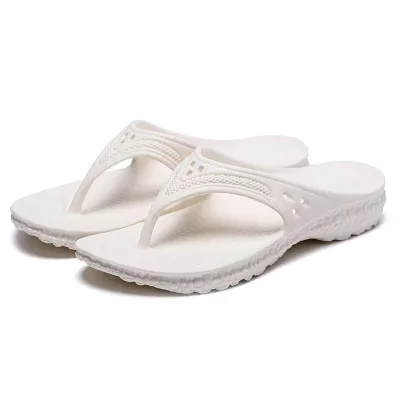
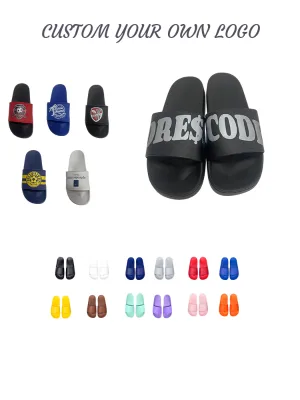
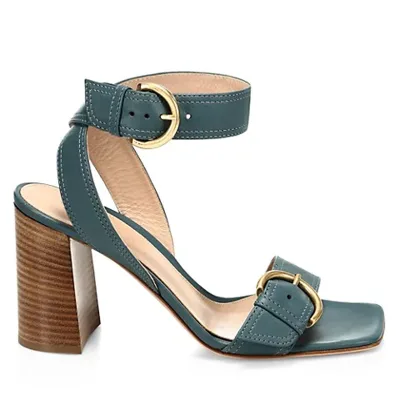
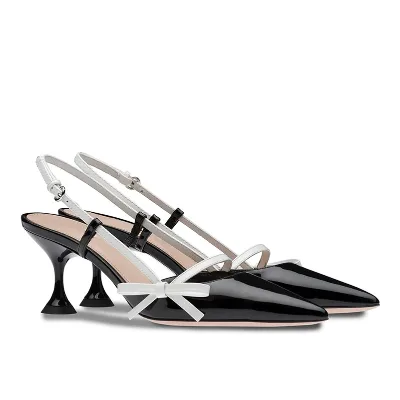
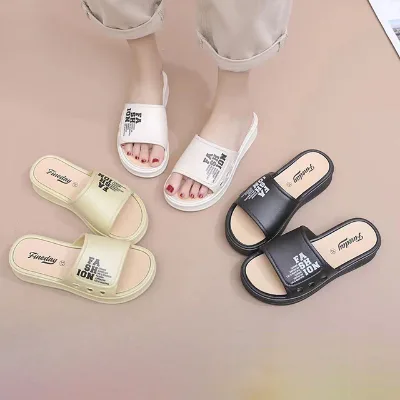
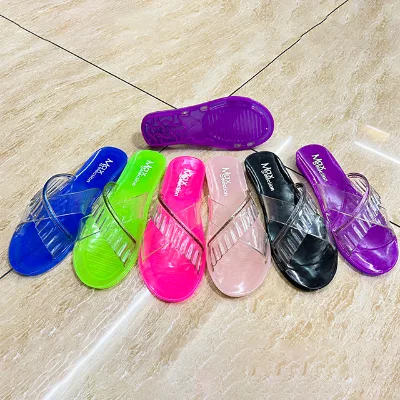
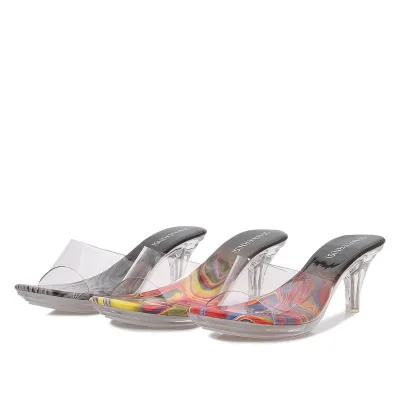
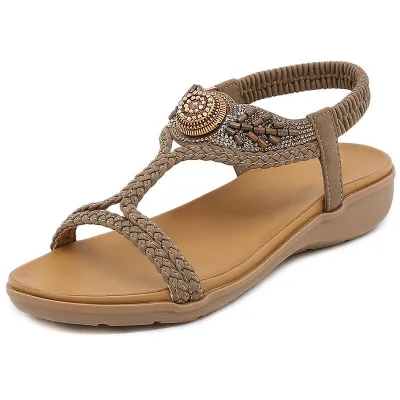
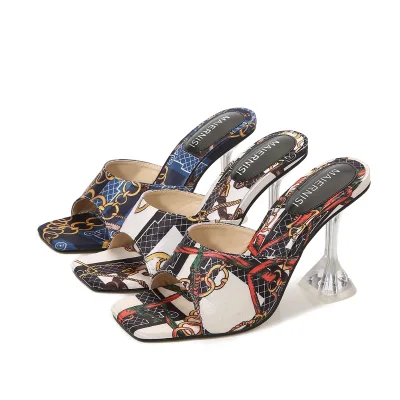
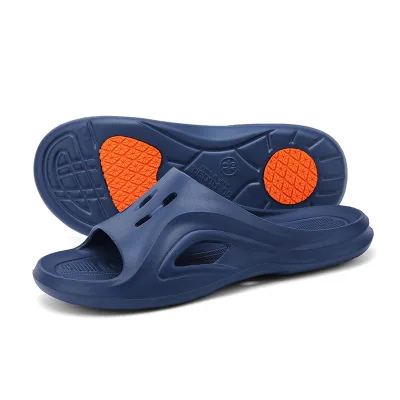
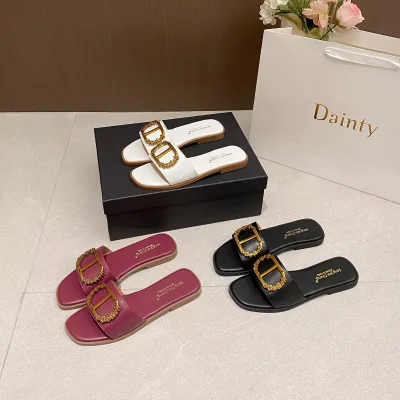
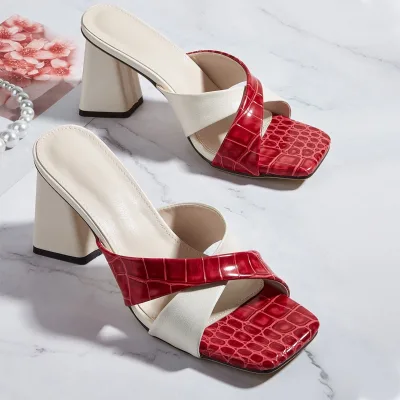
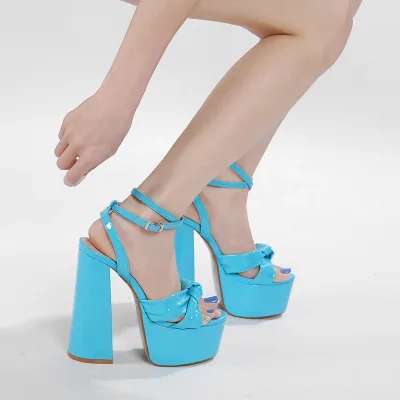
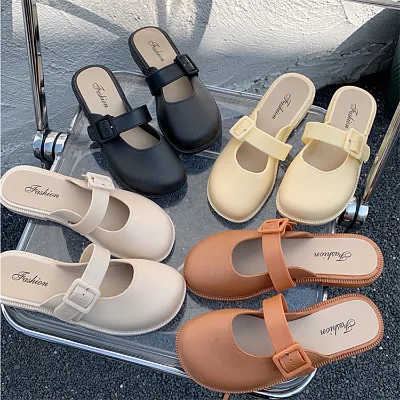
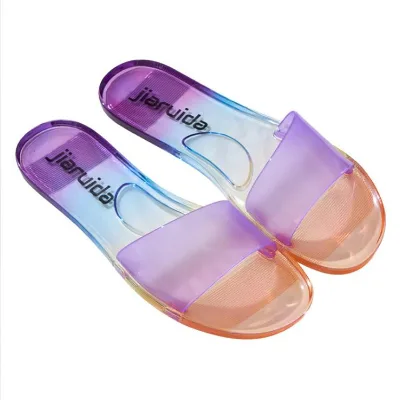
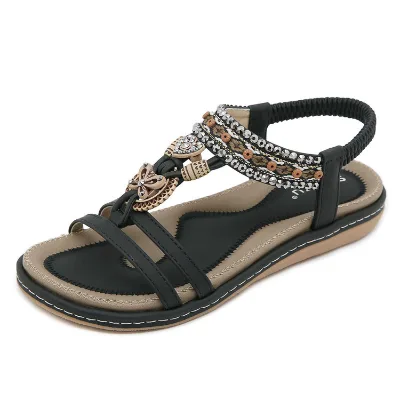
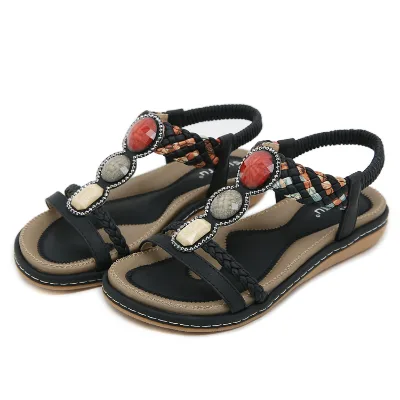


Comprehensive Sourcing Guide
Anti-Odor Anti-Slippery Ladies Sandals Supplier Concentration and Factory Types
The current supplier landscape for anti-odor anti-slippery ladies sandals reveals a mix of manufacturing capabilities and trading structures, requiring buyers to distinguish between direct production sources and intermediary facilitators. Evidence indicates that the available suppliers operate as either Manufacturers or Trading Companies, a distinction that significantly impacts pricing flexibility, communication speed, and control over the production timeline. Manufacturers typically offer more direct access to factory floors, allowing for deeper customization of materials such as EVA or PVC, which are frequently cited in product attributes for their lightweight and waterproof properties. In contrast, Trading Companies may provide a broader catalog of existing stock items, such as slide sandals or clogs, but might have less direct influence over specific manufacturing nuances like anti-slip tread patterns or odor-resistant treatments. Understanding this structural difference is crucial for buyers who prioritize either cost efficiency through direct sourcing or convenience through consolidated product offerings. The presence of both types suggests a mature supply chain where buyers can choose based on their specific order volume and customization needs, rather than being limited to a single business model.
Location data points to China Fujian as a specific origin for some of these footwear products, indicating a regional concentration of manufacturing activity in this area. This geographic clustering often implies established infrastructure for shoe production, including access to raw materials like EVA foam and PVC, as well as specialized labor for molding and assembly processes. Buyers should consider this regional focus when evaluating logistics and lead times, as suppliers in this cluster may benefit from localized supply chains that reduce material transport costs. However, it is important to verify if all suppliers claiming to offer anti-odor and anti-slippery features are indeed located in this region or if they source from other areas. The concentration in Fujian does not guarantee uniform quality or compliance across all suppliers, so buyers must assess each entity individually. Recognizing the factory type and location helps in narrowing down the search to suppliers who align with the buyer’s operational requirements, whether that involves high-volume production runs or smaller, customized orders with specific material specifications.
How to Verify Anti-Odor Anti-Slippery Ladies Sandals Suppliers
Verification is a critical step in ensuring that suppliers meet the necessary quality and compliance standards for anti-odor anti-slippery ladies sandals. Buyers should prioritize suppliers who have undergone third-party verification processes, as this provides an additional layer of trust regarding their business legitimacy and operational capabilities. In the current results, some suppliers are verified by SGS Group, while others are verified by CTI, indicating that different verification bodies are involved in assessing these manufacturers and trading companies. These verifications often include checks on factory audits, production capacity, and quality management systems, which are essential for ensuring that the anti-slippery and anti-odor claims are substantiated by actual product performance. Buyers should request and review these verification reports to understand the scope of the audit and whether it covers the specific production lines relevant to their order. Additionally, looking for certifications such as REACH can provide insight into the chemical safety of the materials used, particularly for products that come into direct contact with skin and may require odor-resistant treatments.
Beyond verification badges, buyers should actively engage with suppliers to assess their responsiveness and technical knowledge. The response time metric is a useful indicator of a supplier’s operational efficiency, with some suppliers showing response times as low as 1.49 hours, while others may take up to 5 hours. A faster response time often correlates with better communication throughout the order process, reducing the risk of misunderstandings regarding product specifications or delivery schedules. Buyers should also inquire about the supplier’s ability to provide samples and conduct product testing, particularly for anti-slippery performance on various surfaces and odor-resistance over time. Asking for detailed product attributes, such as the specific type of EVA or PVC used, the presence of anti-slip patterns or grooves, and any special treatments for odor control, can help gauge the supplier’s expertise. Suppliers who can provide comprehensive technical details and are willing to support sample testing are more likely to deliver products that meet the buyer’s quality expectations. This proactive verification approach helps mitigate risks and ensures that the selected supplier is capable of producing high-quality anti-odor anti-slippery ladies sandals.
What to Compare Across Anti-Odor Anti-Slippery Ladies Sandals Suppliers
When evaluating multiple suppliers for anti-odor anti-slippery ladies sandals, buyers should systematically compare key operational metrics to identify the most suitable partner for their needs. Lead time is a significant factor, with observed values ranging from 30 to 45 days, which can impact inventory planning and market launch schedules. Suppliers with shorter lead times may offer faster turnaround for urgent orders, but buyers should also consider the reliability of these timelines and whether they include time for sample approval and production adjustments. MOQ (Minimum Order Quantity) is another critical comparison point, with some suppliers offering an MOQ of just 1 unit, which is ideal for testing the market or small boutique orders, while others require a minimum of 1000 units, suitable for larger retail chains. Understanding these MOQ differences allows buyers to align their order strategy with their sales channels and financial resources. Additionally, comparing the main products offered by each supplier can reveal their specialization; some may focus on EVA slippers and slide sandals, while others might offer a broader range including canvas shoes or boots, indicating different production capabilities.
Price and customization options are also essential dimensions for comparison, as they directly affect profitability and product differentiation. Price ranges vary, with some products listed between $1.47 and $1.53, while others are priced between $2.00 and $2.30, reflecting differences in material quality, design complexity, and order volume. Buyers should analyze whether the price includes customization services, such as logo printing or color variations, which are often available for anti-odor anti-slippery sandals. Suppliers that offer flexible customization options, including changes to upper materials, outsole patterns, and packaging, provide greater value for buyers seeking unique product offerings. Furthermore, comparing the response time can indicate the supplier’s commitment to customer service, with faster responses suggesting a more proactive approach to order management. By systematically comparing lead times, MOQs, prices, and customization capabilities, buyers can make informed decisions that balance cost, speed, and product quality, ensuring they select a supplier that best fits their specific business requirements for anti-odor anti-slippery ladies sandals.
Common Anti-Odor Anti-Slippery Ladies Sandals Sourcing Risks
Sourcing anti-odor anti-slippery ladies sandals involves several potential risks that buyers must proactively manage to ensure product quality and supply chain stability. One significant risk is the discrepancy between claimed product features and actual performance, particularly regarding anti-slippery and anti-odor properties. While suppliers may list features such as anti-slip patterns, EVA foam shock absorption, and waterproof materials, these claims need to be validated through rigorous testing. Buyers should be cautious of suppliers who do not provide detailed technical specifications or are unwilling to support sample testing, as this could indicate a lack of confidence in their product’s performance. Additionally, the use of specific materials like PVC or EVA can vary in quality, affecting the durability and comfort of the sandals. Buyers should verify the material composition and request material safety data sheets to ensure that the products meet relevant safety standards, particularly for chemical content and odor-resistance treatments.
Another risk is the variability in supplier reliability and communication, which can lead to delays or misunderstandings during the order process. Suppliers with longer response times or less transparent communication practices may struggle to provide timely updates on production status or address issues promptly. This can be particularly problematic for buyers with tight inventory requirements or those launching new product lines. Furthermore, the difference between Manufacturers and Trading Companies can introduce risks related to quality control and production oversight. Trading companies may have less direct control over the manufacturing process, potentially leading to inconsistencies in product quality. Buyers should assess the supplier’s ability to manage these risks by requesting detailed production schedules, quality assurance protocols, and clear communication channels. By identifying and mitigating these risks through thorough due diligence and clear contractual agreements, buyers can protect their interests and ensure a smoother sourcing experience for anti-odor anti-slippery ladies sandals.
Anti-Odor Anti-Slippery Ladies Sandals Regional Sourcing and Logistics
Regional sourcing plays a crucial role in determining the logistics and cost structure for anti-odor anti-slippery ladies sandals, with China Fujian emerging as a notable production hub. Suppliers located in this region benefit from established manufacturing ecosystems that support the production of footwear, including access to raw materials and specialized labor. This concentration can lead to efficiencies in production and potentially lower costs, but buyers must also consider the logistical implications of sourcing from this area. Shipping times and costs can vary depending on the destination, and buyers should factor these into their overall procurement strategy. Additionally, the regional focus may influence the types of products available, with suppliers in Fujian potentially specializing in certain styles like slide sandals or EVA slippers. Buyers should evaluate whether the regional advantages align with their specific product requirements and market needs.
Logistics planning should also account for the lead times provided by suppliers, which can range from 30 to 45 days, impacting the overall supply chain duration. Buyers need to coordinate production schedules with shipping arrangements to ensure timely delivery to their markets. Understanding the supplier’s packaging and shipping capabilities is essential, as some suppliers offer options like OPP bags or non-woven bags, which can affect product protection during transit. Furthermore, buyers should consider the environmental and regulatory aspects of shipping from China, including any potential tariffs or customs requirements that may apply. By carefully planning logistics and leveraging the regional strengths of suppliers in Fujian, buyers can optimize their supply chain for anti-odor anti-slippery ladies sandals, ensuring efficient delivery and cost-effective operations. This strategic approach helps mitigate logistical risks and enhances the overall sourcing experience.
Anti-Odor Anti-Slippery Ladies Sandals Commercial Terms and Order Planning
Commercial terms and order planning are vital components of a successful sourcing strategy for anti-odor anti-slippery ladies sandals, requiring careful attention to payment terms, customization options, and order volume. Buyers should negotiate clear commercial terms that protect their interests, including payment schedules, return policies, and warranty provisions. Understanding the supplier’s MOQ requirements is essential for effective order planning, as some suppliers offer low MOQs of 1 unit, suitable for testing, while others require 1000 units, which may necessitate larger initial investments. Buyers should align their order volumes with their sales forecasts to avoid excess inventory or stockouts. Additionally, customization options such as logo printing, color variations, and material choices can add value but may impact lead times and costs. Buyers should discuss these options early in the process to ensure they are feasible and cost-effective.
Order planning should also consider the supplier’s production capacity and lead times, which can range from 30 to 45 days, to ensure timely delivery. Buyers should establish a clear communication plan with the supplier to monitor production progress and address any issues promptly. This includes regular updates on sample approvals, material sourcing, and production milestones. Furthermore, buyers should plan for potential variations in lead times due to factors like material availability or production delays. By developing a robust order planning strategy that incorporates commercial terms, customization needs, and logistical considerations, buyers can optimize their sourcing process for anti-odor anti-slippery ladies sandals. This proactive approach helps minimize risks and ensures that orders are fulfilled efficiently, supporting the buyer’s business objectives and customer satisfaction.
FAQs
What is the price range for ladies slide sandals?
Prices for ladies slide sandals typically range from approximately $1.47 to $4.39 per pair. This variation depends on specific features such as cushioning, waterproofing, and material composition like EVA or PVC. Buyers should check individual product listings for exact pricing tiers based on order volume and customization needs.
What materials are used in these sandals?
Common materials include EVA and PVC for both the upper and outsole components. EVA is frequently used for lightweight, breathable, and shock-absorbing properties, while PVC offers durability and slip-resistant patterns. Some models also feature anti-microbial treatments and arch support designs for enhanced comfort and hygiene during daily use.
What are the minimum order quantities?
Minimum order quantities vary significantly by supplier. Some manufacturers accept orders as low as one piece for samples or small batches, while others require a minimum of 1000 pairs for wholesale production. Buyers should verify the specific MOQ with each supplier to ensure it aligns with their inventory requirements.
How long does production take?
Standard lead times generally range from 30 to 45 days, with some suppliers indicating delivery windows of 45 to 50 days. These timelines depend on order volume, customization requirements, and current production schedules. Buyers should confirm exact delivery estimates directly with suppliers before finalizing purchase agreements.
Are these sandals waterproof?
Many listed slide sandals are explicitly described as waterproof or fully waterproof. Features include quick-dry capabilities and water-resistant materials like EVA and PVC. These designs are suitable for beach, shower, and outdoor use, ensuring durability and comfort in wet conditions while maintaining anti-slip properties for safety.
What sizes are available?
Available sizes typically include US sizes ranging from 6 to 10, with some options extending to 10.5. European sizes often range from 36 to 45. Buyers should check specific product listings for exact size charts, as availability may vary by color and style preferences among different suppliers.