Modern Powder Coated Aluminum Extrusion Suppliers and Manufacturers
Source Modern Powder Coated Aluminum Extrusion from 28 verified suppliers in Jiangsu, Zhejiang, and Guangdong. Compare response times, lead times, MOQs, and certifications like SGS and BV. Filter by price and production capacity to identify suitable partners for your project.
Updated
Suppliers List
Jiangyin Alutech Metal Manufacture Co., Ltd.
- Manufacturer, Trading Company
- Jiangsu, China
- Lead time30 days
- Avg. response≤ 6h
Main productsAluminum Profiles,solar aluminium bracket,aluminium curtain,aluminium tube,curtain track alumiium profiles
Main marketsSouth America(40.00%), Western Europe(30.00%), Eastern Europe(6.00%), Southern Europe(5.00%), Central America(5.00%), Mid East(5.00%), North America(4.00%), South Asia(1.00%), Oceania(1.00%), Northern Europe(1.00%), Africa(1.00%), Southeast Asia(1.00%)
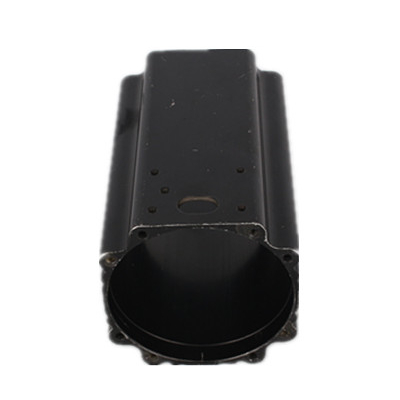
Good Price Black Powder Coated Aluminum Profile 6000 Series Aluminium Extrusion
$2.28 - $2.47
MOQ: 100 kilograms

Yuyao Xianghao Mold Technology Company Limited
- Verified by BV
- Trading Company
- China Zhejiang
- Lead time30 days
- Avg. response≤ 7h
Main productsInjection Mold, Plastic Mold, Injection Molding, Rapid Prototyping, 3D Pritting, Manhole Cover Mold, Silicone Rubber Mould, Wire Rack, Car Air Compressor, LED Light
Main marketsNorth America

- Verified by SGS
- Trading Company
- China Guangdong
- Lead time15 days
- Avg. response≤ 11h
Main productsAluminum Extrusion Profiles, Doors and Windows Cabinet, Aluminum Profile Building Materials, Heat Sink, Powder-Coated Aluminum Profiles, Aluminum Heat Sink, Industrial Building Aluminum Profiles, Aluminum Sheet, Aluminum Doors, Aluminium Window
Main marketsSouth America,Southeast Asia/ Mideast,North America

Shandong Chentai Aluminum Co., Ltd.
- Verified by SGS
- Trading Company
- China Shandong
- Lead time23 days
- Avg. response≤ 6h
Main productsAluminum Profile / Extrusion, Aluminum Tube / Pipe, Aluminum Casting, Aluminum Window, Aluminum Radiator, Thermal Break Aluminum, Aluminum Accessories, Aluminum Door, Aluminum Hardware, Custom Aluminum Accessories
Main marketsAfrica


Advanced Aluminum Extrusion for Reliable Industrial Guardrail Solutions
$3600.00 - $4000.00
MOQ: 10 Tons

Robust Lightweight Aluminum Extrusion for Versatile Construction Needs
$3600.00 - $4000.00
MOQ: 10 Tons

Premium Aluminum Extrusion for Customizable Industrial Guardrail Projects
$3600.00 - $4000.00
MOQ: 10 Tons

FOSHAN UNITED ALUMINUM CO., LTD.
- Verified by CTI
- Trading Company
- China Guangdong
- Lead time23 days
- Avg. response≤ 3h
Main productsAluminium Profile, Aluminium Sheet, Stainless Steel Tube, Stainless Steel Plate, Stainless Steel Coil, Stainless Steel Slot Tube, Stainless Steel Special Product, Stainless Steel Welded Pipe, Stainless Steel Strip, Specail Stainless Steel Product
Main marketsSouth America,Southeast Asia/ Mideast,Europe,North America

Hot Sell Aluminium Profiles Wooden Print Customized Color Aluminum Extrusion
$3000.00 - $3500.00
MOQ: 500 kg

Custom Industry Aluminum Extrusion Profile Anodized Powder Coated Factory Price
$3200.00 - $3600.00
MOQ: 100 Tons


Hot Sales Sections Aluminum Profiles Custom Extrusions Powder Coating
$3500.00 - $4000.00
MOQ: 100 Tons

Evertop Industry & Technology Co., Ltd.
- Verified by SGS Group
- Trading Company
- Lead time20 days
- Avg. response≤ 3h
Main productsAluminum Extrusion, Custom Metal Parts, Metal Accessories, Aluminum Machining Parts, Aluminum Fence
Main marketsMid East(30%), North America(15%), South America(15%)
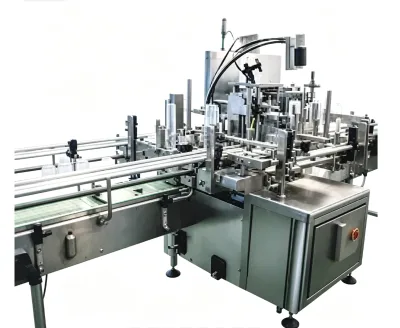
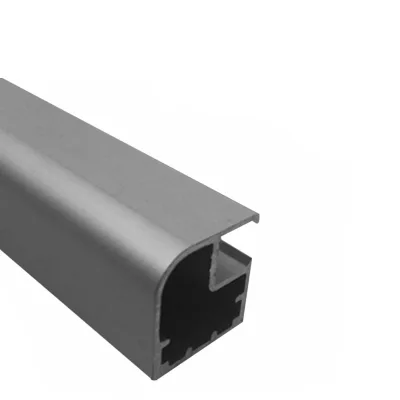
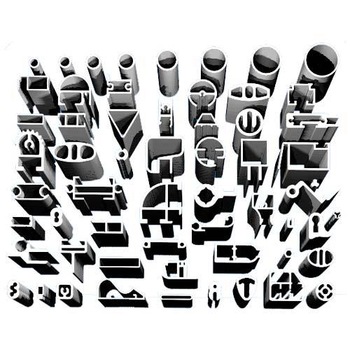
Quick Lead Time Aluminum Profile Extrusion Custom Aluminum Profiles
$2800.00 - $2900.00
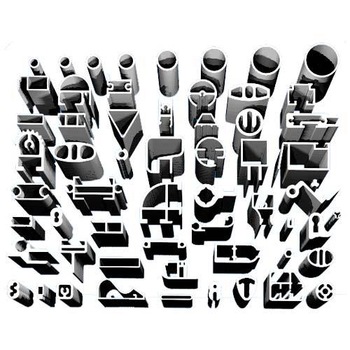
Best Quality Quick Lead Time Ahu Aluminium Profile
$2800.00 - $2900.00
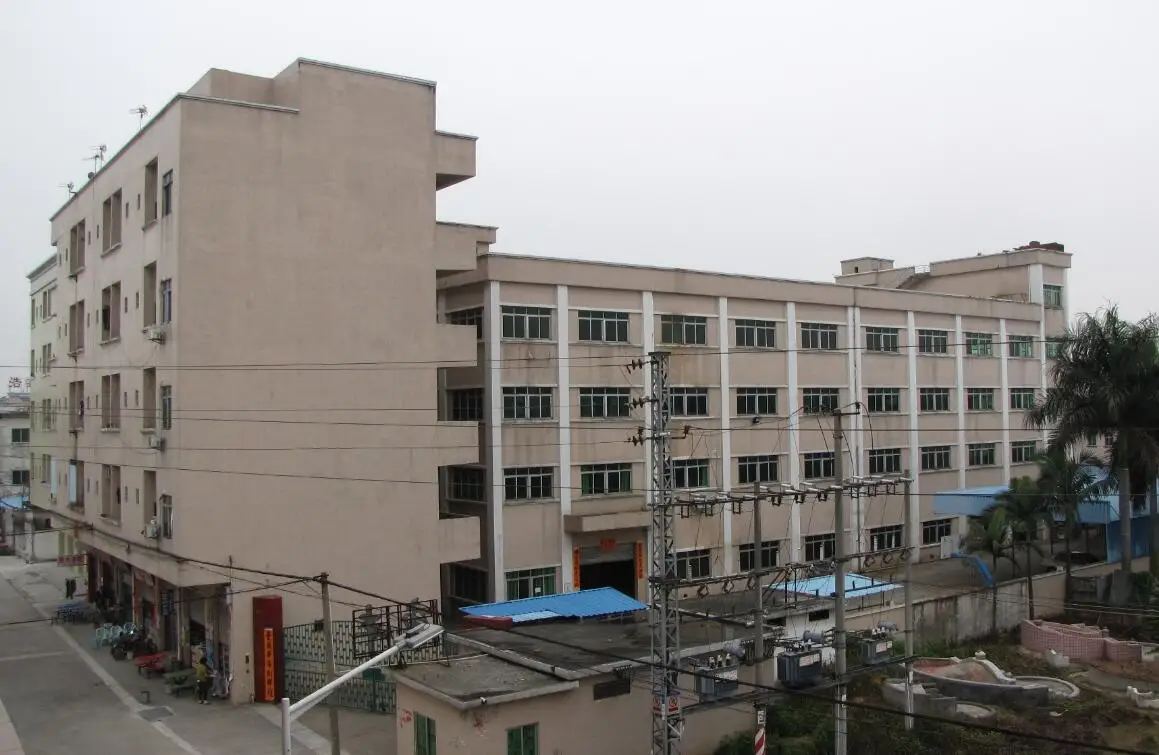
Dongguan Kinggold Industry Co., Ltd.
- Manufacturer, Trading Company
- Guangdong, China
- Lead time10 days
- Avg. response≤ 5h
Main productsMetal Stamping Part, CNC Machining, Sheet Metal Fabrication, Aluminum Extruded Profile, Die Casting
Main marketsNorth America(60.00%), Western Europe(21.00%), South America(3.00%), Northern Europe(3.00%), Eastern Asia(2.00%), Oceania(2.00%), Mid East(2.00%), Southeast Asia(2.00%), South Asia(1.00%), Southern Europe(1.00%), Africa(1.00%), Eastern Europe(1.00%), Domestic Market(1.00%), Central America(0.00%)

Hebei Deko Commercial Co., Ltd.
- Trading Company
- China Hebei
- Lead time30 days
- Avg. response≤ 7h
Main productsMunicipal Engineering, Drainage System, Constructions, Road Construction
Main marketsSouth America,Africa,Southeast Asia/ Mideast,Europe
Nanhai Huixin Aluminum Company Limited Of Foshan
- Verified by TüVRheinland
- Manufacturer, Trading Company
- Lead time15 days
- Avg. response≤ 3h
Main productsAluminum Windows & Doors Profile, Aluminum Roller Shutter Slats, Aluminum Tube & Angle & Channel, Aluminum Curtain Track, Aluminum Cabinet Profile
Main marketsAfrica(25%), Mid East(20%), South America(17%)
Foshan Pailian Aluminium Co., Ltd.
- Verified by SGS Group
- Trading Company
- Lead time20 days
- Avg. response≤ 3h
Main productsAluminium Profile, Boat Aluminum Profile, Aluminum Tube, CNC Aluminum
Main marketsNorthern Europe(39%), North America(38%), Africa(8%)
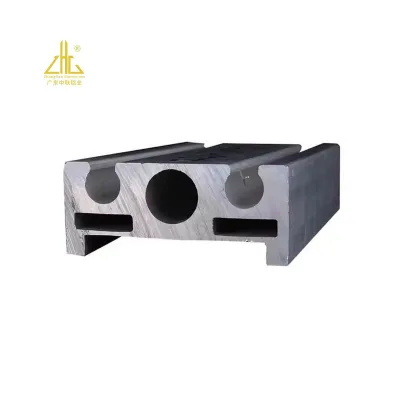
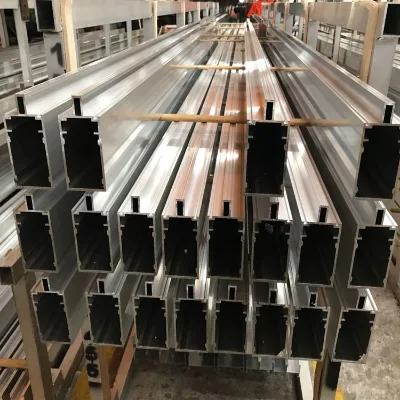
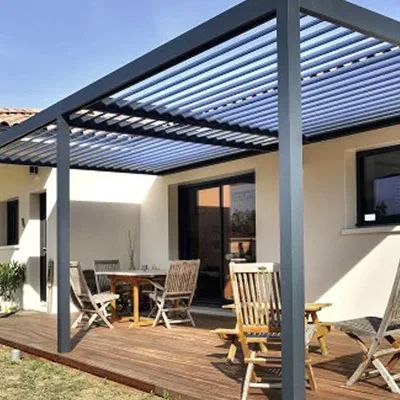
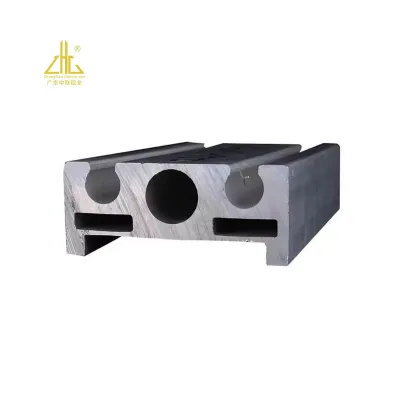
$2.3831 - $2.9022
MOQ: 500 kilograms
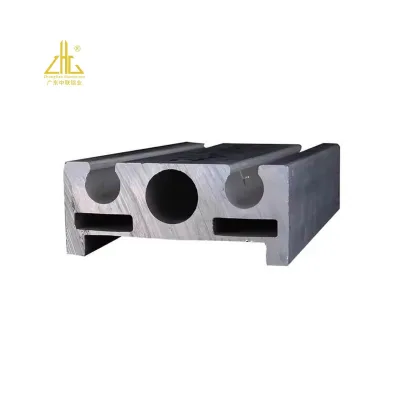
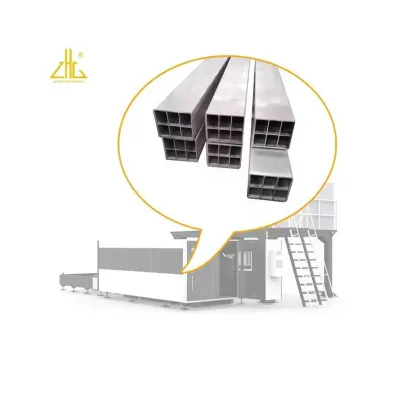
Professional 6061 6066 Brushed Aluminum Extrusions for Laser Equipment Lightweight Anti-Corrosion
$2.3831 - $2.9022
MOQ: 500 kilograms
$2.3831 - $2.9022
MOQ: 500 kilograms

Linyi Shengao Aluminum Industry Co., Ltd.
- Verified by TUVRHEINLAND
- Combined
- China Shandong
- Lead time15 days
- Avg. response≤ 2h
Main productsAluminum Profile, Industrial Aluminum Profile, System Window Profile, Aluminum Extrusion, Aluminum Window Profile
Main marketsSouth America,Africa


Powder Coating Construction Material Aluminum/Aluminium Extrusion Profile
$2300.00 - $2800.00
MOQ: 20 Tons


Premium Aluminum Extrusion Profiles for Advanced Coating Applications
$2300.00 - $2800.00
MOQ: 20 Tons

High-Quality Aluminum Extrusions for Windows with Electrophoresis Coating
$2300.00 - $2800.00
MOQ: 20 Tons
Guangdong New Daming Aluminium Co., Ltd.
- Manufacturer, Trading Company
- Guangdong, China
- Lead time15 days
- Avg. response≤ 2h
Main productsDoor Aluminium Profile, Window Aluminium Profile, Industrial Aluminium Profile, Curtain Wall Aluminium Profile, Aluminium Tube
Main marketsAfrica(20.00%), Domestic Market(20.00%), South America(20.00%), Africa(20.00%), Domestic Market(20.00%), Southeast Asia(16.00%), Southeast Asia(16.00%), Eastern Europe(12.00%), Eastern Europe(12.00%), Eastern Asia(5.00%), North America(3.00%), Western Europe(2.00%), Central America(2.00%)
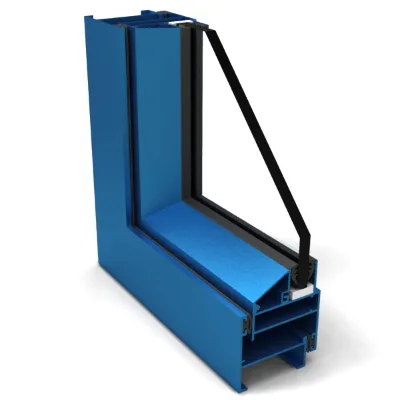
Aluminum Profiles Window Extrusion Mill Finish Modern Promotional Product
$3.35 - $3.47
MOQ: 300 kilograms

SHANDONG YINGWEI ALUMINUM CO., LTD.
- Trading Company,Manufacturer/Factory
- China Shandong
- Lead time15 days
- Avg. response≤ 15h
Main productsAluminium Profiles, Aluminium Extrusion Profile, Aluminium Industry Profile, Solar Aluminum Frame, Aluminium Fence, Aluminum Window Door, Heat Sink
Main marketsSouth America,Mid East,Southeast Asia,Africa

High-Quality Powder Coated Aluminium Extrusion Profiles for Durability
$2500.00 - $3800.00
MOQ: 5 Tons

Durable Aluminium Extrusions with Powder Coating for Versatile Applications
$2500.00 - $3800.00
MOQ: 2 Tons


Premium Sleek Silver and Black Anodized Aluminum Extrusions for Versatile Applications
$2300.00 - $3500.00
MOQ: 2 Tons
Jiangsu Jinmeicheng Metal Products Co., Ltd.
- Manufacturer
- Jiangsu, China
- Lead time30 days
- Avg. response≤ 2h
Main productsAluminum profile,Finned Tube,Aluminum Charging Room,Aluminum roller shutter door,Aluminum Flight Case
Main marketsDomestic Market(94.00%), North America(5.00%), Northern Europe(1.00%)
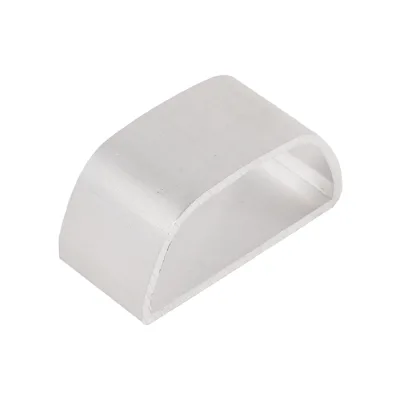
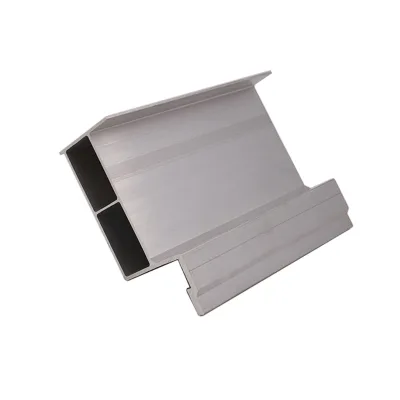
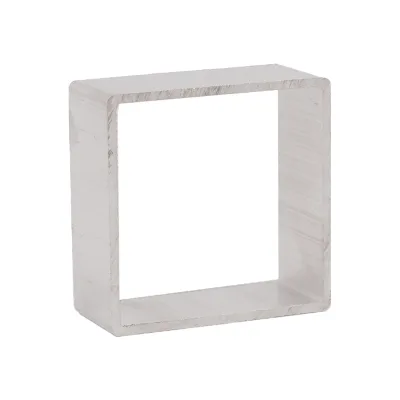
Industrial-Grade Square Aluminum Extrusions | Premium Quality & High Strength
$3.38
MOQ: 500 kilograms
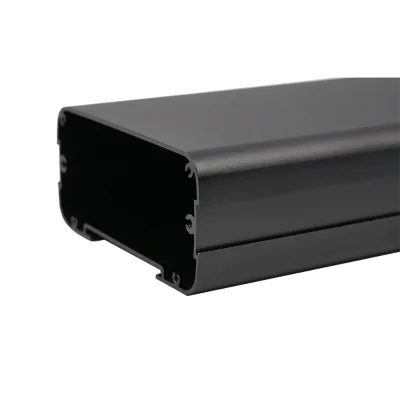

MK Aluminium HMK Windows & Doors Factory
- Verified by SGS
- Combined
- China Shanghai
- Lead time30 days
- Avg. response≤ 6h
Main productsAluminum Extrusion, T Slot Aluminum Profile, T Slot Fasteners, Thermal Break Aluminum Window, Aluminum Window and Door, Solar Panel Mounting Kits, Solar Panel Mounting System, Solar Panel Rail, Solar Panel Clamp, Solar Panel Mounting Framing
Main marketsDomestic
Hangzhou Great Wave Industrial Technology Ltd
- Verified by Intertek
- Trading Company
- Lead time10 days
- Avg. response≤ 4h
Main productsAluminum Profile, Die Casting, CNC Machining, Metal Stamping, Plastic Injection
Main marketsNorth America(38%), Oceania(10%), Western Europe(10%)
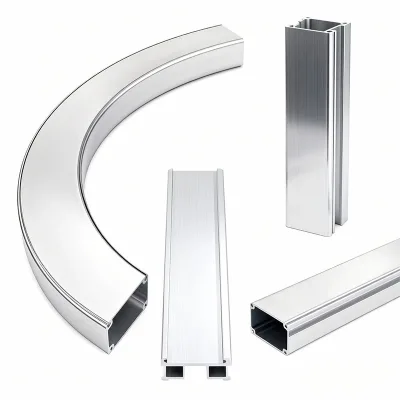
Flexible Aluminum Profile, Bendable Aluminum Extrusion for Lighting Fixtures and Signage
$0.1229 - $4.8037
MOQ: 100 Minimum
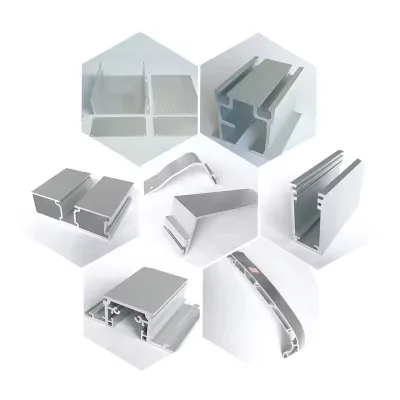
$0.5131 - $3.5336
MOQ: 100 Minimum

Jiangsu Giant Ally Imp.&Exp.Co., Ltd.
- Combined
- China Jiangsu
- Lead time23 days
- Avg. response≤ 22h
Main productsAluminium Extrusion Die and Extrusion Toolings, Aluminium and Copper Extrusion Press, Aluminium Billet Preheating Furnace, Quenching System, Profile Cooling Table, Aging Furnace, Aluminium Billet Casting Machine, Aluminium Profile Powder Coating Line, Aluminium Profile Anodizing Line, Profile Process Machine
Main marketsSouth America,Africa,Southeast Asia/ Mideast,East Asia(Japan/ South Korea),Europe,Australia,North America
Guangdong Changjin Metal Products Co., Ltd.
- Verified by SGS Group
- Manufacturer, Trading Company
- Lead time20 days
- Avg. response≤ 4h
Main productsKitchen Cabinet Profiles, Aluminum U Channel, Aluminum Wardrobe Profile, Custom Aluminum Profile, Sliding Door Track
Main marketsNorth America(15%), South America(10%), Eastern Europe(10%)
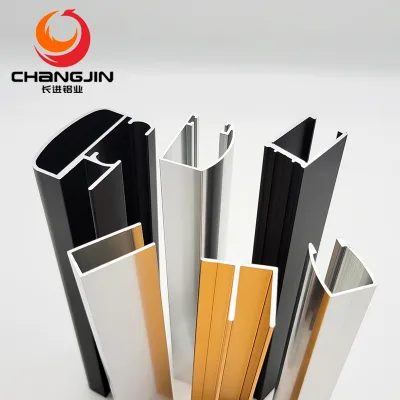
Powder Coating Black Aluminum Extrusion U Channel Anodizing From China Manufacturer
$2.10 - $2.50
MOQ: 500 kilograms
$1.876 - $2.3966
MOQ: 300 kilograms
Foshan Boguan Trading Co., Ltd.
- Manufacturer, Trading Company, Distributor/Wholesaler
- Guangdong, China
- Lead time15 days
- Avg. response≤ 11h
Main productsaluminum profile,aluminum section,aluminum extrusion,aluminum extrusion profile,aluminum window profile
Main marketsDomestic Market(70.00%), South Asia(10.00%), Africa(7.00%), Southeast Asia(5.00%), Mid East(2.00%), South America(2.00%), Eastern Asia(1.00%), Central America(1.00%), Western Europe(1.00%), Oceania(1.00%)
Cost-effective Customized Aluminum Profile European Standard Anodized Extrusion
$3.10 - $3.40
MOQ: 500 kilograms
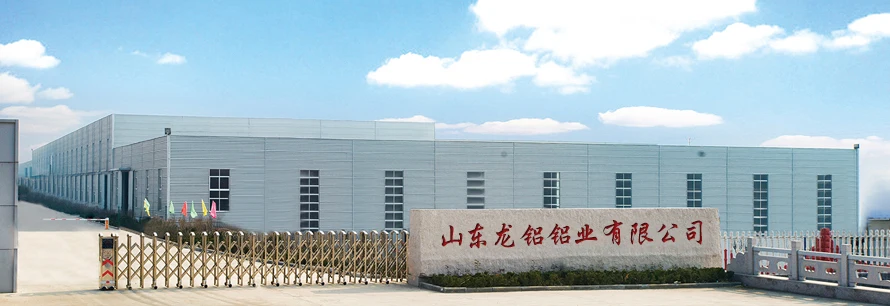
Shandong Loonglu Aluminum Co., Ltd.
- Manufacturer, Trading Company
- Shandong, China
- Lead time10 days
- Avg. response≤ 4h
Main productsAluminum Profiles,Extrusion Profiles,Aluminum Windows and Doors,Partition Wall Profiles,Industry Profiles
Main marketsAfrica(30.00%), South America(20.00%), Eastern Europe(10.00%), Mid East(10.00%), Southeast Asia(10.00%), South Asia(5.00%), Southern Europe(5.00%), Central America(5.00%), Western Europe(5.00%)
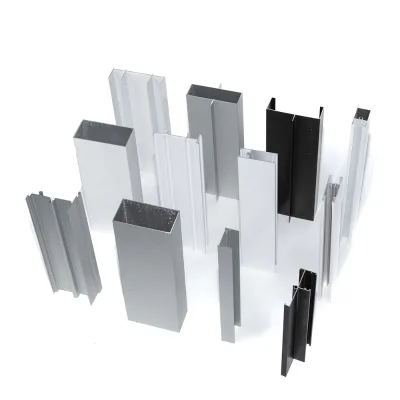
$2.8663 - $3.173
MOQ: 500 kilograms
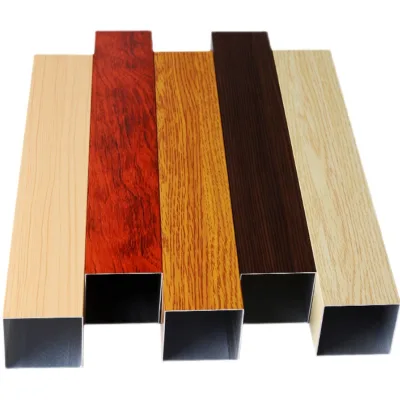
Wood Grain Aluminum Profile Powder Coating Building Aluminium Extrusion Square Tube
$3.55 - $3.65
MOQ: 500

Shanghai Interwell Industrial Co., Ltd.
- Verified by SGS
- Manufacturer/Factory
- China Shanghai
- Lead time15 days
- Avg. response≤ 3h
Main productsAluminum Industrial Extrusion Profile, Aluminium Window Profile, Aluminum CNC Products, Aluminum Heatsink, Aluminium Machine Frame, Hinge, Handle, Aluminium Bar, Aluminium Heat Sink, Aluminum Tube
Main marketsSouth America,Eastern Europe,Mid East,North America,Southeast Asia,Eastern Asia,Oceania,Western Europe,Africa
Guangdong Guangyuan Aluminum Co., Ltd.
- Manufacturer
- Guangdong, China
- Lead time0 days
- Avg. response≤ 13h
Main productsAluminium profiles,window profiles,door profiles,curtain wall profiles,industrial profiles
Main marketsMid East(16.67%), Africa(16.67%), Southeast Asia(16.67%), Eastern Europe(16.67%), South America(16.67%), North America(16.67%)
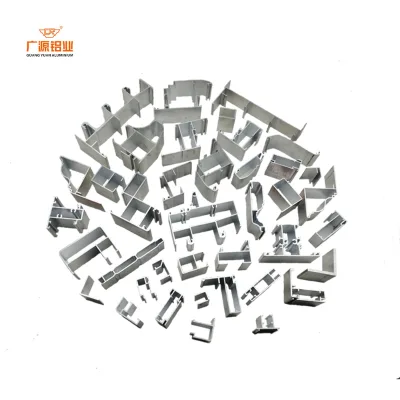
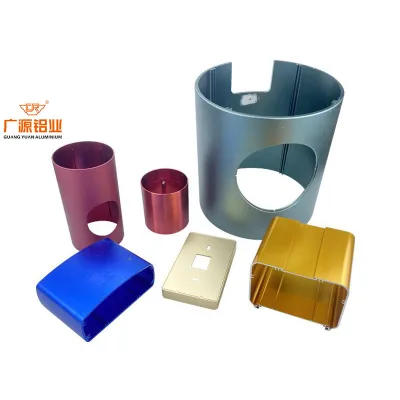
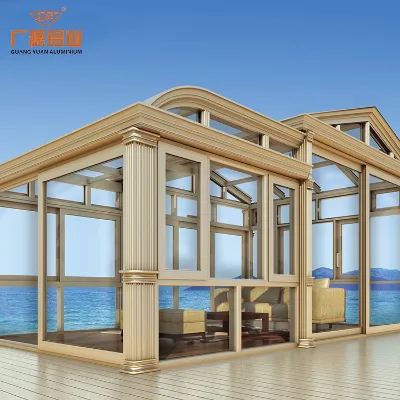
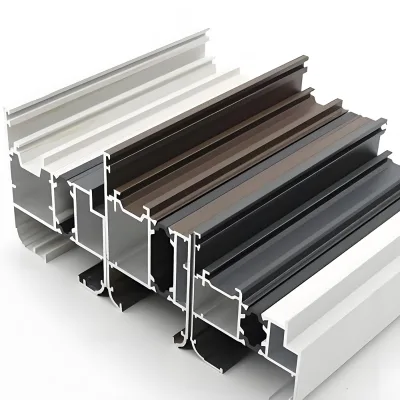
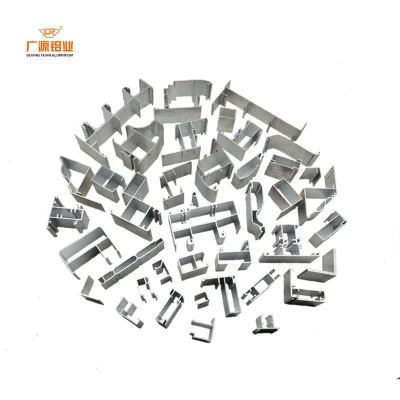
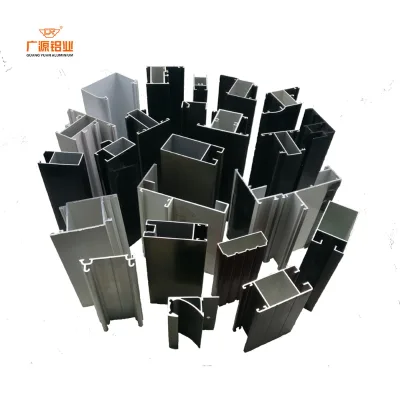
$0.9305 - $1.861
MOQ: 500 kilograms

Dalian Shine Ground Technology Co.,Ltd
- Verified by SGS
- Trading Company
- China Liaoning
- Lead time23 days
- Avg. response≤ 2h
Main productsIndustrial Aluminum Profile, Automation Aluminum Profile, Aluminum Components, Modular Assembly System, Industrial Aluminum Profile Accessories, Pipe and Joint System, Machine Guard System, Stairway and Platform System, Anchor Connector, Aluminum Extrusion Profiles
Main marketsEurope

Xiamen Taohong Technology Co., Ltd.
- Verified by BV
- Trading Company,Manufacturer/Factory
- China Fujian
- Lead time15 days
- Avg. response≤ 5h
Main productsAluminum Profile, Aluminum Windows/Door, Container House, Solar Mounting Brackets, Solar Mounting Clamps, Solar Carport, Steel Beam, Channel Purlin, Plastic Injection
Main marketsSouth America,Eastern Europe,Mid East,North America,Southeast Asia,Eastern Asia,Oceania,Western Europe,Africa


OEM/ODM Aluminum Extrusion Profile Service with Powder Coating and Fabrication
$2900.00 - $3400.00
MOQ: 1 Tons
Foshan Jimao Aluminum Co., Ltd.
- Verified by SGS Group
- Manufacturer, Trading Company
- Lead time15 days
- Avg. response≤ 2h
Main productsAluminum Profile, Aluminum Windows, Aluminum Doors, Aluminum Accessories, Aluminum Structural Components
Main marketsDomestic Market(20%), North America(20%), Southeast Asia(15%)
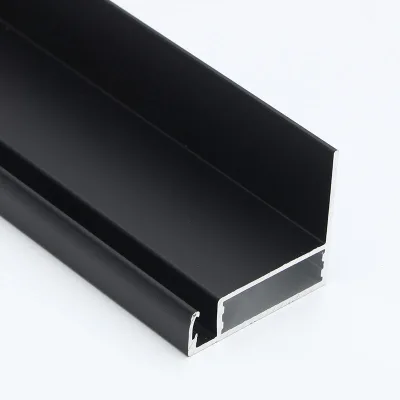
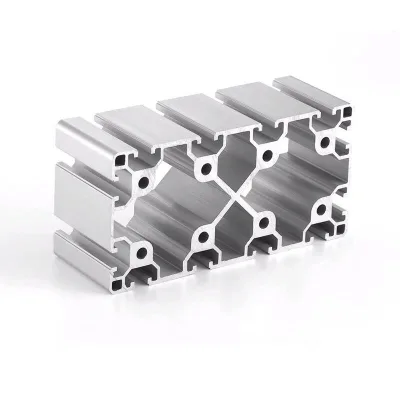
$2.9965 - $3.0174
MOQ: 1000 kilograms
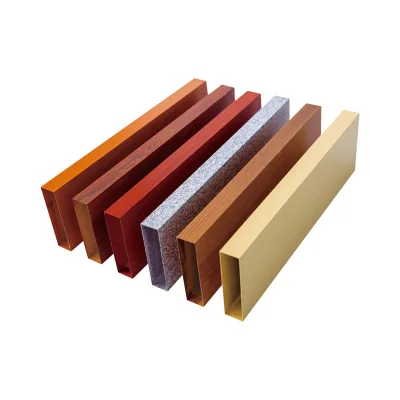
$2.7676 - $2.7885
MOQ: 1 kilograms
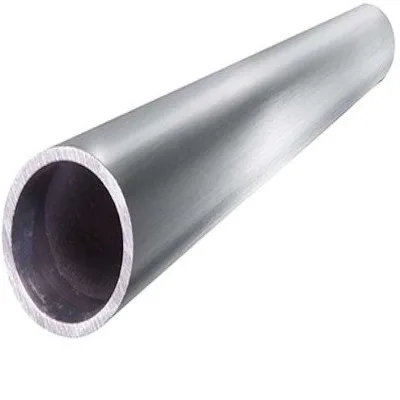
$2.76 - $2.78
MOQ: 1000 kilograms
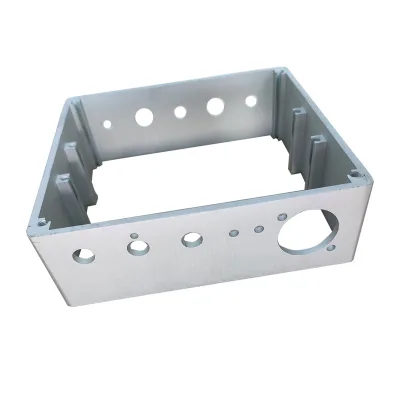
$2.80 - $2.82
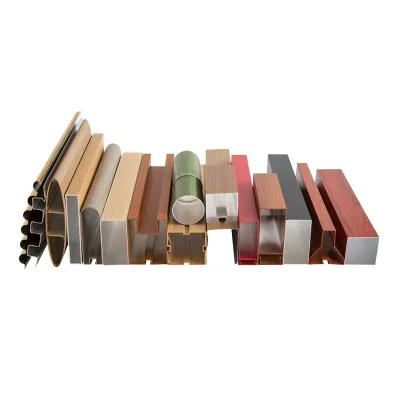
MOQ: 1000 kilograms

Shijiazhuang Chuanlin Machinery Manufacturing Co., Ltd
- Verified by SGS
- Manufacturer/Factory
- China Hebei
- Lead time45 days
- Avg. response≤ 2h
Main productsSheet Metal Fabrication, Laser Cutting Service, Metal Stamping, Custom Stainless Steel Part, CNC Machining Parts, Sheet Metal Enclosure, Metal Box, Die Casting, Machining Service, Hardare Parts
Main marketsSouth America,Eastern Europe,Mid East,North America,Southeast Asia,Eastern Asia,Oceania,Western Europe,Africa
Foshan City Guangyuan Alumiinum Co., Ltd.
- Manufacturer, Trading Company
- Guangdong, China
- Lead time20 days
- Avg. response≤ 19h
Main productsAluminium Extrusion Profiles,Aluminium Windows and Doors,Aluminium Profiles,Aluminium Products,Aluminum Profiles
Main marketsDomestic Market(60.00%), Southeast Asia(10.00%), South Asia(7.00%), Mid East(5.00%), Western Europe(5.00%), Africa(3.00%), South America(3.00%), North America(1.00%), Eastern Europe(1.00%), Southern Europe(1.00%), Northern Europe(1.00%), Central America(1.00%), Oceania(1.00%), Eastern Asia(1.00%)
- Verified by TüVRheinland
- Manufacturer, Trading Company
- Lead time15 days
Main productsAluminium Profile
Main marketsDomestic Market(95%), Southeast Asia(3%), South America(1%)






Comprehensive Sourcing Guide
Modern Powder Coated Aluminum Extrusion Supplier Concentration and Factory Types
The current supplier landscape for Modern Powder Coated Aluminum Extrusion reveals a distinct concentration of manufacturing capabilities within specific Chinese industrial hubs. Evidence indicates that a significant portion of these suppliers are located in Jiangsu, China, where they operate primarily as manufacturers specializing in aluminum profiles, solar brackets, and curtain tracks. These entities often list main products that include aluminum tubes and various extrusion types, suggesting a mature local ecosystem for non-ferrous metal processing. The presence of such a cluster implies that buyers sourcing from this region may benefit from established supply chains for raw materials and specialized processing services like punching and cutting. However, it is crucial to recognize that not all suppliers in this geographic area are identical in their operational focus. Some may lean heavily toward industrial applications, while others might cater to decorative or architectural needs. The density of suppliers in Jiangsu suggests a competitive environment where price and volume capabilities are key differentiators. Buyers should consider that this concentration does not guarantee uniform quality or service levels across all listed entities. Instead, it provides a pool of options from which to select partners based on specific project requirements. The existence of these factories in Jiangsu offers a tangible anchor for sourcing strategies, allowing for more targeted outreach and logistical planning. Understanding this geographic distribution helps in narrowing down the search to regions with proven expertise in aluminum extrusion, thereby reducing the risk of engaging with suppliers who lack the necessary infrastructure for high-volume or complex extrusion orders.
In addition to the manufacturing hubs in Jiangsu, the supplier base also includes trading companies and manufacturers located in other regions such as Zhejiang and Guangdong. Suppliers in Zhejiang are identified as trading companies that may offer a broader range of services, including injection molding and rapid prototyping, alongside aluminum extrusion products. This diversification in company types means that buyers might encounter entities that act as intermediaries rather than direct producers, which can impact lead times and communication efficiency. Meanwhile, suppliers in Guangdong, such as those in Foshan, often present themselves with specific certifications like SGS verification and focus on a wide array of aluminum products, including heat sinks and building materials. These Guangdong-based suppliers may offer different value propositions, such as higher monthly production capabilities or specialized surface treatments like anodizing and powder coating. The variation in company types across these regions highlights the importance of verifying whether a supplier is a direct manufacturer or a trading company. Direct manufacturers typically offer more control over production processes and customization options, while trading companies might provide better flexibility in sourcing multiple product types. Buyers must assess these differences carefully to align their sourcing strategy with their specific needs, whether that involves direct factory engagement for cost efficiency or trading company support for broader product variety. This regional and structural diversity in the supplier base requires a nuanced approach to supplier selection, ensuring that the chosen partner matches the project's technical and commercial requirements.
How to Verify Modern Powder Coated Aluminum Extrusion Suppliers
Verifying the credibility and capabilities of Modern Powder Coated Aluminum Extrusion suppliers requires a multi-layered approach that goes beyond simple profile reviews. One critical step is to examine the verification status provided by third-party inspection agencies. For instance, some suppliers in the current results are verified by BV or SGS, which indicates that their business licenses and operational capabilities have been audited by independent entities. Buyers should prioritize suppliers with such verifications, as they offer a higher degree of assurance regarding the legitimacy of the business. Additionally, checking for system certifications is essential, although not all suppliers display these prominently. Some suppliers may list ISO certifications or other quality management standards, which are crucial for ensuring consistent product quality. Buyers should request copies of these certificates and verify their validity through the issuing bodies. Furthermore, assessing the supplier's response time can provide insights into their operational efficiency and customer service quality. Suppliers with faster response times, such as those averaging around six hours, are likely more responsive to inquiries and potential issues. This responsiveness is particularly important for complex projects that require frequent communication and quick decision-making. Buyers should also look for suppliers who provide detailed product attributes, such as temper grades, surface treatments, and tolerance levels, as this indicates a higher level of professionalism and transparency.
Another vital aspect of verification is to scrutinize the supplier's main products and production capabilities. Suppliers that specialize in aluminum profiles and extrusion are more likely to have the necessary expertise and equipment to deliver high-quality products. Buyers should review the supplier's product catalog to ensure that it aligns with their specific requirements, such as specific alloy grades or surface finishes. It is also important to verify the supplier's production capacity, as this will impact their ability to fulfill large orders within the required timeframe. Some suppliers may list their monthly production capabilities, which can help buyers assess whether the supplier can meet their volume needs. Additionally, buyers should check for any discrepancies in the supplier's information, such as conflicting location data or inconsistent product descriptions. These discrepancies may indicate a lack of attention to detail or potential reliability issues. Buyers should also consider the supplier's experience in the industry, although establishment years may not always be explicitly stated. In such cases, buyers can infer experience from the breadth of their product offerings and the complexity of their manufacturing processes. By combining these verification steps, buyers can build a comprehensive profile of each supplier, enabling them to make informed decisions and mitigate risks associated with sourcing from unverified or unreliable partners. This thorough verification process is essential for ensuring that the selected suppliers can deliver products that meet the buyer's quality and performance standards.
What to Compare Across Modern Powder Coated Aluminum Extrusion Suppliers
When evaluating multiple suppliers for Modern Powder Coated Aluminum Extrusion, buyers must systematically compare key operational and commercial metrics to identify the most suitable partner. One of the primary factors to compare is the lead time, which directly impacts project scheduling and inventory management. Suppliers may offer varying lead times, with some providing faster turnaround options while others may require longer periods for production and delivery. Buyers should align their choice with their project deadlines, considering that shorter lead times often come at a premium cost. Another critical metric is the minimum order quantity (MOQ), which can vary significantly across suppliers. Some suppliers may have low MOQs, making them suitable for small-scale or prototype orders, while others may require larger volumes to achieve economies of scale. Buyers should assess their order volume requirements and select suppliers whose MOQs align with their purchasing strategy. Additionally, comparing the response time is essential for ensuring effective communication throughout the sourcing process. Suppliers with quicker response times are more likely to address inquiries and resolve issues promptly, which is crucial for maintaining project momentum. Buyers should also evaluate the price range offered by each supplier, keeping in mind that lower prices may not always correlate with better quality or service. It is important to consider the total cost of ownership, including shipping, tariffs, and potential rework costs, rather than just the unit price.
Beyond these operational metrics, buyers should also compare the specific product attributes and customization options available from each supplier. This includes examining the available temper grades, surface treatments, and dimensional tolerances. Suppliers may offer different levels of customization, such as the ability to provide specific lengths or shapes, which can be critical for specialized applications. Buyers should also compare the packaging details and port of dispatch, as these factors can influence shipping costs and delivery times. For instance, suppliers located near major seaports may offer more competitive shipping rates. Additionally, buyers should assess the supplier's ability to provide samples or prototypes, which can help in verifying product quality before committing to a large order. It is also important to compare the supplier's after-sales support and warranty policies, as these can provide additional protection against potential defects or issues. By systematically comparing these factors, buyers can create a comprehensive evaluation matrix that highlights the strengths and weaknesses of each supplier. This comparative analysis enables buyers to make data-driven decisions, ensuring that they select a supplier who not only meets their technical requirements but also offers the best overall value proposition. This structured approach to comparison helps in minimizing risks and maximizing the efficiency of the sourcing process.
Common Modern Powder Coated Aluminum Extrusion Sourcing Risks
Sourcing Modern Powder Coated Aluminum Extrusion from international suppliers involves several inherent risks that buyers must proactively manage to ensure successful procurement. One significant risk is the potential for quality inconsistencies, particularly when dealing with suppliers who may not have robust quality control systems in place. Variations in temper grades, surface treatment uniformity, or dimensional tolerances can lead to product failures or assembly issues in the final application. Buyers should mitigate this risk by requesting detailed product specifications and conducting thorough inspections upon receipt. Another common risk is the discrepancy between the quoted price and the final invoice, which can occur due to hidden fees, currency fluctuations, or changes in material costs. Buyers should ensure that all costs, including shipping, insurance, and tariffs, are clearly outlined in the contract to avoid unexpected expenses. Additionally, there is a risk of delayed shipments, which can disrupt production schedules and lead to costly downtime. This risk is often exacerbated by suppliers with longer lead times or those located in regions with logistical challenges. Buyers should establish clear delivery timelines and include penalty clauses for delays in their contracts to hold suppliers accountable. Furthermore, intellectual property risks are a concern, especially when dealing with custom extrusion profiles. Buyers should protect their designs by using non-disclosure agreements and ensuring that suppliers do not share their designs with competitors.
Communication barriers and cultural differences can also pose significant risks in international sourcing. Misunderstandings regarding product specifications, delivery terms, or payment conditions can lead to disputes and project delays. Buyers should invest in clear and frequent communication, using detailed written specifications and regular updates to ensure alignment with the supplier. Another risk is the reliance on a single supplier, which can create vulnerability to supply chain disruptions. Buyers should diversify their supplier base to reduce this risk and ensure continuity of supply. Additionally, there is a risk of encountering fraudulent suppliers who may not deliver products or may send substandard goods. Buyers should verify the legitimacy of suppliers through third-party inspections and avoid making large upfront payments without proper safeguards. The risk of non-compliance with international standards and regulations is also present, particularly if the supplier lacks the necessary certifications. Buyers should ensure that their suppliers comply with relevant standards, such as ISO or SGS, to avoid legal and compliance issues. By identifying and addressing these common risks, buyers can develop a more resilient sourcing strategy that minimizes potential disruptions and ensures the successful delivery of high-quality aluminum extrusion products. This proactive approach to risk management is essential for maintaining the integrity and efficiency of the supply chain.
Modern Powder Coated Aluminum Extrusion Regional Sourcing and Logistics
The geographic location of suppliers plays a crucial role in determining the logistics and shipping costs associated with sourcing Modern Powder Coated Aluminum Extrusion. Suppliers located in Jiangsu, China, often benefit from proximity to major industrial centers and transportation networks, which can facilitate efficient domestic distribution and export. However, buyers must consider the specific port of dispatch when evaluating logistics options. For instance, suppliers in Jiangsu may ship from Shanghai seaport, which is a major hub for international trade and offers a wide range of shipping services. This can result in competitive freight rates and faster transit times to various global destinations. On the other hand, suppliers in Guangdong, such as those in Foshan, may also have access to major ports, but the specific logistics infrastructure and shipping routes may differ. Buyers should compare the shipping options and costs offered by suppliers in different regions to determine the most cost-effective solution for their needs. Additionally, the distance between the supplier's location and the buyer's destination will impact transit times and the risk of damage during shipping. Buyers should consider using reliable freight forwarders and insurance services to mitigate these risks and ensure the safe delivery of their orders.
Furthermore, regional sourcing decisions can also influence the overall supply chain resilience and flexibility. Suppliers in different regions may have varying levels of
FAQs
What is the price range for powder coated aluminum extrusion?
Prices for powder coated aluminum extrusion profiles typically range from $2.28 to $2.60 per unit based on current market listings. Specific industrial profiles may cost significantly more, with some high-specification items listed around $3784. Buyers should verify exact pricing by requesting quotes, as costs depend heavily on alloy type, temper, surface treatment, and order volume.
What is the minimum order quantity for these profiles?
The minimum order quantity varies by supplier and product type. Some manufacturers accept orders as low as 100 kilograms for standard black powder coated profiles, while others require a minimum of 300 units for specific RAL color coatings. For specialized molds or industrial components, the MOQ may be just one piece. Always confirm the specific MOQ with the supplier before placing an order.
How long does it take to manufacture and ship orders?
Lead times for aluminum extrusion profiles generally range from 15 to 30 days depending on the supplier and order complexity. Some manufacturers in Guangdong report a lead time of 15 days, while others in Jiangsu may require up to 30 days. Response times for inquiries also vary, typically taking between 6 to 10 hours. Shipping ports like Shanghai are commonly used for dispatch.
What surface treatments are available for aluminum extrusion profiles?
Common surface treatments include black powder coating, anodizing, and custom finishes. Profiles are available in various series such as the 6000 series with T3-T8 temper. Options also include mechanical polishing, wooden finishes, and matte anodized surfaces. Buyers can request customized dimensions and surface treatments to meet specific architectural or industrial requirements, ensuring the final product matches their design specifications.
Where are these aluminum profile manufacturers located?
Manufacturers of aluminum extrusion profiles are primarily located in Jiangsu, Zhejiang, and Guangdong provinces in China. Suppliers in these regions offer a wide range of products including window profiles, heat sinks, and industrial building materials. Buyers can source from trading companies or direct manufacturers in these key industrial hubs, ensuring access to a diverse supply chain and competitive pricing for various aluminum alloy needs.
What certifications do these suppliers hold?
Supplier verification and certifications vary by company. Some suppliers hold BV or SGS verification, indicating third-party validation of their business credentials. Product standards may include CE and ROHS compliance for specific molds and components. While some listings mention ISO certification for alloying ingredients, others show no system certification. Buyers should verify specific certifications relevant to their project requirements directly with the supplier.