rust-proof nylon sliding wardrobe wheel Suppliers and Manufacturers
Compare 20 verified suppliers offering rust-proof nylon sliding wardrobe wheels with ISO 9001 certification and OEM capabilities. Review lead times, MOQs, and response rates to select a factory in Jiangxi or Guangdong for your furniture hardware needs; review the available evidence before requesting comparable quotations from suitable candidates.
Updated
Suppliers List

Jiangxi Jin Bai Cheng Hardware Products Co., Ltd.
- Verified by SGS
- Trading Company,Manufacturer/Factory
- China Jiangxi
- Lead time23 days
- Avg. response≤ 1h
Main productsDoor Roller, Window Roller, Wardrobe Wheel, Door Hinge, Door Handle, Garage Door Wheel, Shower Room Roller, Friction Stay, Door Stopper, Furniture Ball Bearing
Main marketsSouth America,Eastern Europe,Mid East,North America,Southeast Asia,Eastern Asia,Oceania,Western Europe

Window Wheel Single Nylon Roller for Cabinet Wardrobe Sliding Roller Slide Door Wheel
$0.40 - $1.20
MOQ: 1000 Sets


Hot Sale Nylon Pulley Wheel Metal Sliding Door Roller Bedroom Furniture Wardrobe Track Wheel
$0.46 - $0.88
MOQ: 3000 Sets


Guangzhou City Wei Yi Da Hardware Co., Ltd.
- Trading Company, Agent, Distributor/Wholesaler, Business Service (Transportation, finance, travel, Ads, etc), Other
- Guangdong, China
- Lead time30 days
- Avg. response≤ 6h
Main productsGas spring,Drawer handle,Drawer slide,Glass clamp,Furniture hinge
Main marketsSouth America(80.60%), Central America(7.00%), Mid East(3.00%), Africa(2.00%), Eastern Europe(2.00%), Domestic Market(1.00%), Western Europe(1.00%), South Asia(1.00%), Southeast Asia(1.00%), Oceania(1.00%), North America(0.10%), Eastern Asia(0.10%), Southern Europe(0.10%), Northern Europe(0.10%)
Foshan Nanhai Dejun Hardware Products Co., Ltd.
- Manufacturer
- Guangdong, China
- Lead time35 days
- Avg. response≤ 10h
Main productssliding door wheel,hardware accessory,grooved tube,sliding door roller,sliding door system
Main marketsEastern Asia(35.00%), Southeast Asia(35.00%), South Asia(30.00%)
Guangzhou Longcharm Hardware Co., Ltd.
- Manufacturer, Trading Company
- Guangdong, China
- Lead time25 days
- Avg. response≤ 7h
Main productsDoor Catch,Sliding Door Buffers,Glass Clamp,Concealed Hinge,Support
Main marketsMid East(40.00%), North America(10.00%), Southeast Asia(10.00%), South Asia(5.00%), Southern Europe(5.00%), Northern Europe(5.00%), Central America(5.00%), Eastern Asia(5.00%), Eastern Europe(5.00%), Oceania(5.00%), South America(5.00%)
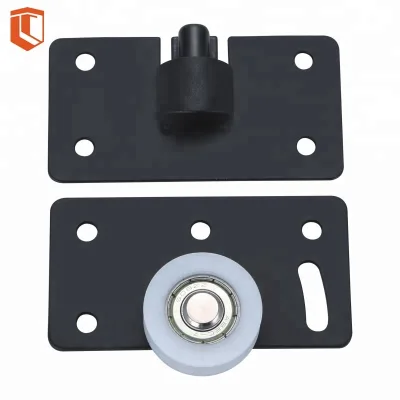
Cabinet Sliding Door Nylon Roller Wheel
$0.29 - $0.35
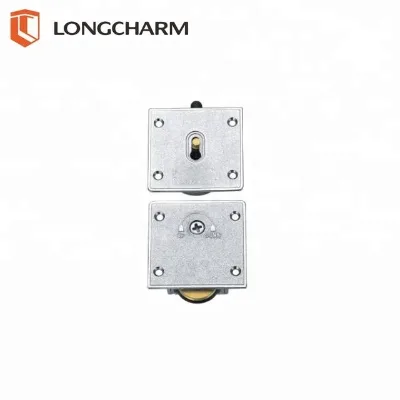
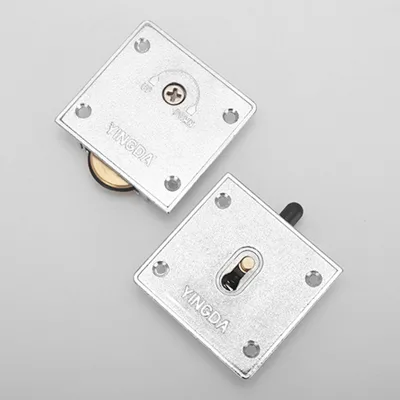
Good Sales Sliding Door Caster Roller Wheels for Wardrobe Door Hardware
$0.35 - $0.65
MOQ: 2000 pieces
Zhaoqing Fangshunli Hardware Products Co., Ltd.
- Manufacturer, Trading Company
- Guangdong, China
- Lead time20 days
- Avg. response≤ 5h
Main productsWardrobe sliding wheel,Slim Profile Hardware,push to open latch,gas spring,Invisible sliding door hardware
Main marketsSoutheast Asia(20.00%), Mid East(20.00%), South Asia(20.00%), Eastern Asia(10.00%), Eastern Europe(10.00%), Africa(10.00%), South America(9.00%), Western Europe(1.00%)
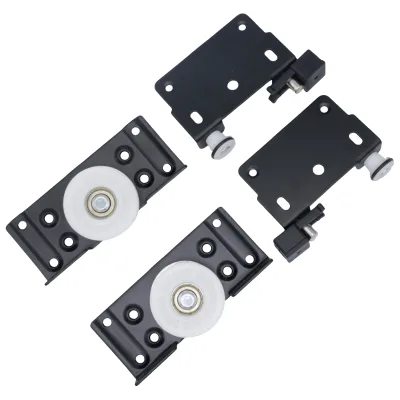
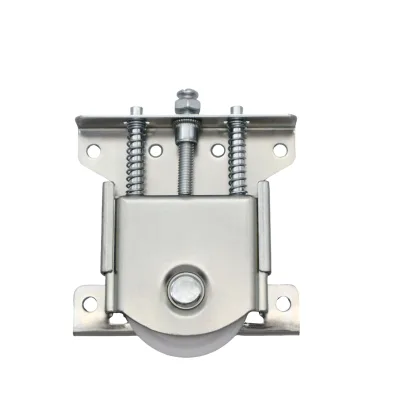
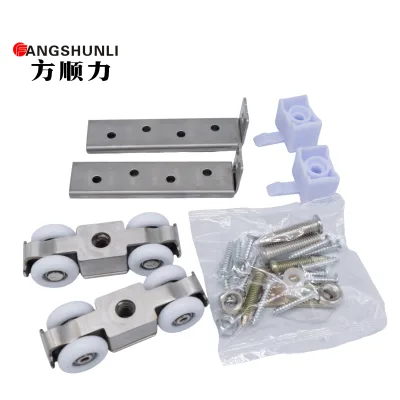
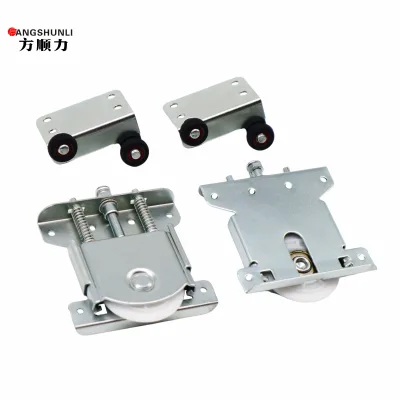
Hot Sale Wardrobe Sliding Door Rail Door Hardware Furniture Iron Pull Wardrobe Sliding System
$0.92 - $0.93
MOQ: 300 sets
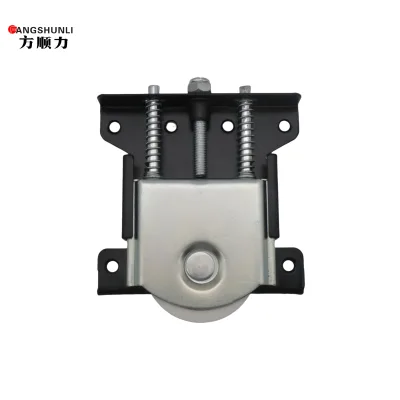
Furniture Heavy Duty Sliding Adjustable Roller Sliding Door Roller Wheel for Cabinet
$0.32 - $0.34
MOQ: 3000 pieces
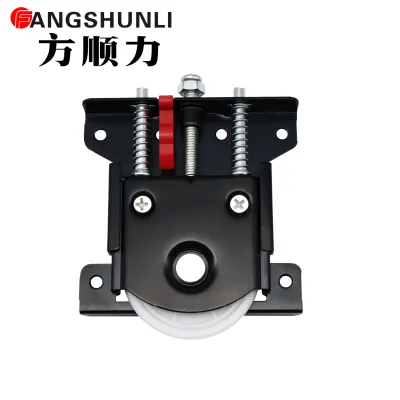
$0.29 - $0.30
MOQ: 12000 pieces
Zhaoqing Haoding Hardware Co., Ltd.
- Manufacturer, Trading Company
- Guangdong, China
- Lead time30 days
- Avg. response≤ 5h
Main productscabinet hinge,gas spring,cabinet handle,drawer slide,sliding door wheel
Main marketsSouth America(30.00%), Mid East(15.00%), Northern Europe(10.00%), Africa(10.00%), Western Europe(10.00%), Eastern Europe(10.00%), South Asia(5.00%), North America(5.00%), Southeast Asia(5.00%)
Guangdong Topcent Development Co., Ltd
- Trading Company
- Guangdong, China
- Lead time20 days
- Avg. response≤ 4h
Main productsKitchen Storage Accessories, Wardrobe Storage Fittings, Functional Hardware, Decorative Hardware, Furniture Basic Hardware
Main marketsMid East(25.00%), Southeast Asia(18.00%), Domestic Market(10.00%), North America(8.00%), South America(6.00%), Central America(6.00%), Africa(6.00%), South Asia(4.00%), Oceania(4.00%), Eastern Europe(4.00%), Eastern Asia(3.00%), Western Europe(3.00%), Southern Europe(2.00%), Northern Europe(1.00%)
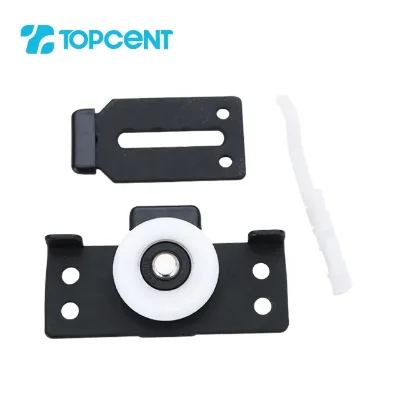
Topcent Iron and Nylon Embedded Wardrobe Sliding Door Roller Wheel for Sliding Door
$0.32 - $1.00
MOQ: 1000

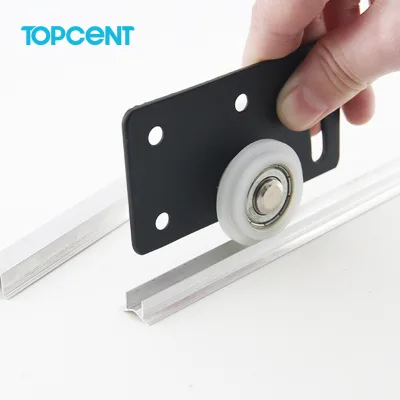
Jiangxi Jin Bai Cheng Hardware Products Co., Ltd.
- Manufacturer, Trading Company
- Jiangxi, China
- Lead time10 days
- Avg. response≤ 4h
Main productsWindow Rollers and Door Rollers, Furniture Rollers, Window Hinges and Door Hinges, Matel Stamping Parts, Funiture Hardwares
Main marketsDomestic Market(52.00%), North America(20.00%), South America(10.00%), Eastern Europe(10.00%), Western Europe(5.00%), Southeast Asia(3.00%)
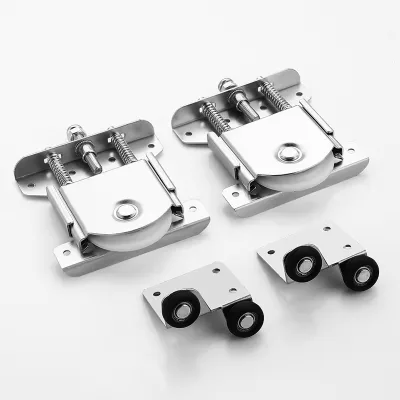
$1.90 - $2.10
MOQ: 200 Minimum
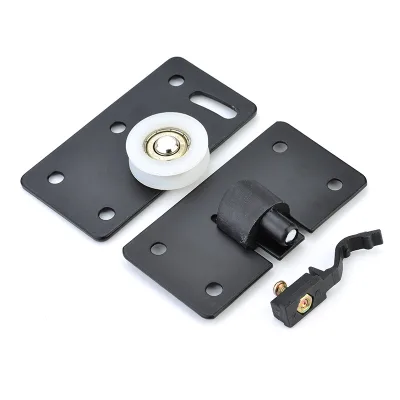
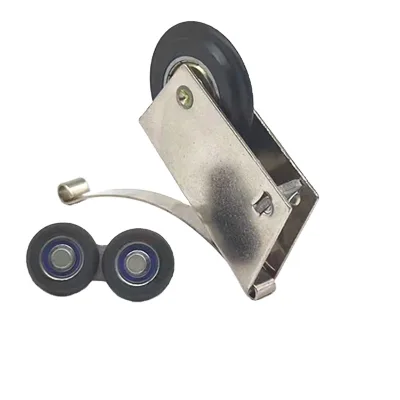
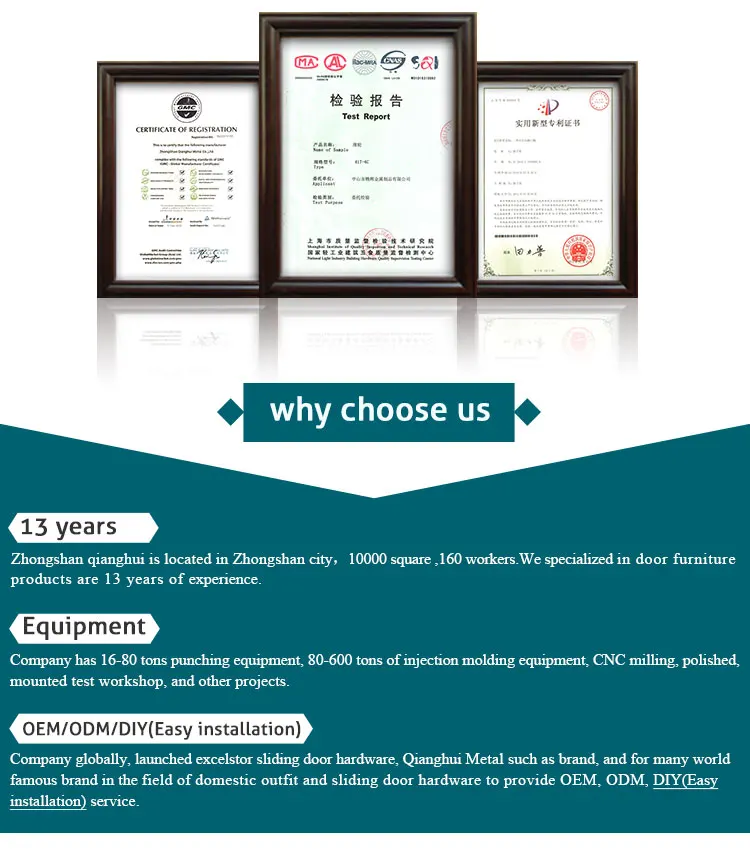
Zhongshan HEBO Hardware Co., Ltd.
- Manufacturer, Trading Company
- Guangdong, China
- Lead time7 days
- Avg. response≤ 2h
Main productsSliding Door Roller
Main marketsMid East(11.00%), Oceania(10.00%), Domestic Market(10.00%), Western Europe(9.00%), Eastern Asia(9.00%), Central America(8.00%), Eastern Europe(8.00%), Northern Europe(8.00%), Southern Europe(7.00%), Southeast Asia(6.00%), South Asia(6.00%), North America(5.00%), Africa(3.00%)
Foshan Zhongfeixin Technology Co., Ltd.
- Verified by Intertek
- Manufacturer, Trading Company
- Lead time45 days
- Avg. response≤ 3h
Main productsAluminium Housing Rollers, Steel Housing Rollers, Plastic Housing Rollers, Plastic Accessories, Sliding Pulley Wheel
Main marketsDomestic Market(24%), Mid East(14%), North America(10%)
GUANGDONG FIESONO TECH. CO., LTD.
- Verified by Intertek
- Manufacturer, Trading Company
- Lead time30 days
- Avg. response≤ 3h
Main productsAluminum Bathroom Cabinet, Bathroom Luxury Storage Racks, Wooden Sliding Door Roller, HPL Luxury Storage Collection Suite, HPL Drawer Divider Collection
Main marketsDomestic Market(38%), Eastern Europe(9%), Southeast Asia(9%)

Guangzhou Winice Hardware Technology Co., Ltd.
- Trading Company
- Guangdong, China
- Lead time10 days
- Avg. response≤ 2h
Main productsplinth panel,cabinet sofa leg,gas spring,cabinet hanger,push open system
Main marketsDomestic Market(90.00%), Mid East(22.00%), Southeast Asia(22.00%), Africa(20.00%), North America(20.00%), South Asia(17.00%), Southern Europe(10.00%), Northern Europe(10.00%), Oceania(10.00%), Western Europe(10.00%), Eastern Asia(10.00%), Eastern Europe(10.00%), Central America(8.00%), South America(5.00%)
Fuan City Yuan Cheng Bearing Co., Ltd.
- Manufacturer
- Fujian, China
- Lead time7 days
- Avg. response≤ 5h
Main productsBearing,Deep Groove Ball Bearing,Miniature Bearing,Window & Doors
Main marketsDomestic Market(25.00%), Africa(12.00%), Southeast Asia(11.00%), South Asia(10.00%), Eastern Asia(10.00%), Mid East(9.00%), South America(6.00%), Oceania(4.00%), Northern Europe(4.00%), Central America(3.00%), Western Europe(2.00%), Eastern Europe(2.00%), North America(1.00%), Southern Europe(1.00%)
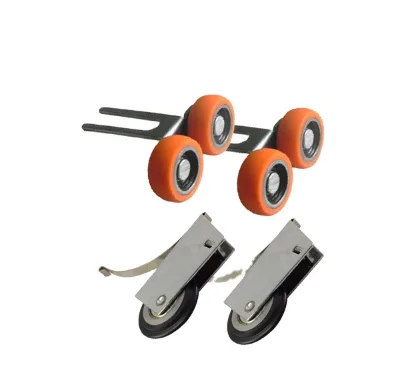
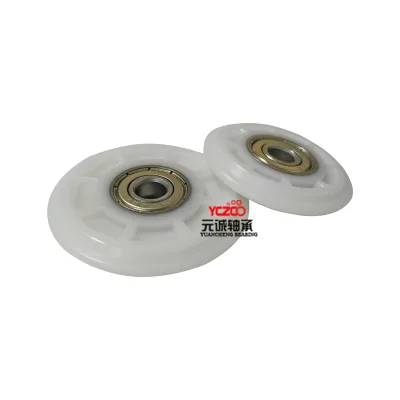
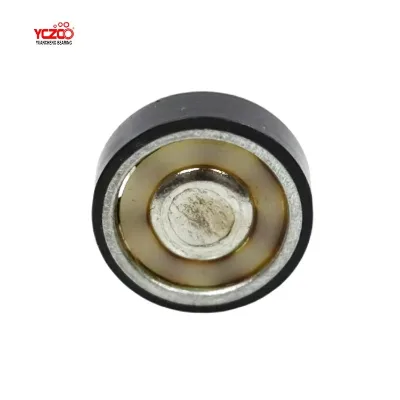
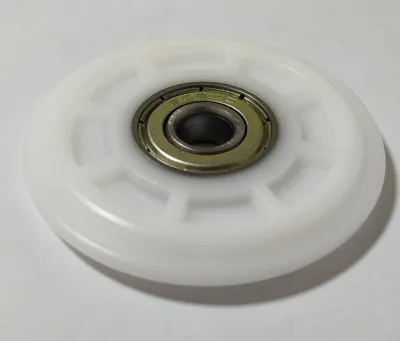
YCZCO Chinese Factory Closet Hardware Wheels Wardrobe Pulley Nylon Wheels
$0.0616 - $0.1027
MOQ: 20 Minimum
Guangzhou Yiming Trading Co., Ltd.
- Trading Company
- Guangdong, China
- Lead time5 days
- Avg. response≤ 4h
Main productshardware,building material,home decoration,furniture hardware
Main marketsSoutheast Asia(40.00%), Mid East(30.00%), Western Europe(10.00%)

Era Architectural Hardware (Zhongshan)Co., Ltd.
- Manufacturer/Factory
- China Guangdong
- Lead time23 days
Main productsSliding Door Roller Wheel
Main marketsSouth America,Eastern Europe,Mid East,North America,Southeast Asia,Eastern Asia,Oceania,Western Europe,Africa


2021 Hot Sale Heavy-Duty Furniture Wardrobe and Closet Sliding Door Rollers Wheels
$2.75 - $2.85
MOQ: 5000 Sets

2021 Hot Sale Wardrobe Furniture Sliding Door Using Good Quality Smooth and Silent Rollers Wheels
$1.05 - $1.15
MOQ: 5000 Sets

2021 Hot Sale Wardrobe Furniture Sliding Door Good Quality Smooth and Silent Rollers Wheels
$2.40 - $2.50
MOQ: 500 Sets

2021 Hot Sale Furniture Wardrobe Sliding Door Good Quality Smooth and Silent Rollers Wheels
$2.35 - $2.45
MOQ: 5000 Sets

2021 Hot Sale Wardrobe Furniture Sliding Door Good Quality Silent and Smooth Rollers Wheels
$2.75 - $2.85
MOQ: 5000 Sets
Jieyang Industrial Park Pandong Jinyuan Plastic Products Factory
- Manufacturer
- Guangdong, China
- Lead time30 days
- Avg. response≤ 11h
Main productsBuffer damper,sliding door rollers,Hanging wheel buffer,Hidden track buffer,Steel ball rail buffer
Main marketsWestern Europe(15.00%), Southeast Asia(15.00%), Eastern Europe(15.00%), South America(10.00%), Central America(10.00%), Southern Europe(10.00%), North America(5.00%), Mid East(5.00%), Northern Europe(5.00%), Eastern Asia(5.00%), South Asia(5.00%)

Guangzhou city Anguli Import and Export Co., Ltd.
- Trading Company
- Guangdong, China
- Lead time30 days
- Avg. response≤ 6h
Main productsFurniture Handle, Furniture Slide, Shower Hinge, Kitchen Basket, Gas Spring
Main marketsSouth America(30.00%), Eastern Europe(30.00%), South Asia(10.00%), North America(10.00%), Central America(10.00%), Africa(10.00%)
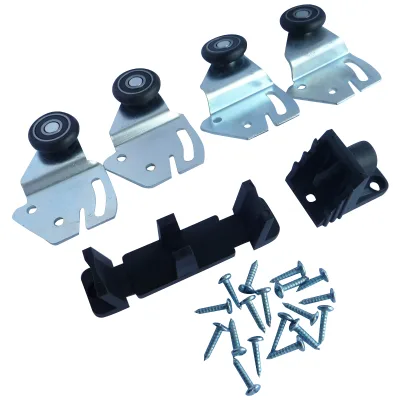
Anguli Steel Sliding Door Wheel for Closet and Wardrobe Roller Model 1408
$1.0263 - $2.0525
MOQ: 2 Minimum
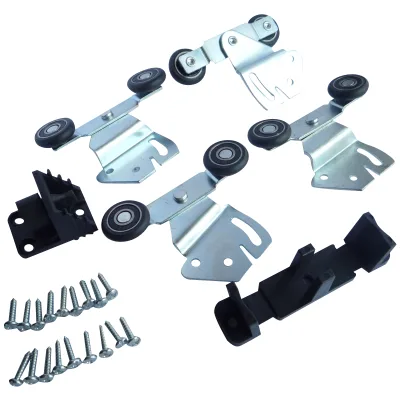
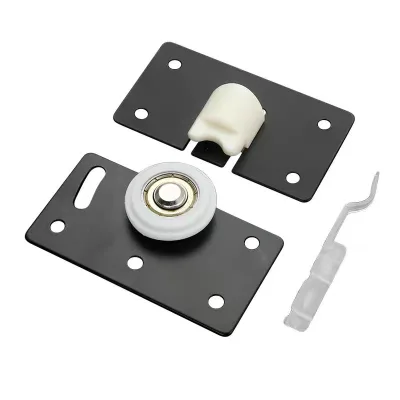
Adjustable Wardrobe Door Wheels Closet Roller Bearings Wardrobe Door Guide Wheels
$1.00 - $2.00
MOQ: 2000 Minimum
Guangzhou Rimao Bearing Co., Ltd.
- Trading Company
- Guangdong, China
- Lead time20 days
- Avg. response≤ 1h
Main productsBearing,Pulley
Main marketsNorth America(50.00%), Western Europe(20.00%), Domestic Market(15.00%), Northern Europe(15.00%)

Foshan Shunde Junaobao Hardware Co., Ltd.
- Verified by SGS
- Combined
- China Guangdong
- Lead time30 days
- Avg. response≤ 3h
Main marketsSouth America,Europe,North America


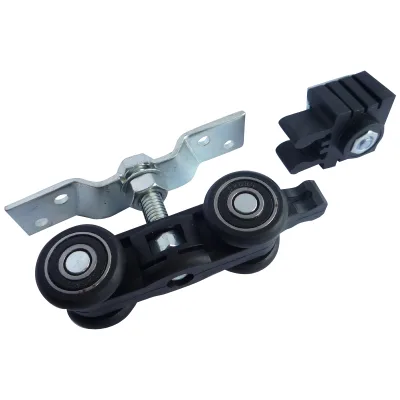
Closet Sliding Door Wheel Roller Furniture Hardware Smooth and Adjustable Hardware
$2.70 - $2.80
MOQ: 500 Sets
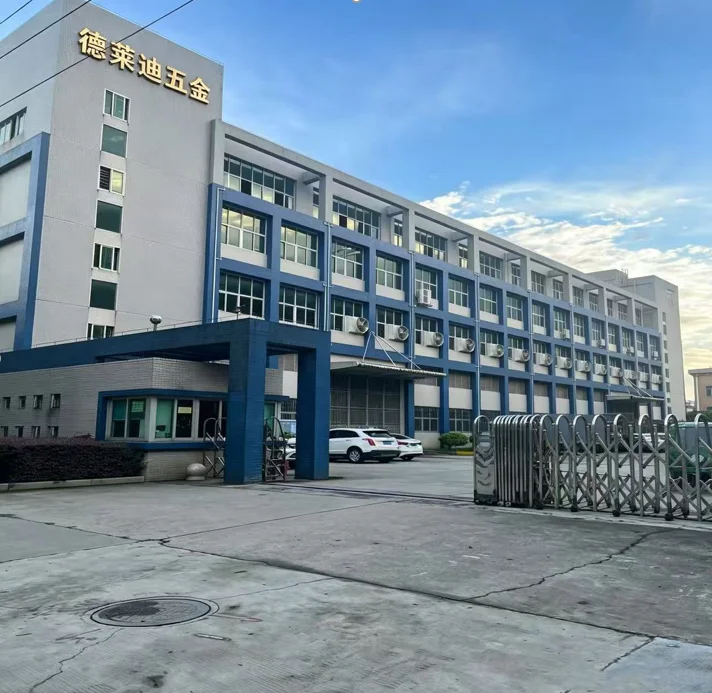
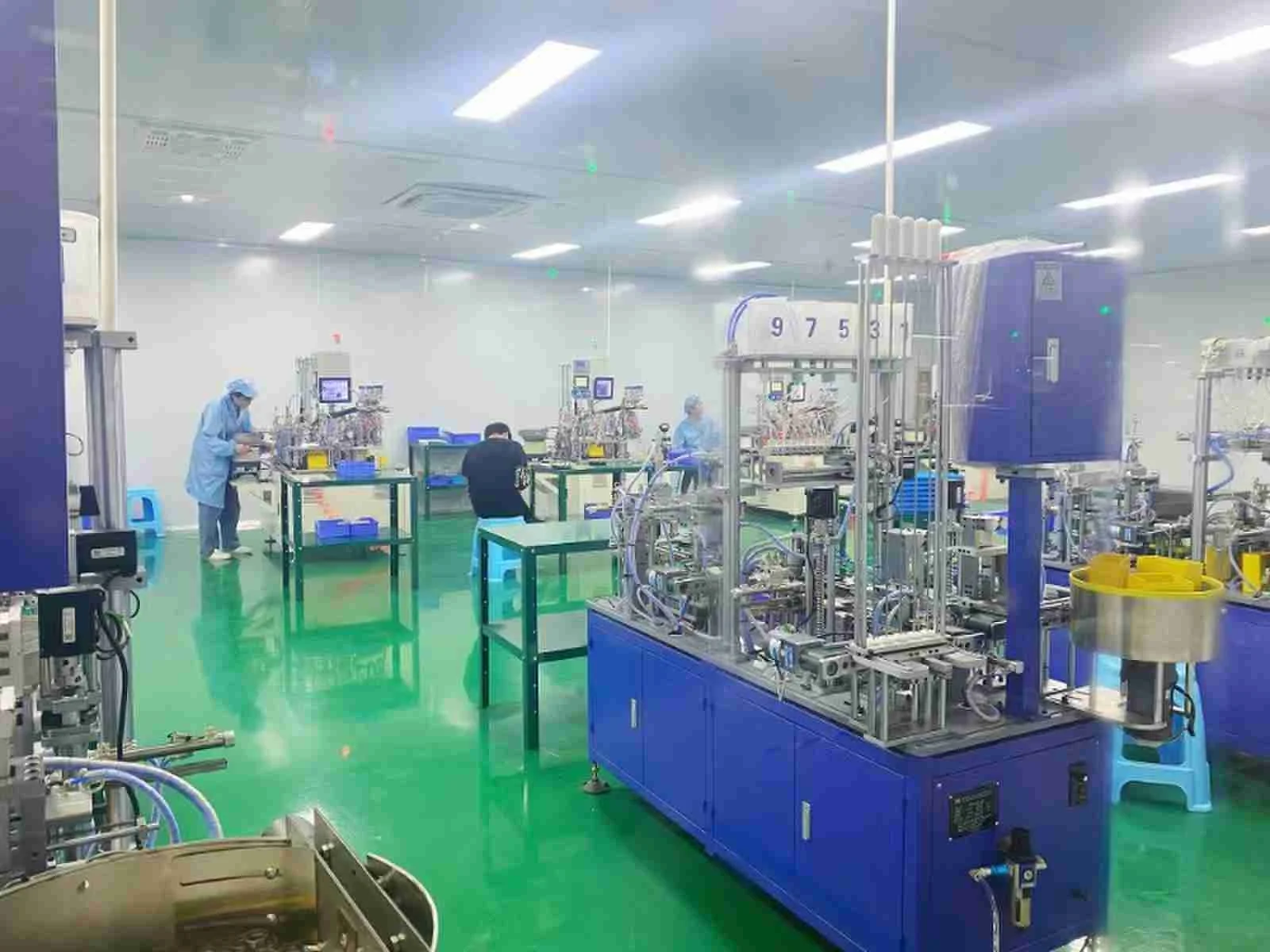
Foshan Delaidi Hardware Co., Ltd.
- Manufacturer
- Guangdong, China
- Lead time25 days
- Avg. response≤ 4h
Main productswindows and doors accessories,plastic parts,tools development
Main marketsDomestic Market(30.00%), Oceania(10.00%), North America(10.00%), Southeast Asia(10.00%), Western Europe(10.00%), Eastern Asia(10.00%), Eastern Europe(5.00%), South Asia(5.00%), Northern Europe(5.00%), Africa(1.00%), South America(1.00%), Southern Europe(1.00%), Mid East(1.00%), Central America(1.00%)
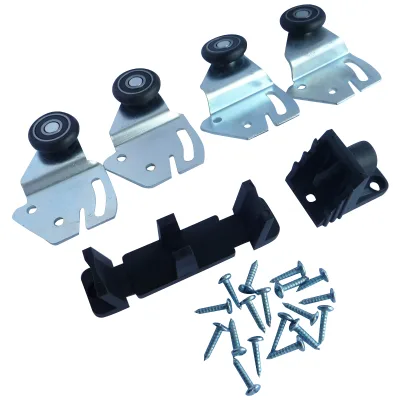
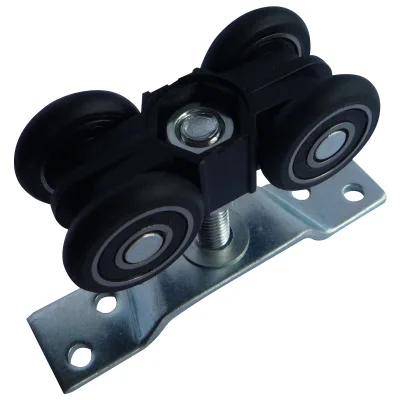
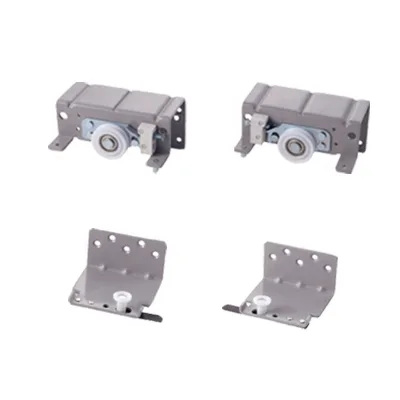
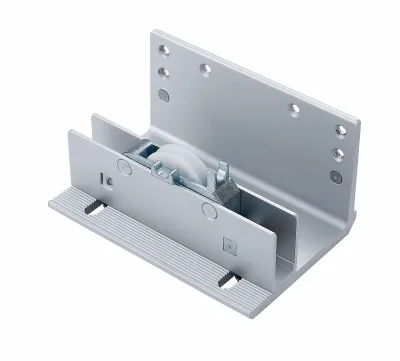
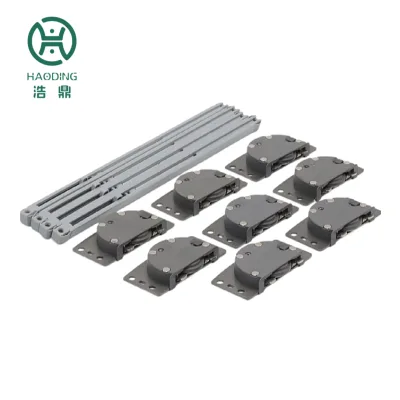
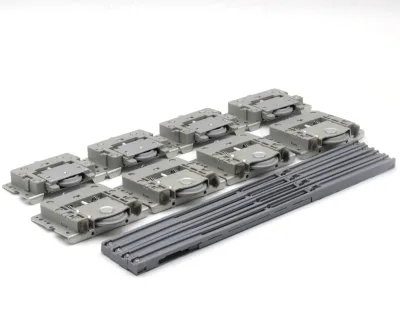
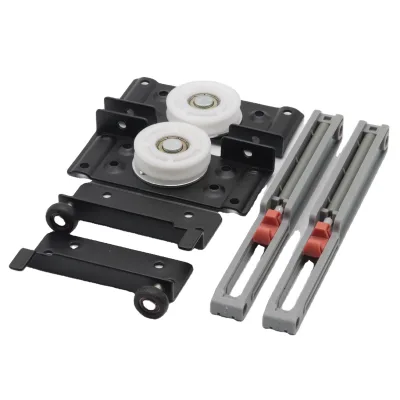
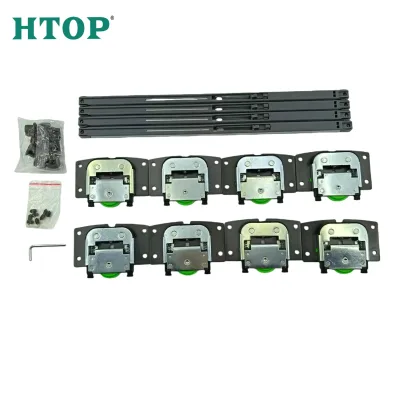
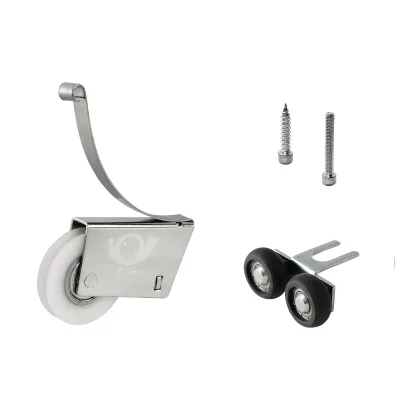
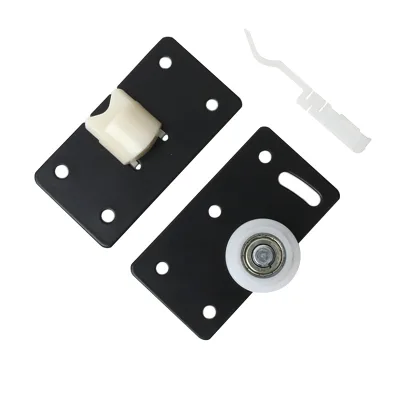
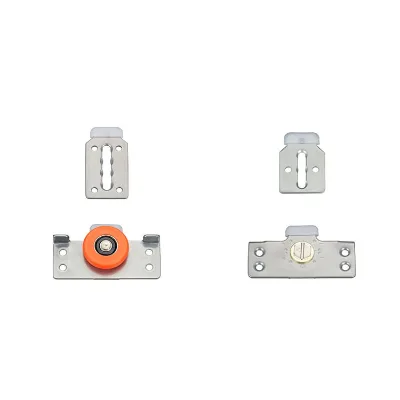
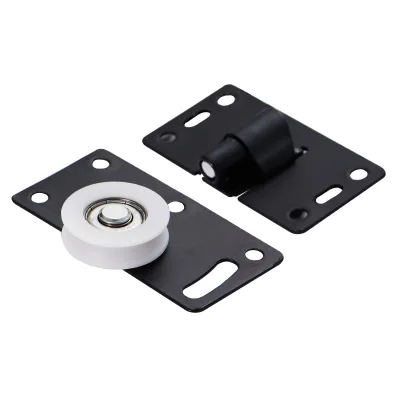
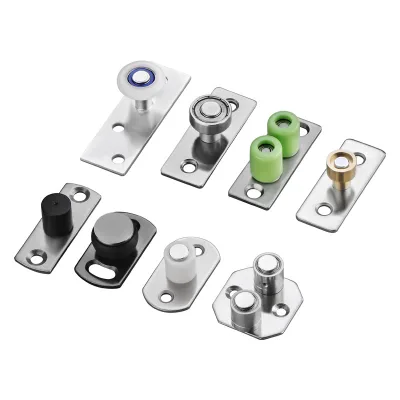
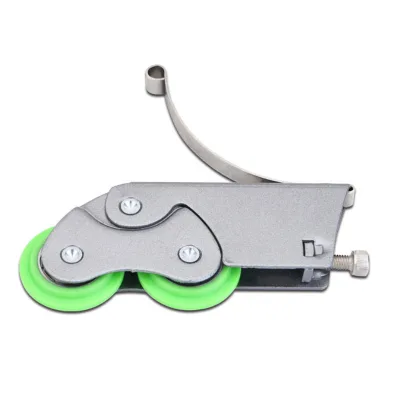
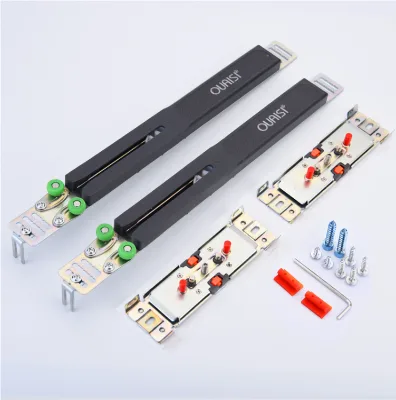
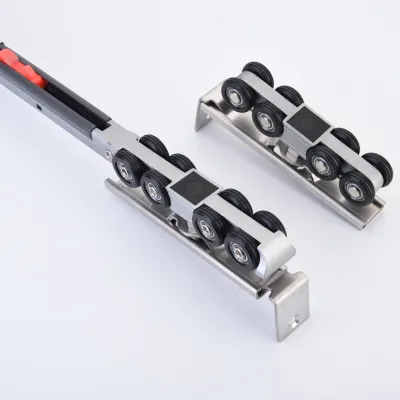
Comprehensive Sourcing Guide
Rust-Proof Nylon Sliding Wardrobe Wheel Supplier Concentration and Factory Types
Current data indicates a concentration of manufacturing activity in Jiangxi, China, where specific facilities produce door rollers, window rollers, and wardrobe wheels as primary outputs. These entities often operate as a hybrid of trading companies and manufacturers, offering OEM, ODM, and own-brand capabilities under names like JINLIWANG. The product evidence confirms that items such as single nylon rollers and sliding door wheels originate from this region, with materials ranging from metal to nylon and plastic composites. Buyers should verify if a supplier's stated location matches their actual factory floor, as some listings may represent trading entities sourcing from these Jiangxi hubs rather than direct production sites.
In contrast, other results point to Guangdong, China, as a secondary hub featuring different product mixes like gas springs and drawer handles alongside wardrobe hardware. Suppliers in this region may function as agents, distributors, or business services rather than pure factories, which can impact the depth of technical customization available. The presence of brands like WEI YI DA and VIDRA in Guangdong suggests a mix of established branding and general trading operations. When evaluating concentration, buyers must distinguish between a factory with its own production line and a trading company that aggregates goods from multiple sources, as this distinction affects quality control and lead time reliability for rust-proof nylon sliding wardrobe wheels.
How to Verify Rust-Proof Nylon Sliding Wardrobe Wheel Suppliers
Verification begins with checking for third-party audit reports, as some suppliers in the current dataset display SGS verification status alongside ISO 9001 system certifications. Buyers should request current certificates to confirm that the supplier's quality management system covers the specific production of nylon wheels and metal bearings. The product attributes often list certifications like ISO, CE, and TUV, but these must be validated against the specific batch or model number to ensure they are not generic claims. A verified supplier will provide documentation that links the certification directly to the manufacturing process of the sliding door rollers, rather than just a general company license.
Response time and communication speed are also critical verification metrics, with some suppliers showing a response time of 0.38 hours while others take up to 6 hours. A rapid response often correlates with a dedicated sales team and active inventory management, which is vital for custom orders involving specific wheel materials like POM or PP. Buyers should test communication channels to ensure the supplier can provide detailed technical drawings for customizations, such as specific bearing types or surface treatments like zinc plating. If a supplier cannot immediately provide proof of their ISO certification or a recent SGS report, the buyer should treat the claim with caution and request direct evidence before proceeding with any order.
What to Compare Across Rust-Proof Nylon Sliding Wardrobe Wheel Suppliers
Lead times vary significantly across the supplier pool, with observed ranges from 23 days to 30 days, requiring careful alignment with project schedules. A supplier offering a 23-day lead time may have better inventory management or more streamlined production lines compared to one requiring 30 days. Buyers must compare these timelines against the complexity of the order, as customizations like specific bearing types or unique wheel materials can extend the production window. It is essential to confirm whether the quoted lead time includes packaging and logistics preparation, as some suppliers may quote production time only, leaving the buyer to manage shipping delays.
Minimum Order Quantities (MOQ) also differ, with some products requiring 1000 units while others demand 3000 units, directly impacting the initial investment required. Pricing structures fluctuate based on these volumes, with unit costs ranging from 0.40 to 1.50 depending on the model and material specifications. Buyers should compare the total cost of ownership, including the impact of higher MOQs on cash flow and storage, rather than just the per-unit price. Additionally, comparing the main products offered helps identify if a supplier specializes in wardrobe hardware or if they are a generalist trading company, as specialists often provide better technical support and more consistent quality for rust-proof nylon sliding wardrobe wheels.
Common Rust-Proof Nylon Sliding Wardrobe Wheel Sourcing Risks
One significant risk involves the discrepancy between claimed certifications and actual product attributes, such as the difference between a standard metal wheel and a rust-proof nylon variant. Some product listings mention certifications like ISO, CE, and TUV, but the material composition might not fully align with rust-proof requirements if the nylon or metal components are not properly treated. Buyers must verify that the specific model number, such as JLW-WADR-122-1, includes the necessary surface treatments like zinc plating or specific nylon grades that resist corrosion in humid environments. Relying solely on general certification claims without checking the specific product attributes can lead to receiving wheels that degrade prematurely.
Another risk is the variability in response times and the potential for communication gaps when dealing with trading companies versus manufacturers. Suppliers with slower response times, such as those taking 6 hours, may struggle to address urgent quality issues or provide timely updates on production delays. This lag can be critical when custom orders require specific bearing types or load capacities, such as the 80KGS capacity found in some models. If a supplier cannot quickly clarify the difference between a standard wheel and a heavy-duty version, the buyer risks receiving products that do not meet the functional requirements of the wardrobe system, leading to installation failures or customer complaints.
Rust-Proof Nylon Sliding Wardrobe Wheel Regional Sourcing and Logistics
Sourcing from Jiangxi, China, offers access to a concentrated cluster of manufacturers specializing in furniture hardware, including door rollers and sliding wheels. The proximity of these factories to raw material sources and logistics hubs can facilitate faster production cycles, often reflected in the 23-day lead times observed in the data. Buyers should consider the logistical advantages of this region, such as established shipping routes for heavy hardware items, but must also verify the specific port of loading to ensure efficient export procedures. The concentration of OEM and ODM capabilities in this area allows for greater flexibility in customizing wheel designs, provided the buyer can navigate the local supply chain effectively.
In contrast, sourcing from Guangdong, China, presents a different logistical profile, often associated with a broader range of trading companies and agents. While this region offers access to diverse product lines like gas springs and drawer handles, the lead times may extend to 30 days due to the involvement of multiple intermediaries. Buyers should evaluate the shipping costs and transit times from Guangdong ports, as the distance to major international hubs can impact the overall delivery schedule. Additionally, the presence of various brands in this region suggests a competitive market, but buyers must ensure that the logistics provider can handle the specific packaging requirements, such as polybag-carton combinations, to prevent damage during transit.
Rust-Proof Nylon Sliding Wardrobe Wheel Commercial Terms and Order Planning
Commercial terms regarding pricing and volume discounts are critical, with unit prices ranging from 0.40 to 1.50 depending on the specific model and material composition. Buyers must plan their orders to meet the minimum order quantities, which can range from 1000 to 3000 units, to secure the most favorable pricing tiers. It is essential to clarify whether the quoted price includes all necessary components, such as bearings and mounting hardware, or if these are sold separately. Understanding the full scope of the commercial terms helps avoid unexpected costs that could arise from missing parts or additional customization fees during the production process.
Order planning should also account for the customization options available, such as specific wheel materials like Nylon, Plastic, PP, or POM, and the availability of custom branding. Suppliers offering customization services may require additional lead time to set up new molds or adjust production lines, which can affect the overall timeline. Buyers should confirm the lead time for custom orders separately from standard stock items, as the 23-day or 30-day timelines may not apply to bespoke requests. Additionally, verifying the payment terms and escrow options ensures that funds are protected until the goods are verified against the agreed-upon specifications, such as the correct bearing type and load capacity.
FAQs
What certifications do nylon sliding wardrobe wheels have?
Suppliers offer wheels certified to ISO, CE, and TUV standards. These certifications ensure the products meet international quality and safety requirements for furniture hardware. Buyers should verify specific certificates for their target markets to ensure compliance with local regulations and industry standards.
What is the typical lead time for these wheels?
Manufacturers in China report lead times ranging from 23 to 30 days. This duration depends on order volume and customization needs. Buyers should confirm exact timelines with suppliers before placing orders to ensure timely delivery for their furniture production schedules.
What is the minimum order quantity for these wheels?
Minimum order quantities typically range from 1000 to 3000 pieces. Lower MOQs may be available for standard items, while higher volumes are required for customized specifications. Buyers should check specific product listings to determine the exact MOQ applicable to their needs.
What materials are used in these sliding wheels?
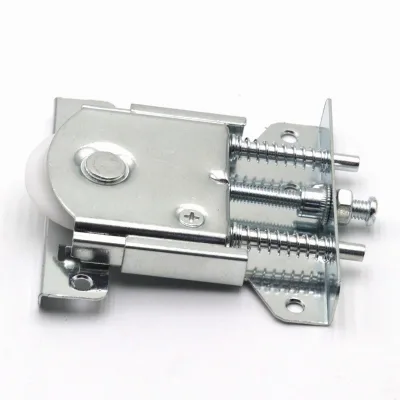
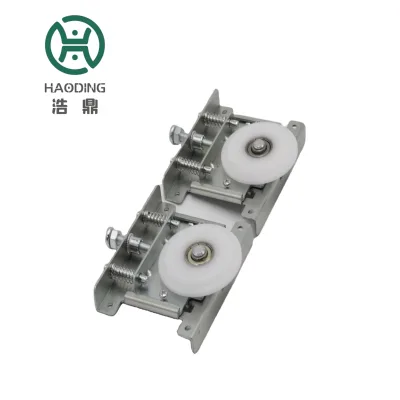
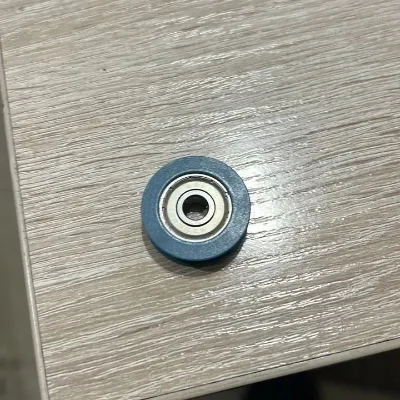
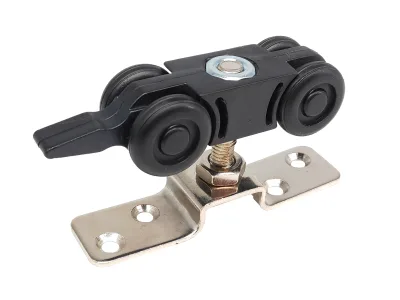
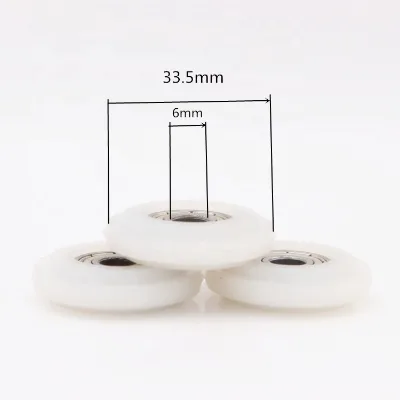
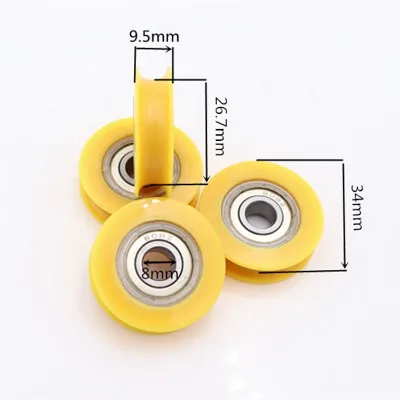
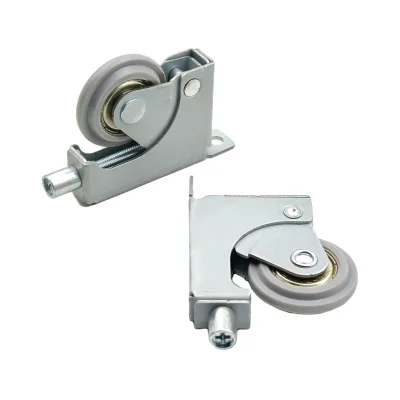
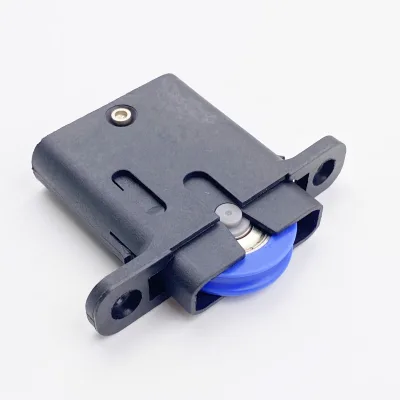
Wheels are constructed using metal frames with nylon, plastic, PP, or POM rollers. Some models feature iron or steel components with zinc plating for rust resistance. Bearings are included to ensure smooth operation. Buyers should select materials based on load capacity and environmental conditions.
What is the price range for these wheels?
Prices generally range from $0.40 to $1.50 per unit. Costs vary based on material quality, bearing type, and customization options. Buyers should request detailed quotes to understand pricing structures and potential volume discounts for large-scale procurement projects.
Are customization options available for these wheels?
Yes, suppliers offer OEM, ODM, and own brand customization services. Buyers can request specific wheel materials, bearing types, and packaging options. Customization allows for tailored solutions that meet unique furniture design requirements and brand identity specifications.