Set Screw Medical Fastener Suppliers and Manufacturers
Source 26 verified Set Screw Medical Fastener suppliers from China for orthopedic and industrial needs. Compare ISO 13485 certifications, DIN/ANSI standards, and response times to find the right partner. Contact suppliers directly to request quotes and verify production capabilities.
Suppliers List

JM Aluminum Profile Accessories Co., Limited
- Trading Company
- China Guangdong
- Lead time15 days
- Avg. response≤ 4h
Main productsIndustrial Aluminum Profile Aluminum Profiles, Aluminum Profiles / Extrusions, Aluminum Profile Modular Assembly, Aluminum Profile Accessories, Caster/Footmaster Caster/Adjustable Feet, Feet, T Nuts/Hammer Head Nut/T Bolt, Brackets Elements/Joint/Degree Bracket, End Cap/ Nylon Hinge/Handles, Spring Block/Aluminum Profile
Main marketsSouth America,Africa,Southeast Asia/ Mideast,East Asia(Japan/ South Korea),Domestic,Europe,Australia,North America

Suzhou Youbetter Medical Apparatus Co., Ltd.
- Verified by BV
- Trading Company,Manufacturer/Factory
- China Jiangsu
- Lead time15 days
- Avg. response≤ 16h
Main productsOrthopedic Implants, Orthopedic Instruments, External Fixators, Orthopedic Power Tools, General Instruments, Trauma Implants, Metal Bone Plate and Screw, Spine Implants, Interlocking Nail, Cannulated Screw
Main marketsSouth America,Eastern Europe,Mid East,North America,Southeast Asia,Eastern Asia,Oceania,Western Europe,Africa

Dongguan Zhengchen Hardware Co., Ltd.
- Verified by BV
- Combined
- China Guangdong
- Lead time15 days
- Avg. response≤ 5h
Main productsSpring Plunger, Ball Plunger, Indexing Plunger, Ball Lock Pin, Ball Transfer Unit, Screw, Nut, Washer, Captive Screw, Dowel Pin
Main marketsSouth America,Africa,Southeast Asia/ Mideast,East Asia(Japan/ South Korea),Europe,Australia,North America

Qingdao Pengrui Machinery Co., Ltd.
- Verified by TUVRHEINLAND
- Combined
- China Shandong
- Lead time15 days
- Avg. response≤ 18h
Main productsFastener, Pins, Screw, Clamps, Metal Fabrication, Plastic Fastener, Screw Plunger, Bolt, Nuts
Main marketsNorth America
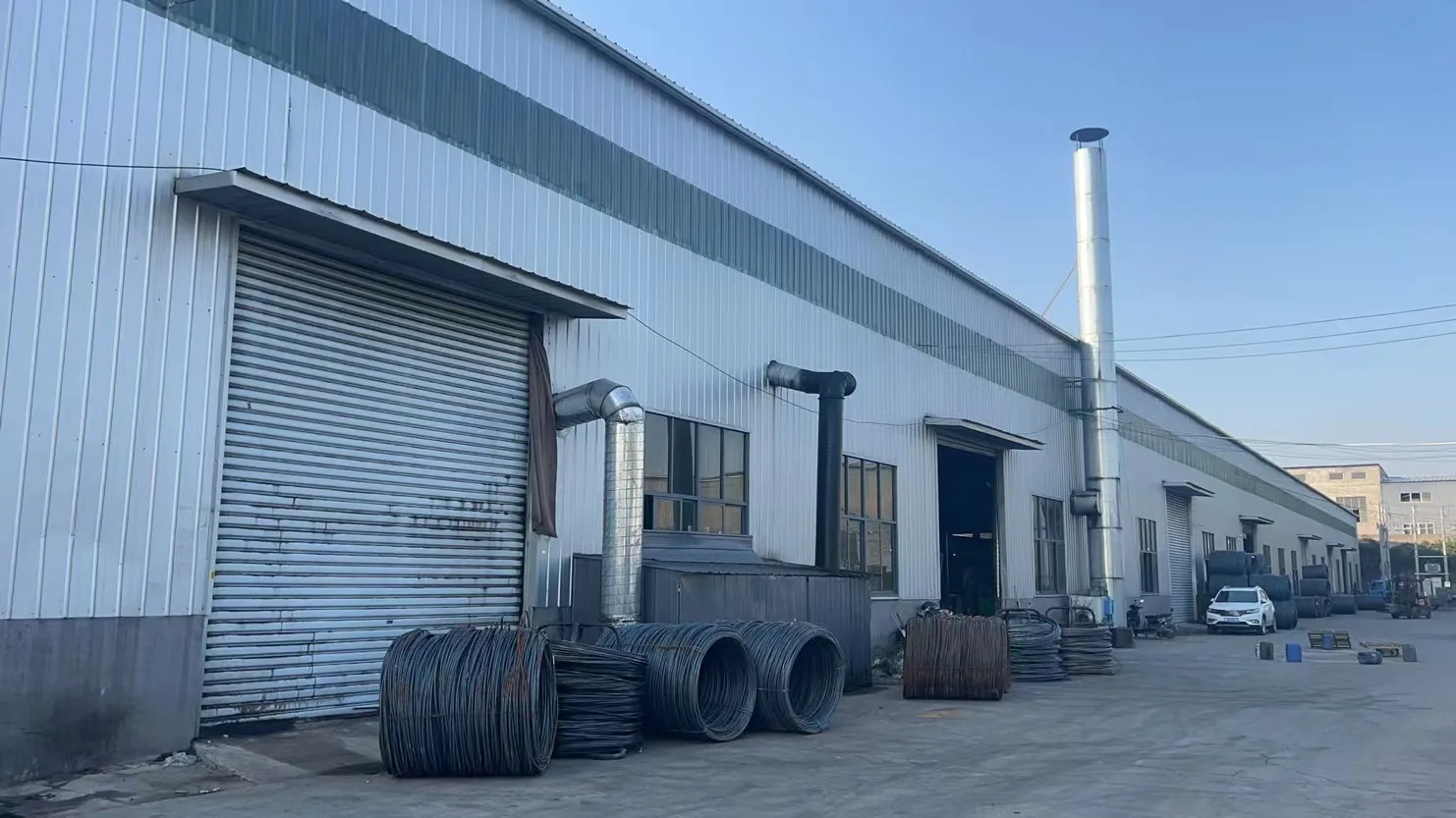
Handan Guoxi Fastener Manufacturing Co., Ltd.
- Manufacturer, Trading Company
- Hebei, China
- Lead time30 days
- Avg. response≤ 3h
Main productsbolt,nut,Flat Washer,Spring Lock Washer,anchor bolt
Main marketsNorth America(30.0%), Eastern Europe(30.0%), Southeast Asia(30.0%), South America(10.0%)

Yuyao Xianghao Mold Technology Company Limited
- Verified by BV
- Trading Company
- China Zhejiang
- Lead time30 days
- Avg. response≤ 10h
Main productsInjection Mold, Plastic Mold, Injection Molding, Rapid Prototyping, 3D Pritting, Manhole Cover Mold, Silicone Rubber Mould, Wire Rack, Car Air Compressor, LED Light
Main marketsNorth America

Jiangsu Gather Biotech Co., Ltd.
- Verified by BV
- Trading Company
- China Jiangsu
- Lead time15 days
- Avg. response≤ 9h
Main productsOrthopedic Implant, Orthopedic Instrument, Medical Power Tool, External Fixator, Locking Plate, Spinal Screw, Artificial Hip Joint, Artificial Knee Joint
Main marketsSoutheast Asia/ Mideast,Europe
Guangdong Taiyuanfeng Metal Products Co., Ltd.
- Verified by BV
- Combined
- China Guangdong
- Lead time15 days
- Avg. response≤ 5h
Main productsScrews, Bolts, Rivets, Nuts, Pins, CNC Parts, Stamping Parts, Non-Standard Screws, Wrench, Nails
Main marketsDomestic

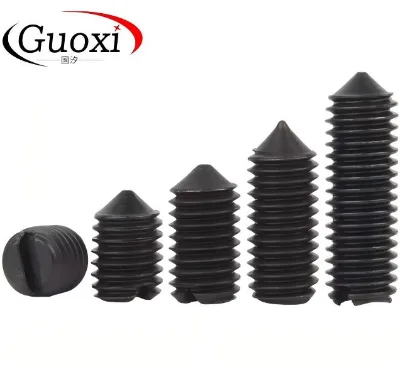
Fasteners Screws 1/4 Inch Thread Stainless Steel Slotted Flat Point Grub Set Screw
$0.01 - $0.02
Moq: 50000


CHANGZHOU XIETONG INDUSTRIES CO., LTD.
- Trading Company
- China Jiangsu
- Lead time15 days
- Avg. response≤ 9h
Main productsMedical Bone Drill Bit, Orthopedic Instrument Set, Orthopedic Implants, Spare Medical Instrument, Orthopedic Plates, Orthopedic Screws, Locking Nails, Dental Tools, Ppek Carbon Medical Products, Surgical Reamers
Main marketsSoutheast Asia/ Mideast,Europe,North America
Ningbo Geobo Hardware Co., Ltd.
- Verified by CTI
- Trading Company
- China Zhejiang
- Lead time45 days
- Avg. response≤ 3h
Main productsstainless steel screw nut
Main marketsSouth America,Africa,Southeast Asia/ Mideast,Europe,Australia,North America

- Verified by SGS
- Combined
- China Zhejiang
- Lead time23 days
- Avg. response≤ 12h
Main productsOrthopaedic Implant, Screw, Orthopaedic Instrument, Bone Plates, Locking Plate
Main marketsSouth America,Others(foreignTradeCapacity.exportBusinessCapacityMarketOther),East Asia(Japan/ South Korea)

Shanghai Yung King Hardware Co., Ltd.
- Trading Company,Manufacturer/Factory
- China Shanghai
- Lead time60 days
- Avg. response≤ 16h
Main productsDraw Latch, Lift off Hinge, Cylinder Lock, Military Case Handle, Forging, Machining, Access Panel and Roof Hatch, Paddle Latch, Tie Down Ring
Main marketsSouth America,Eastern Europe,Mid East,North America,Southeast Asia,Eastern Asia,Oceania,Western Europe,Africa

Beijing Duoyang Gigamega Technology Co., Ltd.
- Verified by TUVRHEINLAND
- Combined
- China Beijing
- Lead time15 days
- Avg. response≤ 1h
Main productsFM Transmitter, DTV Transmitter, DVB-T2 Exciter, Bandpass Filters, Coaxial Switch, Combiners, Coaxial Rigid Line and Coaxial Components
Main marketsDomestic

Shandong Meiling Chemical Equipment Co., Ltd.
- Verified by BV
- Combined
- China Shandong
- Lead time15 days
- Avg. response≤ 9h
Main productsTubular Heat Exchanger, High Strength Fastener, Fastener, Forging Steel Parts, Forging Ring, Forging Shafts, Forging Flange, Forging Block
Main marketsDomestic

Ningbo Yinzhou Hisea Machinery Co., Ltd.
- Manufacturer/Factory
- China Zhejiang
- Lead time23 days
- Avg. response≤ 3h
Main productsCNC Machining Parts, Investment Casting Parts, Stamping, Forging, Welding Service, Metal Fabricating Service, Laser Cutting Service, Die Casting, Metal Deep Drawn, Stainless Steel Accessories
Main marketsSouth America,Eastern Europe,Mid East,North America,Southeast Asia,Eastern Asia,Oceania,Western Europe,Africa

Shanxi Betop Industry and Trade Co.,LTD
- Verified by TUVRHEINLAND
- Combined
- China Shanxi
- Lead time15 days
- Avg. response≤ 2h
Main productsRubber Pulley Lagging, Rema Tip Top Cold Bond Cement, Impact Bed & Impact Bar, Conveyor Belt Cleaner&Belt Scraper, Conveyor Cold Repair Strip&Patch, Cold Adhesive Solution, Tire Regroover, Steel Cord Belt Stripper Machine, Tie Gum&Uncured Cover Rubber, Conveyor Belt Vulcanizer
Main marketsSouth America,Africa,Southeast Asia/ Mideast,East Asia(Japan/ South Korea),Europe,Australia,North America
- Verified by BV
- Combined
- China Zhejiang
- Lead time23 days
- Avg. response≤ 2h
Main productsMachine Part, Fastener, Bolt, Screw, Nut, Rivet, Pin
Main marketsDomestic

Guangdong Chunqing Hardware Electronics Co., Ltd.
- Manufacturer
- China Guangdong
- Lead time23 days
- Avg. response≤ 24h
Main productsFastener, Bolts, Screws, Nut, CNC Machining, Rivet
Main marketsSoutheast Asia/ Mideast,Domestic,Europe,North America

Machinery, Chemical Industry, Environmental Fasteners Plastic Auto Clips Combination Screws
$0.00 - $0.50
Moq: 10000

Fasteners Machinery, Chemical Industry, Environmental Automotive Bumper Clip Bolts Screw
$0.00 - $0.50
Moq: 10000


Fasteners Machinery, Chemical Industry, Environmental Plastic Auto Clips Self-Tapping Screws
$0.00 - $0.50
Moq: 10000

Zhejiang Unit Hardware Products Co.,Ltd
- Verified by TUVRHEINLAND
- Manufacturer/Factory
- China Zhejiang
- Lead time90 days
- Avg. response≤ 8h
Main productsStainless Steel Self Drilling Screw, Stainless Steel Self Tapping Screw, Stainless Steel Bolt and Nut, Brass Hex Bolt and Nut, Brass Machine Screw, Brass Self Tapping Screw, Brass Wood Screw, Brass Flat Washer, Stainless Steel Machine Screw, Rivet Nuts
Main marketsSouth America,Eastern Europe,Mid East,North America,Southeast Asia,Oceania,Africa
- Verified by BV
- Combined
- China Zhejiang
- Lead time30 days
- Avg. response≤ 17h
Main productsBolts, Nuts, Threaded Rods, Stud Bolts, Washers, Fasteners, A325 Structural Bolts, A193 Grade B7 All Threaded Rods, A194 Grade 2h Heavy Hex Nuts, F436 Hardened Flat Washers
Main marketsSouth America,Europe,North America

Dongguan VG Fasteners Co., Ltd.
- Verified by SGS
- Trading Company
- China Guangdong
- Lead time15 days
- Avg. response≤ 2h
Main productsDrop in Anchor, DIN912 Hex Socket Head Cap Screw, Sleeve Anchor, Anchor Bolt, Fasteners, Wedge Anchor, Chemical Anchor, Nut, Thread Rod, Screw
Main marketsSoutheast Asia/ Mideast,Domestic
Ningbo Joy International Trade Co., Ltd.
- Verified by BV
- Trading Company
- China Zhejiang
- Lead time30 days
- Avg. response≤ 6h
Main marketsEurope

Dongguan Lihao Hardware Technology Co., LTD
- Manufacturer
- China Guangdong
- Lead time15 days
- Avg. response≤ 1h
Main productsScrews, Bolts, Nuts, Washers, Hardware, Shaft, Spring, Metal Lathe Part, Standoffs, CNC Part
Main marketsSoutheast Asia/ Mideast
Xuzhou Dingfeng Hardware Products Co., Ltd.
- Verified by BV
- Combined
- China Jiangsu
- Lead time30 days
- Avg. response≤ 1h
Main productsCoil Nails, Paper Strip Nails, Common Loose Nails, Nail Guns
Main marketsSouth America,East Asia(Japan/ South Korea),Domestic,Europe,Australia,North America

Yi Pian Hong Industry Co., Limited
- Verified by CTI
- Trading Company
- China Zhejiang
- Lead time23 days
- Avg. response≤ 5h
Main productsNut, Bolt, Washer, Anchor, Hex Bolt, Rivet Nut, Hex Nut
Main marketsOthers(foreignTradeCapacity.exportBusinessCapacityMarketOther),Southeast Asia/ Mideast,Europe,North America

- Verified by CTI
- Combined
- China Sichuan
- Lead time60 days
- Avg. response≤ 16h
Main productsTwin Screw Extruder Parts, Screw Element, Barrels, Shafts, Extruder Spare Parts, Screw and Barrel, Petrifaction Screw Elements, Twin Screw
Main marketsSouth America,Domestic,Europe




Comprehensive Sourcing Guide
Set Screw Medical Fastener Supplier Concentration and Factory Types
The current supplier landscape for set screw medical fasteners reveals a distinct concentration of manufacturing and trading entities within specific Chinese provinces. Available data indicates a significant presence of suppliers located in Guangdong, Jiangsu, and Shandong, each offering different operational profiles. Guangdong-based entities often function as trading companies specializing in industrial aluminum profiles and general hardware, while Jiangsu locations show a mix of trading companies and manufacturers focused on orthopedic implants and surgical instruments. Shandong suppliers appear to combine manufacturing capabilities with trading functions, particularly in the realm of fasteners and metal fabrication. This geographic distribution suggests that buyers should expect a variety of company types, ranging from pure trading firms to those with direct factory ownership and in-house research and development capabilities.
When assessing factory types, it is critical to distinguish between entities that merely resell products and those that control the production process. Some suppliers in the results are identified as trading companies, which may offer broader product ranges but less direct control over manufacturing nuances. Conversely, other suppliers are listed as manufacturers or combined entities, often possessing their own brands and offering OEM and ODM services. These combined entities may provide more flexibility for customization, such as specific material choices like zinc alloy or stainless steel, and varying head types. Buyers must verify whether a supplier's primary focus aligns with medical-grade requirements, as some entities specialize in general hardware while others focus on orthopedic implants and surgical tools. Understanding this distinction helps in selecting a partner capable of meeting strict medical standards.
How to Verify Set Screw Medical Fastener Suppliers
Verification of Set Screw Medical Fastener suppliers requires a rigorous examination of their certifications and business credentials. The available data highlights that some suppliers hold specific system certifications such as ISO 13485, ISO 9001, GAP, and GMP, which are essential for medical device manufacturing. These certifications indicate a commitment to quality management systems tailored for the healthcare industry. Additionally, third-party verification badges like BV or TÜV Rheinland serve as external validations of a supplier's operational integrity. Buyers should prioritize suppliers who display these specific credentials, as they provide evidence of adherence to international safety and quality protocols. It is important to note that not all suppliers will possess every certification, and the absence of a specific badge does not automatically disqualify a vendor, but it necessitates further inquiry into their quality control processes.
Beyond certifications, buyers must scrutinize the supplier's response time and verification status to gauge reliability. Response times in the observed data vary significantly, ranging from approximately 3.5 hours to over 17 hours, which can impact the speed of communication and issue resolution. A faster response time often correlates with a more active and responsive sales team, which is crucial for addressing technical queries regarding fastener specifications. Furthermore, the verification status, such as being marked as verified by a third party, adds a layer of trust regarding the supplier's business legitimacy. Buyers should cross-reference these metrics with the supplier's stated capabilities, such as their ability to provide customizations or their specific product origins. Ensuring that the supplier's claims align with their verified status and response metrics is a fundamental step in mitigating the risk of engaging with unreliable partners.
What to Compare Across Set Screw Medical Fastener Suppliers
Comparing suppliers requires a detailed analysis of their product attributes, pricing structures, and minimum order quantities. The data shows a wide range of product specifications, including materials like zinc alloy and stainless steel, and various head types such as round or hexagon heads. Pricing can vary from as low as $0.12 to $80.00 per unit, depending on the complexity and intended use of the fastener. Buyers should compare these price points against the specific requirements of their medical applications, ensuring that the cost aligns with the quality and certification level of the product. Additionally, minimum order quantities (MOQ) differ significantly, with some suppliers requiring as few as one unit while others mandate orders of 1,000 units. This variation allows buyers to select suppliers that match their inventory needs and budget constraints.
Lead times and customization options are equally critical factors in the comparison process. Lead times observed in the data range from 3 to 7 days for specific items to 15 days for broader orders, influencing the overall supply chain timeline. Suppliers offering customization services can tailor products to specific medical standards, such as DIN, ANSI, or GB, which is often necessary for compliance. Buyers should evaluate whether a supplier's lead time and customization capabilities align with their project deadlines and technical specifications. Furthermore, the availability of different packing options, such as poly bags, cartons, or pallets, can affect shipping costs and product protection. By systematically comparing these dimensions, buyers can identify suppliers that offer the best balance of cost, speed, and flexibility for their specific sourcing needs.
Common Set Screw Medical Fastener Sourcing Risks
One of the primary risks in sourcing set screw medical fasteners is the potential mismatch between a supplier's claimed capabilities and their actual production capacity. While some suppliers list themselves as manufacturers with in-house R&D, others may operate primarily as trading companies, potentially leading to inconsistencies in quality control and delivery schedules. This discrepancy can result in delays or products that do not meet the stringent requirements of medical applications. Buyers must be vigilant in verifying the supplier's actual role in the supply chain, ensuring that they have direct oversight of the manufacturing process or a robust relationship with their factory partners. Relying solely on marketing claims without independent verification can expose buyers to significant operational risks.
Another significant risk involves the variability in product standards and certifications across different suppliers. The data indicates that while some suppliers adhere to international standards like ISO and CE, others may only comply with domestic standards such as GB. This inconsistency can lead to compliance issues when importing medical devices into regulated markets. Additionally, the lack of standardized testing results or third-party audit reports for certain products can make it difficult to assess the true quality of the fasteners. Buyers should demand comprehensive documentation, including material certificates and test reports, to ensure that the products meet the necessary safety and performance criteria. Failing to address these risks can result in product recalls, regulatory penalties, and damage to the buyer's reputation in the medical field.
Set Screw Medical Fastener Regional Sourcing and Logistics
Regional sourcing strategies for set screw medical fasteners are heavily influenced by the geographic concentration of suppliers in China. The observed data points to key manufacturing hubs in Guangdong, Jiangsu, and Shandong, each offering distinct logistical advantages. Guangdong, known for its extensive export infrastructure, often provides faster access to international shipping routes, which can be beneficial for time-sensitive orders. Jiangsu and Shandong, with their strong industrial bases, may offer competitive pricing and specialized manufacturing capabilities for specific types of fasteners. Buyers should consider the proximity of these regions to major ports when planning their logistics, as this can significantly impact shipping costs and delivery times. Understanding the regional strengths allows buyers to optimize their supply chain for efficiency and cost-effectiveness.
Logistics planning must also account for the varying delivery methods and times offered by different suppliers. The data shows that some suppliers offer express delivery options via FedEx, UPS, DHL, or TNT, with delivery times as short as seven days, while others rely on sea or air freight. These options provide flexibility for buyers with different urgency levels and budget constraints. However, buyers should be aware that express services may come at a higher cost, while sea freight offers a more economical solution for larger volumes. Additionally, the packaging standards, such as poly bags, cartons, or pallets, play a crucial role in ensuring the safe transport of medical fasteners. Buyers should coordinate with suppliers to select the most appropriate packaging and shipping method to minimize the risk of damage during transit and ensure timely delivery to their facilities.
Set Screw Medical Fastener Commercial Terms and Order Planning
Commercial terms for set screw medical fasteners vary widely, with pricing often being negotiable based on order volume and customization requirements. The data indicates that some suppliers offer fixed prices, while others state that prices are subject to negotiation. This flexibility allows buyers to secure better rates for larger orders or long-term contracts. However, buyers must clearly define their expectations regarding price stability and payment terms to avoid misunderstandings. It is also essential to consider the impact of customization on pricing, as tailored products may incur additional costs. Establishing a clear understanding of the commercial terms early in the negotiation process helps in budgeting and financial planning for the procurement project.
Order planning should take into account the lead times and minimum order quantities specified by suppliers. With lead times ranging from a few days to several weeks, buyers need to plan their inventory levels carefully to avoid stockouts or overstocking. The MOQs, which can range from one unit to 1,000 units, also influence the order size and frequency. Buyers should align their order planning with their production schedules and demand forecasts to ensure a steady supply of fasteners. Additionally, the availability of customization services allows buyers to tailor orders to their specific needs, but this may require additional lead time for design and production. By integrating these factors into their order planning, buyers can create a robust supply chain strategy that balances cost, speed, and quality.
FAQs
What is the price range for set screws?
Prices for set screws vary by type and material. Zinc alloy fasteners are available from $0.12 per unit, while standard 30-series fasteners start at $0.15. Medical locking plates range from $20 to $80. Fully threaded screws cost around $0.50, and shoulder screws begin at $0.10. Buyers should verify exact costs based on quantity and customization needs.
What certifications do medical set screws have?
Medical orthopedic implants and surgical instruments typically hold ISO 13485, ISO 9001, CE, and GAP certifications. These standards ensure quality for fracture fixation and bone surgery applications. Industrial fasteners may follow DIN, ANSI, or GB standards. Buyers must confirm specific certification documents for each product batch to ensure compliance with regional medical device regulations.
What is the minimum order quantity?
Minimum order quantities depend on the specific fastener type. Some industrial set screws have an MOQ of just one unit, allowing for easy sampling. Others, like nylon tip screws, require a minimum of 1000 pieces. Fully threaded screws typically start at 100 units. Buyers should check the specific product listing to confirm the applicable MOQ before placing an order.
Where are these suppliers located?
Suppliers offering set screws and medical fasteners are located in China. Specific manufacturing hubs include Guangdong, Jiangsu, and Shandong provinces. These regions are known for industrial aluminum profiles, orthopedic implants, and hardware fasteners. Buyers can filter results by these locations to find suppliers with established supply chains and logistical advantages for international shipping.
How fast do suppliers respond?
Response times vary significantly among suppliers. Some trading companies respond within approximately 3.5 hours, while others may take up to 17 hours. Faster response times often indicate higher availability and dedicated customer service teams. Buyers should prioritize suppliers with quicker response rates to ensure timely communication regarding quotes, samples, and order status updates.
What materials are used for set screws?
Set screws are manufactured from various materials including zinc alloy, stainless steel, and titanium. Zinc alloy is common for industrial hardware, while stainless steel is used for nylon tip screws. Titanium is preferred for medical orthopedic implants due to its biocompatibility. Buyers should select materials based on the required strength, corrosion resistance, and application environment.
What customization options are available?
Most suppliers offer customization for set screws and fasteners. Options include custom models, specific packing quantities, and tailored standards like DIN or ANSI. Medical implants can be customized for specific fracture fixation needs. Buyers can request OEM or ODM services for unique requirements. It is essential to discuss customization details directly with the supplier to ensure feasibility and cost implications.