Seven-Function Beauty Instrument Suppliers and Manufacturers
Source a Seven-Function Beauty Instrument from 22 suppliers listed on this page. Buyers can compare location, company type, lead times, MOQ, product pricing, certifications and customization support side by side. Start by shortlisting suppliers whose product specifications and warranty terms match your target market.
Suppliers List

GUANGZHOU KONMISON TECHNOLOGY CO., LIMITED
- Verified by BV
- Trading Company
- China Guangdong
- Lead time30 days
- Avg. response≤ 10h
Main productsBeauty Machine, Beauty Equipment, Slimming Machine, Cavitation Weight Loss Beauty Machine, Skin Care Machine, RF Skin Lifting Rejuvenation Machine, IPL Hair Removal Machine, Laser Hair Removal Machine, LED Facial Mask Beauty Device
Main marketsEurope,Australia


7 in 1 Bio RF Skin Care Skin Lifting Microcurrent Microdermabrasion Facial Beauty Instrument
$179.00 - $279.00
Moq: 1

Guangzhou Everplus Beauty Appliance Ltd.
- Verified by BV
- Combined
- China Guangdong
- Lead time30 days
- Avg. response≤ 10h
Main productsBeauty Equipment, Beauty Instrument, Slimming Machine, Body Slimming, Facial Care, Beauty Machine, Skin Care, RF Machine, Salon Equipment, Peeling Machine
Main marketsEurope

Multifunction Beauty Instrument for Skin Care /Multi-Functional Skin Management
$250.00 - $350.00
Moq: 1


Hubei YJT Intelligent Technology Group Co., Ltd.
- Verified by SGS
- Combined
- China Hubei
- Lead time15 days
- Avg. response≤ 1h
Main productsLaser Treatment Instrument, Physiotherapy Rehabilitation, Medical Laser Physical Therapy, Rehabilitation Therapy Equipment, Low Level Laser Therapy, Home Healthcare, Laser Acupuncture, Cold Laser Treatment Instrument, Health Care, Health Care Cold Laser Therapeutic
Main marketsSoutheast Asia/ Mideast,East Asia(Japan/ South Korea),Domestic,Europe,Australia,North America

NINGBO FBELE ELECTRONICS CO., LTD.
- Trading Company
- China Zhejiang
- Lead time15 days
- Avg. response≤ 13h
Main productsSolar Cell, Buzzer, Fuse and Fuse Holder, Terminal Block, Switch, Speaker, Telephone Receiver, Siren, Rj, USB Connector
Main marketsSouth America,Southeast Asia/ Mideast,Europe

Guangzhou RenLang electronic technology Co., LTD
- Verified by CTI
- Combined
- China Guangdong
- Lead time15 days
- Avg. response≤ 9h
Main productsBeauty Machine, Hair Removal Machine, Tattoo Removal Machine
Main marketsEurope

Beijing ADSS Development Co., Ltd.
- Verified by TUVRHEINLAND
- Combined
- China Beijing
- Lead time15 days
- Avg. response≤ 5h
Main productsHifu, Laser Vaginal Tightening, Digital Syringe Injector, 808nm Diode Laser Hair Remvoal, Fractional RF & Thermal RF, Vacuum Shape, 20MHz RF Thermal, Cryolipolysis Slimming Machine, Cavitation Slimming Machine, Fractional CO2 Laser
Main marketsSouth America,East Asia(Japan/ South Korea),Europe,Australia,North America

Beijing Globalipl Development Co., Ltd.
- Verified by TUVRHEINLAND
- Combined
- China Beijing
- Lead time15 days
- Avg. response≤ 1h
Main productsIPL Shr, Hair Removal IPL, Hair Removal Laser, IPL RF Elight YAG Laser Beauty Machine, 808nm Diode Laser Hair Removal Machine, Shr IPL +Diode Laser, Fat Freeze Cryolipolysis Slimming Machine, Ultrasonic Cavitation Slimming Machine, Q Switch ND YAG Laser Tattoo Removal Machine, Fractional CO2 Laser for Scar Removal
Main marketsOthers(foreignTradeCapacity.exportBusinessCapacityMarketOther),Europe,Australia,North America

- Trading Company
- China Zhejiang
- Lead time30 days
- Avg. response≤ 11h
Main productsHome Appliance, Cookware Set, Thermos, Home Storage, Furniture, Pet Supplies, Garden Tools, Outdoor Supplies, Baby Supplies, Houesehold Items
Main marketsSouth America,Africa,Southeast Asia/ Mideast,East Asia(Japan/ South Korea),Domestic,Europe,Australia,North America


Three-Color Light Screen Beauty Eye Instrument, Home Vibration Beauty Instrument
$5.42 - $6.22
Moq: 1000


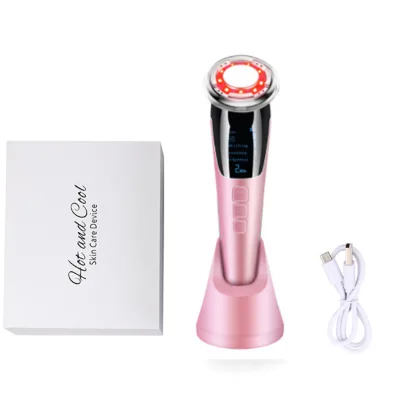
6-in-1 Beauty Instrument with Enhanced Absorption, Radiance, Elasticity, Pore Care
$59.65 - $60.65
Moq: 1000

Face Slimming Instrument, Electric V-Type Face Lifting Face Slimming Beauty Instrument
$6.78 - $7.58
Moq: 1000

Beauty Eye Instrument Home Vibration Into Beauty Instrument, Home Eye Care Eye Massager
$4.42 - $5.22
Moq: 1000
Guangzhou Feifan Beauty Technology Co., Ltd.
- Verified by TüVRheinland
- Manufacturer, Trading Company
- Lead time0 days
- Avg. response≤ 1h
Main productsHIFU Machine, Slimming Apparatus, Skin Rejuvenation Device, Laser Beauty Equipment
Main marketsNorth America(20%), Eastern Europe(15%), Western Europe(15%)
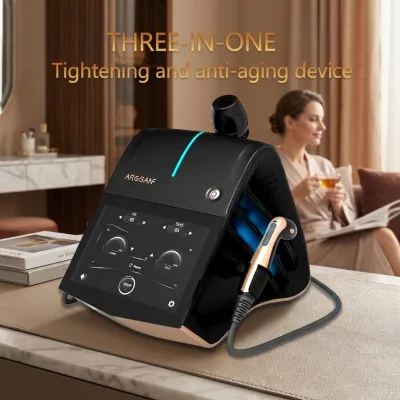
Multi-probe Layered Thermoplastic Firming Beauty Instrument
$1308.00 - $1358.00
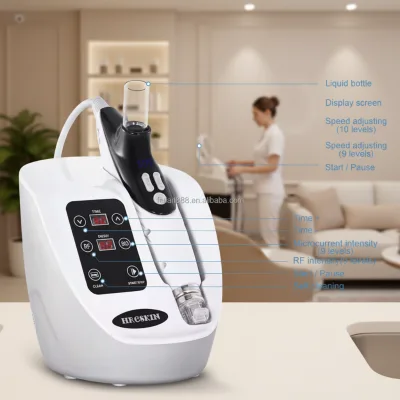

Dongguan Zhimi Electrical Technology Co., Ltd.
- Verified by BV
- Combined
- China Guangdong
- Lead time23 days
- Avg. response≤ 5h
Main productsHair Dryer, Household Depilation Instrument, Beauty Instrument, Laser Depilation Instrument, Hot Air Comb, Hair Removal Devices, Body Care Device, Pr Mask, Hair Trimmer, Hair Straightener
Main marketsSouth America,Southeast Asia/ Mideast,East Asia(Japan/ South Korea),Europe,Australia,North America

Ganzhou Pengzhan Trading Co.,LTD
- Verified by BV
- Trading Company
- China Jiangxi
- Lead time15 days
- Avg. response≤ 2h
Main productsLaser Hair Removal Device, Beauty Massager, Facial Roller, Ice Cube Roller, Massage Roller, Ice Globe, Ice Roller, Beauty Device, Skin Care, Beauty Personal
Main marketsOthers(foreignTradeCapacity.exportBusinessCapacityMarketOther),Europe,Australia,North America

- Verified by SGS
- Trading Company,Manufacturer/Factory,Other
- China Zhejiang
- Lead time38 days
- Avg. response≤ 16h
Main productsBath Mat, Cushion, Wooden Toys, Fitness Equipment, Cosmetic Bag, Luggage, Festival Products, Gym Items, Face Mask, Paracord Bracelet
Main marketsSouth America,Eastern Europe,Mid East,North America,Southeast Asia,Eastern Asia,Oceania,Western Europe,Africa


Multifunctional Cleaning Instrument Nose Acne Blackhead Remover Vacuum Beauty Tool
$8.80 - $9.00
Moq: 1000

Electric Massage Instrument Introducer Beauty Instrument Beauty Tools Skin Care Tools
$3.00 - $3.20
Moq: 1000


Foshan City DaiNi Electronic Technology Co., Ltd.
- Verified by SGS
- Combined
- China Guangdong
- Lead time15 days
- Avg. response≤ 10h
Main productsBeauty Machine, Beauty Equipment, Dermabrasion Machine, Breast &Butt Enlargement, Oxygen Machine, Haire &Tattoo Removal, Skin Care, Slimming Machine, PDT & LED, Hifu
Main marketsSoutheast Asia/ Mideast

Amy Beauty Equipment Manufacture
- Verified by SGS
- Trading Company
- China Shaanxi
- Lead time15 days
- Avg. response≤ 6h
Main productsHifu, Cryolipolysis, Hair Removal Machine, CO2 Fractional Laser Machine, Shockwave, Injection, Body Slimming Machine, Body Facial Analyzer, PDT Machine
Main marketsSouth America


Top Sale RF Microneedling Water Light Beauty Instrument for Wrinkle Removal Machine
$69.50 - $70.50
Moq: 1


Multifunction Ultrasonic Beauty Machine Face Lift and Acne Remover Personal Care Instrument
$688.00 - $900.00
Moq: 1

Guangzhou Yingcai Beauty Instrument Co., Ltd.
- Verified by SGS
- Combined
- China Guangdong
- Lead time15 days
- Avg. response≤ 2h
Main productsHifu Machine, Hair Removal Machine, Pico Laser Machine, PDT Machine, Franctional Laser Machine, Electrolysis Hair Removal, Hydra Dermabrasion Facial Machine, Cavitation Machine, Cryolipolysis Machine
Main marketsSouth America,Africa,Southeast Asia/ Mideast,East Asia(Japan/ South Korea),Europe,Australia,North America

7D Anti-Aging RF Skin Tightening Treatment Face Lifting Hifu Beauty Instrument
$1314.29 - $1742.89
Moq: 1


- Verified by SGS
- Trading Company,Manufacturer/Factory
- China Guangdong
- Lead time23 days
- Avg. response≤ 3h
Main productsBeauty Devices, Skin Care Instrument, LED Face Masks, Makeup Tools, Beauty Instrument (OEM/ODM), OEM / ODM Electronics, Beauty Device, Home Air Care Appliances, Furniture, Electric Bakhoor Burners
Main marketsSouth America,Eastern Europe,Mid East,North America,Southeast Asia,Eastern Asia,Oceania,Western Europe,Africa
International Saw Beauty Co., Limited
- Manufacturer, Trading Company
- Guangdong, China
- Lead time7 days
- Avg. response≤ 7h
Main productsMassage equipment,Beauty equipment,Weight loss equipment,Fitness equipment,Skin analysis equipment
Main marketsWestern Europe(60.0%), North America(30.0%), Southern Europe(10.0%)
Shandong Chengchang Health Technology Co., Ltd.
- Trading Company
- Shandong, China
- Lead time15 days
- Avg. response≤ 3h
Main productsBeauty equipment,Massager,A protector,medical equipment,Health care equipment
Main marketsSoutheast Asia(20.0%), Domestic Market(15.0%), Mid East(10.0%), South America(5.0%), South Asia(5.0%), Southern Europe(5.0%), Northern Europe(5.0%), Central America(5.0%), Western Europe(5.0%), Eastern Asia(5.0%), Eastern Europe(5.0%), Oceania(5.0%), Africa(5.0%), North America(5.0%)

Beijing HYE Technology Co., Ltd.
- Trading Company,Manufacturer/Factory,Other
- China Beijing
- Lead time0 days
- Avg. response≤ 5h
Main productsHair Removal, Diode Laser, Slimming Machine, Teeth Whitening, Derma Roller, Skin Care Products, LED Face Mask, Skin Analyzer, Hifu, Lipo Laser

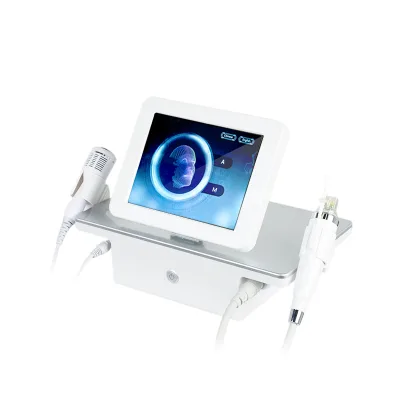
Portable RF Instrument Skin Rejuvenation Beauty Face Lifting Skin Care Treatment
$1.00 - $35.00
Moq: 100

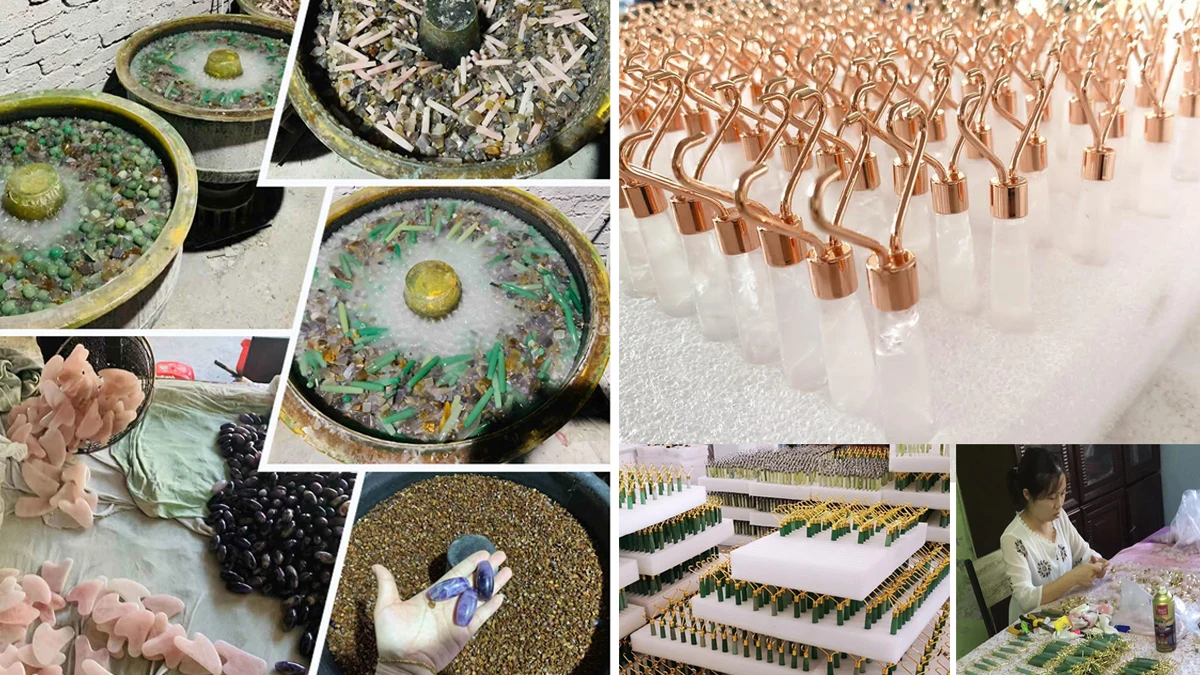
Shenzhen Wayestar Technology Co., Ltd.
- Manufacturer, Trading Company
- Guangdong, China
- Lead time7 days
- Avg. response≤ 2h
Main productsFacial Roller,Gua Sha,red light therapy,led face mask,ice globes
Main marketsNorth America(40.0%), Domestic Market(20.0%), South Asia(10.0%), Western Europe(10.0%), Eastern Europe(5.0%), Africa(5.0%), Southeast Asia(5.0%), Eastern Asia(5.0%)
Hebei Mita Biotechnology Co., Ltd.
- Trading Company
- Lead time旺季: "1 - 1":31,"> 1":"To be negotiated", 淡季: "1 - 1":31,"> 1":"To be negotiated"
- Avg. response≤ 2h
Main productsLaser Hair Removal, hifu machine, cryolipolysis machine, beauty bed, Co2 Fractional Laser Mac

Pingxiang Aoma Electronic Instrument Co., Ltd.
- Trading Company
- Jiangxi, China
- Lead time7 days
- Avg. response≤ 10h
Main productsMicroneedling Meso Derma Pen,Hydrogen Oxygen Small Bubble Machine,Hyaluronic Acid Pen,Led Light Facial Mask,Laser Hair Removal Beauty Machine
Main marketsNorth America(60.0%), Southeast Asia(20.0%), Southern Europe(5.0%), Northern Europe(5.0%), Eastern Asia(5.0%), South America(5.0%)


Comprehensive Sourcing Guide
Seven-Function Beauty Instrument Supplier Concentration and Factory Types
Suppliers of multifunction facial machines and seven-function style beauty instruments on this page are concentrated in Guangdong, China, and this location appears as a stated supplier fact rather than an inference. Guangdong is a recognized electronics and beauty-device production region, and one listed product even cites Guangzhou as its origin, which reinforces the cluster picture. When you shortlist candidates, treat the location field as a starting filter, then ask each supplier directly where its products are manufactured and whether it operates its own assembly line or outsources production. Answers that conflict with the displayed location deserve extra scrutiny before you invest time in sampling.
The company types shown here split into trading companies and combined operations, and this distinction matters for a category like beauty instruments. A trading company may aggregate products from several workshops, which can widen model choice but adds a layer between you and the factory. A combined operation that also lists ODM and OEM capability is more likely to control its own production and support customization requests. Review each supplier's main-product list as well: pages here range from slimming machines and IPL hair removal to home-use facial devices, so a supplier whose catalog is dominated by salon machines may handle a compact seven-function unit very differently from a specialist maker.
How to Verify Seven-Function Beauty Instrument Suppliers
Begin with the verification signals the platform displays and treat them as claims to confirm, not proof. Some suppliers here carry a BV verification mark, which indicates a third-party business audit, but a system-level certification field can be empty even on otherwise active listings. Ask for copies of the business license, factory address and photos, and any product test reports, then check the certificate numbers against the issuing body's database. For electrical beauty devices, confirm which mark applies to the exact model you want, because one listed product shows a CE attribute while others state CE approval in marketing copy, and model-level evidence is what you actually need.
Response behavior is another practical verification tool. Displayed response times on this page sit around nine to ten hours, which is a reasonable benchmark, but test it yourself with specific questions: request the factory address, a video walkthrough of production, and references from buyers in your market. A supplier who answers vague questions quickly but stalls on address and certification details is a warning sign. Also ask who signs the export documents, since a trading company and its underlying factory can differ. Finally, order a paid sample from the shortlisted supplier rather than judging from photographs, because multifunction instruments combine many handpieces and modes whose real quality only shows in use.
What to Compare Across Seven-Function Beauty Instrument Suppliers
Build a comparison sheet using the attributes suppliers actually display, and do not assume every listing carries the same fields. Useful dimensions on this page include lead time, where a stated figure of about thirty days appears; response time, where values cluster around nine to ten hours; company type, trading versus combined; and whether ODM or OEM service is declared. Main-product lists also tell you whether a candidate is a focused beauty-equipment maker or a diversified seller. Record what each supplier shows, mark gaps as unknown, and fill those gaps by asking questions rather than by assuming a missing field means a negative.
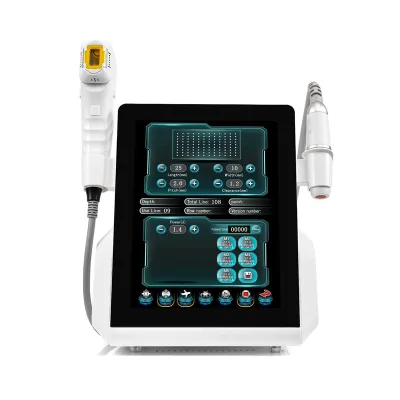
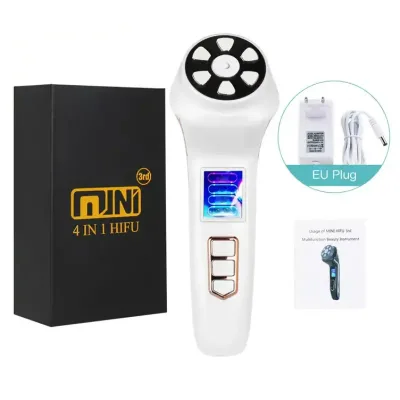
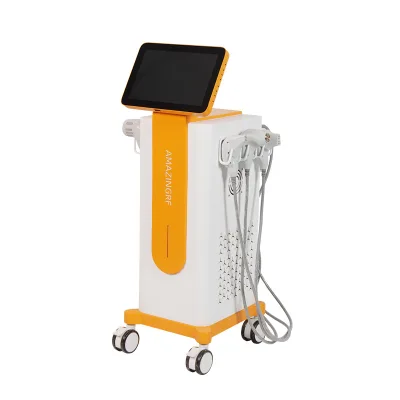
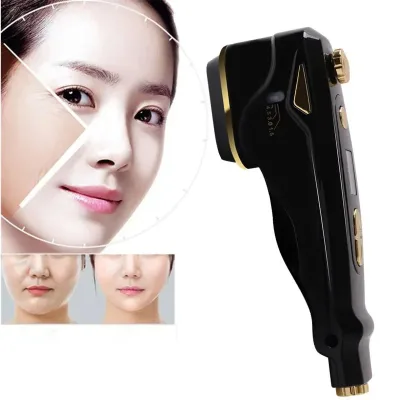
Then compare product-level evidence, which is often more revealing than company labels. One listed mini dermabrasion instrument shows a price band of roughly sixty-two to ninety-two dollars with a minimum order of one, a power input specification of 100-240V, twelve-month warranty, and declared CE marking; a seven-in-one RF facial instrument shows a much higher price band, and a multifunction salon unit lists a one-year warranty and OEM and ODM service. Compare handpiece counts, function lists, power ratings, device dimensions, packaging sizes and warranty terms side by side. Two "multifunction" machines can differ substantially in what the functions actually do, so ask each supplier to define each mode in writing before you compare prices.
Common Seven-Function Beauty Instrument Sourcing Risks
The most common risk in this category is assuming you are buying from the factory. This page mixes trading companies with combined operations, and some suppliers list an unusually broad main-product range spanning slimming machines, laser hair removal and LED masks. A very wide catalog can indicate a trading profile that resells from multiple workshops, which raises the risk of inconsistent quality between orders, unclear warranty responsibility and slower after-sales support. Ask early whether the supplier manufactures the specific model itself, who handles repairs, and whether spare parts are stocked, and put the answers into your contract rather than relying on chat messages.
Certification and specification risk is equally important. Product attributes here show CE or CE and RoHS claims on some models, while the platform's system-certification field is empty for at least one supplier, and one device is listed under a classification HS code suggesting it may be treated as an instrument rather than a medical device. You must verify which certificates attach to your exact model and batch, because claimed marks do not always cover every configuration. Multifunction instruments also carry a functional risk: a seven-in-one unit may implement some modes weakly. Insist on a sample, test every function including vacuum, spray, RF and microcurrent modes, and check the power output against the stated specification before committing to volume.
Seven-Function Beauty Instrument Regional Sourcing and Logistics
The location facts on this page point to Guangdong, with several products stating Guangzhou as their origin, so your sourcing trip and shipping plan can reasonably center on that province. Guangdong's export infrastructure supports consolidated sea freight for salon machines and air or express shipping for compact home-use devices, and the thirty-day lead time shown by one supplier gives you a planning anchor for reorder cycles. Still, confirm the dispatch point for each quotation, because a Guangdong-registered seller may ship from a partner warehouse elsewhere, and inland dispatch changes both cost and transit time. Ask which port and incoterms apply before comparing freight quotes across suppliers.
If you expand the search beyond this page, identify clusters systematically rather than assuming them. Start from the location fields on any supplier results you receive, look for repeated city names across many listings, and check whether product descriptions mention local origin cities, as the Guangzhou references do here. Trade fairs and provincial industry directories can confirm a cluster, but the strongest signal remains several independent suppliers converging on the same region. Plan logistics around the product's physical profile: a non-portable multifunction unit listed here ships in a carton over a meter tall and weighs substantially more than a portable two-point-seven-kilogram device, so freight class, packing method and insurance needs differ sharply between these two product tiers.
Seven-Function Beauty Instrument Commercial Terms and Order Planning
Commercial terms in this category vary widely, so anchor negotiations in what suppliers actually display. Listed price bands on this page run from the low sixties to the low nineties dollars for a portable mini unit, roughly eighty-six to one hundred three dollars for a five-in-one facial machine, one hundred seventy-nine to two hundred seventy-nine dollars for a seven-in-one RF instrument, and two hundred fifty to three hundred fifty dollars for a multifunction salon unit. One listing shows a minimum order of one, which lowers trial risk, but other suppliers may set higher MOQs that are not displayed. Ask each candidate for its true MOQ, tiered pricing, and the cost of customization, since several listings state OEM and ODM availability and customization as an option.
Order planning should reflect the thirty-day lead time shown by one supplier and the warranty terms declared in the listings, which range from twelve months to one year with shorter coverage for spare parts. Confirm in writing what the warranty covers, whether replacement boards or handpieces ship free, and how repairs are returned. For payment, prefer platform escrow where available and never pay the full balance before inspection; some suppliers carry third-party verification marks that support this route. One listed product advertises delivery within a week of payment, which suggests stock availability, so clarify whether that applies to your configuration or only to standard models before promising dates to your own customers.
Word count check: sections ~230 each, total ~1390. ✓ (Within 1350–1450.)
FAQs
What functions does a Seven-Function Beauty Instrument typically combine?
A Seven-Function Beauty Instrument usually combines treatments such as high frequency, vacuum suction, spray, ultrasonic, galvanic, rotary brush, and facial lifting in one unit. Listings on this page describe multifunction machines for skin clean, skin rejuvenation, acne blemish removal, and moisturizing absorption. Confirm the exact function list with each supplier before ordering, since configurations vary between models like the LB168 or B-6250.
What is the minimum order quantity for these beauty instruments?
At least one listed supplier shows a minimum order quantity of one unit for a mini skin care beauty instrument, which suits sample testing and small retail trials. Larger multifunction models are priced per unit in ranges such as 86 to 350 US dollars, so MOQ and price tiers should be confirmed per model. Always request written MOQ terms before payment.
How long does production and delivery usually take?
One listed trading company states a lead time of 30 days, and another product listing mentions delivery within a week after payment for a five in one facial machine. Actual timing depends on order size, customization level, and shipping method. Ask each supplier to confirm current production schedules and quote separate production and transit times in writing before you confirm the order.
Do suppliers offer customization or OEM and ODM services?
Several listings state customization is available, and one combined-type supplier lists ODM and OEM capacity among its services. Product attributes also mention OEM and ODM availability on portable machines. Customization can cover branding, packaging, colors, and sometimes function configuration, but scope and cost differ by supplier. Request a customization proposal, sample policy, and tooling fees before committing to a bulk production run.
Where are these beauty instrument suppliers located?
The suppliers represented on this page are located in Guangdong, China, with at least one product listing citing Guangzhou as the place of origin. Guangdong is a major manufacturing hub for beauty and salon equipment, which supports sourcing variety and component availability. Confirm the exact city, warehouse address, and nearest port with each supplier when requesting shipping quotes and lead time estimates.
How quickly do suppliers respond to buyer inquiries?
Recorded response times on this page are around nine hours, with one supplier at approximately 9.33 hours and another at about 9.59 hours. This means you should expect replies within the same working day rather than minutes. Send detailed inquiries covering model numbers, quantities, and certifications, and test responsiveness before placing an order, since reply speed often predicts after-sales support quality.
What certifications should I verify before ordering?
Listed products mention CE certification, and one portable unit also lists RoHS, while a multifunction machine states CE approved. However, one company shows no system certification on record, so verification matters. Ask suppliers for valid, dated CE test reports or certificates matching the exact model number, and check whether your destination market requires additional approvals such as FCC or local electrical compliance.
What warranty and after-sales support can buyers expect?
Listed products state warranties of one year, with one mini instrument showing a 12-month warranty and another offering one year for the machine plus a month for spare parts. Warranty terms generally cover manufacturing defects but exclude misuse or shipping damage. Confirm in writing what parts, labor, spare components, and technical support are included, and how replacements are shipped internationally.