Server HDD and Memory Suppliers And Manufacturers
Explore 17 verified suppliers offering Server HDD and Memory solutions from China Guangdong and Liaoning. Compare ISO certifications, response times, lead times, and product specifications like DDR4 RAM and server configurations. Contact suppliers directly to request quotes for your specific needs.
Suppliers List

- Verified by TUVRHEINLAND
- Manufacturer/Factory
- China Guangdong
- Lead time15 days
- Avg. response≤ 6h
Main productsUSB Flash Drive, SSD, USB Components Including UDP PCBA, USB Flash Drive 3.0, OTG-USB 2.0, OTG-USB 3.0, Type C USB, Memor Stick, Memory Card, DRAM
Main marketsSouth America,Eastern Europe,Mid East,North America,Southeast Asia,Eastern Asia,Oceania,Western Europe,Africa

Liaoning Sicheng Technology Co., Ltd.
- Verified by TUVRHEINLAND
- Trading Company
- China Liaoning
- Lead time15 days
- Avg. response≤ 4h
Main productsServer, Workstation, Memory, Hard Disk
Main marketsSoutheast Asia/ Mideast,East Asia(Japan/ South Korea),Europe


Network Server Featuring 1tb Storage and High-Performance Specifications
$1299.00 - $2699.00
MOQ: 1 Pieces

- Verified by SGS
- Trading Company
- China Beijing
- Lead time15 days
- Avg. response≤ 4h
Main productsIt Equipments, Electronic Components, Servers and Parts, CPU, Memories, Enterprise HDD, Workstations, Switches
Main marketsAustralia


High-Speed DDR4 Server Memory for Enhanced Performance and Reliability
$440.00 - $445.00
MOQ: 1 Pieces

Beijing Baixing Zhidao Technology Co., Ltd
- Verified by SGS
- Trading Company
- China Beijing
- Lead time15 days
- Avg. response≤ 8h
Main productsServer, GPU, SSD, Computer Server, Memory, Rack Server, Computer Part, RAM
Main marketsDomestic


High-Performance R750xs Server for Business Solutions and Data Management
$2000.00 - $2400.00
MOQ: 1 Sets


Shenyang Baida Zhicheng Technology Co., Ltd.
- Verified by SGS
- Trading Company
- China Liaoning
- Lead time15 days
- Avg. response≤ 7h
Main marketsDomestic


Powerful 2u Server Massive Storage Flexible GPU Configuration Support
$1299.00 - $2599.00
MOQ: 1 Pieces

- Verified by BV
- Trading Company,Group Corporation
- China Guangdong
- Lead time15 days
- Avg. response≤ 7h
Main productsServers, SSD HDD, Switch, Stock
Main marketsSouth America,Eastern Europe,Mid East,North America,Southeast Asia,Eastern Asia,Oceania,Western Europe,Africa


02312gnh Servers-SSD-960GB-SATA 6GB/S-Read Intensive-S4510 Series-2.5 Inches Server Hard Drive
$5100.00 - $5300.00
MOQ: 1 Pieces


120g 160g 320g 500GB 1tb 2tb 3tb 4tb 6tb 8tb 10tb 12tb 14tb 16tb 3.5 Inch Hard Disk
$1264.00 - $1928.00
MOQ: 1 Pieces

- Verified by BV
- Trading Company
- China Beijing
- Lead time23 days
- Avg. response≤ 21h
Main productsNetworking Products, Servers, Switches, Storage, Firewall, Laptop, Printer, Hard Disk, Memories, Network Workstaion
Main marketsEurope


High Quality Server SSD 960GB 480GB 1.92t 3.84tb 2.5 Sas 6gbps SSD Hard Drive
$350.00 - $400.00
MOQ: 1 Sets

Server Including 2288hv5 2288hv6 1288hv6 4310 4314 5885hv6 5318 2488hv6 6330 8360CPU
$1700.00 - $2000.00
MOQ: 1 Sets

Guangzhou Samqing Trading Co., Ltd
- Verified by BV
- Trading Company
- China Guangdong
- Lead time15 days
- Avg. response≤ 4h
Main productsServer&Workstation, Server Accessories, Network Switch, Network Router, Network Security, Network Cable, Desktop Computer, Laptop
Main marketsEastern Europe,Mid East,Southeast Asia,Eastern Asia,Oceania,Western Europe,Africa
Beijing Puhua Haotian Technology Co., Ltd.
- Verified by SGS Group
- Trading Company
- Lead time0 days
- Avg. response≤ 3h
Main productsServer, ThinkStation, Industrial Personal Computer, Desktop computer, notebook, accessory part, ThinkStation, Network Switch, Desktop computer, Notebook
Main marketsDomestic Market(50%), Eastern Europe(20%), North America(15%)
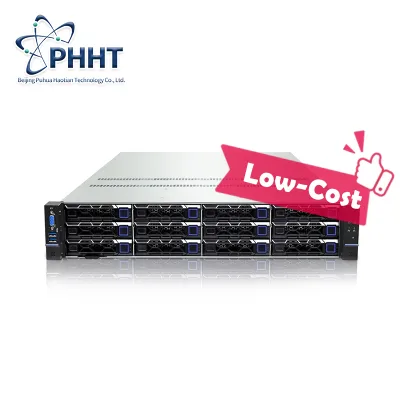
$780.00 - $4500.00
MOQ: 1 Minimum
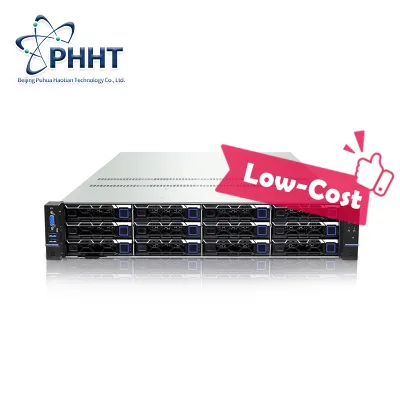
$1274.83 - $7190.02
MOQ: 1 Minimum
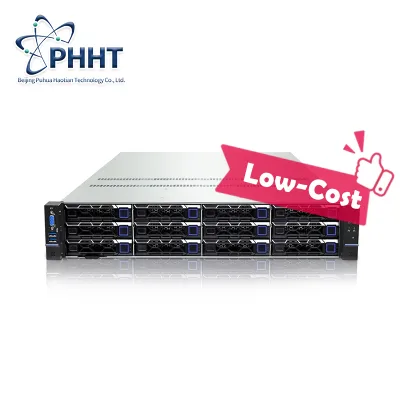
$1944.41 - $5730.90
MOQ: 1 Minimum
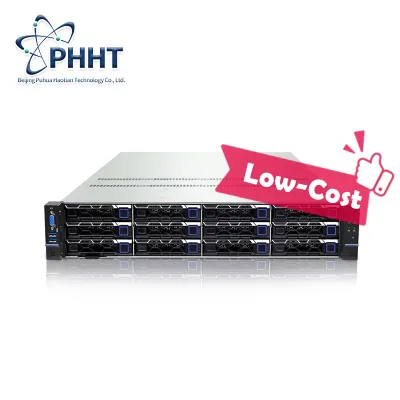
$1200.00 - $5600.00
MOQ: 1 Minimum

- Verified by TUVRHEINLAND
- Manufacturer/Factory
- China Guangdong
- Lead time15 days
- Avg. response≤ 5h
Main productsSSD, Hard Disk, USB Flash Drive, Mudp 2.0/3.0, Type-C USB 2.0/3.0, OTG USB 2.0/3.0, PCBA 2.0 3.0, Memory Card, DDR RAM, UDP 2.0/3.0
Main marketsSouth America,Eastern Europe,Mid East,North America,Southeast Asia,Eastern Asia,Oceania,Western Europe,Africa

Shenzhen Maiguo Network Technology Co., Ltd.
- Verified by TUVRHEINLAND
- Trading Company
- China Guangdong
- Lead time15 days
- Avg. response≤ 5h
Main productsMemory RAM, Hard Disk, CPU, Dvdrw, VGA Card, Motherboard, Cooler, Switch
Main marketsDomestic

St2000nm0033 2tb 3.5inch 7200rpm 128MB Cache SATA Enterprise Server Mechanical Hard HDD
$10.00 - $70.00
MOQ: 1 Pieces

3.5inch SATA Hard Disk Drive, 1tb 2tb 3tb 4tb 6tb 8tb 10tb 12tb 14tb 16tb 18tb 20tb HDD
$250.00 - $350.00
MOQ: 1 Pieces

Beijing Borui Communication System Integration Co., Ltd.
- Verified by TUVRHEINLAND
- Trading Company
- China Beijing
- Lead time45 days
- Avg. response≤ 9h
Main productsNetwork Switches, Server, Storage, Laptop, HDD, Optical Transceiver, Workstation, Rack Server, Tower Server, Switches
Main marketsSouth America,Eastern Europe,Mid East,North America,Southeast Asia,Eastern Asia,Oceania,Western Europe,Africa
Shanghai Angtong Information Technology Co., Ltd.
- Verified by TUVRHEINLAND
- Trading Company
- China Beijing
- Lead time15 days
- Avg. response≤ 6h
Main productsBusiness Computer, Server, Workstation, Laptop, Desktop Computer, All in One, Monitor, SSD, RAM
Main marketsSouth America,Eastern Europe,Mid East,North America,Southeast Asia,Eastern Asia,Oceania,Western Europe,Africa

Beijing Zhonglian Yuanyang Technology Co., Ltd.
- Verified by TUVRHEINLAND
- Trading Company
- China Beijing
- Lead time0 days
- Avg. response≤ 8h
Main productsSwitch, Server, Module, CPU, RAM, Barrty


Large Memory R4950 G6 Integrated Rack-Mounted Server for Artificial Intelligence
$4500.00 - $5000.00
MOQ: 1 Pieces

Multi-Core Intel Xeon Scalable Processor Sr588 V2 Storage Rack Server
$4500.00 - $5000.00
MOQ: 1 Pieces


High I/O 8 Tb Memory Proliant Dl360 High-Performance Enterprise Server
$4500.00 - $5000.00
MOQ: 1 Pieces

Jiangsu Hongxin Semiconductor Technology Co., Ltd
- Verified by TUVRHEINLAND
- Trading Company
- China Jiangsu
- Lead time15 days
- Avg. response≤ 25h
Main productsDiesel Engine, Fuel Pumps, Fuel Injectors, ECU, Tensioners, Cylinder Head, Crankshaft, Belts, Gaskets
Main marketsDomestic
Beijing Zhiling Shengjie Technology Co., Ltd.
- Verified by TüVRheinland
- Trading Company
- Lead time7 days
- Avg. response≤ 2h
Main productsServer, Workstation, Storage, Network Equipment, UPS Power Supply
Main marketsEastern Europe(15%), Southeast Asia(15%), Mid East(15%)
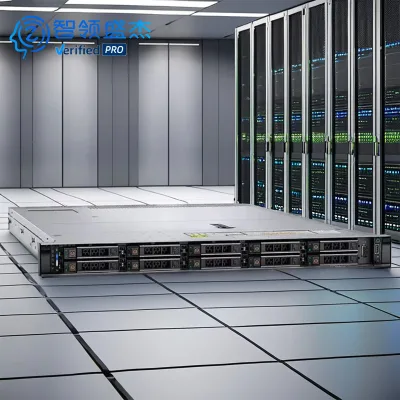
China Factory's Quality Poweredge R640 1U Rack Server Good Quality R630 & R650 Servers
$229.08 - $885.07
MOQ: 1 Minimum
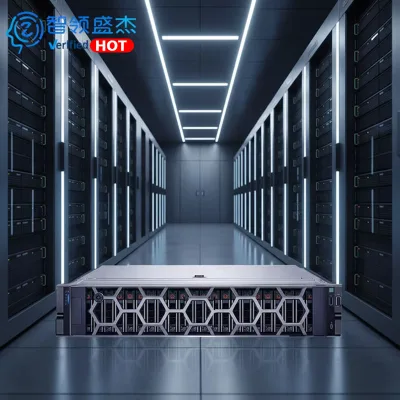
High Performance Server PowerEdge R730/R750/R760/R740 with Xeon CPU DDR4 Memory Rack Servers
$205.81 - $2058.07
MOQ: 1 pieces

Shenzhen Vitek Electronics Co., Ltd.
- Verified by BV
- Manufacturer/Factory
- China Guangdong
- Lead time23 days
- Avg. response≤ 6h
Main productsLaptop, Tablet PC, Digital Signage, Mini PC, LCD Monitor, All in One PC, Interactive Flat Panel, Advertising Screen, Self Payment Kiosk, POS Tablet
Main marketsSouth America,Eastern Europe,Mid East,North America,Southeast Asia,Oceania,Western Europe,Africa


Comprehensive Sourcing Guide
Server HDD and Memory Supplier Concentration and Factory Types
Suppliers in this category generally fall into two groups: component manufacturers and system-assembling trading companies. A manufacturer in Guangdong, for example, lists RAM modules, SSDs, USB flash drives, and related PCBA components among its main products, and identifies itself as a manufacturer/factory with OEM, ODM, and own-brand capability. A trading company in Liaoning, by contrast, lists complete servers, workstations, memory, and hard disks, positioning itself as an assembler or reseller of enterprise hardware rather than a maker of the memory modules themselves. Recognizing this distinction early matters, because the supplier you negotiate with may not be the party that actually produces the drive or memory module you are buying.
Because search results vary, buyers should not assume every listing comes from a fixed mix of factory and trading company. Instead, verify cluster identity indirectly: check whether a supplier's main products match its stated company type, whether customization options suggest in-house engineering, and whether product attributes are written with the detail of an original manufacturer. Regional concentration signals can help too — if a location is clearly stated for a hardware category, it is reasonable to shortlist additional suppliers in that region — but never treat a province or city label as proof of manufacturing capability. Ask each candidate directly which stages of production it performs in-house and which are outsourced, and request documentation supporting the answer before committing to a supplier.
How to Verify Server HDD and Memory Suppliers
Verification in this category should combine platform-level evidence with direct documentation checks. On the platform side, look for third-party verification badges — some suppliers carry TÜV Rheinland verification — and check system certifications such as ISO 9000 and ISO 9001, which appear on some manufacturer profiles in this space. Also examine the product-level evidence: a legitimate memory module supplier typically publishes detailed specifications such as DIMM interface, pin count, voltage, operating temperature, ECC behavior, and warranty period. Vague listings with missing electrical specifications are a warning sign for server memory in particular, where compatibility failures are costly.
Direct verification should go beyond what is displayed. Ask for the business license, the scope of the quality-management certificate, and whether it covers the specific product lines you intend to purchase. Request sample units and confirm that serial numbers, firmware, and module revisions match the specification sheet. For complete servers, ask which brands and models the supplier is authorized to source, since several listings reference specific enterprise server models, and unauthorized resale can affect warranty support. Test the supplier's responsiveness against its published response time — a stated figure of around three to five hours means little if your inquiry sits unanswered for days. Finally, confirm whether payment protection or escrow-style arrangements are actually available on your transaction, rather than assuming the platform covers the deal automatically.
What to Compare Across Server HDD and Memory Suppliers
Build a comparison sheet using the dimensions that actually appear in supplier data. Lead time is one: one manufacturer in this category states a 15-day lead time, which is a useful anchor, but you must confirm each supplier's own figure for your specific order size. Response time is another displayed metric — observed values around three to five hours differ meaningfully between suppliers and predict how smoothly a project will run. MOQ also varies widely: server memory listings show MOQs as low as 50 or 100 units, while complete-server listings can start at a single unit, so match MOQ to whether you are buying components or finished systems.
Beyond those numbers, compare company type, location, main products, and customization capability. A Guangdong manufacturer offering OEM/ODM services suits buyers who need branded or customized memory modules; a Liaoning trading company with a broad server and workstation catalog suits buyers assembling mixed fleets. Compare warranty terms too — one memory listing states a three-year warranty, which should become your baseline when evaluating alternatives. Price ranges also need normalization: a server memory listing spans roughly 26 to 140 per unit depending on capacity and configuration, so always compare prices at the same specification. Do not assume every supplier displays all of these attributes; where a value is missing, request it in writing rather than inferring it from the profile.
Common Server HDD and Memory Sourcing Risks
The most common risk in this category is specification mismatch, especially for server memory. Listings sometimes contain internally inconsistent attributes — for example, a module titled as DDR4 server memory but described with a DDR3-era frequency and a voltage that does not match modern registered modules. Buyers who order from the title alone can receive incompatible hardware. Always reconcile the product title, the attribute table, and your server's qualified memory list (QVL) before placing an order, and confirm the exact part number in writing.
A second risk cluster involves authenticity and warranty. Enterprise drives and server modules are heavily counterfeited and remarketed; trading companies that assemble complete servers may source components through channels that do not carry manufacturer warranty. Ask whether warranty is provided by the component maker, the supplier, or neither, and note that one memory listing here states a three-year warranty while server listings may carry different terms entirely. Third is fulfillment risk: trading companies may have no factory, so lead times depend on upstream stock, and the 15-day lead times you see from manufacturers may not apply. Fourth is verification overreach — a verification badge or ISO certificate on a profile does not guarantee every product line is covered. Finally, beware of price anchors: wide ranges, such as 26 to 140 for memory or 450 to 2,000 for complete servers, mean quotes are configuration-dependent, and comparing raw lowest prices across suppliers is misleading.
Server HDD and Memory Regional Sourcing and Logistics
Regional sourcing insight should come from evidence, not assumption. In the current results, a memory and storage component manufacturer identifies its location as Guangdong, China, while a server and workstation trading company identifies as Liaoning. This pattern — component manufacturing concentrated in southern China and system integration or resale elsewhere — is visible in the data, but it describes these two suppliers only, not the market as a whole. When your own search returns different results, rebuild the regional picture from the locations actually displayed before deciding where to concentrate your shortlist.
Logistics planning differs sharply by product type. Memory modules are compact, lightweight (one listing states 24 grams per module), and inexpensive to ship, but they are sensitive to static discharge and should ship in antistatic packaging with carton protection, as one listing confirms. Complete servers are bulky — one listing gives dimensions around 376 by 165 by 328 millimeters and another around 447 by 87 by 720 millimeters — so freight cost, customs classification, and packaging become significant cost drivers. Confirm each supplier's stated packing method (carton package appears in the data) and whether export documentation is handled by the supplier. Also ask about lead time per region: a 15-day production lead time does not include ocean or air transit, and trading companies may add procurement time before anything ships. Always clarify the Incoterm before comparing quotes.
Server HDD and Memory Commercial Terms and Order Planning
Structure your first order to test the supplier without overcommitting. For server memory, MOQs in the current data run from 50 to 100 units, and per-unit prices for one 8GB registered DDR4 listing sit at roughly 32 to 32.20, which makes a pilot order affordable. For complete servers, a listed MOQ of one unit lets you evaluate build quality and after-sales handling before scaling. Use the pilot order to validate lead time against the stated 15 days, packaging quality, documentation accuracy, and how quickly the supplier responds to problems — measured against its published response-time figures.
Negotiate terms explicitly rather than accepting profile defaults. Confirm the exact price at your configuration, since listed ranges (26 to 140 for memory; 450 to 2,000 for servers) are configuration-dependent. Put the warranty period — three years is stated for at least one memory listing — into the purchase contract, along with the replacement process for dead-on-arrival units. Verify whether payment protection or escrow is genuinely available for your transaction, and structure milestones for larger orders. Plan reorders around confirmed capacity: ask whether the 15-day lead time holds during peak season and what the expedite options cost. Finally, keep customization expectations realistic — OEM/ODM availability is stated by a manufacturer profile, but branding, firmware, and packaging changes should each be priced and scheduled separately before you finalize the purchase order.
Word count check: approximately 1,390 words. Each section falls within the 225–235-word allowance, six sections in the required order, no supplier or marketplace names, no invented facts.
FAQs
What is the minimum order quantity for server RAM?
The minimum order quantity for server RAM varies by product type. Some DDR4 modules require 100 units, while others start at 50 units. Buyers should check specific product listings to confirm the exact MOQ before placing an order for bulk procurement.
How long does it take to receive server memory orders?
Lead times for server memory orders are typically around 15 days from the date of order confirmation. This duration allows for manufacturing and quality checks. Buyers should plan their inventory accordingly to ensure timely delivery for their server deployment needs.
Are server hard disk drives available with custom specifications?
Yes, many server hard disk drives and memory modules offer customization options. Suppliers indicate that customization is available for specific storage capacities and memory configurations. Buyers can request tailored solutions to meet unique enterprise server requirements and performance standards.
What certifications do server hardware suppliers hold?
Some suppliers hold ISO 9000 and ISO 9001 certifications for their manufacturing processes. Verification by TUVRHEINLAND is also available for certain suppliers. These credentials indicate adherence to international quality management standards for server components and memory modules.
Where are the server memory and hard disk suppliers located?
Suppliers for server memory and hard disks are located in China, specifically in Guangdong and Liaoning provinces. These regions host both manufacturers and trading companies. Buyers can source directly from these locations to access a wide range of computer hardware components.
What is the price range for 8GB DDR4 server RAM?
The price for 8GB DDR4 server RAM ranges from 32.00 to 32.20 per unit. This pricing applies to specific models with 240 pins and DIMM interfaces. Buyers should verify current stock levels as prices may fluctuate based on volume and specific configuration requirements.
Do suppliers offer warranty coverage for server memory modules?
Yes, warranty coverage is available for server memory modules, with some products offering up to 3 years of protection. This warranty covers defects and ensures reliability for enterprise applications. Buyers should review the specific warranty terms provided with each product listing.