Signal Converter Suppliers and Manufacturers
Source Signal Converter products from 20 verified suppliers in China. Compare key dimensions including ISO9001 certification, 3000VDC isolation, and response times. Review pricing and MOQs to identify the right partner for your industrial control needs; review the available evidence before requesting comparable quotations from suitable candidates.
Updated
Suppliers List

Shenzhen Sunyuan Technology Co., Ltd.
- Combined
- China Guangdong
- Lead time15 days
- Avg. response≤ 7h
Main products4-20mA Converter, 0-5V to 4-20mA Converter IC, 4-20mA to 0-10V, 4-20mA to 0-5V, RS232 to 4-20mA, RS485 to 4-20mA, 4-20mA to RS232/RS485 Converter, a-D/D-a Converter, PWM to 4-20mA Converter, PT100 to 4-20mA Transmitter
Main marketsSouth America,Southeast Asia/ Mideast,Europe,North America

Beijing Pinghe Chuangye Technology Development Co., Ltd.
- Combined
- China Beijing
- Lead time15 days
- Avg. response≤ 2h
Main productsIsolated Safety Barriers, Signal Conditioners, Signal Isolator, Surge Protective Devices, Safety Relays, Isolated I/O Modules, Signal Converter
Main marketsSouth America,Europe,North America

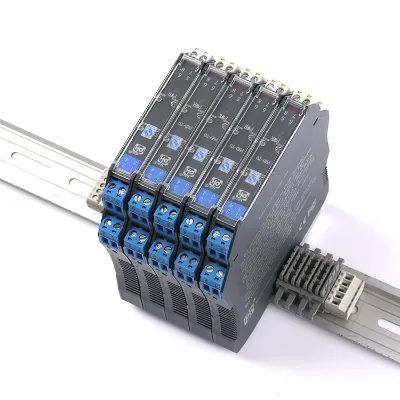
Electronic Signal Isolator Intelligent Signal Isolation Transducer Signal Converter
$35.00 - $65.00
MOQ: 1 sets


Best Quality Electronic Signal Isolator Intelligent Signal Converter Transducer Signal Distributor
$45.00 - $75.00
MOQ: 1 sets
Huaibei Huadian Automation Technology Co., Ltd.
- Manufacturer, Trading Company
- Lead time旺季: "1 - 100":15,"> 100":"To be negotiated", 淡季: "1 - 100":15,"> 100":"To be negotiated"
- Avg. response≤ 2h
Main productsSignal Isolator,Pressure Transmitter,Liquid Level Transmitter,Flow Meter
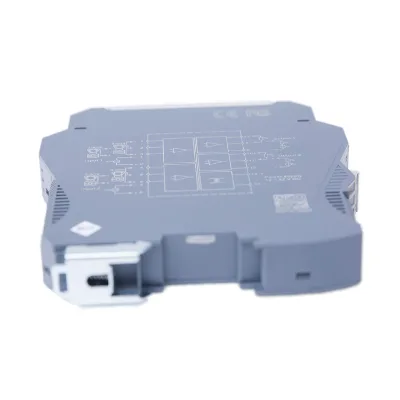
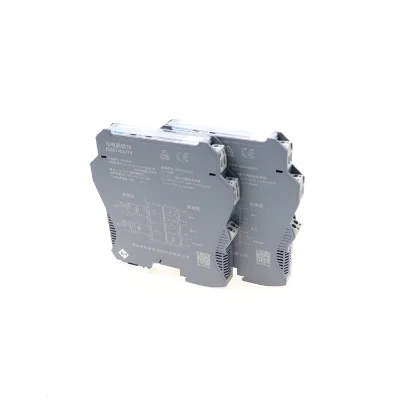
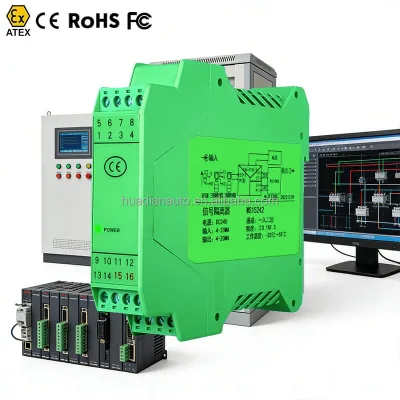
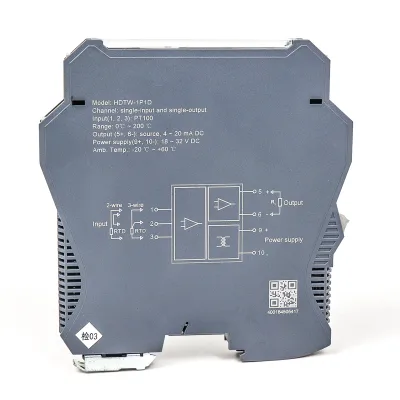
High Performance signal Isolation OEM Manufacturer 4-20mA signal Converter
$20.00 - $30.00
MOQ: 2 Minimum
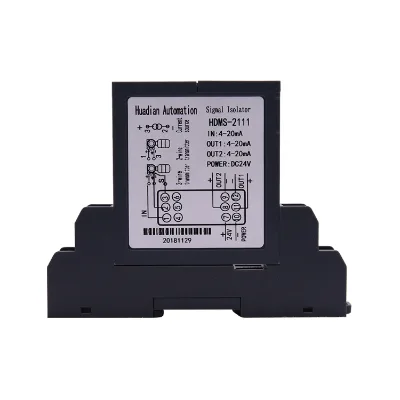
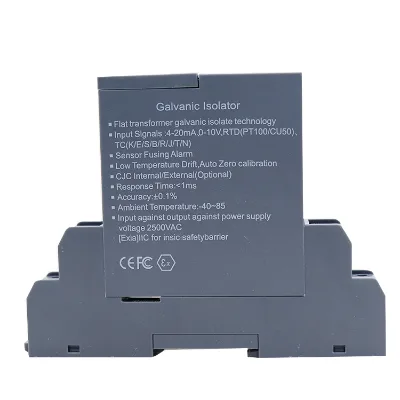
Hang Zhou Fei Chang Technology Co.,Ltd
- Verified by SGS Group
- Manufacturer, Trading Company
- Lead time10 days
- Avg. response≤ 1h
Main productsVoice multiplexer, PDH multiplexer, TDM over IP, Industrial network switch, Industrial serial Converters
Main marketsSoutheast Asia(20%), Mid East(20%), Eastern Europe(15%)

Anhui Qidian Automation Technology Co., Ltd.
- Verified by BV
- Trading Company,Manufacturer/Factory
- China Anhui
- Lead time15 days
- Avg. response≤ 4h
Main productsPressure Transmitter, Level Transmitter, Pressure Gauge, Pressure Sensor, Current Transducer, Volatge Transducer, Signal Isolator, Intrinsic Safety Barrier, Level Sensor, Ultrasonic Level Meter
Main marketsSouth America,Eastern Europe,Mid East,North America,Southeast Asia,Eastern Asia,Oceania,Western Europe,Africa


Input Output 4-20mA Signal Converter 0-10V Current Voltage Analog Signal Isolator
$16.00 - $25.00
MOQ: 1 Pieces

Beijing Pinghe Chuangye Technology Development Co., Ltd.
- Manufacturer, Trading Company
- Beijing, China
- Lead time15 days
- Avg. response≤ 2h
Main productsIsolated Safety Barrier,Signal Isolator,Surge Protective Device,Safety Relay
Main marketsDomestic Market(60.00%), Western Europe(10.00%), South America(5.00%), Southeast Asia(5.00%), North America(5.00%), Eastern Europe(5.00%), Southern Europe(2.00%), Mid East(2.00%), Northern Europe(2.00%), South Asia(2.00%), Africa(1.00%), Eastern Asia(1.00%)

Huaibei Huadian Automation Technology Co., Ltd.
- Verified by TUVRHEINLAND
- Combined
- China Anhui
- Lead time15 days
- Avg. response≤ 5h
Main productsLevel Transmitter, Flow Meter, Pressure Transmitter, Temperature Transmitter, Signal Isolator, Current Transducer
Main marketsOthers(foreignTradeCapacity.exportBusinessCapacityMarketOther),Southeast Asia/ Mideast,North America
Shenzhen Fushi Cai Electronic Technology Co., Ltd.
- Manufacturer, Trading Company
- Guangdong, China
- Lead time4 days
- Avg. response≤ 4h
Main productsTV Box,Video Converter,USB DVB-T2,HDMI CONVERTER,Mobile TV Receiver
Main marketsDomestic Market(7.14%), South Asia(7.14%), Southern Europe(7.14%), Northern Europe(7.14%), Central America(7.14%), Western Europe(7.14%), Eastern Asia(7.14%), Mid East(7.14%), Oceania(7.14%), Africa(7.14%), Southeast Asia(7.14%), Eastern Europe(7.14%), South America(7.14%), North America(7.14%)
Guangzhou Temeisheng Audio Technic Co., Ltd.
- Verified by Intertek
- Manufacturer, Trading Company
- Lead time21 days
- Avg. response≤ 4h
Main productsLoudspeaker, Amplifier, Conference System, PA System, Microphone
Main marketsNorthern Europe(35%), North America(25%), Southeast Asia(20%)
$72.4902 - $80.8947
MOQ: 1 pieces
$763.3071 - $1232.9613
MOQ: 3 pieces
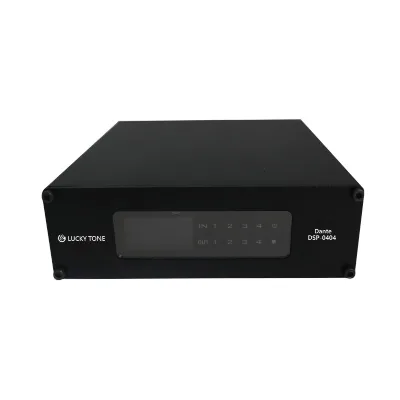
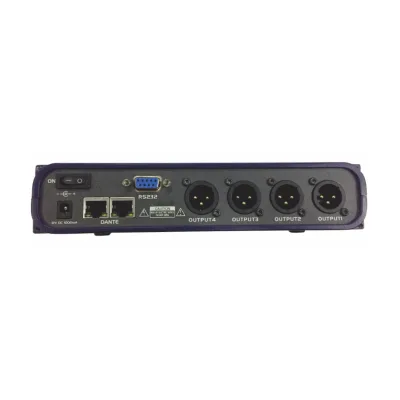
Audio Converter 4 in 4 Out Transmitter with DSP, POE and 12VDC Power Supply
$331.8726 - $615.4544
MOQ: 10 sets
Shaanxi Jinchi Supply Chain Management Co., Ltd.
- Manufacturer, Trading Company
- Shaanxi, China
- Lead time7 days
- Avg. response≤ 1h
Main productstransmitter,flow meter,field communicator,value positioner,Valves Actuators
Main marketsDomestic Market(25.00%), Mid East(20.00%), South Asia(15.00%), Northern Europe(10.00%), Southeast Asia(10.00%), Africa(10.00%), North America(10.00%)
Xiamen Madincos Automation Co., Ltd.
- Manufacturer, Trading Company
- Fujian, China
- Lead time7 days
- Avg. response≤ 2h
Main productspaperless recorder/temperature recorder/temperature and humidity recorder/pressure recorder,process controller/temperature controller,processindicator/temperature indicator,temperature and humidity sensor /transmitter,temperature sensor/temperature transmitter
Main marketsDomestic Market(30.00%), Southeast Asia(12.00%), Mid East(10.00%), Western Europe(10.00%), Africa(10.00%), South America(10.00%), South Asia(10.00%), North America(8.00%), Eastern Asia(8.00%), Eastern Europe(7.00%), Southern Europe(5.00%), Oceania(2.00%), Northern Europe(2.00%)
Shenzhen Brightwin Technology Co., Ltd.
- Trading Company, Distributor/Wholesaler
- Guangdong, China
- Lead time7 days
- Avg. response≤ 1h
Main productsProcess Calibrator,Signal Generator,Signal Isolator,Temperature Transmitter,Load Cell Amplifier
Main marketsSouth Asia(15.00%), North America(15.00%), Southern Europe(10.00%), Northern Europe(10.00%), Southeast Asia(10.00%), Western Europe(10.00%), Oceania(5.00%), Eastern Asia(5.00%), Eastern Europe(5.00%), Mid East(5.00%), Central America(3.00%), South America(3.00%), Domestic Market(2.00%), Africa(2.00%)
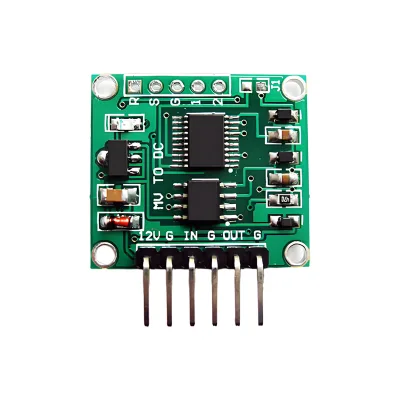
$8.58 - $12.14
MOQ: 1 pieces
Anhui Qidian Automation Technology Co., Ltd
- Manufacturer, Trading Company
- Anhui, China
- Lead time15 days
- Avg. response≤ 4h
Main productsSignal Isolator/Safety Barrier,Electric Transducer/Liquid Level Transmitter/Pressure Transmitter/Temperature Transmitter,pressure sensors,level sensors
Main marketsDomestic Market(87.00%), South Asia(5.00%), North America(3.00%), Southeast Asia(3.00%), Western Europe(1.00%), Oceania(1.00%)
Haile Kangning (beijing) Communication Technology Co., Ltd.
- Manufacturer
- Beijing, China
- Lead time0 days
- Avg. response≤ 1h
Main productsOptical Transceiver,Transceiver,Switch,networkPatch Cord,multimode Optical Fiber Patch Cord
Main marketsEastern Europe(40.00%), Eastern Asia(30.00%), South America(30.00%)

Shenzhen Weijunrui Technology Co.,Ltd
- Verified by BV
- Trading Company
- China Guangdong
- Lead time15 days
- Avg. response≤ 1h
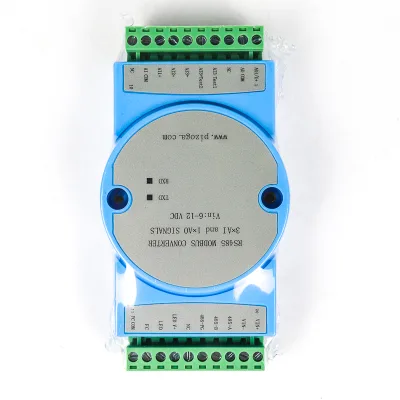
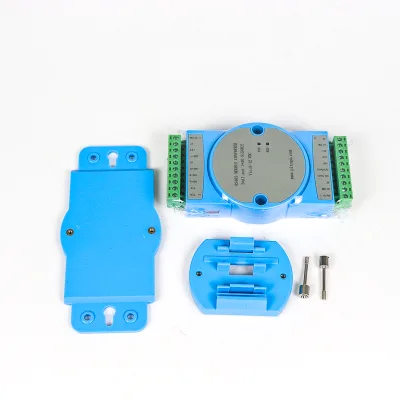
Main productsAnalog I/O Modules, Signal Isolated Converter, Signal Conditioners, Current Splitter, PT100 Temperature Signal, Frequency Converters, DC to DC Converters, Digital I/O Modules, 4-20mA Signal Isolator, 4-20mA Current Loop
Main marketsEast Asia(Japan/ South Korea),Europe,North America

8-Channel Analog Signal Data Acquisition Converter with Standard Outputs
$116.55 - $131.99
MOQ: 2 Pieces

RS232/RS485 Signal to Analog Signal Conversionisolation D/a Converter 0-±100mv/0-10V/4-20mA
$60.99 - $66.99
MOQ: 2 Pieces

Current Output/Voltage Output RS232/RS485 Signal Input Isolation D/a Converter Modbus RTU
$145.99 - $166.99
MOQ: 2 Pieces
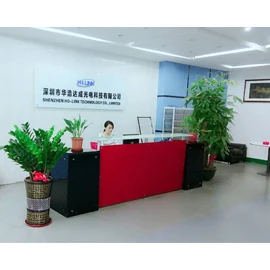
Shenzhen Ho-link Technology Co., Limited
- Manufacturer
- guangdong, China
- Lead time3 days
- Avg. response≤ 5h
Main products12g/6g/3g sdi fiber optic converter,efp fiber camera system,4k hdmi fiber optic converter,4k dvi fiber optic converter,xlr/rca fiber optic audio converter
Main marketsSouth America(20.00%), Eastern Europe(20.00%), Domestic Market(10.00%), Southeast Asia(10.00%), North America(10.00%), Northern Europe(9.00%), Southern Europe(8.00%), Mid East(5.00%), Western Europe(3.00%), Africa(1.00%), South Asia(1.00%), Eastern Asia(1.00%), Oceania(1.00%), Central America(1.00%)

Shenzhen Etross Telecom Co., Ltd.
- Verified by TUVRHEINLAND
- Combined
- China Guangdong
- Lead time15 days
- Avg. response≤ 8h
Main productsFixed Wireless Phone, Fixed Wireless Terminal, SMS Gateway, VoIP Gateway, CPE Router, Telemarking Terminal, Fixed Cordless Phone
Main marketsAfrica,East Asia(Japan/ South Korea),Europe,Australia,North America
Shenzhen E-Linkchina Technology Co., Ltd.
- Verified by Intertek
- Manufacturer, Trading Company
- Lead time5 days
- Avg. response≤ 2h
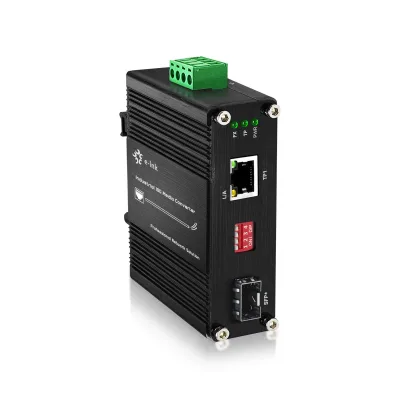
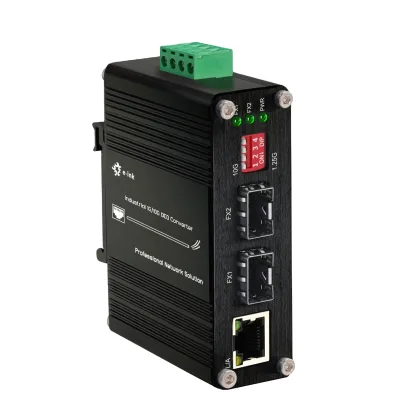
Main productsIndustrial PoE Switch, Industrial PoE Injector, Industrial Fiber Media Converter, Video Fiber Converter, Fiber Optic Networking Accessory
Main marketsNorth America(35%), South America(5%), Eastern Europe(5%)
Huaibei Huadian Automation Technology Co., Ltd.
- Manufacturer, Trading Company
- Anhui, China
- Lead time3 days
- Avg. response≤ 3h
Main productsSignal Isolator,Pressure Transmitter,Liquid Level Transmitter,Flow Meter
Main marketsSoutheast Asia(40.00%), South America(20.00%), Southern Europe(10.00%), Northern Europe(10.00%), Western Europe(10.00%), Eastern Europe(10.00%)

Shenzhen Andeweier Techology Co., Ltd.
- Manufacturer, Trading Company, Buying Office, Agent
- Guangdong, China
- Lead time15 days
- Avg. response≤ 3h
Main productsElectrical module,Consumer electronics,Home Electronics,PCBA
Main marketsNorth America(50.00%), Southeast Asia(10.00%), Eastern Europe(10.00%), South America(10.00%), Northern Europe(5.00%), Central America(5.00%), Mid East(5.00%), Oceania(5.00%)






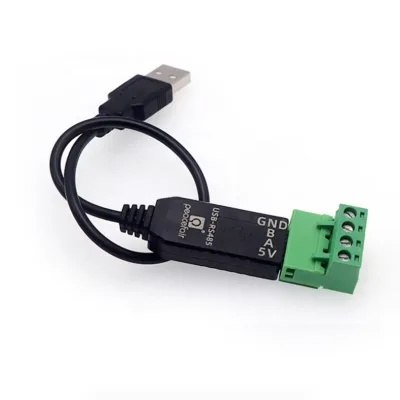
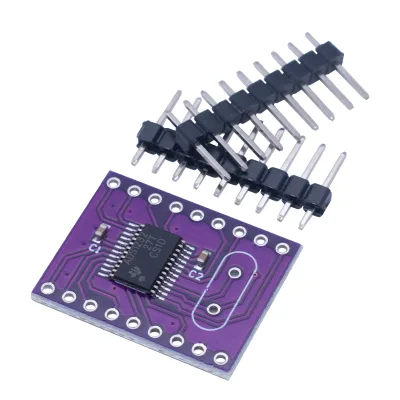
Comprehensive Sourcing Guide
Signal Converter Supplier Concentration and Factory Types
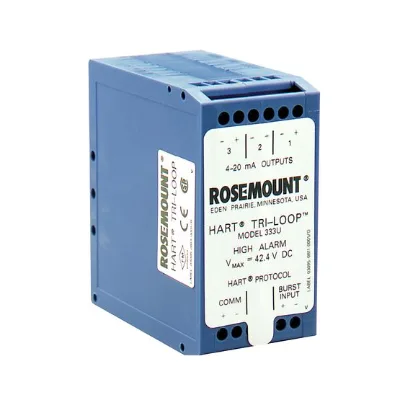
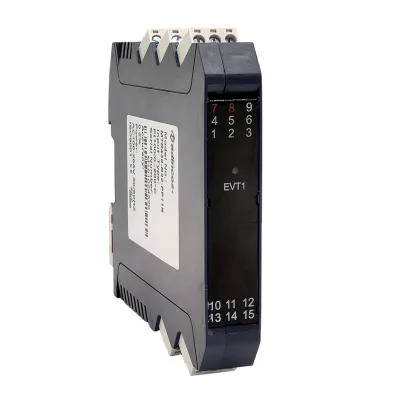
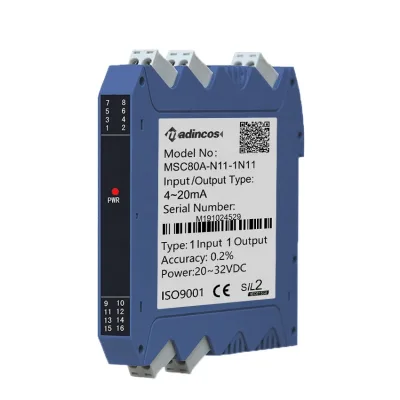
The current supplier landscape for signal converters shows a distinct concentration in China, specifically within the Guangdong province, where manufacturing clusters for electronic components are well-established. Fact-based observations confirm that suppliers in this region offer a wide array of products, including 4-20mA converters, frequency signal converters, and isolated I/F modules. These facilities often operate as combined entities, providing both original design manufacturing and original equipment manufacturing services alongside their own branded lines. This dual capability allows buyers to access custom solutions while maintaining the flexibility of standard off-the-shelf inventory. The presence of Shenzhen as a specific origin point for certain product models further reinforces the density of this manufacturing hub, suggesting a mature supply chain ecosystem for industrial controls and electrical equipment.
Beyond the Guangdong cluster, evidence indicates the existence of suppliers located in Beijing, offering a different profile of capabilities focused on isolated safety barriers and intelligent signal isolation transducers. These Beijing-based entities often hold additional certifications such as ISO14001:2015 alongside the more common ISO9001:2015, indicating a broader commitment to environmental management standards. When evaluating factory types, buyers should look for the "Combined" classification, which suggests a supplier capable of handling both OEM and ODM requests. This classification is critical for projects requiring specific customization, as it implies the factory has the internal engineering resources to adapt standard Signal Converter designs to unique application requirements without relying on external partners.
How to Verify Signal Converter Suppliers
Verification of Signal Converter suppliers requires a rigorous check of their stated certifications against independent documentation. The available data highlights that many suppliers possess ISO9001:2015 certificates, while others may display older standards like ISO9001-2000 or specific product certifications such as RoHS and CE. Buyers must confirm that the certification listed on the supplier profile matches the actual documentation provided for the specific product model, as standards can vary between product lines. For instance, a supplier might claim ISO9001:2015 for their general system but list ISO9001-2000 for a specific frequency Signal Converter. It is essential to request the latest valid certificate and verify its scope covers the manufacturing of the specific Signal Converter type being sourced.
Response time is another critical metric for verifying supplier reliability and operational efficiency. Current observations show response times varying significantly, with some suppliers responding in approximately 1.16 hours while others take around 6.77 hours. A faster response time often correlates with a more active sales team and better communication channels, which is vital for resolving technical queries regarding signal isolation or input/output ranges. Buyers should test the supplier's responsiveness by asking specific technical questions about isolation voltage or precision levels before placing an order. Additionally, verifying the "Customization: Available" status is crucial, as it confirms the supplier's ability to handle non-standard requests, which is a key differentiator between a simple trading company and a capable manufacturing partner.
What to Compare Across Signal Converter Suppliers
When comparing suppliers, lead time is a primary factor that directly impacts project scheduling and inventory management. The data indicates a standard lead time of 15 days for many Signal Converter products, but this can vary based on the complexity of the order and the specific factory capacity. Buyers should compare this baseline against their own production timelines to ensure the supplier can meet delivery deadlines without causing bottlenecks. Alongside lead time, the minimum order quantity (MOQ) is a significant commercial variable. Some suppliers offer an MOQ of just one unit, which is ideal for prototyping or small-scale testing, while others may have higher thresholds that require larger volume commitments. Understanding these thresholds helps buyers align their procurement strategy with their current budget and volume needs.
Product specifications and pricing structures also require careful comparison to ensure value and technical fit. Prices for signal converters in the observed range vary from approximately 13.00 to 160.00, depending on the complexity of the device, such as whether it is a simple voltage converter or a complex isolated safety barrier. Buyers must compare the price against the specific attributes listed, such as isolation voltage of 3000VDC or precision levels of 0.1, 0.2, or 0.5. Furthermore, the main products offered by each supplier should be evaluated to ensure they specialize in the required signal conversion type, whether it is 4-20mA to frequency conversion or analog input modules. A supplier specializing in a broad range of electrical equipment might offer better pricing, but a specialist may provide superior technical support and product reliability.
Common Signal Converter Sourcing Risks
One significant risk in sourcing signal converters is the potential mismatch between claimed certifications and actual product compliance. While many suppliers list certifications like RoHS, CE, or ISO9001, the specific product evidence sometimes shows older standards or varying certification scopes. For example, a product might be listed with ISO9001-2000 while the company claims ISO9001:2015, creating ambiguity about the quality control processes used for that specific item. Buyers must verify that the certification applies to the exact model number and that the testing was conducted by an accredited body. Relying solely on the supplier's profile without independent verification can lead to receiving products that do not meet the required safety or environmental standards for the target market.
Another critical risk involves the reliability of the supply chain and the consistency of product quality over time. The observed data shows a mix of product origins, with some items explicitly stating "Shenzhen, Guangdong, China" and others simply "China," which can affect traceability. If a supplier claims to offer customization but lacks the necessary engineering capacity, the final product may not meet the required specifications for isolation voltage or input/output ranges. Additionally, the variation in response times suggests that some suppliers may be less responsive during peak periods, potentially delaying critical project milestones. Buyers should assess the supplier's capacity to handle volume fluctuations and ensure they have a backup plan if the primary supplier faces production delays or quality issues.
Signal Converter Regional Sourcing and Logistics
Sourcing signal converters from China, particularly from the Guangdong region, offers logistical advantages due to the established infrastructure for exporting electronic components. The concentration of manufacturers in Shenzhen and surrounding areas facilitates efficient shipping and reduces transit times for international buyers. However, buyers must account for the specific packaging standards listed, such as "Plastic Tube and Gift Box" or "Color Box," which can impact shipping costs and product protection during transit. Understanding the packaging dimensions, like 32x9x6cm for certain models, allows for accurate calculation of container utilization and freight expenses. This regional concentration also means that buyers can often consolidate orders from multiple suppliers within the same province, further optimizing logistics and reducing overall shipping costs.
For buyers considering suppliers in Beijing, the logistics profile may differ slightly due to the inland location compared to the coastal manufacturing hubs. While Beijing-based suppliers offer specialized products like isolated safety barriers, the shipping distance to major ports may be longer, potentially increasing lead times and freight costs. Buyers should verify the specific origin details provided in the product attributes, such as "Beijing" or "Shenzhen," to accurately estimate delivery schedules. Additionally, the type of packaging, such as "PCB-Mounted" or "DIN Rail Mounted," influences how the goods are handled and stored during transit. Ensuring that the packaging is robust enough to protect sensitive electronic components during long-distance shipping is essential to prevent damage and ensure the product arrives in perfect working condition.
Signal Converter Commercial Terms and Order Planning
Commercial terms for Signal Converter orders often include specific requirements regarding customization and payment structures. The data indicates that customization is widely available across suppliers, allowing buyers to tailor input and output ranges to their specific application needs. However, buyers must clarify the terms for custom orders, including any additional costs or extended lead times associated with non-standard specifications. The minimum order quantity of one unit for some products suggests flexibility for small orders, but buyers should confirm if volume discounts apply for larger quantities. Understanding these commercial terms is vital for accurate budgeting and ensuring that the supplier can meet the financial and operational expectations of the project.
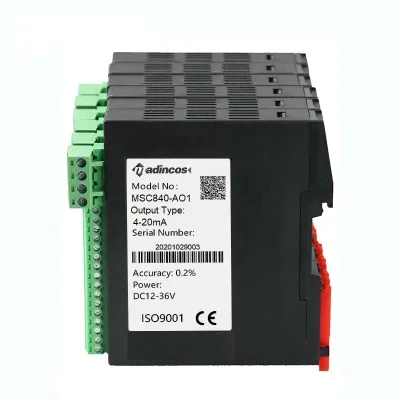
Order planning must also consider the auxiliary power supply requirements and isolation methods specified for the signal converters. Products often require specific power inputs, such as 5V, 12V, 15V, or 24VDC, and utilize photoelectricity isolation for safety. Buyers should verify that their system design is compatible with these power requirements before placing an order to avoid integration issues. Furthermore, the precision levels, such as 0.1, 0.2, or 0.5, must align with the accuracy needs of the application. By carefully reviewing these technical specifications and aligning them with the supplier's capabilities, buyers can ensure a smooth procurement process and successful implementation of the Signal Converter in their industrial or electronic systems.
FAQs
What is the typical lead time for signal converters?
The typical lead time for signal converters is 15 days. This duration applies to standard orders from suppliers located in China. Buyers should confirm specific delivery schedules with the supplier before placing an order to ensure alignment with project timelines.
What certifications are available for these converters?
Available certifications include ISO9001:2015, ISO9001:2008, CE, RoHS, and CCC. These standards ensure quality management and safety compliance. Buyers should verify the specific certificate version required for their market regulations before finalizing the purchase agreement with the supplier.
What is the minimum order quantity for converters?
The minimum order quantity is 1 unit for many Signal Converter models. This low MOQ allows buyers to test samples or order small batches. It is ideal for prototyping or small-scale industrial applications without requiring large initial inventory investments.
What is the price range for signal converters?
Prices range from approximately 13.00 to 160.00 per unit depending on the model. Basic analog modules start around 13.00, while specialized RJ45 converters cost up to 160.00. Buyers should request detailed quotes for specific models to get accurate pricing.
Where are these signal converters manufactured?
These signal converters are manufactured in China, specifically in Guangdong and Beijing regions. Suppliers in these locations offer combined services including OEM and ODM. Buyers can verify the exact origin and factory details during the sourcing process to ensure quality control.
What is the response time for supplier inquiries?
Supplier response times vary, with some responding within 1.16 hours and others taking up to 6.77 hours. Faster response times indicate active sales teams. Buyers should prioritize suppliers with quicker response rates for efficient communication and faster order processing.
Can signal converters be customized for specific needs?
Customization is available for many Signal Converter models. Suppliers offer OEM and ODM services to meet specific requirements. Buyers should discuss their technical specifications with the supplier to determine the feasibility and cost of customizing the product for their application.