Waved Compression Springs for Automobiles Suppliers and Manufacturers
Source Waved Compression Springs for Automobiles from 30 verified suppliers in China. Compare key dimensions including lead times, MOQs, and response speeds to identify the right partner. Review product specifications and pricing details to streamline your procurement process; review the available evidence before requesting comparable quotations from suitable candidates.
Updated
Suppliers List

Hebei Ruibo Import&Export Trading Co., Ltd.
- Trading Company
- China Hebei
- Lead time23 days
- Avg. response≤ 8h
Main productsCoil Spring, Cabin/Air. Oil/Fuel Filter, Shock Absorber, Brake Pads, Brake Shoes
Main marketsSoutheast Asia/ Mideast,Europe,North America

Farview International Trade Co., Ltd. Beijing
- Verified by BV
- Trading Company
- China Beijing
- Lead time15 days
- Avg. response≤ 4h
Main productsSprings Hardwares and Stamping Parts
Main marketsSouth America,Africa,Southeast Asia/ Mideast,Domestic
Jiangxi Lihuan Spring Co., Ltd.
- Manufacturer
- Jiangxi, China
- Lead time20 days
- Avg. response≤ 23h
Main productscompression springs,automobile springs,elevator springs,railway springs,toy springs
Main marketsNorth America(20.00%), Eastern Europe(12.00%), South America(12.00%), Eastern Asia(10.00%), Mid East(10.00%), Southeast Asia(10.00%), Western Europe(6.00%)
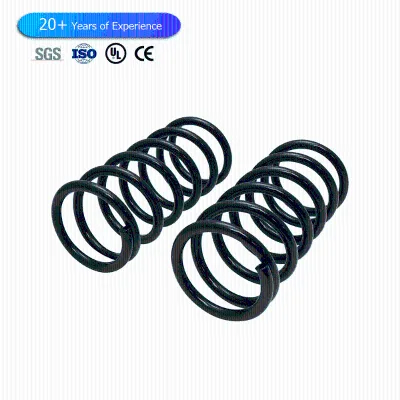
Custom Stainless Steel Compression Spring for Automobile Brake Spring Toy Car Springs
$3.2912 - $3.5994
MOQ: 50 pieces
Zhuji Henggang Spring Manufacturing Co., Ltd.
- Manufacturer, Trading Company
- Zhejiang, China
- Lead time30 days
- Avg. response≤ 10h
Main productsTorsion Spring, Compression Spring, Extension Spring, Die Spring, Disc Spring
Main marketsDomestic Market(50.00%), Oceania(20.00%), North America(10.00%), Mid East(10.00%), South America(5.00%), Western Europe(5.00%)

Yangzhou Mingfeng Spring Co., Ltd.
- Verified by BV
- Combined
- China Jiangsu
- Lead time15 days
- Avg. response≤ 25h
Main productsSpring, Precision Spring, Bearing Spring, Serpentine Spring, Deformed Spring, Extension Spring, Compression Spring, Constant-Force Spring, Torsion Spring, Oil Seal Spirng
Main marketsEurope
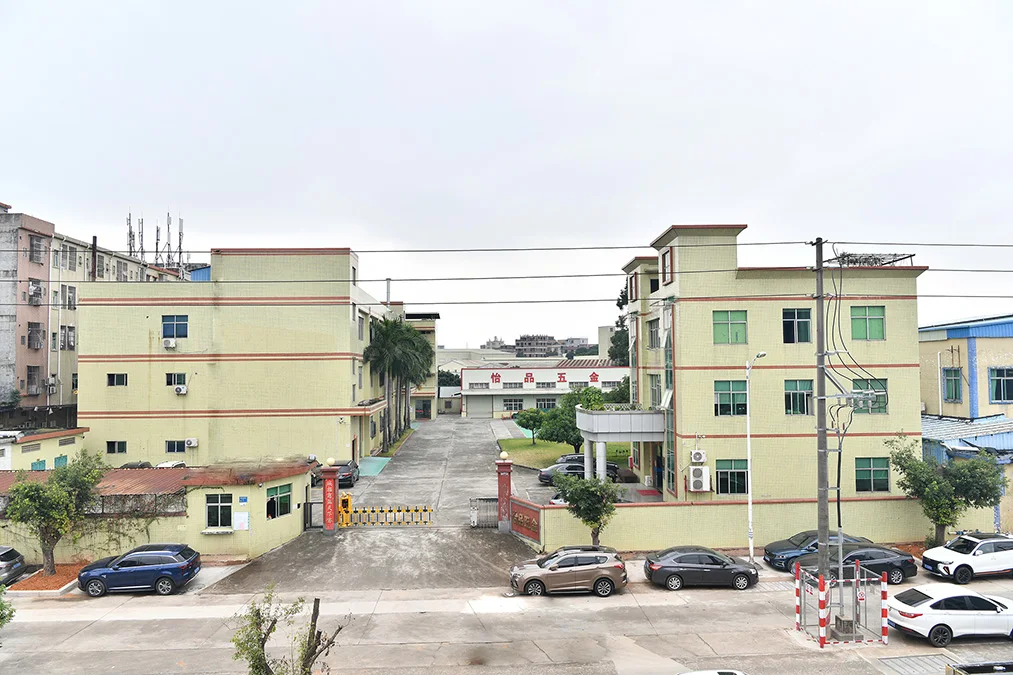
Dongguan City Yiping Metal Products Co., Ltd.
- Manufacturer, Trading Company
- Guangdong, China
- Lead time15 days
- Avg. response≤ 4h
Main productsSpring,Canted Coil Spring,Stamped parts
Main marketsNorth America(20.00%), Southern Europe(10.00%), Northern Europe(10.00%), Western Europe(10.00%), Eastern Asia(10.00%), Oceania(10.00%), Southeast Asia(10.00%), Eastern Europe(10.00%), South America(10.00%)
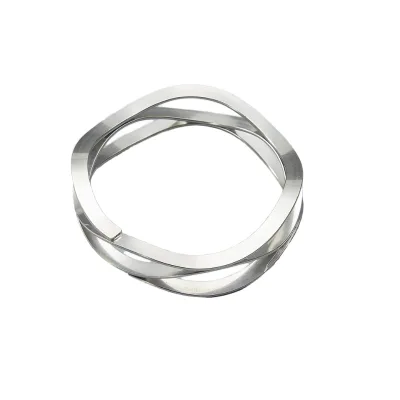
$2.4684 - $3.0848
MOQ: 100 pieces
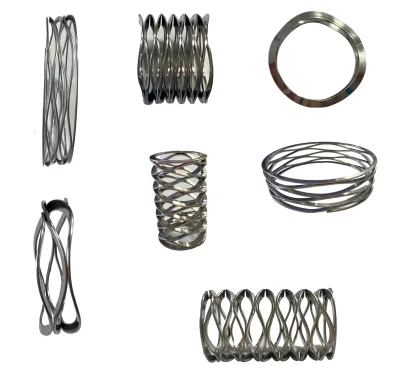
$0.70 - $1.20
MOQ: 1000 pieces
Shenzhen Dakunlun Hardware & Plastic Products Co.,Ltd.
- Manufacturer, Trading Company
- Lead time旺季: "1 - 5000":15,"> 5000":"To be negotiated", 淡季: "1 - 5000":15,"> 5000":"To be negotiated"
- Avg. response≤ 2h
Main productsCNC Machining Parts, Gear, Injection Molding Parts, Hardware, Stamping Parts
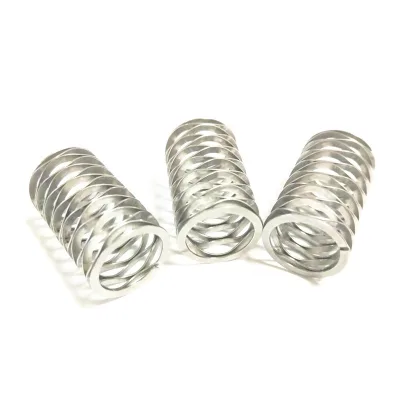
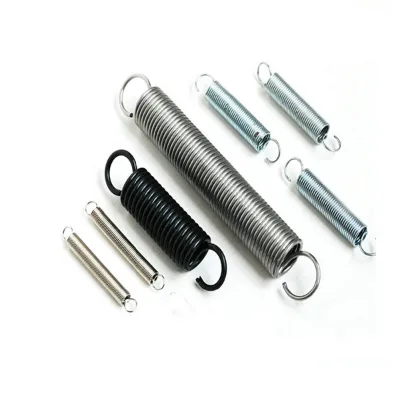
Stainless Steel Waved Draught & Compression Spring for Automobile Use
$0.1035 - $0.5191
MOQ: 1000 pieces
Ningbo Fenghua Dongweite Springs Co., Ltd.
- Verified by SGS Group
- Manufacturer, Trading Company
- Lead time7 days
- Avg. response≤ 3h
Main productsCoil Springs; Compression and Extension Springs, Wire Bend Forming Products; Metal Parts; Stamping Products
Main marketsDomestic Market(54%), North America(20%), Southeast Asia(8%)

Zhuji Bosswinn Springs Co., Ltd.
- Verified by TUVRHEINLAND
- Combined
- China Zhejiang
- Lead time30 days
- Avg. response≤ 10h
Main productsCompression Spring, Tension Spring, Auto Spring, Torsion Spring, Punching / Stamping Parts, Spiral Spring, Disc Spring, Fine Machining Parts, Small Spring, Die / Moulds Spring
Main marketsEurope
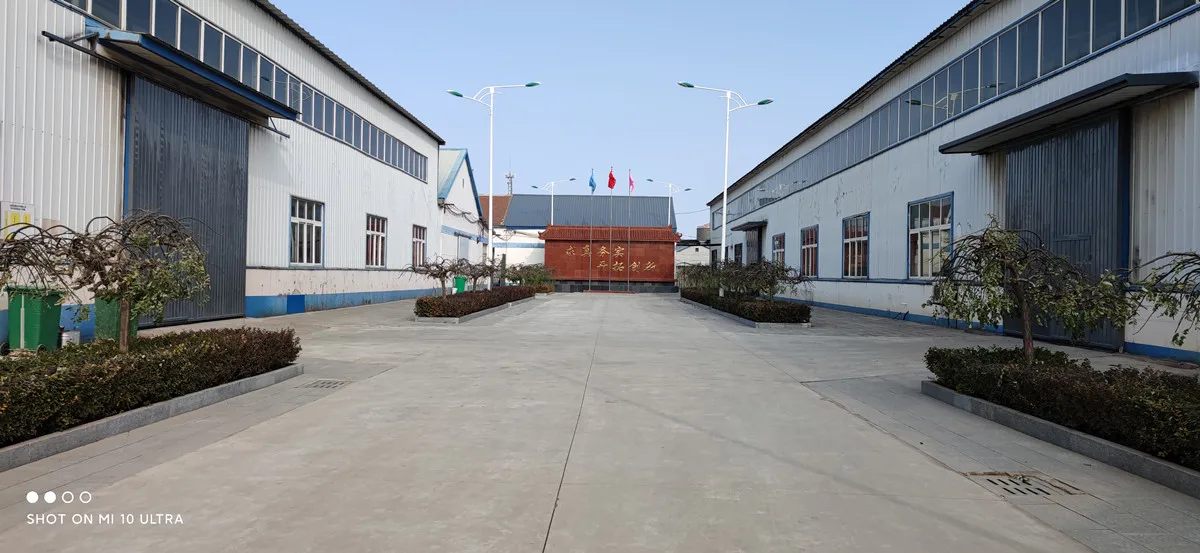
Tianjin Lantoo International Trade Co., Ltd.
- Trading Company
- Tianjin, China
- Lead time15 days
- Avg. response≤ 1h
Main productsGarage Door Springs,Compression springs,Tension Springs,Disc springs,Hose clamps
Main marketsNorth America(30.00%), Western Europe(15.00%), South America(10.00%), Eastern Europe(10.00%), Southeast Asia(5.00%), Domestic Market(5.00%), Eastern Asia(5.00%), Mid East(5.00%), Oceania(5.00%), Africa(5.00%), South Asia(2.00%), Central America(1.00%), Northern Europe(1.00%), Southern Europe(1.00%)
Botou Yongchuang Spring Manufacturing Co., Ltd.
- Manufacturer, Trading Company
- Hebei, China
- Lead time30 days
- Avg. response≤ 3h
Main productsExtension Spring,Torsional Spring,Compression Spring,Special Shape Spring,Hose Clamp
Main marketsDomestic Market(50.00%), Southeast Asia(10.00%), North America(10.00%), Eastern Asia(10.00%), Africa(5.00%), Eastern Europe(4.00%), Western Europe(3.00%), South Asia(2.00%), Oceania(1.00%), South America(1.00%), Southern Europe(1.00%), Northern Europe(1.00%), Central America(1.00%), Mid East(1.00%)
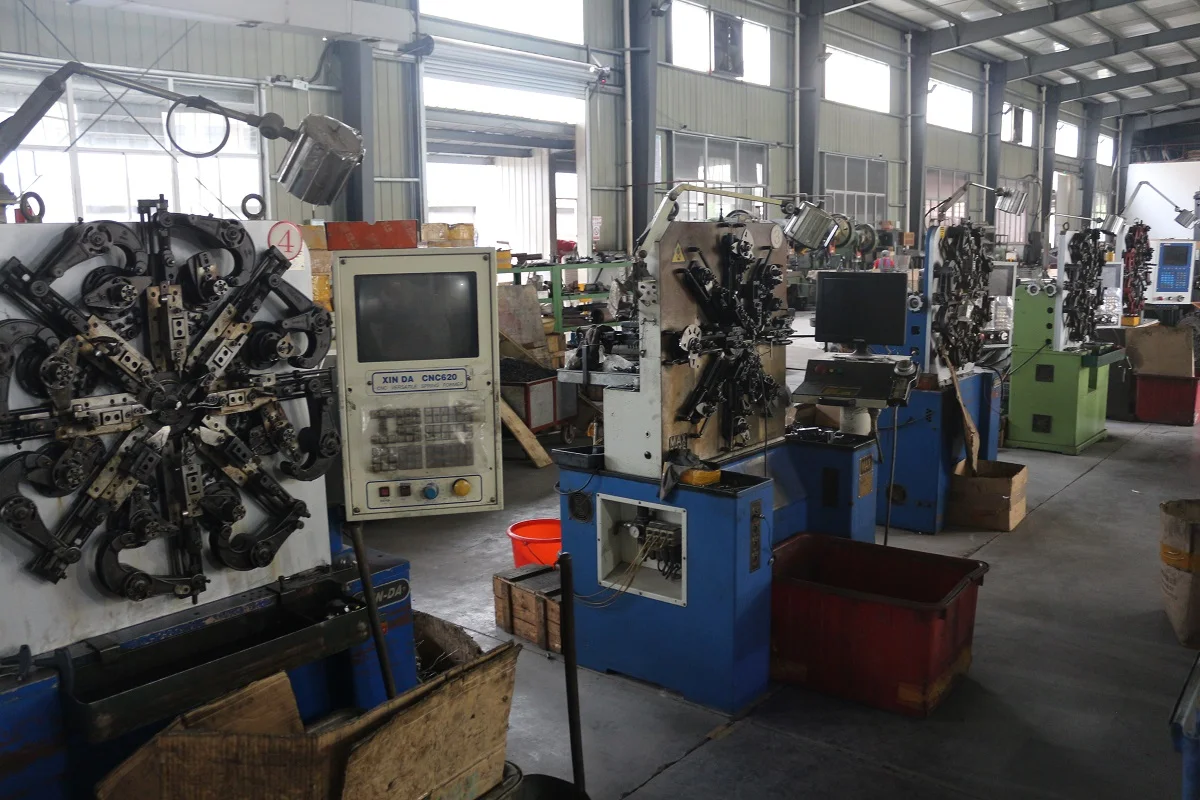
Zhuji Furun Mechanical Spring Co., Ltd.
- Manufacturer, Trading Company
- Zhejiang, China
- Lead time30 days
- Avg. response≤ 2h
Main productsSprings,High pressure metal pipe fittings,Car accessories,Agricultural machinery accessories,Hardware parts.
Main marketsNorth America(30.00%), Domestic Market(15.00%), Western Europe(15.00%), Oceania(10.00%), South America(10.00%), Southeast Asia(5.00%), South Asia(5.00%), Africa(5.00%), Mid East(5.00%)

Ganzhou Huanyou Spring Co., Ltd.
- Verified by SGS
- Combined
- China Jiangxi
- Lead time15 days
- Avg. response≤ 3h
Main productsSpring, Compression Spring, Extension Spring, Torsion Spring, Vibrating Screen Spring, Cone Crusher Spring, Coil Spring, Spiral Spring, Helical Spring, Excavator Spring
Main marketsDomestic

Compression Spring Manufacturers Sell Steel Coil Compression Springs for Industrial Vehicles
$0.11 - $1.22
MOQ: 10 Pieces

Interchangeable Hard-Wearing Flexible Strong Elasticity Compression Spring for Automobile
$3.40 - $5.60
MOQ: 1 Pieces

High-Performance Large Wire Helical Compression Springs for Cars and Trucks
$0.10 - $3.50
MOQ: 10 Pieces

Custom Precision Industrial Automotive Mechanical Shock Absorber Compression Spring for Vehicles
$3.40 - $5.60
MOQ: 10 Pieces

High Precision Helical Coil Compression Spring for Vehicle Suspension System Applications
$0.10 - $3.50
MOQ: 10 Pieces

Custom Large Heavy Duty Compression Coil Spring Durable Helical Spring for Automobile
$0.30 - $1.50
MOQ: 10 Pieces

Dongguan Weihui Hardware Spring Products Co., Ltd.
- Verified by CTI
- Combined
- China Guangdong
- Lead time30 days
- Avg. response≤ 3h
Main productsSpiral Springs, Tension Springs, Compression Springs, Trampoline Springs, Auger Feeder for Poultry, Torsion Spring, Spring Clips
Main marketsSouth America,East Asia(Japan/ South Korea),Europe
Guangdong Hershey Spring Industrial Co., Ltd.
- Verified by SGS Group
- Manufacturer, Trading Company
- Lead time20 days
- Avg. response≤ 2h
Main productsCompression Spring, Extension Spring, Torsion Spring, Copper Busbar, Metal Stamping Parts
Main marketsSouthern Europe(40%), Domestic Market(40%), Western Europe(8%)
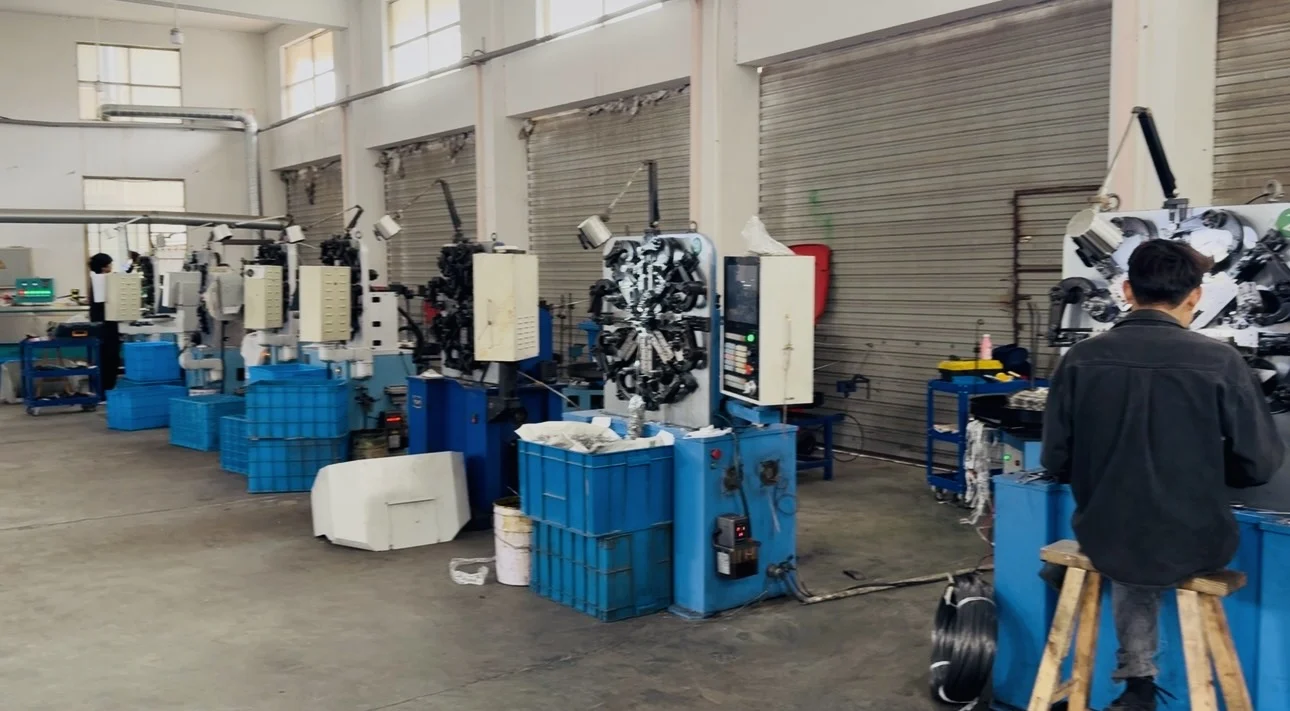
Cixi Zhouxiang Huifeng Spring Factory
- Manufacturer
- zhejiang, China
- Lead time15 days
- Avg. response≤ 3h
Main productsStainless steel spring,Compression spring,Stretching the spring,Torsion spring,Shaped spring
Main marketsAfrica(50.00%), Domestic Market(30.00%), Mid East(10.00%), North America(5.00%), South Asia(2.00%), Southeast Asia(2.00%), Western Europe(1.00%)
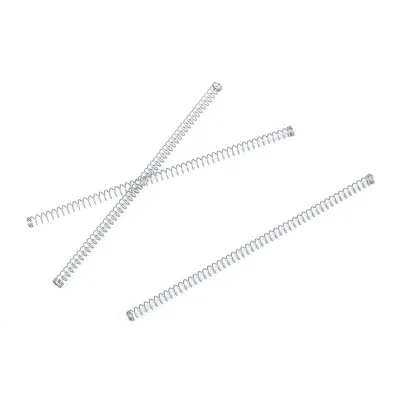
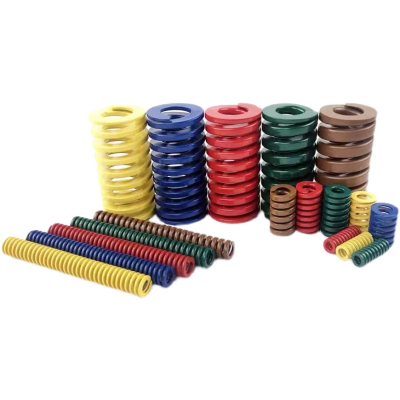
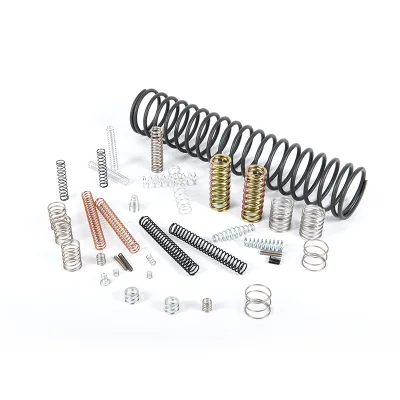
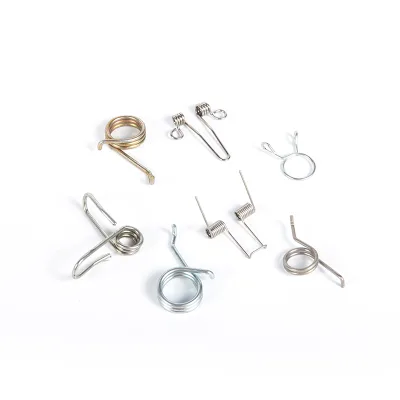
Supply Appliance Stainless Steel Shaped Spring Compression Spring
$0.0518 - $1.0367
Dingliu Tianjin) Machinery Equipment Manufacturing Co., Ltd.
- Manufacturer, Trading Company
- Tianjin, China
- Lead time15 days
- Avg. response≤ 5h
Main productstorsion springs,spring tower,extension springs,Stainless steel compression spring,Custom Wave Spring
Main marketsSoutheast Asia(20.00%), South America(20.00%), North America(20.00%), Central America(15.00%), Mid East(15.00%)
Fuzhou Hengsheng Spring Co., Ltd.
- Verified by SGS Group
- Manufacturer, Trading Company
- Lead time15 days
- Avg. response≤ 1h
Main productsBattery Spring, Pilates Spring, Compression Spring, Torsion Spring, Tension Spring
Main marketsNorth America(70%), Western Europe(20%), Eastern Asia(10%)
Ganzhou Huanyou Spring Co., Ltd.
- Manufacturer, Trading Company
- Jiangxi, China
- Lead time15 days
- Avg. response≤ 4h
Main productsScreening mechanical springs, Industrial spring, Stretch spring, Compressed spring , Torsion spring
Main marketsMid East(30.00%), Southeast Asia(20.00%), North America(10.00%), South America(10.00%), Eastern Europe(10.00%), Africa(10.00%), Northern Europe(10.00%)
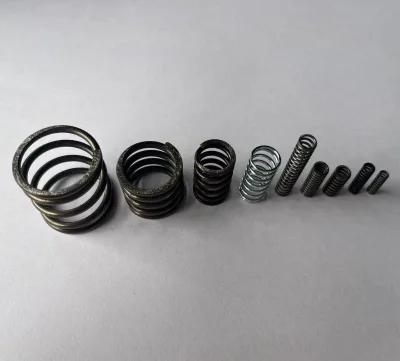
Springs Manufacturer Custom High Pressure Small Compression Spring for Umbrella
$0.20 - $0.50
MOQ: 100 pieces
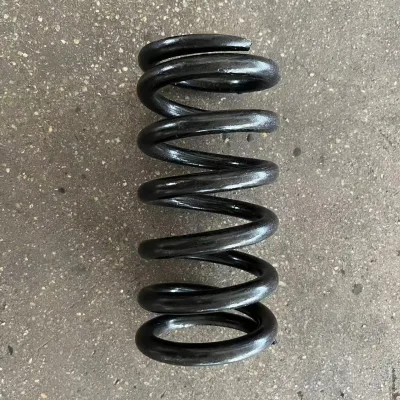
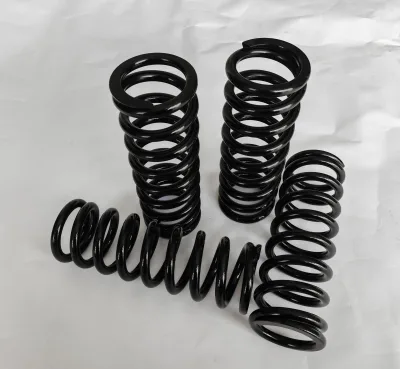
Wholesale Customization High Accuracy Spring Steel Auto Parts Compression Spring with Free Sample
$12.20 - $14.00
MOQ: 4 pieces

Fujian Ydl Spring Technology Co., Ltd.
- Verified by SGS
- Combined
- China Fujian
- Lead time15 days
- Avg. response≤ 1h
Main marketsDomestic

Durable Compression Springs for Automotive and Mechanical Engineering Needs
$0.50 - $50.00
MOQ: 1 Pieces


- Trading Company,Manufacturer/Factory
- China Shandong
- Lead time23 days
- Avg. response≤ 9h
Main productsContainer Twistlock, Auto Parts, Hydraulic Oil Tank, Casting Parts, Forging Parts, Stamping & Welding Parts, Vehicle Axles, Electrical Vehicle, Machining Parts, Railway Parts
Main marketsSouth America,North America,Southeast Asia,Western Europe
Xiamen Finewe Industry Co., Ltd.
- Verified by Intertek
- Manufacturer, Trading Company
- Lead time25 days
- Avg. response≤ 2h
Main productsCompression Springs, Torsion Springs, Wire Forms Springs, Lighting Springs Clips, Tension Springs
Main marketsNorth America(25%), Eastern Europe(13%), Western Europe(13%)

Xinxiang Green Machinery Co., Ltd.
- Verified by TUVRHEINLAND
- Combined
- China Henan
- Lead time30 days
- Avg. response≤ 3h
Main productsVibrating Screen, Vibrating Sieve, Sieving Machine, Banana Sieve, Vibro Separator Filter, Belt Conveyor, Stationary Crusher, Banana Screen, Sand Making and Shaping Equipment, 20-400tph Asphalt Mixing Plant
Main marketsDomestic
Botou City Juneng Spring Co., Ltd.
- Manufacturer, Trading Company
- Hebei, China
- Lead time30 days
- Avg. response≤ 3h
Main productsSprings,excavator spring,undercarriage recoil springs
Main marketsDomestic Market(94.00%), North America(1.00%), Southern Europe(1.00%), Northern Europe(1.00%), Oceania(1.00%), Africa(1.00%), Southeast Asia(1.00%)

Wenzhou Jiangdun Metal Co., Ltd.
- Verified by SGS
- Combined
- China Zhejiang
- Lead time15 days
- Avg. response≤ 1h
Main productsMold Accessories, Gas Spring, Guide Pillar Guide Sleeve, Thimble, Punching Needle, Spring
Main marketsSouth America,Southeast Asia/ Mideast,Europe
Shenzhen Hongyan Precision Hardware Co., Ltd.
- Manufacturer, Trading Company, Distributor/Wholesaler
- Guangdong, China
- Lead time0 days
- Avg. response≤ 1h
Main productsspring,screw,die-casting,motor,nut
Main marketsEastern Europe(30.00%), South America(30.00%), North America(30.00%)

Qufu Temb Automotive Electric Co., Ltd.
- Verified by SGS
- Combined
- China Shandong
- Lead time30 days
- Avg. response≤ 4h
Main productsCar Horn, Spring, Backup Light Switch, Stop Light Switch, Back-up Alarm, Avas, Automatic Starting Device, Car Speaker
Main marketsSouth America,Southeast Asia/ Mideast,East Asia(Japan/ South Korea),Domestic,Europe,Australia,North America

$0.20 - $3.00
MOQ: 5000 Pieces


Guangdong Shuangxin Precision Components Co., Ltd.
- Verified by SGS Group
- Manufacturer, Trading Company
- Lead time15 days
- Avg. response≤ 3h
Main productsHardware Products (Stamping Part, Auto Lathe & CNC Turning Parts, CNC Milling Parts, Spring, Shaft, Fastener)
Main marketsNorth America(30%), Domestic Market(30%), Western Europe(10%)
Zhejiang Hang Jia Special Spring Co., Ltd.
- Verified by SGS Group
- Manufacturer, Trading Company
- Lead time0 days
- Avg. response≤ 5h
Main productsCompression Spring, Bearing spring, Suspension spring, Disc Spring, Torsion spring
Zhangzhou Changyi Hardware Co., Ltd.
- Verified by Intertek
- Manufacturer, Trading Company
- Lead time30 days
- Avg. response≤ 1h
Main productsBrackets, Spring, Hook, Bird Spike
Main marketsNorth America(90%), Eastern Europe(10%)




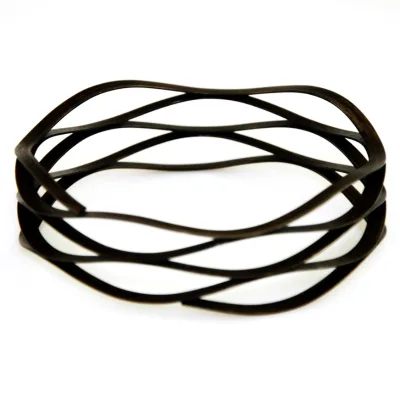


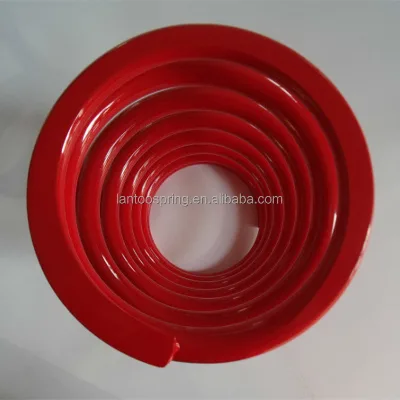
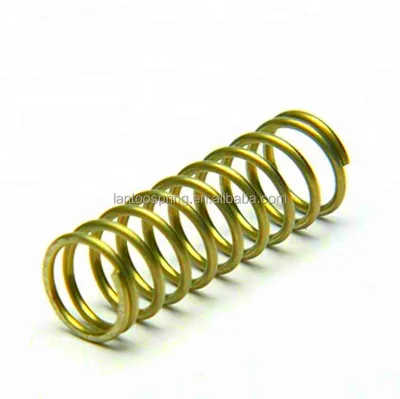
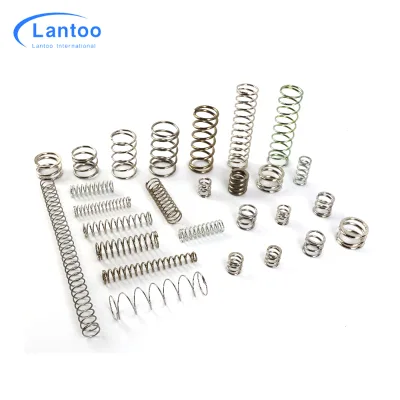




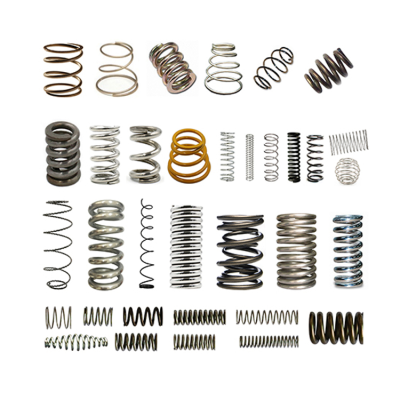
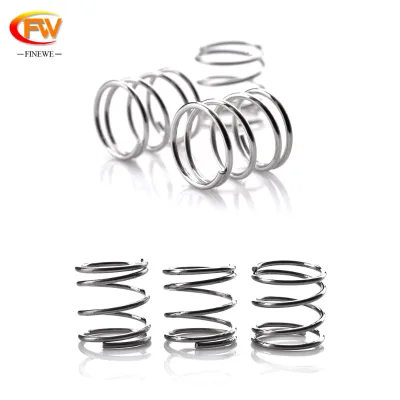
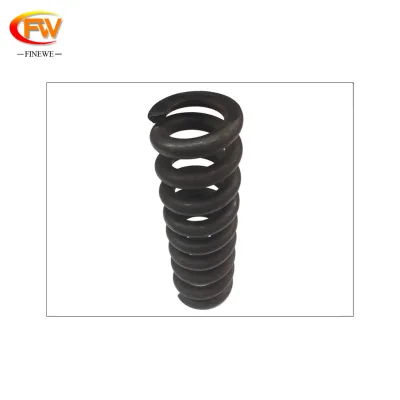


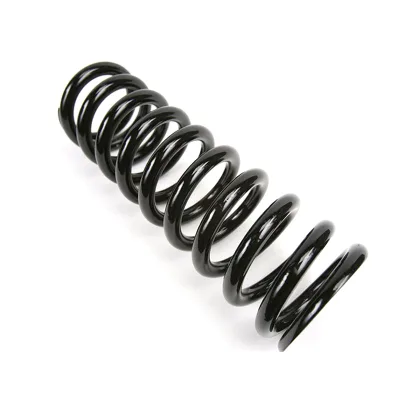


Comprehensive Sourcing Guide
Waved Compression Springs for Automobiles Supplier Concentration and Factory Types
Current data indicates a concentration of suppliers in China, specifically within Hebei, Beijing, and Jiangxi provinces. In Hebei, trading companies are prominent, offering a mix of coil springs, shock absorbers, and brake components alongside compression springs. These entities often source from nearby manufacturing hubs like Tangshan, which appears as a specific origin point for carbon steel suspension springs. Beijing-based suppliers also appear in the results, with some holding BV verification status, suggesting a mix of trading and manufacturing capabilities in the capital region. Jiangxi hosts manufacturers specializing in custom stainless steel and automobile springs, with specific brand names like Lihuan appearing in product attributes. This regional spread suggests that buyers should expect a mix of trading companies in Hebei and Beijing, while Jiangxi may offer more direct manufacturing options for customized stainless steel or specific automotive applications.
When assessing factory types, the distinction between trading companies and manufacturers is critical for waved compression springs. The available facts show trading companies in Hebei handling broad automotive parts, while Jiangxi suppliers explicitly list themselves as manufacturers for custom springs. Buyers must verify if a supplier is a direct factory or a middleman by checking their company type field and main product focus. Some suppliers in the results list "Customization" as available, which often points to manufacturing capability, whereas others focus on standard inventory. The presence of specific origin cities like Tangshan in product attributes can help trace the actual production site. However, without explicit factory verification for every listing, buyers should treat all suppliers as potential trading entities unless the manufacturer label is clearly stated in the company profile.
How to Verify Waved Compression Springs for Automobiles Suppliers
Verification of supplier credibility relies heavily on checking specific trust badges and certification data provided in the search results. Some suppliers in the Beijing cluster display BV verification status, which serves as a third-party validation of their business existence and operational capacity. In contrast, other entries show a system certification of NIL, indicating a lack of displayed third-party audits or specific quality management system certifications. Buyers should prioritize suppliers with visible verification badges like BV over those with no certification data. Additionally, checking the "OEM" attribute in product details can indicate a supplier's willingness to handle custom orders, which often correlates with a more robust manufacturing setup. However, the absence of a specific certification label does not automatically disqualify a supplier, but it requires deeper due diligence before placing large orders.
Response time and lead time data offer further insights into supplier reliability and operational efficiency. The observed response times vary significantly, ranging from approximately 4 hours to over 23 hours, with some suppliers responding in under 4 hours while others take nearly a full day. A faster response time often suggests a more active sales team and better communication channels, which is vital for resolving technical queries about waved compression springs. Lead times also differ, with some suppliers offering 15-day delivery windows while others require 20 to 23 days. Buyers should compare these metrics against their own project timelines to ensure the supplier can meet delivery deadlines. It is essential to note that these figures are based on current data snapshots and may fluctuate based on order volume or seasonal demand, so real-time confirmation is necessary before finalizing any agreement.
What to Compare Across Waved Compression Springs for Automobiles Suppliers
Comparing suppliers requires a detailed analysis of product specifications, pricing structures, and minimum order quantities. The product data reveals a wide range of prices, from as low as $0.01 to $30.00 per unit, depending on the material, size, and customization level. Some listings for standard compression springs show a minimum order quantity (MOQ) of just one unit, while others for heavy-duty or custom models require 100 or 200 units. Buyers must align their order volume with these MOQs to avoid unnecessary costs or stockpiling. Material composition is another key differentiator, with options ranging from carbon steel to stainless steel, each affecting the final price and application suitability. The presence of specific attributes like "Wire Diameter" and "Load Capacity" allows for precise matching of technical requirements, ensuring the selected spring meets the exact performance needs of the automobile.
Beyond pricing and MOQ, the scope of customization and packaging options must be evaluated across different suppliers. Many suppliers in the results list "Customization" as available, allowing for tailored wire diameters, extended lengths, and specific load capacities. However, the extent of this customization varies, with some offering fully customizable models while others provide limited variations. Packaging is another critical factor, with options ranging from neutral packing to custom-made solutions. Buyers should verify if the supplier can accommodate specific packaging requirements to protect the springs during transit. Additionally, the "Car Make" attribute indicates compatibility with specific vehicle brands, such as Chevrolet, which helps in narrowing down suppliers for targeted applications. A thorough comparison of these attributes ensures that the selected supplier can deliver the exact product configuration required for the specific automotive application.
Common Waved Compression Springs for Automobiles Sourcing Risks
One significant risk in sourcing waved compression springs is the potential mismatch between product specifications and actual manufacturing capabilities. While many suppliers claim customization is available, the specific details provided in product attributes may be generic or incomplete. For instance, some listings show "Customizton" as a value for load capacity and style, which suggests a lack of precise technical data. This ambiguity can lead to receiving springs that do not meet the required load or dimensional standards. Buyers must request detailed technical drawings and material certificates to confirm that the supplier can produce the exact specifications needed. Relying solely on the provided product keywords or generic descriptions can result in quality issues or performance failures in the final automotive assembly.
Another risk involves the variability in lead times and response speeds, which can disrupt supply chain planning. The data shows response times ranging from under 4 hours to over 23 hours, and lead times from 15 to 23 days. Such inconsistencies can make it difficult to predict delivery dates accurately, especially for time-sensitive automotive projects. If a supplier has a slow response time, it may indicate a lack of dedicated support staff or inefficient internal processes. Similarly, extended lead times could be due to high order volumes or production bottlenecks. Buyers should establish clear communication protocols and set realistic expectations regarding delivery schedules. It is also advisable to have a backup supplier in place to mitigate the risk of delays, ensuring that production schedules are not compromised by unforeseen logistical challenges.
Waved Compression Springs for Automobiles Regional Sourcing and Logistics
Regional sourcing strategies should focus on the specific manufacturing clusters identified in the supplier data, such as Hebei, Beijing, and Jiangxi. Hebei is known for its trading companies and proximity to Tangshan, a hub for carbon steel spring production. This region offers a wide range of standard automotive parts, making it suitable for buyers seeking cost-effective solutions for common applications. Beijing suppliers, often verified by BV, may provide a higher level of service and reliability, though potentially at a higher cost. Jiangxi, on the other hand, appears to be a center for manufacturers specializing in custom stainless steel springs, offering more flexibility for specialized automotive needs. Buyers should consider the specific strengths of each region when selecting a supplier, aligning their sourcing strategy with the type of spring required.
Logistics planning must account for the varying lead times and shipping requirements associated with different regions. Suppliers in Hebei and Beijing may offer faster shipping options due to their proximity to major ports and transportation hubs. In contrast, suppliers in Jiangxi might have slightly longer lead times but could offer more competitive pricing for custom orders. Buyers should factor in these logistical differences when calculating total landed costs, including shipping fees and potential customs duties. It is also important to verify the packaging standards of each supplier to ensure the springs arrive in good condition. Neutral packing is common, but custom packaging may be available for an additional fee. Understanding the logistics landscape of each region helps buyers optimize their supply chain and minimize the risk of delays or damage during transit.
Waved Compression Springs for Automobiles Commercial Terms and Order Planning
Commercial terms and order planning are critical for managing the financial and operational aspects of sourcing waved compression springs. The data shows a wide range of prices, from $0.01 to $30.00, and MOQs from 1 to 200 units. Buyers must carefully evaluate these terms to ensure they align with their budget and inventory requirements. For small-scale projects, suppliers with low MOQs and flexible pricing are ideal, while larger orders may benefit from suppliers offering volume discounts. It is also important to clarify payment terms, such as whether escrow services are available to protect the buyer's funds. Some suppliers may require a deposit before production begins, while others might offer net-30 or net-60 terms for established clients. Understanding these financial conditions helps in planning cash flow and minimizing financial risks.
Order planning should also consider the customization options and production capabilities of the selected supplier. Many suppliers offer customizable features like wire diameter, load capacity, and material type, which can significantly impact the production timeline. Buyers should provide detailed specifications early in the process to avoid delays caused by back-and-forth communication. Additionally, verifying the supplier's ability to handle rush orders or expedited shipping is essential for meeting tight deadlines. The lead times observed, ranging from 15 to 23 days, should be factored into the overall project schedule to ensure timely delivery. By carefully planning the order process and communicating clearly with the supplier, buyers can streamline production and reduce the risk of errors or delays. This proactive approach ensures a smooth sourcing experience and successful delivery of high-quality waved compression springs for automotive applications.
FAQs
What is the price range for automobile compression springs?
Prices for compression springs vary significantly based on material and specifications. Standard steel options start as low as $0.01 per unit, while heavy-duty or custom stainless steel variants can reach up to $30. Buyers should verify exact pricing against their required load capacity and wire diameter to ensure accurate budgeting.
What certifications are available for these springs?
Many suppliers offer ISO certification for their compression springs, ensuring quality standards are met. Some products also specify carbon steel or stainless steel materials. Buyers should request specific certification documents during inquiry, as not all manufacturers list system certifications publicly, and verification status may vary by supplier.
What is the typical lead time for orders?
Lead times generally range from 15 to 23 days depending on the supplier and order volume. Manufacturers in Jiangxi often report around 20 days, while trading companies in Hebei may take up to 23 days. Buyers should confirm exact timelines during negotiation to align with production schedules.
What is the minimum order quantity (MOQ)?
MOQs vary widely, with some suppliers accepting orders as low as one unit for samples. Others require minimums of 50, 100, or 200 units for bulk production. Buyers seeking large quantities should compare MOQs to find suppliers that match their volume requirements without excessive initial investment.
Where are these springs manufactured?
Manufacturing locations include Hebei, Beijing, and Jiangxi in China. Tangshan in Hebei is noted as a specific origin for certain compression springs. Buyers can filter suppliers by these regions to prioritize local logistics or specific manufacturing hubs known for automotive hardware production.
Can these springs be customized for specific vehicles?
Yes, customization is widely available for load capacity, wire diameter, and extended length. Suppliers offer options for specific car makes like Chevrolet and various positions such as rear suspension. Buyers should provide detailed specifications to ensure the springs meet their exact automotive application requirements.