Industrial PTFE Thread Seal Tape Suppliers and Manufacturers
Explore 20 verified options for Industrial PTFE Thread Seal Tape from Zhejiang and Guangdong. Compare response times, lead times, MOQs, and certifications like ISO and RoHS. Request samples to verify product specifications before placing bulk orders; review the available evidence before requesting comparable quotations from suitable candidates.
Updated
Suppliers List
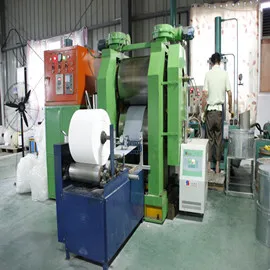
Hangzhou Marvel Plastics Co., Ltd.
- Manufacturer, Trading Company
- Zhejiang, China
- Lead time15 days
- Avg. response≤ 1h
Main productsPTFE tape,thread seal tape,PTFE thread seal tape,seal tape,PTFE thread
Main marketsSouth America(25.00%), Mid East(20.00%), Africa(10.00%), Southeast Asia(6.00%), Northern Europe(5.00%), Eastern Asia(5.00%), South Asia(5.00%), Domestic Market(1.00%), North America(1.00%)
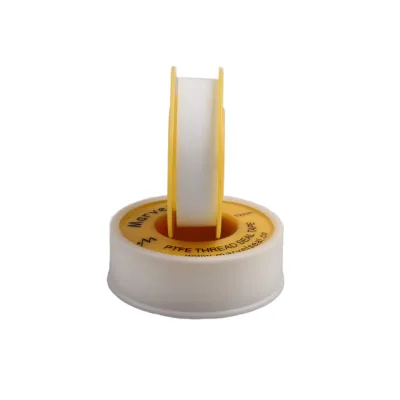
Industrial PTFE Thread Seal Tape Multi-Purpose for Chemical Processing Plants
$0.0519 - $0.0727
MOQ: 50000 pieces
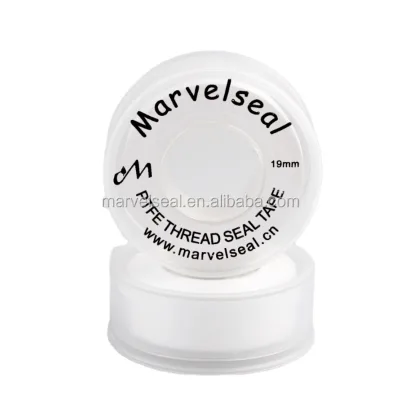
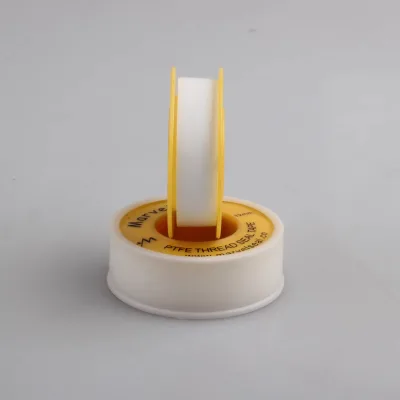
Premium PTFE Thread Seal Tape Tear Resistant for Automotive Repair Shops
$0.0523 - $0.0733
MOQ: 50000 pieces
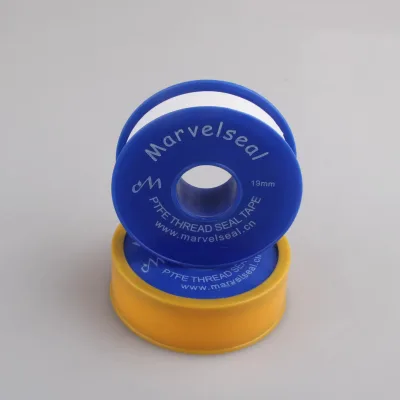
Flexible PTFE Thread Seal Tape for HVAC Pipe Fittings Temperature Stable Product
$0.1855 - $0.2064
MOQ: 50000 pieces
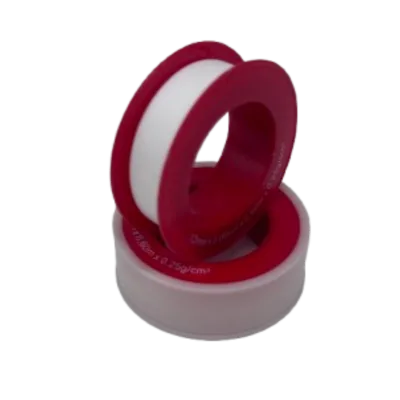
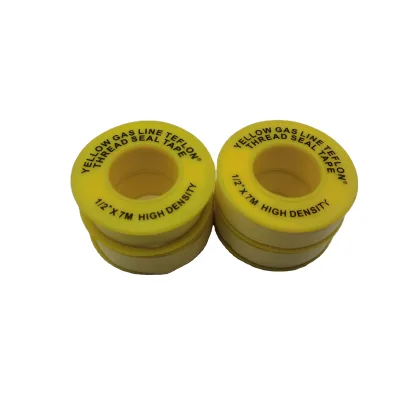
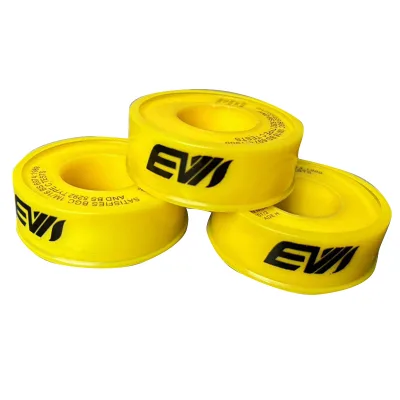
12mm Yellow PTFE Thread Seal Tape Oil Resistant Pipe Tape Key Feature Product
$0.1466 - $0.1571
MOQ: 50000 pieces

Huizhou Senping Technology Co., Limited
- Verified by BV
- Trading Company
- China Guangdong
- Lead time15 days
- Avg. response≤ 12h
Main productsButyl Tape, Foam Tape, Warning Tape, Self Amalgamating Tapes, Caulk Tape, Glazing Tape, BOPP Packing Tape, Fly Glue Board, Mouse Glue Trap, Infrarec Ceramic Plate
Main marketsSoutheast Asia/ Mideast,Europe,Australia,North America

Hangzhou Derui Plastics Co., Ltd.
- Verified by BV
- Combined
- China Zhejiang
- Lead time23 days
- Avg. response≤ 9h
Main productsPTFE Tape, PTFE Thread Seal Tape, Thread Seal Tape, Sealing Tape, PTFE Seal Tape, Tapes, PTFE Tape for Pipe, High Quality PTFE Tape, 100% PTFE Tape
Main marketsSouth America,Domestic,Europe,North America

Customized Waterproof Industrial PTFE Tape Teflon Tape PTFE Thread Seal Tape
$0.037 - $0.038
MOQ: 50000 Rolls


Zhenjiang Hansa Sealant Co., Ltd.
- Verified by SGS
- Trading Company
- China Jiangsu
- Lead time15 days
- Avg. response≤ 1h
Main productsPTFE Sheet, PTFE Rod, PTFE Tube, PTFE Gasket, Expanded PTFE, Modified PTFE Products, Peek Products, Sealing Materials, PE Products, Customized CNC Machining
Main marketsSouth America,Southeast Asia/ Mideast,Europe,North America

High-Quality PTFE Thread Seal Tape for Industrial Applications and Repairs
$0.10 - $1.98
MOQ: 1000 Rolls


Ningbo Honest Energy Co., Ltd.
- Manufacturer/Factory,Group Corporation
- China Zhejiang
- Lead time15 days
- Avg. response≤ 8h
Main productsPVC Tape, Self Amalgamating Tape, Self Fusing Silicone Tape, Butyl Tape, Cloth Duct Tape, Anti-Slip Tape, BOPP Packing Tape, Aluminum Foil Tape, Masking Tape, PE Warning Tape
Main marketsSouth America,Eastern Europe,Mid East,North America,Southeast Asia,Eastern Asia,Oceania,Western Europe,Africa

Xiamen Rich Adhesive Tape Company Limited
- Verified by CTI
- Trading Company
- China Fujian
- Lead time15 days
- Avg. response≤ 4h
Main productsAdhesive Tape, BOPP Tape, Masking Tape, PVC Tape, Aluminum Foil Tape, Nano Tape, Pet Tape, Polyimide Film Tape, Packing Tape
Main marketsSouth America,Europe

Customized Waterproof Industrial White Yellow Tape PTFE Thread Sealing Tape
$0.10 - $0.30
MOQ: 100 Pieces


Hot Selling Waterproof Customized Size and Color PTFE Thread Sealing Tape
$0.18 - $0.35
MOQ: 100 Pieces

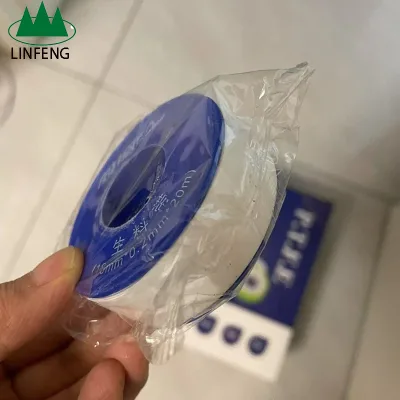
Hangzhou Linfeng Fluoroplastic Co., Ltd.
- Manufacturer
- Zhejiang, China
- Lead time30 days
- Avg. response≤ 10h
Main productsPTFE Tape,Gaflon tape,Ptfe thread seal tape
Main marketsEastern Europe(20.00%), South America(20.00%), Mid East(20.00%), Western Europe(10.00%), North America(10.00%), Africa(5.00%), Eastern Asia(5.00%), Southeast Asia(5.00%), Oceania(5.00%)
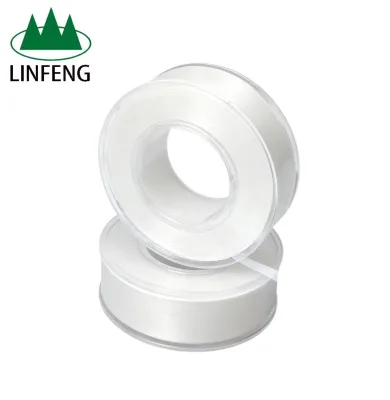
$0.0104 - $0.0518
MOQ: 10000 Minimum
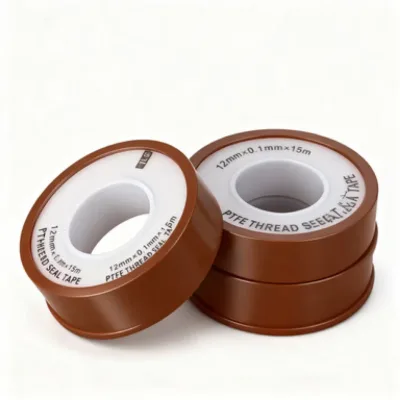
$0.0104 - $0.0521
MOQ: 10000 Minimum
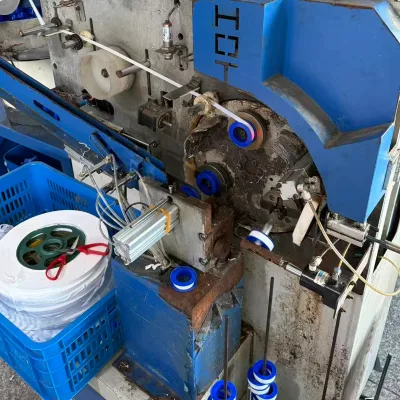
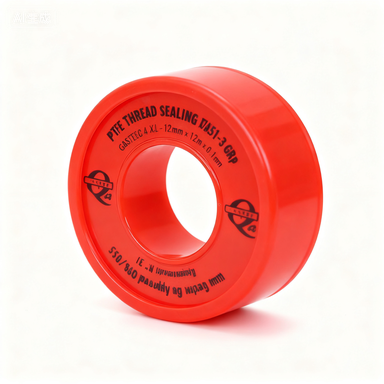
PTFE Thread Tape with High Pressure Rating for Industrial Pumps Chilean Mines
$0.01 - $0.05
MOQ: 10000 Minimum
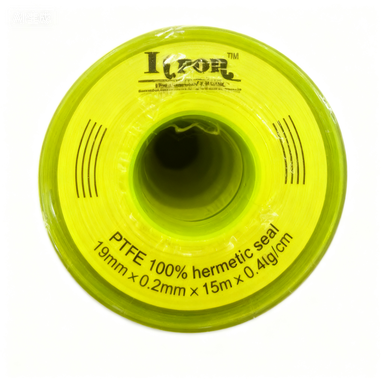
Industrial Strength PTFE Thread Tape for Pneumatic Tools in Mexican Factories Withstands Heavy Use
$0.0102 - $0.0512
MOQ: 10000 Minimum

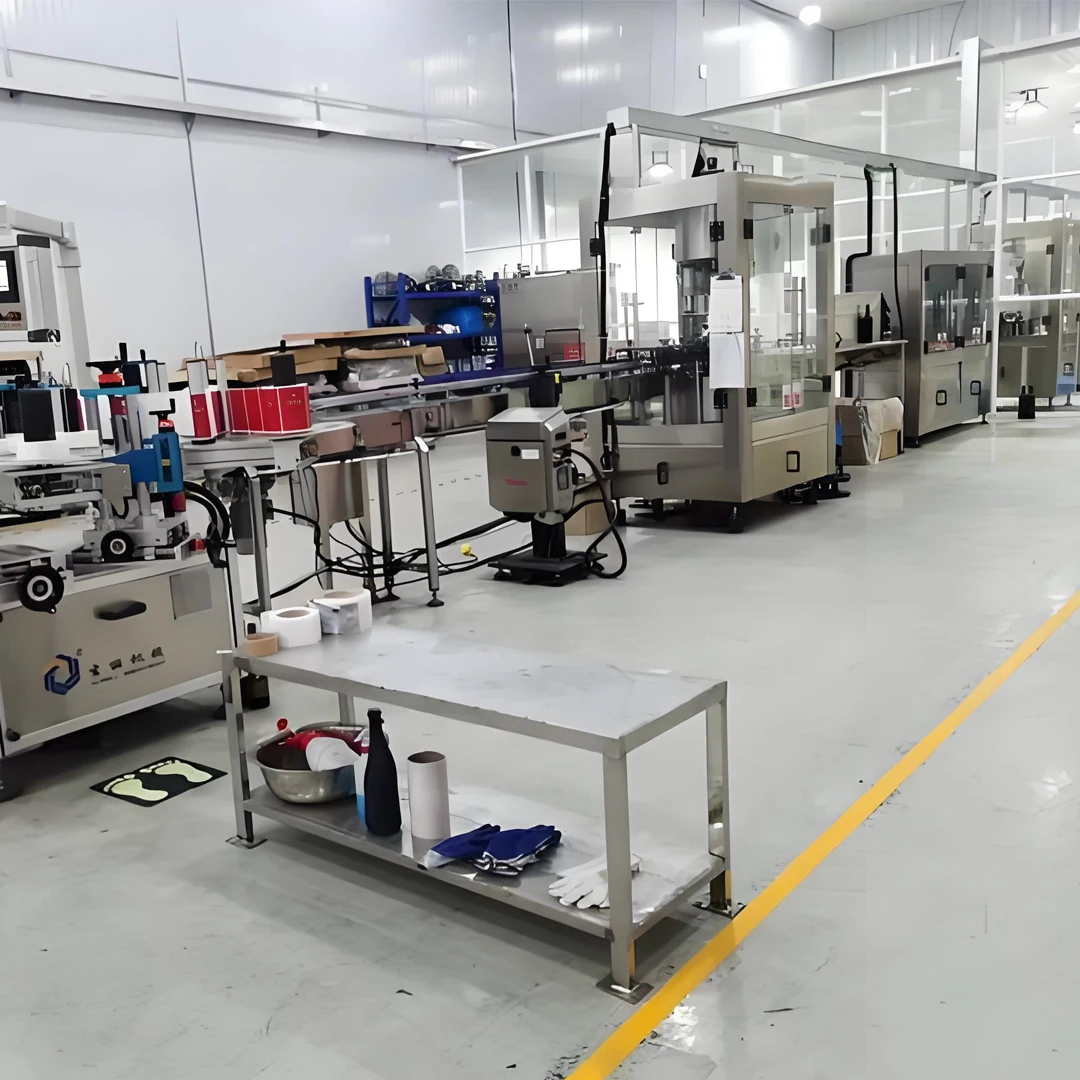
Dongguan Baiwei Packing Materials Co., Ltd.
- Trading Company,Manufacturer/Factory
- China Guangdong
- Lead time23 days
- Avg. response≤ 4h
Main productsCling Wrap, Stretch Wrap Film, Shrink Wrap
Main marketsSouth America,Eastern Europe,Mid East,North America,Southeast Asia,Eastern Asia,Oceania,Western Europe,Africa
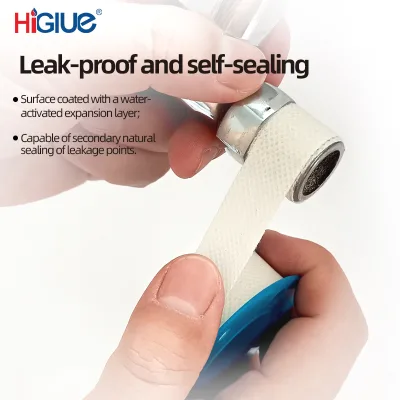
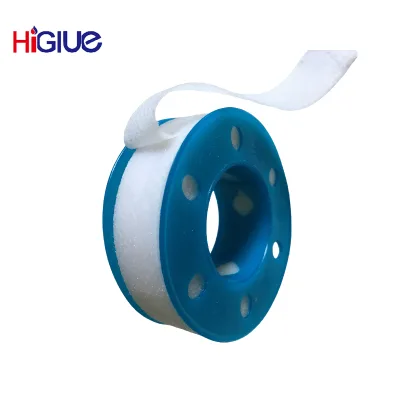
Jiangxi Gooz Adhesive Co., Ltd.
- Manufacturer, Trading Company
- Jiangxi, China
- Lead time3 days
- Avg. response≤ 2h
Main productsPipe Sealing Cord, Anaerobic Adhesive Series, Cyanoacrylate Series, Epoxy AB Glue Series, Wearing Compound
Main marketsSouthern Europe(30.00%), Eastern Europe(20.00%), Domestic Market(20.00%), South America(10.00%), Mid East(5.00%), South Asia(5.00%), North America(5.00%), Western Europe(5.00%)
$0.6582 - $2.0031
MOQ: 100 pieces


Xiamen Aimo technology Co., Ltd.
- Verified by SGS
- Trading Company
- China Fujian
- Lead time15 days
- Avg. response≤ 8h
Main productsPolyimide Kapton Tape, Green Polyester Tape, PTFE Teflon Tape, Blue Thermal Tape, Copper Foil Tape, Aluminum Foil Tape, Acrylic Vhb Foam Tape, Anti Slip Tape, Die Cutting Tape, 3m Tesa Nitto Tape
Main marketsNorth America

Taizhou Ganzi Metal Products Co., Ltd.
- Trading Company
- Zhejiang, China
- Lead time0 days
- Avg. response≤ 4h
Main productsball valve,Angle valve,Check valve,pipe fitting,Gate valve
Main marketsEastern Europe(25.00%), South America(21.00%), Southeast Asia(20.00%), Mid East(20.00%), Africa(5.00%), Domestic Market(1.00%), South Asia(1.00%), Southern Europe(1.00%), North America(1.00%), Northern Europe(1.00%), Central America(1.00%), Western Europe(1.00%), Eastern Asia(1.00%), Oceania(1.00%)
Guangdong Ptfe Products Factory Co., Ltd.
- Verified by TüVRheinland
- Manufacturer, Trading Company
- Lead time30 days
- Avg. response≤ 6h
Main productsPTFE Tape, Thread Sealing Cord, Liquid Sealant, PTFE Film, Automatic PTFE Tape Winding Machine
Main marketsDomestic Market(30%), Southeast Asia(20%), Eastern Europe(10%)
Jinhua Eternal Friendship Ptfe Tape Co., Ltd.
- Manufacturer
- Zhejiang, China
- Lead time20 days
- Avg. response≤ 2h
Main productsPtfe Tape,Ptfe Thread Seal Tape Making Machine,Ptfe Powder
Main marketsSoutheast Asia(58.00%), Africa(10.00%), Mid East(10.00%), South America(10.00%), Western Europe(5.00%), Southern Europe(5.00%), Northern Europe(1.00%), Eastern Europe(1.00%)
Shanghai Aokavi Industrial Co., Ltd.
- Trading Company
- Shanghai, China
- Lead time20 days
- Avg. response≤ 3h
Main productsPTFE coated fabric,PTFE Fiberglass Mesh Belt,PTFE Conveyor Belt,PTFE BBQ Grill Mat,PTFE Baking Sheets
Main marketsNorth America(30.00%), Oceania(20.00%), South Asia(10.00%), Western Europe(10.00%), Mid East(10.00%), Southern Europe(10.00%), Northern Europe(5.00%), Eastern Europe(5.00%)


$0.05 - $0.07
MOQ: 1000 pieces
Hangzhou Forever Plastics Co., Ltd.
- Verified by Intertek
- Manufacturer, Trading Company
- Lead time30 days
- Avg. response≤ 2h
Main productsPTFE Tape
Main marketsSouth America(20%), Southeast Asia(20%), Western Europe(20%)
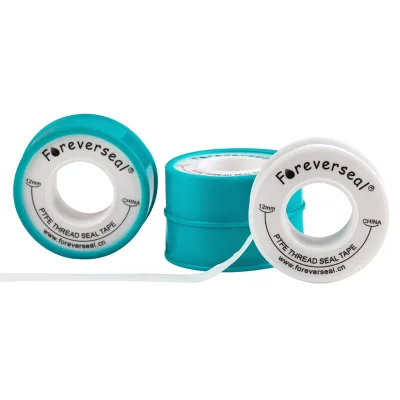
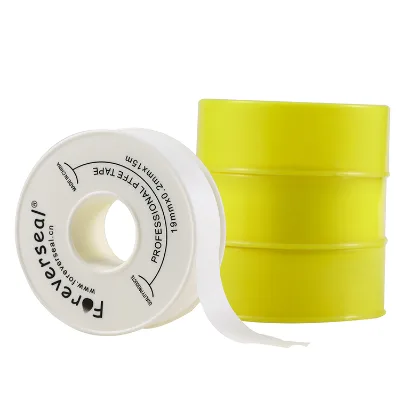
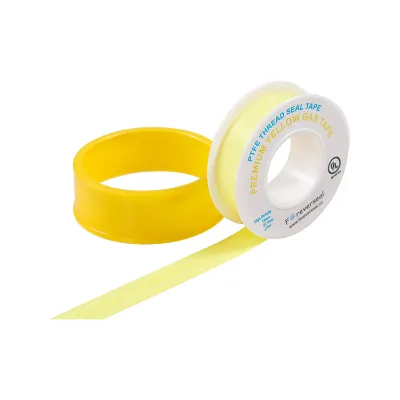
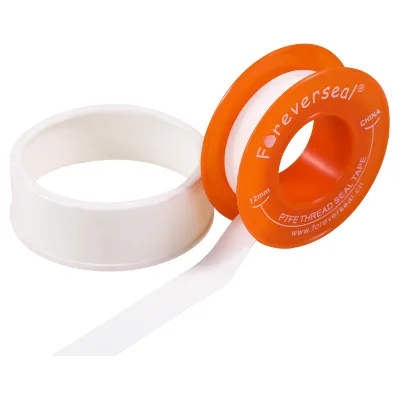
$0.0413 - $0.0619
MOQ: 20000 pieces
Jiangxi Mozhou New Material Co., Ltd.
- Verified by TüVRheinland
- Manufacturer, Trading Company
- Lead time30 days
- Avg. response≤ 6h
Main productsPTFE Thread Seal Tape
Main marketsMid East(15%), Southeast Asia(12%), Africa(12%)

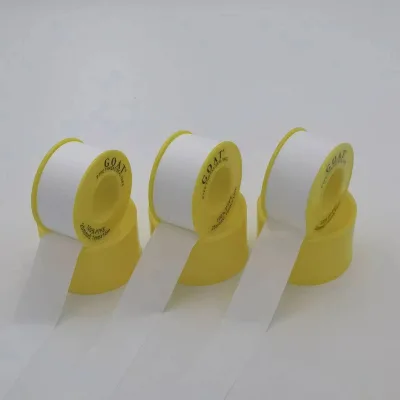
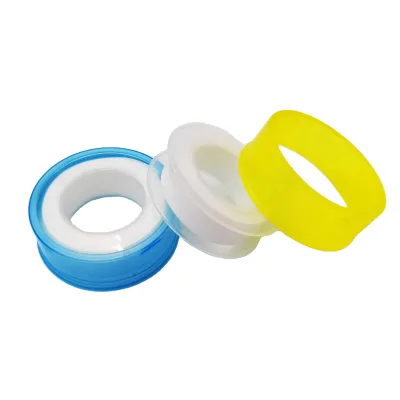
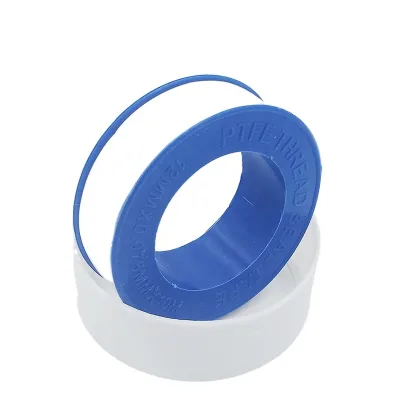
Fast Delivery Self-adhesive PVC Pipe Wrapping PTFE Thread Seal Tape for Industrial
$0.05 - $0.50
MOQ: 2 pieces
Hangzhou Linan Huajiang Trade Co., Ltd.
- Trading Company
- Zhejiang, China
- Lead time20 days
- Avg. response≤ 8h
Main productsPTFE Tape,Seal Tape
Main marketsSoutheast Asia(40.00%), Mid East(20.00%), South America(20.00%), South Asia(5.00%), Africa(5.00%), North America(5.00%), Eastern Asia(3.00%), Central America(2.00%)

Dongguan Sikede New Materials Co., Ltd.
- Verified by TUVRHEINLAND
- Combined
- China Guangdong
- Lead time15 days
- Avg. response≤ 5h
Main productsWire Harness Tape, Self Fusing Silicone Tape, Electrical and Power Tape, Customized Tape
Main marketsEurope

Jinshiling (heyuan) Technology Co., Ltd.
- Manufacturer, Trading Company
- Guangdong, China
- Lead time10 days
- Avg. response≤ 4h
Main productsPTFE Sheet,PTFE Rod,PTFE Tube,PTFE film,PTFE CNC Parts
Main marketsWestern Europe(15.00%), Domestic Market(15.00%), South America(15.00%), North America(15.00%), Southeast Asia(10.00%), Eastern Europe(10.00%), Northern Europe(10.00%), Eastern Asia(5.00%), Mid East(5.00%)
ZHEJIANG HFLON TRADING CO., LTD.
- Verified by SGS Group
- Manufacturer, Trading Company
- Lead time15 days
- Avg. response≤ 6h
Main productsPTFE Rod, PTFE Sheet, PTFE Tape, HDPE




Comprehensive Sourcing Guide
Industrial PTFE Thread Seal Tape Supplier Concentration and Factory Types
The current supplier landscape for Industrial PTFE Thread Seal Tape reveals a distinct geographic and operational concentration that buyers must navigate carefully. Evidence indicates that a significant portion of available suppliers are located in Zhejiang, China, with additional presence in Guangdong. This regional clustering suggests established supply chains for raw materials and manufacturing infrastructure, yet it also implies high competition and potential variability in quality control standards across different entities. Buyers should recognize that location alone does not guarantee reliability; rather, it serves as an initial filter for logistical planning and potential factory audits. The presence of suppliers in these specific provinces often correlates with specialized industrial zones dedicated to plastic processing and sealing materials, which can offer economies of scale but requires diligent verification of individual facility capabilities.
Regarding company types, the market features a mix of manufacturers and trading companies, each presenting distinct advantages and risks for procurement teams. Manufacturer entities are identified by their direct control over production processes, which can facilitate better customization and quality assurance for specific industrial applications. In contrast, trading companies may offer a broader portfolio of related products, such as butyl tape, foam tape, or warning tapes, providing convenience for buyers seeking multiple sealing solutions from a single source. However, trading companies introduce an additional layer of intermediation that can impact communication speed and price transparency. Buyers must distinguish between these types by examining the supplier’s declared main products and operational structure, ensuring that the chosen partner aligns with their specific needs for direct factory engagement or diversified sourcing convenience.
How to Verify Industrial PTFE Thread Seal Tape Suppliers
Verification of Industrial PTFE Thread Seal Tape suppliers requires a multi-layered approach that goes beyond basic profile reviews. One critical step is to check for third-party verification badges, such as BV certification, which indicates that an independent body has assessed the supplier’s business legitimacy and operational capabilities. This verification provides a baseline of trust, reducing the risk of engaging with fraudulent or non-existent entities. Buyers should prioritize suppliers who display such credentials prominently, as it demonstrates a commitment to transparency and adherence to international business standards. Additionally, examining the supplier’s response time can offer insights into their operational efficiency and customer service quality. A rapid response time, such as one day, suggests a well-staffed and responsive team, whereas slower responses may indicate potential bottlenecks in communication that could delay critical procurement processes.
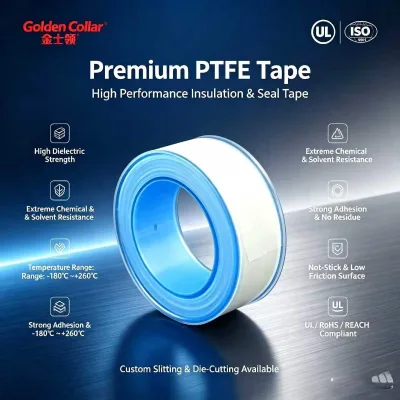
Beyond verification badges and response metrics, buyers must scrutinize the specific product attributes and certifications listed for the PTFE tape. Certifications such as ISO, REACH, and RoHS are crucial for ensuring that the materials comply with international safety and environmental regulations, particularly for applications in sensitive industries like automotive or HVAC. Buyers should request documentation for these certifications to verify their validity and scope. Furthermore, assessing the supplier’s customization capabilities is essential, as many industrial applications require specific dimensions, colors, or packaging solutions. Suppliers that offer customized sizes, colors, and packing options demonstrate flexibility and technical competence. Buyers should also verify the availability of samples, as testing physical products is the most reliable way to confirm quality before committing to large orders. This holistic verification process ensures that suppliers are not only legitimate but also capable of meeting specific technical requirements.
What to Compare Across Industrial PTFE Thread Seal Tape Suppliers
When evaluating multiple suppliers for Industrial PTFE Thread Seal Tape, buyers must systematically compare key operational and commercial metrics to identify the most suitable partner. One of the primary dimensions for comparison is the minimum order quantity (MOQ), which can vary significantly across suppliers. For instance, some suppliers may require an MOQ of 50,000 units, which is suitable for large-scale industrial buyers, while others might offer lower MOQs, such as 1,000 units, catering to smaller businesses or trial orders. Understanding these thresholds is crucial for inventory management and cash flow planning. Additionally, lead times and delivery schedules are critical factors that impact supply chain reliability. Suppliers with consistent delivery times, such as 15 to 20 days, allow for better production planning, whereas variable or extended lead times can disrupt operations. Buyers should compare these timelines against their production schedules to ensure timely receipt of materials.
Price and payment terms represent another vital area of comparison, as they directly affect the total cost of ownership. Buyers should analyze the price ranges offered by different suppliers, noting that prices can fluctuate based on order volume, specifications, and market conditions. For example, prices for standard PTFE tape may range from $0.04 to $0.07 per unit, while specialized or thicker tapes may command higher prices. It is essential to compare not just the unit price but also the total cost, including shipping, taxes, and any additional fees. Payment terms, such as TT (Telegraphic Transfer) or other agreed-upon methods, should also be evaluated for their impact on financial risk and cash flow. Furthermore, buyers should assess the supplier’s willingness to accept OEM orders and provide customization services, as these capabilities can add value by ensuring the product meets specific brand or application requirements. A comprehensive comparison of these factors enables buyers to make informed decisions that balance cost, quality, and service.
Common Industrial PTFE Thread Seal Tape Sourcing Risks
Sourcing Industrial PTFE Thread Seal Tape from international suppliers introduces several risks that buyers must proactively manage to ensure supply chain integrity. One significant risk is the variability in product quality, which can arise from differences in manufacturing processes and raw material sources. PTFE tape is a specialized product, and inconsistencies in thickness, density, or adhesive properties can lead to seal failures in critical applications. Buyers must mitigate this risk by requesting detailed product specifications and conducting rigorous quality checks upon receipt. Additionally, the risk of miscommunication regarding customization requirements is prevalent, especially when dealing with trading companies or suppliers with language barriers. Ambiguities in size, color, or packaging specifications can result in non-conforming products, leading to delays and additional costs. Clear and documented communication is essential to align expectations and ensure that the final product meets the buyer’s precise needs.
Another common risk is the potential for supply chain disruptions due to logistical challenges or supplier reliability issues. Suppliers located in distant regions may face delays in shipping or customs clearance, impacting delivery schedules. Buyers should assess the supplier’s logistics capabilities and track record for on-time delivery. Furthermore, the risk of financial fraud or non-delivery, although less common with verified suppliers, remains a concern in international trade. Buyers should utilize secure payment methods and consider using escrow services or letters of credit to protect their financial interests. Additionally, buyers must be aware of the risk of intellectual property infringement if they are sourcing custom-branded products. Ensuring that suppliers have the necessary rights to produce and sell customized items is crucial to avoid legal complications. By identifying and addressing these risks through thorough due diligence and contractual safeguards, buyers can minimize disruptions and ensure a smooth sourcing process.
Industrial PTFE Thread Seal Tape Regional Sourcing and Logistics
Regional sourcing of Industrial PTFE Thread Seal Tape from China, particularly from provinces like Zhejiang and Guangdong, offers distinct logistical advantages and challenges that buyers must consider. Zhejiang is known for its robust manufacturing infrastructure and proximity to major ports, which can facilitate efficient export processes. Suppliers in this region often benefit from established supply chains for raw materials and packaging, potentially reducing lead times and costs. However, buyers must also consider the logistical implications of sourcing from Guangdong, which, while also a major manufacturing hub, may have different port access and shipping routes. Understanding the specific location of the supplier is crucial for calculating accurate shipping costs and delivery times. Buyers should work with suppliers to determine the most cost-effective and reliable shipping methods, whether by sea, air, or express courier, depending on the urgency and volume of the order.
Logistics planning also involves managing customs clearance and import regulations in the buyer’s home country. Different regions may have varying requirements for documentation, tariffs, and compliance standards. Buyers must ensure that their suppliers provide accurate and complete shipping documents, including commercial invoices, packing lists, and certificates of origin. Additionally, buyers should consider the impact of seasonal fluctuations and global supply chain dynamics on shipping availability and costs. For instance, peak seasons may lead to container shortages and increased freight rates, affecting delivery schedules. By collaborating closely with suppliers and logistics partners, buyers can anticipate and mitigate these challenges. Furthermore, buyers should evaluate the supplier’s experience in international shipping and their ability to handle complex logistics scenarios. A supplier with a strong track record in exporting can provide valuable insights and support, ensuring that the goods arrive safely and on time, thereby maintaining the efficiency of the buyer’s supply chain.
Industrial PTFE Thread Seal Tape Commercial Terms and Order Planning
Effective order planning for Industrial PTFE Thread Seal Tape requires a strategic approach to commercial terms that aligns with the buyer’s operational and financial goals. One key aspect is negotiating flexible payment terms that balance risk and cash flow. While many suppliers prefer upfront payments or Telegraphic Transfers (TT), buyers may seek more favorable terms, such as partial payments or credit terms, especially for long-term partnerships. Understanding the supplier’s payment policies and negotiating accordingly can help manage financial exposure. Additionally, buyers should consider the implications of Incoterms, such as FOB, CIF, or EXW, on the total cost and responsibility for shipping and insurance. Choosing the appropriate Incoterm depends on the buyer’s logistics capabilities and risk tolerance. For instance, FOB terms place the responsibility for main carriage on the buyer, while CIF terms include cost, insurance, and freight, simplifying logistics for the buyer but potentially increasing the unit price.
Order planning also involves determining the optimal order quantity to balance inventory costs with supply security. Buyers must analyze their consumption rates and lead times to calculate the economic order quantity (EOQ). For suppliers with high MOQs, such as 50,000 units, buyers may need to coordinate with other departments or partners to consolidate orders and achieve economies of scale. Conversely, for suppliers with lower MOQs, buyers can maintain leaner inventory but may face higher per-unit costs. It is also crucial to establish clear communication channels for order tracking and issue resolution. Buyers should request regular updates on production status and shipping progress to anticipate any potential delays. Furthermore, buyers should plan for contingencies, such as buffer stock or alternative suppliers, to mitigate the risk of supply disruptions. By carefully managing commercial terms and order planning, buyers can optimize their procurement process, reduce costs, and ensure a reliable supply of Industrial PTFE Thread Seal Tape.
FAQs
What is the typical lead time for PTFE thread seal tape orders?
Manufacturers in Zhejiang, China typically require 15 to 20 days for delivery. This timeframe applies to standard production runs and may vary based on order volume. Buyers should confirm specific schedules with suppliers before finalizing purchase agreements to ensure timely project completion.
What is the minimum order quantity for industrial PTFE tape?
The standard minimum order quantity is 50,000 units for most Zhejiang-based manufacturers. Some trading companies in Guangdong may accept lower volumes, such as 1,000 units. Buyers should verify the specific MOQ with their chosen supplier to align with their procurement requirements.
What certifications are available for PTFE thread seal tape?
Suppliers often provide ISO, REACH, and RoHS certifications for their PTFE products. These credentials ensure compliance with international safety and environmental standards. Buyers should request valid certification documents directly from the supplier to verify product quality and regulatory adherence for their specific market.
What is the price range for wholesale PTFE thread seal tape?
Prices generally range from $0.04 to $0.20 per unit depending on specifications. Thicker or specialized tapes may cost more than standard 12mm white rolls. Buyers should compare quotes from multiple suppliers to secure the best value while meeting their quality and quantity needs.
Can I request samples before placing a bulk order?
Samples are available from many manufacturers in Zhejiang, China. Buyers can request these to verify material quality, thickness, and sealing performance before committing to large volumes. Confirm sample availability and any associated costs with the supplier to ensure the product meets your specific industrial requirements.
What sizes are commonly available for PTFE thread seal tape?
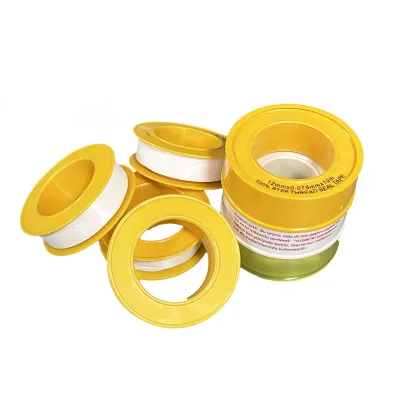
Common widths include 12mm and 19mm for various pipe fittings. Lengths typically range from 5 to 50 meters per roll. Custom sizes are also available from many suppliers. Buyers should specify their exact dimensions to ensure compatibility with their existing plumbing or mechanical systems.