Silicone Under Door Draft Stopper Suppliers and Manufacturers
Compare 18 suppliers of Silicone Under Door Draft Stopper products across location, product range, verification, response time, lead time, customization and pricing. Review listed specifications and certifications, then send inquiries to shortlisted manufacturers to confirm samples and order terms; review the available evidence before requesting comparable quotations from suitable candidates.
Suppliers List

Hebei Changlian Rubber and Plastic Products Co., Ltd
- Verified by SGS
- Combined
- China Hebei
- Lead time15 days
- Avg. response≤ 2h
Main productsRubber Seal Strip, Door Seal, Rubber Gasket, Oven Door Seal, Rubber Fender, Shower Door Seal, Sponge/Foam Seal Strip, Mud Flpas, Rubber Hose
Main marketsEurope,North America


Customized Flexible Silicone Rubber Door Bottom Seal Strip Door Draft Stopper
$1.10 - $1.50
MOQ: 500 Pieces


Door Weather Strips Silicone Rubber Door Bottom Sealing Strip Door Bottom Draft Stopper
$1.10 - $1.50
MOQ: 500 Pieces


Changzhou Dengyue Polymer Group Co., Ltd.
- Verified by CTI
- Combined
- China Jiangsu
- Lead time15 days
- Avg. response≤ 4h
Main productsFoam, Sponge, Foam Rubber, EPDM, Cr, PVC, PU, Filter Foam, PE/EVA, NBR
Main marketsSouth America,Africa,Southeast Asia/ Mideast,East Asia(Japan/ South Korea),Domestic,Europe,Australia,North America
Hebei Wohua Rubber Products Co., Ltd.
- Manufacturer, Trading Company
- Hebei, China
- Lead time7 days
- Avg. response≤ 1h
Main productsWooden door seal,EPDM sealing strip,TPE sealing,Silicone sealing strip,Home sealing strip
Main marketsNorth America(30.00%), Southeast Asia(20.00%), Africa(20.00%), South America(20.00%), Eastern Europe(10.00%)

Suzhou Swallow Company Limited
- Trading Company
- China Jiangsu
- Lead time30 days
- Avg. response≤ 10h
Main productsVacuum Cleaner, Dustbin, Garbage Bin, Janitor Cart, Garbage Bag, Hotel Equipments, Clean Towel, Mop Wringer Bucket, Clean Mop, Airport Trolley
Main marketsEurope,North America

Zhuhai Onaseal Technology Co., Ltd
- Verified by SGS
- Trading Company
- China Guangdong
- Lead time15 days
- Avg. response≤ 2h
Main productsEPDM Rubber Seals, EPDM Foam Sealing Strips, PU Foam Sealing Strips, Door and Window Brush Seals, Door Bottom Seals, Silicone Rubber Seals, Reinforced Filament Tape, Automotive Rubber Seals
Main marketsOthers(foreignTradeCapacity.exportBusinessCapacityMarketOther),Europe

40mm or 50mm Width Door Bottom Strip Seals Silicone Door Bottom Strips Draft Stopper
$0.01
MOQ: 1000 Meters


PU Foam Door Draft Stoppers for Bottom of Door Anti Wind Insulation Pest
$0.01 - $0.03
MOQ: 100 Meters
Changzhou Dengyue Polymer Group Co.,Ltd
- Verified by Intertek
- Manufacturer, Trading Company
- Lead time7 days
- Avg. response≤ 3h
Main productsSealing Foam Strip, Acoustic Foam, Protection Foam, Roof Series, Insulation Sponge
Main marketsNorth America(39%), Eastern Europe(16%), Western Europe(14%)
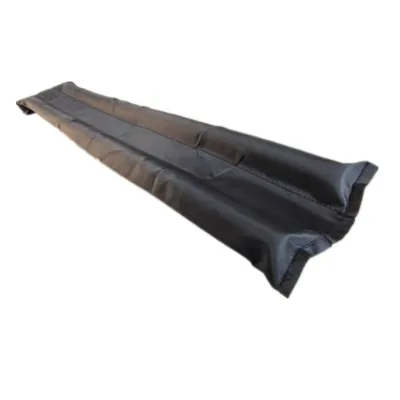
Double Side Washable Adjustable Fabric EPE Foam Under Door Draft Stopper
$0.79 - $1.05
MOQ: 500 pieces
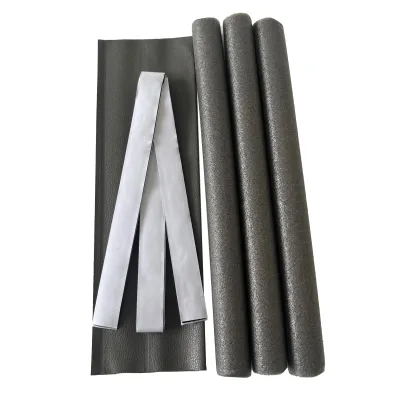
$0.55 - $0.94
MOQ: 500 pieces

Jinan Youlyy Industrial Co., Ltd.
- Verified by SGS
- Combined
- China Shandong
- Lead time15 days
- Avg. response≤ 7h
Main productsGlass Vials, Vial Caps, Rubber Stoppers, Glass Ampoules, Prefilled Syringes, Glass Test Tubes, Glass Tubes, Glass Bottles, Vial Bottles, Screw Vials
Main marketsSouth America,Southeast Asia/ Mideast,Europe

HEBEI HANGYUN RUBBER PRODUCTS CO.,LTD.
- Verified by CTI
- Combined
- China Hebei
- Lead time30 days
- Avg. response≤ 2h
Main productsCustom EPDM/NBR/Silicone Rubber Molding Parts, Rubber Seal Strip, Car Seal, Anti-Collision Protection Seal, Door and Window Seal, Self-Adhesive Sealing Strip, Rubber Hose, Edge Band/Edge Corner Protector Strip, Boat Ship Seal, Spiral Guard Hose
Main marketsSouth America,Others(foreignTradeCapacity.exportBusinessCapacityMarketOther),Southeast Asia/ Mideast,East Asia(Japan/ South Korea),Domestic,Europe,Australia,North America

Factory Supply Door Bottom Sealing Strip Guard Door Draft Silicone Stopper for Home
$0.80 - $1.20
MOQ: 100 Meters

Self Adhesive Rubber Silicone Weatherstrip Door Bottom Gap Sealing Strip Sweep Draft Stopper
$0.90 - $1.30
MOQ: 100 Meters

Flexible Self Adhesive Door Bottom Silicone Rubber Seal Strip Door Draft Stopper Blocker
$0.80 - $1.30
MOQ: 100 Meters


Self Adhesive Silicone Rubber Under Door Draft Stopper Bottom Sealing Strip Weatherstripping
$0.80 - $1.20
MOQ: 100 Meters

Hebei Changlian Rubber And Plastic Products Co., Ltd.
- Trading Company
- Hebei, China
- Lead time10 days
- Avg. response≤ 2h
Main productsRubber Seal Strip,Door Window Seal,Rubber Gasket,Oven Door Seal,Rubber Fender
Main marketsOceania(30.00%), North America(30.00%), Western Europe(15.00%), Southeast Asia(7.00%), Southern Europe(5.00%), Northern Europe(5.00%), Mid East(5.00%), South Asia(1.00%), Eastern Europe(1.00%), Eastern Asia(1.00%)

QINGDAO GOFAI RUBBER & PLASTIC PRODUCTS CO., LIMITED
- Verified by BV
- Combined
- China Shandong
- Lead time15 days
- Avg. response≤ 7h
Main productsResilient Sound Isolation Clip, Marine Rubber Fender, USB RJ45 HDMI DVI VGA PS2 SATA 2.0 Dust Cover, Dva Rubber Vibration Dumping, 3m Self Adhesive Rubber Pad, Washing Anti-Vibration Pads, Dock Fender, Tug Boat Fender, Ship Fender, Mooring Bollard
Main marketsSoutheast Asia/ Mideast,East Asia(Japan/ South Korea),Europe,Australia,North America

SHANGHAI QINUO INDUSTRY CO., LTD.
- Verified by SGS
- Combined
- China Shanghai
- Lead time15 days
- Avg. response≤ 5h
Main productsRubber O Ring, Rubber Seal, Rubber Product, Rubber Part, Oilfield Product, Wireline Tool, Completion Tool Repair Kit
Main marketsEurope,North America


Silicone Rubber Door Stopper to Protect Door and Wall Accept Custom Color/Size/Hardness/Shape
$0.26 - $0.30
MOQ: 5000 Pieces


Changzhou Galaxy Rubber and Plastic Technology Co., Ltd.
- Verified by TUVRHEINLAND
- Combined
- China Jiangsu
- Lead time15 days
- Avg. response≤ 5h
Main productsPE Foam, EVA Foam, PE Roll, EVA Roll, EVA Packing, EVA Mat
Main marketsSoutheast Asia/ Mideast,Europe
Hebei Weiwei Rubber And Plastic Seal Co., Ltd.
- Manufacturer, Trading Company
- Hebei, China
- Lead time7 days
- Avg. response≤ 2h
Main productsSilicone Seal Strip
Main marketsNorth America(30.00%), Southeast Asia(20.00%), South America(15.00%), Western Europe(15.00%), Mid East(10.00%), Northern Europe(10.00%)

Tianjin Wortai International Trade Co., Ltd.
- Verified by SGS
- Trading Company,Manufacturer/Factory
- China Tianjin
- Lead time23 days
- Avg. response≤ 4h
Main productsRubber Seal, Door Seal, Shower Door Seal Strip, Shower Screen Seals, Magnetic Shower Seals, Window Screen Mesh, Cleaning Ball, Rubber Fender, Auto Door Seal, Weather Strip
Main marketsSouth America,Eastern Europe,Mid East,North America,Southeast Asia,Western Europe

Kejian Polymer Material(Shanghai) Co., Ltd.
- Verified by TUVRHEINLAND
- Combined
- China Shanghai
- Lead time15 days
- Avg. response≤ 4h
Main productsButyl Tape, Sealant Tape, Butyl Sealant, Waterproof Tape, Vacuum Tape, Tacky Tape, Sealant, Waterproof Membrane, Industrial Tape, Acrylic Tape
Main marketsSouth America,Southeast Asia/ Mideast,East Asia(Japan/ South Korea),Europe,Australia,North America

- Verified by TUVRHEINLAND
- Combined
- China Guangdong
- Lead time30 days
- Avg. response≤ 7h
Main productsCabinet Handle, Door Handle, Door Lock, Furniture Knob, Cabinet Hinge, Drawer Slide, Door Hinge, Mortise Lock, Cylinder Lock, Door Stopper
Main marketsSouth America,Southeast Asia/ Mideast,Europe

Zhenjiang Trumy Industrial Co., Ltd.
- Trading Company,Manufacturer/Factory
- China Jiangsu
- Lead time30 days
- Avg. response≤ 22h
Main productsFurniture Hardware, Door Hardware, Fastener, Building Material, Bathroom Accessory, Kitchen Accessory, BBQ Grills&Outdoor Cooking, Fire Pit&Fire Place, Outdoor Furniture, Toilet Partitions Accessories
Main marketsSouth America,Eastern Europe,Mid East,North America,Southeast Asia,Eastern Asia,Oceania,Western Europe,Africa

Jiangmen Yako Hardware Manufacturer Co.,Ltd
- Verified by TUVRHEINLAND
- Manufacturer/Factory
- China Guangdong
- Lead time45 days
- Avg. response≤ 2h
Main productsDoor Hinge, Door Handle, Door Stopper, Door Lock, Shower Door Hinge, Glass Clamp, Furniture Handle, Mailbox, Railing Bracket, Pull Handle
Main marketsSouth America,Eastern Europe,Mid East,North America,Southeast Asia,Eastern Asia,Oceania,Western Europe,Africa





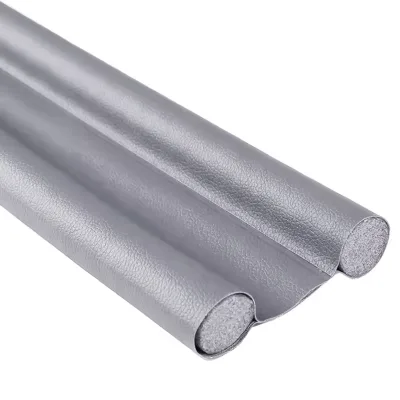


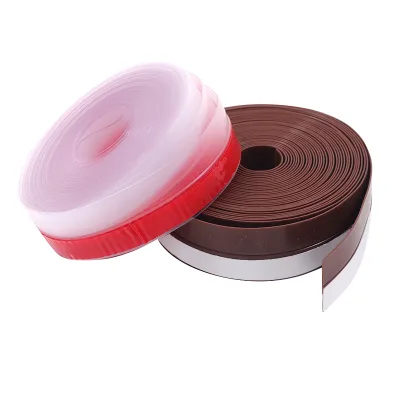


Comprehensive Sourcing Guide
Silicone Under Door Draft Stopper Supplier Concentration and Factory Types
Current data indicates a concentration of manufacturing activity in China Hebei, specifically within the Qinghe region, where suppliers list rubber seal strips and door seals as primary outputs. These facilities often operate as combined entities capable of both Original Design Manufacturing and Original Equipment Manufacturing, suggesting a flexible production model that can adapt to specific buyer requirements for custom dimensions or materials. The presence of suppliers in this cluster implies a localized supply chain for raw rubber and foam materials, which may streamline the production of silicone rubber under door draft stoppers and related weather stripping products. Buyers should verify if a specific factory's main product list explicitly includes silicone rubber seals, as some suppliers in the region may focus primarily on EPDM, PVC, or foam variants rather than the silicone materials required for high-performance sealing applications.
In contrast, other sourcing regions like China Jiangsu appear in the results with a different product focus, often centering on foam, sponge, and various rubber compounds like NBR or PU. While these suppliers may offer door draft stoppers, their core competency might lean toward foam-based solutions rather than the solid silicone rubber strips found in the Hebei cluster. When evaluating factory types, buyers must distinguish between pure manufacturers and trading companies that aggregate products from multiple sources. The available data shows some suppliers are verified by third-party agencies like SGS or CTI, which serves as a proxy for operational legitimacy, but this verification status does not automatically confirm the specific manufacturing capability for silicone rubber. Buyers should request factory audit reports to confirm the actual production lines dedicated to silicone vulcanization and extrusion processes.
How to Verify Silicone Under Door Draft Stopper Suppliers
Verification of a supplier's capability begins with checking their third-party verification status, as the current results show some entities are verified by SGS while others hold CTI verification. These external validations provide a baseline of trust regarding the company's business license and operational history, but they do not guarantee the specific quality of the silicone rubber products offered. Buyers must look for evidence of system certifications, though the current data indicates some suppliers list "Others" or "NIL" for system certifications, which requires further inquiry into whether they hold ISO 9001 or specific material safety certifications relevant to rubber products. A lack of displayed certification should prompt a direct request for valid certificates rather than assuming the supplier meets international standards.
Beyond verification badges, buyers should scrutinize the product attributes listed in the supplier catalog to ensure they match the required technical specifications for silicone under door draft stoppers. The data reveals specific attributes such as vulcanization methods, with some products utilizing continuous vulcanization while others use non-continuous processes, which significantly impacts the durability and consistency of the final seal. Buyers must confirm that the supplier's product attributes explicitly state "Silicone Rubber" and match the required sectional shapes, such as T-Shape or O-Shape, rather than generic rubber descriptions. Additionally, checking the response time metrics, which range from approximately one to three hours in the current data, can indicate the supplier's operational efficiency and willingness to engage in technical discussions regarding custom silicone formulations or color options.
What to Compare Across Silicone Under Door Draft Stopper Suppliers
When comparing potential partners, the minimum order quantity (MOQ) is a critical differentiator, as the current data shows a wide variance ranging from 500 units to 1000 units depending on the specific product model and customization level. Suppliers offering lower MOQs may be more suitable for startups or trial orders, while those requiring higher volumes might offer better economies of scale for large-scale procurement. Buyers should also compare the price ranges, which currently span from approximately $0.55 to $2.00 per unit, noting that lower prices often correlate with specific material compositions like foam or non-silicone rubber blends rather than pure silicone. It is essential to verify if the quoted price includes the cost of custom molds, as some listings indicate "Custom Made" models which may incur additional tooling fees not reflected in the base unit price.
Lead time and response speed are equally vital metrics for supply chain planning, with observed lead times around 15 days and response times varying between 1.02 and 3.32 hours. A supplier with a faster response time may be better equipped to handle urgent inquiries or last-minute design changes, while a consistent 15-day lead time suggests a stable production schedule. Buyers should also compare the customization capabilities, as the data confirms that most suppliers offer customization for product models, colors, and dimensions, but the extent of this flexibility varies. Some suppliers list specific standard sizes like 50mm or 960mm, while others emphasize "Custom Made" capabilities, requiring buyers to clarify the minimum order requirements for non-standard dimensions to avoid unexpected costs or delays in the production cycle.
Common Silicone Under Door Draft Stopper Sourcing Risks
One significant risk involves the ambiguity of material composition, as product listings often group silicone with other rubber types like EPDM, PVC, or foam under broad categories such as "Rubber & Plastics." Buyers must ensure that the specific product attributes explicitly confirm the use of silicone rubber, as some listings describe "Silicone Rubber" while others focus on "Foam" or "Leather" materials that may not meet the thermal or chemical resistance requirements of a true silicone draft stopper. The data shows variations in vulcanization methods, with some products using continuous vulcanization and others using non-continuous processes, which can lead to inconsistencies in product quality if the buyer does not specify the required manufacturing standard. Relying solely on product titles without verifying the detailed attributes can result in receiving materials that degrade quickly or fail to provide the intended weatherproofing.
Another risk is the potential mismatch between the claimed customization capabilities and the actual production capacity of the supplier. While many suppliers list "Customization: Available," the data indicates that some have specific standard models like "DY-D1" or "DengYue" with fixed dimensions, suggesting that true custom molding might be limited to specific order volumes or require additional lead time. Buyers should verify if the supplier has the necessary equipment for continuous vulcanization if high-volume, consistent production is required, as non-continuous methods may result in batch-to-batch variations. Furthermore, the lack of specific system certifications for some suppliers in the data highlights the risk of sourcing from entities that may not adhere to rigorous quality control protocols, necessitating a thorough pre-shipment inspection to ensure the final product meets the buyer's performance standards for wind, water, sound, and dust proofing.
Silicone Under Door Draft Stopper Regional Sourcing and Logistics
The current data identifies China Hebei as a primary manufacturing hub for rubber seal products, with specific origins noted in Hebei Qinghe, suggesting a concentrated industrial cluster for this category. Sourcing from this region may offer logistical advantages due to the proximity of raw material suppliers and specialized rubber processing facilities, potentially reducing lead times for standard items. However, buyers should also consider the presence of suppliers in other regions like China Jiangsu, which may offer different product mixes focused on foam and sponge materials. When evaluating regional sourcing, it is crucial to verify the specific origin listed in the product attributes, as "China" is a broad designation that does not guarantee the specific manufacturing location or the associated logistical benefits of a specialized cluster.
Logistics planning must account for the packaging standards listed in the supplier data, which vary from simple plastic bags to more robust carton boxes, depending on the product type and order volume. Some suppliers specify "Plastic Bag + Carton Box" for standard items, while others offer customizable packaging options, which can impact shipping costs and product protection during transit. Buyers should confirm the packaging details for custom orders to ensure that the silicone rubber strips are protected from deformation or contamination during shipping. Additionally, the response time metrics observed in the data suggest that communication efficiency may vary by region, with some suppliers responding within an hour while others take longer, which can affect the speed of resolving logistics issues or coordinating shipment schedules.
Silicone Under Door Draft Stopper Commercial Terms and Order Planning
Commercial terms regarding pricing and payment should be carefully analyzed, as the current data shows a price range from $0.55 to $2.00 per unit, with specific minimums and maximums varying by product model and customization level. Buyers must clarify whether the quoted price includes all costs such as tooling, packaging, and shipping, as some listings indicate "Custom Made" models that may involve additional fees not immediately apparent in the base price. The minimum order quantities observed, ranging from 500 to 1000 units, should be factored into the order planning to ensure that the total order value aligns with the buyer's budget and inventory requirements. It is also important to verify if the supplier supports sample orders, as some data points indicate "Sample: Support," which can be a valuable step before committing to a larger production run.
Order planning must also consider the lead time and production capacity, with the data indicating a standard lead time of 15 days for many suppliers. Buyers should confirm if this lead time applies to both standard and custom orders, as customization often extends the production schedule. The availability of OEM and ODM services suggests that suppliers can accommodate design changes, but buyers should establish clear timelines for design approval and sample confirmation to avoid delays. Additionally, the verification status of the supplier, such as SGS or CTI, should be considered when negotiating payment terms, as verified suppliers may offer more secure payment options or escrow services. Buyers should ensure that the commercial terms explicitly state the warranty period and return policy for defective products to mitigate risks associated with quality issues.
FAQs
What is the price range for silicone under door draft stoppers?
Prices for silicone under door draft stoppers typically range from 0.55 to 2.00 per unit depending on the specific model and customization. Some standard options start at 0.55 while specialized rubber seals can reach up to 2.00. Buyers should verify exact pricing based on their required quantity and specific product attributes.
What are the minimum order quantities for these products?
Minimum order quantities vary significantly among suppliers, with some requiring as few as 500 units while others demand 1000 units. The specific MOQ depends on the product type and whether customization is requested. Buyers must check individual supplier listings to confirm the exact minimum order requirement before placing an order.
How long does it take to receive these draft stoppers?
Lead times for silicone under door draft stoppers are generally around 15 days for standard orders. Response times from suppliers vary, with some replying within one day and others taking longer. Buyers should confirm the specific delivery schedule with the supplier to ensure it meets their project timeline requirements.
Where are these silicone draft stoppers manufactured?
Manufacturing locations for these products include regions in China such as Hebei and Jiangsu. Specific origins like Hebei Qinghe are noted for certain rubber seal strips. Buyers should verify the exact production location for each supplier to ensure it aligns with their sourcing preferences and logistics planning.
Are these products customizable for specific needs?
Yes, customization is available for many silicone under door draft stoppers including custom models and specific dimensions. Suppliers offer options for different colors, shapes, and functional requirements like noise reduction or waterproofing. Buyers should specify their unique needs to ensure the final product meets their exact installation and performance criteria.
What certifications do these suppliers hold?
Some suppliers hold verification from SGS while others have CTI verification. System certifications vary, with some listing others or having no specific certification listed. Buyers should request current certification documents directly from the supplier to confirm compliance with their specific industry standards and safety requirements.
What functions do these door seals provide?
These seals provide multiple functions including wind, water, sound, dust, and insect proofing. Some models also offer noise reduction, shock absorption, and pest control capabilities. The specific function depends on the material and design, so buyers should review product attributes to select the seal that best fits their environmental needs.