Silicone Suction Baby Feeding Bowl and Spoon Set Suppliers and Manufacturers
Source 19 verified suppliers for Silicone Suction Baby Feeding Bowl and Spoon Set. Compare dimensions including FDA certification, ISO 9001 standards, lead times, and response rates. Review product attributes and request quotes to streamline procurement; review the available evidence before requesting comparable quotations from suitable candidates.
Suppliers List

Milesun Rubber & Plastic Technology Co., Ltd.
- Verified by CTI
- Manufacturer/Factory
- China Guangdong
- Lead time23 days
- Avg. response≤ 12h
Main productsRubber Components, Rubber Damper/Shock Absorber/Sheet, Rubber-Metal Components, Sealing Ring, Home Appliance Rubber and Metal Components, Power Tool Rubber and Metal Components, Auto Rubber and Metal Components, Sanitary Rubber and Metal Components, Kitchen Ware / Daily Use Rubber Products, Food Grade Rubber Products/Toy
Main marketsSouth America,Eastern Europe,Mid East,North America,Southeast Asia,Eastern Asia,Oceania,Western Europe,Africa
Jiangmen Yitong Silicone And Plastic Products Co., Ltd.
- Verified by SGS Group
- Manufacturer, Trading Company
- Lead time15 days
- Avg. response≤ 4h
Main productsSilicone Pet Bowls, Silicone Sink Dish Rack/Silicone Collapsible Cups/Silicone Water Bottles, Silicone Baby Spoon
Main marketsNorth America(50%), Western Europe(38%), Northern Europe(10%)

- Verified by TUVRHEINLAND
- Trading Company
- China Jiangsu
- Lead time30 days
- Avg. response≤ 5h
Main productsSugarcane Bagasse Tableware, Cornstarch Tableware, Cpla Tableware, Wooden/Bamboo Cutlery, Paper Food Container, Kraft Paper Box, Plastic Dinnerware Sets, Plastic Plates/Bowls, Plastic Cutlery/Silverware, Plastic Cups/Tumblers
Main marketsSoutheast Asia/ Mideast

Jinjiang Naike Eco Technology Co., Ltd.
- Verified by SGS
- Trading Company
- China Fujian
- Lead time30 days
- Avg. response≤ 2h
Main productsKeychain, Promotional Gifts, Shoes Charm, Straw Toppers, Pencil Toppers, Christmas Decoration, Party Decoration, Toy, Metal Craft, Silicone Products
Main marketsEurope,North America

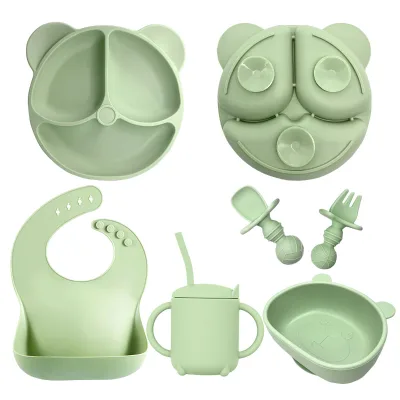
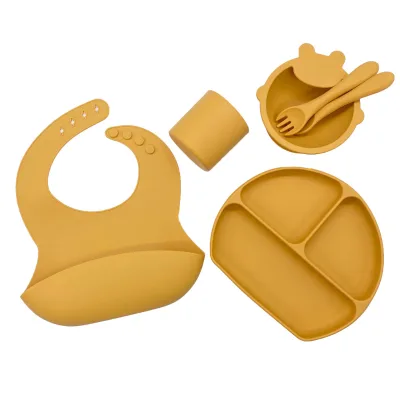
Hot Sale Custom Silicone Baby Feeding Bowl Set Baby Learning Dinnerware Suction Spoon and Bowls Set
$2.48 - $2.56
MOQ: 300 Pieces

$2.28 - $2.36
MOQ: 300 Pieces

Factory Custom Food Grade Silicone Baby Bowl Feeding Feed Baby Suction Bowl Set
$1.27 - $1.35
MOQ: 500 Pieces

High Quality Custom Strong Suction Bowl Spoon Set Food Grade Silicone Baby Feeding Bowl Set
$2.02 - $2.12
MOQ: 300 Pieces

BPA Free Silicone Baby Feeding Set for Kids Dining Spoon Toddler Dishes Plates Bowl Baby Feeding Set
$4.79 - $4.91
MOQ: 200 Pieces


Xiamen Newtop Material Company
- Verified by TUVRHEINLAND
- Combined
- China Fujian
- Lead time15 days
- Avg. response≤ 2h
Main productsSilicone Pet Prodcuts, Silicone Housewares Product, Silicone Baby Product, Silicone Parts, Silicone Cap, Silicone Breast Pump, Slow Feeder, Silicone Pet Mat, Silicone Gasket, Silicone Hose
Main marketsEurope,North America


Silicone Bib Spoon Bowl Baby Tableware Waterproof Silicone Baby Feeding Set
$7.73 - $9.50
MOQ: 50 Pieces


Guangdong RoRo Baby Products Co., Ltd.
- Verified by TUVRHEINLAND
- Manufacturer/Factory
- China Guangdong
- Lead time23 days
- Avg. response≤ 2h
Main productsBaby Bottle Baby Feeding Bottle Baby Feeder, Nipple Teat Baby Bottle Nipple, Pacifier Soother Baby Pacifier, Teether Baby Teether Baby Soother, Water Cup Baby Drink Cup Baby Training Cup, Food Container Milk Powder Box Milk Powder Case, Baby Water Bottle, Breast Pump Breast Shield Silicone Breast Pump, Manual Breast Pump Baby Bowl Baby Spoon, Fruit Feeder Glass Bottle Food Feeder Baby Care
Main marketsSouth America,Eastern Europe,Mid East,North America,Southeast Asia,Eastern Asia,Oceania,Western Europe,Africa


Hot Selling Temperature Sensing Silicone Baby Feeding Spoon and Fork Set Baby Supplies & Products
$0.25 - $0.65
MOQ: 1000 Pieces


Kingsun Baby Products Co., Ltd.
- Verified by TUVRHEINLAND
- Trading Company,Manufacturer/Factory
- China Guangdong
- Lead time23 days
- Avg. response≤ 5h
Main productsBaby Bottle, Nipple, Pacifier, Breast Pump, Teethers, Baby Water Bottle, Nasal Aspirator, Baby Dinner Set, Baby Products, Feeding Accessories
Main marketsSouth America,Eastern Europe,Mid East,North America,Southeast Asia,Oceania,Western Europe,Africa
Jinhua Ivy Home Textile Co., Ltd.
- Manufacturer, Trading Company
- Lead time旺季: "1 - 500":30,"501 - 3000":40,"> 3000":"To be negotiated", 淡季: "1 - 500":30,"501 - 3000":40,"> 3000":"To be negotiated"
- Avg. response≤ 2h
Main productsBaby Products

- Verified by CTI
- Trading Company
- China Zhejiang
- Lead time23 days
- Avg. response≤ 14h
Main productsEarring, Vase, Scented Candles, Hair Ties, Bags
Main marketsSouth America,Europe,North America

Guangdong Huangxing Baby Products Co., Ltd.
- Verified by SGS
- Combined
- China Guangdong
- Lead time30 days
- Avg. response≤ 11h
Main productsBaby Bottle Water Bottle Baby Bottle Brush
Main marketsOthers(foreignTradeCapacity.exportBusinessCapacityMarketOther),Southeast Asia/ Mideast,North America
Shenzhen Feiaoda Technology Co., Ltd.
- Manufacturer, Trading Company
- Lead time旺季: "1 - 50":7,"51 - 1000":12,"1001 - 5000":14,"> 5000":"To be negotiated", 淡季: "1 - 50":7,"51 - 1000":12,"1001 - 5000":14,"> 5000":"To be negotiated"
- Avg. response≤ 3h
Main productsSilicone Lunch Bento Box, Silicone Kitchenware Set, Silicone Water Bottle Products, Silicone Baby Feeding Products, Silicone Pet Products
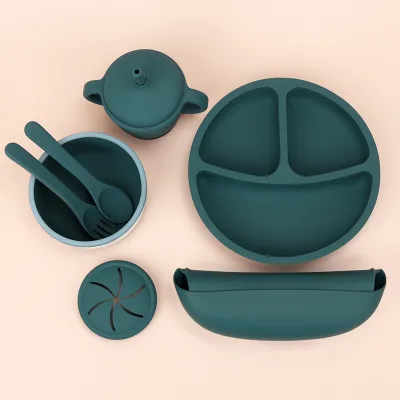
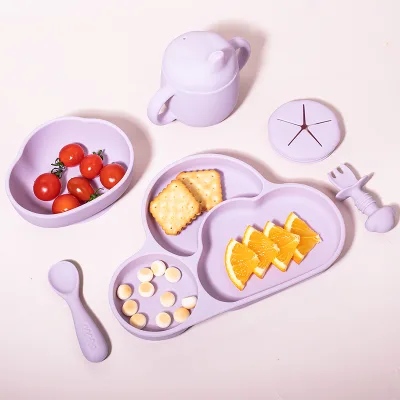
Silicone Baby Feeding Set 0-12 Months Spoon Bowl Suction Plate Food Grade PVC Free
Contact supplier
MOQ: 300
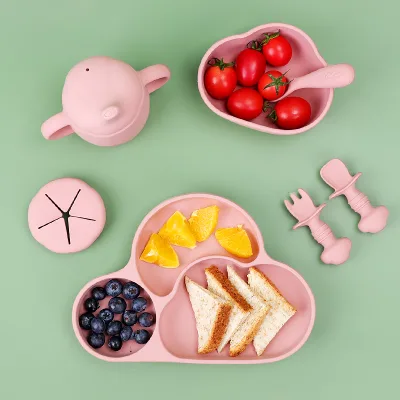

Dongguan Yangtai Silicone Products Co., Ltd
- Verified by SGS
- Combined
- China Guangdong
- Lead time15 days
- Avg. response≤ 3h
Main productsSilicone Bag, Silicone Pencil Case, Silicone Products, Silicone Kitchenware, Silicone Toys, Silicone Mold, Silicone Tap Night Light, Silicone Gift
Main marketsDomestic

Silicone Baby Suction Bowl with Spoon & Fork, BPA-Free Toddler Feeding Set in Pastel Colors
$1.43 - $1.47
MOQ: 500 Pieces

Pastel Silicone Baby Feeding Set, Suction Fork+ Spoon & Bowl for Self-Feeding Toddlers
$1.43 - $1.47
MOQ: 500 Pieces
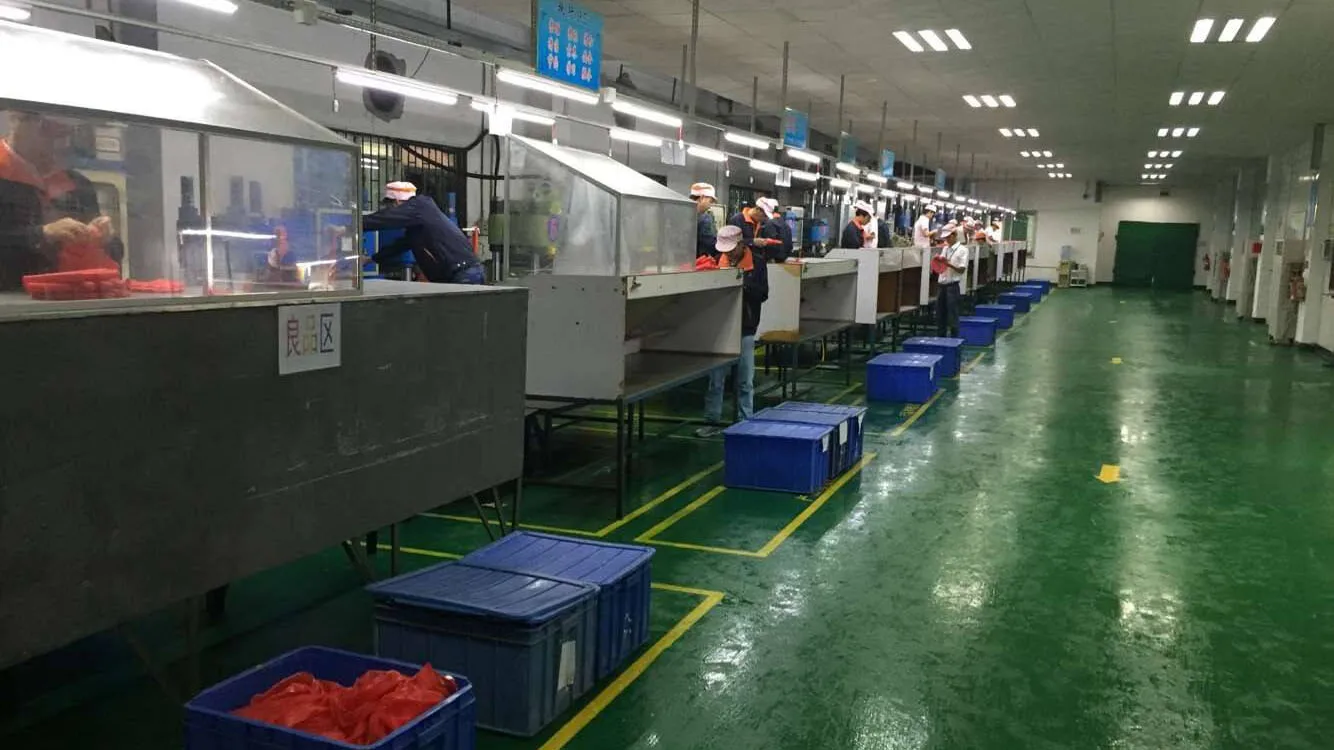
Dongguan Yi Mei Rubber And Plastic Products Co., Ltd.
- Manufacturer, Trading Company
- Gongdong, China
- Lead time7 days
- Avg. response≤ 5h
Main productsHome and Kitchen,koozie Neoprene Can Cooler
Main marketsNorth America(62.00%), South America(21.00%), Southeast Asia(7.00%), Eastern Europe(7.00%), Africa(3.00%)
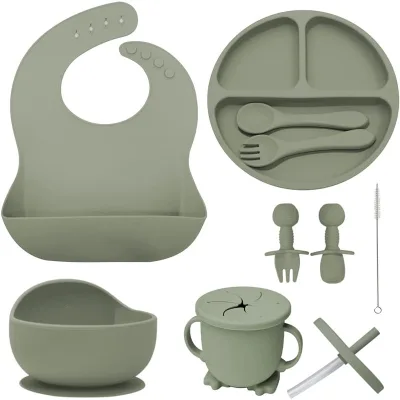
10pcs Set Baby Feeding Set Suction Baby Silicone Spoon Plate Bowl With Sucker
$4.51 - $5.18
MOQ: 100 pieces
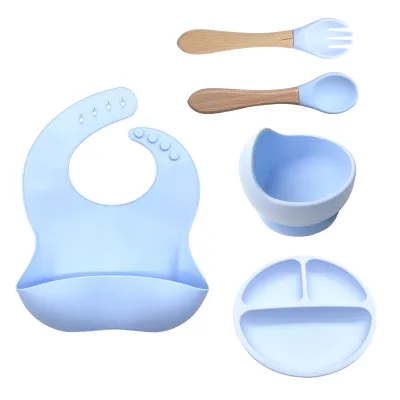
Bpa Free Silicone Toddler Feeding Eating Utensils Dish Set With Bibs Spoon Fork Baby Feeding Set
$4.33 - $5.05
MOQ: 10 pieces

Shenzhen Color Life Lighting Co., Ltd
- Trading Company
- China Guangdong
- Lead time15 days
- Avg. response≤ 3h
Main productsLED Beauty Mask, LED Silicone Facial Mask, Slow Feeder Silicone Bowl, Silicone Bath Toys, Silicone Pet Use Accessories, Silicone Stacking Toy, Silicone Baby Plate, Silicone Pet Bowl, LED Silicone Face Mask, Red Light Therapy Mask
Main marketsSoutheast Asia/ Mideast,East Asia(Japan/ South Korea),Europe,Australia,North America


Resuable Food Grade Silicone Bowl Spoon Sets Dinnerware Silicone BPA Free Baby Feeding Set
$7.00 - $8.35
MOQ: 2 Pieces

BPA Free Baby Feeding Set Plate Silicone Baby Feeding Set for Baby Suction Bowl
$4.70 - $5.10
MOQ: 2 Sets

BPA Free Silicone Baby Feeding Set with Baby Bib Bowl Spoon Plate for Toddler
$3.00 - $4.00
MOQ: 1000 Sets


Qingdao ShengHong Rubber and Plastic Co., Ltd
- Verified by TUVRHEINLAND
- Trading Company
- China Shandong
- Lead time15 days
- Avg. response≤ 8h
Main productsOil Sealing, Damping and Buffering, Flexible Fittings for Fluid Pipelines, Protective Seals, Sealing Strip, Metal Stamped Products, Framework Oil Seals, Stamping, Rubber Product, Rubber Seal
Main marketsEurope

- Verified by TUVRHEINLAND
- Combined
- China Guangdong
- Lead time15 days
- Avg. response≤ 3h
Main productsPhone Case, Sex Toy, Silicone Kitchenwares, Sex Doll, Silicone Electronic Accessories, Keychain, Bracelets, Silicone Necklace, Silicone Cup Mat, Silicone Ashtray
Main marketsSoutheast Asia/ Mideast,East Asia(Japan/ South Korea),Europe,North America

Zhongshan Mingxin Silicone Manufactory
- Verified by SGS
- Combined
- China Guangdong
- Lead time15 days
- Avg. response≤ 6h
Main productsSilicone Kitchenware, Silicone Keypaid, Silicone Bracelet, Silicone Wristband, Silicone Ashtray, Silicone Tube, Silicone Watch, Silicone Rubber, Silicone Sex Doll, Silicone Mold
Main marketsEurope,North America

$16.00 - $17.66
MOQ: 100 Sets


4PCS/5PCS Set Soft Safe Silicone Baby Feeding Bowl Spoon Bib Fruit Feeder Set
$1.28 - $1.40
MOQ: 100 Pieces

Heat Resistant Easy Cleaning Baby Feeding Set Silicone Bib Bowl Spoon Set for Newborn Baby Gifts
$5.00 - $6.00
MOQ: 50 Pieces

Shenzhen Kingod Silicone Products Co., Ltd
- Verified by TUVRHEINLAND
- Combined
- China Guangdong
- Lead time15 days
- Avg. response≤ 2h
Main productsBaby Set, Baby Products, Baby Goods, Breast Pump, Face Mask, Baby Bottle, Medical Components, Phone Case, Silicone Kitchen Products, Toys
Main marketsNorth America

Suzhou Honychem Specialties Manufacture Co., Ltd.
- Verified by BV
- Trading Company,Manufacturer/Factory
- China Jiangsu
- Lead time15 days
- Avg. response≤ 2h
Main productsSilicone Seal, Rubber Seal, Silicone Parts, Silicone Tube, Rubber O Ring, Silicone Keyboard, Silicone Rubber Keyboard Button, Rubber Gasket, Silicone Rubber, Rubber Parts
Main marketsSouth America,Eastern Europe,Mid East,North America,Southeast Asia,Eastern Asia,Oceania,Western Europe,Africa

Toddler Baby Silicone Bibs with Divided Baby Feeding Bowls Dishes Spoon Set
$1.20 - $2.50
MOQ: 100 Pieces






Comprehensive Sourcing Guide
Silicone Suction Baby Feeding Bowl and Spoon Set Supplier Concentration and Factory Types
Current data indicates a concentration of manufacturing capabilities within China Guangdong, where specific factories produce rubber components, sealing rings, and specialized silicone baby feeding products. These facilities often operate as manufacturers or factories, offering a blend of rubber and metal component expertise that extends into food-grade silicone applications. Some entities in this region also function as trading companies, bridging the gap between production and global distribution while maintaining access to diverse product lines like silicone pet bowls and collapsible cups. The presence of established industrial clusters in Guangdong suggests a mature supply chain for rubber and silicone processing, though buyers must verify if a specific supplier is a direct manufacturer or a trading intermediary before committing to large orders.
In contrast, other sourcing regions like China Jiangsu appear in the results primarily through trading companies dealing in alternative materials such as sugarcane bagasse and cornstarch tableware. While these suppliers may not specialize in silicone suction bowls, their presence highlights the need for buyers to distinguish between pure silicone manufacturers and general kitchenware traders. A supplier in Jiangsu might offer a broader range of eco-friendly disposables but lack the specific rubber molding capabilities found in Guangdong. Buyers should therefore scrutinize the main product list of any potential partner to confirm they specialize in silicone baby feeding sets rather than general plastic or paper dinnerware. This distinction is critical for ensuring the supplier possesses the necessary technical capacity for food-grade silicone molding and suction cup integration.
How to Verify Silicone Suction Baby Feeding Bowl and Spoon Set Suppliers
Verification of supplier credibility relies heavily on third-party audit reports and specific certification claims found in the product data. Several suppliers in the current results display verification status from recognized bodies such as CTI and SGS Group, which provides a baseline level of trust regarding their operational integrity. Additionally, system certifications like TS 16949, ISO 9001, and ISO 14001 are explicitly listed for certain manufacturers, indicating adherence to quality management and environmental standards. Buyers must cross-reference these claims with the specific product attributes, ensuring that the certifications listed for the company align with the FDA, LFGB, or REACH certifications required for the silicone baby feeding products themselves.
Beyond general company verification, buyers should examine the specific product evidence provided for each item to confirm material safety and compliance. Product attributes frequently list certifications such as FDA, CE, LFGB, CIQ, and EEC, which are essential for baby feeding items that come into direct contact with food. Some listings also mention compliance with RoHS and REACH standards, further validating the safety of the organic silicone materials used. However, not all suppliers display the same level of documentation; some may only list general plastic product certifications like UL or CE without specific food-grade validation. Buyers must request detailed test reports for the specific model numbers, such as SPB0025 or SGD-007, to ensure the claimed certifications apply to the actual batch of goods being ordered rather than just the company's general portfolio.
What to Compare Across Silicone Suction Baby Feeding Bowl and Spoon Set Suppliers
When evaluating potential partners, response time and lead time are critical operational metrics that vary significantly across the supplier base. Current data shows response times ranging from approximately four hours to over eleven hours, with lead times for production spanning from fifteen to twenty-three days. A supplier with a four-hour response time and a fifteen-day lead time may be better suited for urgent orders or rapid prototyping, whereas a supplier with an eleven-hour response and twenty-three-day lead time might be more appropriate for large, planned production runs. Buyers should prioritize suppliers whose response speeds align with their communication needs and whose lead times fit within their inventory planning cycles to avoid stockouts or delays in product launches.
Minimum Order Quantities (MOQ) and pricing structures also require careful comparison to ensure alignment with the buyer's business model. Product listings indicate MOQs that can range from 500 sets to 1000 pieces, with unit prices varying based on customization and material specifications. For instance, some silicone baby spoon sets have an MOQ of 1000 pieces with a price range starting around $0.25, while other suction bowl sets may require a 500-set minimum with prices near $0.93. Buyers must calculate the total cost of ownership, including the impact of higher MOQs on cash flow and storage. Additionally, customization capabilities such as logo printing, color selection, and packaging design should be compared, as some suppliers offer full OEM and ODM services while others may have limited options for graphic processing or light customization.
Common Silicone Suction Baby Feeding Bowl and Spoon Set Sourcing Risks
One significant risk involves the discrepancy between a supplier's general certifications and the specific safety standards required for baby feeding products. While a supplier may hold ISO 9001 or TS 16949 for their manufacturing processes, this does not automatically guarantee that every batch of silicone bowls meets FDA or LFGB food safety requirements. Some product attributes list certifications like "Plastic Products: UL, CE" which may not be sufficient for items intended for infants. Buyers must verify that the specific product model they intend to purchase has been tested for food contact safety and that the certification documents are current and applicable to the exact material composition, such as 100% food-grade silicone or organic silicone, rather than generic plastic standards.
Another risk lies in the variability of production capacity and the ability to handle custom requests without compromising quality. Although many suppliers claim capabilities in OEM, ODM, and sample processing, the actual output may be constrained by their specific equipment or workforce. Some listings mention "sample processing" and "graphic processing," but the lead time for samples can vary from three to seven days, and the final production lead time can extend to twenty-three days. If a buyer requires complex customizations like specific suction cup hardness or unique color matching, there is a risk of production delays or quality inconsistencies if the supplier's capacity is overstated. Buyers should request a trial order to validate the supplier's ability to meet custom specifications before committing to a full-scale production run.
Silicone Suction Baby Feeding Bowl and Spoon Set Regional Sourcing and Logistics
Geographic location plays a pivotal role in determining shipping costs, transit times, and the overall logistics strategy for sourcing silicone baby feeding sets. The current data highlights a strong concentration of manufacturers in China Guangdong, a region known for its robust rubber and silicone industry infrastructure. Sourcing from Guangdong often offers advantages in terms of supply chain maturity and access to specialized raw materials, but buyers must account for the specific port logistics and potential congestion in this high-volume manufacturing hub. Conversely, suppliers located in China Jiangsu may offer different logistical profiles, potentially serving as trading hubs that consolidate goods from various regions, which could simplify shipping but might introduce additional handling steps.
Buyers should also consider the impact of regional specialization on product quality and consistency. Suppliers in Guangdong with a focus on rubber and metal components may have deeper expertise in the molding processes required for durable suction cups and flexible silicone bowls. In contrast, trading companies in other regions might source these items from multiple factories, potentially leading to inconsistencies in quality control. When planning logistics, buyers must verify the origin of the goods listed in the product attributes, such as "Guangzhou" or "Guangdong, China," to ensure the shipping route aligns with their expectations. Understanding the specific regional strengths allows buyers to negotiate better freight terms and anticipate potential delays related to port operations or regional weather patterns that could affect the supply chain.
Silicone Suction Baby Feeding Bowl and Spoon Set Commercial Terms and Order Planning
Commercial terms regarding payment, packaging, and customization must be clearly defined to avoid disputes during the order fulfillment process. Product attributes indicate that packing can be customized according to customer requirements, with some suppliers offering specific packaging solutions while others adhere to standard practices. Buyers should explicitly confirm the packaging details, including whether the supplier can provide retail-ready packaging or bulk shipping containers, as this impacts downstream logistics and shelf readiness. Additionally, the availability of customization for logos and colors should be verified, as some suppliers may charge extra fees for these services or have minimum order thresholds that differ from the base product MOQ.
Order planning must also account for the specific production timelines and sample availability to ensure a smooth transition from prototyping to mass production. With lead times ranging from fifteen to twenty-three days and sample times of three to seven days, buyers need to build these durations into their project schedules to prevent bottlenecks. It is essential to confirm whether the supplier offers sample processing and if the sample cost is deductible from the final order value. Furthermore, buyers should verify the supplier's capacity for handling rush orders or scaling production quickly, as some listings mention "customized on demand" capabilities while others may have fixed production cycles. Clear communication of these commercial terms and timelines at the outset ensures that both parties have aligned expectations regarding delivery schedules and order execution.
FAQs
What certifications do silicone baby feeding sets have?
Many silicone baby feeding sets carry FDA, RoHS, REACH, and ISO certifications. Some products also meet LFGB and CE standards for safety. Always verify specific product attributes to ensure compliance with your regional safety requirements before placing bulk orders.
What is the typical lead time for these orders?
Lead times for silicone baby feeding sets vary between 15 and 23 days depending on the supplier. Some manufacturers offer faster turnaround for customized designs. Confirm the exact delivery schedule with the supplier to align with your project timeline and inventory needs.
What are the minimum order quantities for these products?
Minimum order quantities typically range from 500 to 1000 sets or pieces. Specific MOQs depend on the product model and customization level. Check individual product listings for exact requirements to ensure your order meets the supplier's production thresholds.
Where are these silicone baby products manufactured?
These products are primarily manufactured in China, specifically in Guangdong and Jiangsu provinces. Suppliers in these regions offer a wide range of rubber and silicone components. Verify the exact origin listed on the product page to confirm the manufacturing location.
Can these silicone sets be customized with logos?
Yes, customization is available for logos, colors, and packaging designs. Many suppliers offer OEM and ODM services for branded orders. Confirm the customization options and any additional costs with the supplier before finalizing your design specifications.
What materials are used for these baby feeding bowls?
These bowls are made from 100% food-grade silicone or organic silicone materials. The material is often recyclable and free from harmful chemicals like BPA. Ensure the product attributes list the specific material grade to guarantee safety for infant use.
How quickly do suppliers respond to inquiries?
Supplier response times vary, with some responding within 4 hours and others taking up to 11 hours. Faster response times often indicate higher availability for new orders. Check the specific response time metric on the supplier profile for accurate expectations.
Are these products verified by third-party agencies?
Yes, many suppliers are verified by agencies such as CTI, SGS Group, and TÜV Rheinland. These verifications confirm the supplier's operational status and product quality. Look for the verification badge on the supplier profile to ensure the claims are validated.