Sour Fruity Chewy Jelly Beans Suppliers and Manufacturers
Explore 17 verified options for Sour Fruity Chewy Jelly Beans from Guangdong factories. Compare certifications like BRC and HACCP, response times, and lead times to find the right partner. Contact suppliers directly to request samples and confirm pricing; review the available evidence before requesting comparable quotations from suitable candidates.
Updated
Suppliers List

- Verified by TUVRHEINLAND
- Trading Company,Manufacturer/Factory,Other
- China Guangdong
- Lead time0 days
- Avg. response≤ 15h
Main productsCandy, Lollipop, Biscuit, Chewing Gum, Olivary Gum, Pectol Mint Candy, Bubble Gum, Toy Candy, Hard Candy, Jelly

Guangdong Chuanghui Foodstuffs Co., Ltd.
- Verified by BV
- Combined
- China Guangdong
- Lead time30 days
- Avg. response≤ 5h
Main productsCandy, Toy Candy, Lollipop, Soft Candy, Bubble Gum, Jelly, Cc Stick, Pressed Candy, Popping Candy, Chocolate
Main marketsSouth America,Southeast Asia/ Mideast,Domestic,Europe

Shandong Guanghua Agricultural Product Co., Ltd.
- Combined
- China Shandong
- Lead time15 days
- Avg. response≤ 23h
Main productsPeanut, Peanut Butter, Pumpkin Seeds, Sunflower Seeds, Dried Fruits, Beans, Spices, Foods, Peanuts, Peanut in Shell
Main marketsSouth America,Africa,Southeast Asia/ Mideast,East Asia(Japan/ South Korea),Domestic,Europe,Australia,North America
Lianyungang Jiayun International Trade Co., Ltd.
- Verified by Intertek
- Manufacturer, Trading Company
- Lead time30 days
- Avg. response≤ 4h
Main productsLollipop, Chocolate, Hard Candy, Marshmallows, Gummy Candy
Main marketsNorth America(30%), Southeast Asia(20%), Mid East(20%)
Guangdong Chuanghui Foodstuffs Co., Ltd.
- Verified by SGS Group
- Manufacturer, Trading Company
- Lead time30 days
- Avg. response≤ 3h
Main productsPop Rocks popping candy, 16g Flat lollipop with Popping candy, 2 in 1 Double Flavors Lollipop, Sour powder filled Rainbow Gummy, Straw gummy candy with sour powder
Main marketsDomestic Market(30%), South America(15%), Central America(14%)
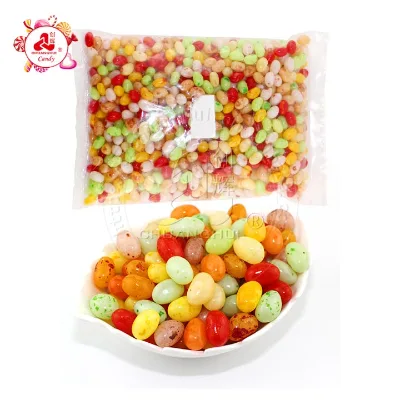
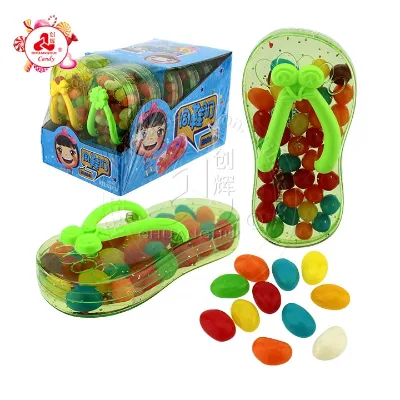
Bulk High Quality Colored Fruit Gummy Salad Jelly Bean Candy Chewing Jelly Beans
$16.00 - $20.00
MOQ: 500 Minimum
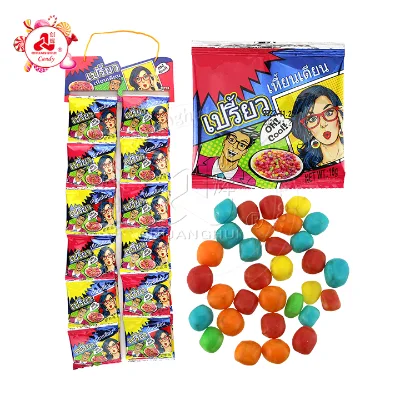
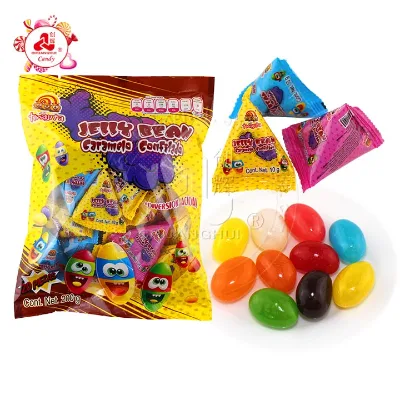
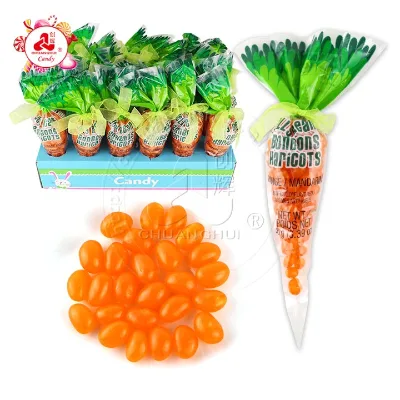
Good Quality Multi-colorful Fruits Flavor Jelly Bean Candy in Triangle Bag
$10.00 - $18.00
MOQ: 3036 Minimum
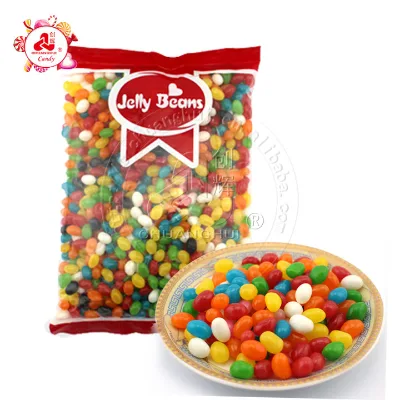

Shijiazhuang Beautiful Year Food Co., Ltd.
- Verified by SGS
- Combined
- China Hebei
- Lead time23 days
- Avg. response≤ 6h
Main productsGummy Candy, Bubble Gum/Chewing Gum, Lollipop, Marshmallow, Mint Candy, Freeze Dried Candy, Ice Cream, Hard Candy, Chocolate, Press Candy
Main marketsAfrica,Europe,North America

Bulk Fruit Flavored Crispy Jelly Beans Halal Confectionery Gummy Candy Sweet Gummy Beans
$22.00 - $24.00
MOQ: 500 Boxes

Popular Bulk Multicolor Fruity Flavor Crispy Gummy Chewy Sweet Bean Candy
$18.00 - $20.00
MOQ: 500 Boxes

Sugar Coated Sour Bites Soft Jelly Chews Assorted Tangy Snacks Sour Candy Gummies Sour Gummy Candy
$17.50 - $18.50
MOQ: 500 Boxes
Shantou Yangyu Foodstuff Co., Ltd.
- Trading Company
- Lead time旺季: "1 - 10000":15,"> 10000":"To be negotiated", 淡季: "1 - 10000":15,"> 10000":"To be negotiated"
- Avg. response≤ 4h
Main productscandy,chewing gum,candy toys,lollipop,chocolate
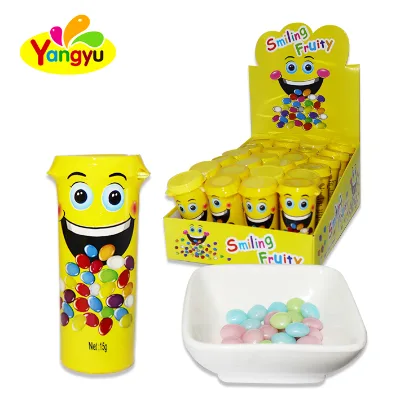
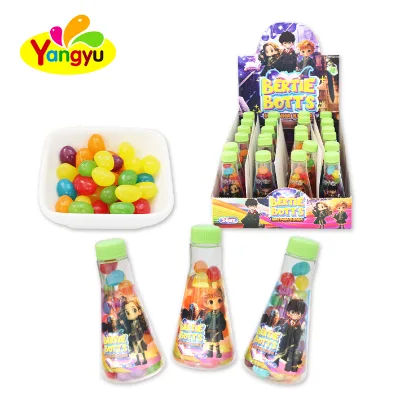
Hot Selling Yangyu Fruity Delicious Crispy Jelly Bean Candy Colorful Assorted Fruit Jelly Bean
$1.99 - $2.01
MOQ: 500 cartons
Guangdong Wisky Foods Co., Ltd.
- Verified by SGS Group
- Manufacturer, Trading Company
- Lead time25 days
- Avg. response≤ 1h
Main productsMarshmallow, Jelly Bean, Gummy Candy, Press Candy, Chocolate
Main marketsDomestic Market(32%), Southeast Asia(25%), North America(5%)
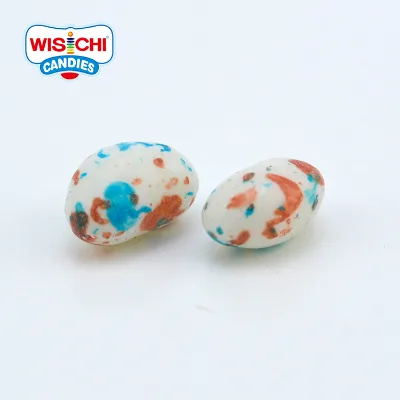
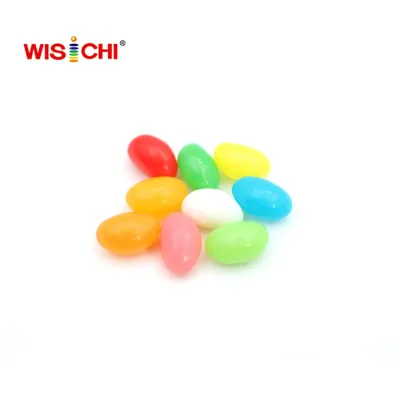
White Lychee Fruity Speckle Beans Jelly Bean
$1.79 - $1.88

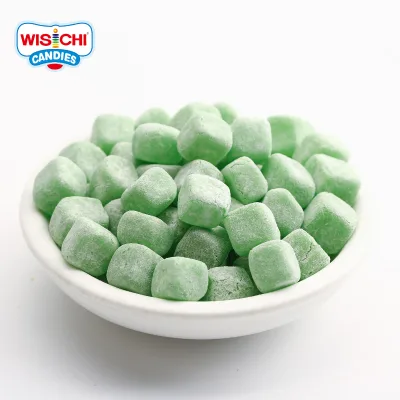
Small Sour Chewy Candy Pack Sweet Treat and Gummies
$1.77 - $1.86
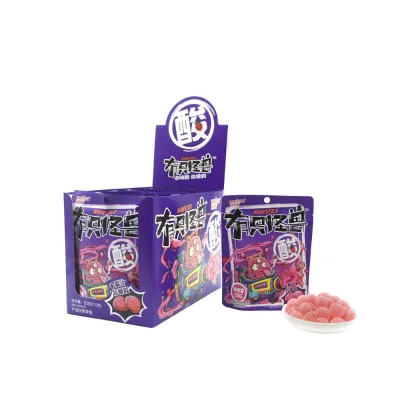
Suzhou 100 Sweet Foodstuff Technology Co., Ltd.
- Manufacturer, Trading Company
- Jiangsu, China
- Lead time0 days
- Avg. response≤ 3h
Main productsDrinks,Candy,Snacks,Chocolate,Biscuits
Main marketsSouth America(20.00%), North America(20.00%), Southern Europe(10.00%), Northern Europe(10.00%), Central America(10.00%), Western Europe(10.00%), Oceania(10.00%), Eastern Europe(10.00%)
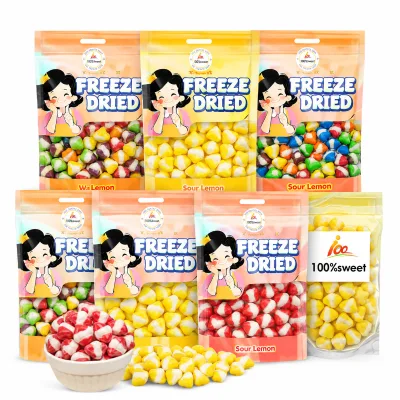
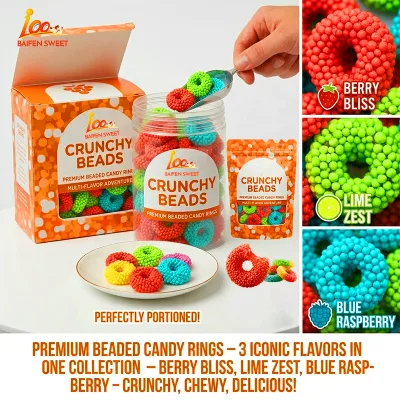
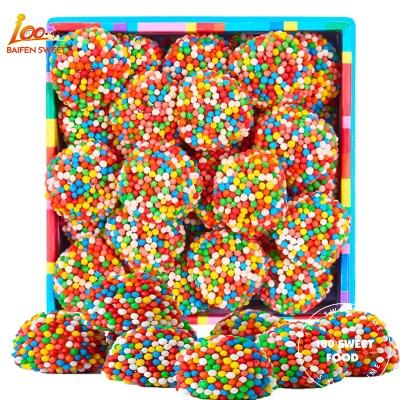
Factory Hot Selling Crispy Gummy Candy Sweet Sour Soft Candy Jellies Rainbow Berries Gummy
$2.805 - $3.1177
MOQ: 5000 bags
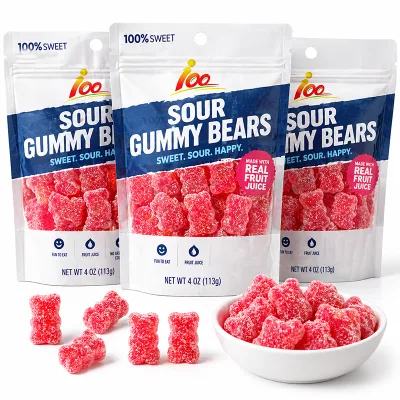
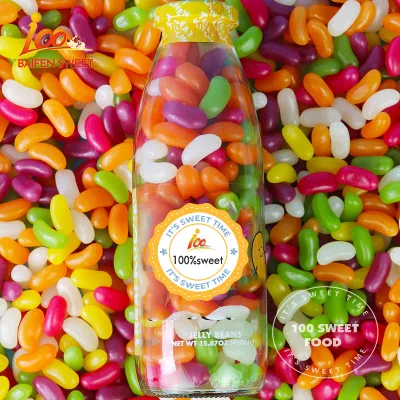
Guangdong Bailin Food Technology Co., Ltd.
- Manufacturer
- Guangdong, China
- Lead time0 days
- Avg. response≤ 1h
Main productsCandy, Inflatable Candy, Gum-based Candy, Liquid Candy
Main marketsSoutheast Asia(51.00%), Eastern Europe(20.00%), Mid East(10.00%), South America(8.00%), North America(6.00%), Africa(5.00%)
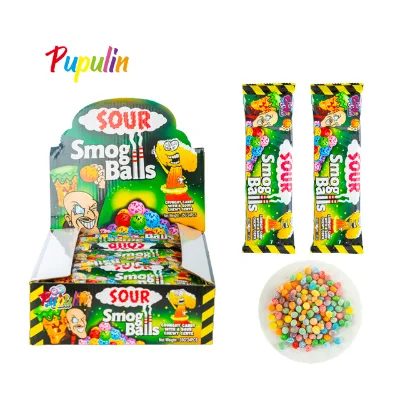
Wholesale Custom Colorful Sweet Sour Fruity Chewy Freeze Dried Jelly Beans Candy
$12.00
MOQ: 600 cartons
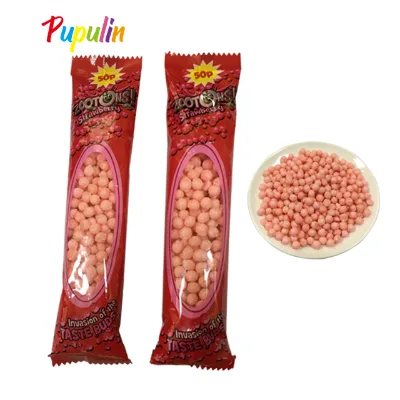
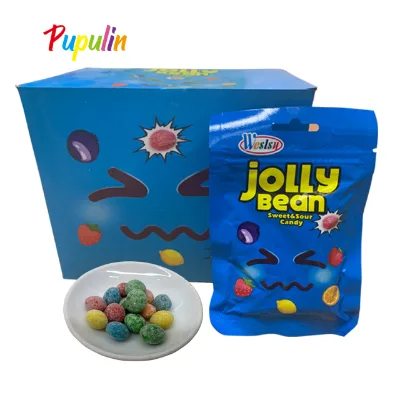
Chaozhou Chaoan Happiness Food Co., Ltd.
- Manufacturer, Trading Company
- Guangdong, China
- Lead time20 days
- Avg. response≤ 5h
Main productshard candy,soft candy,lollipop
Main marketsMid East(30.00%), Africa(30.00%), Southeast Asia(15.00%), South America(15.00%), Domestic Market(5.00%), Northern Europe(5.00%)
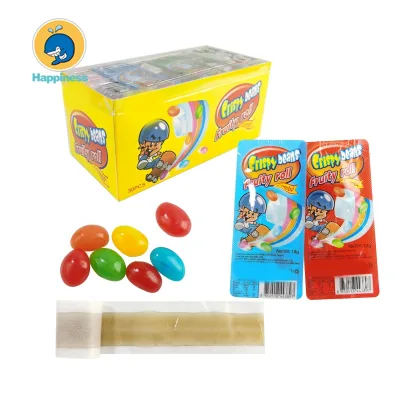
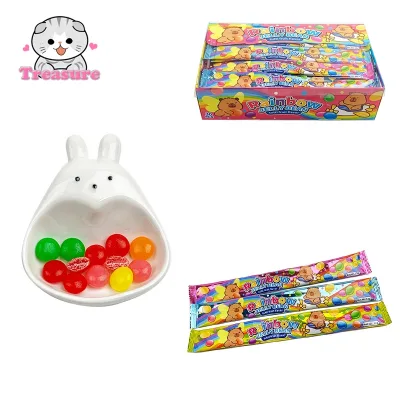
Rainbow Colorful Jelly Beans - Chewy Candy Snacks for Kids
$20.00 - $30.00
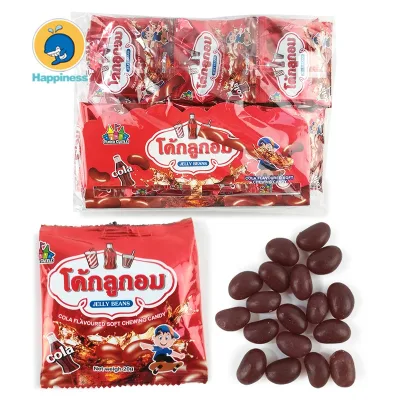
Individually Packaged Soda Halal Mini Soda Flavor Jelly Bean Chewy Soft Candy
$20.00 - $30.00
MOQ: 500

- Verified by TUVRHEINLAND
- Trading Company
- China Jiangxi
- Lead time30 days
- Avg. response≤ 4h
Main productsLollipop, Candy, Gummy, Chocolates, Jelly, Honey
Main marketsEurope,North America
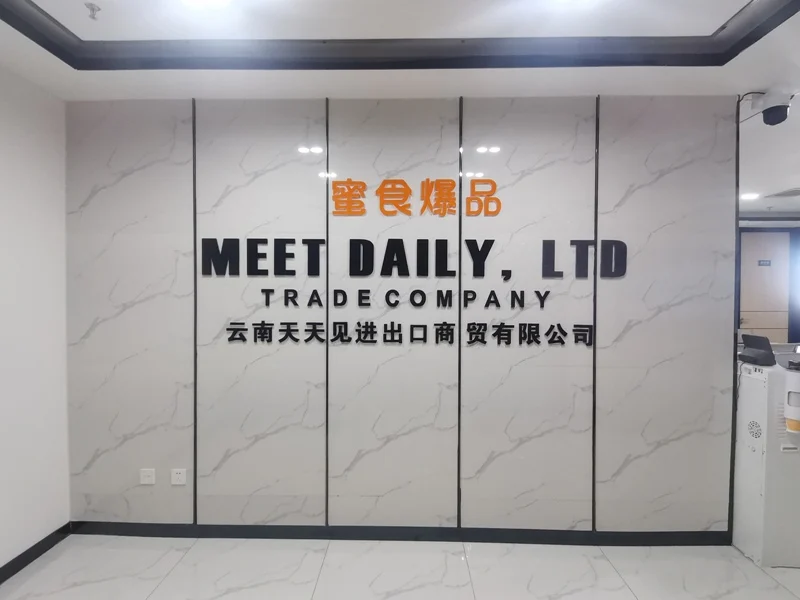
Yunnan Daily Import And Export Trade Co., Ltd.
- Trading Company
- Yunnan, China
- Lead time15 days
- Avg. response≤ 3h
Main productsInstant Noodles,Sweets and Candies,Biscuits and Cookies,Spicy Snack,Seasoning
Main marketsSoutheast Asia(40.00%), Eastern Asia(20.00%), Eastern Europe(20.00%), Africa(10.00%), Oceania(10.00%)
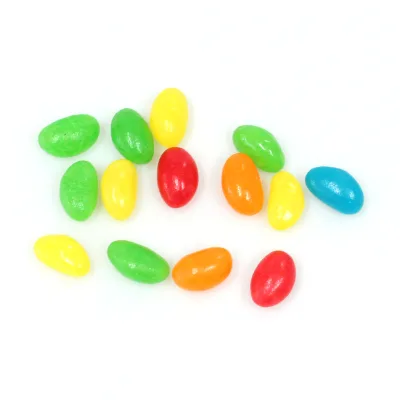
$28.99 - $31.99
MOQ: 500 cartons
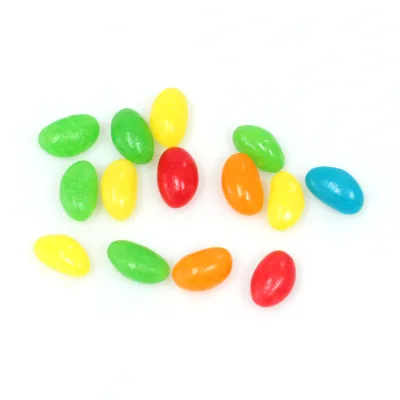
China OEM ODM Jelly Fruit Gummy Candy Colorful Bean Fruity Flavor Round Jelly Candy
$29.8078 - $32.8926
MOQ: 500
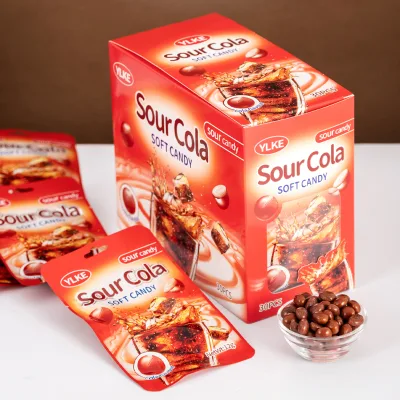
Custom Private Label Halal Soft Jelly Bean Sour Fruit Jelly Beans Wholesale Sweet Candy
$29.9724 - $33.0736
MOQ: 500 cartons
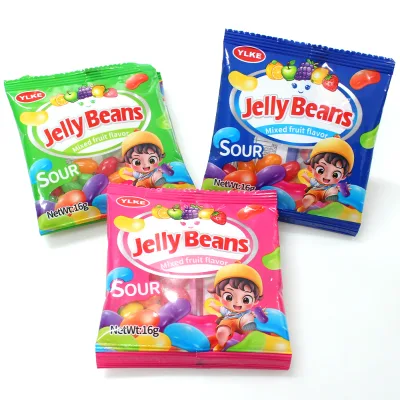
Jelly Beans Candy Halal Fruit Flavor Sweet Chinese Quick Delivery Manufacturer Soft Candy
$29.6851 - $32.7564
MOQ: 500 cartons
- Trading Company
- Guangdong, China
- Lead time25 days
- Avg. response≤ 2h
Main productsChocolate,Candy,Marshmallow,Bubble Gum,Toy candy
Main marketsMid East(45.00%), Eastern Europe(45.00%), Africa(10.00%)
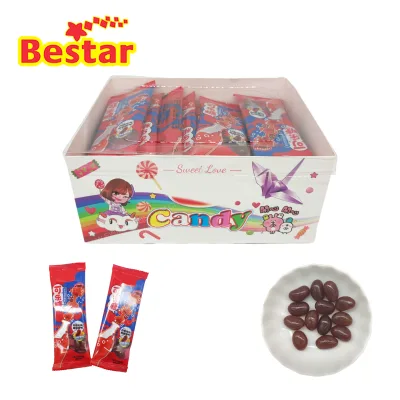
Box Package Jelly Beans Candy Hot Selling Cola Flavor Candy Custom Delicious Chewy Candy
$12.00 - $14.00
MOQ: 500 cartons
$14.3257 - $15.349
MOQ: 500 cartons

Guangdong Jusicylove Food Technology Co., Ltd
- Verified by TUVRHEINLAND
- Trading Company
- China Guangdong
- Lead time30 days
- Avg. response≤ 5h
Main productsToy, Candy Toy, Lollipop, Marshmallow, Bubble Gum, Popping Candy, Chocolate.
Main marketsOthers(foreignTradeCapacity.exportBusinessCapacityMarketOther)

Wholesale Custom Colorful Sweet Fruit Flavored Chewy Jell Beans Soft Candy
$22.00 - $24.00
MOQ: 100 Boxes


Guangxi Jingbo International Trade Co., Ltd.
- Verified by TüVRheinland
- Manufacturer, Trading Company
- Lead time0 days
- Avg. response≤ 3h
Main productsDried Fruit, Macadamia Nuts, Flower Tea, Candied Fruit, Spices
Main marketsNorth America(25%), South America(20%), Eastern Europe(20%)

EVERGREEN CORPORATION CO., LTD.
- Verified by CTI
- Manufacturer/Factory
- China Guangdong
- Lead time0 days
- Avg. response≤ 8h
Main productsPotato Chips, Instant Noodles, Fruit Jelly, Drinks, Aloe Vera, Instant Food, Snacks, Juice


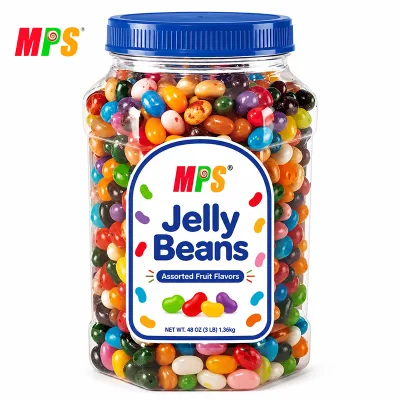
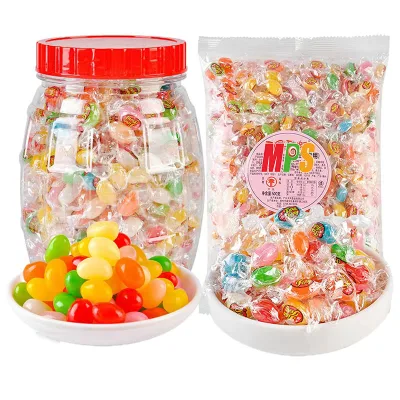
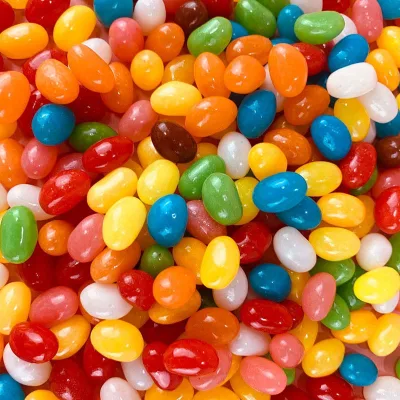


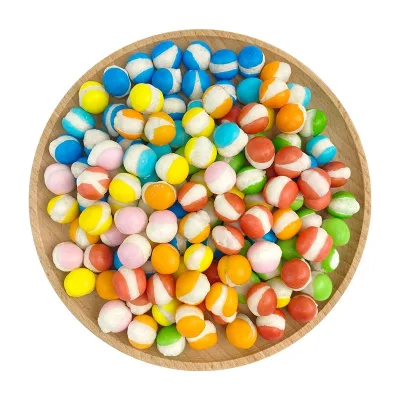


Comprehensive Sourcing Guide
Sour Fruity Chewy Jelly Beans Supplier Concentration and Factory Types
The current supplier landscape for Sour Fruity Chewy Jelly Beans reveals a distinct concentration of manufacturing and trading entities located in China, specifically within the Guangdong region. This geographic clustering is significant for buyers seeking efficient supply chains, as Guangdong is a well-established hub for confectionery production. The results indicate that the majority of available suppliers operate from this province, which suggests a mature local ecosystem for raw material sourcing, such as sugar, gelatin, and fruit flavorings, as well as specialized packaging materials like plastic and paper. Buyers evaluating these options should note that the presence of multiple suppliers in one region often correlates with competitive pricing and faster logistics, provided that shipping routes are optimized. However, relying solely on location is insufficient; the type of entity behind the product matters equally. The data shows a mix of company types, including Trading Companies, Manufacturer/Factories, and Other entities, with some listed as Combined operations. This diversity means that a buyer might encounter a direct factory offering OEM and ODM capabilities alongside a trading company that aggregates products from multiple smaller workshops. Understanding this distinction is crucial because direct manufacturers typically offer more control over production processes and customization, while trading companies may provide broader product ranges and simplified communication. The presence of Own Brand capabilities alongside OEM and ODM services indicates that some suppliers are flexible enough to handle private label projects, which is essential for brands looking to differentiate their sour chewy jelly bean offerings in the market.
Furthermore, the main products listed by these suppliers extend beyond just jelly beans to include a wide array of confectionery items such as lollipops, biscuits, chewing gum, and various other candy types. This breadth of product portfolio suggests that many suppliers are versatile manufacturers capable of handling diverse order requirements. For buyers focused specifically on Sour Fruity Chewy Jelly Beans, this versatility can be an advantage, as it allows for consolidated shipping and potentially better negotiation leverage when placing larger orders. The suppliers identified in the results demonstrate capabilities in producing solid form candies with various packaging materials, including plastic and paper, which aligns with the physical characteristics of chewy jelly beans. The ability to customize packaging and product models is highlighted as an available feature across several listings, indicating that buyers can tailor the final product to meet specific market demands, whether for bulk distribution or retail-ready boxes. It is important to recognize that while the location is consistently reported as Guangdong, China, the specific factory conditions and operational scales may vary significantly between the different company types. Therefore, buyers should not assume that all suppliers in this region operate with the same efficiency or quality standards. The concentration in Guangdong provides a foundational advantage, but the actual supplier type and their specific capabilities must be evaluated to ensure they align with the buyer’s production needs and quality expectations.
How to Verify Sour Fruity Chewy Jelly Beans Suppliers
Verification is a critical step in ensuring that the suppliers offering Sour Fruity Chewy Jelly Beans meet international quality and safety standards. The current results show that several suppliers hold significant system certifications, including BRC, HACCP, and others such as FDA, ISO, and HALAL. These certifications are not merely decorative; they serve as tangible evidence of a supplier’s commitment to food safety and quality management. For instance, the presence of HACCP and BRC certifications indicates that the supplier has implemented Hazard Analysis and Critical Control Points systems, which are essential for preventing food safety hazards in the production of chewy candies. Similarly, HALAL certification is crucial for suppliers targeting markets with significant Muslim populations, ensuring that the ingredients and production processes comply with Islamic dietary laws. Buyers should actively request and verify these certificates, checking their validity and scope to ensure they cover the specific products being ordered. Additionally, the verification status of suppliers is indicated by third-party entities such as TÜV Rheinland and BV. These verification badges provide an extra layer of confidence, suggesting that the supplier’s business legitimacy and operational capabilities have been assessed by independent auditors. However, buyers should not rely solely on these badges; they should also conduct their own due diligence by reviewing the supplier’s response time and history. A quick response time, such as the 4.29 hours observed in some results, can indicate a responsive and professional sales team, which is vital for resolving issues quickly during the sourcing process.
Beyond certifications and verification badges, buyers should scrutinize the product details and attributes provided by the suppliers to assess their technical competence. The results show that suppliers provide detailed product attributes, including form, packaging material, storage method, and customization options. For example, some listings specify that the candy is solid and requires normal storage, while others highlight the availability of OEM and ODM services. Buyers should use this information to verify that the supplier’s capabilities match their specific requirements. If a buyer needs custom packaging or specific ingredient formulations, they should confirm that the supplier explicitly offers these services and has the necessary infrastructure to support them. It is also important to check the supplier’s main products to ensure they have experience in producing Sour Fruity Chewy Jelly Beans specifically, rather than just general confectionery. The presence of keywords such as "Sour Candy," "Chewy Candy," and "Jelly Bean" in product listings can be a good indicator of specialization. Additionally, buyers should look for evidence of past performance, such as the number of units produced or the types of markets served. While the current results do not provide extensive historical data, the availability of detailed product models and packing specifications suggests a level of operational maturity. Buyers should also be cautious of suppliers who do not provide clear information about their certifications or verification status, as this could indicate a lack of transparency or compliance with international standards. By combining certification checks, verification badge reviews, and detailed product analysis, buyers can build a comprehensive picture of a supplier’s reliability and capability.
What to Compare Across Sour Fruity Chewy Jelly Beans Suppliers
When evaluating multiple suppliers for Sour Fruity Chewy Jelly Beans, buyers must compare several key dimensions to identify the best fit for their business needs. One of the most critical factors is the minimum order quantity (MOQ), which can vary significantly across different suppliers. The results show a wide range of MOQs, from as low as 1 unit to 500 cartons or 800 units. This variation allows buyers with different order volumes to find suitable partners, but it also requires careful consideration. For small businesses or those testing new markets, suppliers with lower MOQs are preferable, as they reduce inventory risk and financial commitment. Conversely, larger buyers seeking economies of scale may find better pricing and efficiency with suppliers who have higher MOQs. Another important factor is the lead time, which indicates how long it takes for the supplier to fulfill an order. While some results show a lead time of 0, which may indicate immediate availability or a placeholder value, others specify a lead time of 30 days. Buyers should clarify these timelines to ensure they align with their supply chain schedules and market demand forecasts. Response time is also a valuable metric for comparing suppliers, as it reflects their responsiveness and customer service quality. The results show response times ranging from 4.29 to 14.23 hours, with faster responses generally indicating a more agile and attentive sales team. Buyers should prioritize suppliers who respond quickly, as this can facilitate smoother communication and quicker resolution of any issues that arise during the ordering process.
In addition to operational metrics, buyers should compare the pricing structures and payment terms offered by different suppliers. The results indicate price ranges for various products, such as $0.90 to $1.50 per unit for bulk bag packing jelly beans and $25.00 to $30.00 for other variations. It is important to note that these prices may vary based on order volume, customization requirements, and packaging specifications. Buyers should request detailed quotes that break down the costs, including manufacturing, packaging, and shipping, to ensure transparency. Furthermore, the availability of OEM and ODM services is a key differentiator for buyers looking to create unique products. Some suppliers explicitly state that they offer these services, while others may not. Buyers should compare the extent of customization options, such as the ability to choose specific flavors, shapes, and packaging materials, to ensure they can meet their brand’s requirements. The main products listed by each supplier also provide insight into their specialization and capacity. Suppliers with a broad range of confectionery products may offer more flexibility, while those focused on specific items may provide deeper expertise. By systematically comparing MOQs, lead times, response speeds, prices, and customization capabilities, buyers can make informed decisions that balance cost, quality, and operational efficiency. This comparative approach helps mitigate the risk of selecting a supplier who may not meet the buyer’s specific needs, ensuring a more successful sourcing outcome.
Common Sour Fruity Chewy Jelly Beans Sourcing Risks
Sourcing Sour Fruity Chewy Jelly Beans from international suppliers, particularly those in China, involves several inherent risks that buyers must proactively manage. One of the primary risks is quality inconsistency, which can arise from variations in raw materials, production processes, or storage conditions. The results show that suppliers use different packaging materials, such as plastic and paper, and specify normal storage methods, but buyers must verify that these practices are consistently followed to prevent spoilage or texture degradation. Chewy candies are sensitive to humidity and temperature, so any lapse in storage or transportation conditions can compromise the product’s quality. Another significant risk is the accuracy of certifications and compliance with international standards. While some suppliers display certifications like HACCP, BRC, and HALAL, buyers must ensure that these certificates are valid and cover the specific products being ordered. There is a risk that some suppliers may use outdated or fraudulent certificates, which could lead to regulatory issues in the buyer’s home market. Additionally, the risk of intellectual property infringement is a concern, especially for buyers seeking OEM or ODM services. If a supplier lacks proper safeguards, they may share the buyer’s unique formulations or packaging designs with competitors. Buyers should implement strict confidentiality agreements and monitor the market for unauthorized use of their brand assets.
Communication and cultural barriers also pose risks in the sourcing process, potentially leading to misunderstandings regarding product specifications, delivery schedules, or payment terms. The results show varying response times, which may indicate differences in communication efficiency. Slow or unclear communication can delay order processing and increase the likelihood of errors. Furthermore, the risk of logistical disruptions cannot be overlooked, especially when dealing with international shipping. Delays in customs clearance, port congestion, or transportation issues can impact the timely delivery of goods, affecting the buyer’s ability to meet market demand. Buyers should also be aware of the risk of price volatility, as the cost of raw materials like sugar and fruit flavors can fluctuate. While the results show fixed price ranges, these may not reflect real-time market conditions, and buyers should be prepared for potential price adjustments. To mitigate these risks, buyers should conduct thorough due diligence, including factory audits and sample testing, before placing large orders. Establishing clear contracts with detailed specifications and penalty clauses for non-compliance can also help protect the buyer’s interests. By identifying and addressing these common risks early in the sourcing process, buyers can build a more resilient supply chain and ensure the consistent delivery of high-quality Sour Fruity Chewy Jelly Beans.
Sour Fruity Chewy Jelly Beans Regional Sourcing and Logistics
The regional concentration of Sour Fruity Chewy Jelly Beans suppliers in Guangdong, China, offers distinct advantages for logistics and supply chain management. Guangdong is a major manufacturing hub with well-developed infrastructure, including ports and transportation networks, which facilitates efficient export operations. Buyers sourcing from this region can benefit from shorter transit times to major global markets, particularly in Asia and North America, due to the proximity to key shipping routes. The results indicate that the origin of the products
FAQs
What certifications do sour fruity chewy jelly bean suppliers hold?
Suppliers in Guangdong, China, typically hold BRC and HACCP system certifications. Some products also display FDA, ISO, and Halal credentials on packaging. These standards ensure safety and quality compliance for international buyers seeking reliable confectionery sources.
What is the minimum order quantity for jelly beans?
MOQs vary significantly by product type. Some items allow orders as low as one unit, while others require 500 cartons or 800 pieces. Buyers should check specific product pages to confirm the exact minimum quantity required for their order.
How long does production take for custom jelly beans?
Lead times depend on the supplier and order specifics. Some manufacturers report a lead time of 30 days for production. Others may list zero days, indicating immediate availability. Confirm the exact timeline with the supplier before placing an order.
What packaging materials are used for chewy jelly beans?
Common packaging materials include plastic, paper, and carton boxes. Products are often stored under normal conditions. Customization is available, allowing buyers to select specific packaging formats that suit their brand requirements and distribution needs effectively.
What is the price range for wholesale jelly beans?
Prices range from $0.90 to $30.00 depending on the product. Bulk bag packing options start around $0.90, while specialized sour or fruit-flavored varieties may cost up to $28.00. Prices are subject to order volume and customization.
Do suppliers offer OEM and ODM services?
Yes, many suppliers provide OEM and ODM services. Buyers can customize flavors, shapes, and packaging. Some factories also support own-brand development. This flexibility allows businesses to create unique products tailored to their specific market demands and brand identity.