sugar-free fruity chewing gum Suppliers and Manufacturers
Source sugar-free fruity chewing gum from 17 verified manufacturers in Guangdong, China. Compare ISO22000 certified suppliers with lead times of 20-30 days and MOQs starting at 1 unit. Request samples to verify quality and pricing; review the available evidence before requesting comparable quotations from suitable candidates.
Updated
Suppliers List
Shantou Yuanda Foods Co., Ltd.
- Manufacturer, Trading Company
- Guangdong, China
- Lead time30 days
- Avg. response≤ 24h
Main productsgum,chewing gum,bubble gum,confectionery,candy
Main marketsMid East(60.00%), Southern Europe(10.00%), South America(10.00%), Africa(10.00%), Western Europe(5.00%), Northern Europe(5.00%)
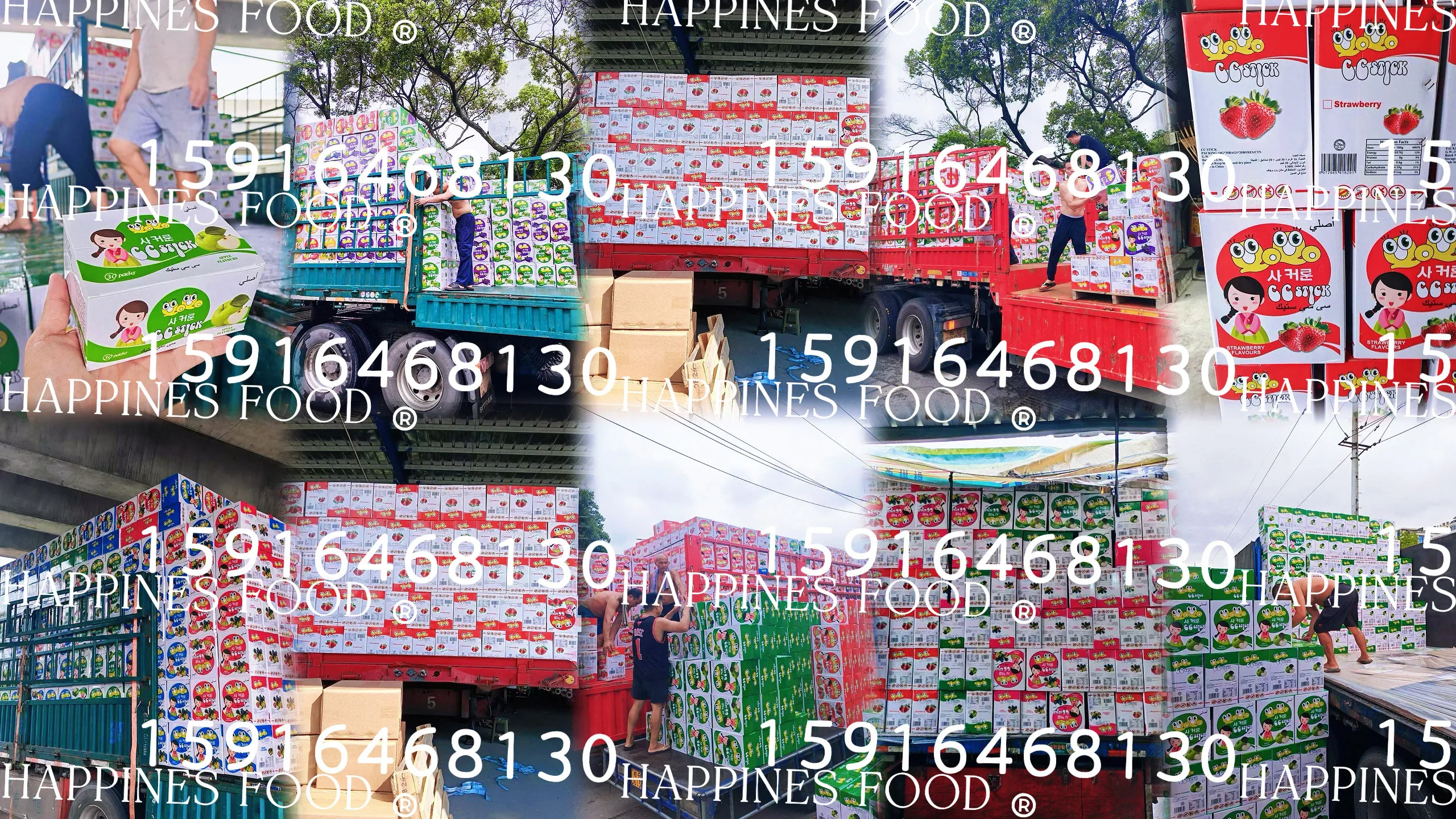
Chaozhou Chaoan Happiness Food Co., Ltd.
- Manufacturer, Trading Company
- Guangdong, China
- Lead time20 days
- Avg. response≤ 5h
Main productshard candy,soft candy,lollipop
Main marketsMid East(30.00%), Africa(30.00%), Southeast Asia(15.00%), South America(15.00%), Domestic Market(5.00%), Northern Europe(5.00%)
- Trading Company
- Guangdong, China
- Lead time25 days
- Avg. response≤ 2h
Main productsChocolate,Candy,Marshmallow,Bubble Gum,Toy candy
Main marketsMid East(45.00%), Eastern Europe(45.00%), Africa(10.00%)
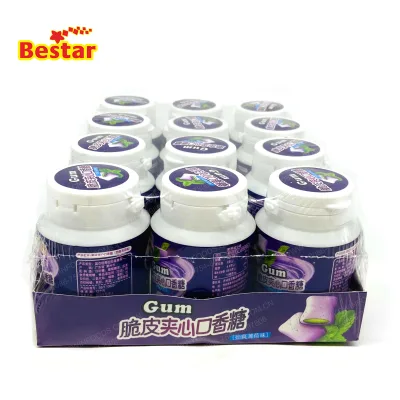
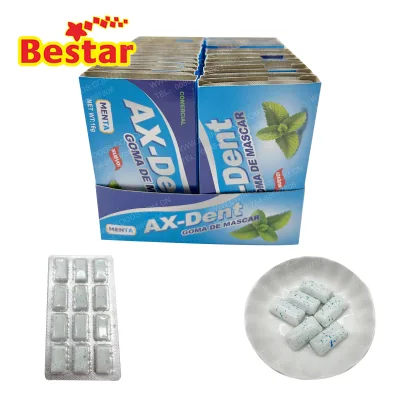
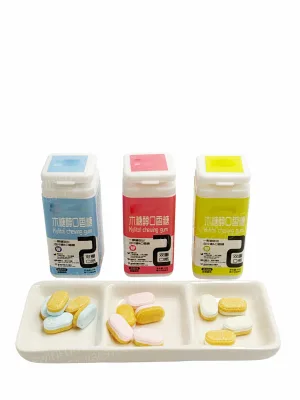
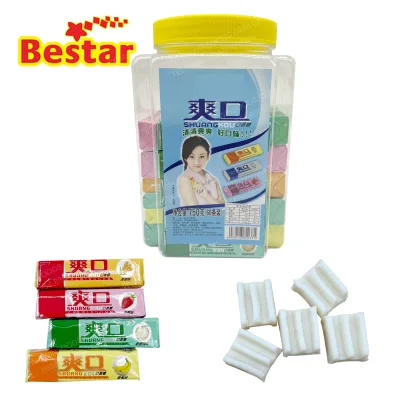
Factory Customize Chewing Gum Candy Mixed Fruit Flavour Bubble Gum in Jar for Fresh Breath
$9.00 - $14.00
MOQ: 500 Minimum
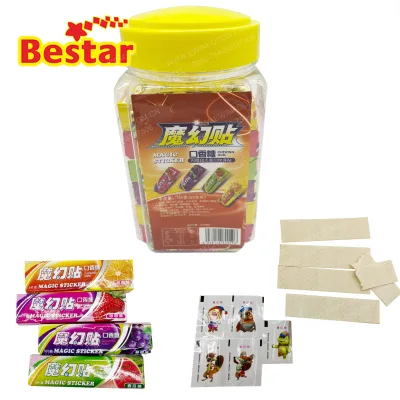
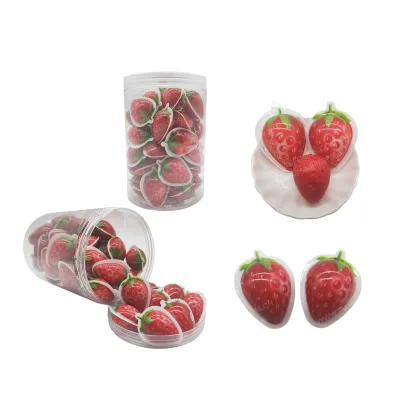

- Manufacturer, Trading Company
- Liaoning, China
- Lead time45 days
- Avg. response≤ 10h
Main productsChewing gum,Mints,Xylitol,Hard candy,Lollipop
Main marketsNorth America(38.00%), Domestic Market(20.00%), Western Europe(10.00%), Eastern Europe(10.00%), Southern Europe(8.00%), Oceania(3.00%), South America(2.00%), Northern Europe(2.00%), Mid East(2.00%), Southeast Asia(1.00%), South Asia(1.00%), Africa(1.00%), Eastern Asia(1.00%), Central America(1.00%)
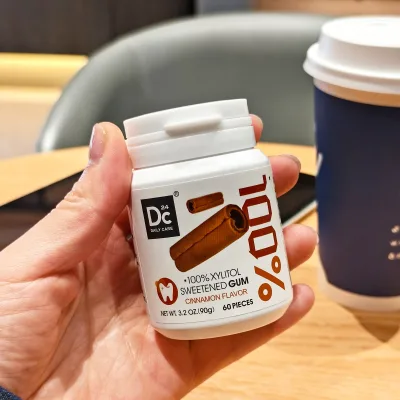
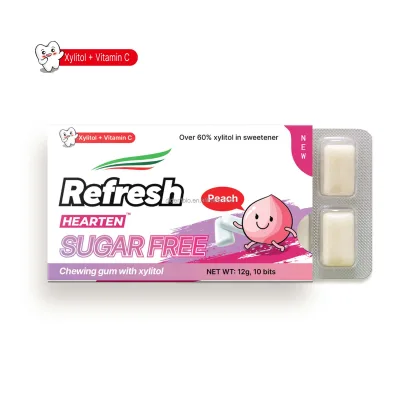
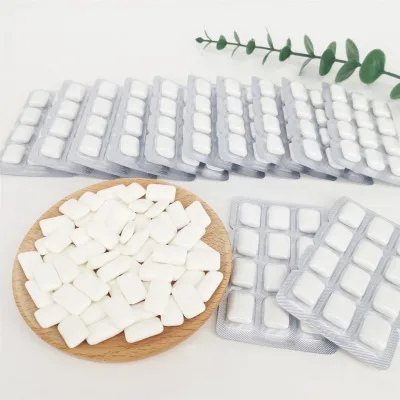
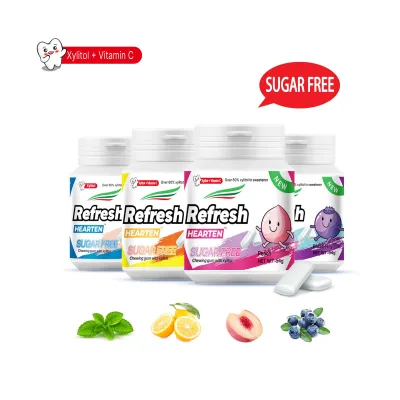
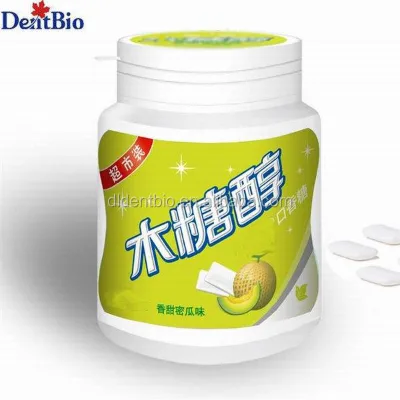
Chewing Gum With Xylitol Free Sugar
$0.48 - $0.50

Foshan City Nanhai District Songgang Suifa Food Co., Ltd.
- Verified by SGS
- Manufacturer/Factory
- China Guangdong
- Lead time60 days
- Avg. response≤ 6h
Main productsChewing Gum, Bubble Gum, Chews Candy, Hard Candy, Gummy Candy, Marshmallow, Biscuit, Tablet Candy
Main marketsSouth America,Eastern Europe,Mid East,North America,Southeast Asia,Eastern Asia,Oceania,Western Europe,Africa


Private Label Pillow Natural Organic Xylitol Mint Fruity Sugar-Free Sweet Chewing Gum
$22.90 - $24.80
MOQ: 700 cartons

Wholesale Custom Packing Sugar Free Sweet Fruit Mint Flavor Vegan Chewing Gum
$0.03 - $0.05
MOQ: 360000 packs

Custom Packaging Aspartame-Free Sugar-Free Natural Fruity Sweet Pellet Chewing Gum
$0.001 - $0.01
MOQ: 100000 pieces

Manufacturing Xylitol Peppermint Fruity Sugarfree Chewing Gum Wholesale Snacks
$22.90 - $24.80
MOQ: 700 cartons

Private Label Wholesale Sugar Free Aspartame Free Fruity Sweet Bulk Chewing Gum
$22.90 - $24.80
MOQ: 700 cartons

- Verified by TUVRHEINLAND
- Trading Company,Manufacturer/Factory,Other
- China Guangdong
- Lead time0 days
- Avg. response≤ 15h
Main productsCandy, Lollipop, Biscuit, Chewing Gum, Olivary Gum, Pectol Mint Candy, Bubble Gum, Toy Candy, Hard Candy, Jelly

- Verified by TUVRHEINLAND
- Trading Company
- China Jiangxi
- Lead time30 days
- Avg. response≤ 4h
Main productsLollipop, Candy, Gummy, Chocolates, Jelly, Honey
Main marketsEurope,North America

Natural Bubble Gum Customised Sugar Free Xylitol Rich Minty Fresh Chewing Gum
$3.11 - $3.50
MOQ: 1000 kg


Custom Private Label Different Fruit Flavor Jelly Sweets Chewing Gum Candy Bubble Gum
$1.28 - $1.58
MOQ: 20000 Bags


Chewing Gum Wholesale Candy Fruit Flavours Sandwich Bubble Gum Gummy Sweet Jelly Chewing Gums
$0.23 - $0.34
MOQ: 1000 Pieces


Shijiazhuang Beautiful Year Food Co., Ltd.
- Verified by SGS
- Combined
- China Hebei
- Lead time23 days
- Avg. response≤ 6h
Main productsGummy Candy, Bubble Gum/Chewing Gum, Lollipop, Marshmallow, Mint Candy, Freeze Dried Candy, Ice Cream, Hard Candy, Chocolate, Press Candy
Main marketsAfrica,Europe,North America

Sugar-Free Chewing Gum Fruit Flavors Fruit Flavor Herbal Blended Xylitol Bubble Gum
$14.00 - $16.00
MOQ: 500 Boxes

Wholesale Children's Candy Snacks Watermelon Fruit Flavor Jelly Bubble Gum Chewing Gum
$12.00 - $14.00
MOQ: 500 Boxes

Cheap Price Multi-Colour Watermelon Candy Fruit Chewing Gum Sweet Fruity Bubble Gum
$14.00 - $16.00
MOQ: 500 Boxes

Qingfeng Feining Trading Co., Ltd.
- Trading Company
- Henan, China
- Lead time20 days
- Avg. response≤ 10h
Main productsbiscuits,potato chips,drinks,chocolates,skittles
Main marketsNorth America(85.00%), Eastern Europe(10.00%), Eastern Asia(5.00%)
Hebei Doudou King Biotechnology Co., Ltd.
- Verified by TüVRheinland
- Manufacturer, Trading Company
- Lead time10 days
- Avg. response≤ 3h
Main productsGummy Candy, Chewing Gum With Tattoo, Lollipop, Bubble Gum
Main marketsMid East(32%), Southeast Asia(20%), Africa(20%)

Shantou Sweet Road Industry and Trading Co., Ltd.
- Verified by BV
- Trading Company
- China Guangdong
- Lead time23 days
- Avg. response≤ 11h
Main productsFood, Confectionery, Candy, Biscuit
Main marketsSouth America,Africa,Southeast Asia/ Mideast,Europe,North America


$25.00 - $28.00
MOQ: 600 Boxes


Wholesale 4PCS Fruit Flavor Mint Flavor Assorted Colorful Chewing Gum Candy
$21.00 - $24.00
MOQ: 600 Boxes
Henan Grade Import And Export Co., Ltd.
- Verified by SGS Group
- Trading Company
- Henan, China
- Lead time10 days
- Avg. response≤ 3h
Main productsDrinks, Potato Chips, Biscuits, Candies, Fruit Ice Cream
Main marketsNorth America(70%), Western Europe(20%), Southeast Asia(10%)

LABIXIAOXIN(FUJIAN)FOODS INDUSTRIAL CO., LTD.
- Verified by BV
- Manufacturer/Factory
- China Fujian
- Lead time0 days
- Avg. response≤ 7h
Main productsJelly, Candy, Chocolate, Marshmallow, Gummy
Main marketsSouth America,Eastern Europe,Mid East,North America,Southeast Asia,Africa
Guangdong Zhenshangmei Food Import And Export Co., Ltd.
- Manufacturer, Distributor/Wholesaler
- Guangdong, China
- Lead time30 days
- Avg. response≤ 4h
Main productsCandies,Candy toys,Hard candies,Lollipop,Soft candies
Main marketsSoutheast Asia(35.00%), Mid East(30.00%), Eastern Asia(20.00%), Africa(15.00%), South Asia(10.00%), Central America(5.00%), Northern Europe(5.00%), North America(5.00%), South America(5.00%), Southern Europe(3.00%), Western Europe(1.00%), Eastern Europe(1.00%)
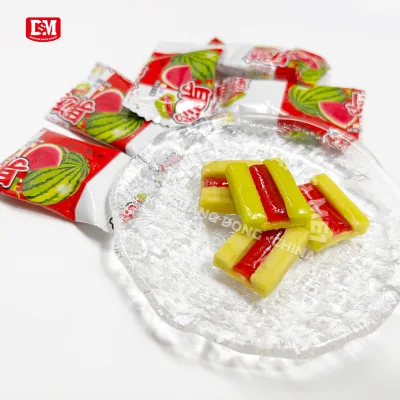
Halal Certified Chewing Gum Hot Sale Watermelon Flavored Jelly Gum Fruity Taste
$9.3829 - $18.7658
MOQ: 500 cartons
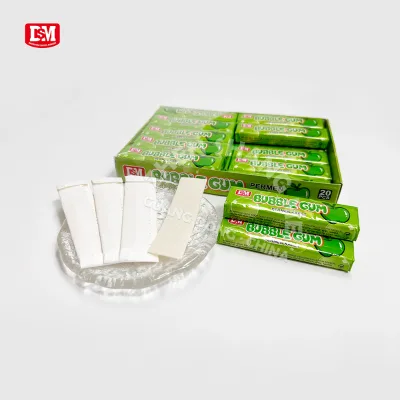
Wholesale Fruity Flavored Chewing Gum Bubble Gummy Sweet Jelly Gums in Attractive Box Packaging
$9.00 - $18.00
MOQ: 500 cartons
Lianyungang Kuotai Foodstuff Co., Ltd.
- Verified by SGS Group
- Trading Company
- Lead time25 days
- Avg. response≤ 8h
Main productsCandy Cane, Gummy, Marshmallow, Chewing Gum, Bubble Gum
Main marketsNorth America(30%), Oceania(25%), Western Europe(15%)

Guangdong Jusicylove Food Technology Co., Ltd
- Verified by TUVRHEINLAND
- Trading Company
- China Guangdong
- Lead time30 days
- Avg. response≤ 5h
Main productsToy, Candy Toy, Lollipop, Marshmallow, Bubble Gum, Popping Candy, Chocolate.
Main marketsOthers(foreignTradeCapacity.exportBusinessCapacityMarketOther)


Hot Selling Wholesale Sour Chewing Gum Fruit Flavor Sour Powder Bubble Gum
$8.00 - $11.00
MOQ: 100 Boxes


Chewing Gum and Popping Candy Fruit Flavored Factory Supply Wholesale Halal
$28.00 - $31.00
MOQ: 100 Boxes


Lianyungang Jiayun International Trade Co., Ltd.
- Verified by Intertek
- Manufacturer, Trading Company
- Lead time30 days
- Avg. response≤ 4h
Main productsLollipop, Chocolate, Hard Candy, Marshmallows, Gummy Candy
Main marketsNorth America(30%), Southeast Asia(20%), Mid East(20%)
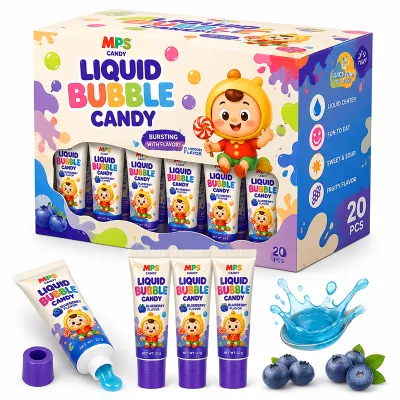
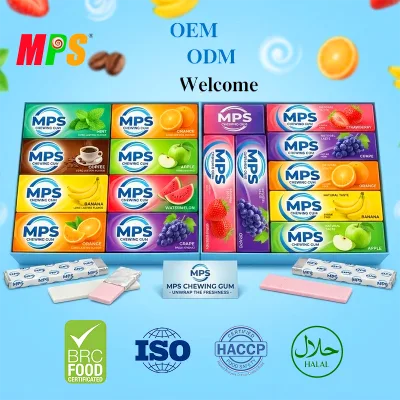
EU-Market Ready Halal Fruity Chewing Gum High-Turnover Formula for Global Brands (OEM/ODM)
$0.0307 - $0.0512
MOQ: 100 Minimum
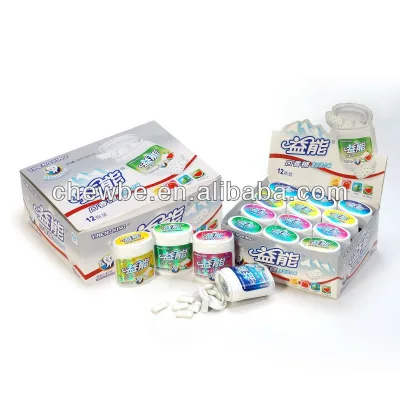
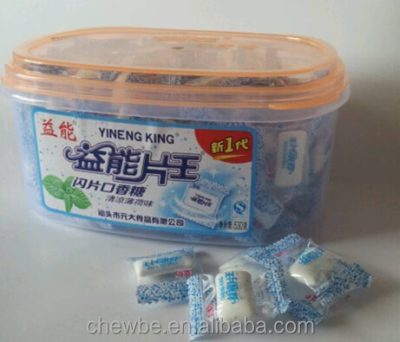
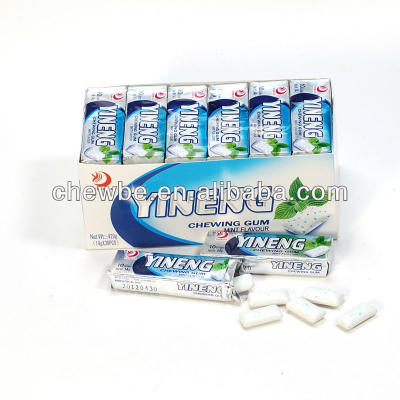
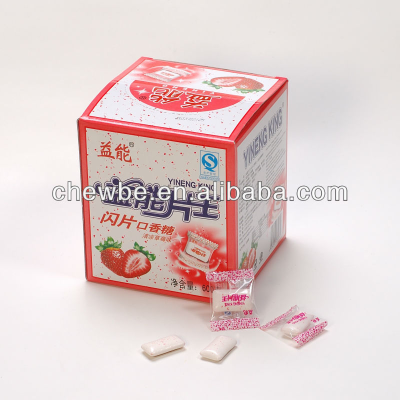




Comprehensive Sourcing Guide
Sugar-Free Fruity Chewing Gum Supplier Concentration and Factory Types
The sourcing landscape for sugar-free fruity chewing gum reveals a distinct concentration of manufacturing capabilities within specific industrial regions, with Guangdong, China, emerging as a primary hub for this category. Buyers evaluating potential partners will frequently encounter suppliers located in this province, which hosts a dense network of confectionery manufacturers and trading companies. This geographic clustering suggests a mature supply chain ecosystem where raw material availability, specialized machinery, and logistical infrastructure are optimized for high-volume candy production. When assessing suppliers, it is crucial to distinguish between pure manufacturers and trading entities, as both appear in search results but offer different value propositions. Manufacturers typically provide greater control over formulation, quality assurance, and customization, while trading companies may offer broader product assortments and simplified communication channels. Understanding this distinction helps buyers align their sourcing strategy with their operational needs, whether they prioritize direct factory engagement or the flexibility of a multi-supplier trading partner.
Within this regional cluster, the types of companies available range from large-scale industrial producers to smaller, specialized workshops. Many suppliers in Guangdong specialize in various forms of confectionery, including gum, hard candy, and lollipops, indicating a versatile production environment. Some entities focus exclusively on chewing gum, leveraging specific expertise in texture development and flavor encapsulation, while others maintain diversified portfolios to mitigate market risks. For buyers seeking sugar-free fruity options, the presence of both manufacturer and trading company types offers a spectrum of engagement models. Direct manufacturers might provide more transparent pricing structures and deeper technical support for private label development, whereas trading companies could facilitate faster sampling and smaller initial orders. Recognizing the operational model of each supplier allows buyers to better predict lead times, communication responsiveness, and the level of customization available for their specific sugar-free fruity chewing gum requirements.
How to Verify Sugar-Free Fruity Chewing Gum Suppliers
Verifying the legitimacy and capability of sugar-free fruity chewing gum suppliers requires a rigorous examination of their documented credentials and operational history. Buyers should prioritize suppliers who display recognized quality certifications, such as ISO22000, which indicates adherence to international food safety management standards. This certification is particularly critical for chewing gum products, as it ensures that the manufacturing environment meets strict hygiene and safety protocols. Beyond certifications, buyers must scrutinize the supplier’s response time and communication efficiency, as these metrics often reflect the overall professionalism and reliability of the organization. A supplier with a rapid response time, such as within twenty-four hours, is more likely to provide timely updates on order status and resolve issues quickly. Additionally, verifying the supplier’s establishment year and business longevity can provide insights into their stability and experience in the confectionery market, helping buyers avoid transient or unreliable partners.
Another essential verification step involves assessing the supplier’s product portfolio and technical specifications to ensure alignment with buyer requirements. Buyers should request detailed product data sheets that include ingredients, shelf life, and packaging details to confirm the product’s suitability for their target market. For sugar-free fruity chewing gum, it is vital to verify the specific sweeteners and flavorings used, as these components directly impact the product’s taste profile and health claims. Suppliers should also provide clear information on their supply ability and production capacity, which helps buyers gauge whether the supplier can meet their volume demands without compromising quality. Furthermore, buyers should inquire about the supplier’s quality control processes, including testing procedures for raw materials and finished goods. By systematically verifying these aspects, buyers can build a shortlist of reliable suppliers who demonstrate both technical competence and operational transparency, reducing the risk of sourcing failures.
What to Compare Across Sugar-Free Fruity Chewing Gum Suppliers
When comparing suppliers for sugar-free fruity chewing gum, buyers must evaluate a range of commercial and operational dimensions to identify the most suitable partner. Key comparison points include lead times, minimum order quantities (MOQs), and pricing structures, as these factors directly impact inventory management and cost efficiency. Suppliers may offer varying lead times, ranging from twenty to thirty days, depending on their current production load and order complexity. Similarly, MOQs can differ significantly, with some suppliers requiring bulk orders of hundreds or thousands of cartons, while others may accommodate smaller trial orders. Buyers should also compare response speeds, as faster communication can facilitate smoother negotiations and quicker problem resolution. Additionally, evaluating the supplier’s main product focus helps determine their expertise; suppliers specializing in gum may offer more tailored solutions than those with diversified confectionery portfolios.
Beyond operational metrics, buyers should assess the level of customization and branding support offered by each supplier. Many suppliers accept OEM services and allow for customized logos, flavors, and packaging designs, which are essential for private label projects. Buyers should compare the flexibility of these customization options, including the availability of sample products and the associated costs. Some suppliers may provide free samples to help buyers evaluate product quality before committing to large orders, while others may charge for samples and shipping. Additionally, buyers should review the supplier’s packaging details and specifications to ensure they meet regulatory requirements and logistical needs. By systematically comparing these dimensions, buyers can identify suppliers that offer the best balance of cost, quality, and service, ensuring a successful sourcing outcome for their sugar-free fruity chewing gum products.
Common Sugar-Free Fruity Chewing Gum Sourcing Risks
Sourcing sugar-free fruity chewing gum involves several potential risks that buyers must proactively manage to ensure product quality and supply chain stability. One significant risk is the variability in product quality, particularly regarding flavor consistency and texture, which can be influenced by raw material sourcing and manufacturing processes. Buyers should be cautious of suppliers who do not provide detailed ingredient lists or quality certifications, as this may indicate inadequate quality control measures. Another risk is the potential for delays in production and delivery, which can disrupt inventory levels and customer satisfaction. Suppliers with high order volumes or limited production capacity may struggle to meet tight deadlines, leading to extended lead times. Buyers should assess the supplier’s supply ability and historical performance to mitigate this risk, ensuring they can rely on consistent delivery schedules.
Additionally, buyers face risks related to regulatory compliance and market acceptance, particularly when exporting to regions with strict food safety standards. Suppliers must ensure that their products comply with local regulations regarding sweeteners, additives, and labeling requirements. Failure to meet these standards can result in product rejection, fines, or reputational damage. Buyers should verify that suppliers have the necessary certifications and testing capabilities to support compliance. Another risk is the potential for intellectual property infringement, especially when working with suppliers on private label projects. Buyers should establish clear contracts and intellectual property protections to safeguard their brand and formulations. By identifying and addressing these common risks, buyers can develop robust sourcing strategies that minimize disruptions and ensure the successful introduction of sugar-free fruity chewing gum to their target markets.
Sugar-Free Fruity Chewing Gum Regional Sourcing and Logistics
Regional sourcing plays a critical role in the logistics and cost structure of sugar-free fruity chewing gum procurement, with Guangdong, China, serving as a major production and export hub. Suppliers in this region benefit from established infrastructure and proximity to major ports, such as Shantou, which facilitates efficient export operations. Buyers should consider the logistical advantages of sourcing from this region, including reduced transit times and lower shipping costs compared to other global manufacturing centers. However, buyers must also account for potential logistical challenges, such as customs clearance delays and port congestion, which can impact delivery schedules. Understanding the supplier’s port of dispatch and shipping capabilities is essential for planning effective logistics strategies and ensuring timely product availability.
Furthermore, buyers should evaluate the supplier’s packaging and handling practices to minimize damage during transit, as chewing gum is sensitive to temperature and humidity changes. Proper packaging, such as sealed jars and sturdy cartons, helps preserve product quality and extend shelf life. Buyers should also consider the impact of regional trade policies and tariffs on their overall sourcing costs, as these factors can influence the final landed cost of the product. By leveraging the logistical advantages of regional sourcing while mitigating potential risks, buyers can optimize their supply chain efficiency and cost structure. This approach ensures that sugar-free fruity chewing gum products reach the market in optimal condition, supporting brand reputation and customer satisfaction.
Sugar-Free Fruity Chewing Gum Commercial Terms and Order Planning
Effective commercial terms and order planning are essential for successful sugar-free fruity chewing gum sourcing, requiring careful negotiation of pricing, payment terms, and delivery schedules. Buyers should compare the price ranges offered by different suppliers, noting that costs can vary based on product specifications, packaging, and order volume. Some suppliers may offer competitive pricing for bulk orders, while others may provide discounts for long-term partnerships. Buyers should also clarify payment terms, such as the use of escrow services or letters of credit, to ensure secure transactions. Additionally, buyers should plan their orders strategically, considering factors such as seasonal demand, production lead times, and inventory turnover rates. By aligning their order planning with supplier capabilities and market conditions, buyers can optimize their procurement cycle and maintain consistent product availability.
Moreover, buyers should establish clear communication channels and regular review processes to monitor order progress and address any issues promptly. This includes tracking production milestones, shipping updates, and quality inspections to ensure compliance with agreed-upon standards. Buyers should also plan for contingencies, such as backup suppliers or alternative logistics routes, to mitigate the impact of unforeseen disruptions. By implementing robust commercial terms and order planning strategies, buyers can build resilient supply chains that support their business goals and customer expectations. This proactive approach ensures that sugar-free fruity chewing gum products are delivered on time, within budget, and to the required quality standards, fostering long-term supplier relationships and market success.
FAQs
What certifications do these chewing gum suppliers hold?
Most listed manufacturers hold ISO22000 certification for food safety management. This standard ensures that production processes meet international hygiene and quality requirements. Buyers should verify specific certificates for their target markets. Some suppliers also mention Halal compliance for specific product lines. Always request current documentation before placing large orders.
What is the typical lead time for chewing gum orders?
Standard lead times generally range from 20 to 30 days after order confirmation. This duration allows for production scheduling and quality control checks. Suppliers with higher supply abilities may process larger volumes faster. Expedited shipping options might reduce delivery time but do not affect manufacturing duration. Confirm exact dates with the supplier before finalizing contracts.
What are the minimum order quantities for private label gum?
Minimum order quantities vary significantly by product type and packaging. Some items accept orders as low as one unit for sampling. Standard bulk orders often require 500 cartons or 800 units. Private label services typically start at 1000 units. Check specific product pages for exact MOQs to ensure alignment with your inventory needs.
Where are these chewing gum manufacturers located?
The majority of suppliers are located in Guangdong, China. This region is a major hub for confectionery manufacturing and export. Specific cities like Shantou are noted for food production facilities. Buyers can expect efficient logistics from this coastal area. Verify exact factory addresses for shipping calculations and potential site visits.
How quickly do suppliers respond to sourcing inquiries?
Response times typically range from 5 to 24 hours. Faster response rates often indicate higher operational efficiency. Suppliers with quicker replies may be better suited for urgent projects. Delays can occur during peak seasons or weekends. Prompt communication helps in negotiating terms and resolving technical questions efficiently.
What flavors are available for sugar-free chewing gum?
Common flavors include fruity, mint, and cool air variations. Some products offer multi-colored options for visual appeal. Sugar-free variants often use artificial sweeteners for taste. Custom flavors may be available for private label orders. Review product specifications to confirm flavor profiles and ingredient lists for dietary compliance.