Emergency Self Heating Rice Suppliers and Manufacturers
Find 10 verified suppliers offering Emergency Self Heating Rice with ISO and HACCP certifications. Compare lead times, MOQs, and response times to source reliable options for disaster relief or outdoor use. Request samples to verify product specifications; review the available evidence before requesting comparable quotations from suitable candidates.
Updated
Suppliers List

Qinhuangdao Ocean Food Co., Ltd.
- Verified by BV
- Combined
- China Hebei
- Lead time15 days
- Avg. response≤ 4h
Main productsCanned Meat, Luncheon Meat, Instant Rice, Military Mre, Compressed Biscuits, Compressed Rations, Meal Ready to Eat, Self Heating Rice, Emergency Food, Survival Food
Main marketsSouth America,Africa,Southeast Asia/ Mideast,East Asia(Japan/ South Korea),Europe,North America
Lanzhou Longshang Rural Agriculture Co., Ltd.
- Trading Company
- Gansu, China
- Lead time15 days
- Avg. response≤ 9h
Main productsIce Cream,Snacks/Instant Noodles/Instant Rice/Chocolate Candy/Health Tea/Chili Shreds,Candy & Chocolate,Drinks & Coffee,Functional tea
Main marketsMid East(40.00%), Southeast Asia(25.00%), Oceania(10.00%), North America(10.00%), Northern Europe(10.00%), Central America(5.00%)
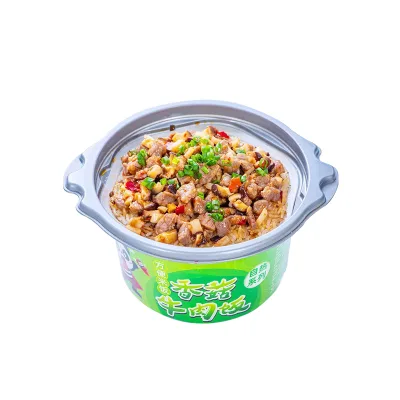
Self-heating rice net red self-heating self-heating rice small hot pot self-heating instant rice
$1.6591 - $1.8146
MOQ: 12 bags
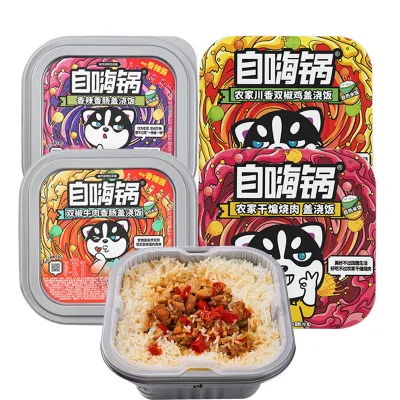
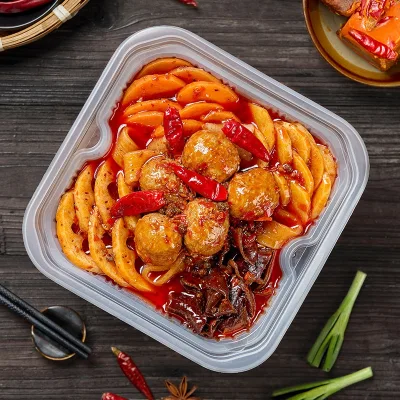
Hot Sale Laweike Self-heating Rice 280g Spiced Shredded Pork Self-heating Fast Food Instant Rice
$1.7114 - $2.2679
MOQ: 24 boxes
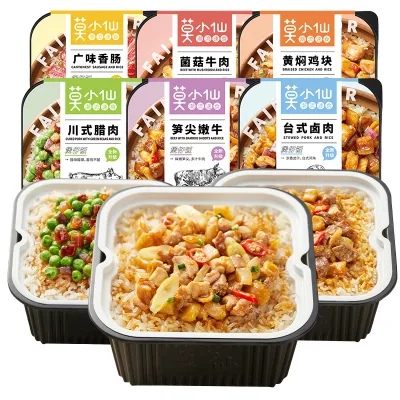
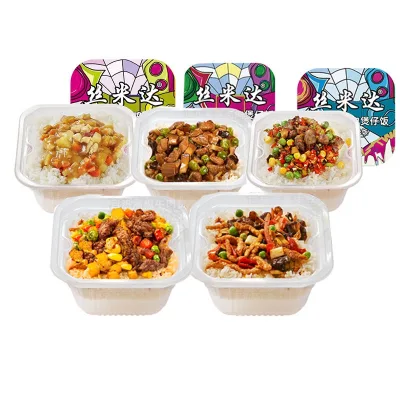
Wholesale Self-Heating Hot Pot Snack Spicy Hot & Sour Rice Noodles Instant Chinese Rice
$0.9275 - $1.2581
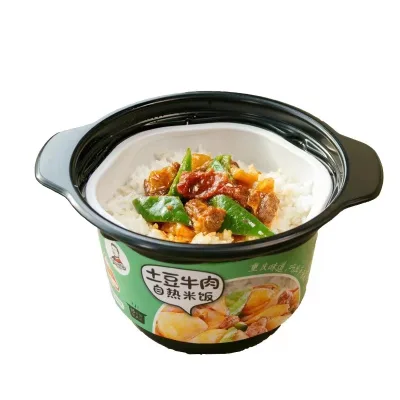
MOQ: 24 boxes
Fuzhou Jiarui Hongxin Trading Co., LTD.
- Verified by TüVRheinland
- Trading Company
- Lead time20 days
- Avg. response≤ 2h
Main productsCookies, Snacks, Candy Chocolate, Ready To Eat, Self Heating
Main marketsSoutheast Asia(65%), North America(18%), Mid East(10%)
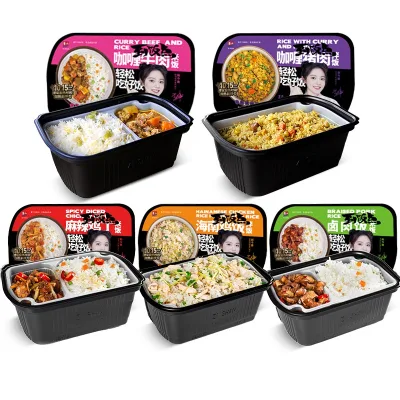
$2.1109 - $2.3472
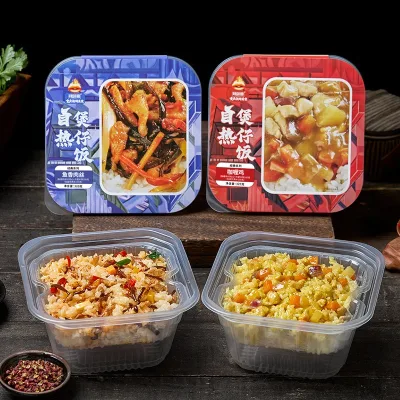
MOQ: 400 barrels
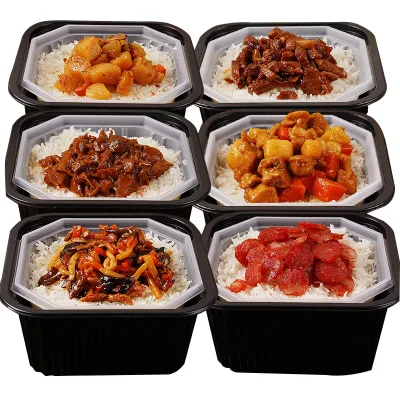
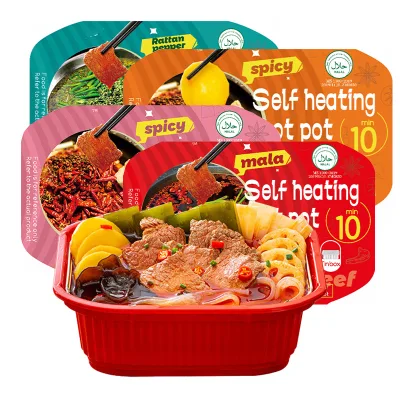
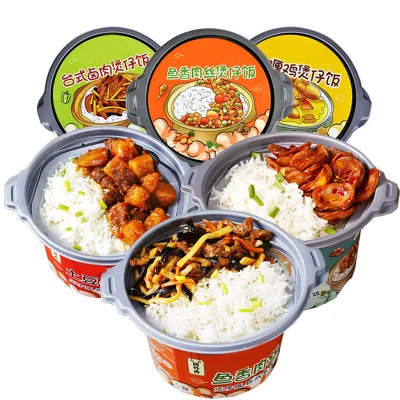
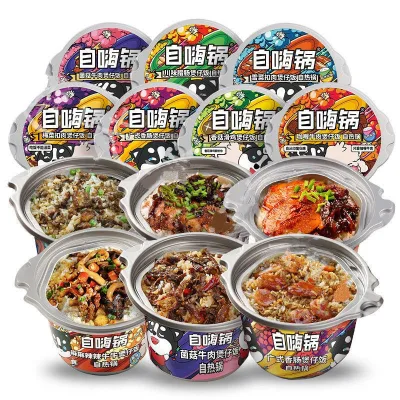
Huizhou Zhong Kai Xin Food Co., Ltd.
- Verified by Intertek
- Manufacturer, Trading Company
- Lead time15 days
- Avg. response≤ 3h
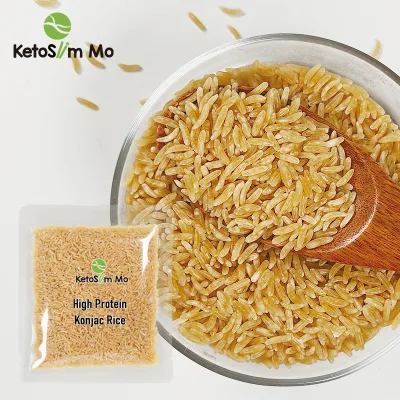
Main productsKonjac Noodles, Konjac Rice, Konjac Jelly, Konjac Vegan Foods
Main marketsWestern Europe(53%), North America(14%), Domestic Market(9%)
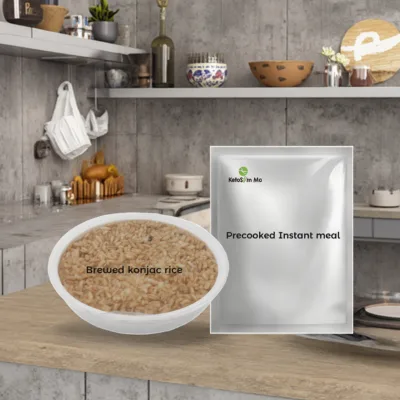
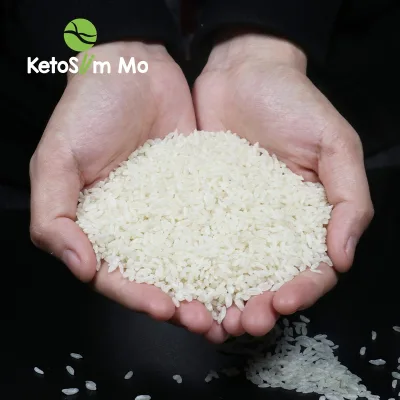
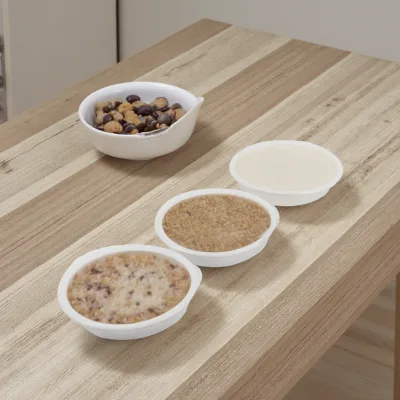
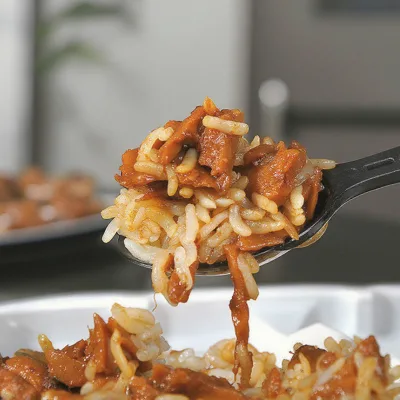
China Convenient Quick Save Time Self-Heating Rice Nutrition Tasty High Energy
$0.90
MOQ: 5000 Minimum
Mianyang Junyi Agricultural Science And Technology Development Co., Ltd.
- Manufacturer
- Sichuan, China
- Lead time20 days
- Avg. response≤ 1h
Main productsKonjac instant Rice,Konjac Noodles,Konjac Vegan Foods,Konjac Snack,Konjac Jelly
Main marketsDomestic Market(40.00%), North America(20.00%), Eastern Europe(20.00%), Southeast Asia(10.00%), Western Europe(10.00%)
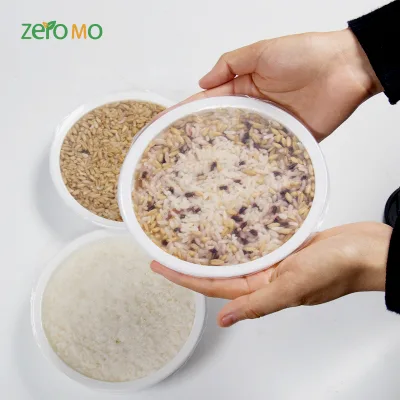
Meal Ready to Eat Self Heated Dishes Cooking Instant Food Steamed Instant Rice
$0.564 - $0.7884
MOQ: 3 bags
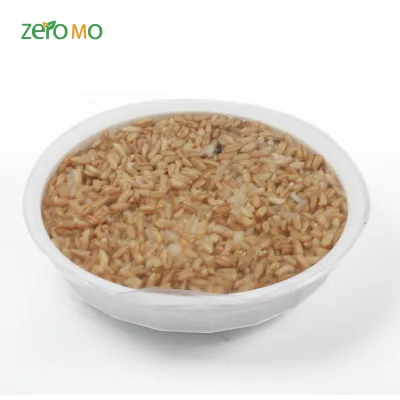
Ready to Eat Long Storage 12 Month Popular Delicious Mixed Cereal Oat Self-heating Rice
$0.564 - $0.7884
MOQ: 3 bags
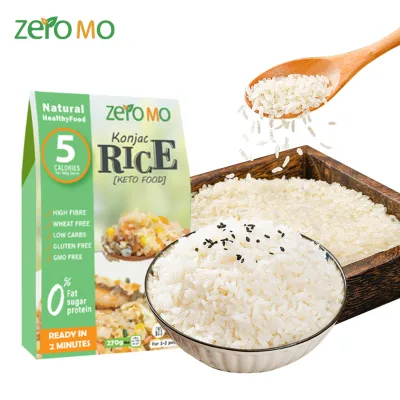
$0.3531 - $0.4249
MOQ: 500 pieces
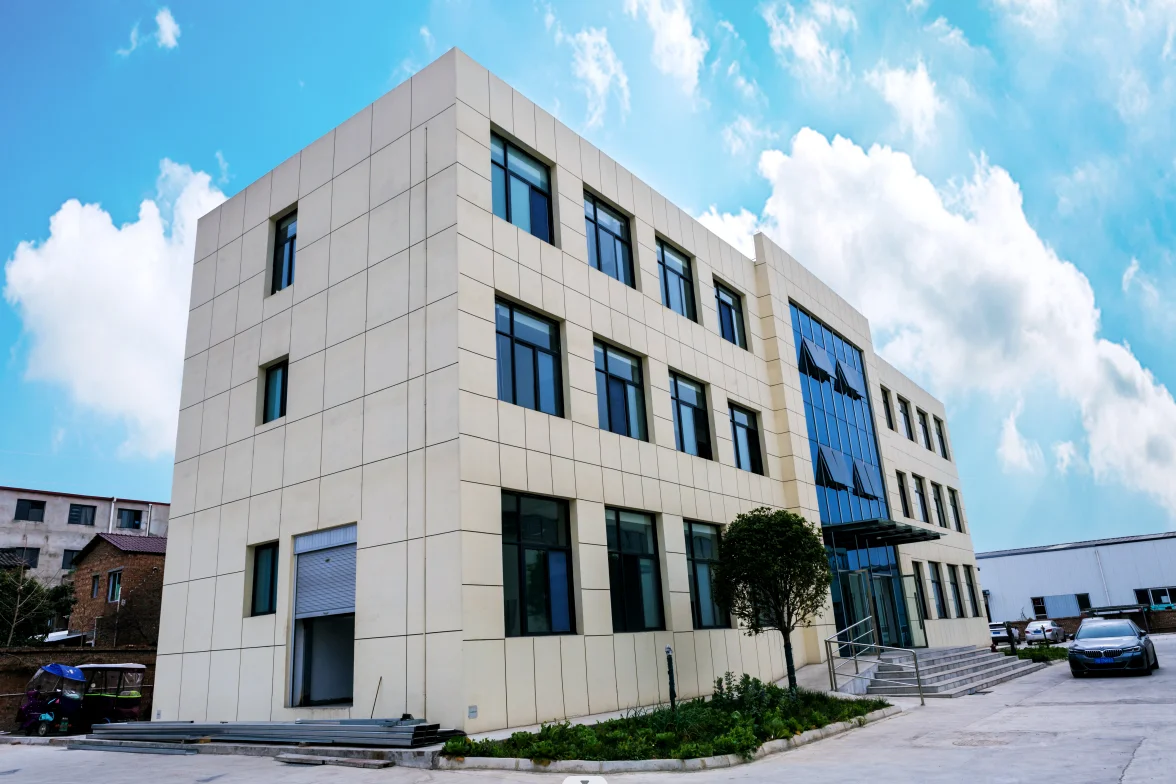
Sichuan Yijiahe International Trade Co., Ltd.
- Trading Company
- Sichuan, China
- Lead time10 days
- Avg. response≤ 3h
Main productsKonjac Rice/Konjac Noodles/Konjac Jelly/Konjac Meal Replacement/Instant Rice
Main marketsNorth America(20.00%), Eastern Asia(20.00%), Eastern Europe(20.00%), Mid East(20.00%), Southeast Asia(20.00%)
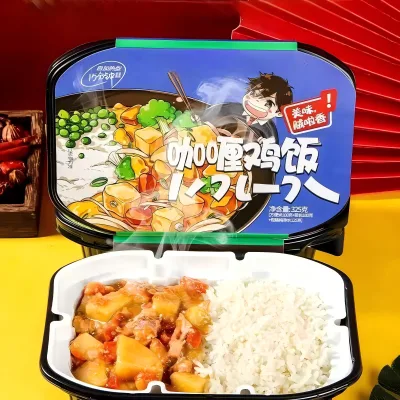
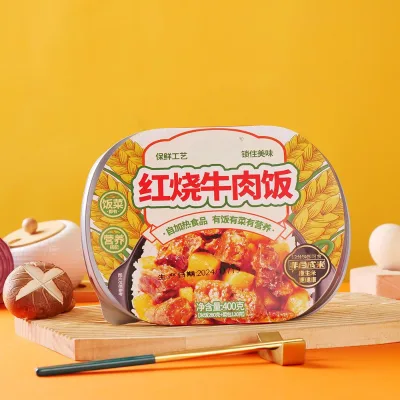
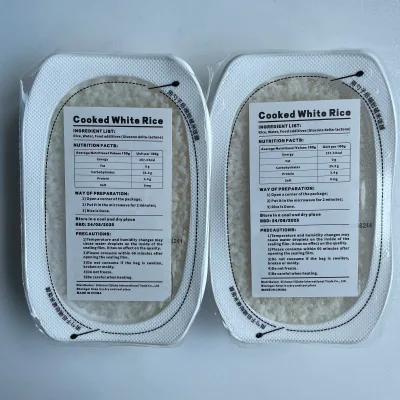
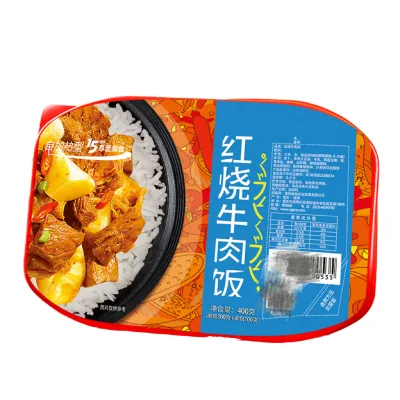
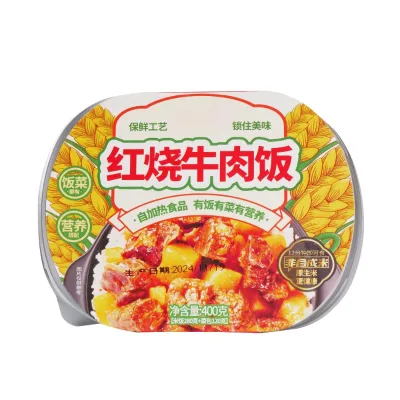
$1.69 - $1.80
MOQ: 1000 sets
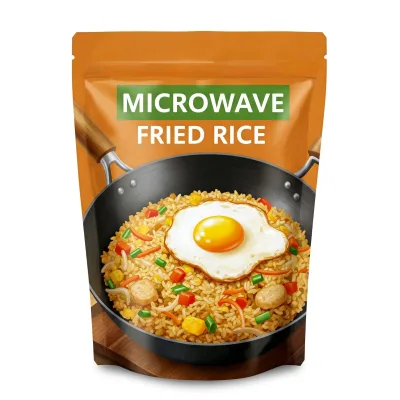

Henan Xingran Supply Chain Management Co., Ltd.
- Trading Company
- Henan, China
- Lead time15 days
- Avg. response≤ 7h
Main productsDrinks,Biscuit,candy,instant noodles,Customization of various types of food
Main marketsNorth America(60.00%), Eastern Europe(20.00%), Eastern Asia(15.00%), Northern Europe(5.00%)
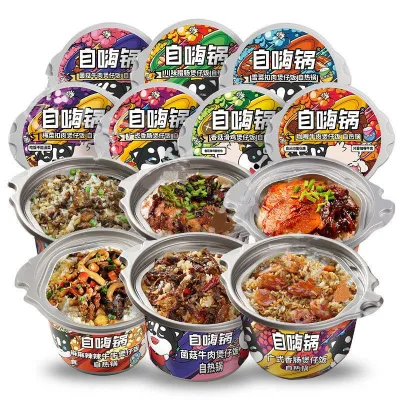
$2.38 - $2.64
MOQ: 12 pieces
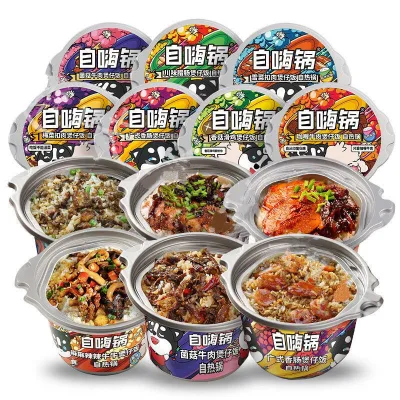
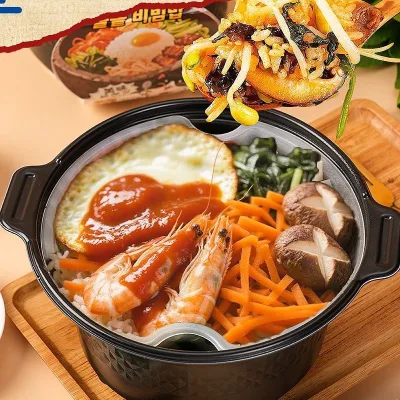
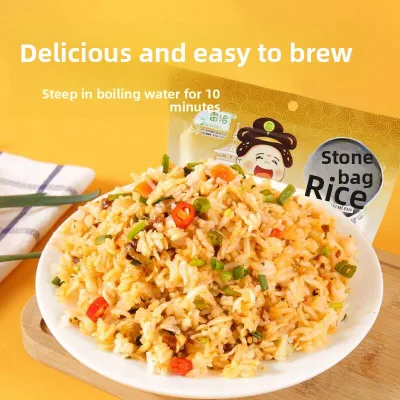
Wholesale Self Heating Dry Instant delicious Rice Zihaiguo Instant Self Heating Hotpot
$2.38 - $2.64
MOQ: 12 pieces
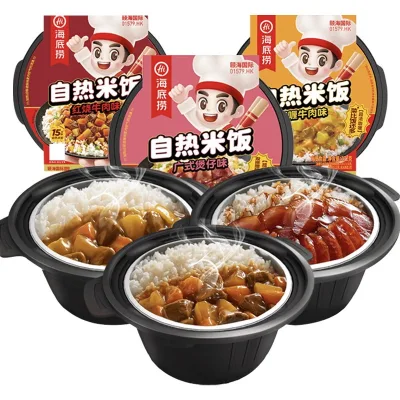
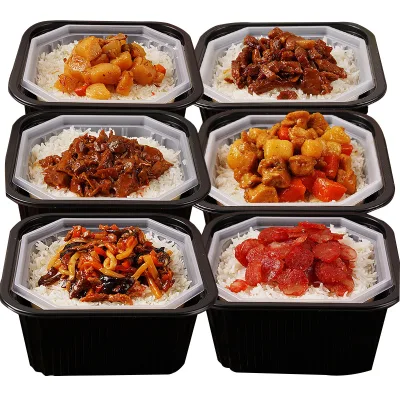

SHANDONG JOYANG MACHINERY CO., LTD.
- Verified by SGS
- Trading Company
- China Shandong
- Lead time30 days
- Avg. response≤ 1h
Main productsMicrowave Equipment, Microwave Sterilization Machine, Micrwave Drying Machine, Microwave Oven, Snack Making Machine, Pet Food Machine, Fish Feed Machine, Puff Corn Snack Machine, Pasta Machine, Food Extruder
Main marketsSouth America,Africa,Southeast Asia/ Mideast,Europe

Jinan Dayi Extrusion Machinery Co., Ltd.
- Manufacturer
- China Shandong
- Lead time30 days
- Avg. response≤ 4h
Main productsFood Machine, Snack Machine, Food Extruder, Pellet / 3D Food Machine, Corn Flakes /Breakfast Cereal Machine
Main marketsSouth America,Africa,Southeast Asia/ Mideast,East Asia(Japan/ South Korea),Europe
- Verified by SGS Group
- Manufacturer, Trading Company
- Lead time20 days
- Avg. response≤ 3h
Main productsSeaweed Salad, Tobiko, Masago
Main marketsWestern Europe(20%), North America(17%), Eastern Europe(17%)
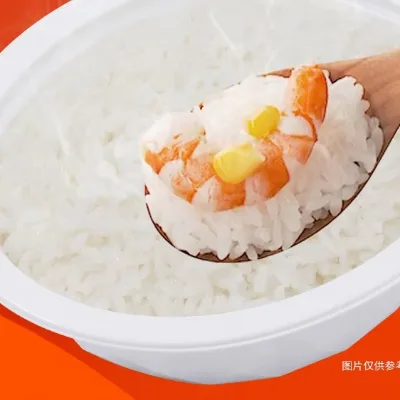
Healthy and Delicious 2-Minute Quick Heat Instant Rice for Office and Travel
$0.4099 - $1.0248
MOQ: 1 Minimum
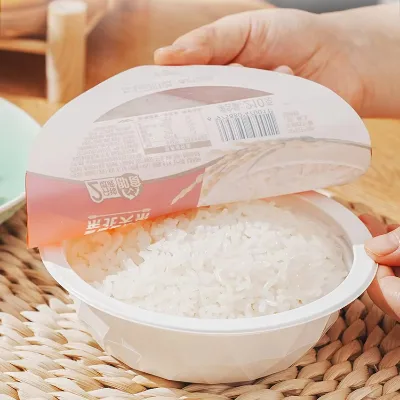
Quick Cook Instant Rice Ready to Cook Rice for Busy Weeknight Meals Camping Trips and Office Lunches
$0.40 - $1.00
MOQ: 1000 Minimum
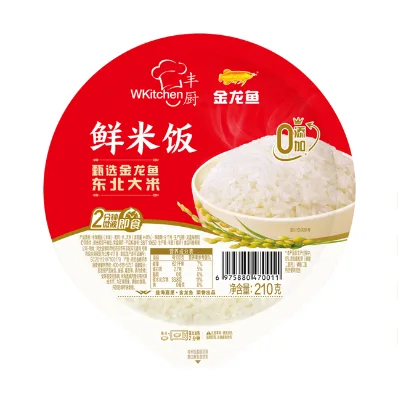
Instant Rice Microwave Heating Is Convenient and Fast for Camping and Picnicking
$0.4114 - $1.0278
MOQ: 1 Minimum


Comprehensive Sourcing Guide
Emergency Self Heating Rice Supplier Concentration and Factory Types
Current data indicates a concentration of suppliers in China, specifically within Hebei and Gansu provinces, alongside operations in Chongqing. These regions host a mix of combined entities and trading companies that specialize in emergency food solutions. The Hebei-based suppliers often list main products including canned meat, luncheon meat, and various instant rice formats, suggesting a robust manufacturing cluster for self-heating meal kits. Gansu suppliers appear to diversify their portfolios with ice cream, snacks, and functional teas, indicating a broader food processing capability that extends into emergency reserves. Chongqing-based entities focus heavily on instant rice and self-heating hot pot varieties, highlighting a regional specialization in convenient, ready-to-eat grain products.
Buyers should verify the specific factory type before engaging, as the distinction between a manufacturer and a trading company impacts direct communication and customization capabilities. The observed supplier types include combined entities capable of ODM and OEM services, as well as pure trading companies that may source from multiple factories. When evaluating concentration, look for suppliers explicitly stating their production capacity and whether they own the brand or act as an intermediary. If a location is not explicitly confirmed in the search results, buyers must request proof of factory address and production lines to confirm the cluster. Understanding whether a supplier is a direct manufacturer or a trader is critical for negotiating pricing and ensuring quality control over the self-heating mechanism and food safety standards.
How to Verify Emergency Self Heating Rice Suppliers
Verification begins with checking for third-party audit badges such as BV, which indicates a supplier has undergone external business verification. In the current dataset, specific suppliers display BV verification status, providing a baseline level of trust regarding their business legitimacy. Buyers should also scrutinize system certifications like ISO9001:2015 and ISO14001:2015, which are explicitly listed for some manufacturers. These certifications suggest adherence to quality management and environmental standards, which are vital for food production. Additionally, product-level certifications such as BRC, FDA, HACCP, and ISO are frequently cited in product attributes, serving as evidence that the specific self-heating rice items meet international safety requirements.
Response time is another critical metric for verification, with observed data showing response times ranging from approximately 3.28 hours to 9 hours. A faster response time often correlates with a more active and responsive sales team, which is essential for resolving urgent procurement needs. Buyers should test the communication channel by sending a specific inquiry about customization or technical specifications to gauge the actual reply speed. Furthermore, checking the "is_verified" status and the specific nature of the verification badge helps distinguish between fully vetted partners and those with minimal screening. Always request a copy of the current certification documents to ensure they are valid and not expired, as these documents are the primary proof of a supplier's compliance with food safety regulations.
What to Compare Across Emergency Self Heating Rice Suppliers
When comparing suppliers, lead time is a primary differentiator, with observed data indicating a standard lead time of 15 days for production and delivery. This timeframe should be weighed against the urgency of the order, especially for disaster relief or immediate fieldwork needs. Buyers must also compare the Minimum Order Quantity (MOQ), which varies significantly across the catalog; some listings show an MOQ of 1 unit, while others require a full carton of 12 packages. This variation allows buyers to select suppliers that match their inventory strategy, whether they need small trial batches or bulk stockpiling. The price per unit also fluctuates based on the specific product model and packaging, with observed prices ranging from 3.00 to 5.50 per unit depending on the configuration.
Beyond logistics, buyers should compare the customization options and product attributes listed in the supplier profiles. Many suppliers offer ODM and OEM services, allowing for custom branding and menu selection, such as beef or chicken menus. The product attributes reveal critical details like total calories, cooking time, and storage methods, which must align with the intended usage scenario. For instance, some products specify a cooking time of 15-20 minutes, while others claim faster heating. Comparing the packaging material, such as plastic or vacuum packs, and the storage requirements, like normal temperature in a cool, dry place, ensures the product fits the supply chain constraints. Buyers should create a comparison matrix using these specific data points to identify the supplier that offers the best balance of cost, speed, and technical specification.
Common Emergency Self Heating Rice Sourcing Risks
One significant risk involves the discrepancy between claimed certifications and actual product compliance. While suppliers list certifications like HACCP, ISO, and FDA, buyers must verify that these apply to the specific self-heating rice batch being ordered. There is a risk that a supplier holds general company certifications but lacks specific product testing for the heating element or the food safety of the meal kit. Another risk relates to the shelf life and storage stability, as some products list a shelf life of 9 months, while others imply longer-term storage for emergency reserves. Inconsistent storage instructions, such as "normal temperature" versus specific cool, dry requirements, can lead to spoilage if the supply chain environment is not controlled.
Logistical risks also arise from the variability in packaging standards and dimensions. Different suppliers offer varying packing standards, such as 645g per package or 908g per package, which affects shipping costs and storage density. If a buyer orders from multiple suppliers without standardizing the carton dimensions, they may face inefficiencies in warehousing and transport. Additionally, the reliance on third-party logistics for self-heating meals introduces the risk of damage to the heating mechanism during transit. Buyers should explicitly confirm the packaging integrity and the ability of the product to withstand rough handling. It is also crucial to verify the "Fresh" production date claim, as older stock may have reduced efficacy in the self-heating chemical reaction or compromised food quality.
Emergency Self Heating Rice Regional Sourcing and Logistics
Sourcing from China offers access to a dense network of manufacturers in Hebei, Gansu, and Chongqing, each with distinct logistical advantages. Hebei and Gansu suppliers often focus on bulk production of military-grade rations and compressed foods, which may benefit from established industrial transport routes. Chongqing-based suppliers, specializing in instant rice and hot pot varieties, are located in a major inland logistics hub, potentially offering efficient distribution to central and western markets. Buyers should evaluate the specific origin of the product, as the "Place of Origin" field explicitly states locations like Chongqing or Mainland China, which influences customs clearance and shipping routes. Understanding the regional strengths helps in selecting a supplier that minimizes transit time to the final destination.
Logistics planning must account for the specific packaging dimensions and weight provided in the product attributes. For example, some cartons contain 12 packages of 170g, while others hold 12 packages of 360g or 645g, significantly altering the total shipment weight and volume. Buyers need to calculate the cubic meter usage based on these standard packing details to optimize container loading. The "Single gross weight" and "Single package size" data points are essential for accurate freight cost estimation. Furthermore, the storage method, typically "Normal Temperature in a Cool, Dry Place," implies that the supply chain must avoid extreme heat or humidity, which could affect the self-heating chemical packs. Buyers should verify that their logistics partners can maintain these environmental conditions throughout the transit and storage phases.
Emergency Self Heating Rice Commercial Terms and Order Planning
Commercial terms for emergency self-heating rice often include flexible payment structures and clear delivery timelines. The observed lead time of 15 days serves as a baseline for order planning, but buyers should confirm if this includes packaging customization or standard production. MOQs vary from single units to full cartons, allowing for phased ordering strategies that manage cash flow and inventory risk. Buyers should negotiate based on the specific price points observed, which range from 3.00 to 5.50 per unit, depending on the menu and packaging configuration. Understanding the price variance helps in budgeting for large-scale procurement while maintaining cost efficiency for smaller, urgent orders.
Order planning must also integrate the customization capabilities offered by the suppliers, such as ODM and OEM services. Many suppliers explicitly state that customization is available, allowing buyers to tailor the product to specific branding or nutritional requirements. Buyers should plan their order timeline to accommodate the lead time for custom tooling or label printing if required. The response time of the supplier, ranging from 3.28 to 9 hours, indicates the speed at which commercial negotiations and order confirmations can be finalized. It is advisable to secure a written agreement that details the production schedule, quality assurance protocols, and delivery terms to mitigate the risk of delays. Proper planning ensures that the emergency food supply is ready when needed, balancing the need for speed with the requirements for quality and compliance.
FAQs
What is the typical lead time for Emergency Self Heating Rice orders?
The typical lead time for these orders is 15 days. This duration allows suppliers to process manufacturing and arrange logistics efficiently. Buyers should confirm specific timelines with the supplier before finalizing contracts to ensure alignment with project schedules.
What certifications are available for self heating instant food products?
Products often carry HACCP, ISO, BRC, and FDA certifications. These credentials verify compliance with international food safety and quality management standards. Buyers should request valid certificates to ensure the supplier meets specific regulatory requirements for their target markets.
What is the minimum order quantity for self heating rice packs?
The minimum order quantity varies by product, ranging from 1 unit to 12 units. Some items require a full carton of 12 packages, while others allow single-unit purchases. Buyers should check the specific MOQ for each product model to plan inventory effectively.
Where are Emergency Self Heating Rice suppliers primarily located?
Suppliers are primarily located in China, specifically in regions like Hebei, Gansu, and Chongqing. These areas host manufacturers specializing in instant foods and military rations. Buyers can filter results by these locations to find suppliers with established production capabilities.
What is the price range for self heating outdoor emergency food?
Prices for these products typically range from $3.00 to $5.50 per unit. The cost depends on the specific menu, packaging, and total calorie content. Buyers should compare quotes from multiple suppliers to secure the best value for their budget and quality requirements.
How long does it take to cook self heating rice meals?
Cooking time for these meals is generally 15 to 20 minutes. This process relies on chemical heating elements activated by water. Some instant noodle variants may cook in as little as 6 minutes. Buyers should verify cooking instructions to ensure proper usage in the field.
Can suppliers provide OEM or ODM services for emergency food?
Yes, many suppliers offer OEM and ODM services for custom branding. Buyers can request custom menus, packaging designs, and specific nutritional profiles. This flexibility allows organizations to create branded emergency rations tailored to their specific operational needs and distribution channels.