Stainless Steel Ear Clips Suppliers and Manufacturers
Compare 25 Stainless Steel Ear Clips suppliers by location, certifications, lead times, and response rates. Review product specs like material and customization options. Contact verified factories directly to request samples or quotes; review the available evidence before requesting comparable quotations from suitable candidates.
Updated
Suppliers List

Qingdao Easy-Fix Hardware & Auto Parts Co., Ltd.
- Combined
- China Shandong
- Lead time15 days
- Avg. response≤ 6h
Main productsHose Clamps, Pipe Clamps, Channels Struts & Accessories, Consoles Cantilevers, Radiator Supports, Shelf Brackets, W. C. Fixing Sets, Auto and Traffic Hardware
Main marketsSouth America,Africa,Southeast Asia/ Mideast,East Asia(Japan/ South Korea),Domestic,Europe,Australia,North America

Shenzhen Amengwei Jewelry Co., Ltd.
- Trading Company,Manufacturer/Factory
- China Guangdong
- Lead time23 days
- Avg. response≤ 18h
Main productsBody Piercing Jewelry, Hinged Segment Ring, Nose Ring Belly Ring, Stainless Steel Jewelry, Labret Lip Ring, Earring, Necklace, Bracelet, Ring
Main marketsSouth America,Eastern Europe,Mid East,North America,Southeast Asia,Eastern Asia,Oceania,Western Europe,Africa
- Trading Company
- Zhejiang, China
- Lead time25 days
- Avg. response≤ 4h
Main productsNecklace,Bracelet,Ring,Earring,Jewelry Accessories
Main marketsDomestic Market(100.00%), South America(100.00%), Mid East(100.00%), North America(34.00%), Western Europe(20.00%), Southern Europe(10.00%), Northern Europe(10.00%), Oceania(10.00%), Southeast Asia(5.00%), Eastern Europe(5.00%), Eastern Asia(2.00%), Central America(2.00%), Africa(1.00%), South Asia(1.00%)
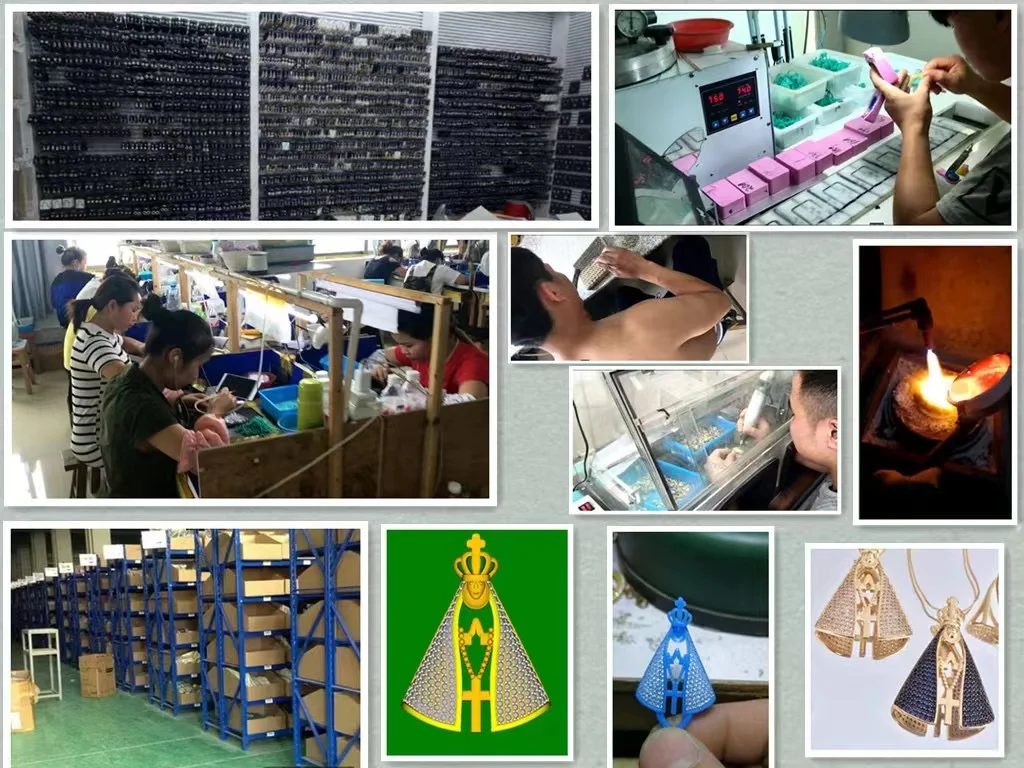
Dezhou Yarno Trading Co., Ltd.
- Trading Company
- Shandong, China
- Lead time0 days
- Avg. response≤ 2h
Main productsnecklace,earrings,bracelets,rings,anklet
Main marketsNorth America(60.00%), South America(20.00%), Eastern Europe(10.00%), Central America(7.00%), Northern Europe(2.00%), Southern Europe(1.00%)
Hangzhou Charming Cat Jewelry Co., Ltd.
- Trading Company
- Zhejiang, China
- Lead time15 days
- Avg. response≤ 3h
Main productsnecklace,ring,Earrings,chain bracelet
Main marketsNorth America(30.00%), South America(20.00%), Eastern Europe(10.00%), Western Europe(10.00%), Southern Europe(10.00%), Southeast Asia(5.00%), Mid East(5.00%), Central America(5.00%), Northern Europe(5.00%)
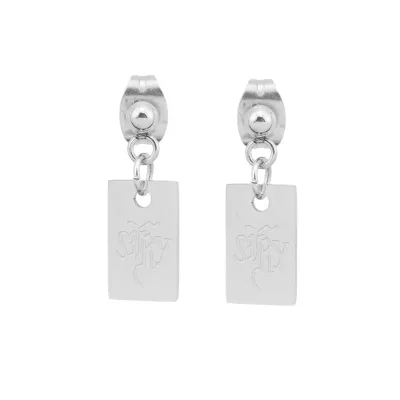
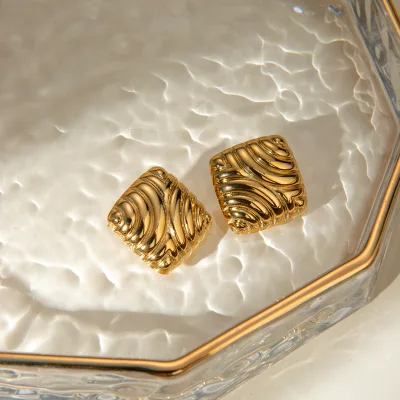
Fashion Delicate Small Square Stainless Steel Dangle Earrings Beautiful Ear Clips
$0.5816 - $0.727
MOQ: 1 Minimum
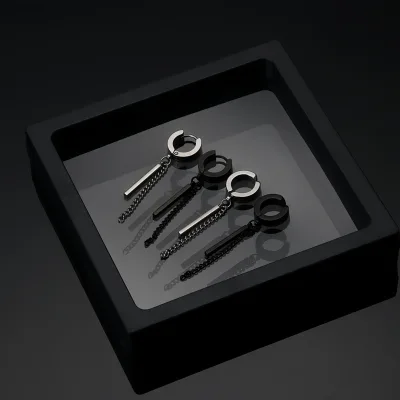
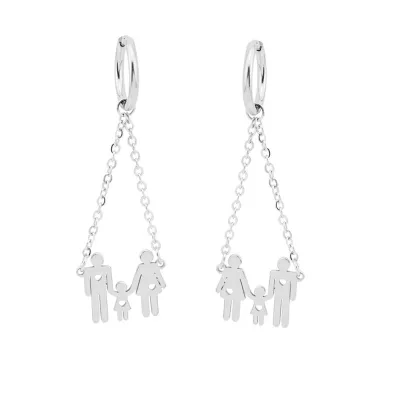
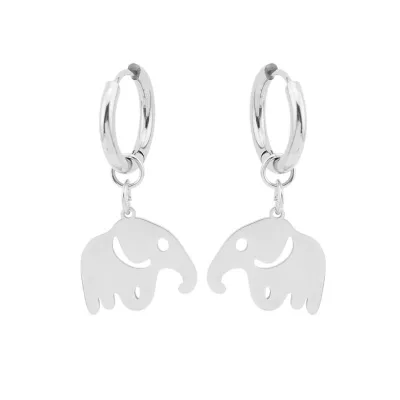
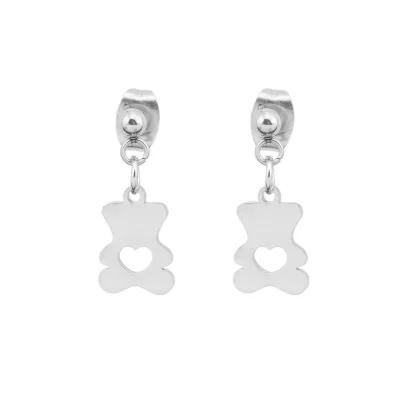
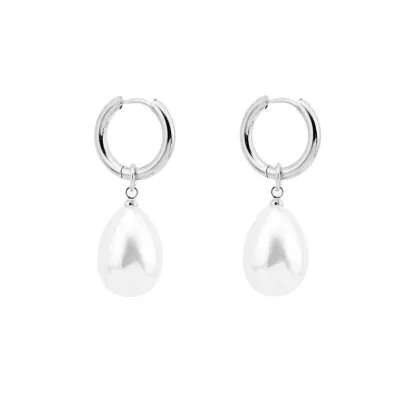

Dongguan Xinyi Jewelry Co., Ltd.
- Trading Company
- Guangdong, China
- Lead time20 days
- Avg. response≤ 3h
Main productsJewelry rings,necklace,Bracelet,Earings,Anklet
Main marketsNorth America(20.00%), South Asia(10.00%), Southern Europe(10.00%), Northern Europe(10.00%), Western Europe(10.00%), Oceania(10.00%), Southeast Asia(10.00%), Eastern Europe(10.00%), South America(10.00%)

Shenzhen Longhua New District Jincheng Metal & Plastic Products Factory
- Manufacturer
- Guangdong, China
- Lead time0 days
- Avg. response≤ 5h
Main productsbody jewelry,piercing jewelry,puncture accessories,piercing accessories,nose ring
Main marketsNorth America(30.00%), Western Europe(20.00%), Southern Europe(10.00%), South America(10.00%), Africa(10.00%), Southeast Asia(10.00%), Eastern Europe(10.00%)

Longyuan (Guangzhou) Industrial Development Co., Ltd.
- Verified by TUVRHEINLAND
- Manufacturer/Factory
- China Guangdong
- Lead time23 days
- Avg. response≤ 7h
Main productsJewelry, Fashion Watch, Hair Accessories, Men Jewelry, Women Jewelry, Pendants, Brooches, Bracelets, Crowns, Necklaces
Main marketsSouth America,Eastern Europe,Mid East,North America,Western Europe

Guangdong Kalen Jewelry Company Limited
- Verified by SGS
- Combined
- China Guangdong
- Lead time30 days
- Avg. response≤ 6h
Main productsStainless Steel Jewelry, Fashion Accessories, Bracelets, Necklaces, Rings, Earrings, Pendants, Bangles, Jewelry Sets, Cufflinks
Main marketsSouth America,Europe,Australia,North America

Yiwu Renrui E-commerce Business
- Trading Company
- China Zhejiang
- Lead time0 days
- Avg. response≤ 4h
Main productsSouvenir Gift, Craft, Scented Candle, Artificial Flower, Christmas Ornaments, Daily Use, Home Decoration, Solid Wood Carvings, Accessories, Photo Frame


Geometric Semi-Circle Earrings - 18K Gold Plated Titanium Steel Metal Finish Ear Clips
$4.20 - $4.50
MOQ: 10 Pieces
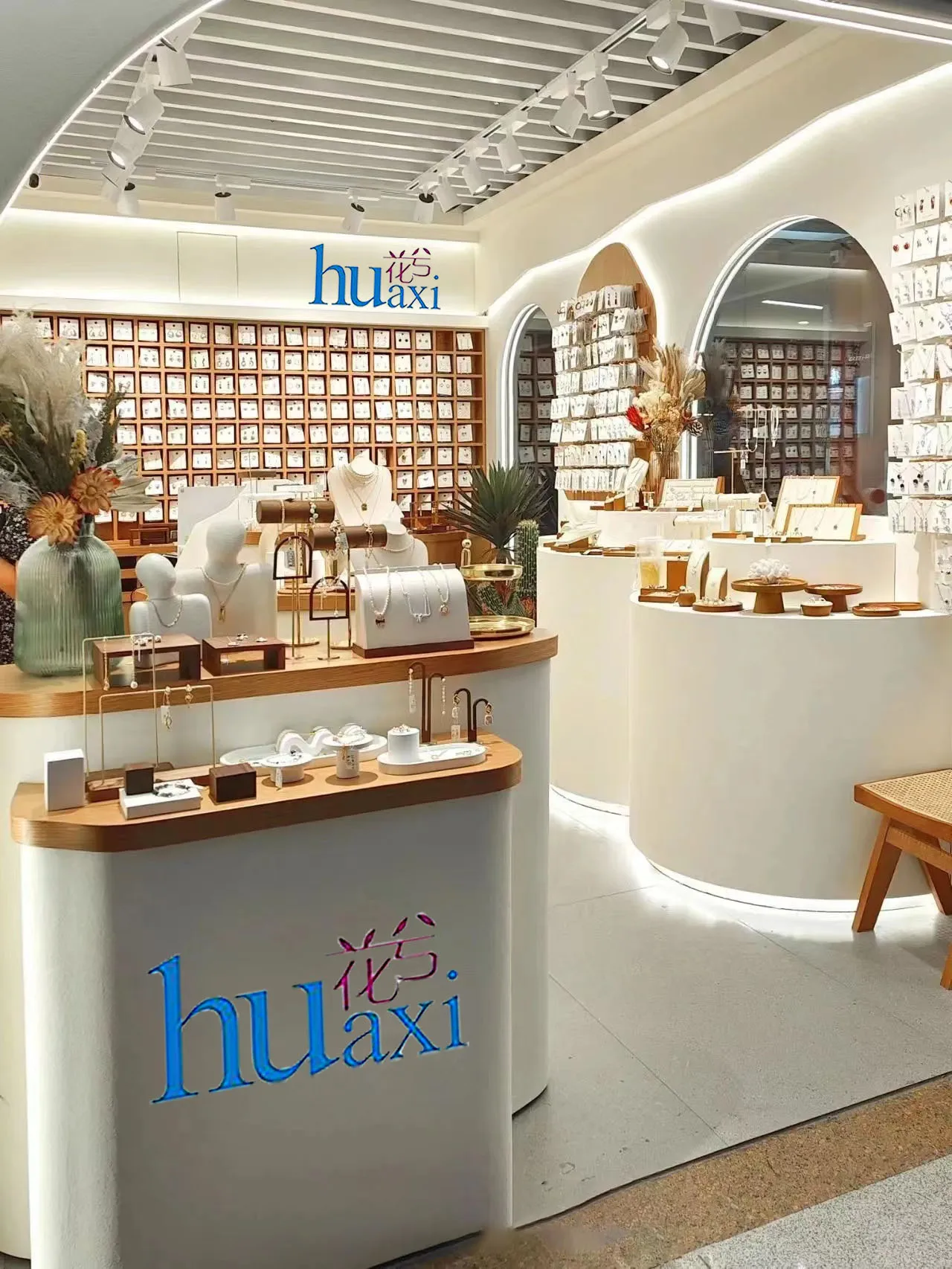
Shenzhen Hua Xi Jewelry Co., Ltd.
- Manufacturer, Trading Company, Distributor/Wholesaler
- Guangdong, China
- Lead time7 days
- Avg. response≤ 1h
Main productsPiercing Tool,Piercing Instrument,Body Care Jewelry,Fashionable and Popular Jewelry,925 Sterling Silver Jewelry
Main marketsNorth America(20.00%), Southeast Asia(10.00%), Mid East(10.00%), South America(5.00%), Oceania(5.00%)

Shenzhen Hengda Xin Jewelry Co., Ltd.
- Verified by BV
- Combined
- China Guangdong
- Lead time15 days
- Avg. response≤ 2h
Main productsJewelry, Stainless Steel Fittings, Stainless Steel Jewelry, Necklace, Bracelet, Stud Earrings, Ring, Pendant, Fashion Jewelry, Fashion Accessories
Main marketsSoutheast Asia/ Mideast,East Asia(Japan/ South Korea),Domestic,Europe,Australia,North America

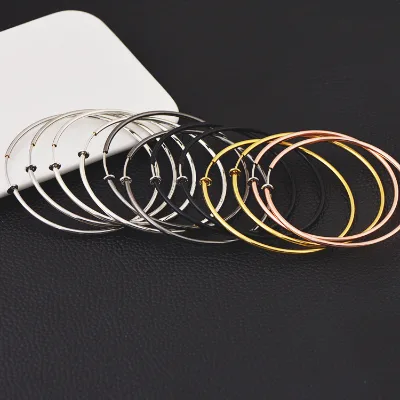
Wholesale Jewelry Men's and Women's Hoop Earring Stainless Steel Gold Plated Clip Earring
$0.70 - $1.10
MOQ: 20 Pairs

Ear Clip Without Ear Hole Women's Pearl Vintage French Copper Ear Clip Earring
$0.98 - $1.05
MOQ: 10 Pieces

Stainless Steel Double Ring Roman Numerals Earrings Black White Shell Earrings
$1.50 - $2.30
MOQ: 100 pairs
- Trading Company
- Zhejiang, China
- Lead time15 days
- Avg. response≤ 7h
Main products316L body piercing jewelry,Titanium Piercing jewelry,S925 Fashion Jewelry,14K Gold Jewelry,Findings/Jewelry Accessories
Main marketsNorth America(40.00%), South America(30.00%), Western Europe(15.00%), Southern Europe(10.00%), Eastern Europe(5.00%), Northern Europe(5.00%), Southeast Asia(2.00%), Domestic Market(1.00%), Africa(1.00%), South Asia(1.00%), Central America(1.00%), Eastern Asia(1.00%), Mid East(1.00%), Oceania(1.00%)
Shangrao Oriole Jewelry Co., Ltd.
- Verified by Intertek
- Manufacturer, Trading Company
- Lead time0 days
- Avg. response≤ 2h
Main productsNecklaces, Ring, Earrings, Key Chains, Lanyard
Main marketsNorth America(60%), Western Europe(30%), Eastern Europe(10%)
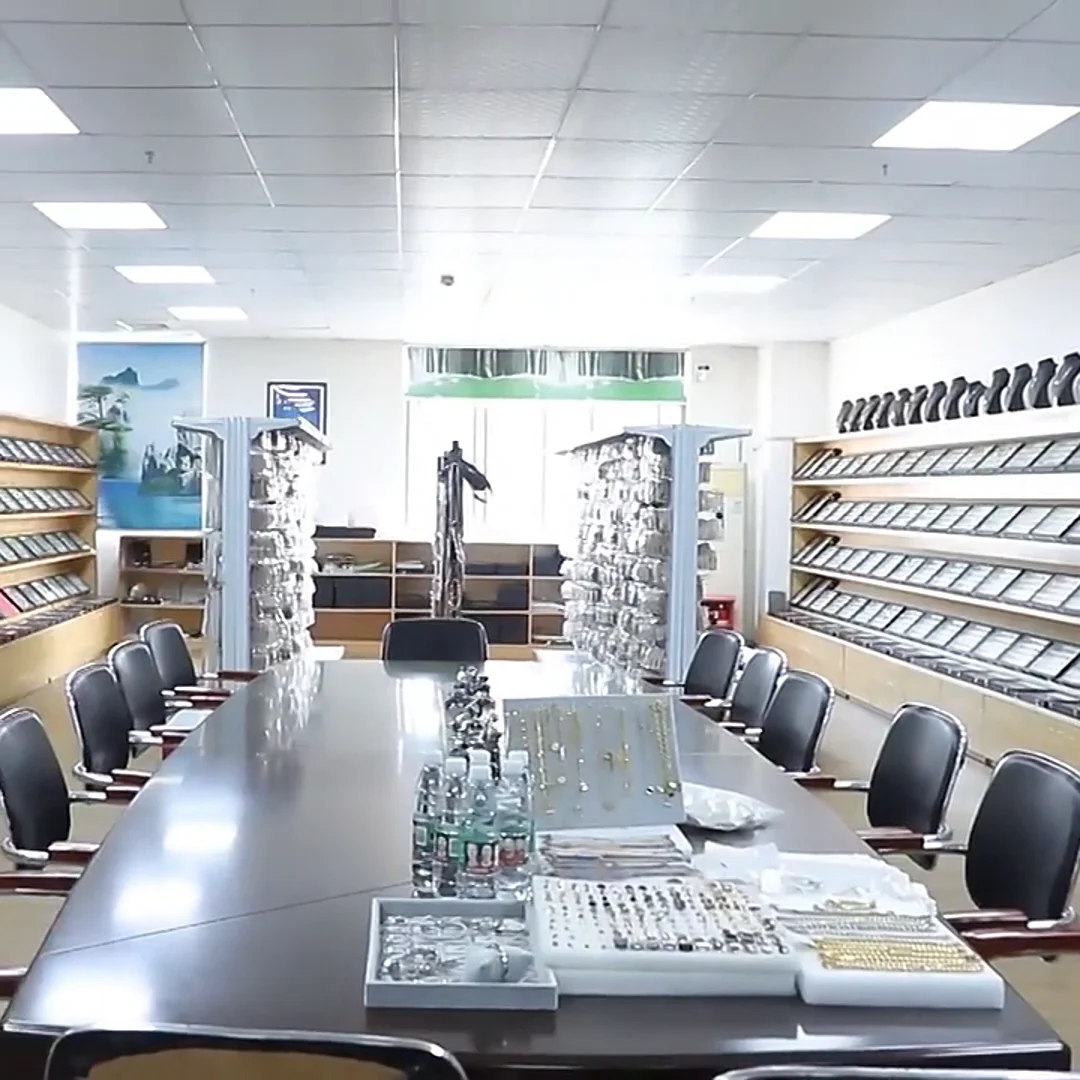
Shenzhen Crown Jewelry Co., Ltd.
- Manufacturer, Trading Company
- Guangdong, China
- Lead time0 days
- Avg. response≤ 7h
Main productsstainless steel jewelry,925 sterling silver jewelry,copper/brass jewelry,tungsten jewelry,alloy jewelry
Main marketsNorth America(35.00%), Eastern Europe(20.00%), Western Europe(10.00%), Oceania(10.00%), South Asia(5.00%), Southern Europe(5.00%), Northern Europe(5.00%), Southeast Asia(5.00%), South America(5.00%)
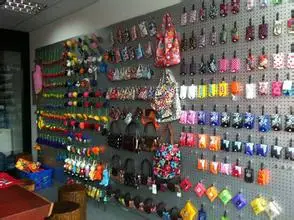
- Trading Company
- Zhejiang, China
- Lead time0 days
- Avg. response≤ 5h
Main productsCustom Logo branded products for ASI SAGE PPAI DC etc,Custom Jewelry & Parts,Stock Jewelry/Bag 1 pcs dropshippingas required,Magazine Gifts and Toys,Personalized gift and capsule toys
Main marketsNorthern Europe(20.00%), Central America(20.00%), Western Europe(20.00%), South America(20.00%), North America(20.00%)
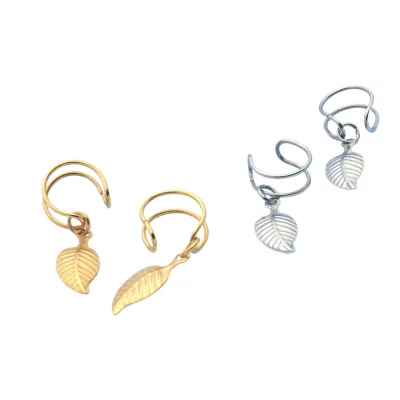
$0.1649 - $0.2473
MOQ: 2 Minimum
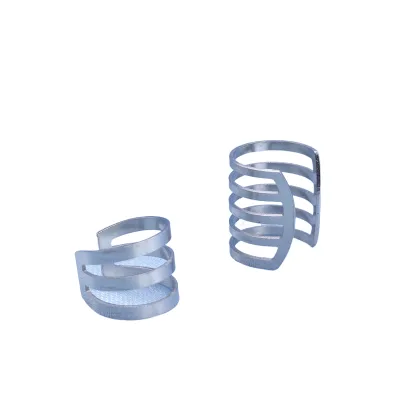
$0.1231 - $0.2054
MOQ: 2 Minimum
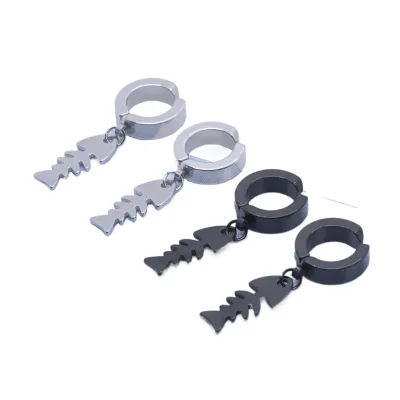
$0.2263 - $0.2878
MOQ: 2 Minimum
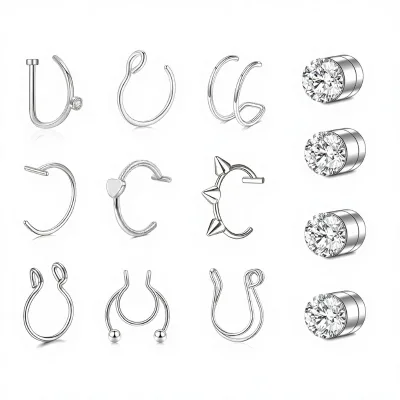

- Verified by CTI
- Trading Company
- China Zhejiang
- Lead time23 days
- Avg. response≤ 15h
Main productsEarring, Vase, Scented Candles, Hair Ties, Bags
Main marketsSouth America,Europe,North America


Crystal Butterfly Earrings Ear Clips Ear Cuff Non-Piercing Zircon Clip Earrings
$1.19 - $1.39
MOQ: 12 Pieces


Dongguan Macho Jewelry Co., Ltd.
- Manufacturer
- Guangdong, China
- Lead time15 days
- Avg. response≤ 2h
Main productsCeramic Jewelry,Tungsten Jewelry,Stainless Steel Jewelry,Titanium Jewelry,Cobalt Jewelry
Main marketsCentral America(10.00%), Mid East(10.00%), Western Europe(10.00%), Southern Europe(10.00%), Northern Europe(10.00%), Eastern Europe(10.00%), South America(10.00%), North America(10.00%), Eastern Asia(5.00%), South Asia(5.00%), Southeast Asia(4.00%), Domestic Market(2.00%), Oceania(2.00%), Africa(2.00%)

Shenzhen ShineMe Jewelry Co., Ltd.
- Manufacturer/Factory
- China Guangdong
- Lead time15 days
- Avg. response≤ 17h
Main productsTitanium Ring, Tungsten Ring, Stainless Steel Ring, Stainless Steel Pendant, Stainless Steel Bracelet, Stainless Steel Necklace, Stainless Steel Earring, Ear Plug, Titanium and Stainess Steel Body Piercing, Other Matel Jewelry and Accessories
Main marketsSouth America,Eastern Europe,Mid East,North America,Southeast Asia,Eastern Asia,Oceania,Western Europe,Africa
Dongguan Cherry Stainless Steel Jewelry Co., Ltd.
- Verified by TüVRheinland
- Manufacturer, Trading Company
- Lead time35 days
- Avg. response≤ 3h
Main productsStainless Steel Necklace, Stainless Steel Bracelet, Stainless Steel Earrings, Stainless Steel Ring, Stainless Steel Key Chain
Main marketsNorth America(25%), South America(10%), Western Europe(10%)
- Verified by TüVRheinland
- Manufacturer, Trading Company
- Lead time30 days
- Avg. response≤ 8h
Main productsStainless Steel Jewelry, Brass Jewelry, Alloy Jewelry, DIY Jewelry, Gifts And Giveaways
Main marketsNorth America(40%), Western Europe(30%), Domestic Market(10%)
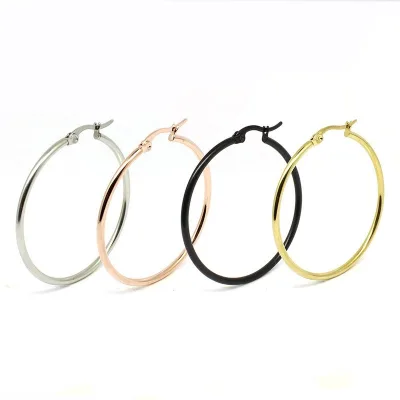
$0.1035 - $0.4362
MOQ: 100 Minimum
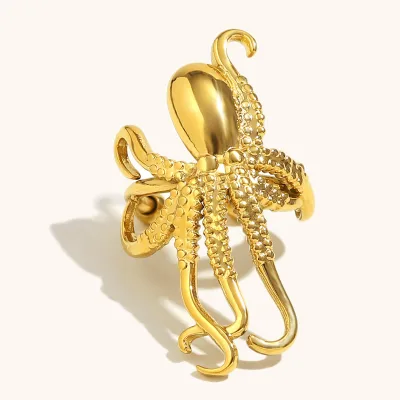
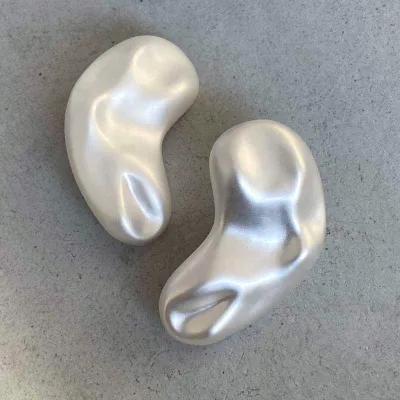
Yiwu Aimeng Accessories Co., Ltd.
- Trading Company
- Zhejiang, China
- Lead time15 days
- Avg. response≤ 6h
Main productsJewelry,hair accessory,glasses,whatch
Main marketsNorth America(80.00%), Western Europe(12.00%), South Asia(1.00%), South America(1.00%), Eastern Asia(1.00%), Mid East(1.00%), Oceania(1.00%), Africa(1.00%), Southeast Asia(1.00%), Eastern Europe(1.00%)

Dongguan Chang'an Kulana Jewelry Factory (sole Proprietorship)
- Manufacturer, Trading Company
- Guangdong, China
- Lead time15 days
- Avg. response≤ 7h
Main productsnecklace,bracelet,earring,bangle,chain
Main marketsNorth America(40.00%), Western Europe(30.00%), Oceania(10.00%), Southeast Asia(10.00%), Northern Europe(5.00%), Mid East(2.00%), Eastern Asia(2.00%), Eastern Europe(1.00%)

Guangzhou Anfook & Dakerden Jewelry Co., Ltd
- Trading Company
- China Guangdong
- Lead time0 days
- Avg. response≤ 14h
Xinxiang Chushi Clothing Co., Ltd.
- Trading Company
- Henan, China
- Lead time7 days
- Avg. response≤ 5h
Main productsClothing and Customization,Design and customization of label and water washing label patterns,Design and customization of clothing tags,LOGO Design and Customization,Clothing and Accessories
Main marketsNorth America(20.00%), Central America(10.00%), South Asia(10.00%), South America(10.00%), Mid East(10.00%), Africa(8.00%), Domestic Market(5.00%), Southeast Asia(5.00%), Eastern Asia(5.00%), Northern Europe(5.00%), Oceania(3.00%), Western Europe(3.00%), Southern Europe(3.00%), Eastern Europe(3.00%)









Comprehensive Sourcing Guide
Stainless Steel Ear Clips Supplier Concentration and Factory Types
The current supplier landscape for Stainless Steel Ear Clips reveals a distinct bifurcation between industrial hardware manufacturers and specialized jewelry producers, each operating within specific geographic clusters in China. Evidence indicates that suppliers located in Shandong are primarily engaged in the production of industrial-grade fasteners, such as hose clamps and pipe fittings, which share the "single ear" or "double ear" clip design but serve entirely different mechanical applications. These entities typically hold ISO9001:2015 and IATF16949 certifications, reflecting their focus on automotive, mining, and maritime industries where structural integrity and material consistency are paramount. The products listed under these industrial suppliers often feature stainless steel materials with specific band widths and thicknesses, emphasizing durability over aesthetic appeal. Buyers seeking components for heavy-duty infrastructure must distinguish these industrial clips from decorative jewelry findings, as the manufacturing tolerances and material grades differ significantly despite the shared nomenclature.
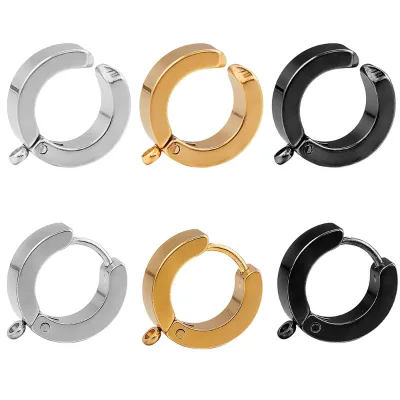
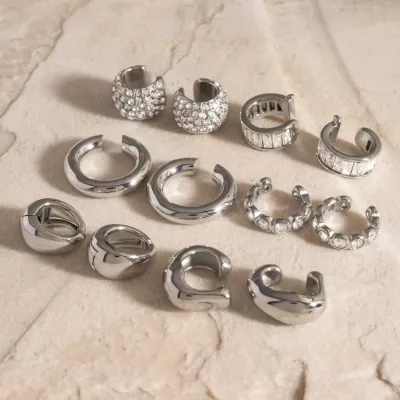
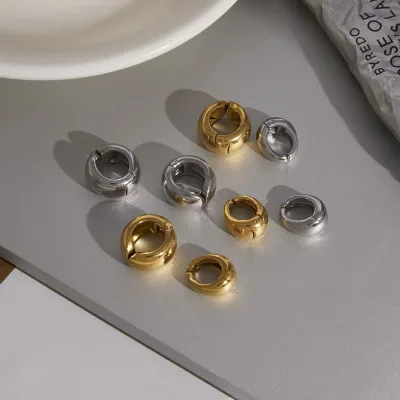
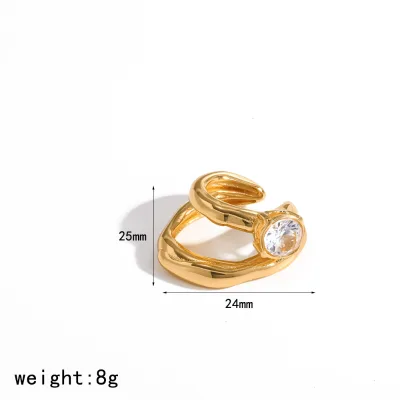
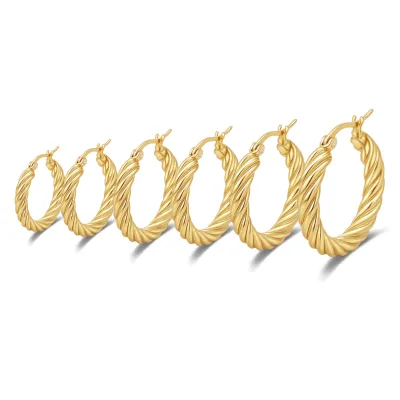
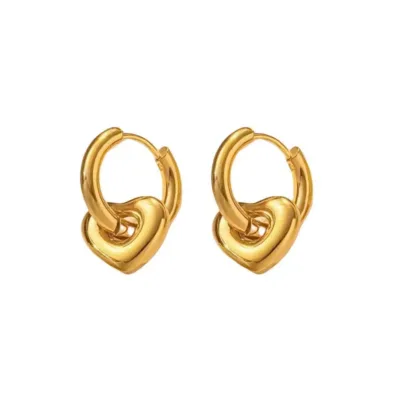
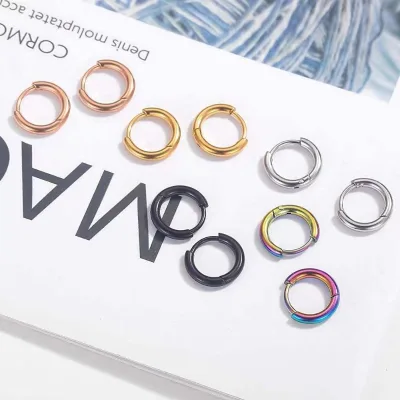
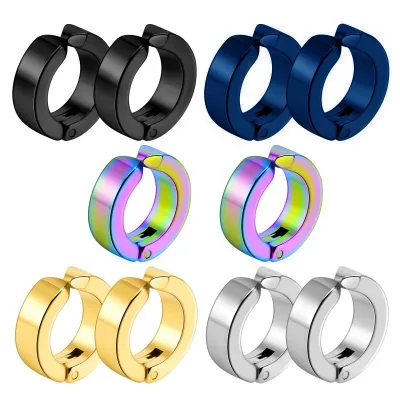
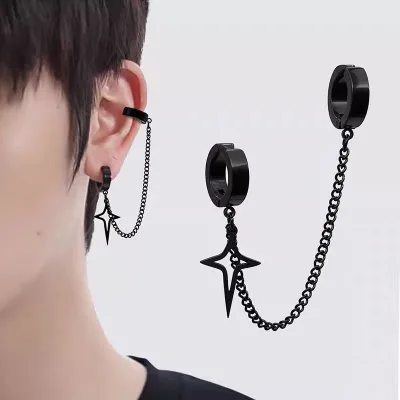
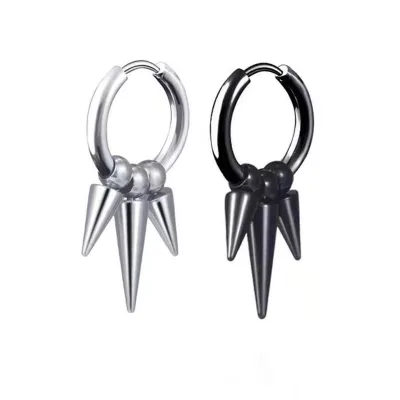
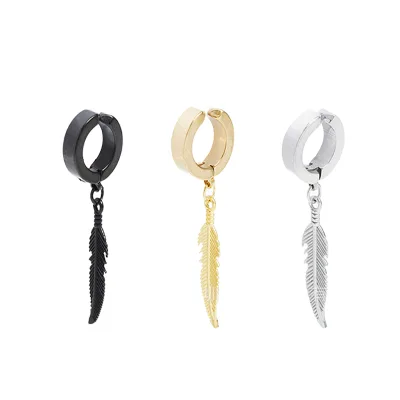
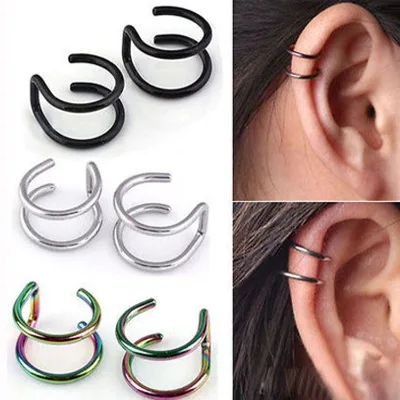
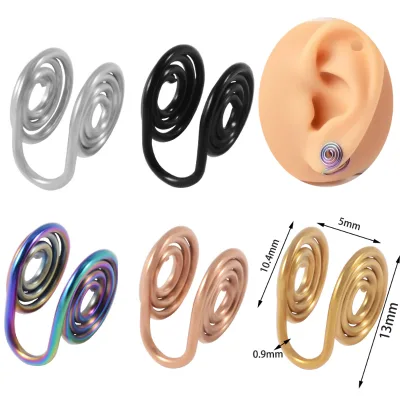
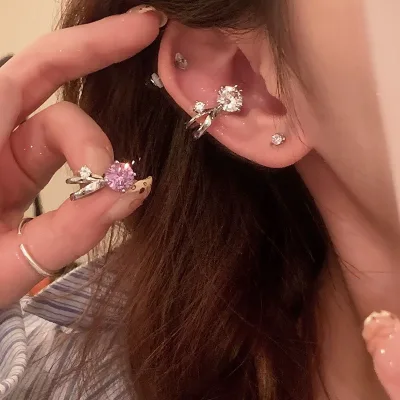
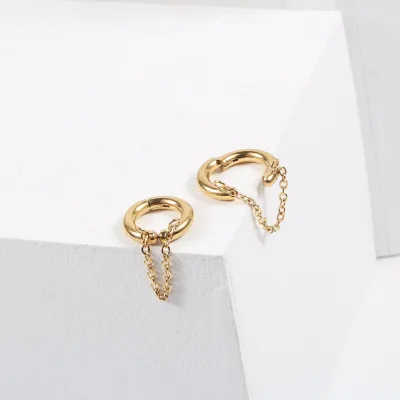
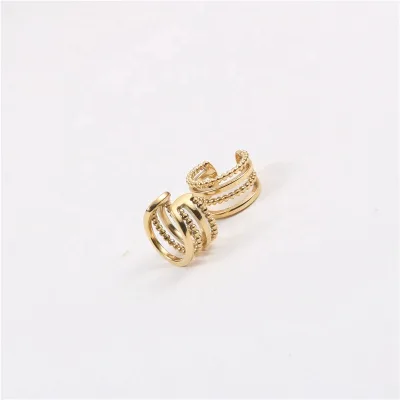
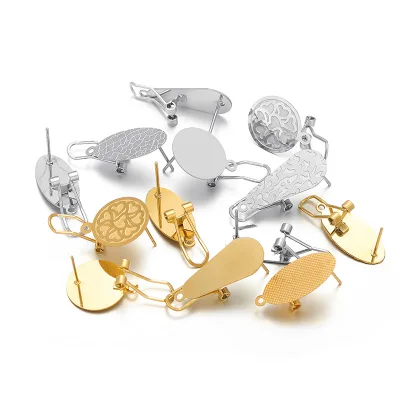
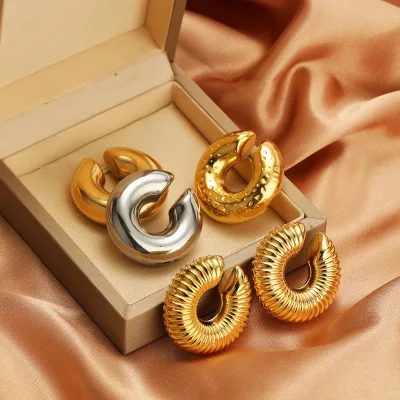
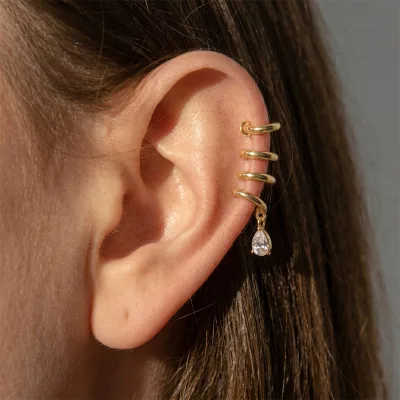
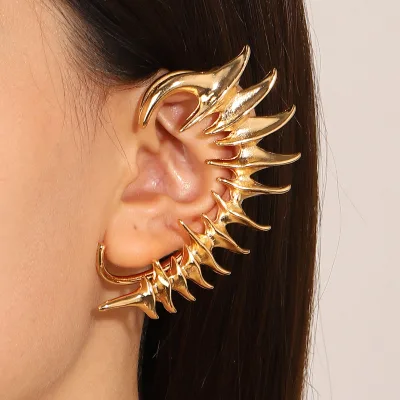
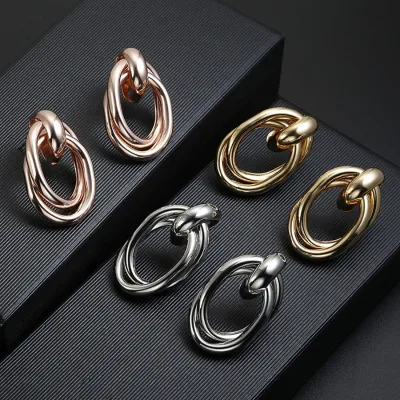
Conversely, suppliers based in Guangdong and Zhejiang are concentrated in the fashion jewelry sector, producing ear clips designed for personal adornment rather than mechanical fastening. These manufacturers and trading companies often hold ISO 9000, ISO 14001, and BREEAM certifications, indicating a broader focus on environmental management and quality systems suitable for consumer goods. The products in this segment, such as stainless steel square ear clips or 18K gold-plated variants, are marketed with attributes like "painless," "oval shape," and "gold color," targeting female consumers and jewelry makers. The company types in this cluster include both trading companies and factories, with some offering OEM and ODM services for custom jewelry brands. This distinction is critical for buyers, as the supply chain dynamics, minimum order quantities, and pricing structures for industrial hardware are fundamentally different from those for fashion accessories, requiring a clear understanding of the intended application before engaging with suppliers.
How to Verify Stainless Steel Ear Clips Suppliers
Verifying the legitimacy and capability of stainless steel ear clip suppliers requires a rigorous examination of their certification portfolios and product attribute alignments, as the market contains both industrial hardware makers and jewelry manufacturers. Buyers should first confirm that the supplier’s stated main products match their actual inventory; for instance, a supplier claiming to be an industrial fastener manufacturer should display products with technical specifications like band width, thickness, and usage in pipe clamping, rather than decorative jewelry attributes. The presence of ISO9001:2015 and IATF16949 certificates is a strong indicator of industrial compliance, particularly for suppliers in Shandong, whereas ISO 9000 and ISO 14001 certifications are more common among jewelry producers in Guangdong and Zhejiang. It is essential to cross-reference these certifications with the specific product listings to ensure that the supplier is not misrepresenting their capabilities, as a jewelry factory may not possess the necessary quality management systems for industrial-grade stainless steel components.
Furthermore, buyers must scrutinize the product evidence for consistency in material descriptions and application contexts. Industrial ear clips are typically described with features such as "non-perforated strips," "silvery color," and applications in automotive or maritime sectors, while jewelry ear clips are characterized by "gold plating," "oval shapes," and uses in decoration or gift-giving. The verification process should also include checking the supplier’s response time and lead time metrics, as these operational indicators can reveal the efficiency and reliability of the supply chain. A supplier with a response time of under six hours and a lead time of fifteen days may indicate a well-organized industrial operation, whereas a response time of nearly eighteen hours and a lead time of twenty-three days might suggest a more traditional trading or jewelry-focused business model. By aligning certification data, product attributes, and operational metrics, buyers can effectively filter out mismatched suppliers and identify those that truly meet their specific sourcing requirements.
What to Compare Across Stainless Steel Ear Clips Suppliers
When evaluating potential suppliers, buyers must compare key operational dimensions such as lead times, minimum order quantities (MOQs), and response speeds to determine which partner best fits their procurement strategy. Industrial suppliers often present lead times around fifteen days and MOQs starting at one hundred pieces, reflecting the efficiency of mass production for standardized hardware components. In contrast, jewelry-focused suppliers may have longer lead times, such as twenty-three days, and higher MOQs for certain items, or lower MOQs for sample orders, depending on whether they are factories or trading companies. The response time is another critical metric, with some suppliers demonstrating rapid communication capabilities of under six hours, which is vital for resolving technical queries or customizing orders, while others may take nearly eighteen hours to respond. These differences in operational efficiency can significantly impact the overall sourcing timeline and the ability to manage inventory levels effectively.
Additionally, buyers should compare the range of customization options and pricing structures offered by different suppliers. Industrial suppliers often provide OEM and ODM services with customizable band widths and thicknesses, catering to specific engineering requirements, while jewelry suppliers may offer customization in terms of plating, shape, and packaging, such as OPP bags or gift boxes. The price ranges also vary significantly, with industrial clips potentially costing between $0.01 and $0.15 per piece, whereas jewelry ear clips may range from $1.00 to $4.15 per pair, reflecting the added value of design and finishing. It is crucial to assess whether the supplier’s pricing aligns with the expected quality and volume, and to verify if they offer free samples or custom-made services that can facilitate initial testing and brand alignment. By systematically comparing these attributes, buyers can make informed decisions that balance cost, quality, and operational flexibility.
Common Stainless Steel Ear Clips Sourcing Risks
One of the primary risks in sourcing Stainless Steel Ear Clips is the confusion between industrial hardware and decorative jewelry products, which can lead to significant mismatches in application and performance. Buyers may inadvertently order industrial hose clamps when they require fashion jewelry findings, or vice versa, resulting in products that fail to meet the intended use case. This risk is exacerbated by the shared terminology of "ear clips" and "stainless steel," which can obscure the fundamental differences in design, material grade, and manufacturing standards. To mitigate this, buyers must carefully review product keywords and descriptions, ensuring that terms like "pipe clamp" or "fashion earring" accurately reflect their needs. Additionally, the lack of clear differentiation in some supplier listings can lead to misunderstandings about product capabilities, such as assuming a jewelry clip can withstand mechanical stress or that an industrial clip is suitable for aesthetic purposes.
Another significant risk involves the variability in certification and quality control standards across different supplier types. While industrial suppliers may hold robust certifications like IATF16949, jewelry suppliers might only have ISO 9000 or environmental certifications, which may not be sufficient for buyers requiring strict quality assurance. There is also the risk of inconsistent material quality, where stainless steel grades may vary between batches, affecting both the durability of industrial components and the hypoallergenic properties of jewelry items. Buyers must verify that the supplier’s stated certifications match the actual products supplied and that they have a reliable quality control process in place. Furthermore, the reliance on trading companies can introduce additional layers of complexity, including potential delays in communication and less direct control over production quality. Understanding these risks and implementing rigorous verification steps is essential to ensure a successful sourcing outcome.
Stainless Steel Ear Clips Regional Sourcing and Logistics
Sourcing Stainless Steel Ear Clips from different regions in China offers distinct logistical advantages and challenges, depending on the type of product and the supplier’s location. Suppliers in Shandong are often associated with industrial manufacturing hubs, providing access to a robust supply chain for raw materials and heavy-duty production capabilities. This region’s focus on hardware and fasteners means that buyers can benefit from established logistics networks tailored to bulk shipments and industrial freight. However, the distance from major coastal ports may add to shipping times and costs for international buyers. In contrast, suppliers in Guangdong and Zhejiang are located in regions known for their vibrant jewelry industries and efficient export infrastructure. These areas often have closer proximity to major shipping hubs, facilitating faster and more cost-effective logistics for smaller, high-value jewelry items.
The choice of region also impacts the type of logistics services available, with industrial suppliers often utilizing sea freight for large volumes, while jewelry suppliers may offer express shipping options for smaller orders. Buyers should consider the shipping methods offered by each supplier, such as express, sea, land, or air freight, and how these align with their delivery timelines and budget constraints. Additionally, the packaging requirements differ significantly between industrial and jewelry products, with industrial clips often packed in bulk cartons or pallets, while jewelry items may require individual OPP bags or gift boxes. Understanding these regional and logistical nuances allows buyers to optimize their supply chain, ensuring that they select suppliers who can meet their specific delivery and packaging needs efficiently. By leveraging the strengths of each region, buyers can enhance their sourcing strategy and reduce potential logistical bottlenecks.
Stainless Steel Ear Clips Commercial Terms and Order Planning
Effective order planning for Stainless Steel Ear Clips requires a thorough understanding of the commercial terms offered by suppliers, including pricing, payment conditions, and delivery schedules. Industrial suppliers often provide competitive pricing for bulk orders, with prices ranging from $0.01 to $0.15 per piece, and may offer flexible payment terms for large volumes. In contrast, jewelry suppliers may have higher per-unit prices, ranging from $1.00 to $4.15, but may offer more flexible MOQs for sample orders or small batches. Buyers must carefully evaluate these pricing structures to ensure they align with their budget and volume requirements, and to avoid unexpected costs associated with customization or expedited shipping. Additionally, the availability of free samples and custom-made services can be valuable for testing product quality and ensuring brand alignment before committing to larger orders.
Delivery time is another critical commercial term that impacts order planning, with industrial suppliers typically offering lead times of around fifteen days, while jewelry suppliers may have lead times of twenty-three days or more. Buyers must factor these lead times into their inventory management strategies to avoid stockouts or excess inventory. Furthermore, the shipping methods offered by suppliers, such as express, sea, land, or air freight, should be considered in relation to the urgency of the order and the desired delivery timeline. By understanding these commercial terms and planning accordingly, buyers can establish a reliable and efficient procurement process. It is also advisable to negotiate clear terms regarding quality assurance, returns, and dispute resolution to protect against potential issues and ensure a smooth transaction.
FAQs
What are the typical lead times for Stainless Steel Ear Clips?
Lead times vary by supplier and order volume. Some manufacturers in China Shandong offer delivery within 15 days, while others in Guangdong may require up to 23 days. Specific projects might need up to 60 days for custom production runs.
What is the minimum order quantity for these clips?
Minimum order quantities depend on the specific product type. Industrial pipe clamps often require 1000 pieces, whereas fashion jewelry clips can start at just 10 pairs. Buyers should verify the exact MOQ for their chosen model before placing an order.
Are customization options available for Stainless Steel Ear Clips?
Yes, many suppliers offer customization services including OEM and ODM. Buyers can request specific band widths, thicknesses, and surface treatments. Custom-made options are acceptable for both industrial applications and fashion jewelry designs.
Which certifications do these suppliers typically hold?
Suppliers often hold ISO9001:2015 and IATF16949 certifications for quality management. Some also possess ISO 14001 for environmental standards. Product-specific certificates like GS may be available for certain industrial fastener models.
What materials are used for Stainless Steel Ear Clips?
Most clips are manufactured from stainless steel, specifically grades like 304. The material ensures durability and resistance to corrosion. Some products feature silvery finishes with non-perforated or perforated strips depending on the design.
How quickly do suppliers typically respond to inquiries?
Response times vary significantly across different suppliers. Some facilities in China respond within 4 hours, while others may take up to 17 hours. Buyers should expect a range of response speeds when contacting multiple vendors.
What are the price ranges for these ear clips?
Prices vary based on material and customization. Industrial clips can range from 0.01 to 0.15 per unit. Fashion jewelry items may cost between 1.00 and 4.15 per pair. Bulk orders often influence the final unit price.