Stainless Steel Chocolate Mass Pump Suppliers and Manufacturers
Explore 27 verified options for stainless steel chocolate mass pumps with specifications like flow rates, power, and certifications. Compare dimensions, response times, and lead times to select the right factory for your production needs; review the available evidence before requesting comparable quotations from suitable candidates.
Updated
Suppliers List
Suzhou Harmo Food Machinery Co., Ltd.
- Trading Company
- Jiangsu, China
- Lead time60 days
- Avg. response≤ 21h
Main productschocolate machine
Main marketsDomestic Market(30.00%), Southeast Asia(12.00%), South America(11.00%), Mid East(9.00%), North America(8.00%), South Asia(7.00%), Africa(6.00%), Eastern Europe(6.00%), Oceania(4.00%), Western Europe(2.00%), Central America(2.00%), Eastern Asia(1.00%), Northern Europe(1.00%), Southern Europe(1.00%)

Gusu Food Processing Machinery Suzhou Co., Ltd.
- Verified by TUVRHEINLAND
- Combined
- China Jiangsu
- Lead time60 days
- Avg. response≤ 5h
Main productsChocolate Machine, Conche Machine, Chocolate Enrober, Chocolate Moulding Machine, Chocolate Deposting Machine, Candy Bar Forming Line, Chocolate Tempering Machine, Chocolate Storage Tank, Ball Mill, Snicker Bar Forming Line
Main marketsSoutheast Asia/ Mideast,Domestic
- Manufacturer, Trading Company
- Hebei, China
- Lead time5 days
- Avg. response≤ 2h
Main productsGear Pump,Rotor Pump,Screw PumP,Centrifugal Pump,vane pump
Main marketsDomestic Market(40.00%), Mid East(9.00%), Southeast Asia(9.00%), Eastern Europe(6.00%), Africa(6.00%), Central America(6.00%), South Asia(5.00%), South America(5.00%), Western Europe(5.00%), Eastern Asia(5.00%), North America(4.00%)
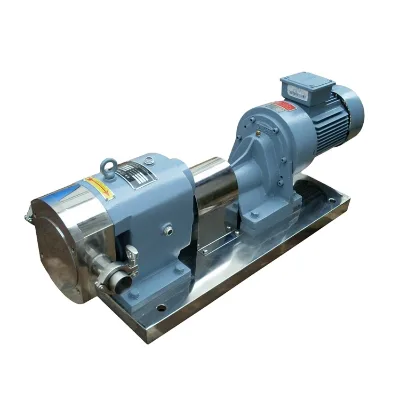
Stainless Steel Food Grade Chocolate Cream Pump
$150.00 - $200.00
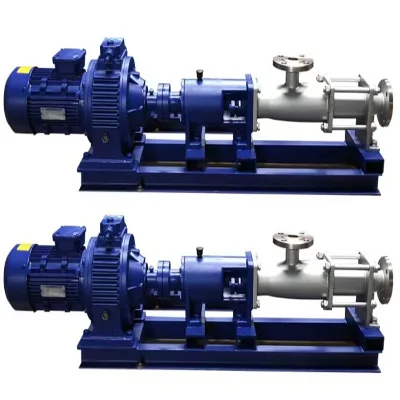
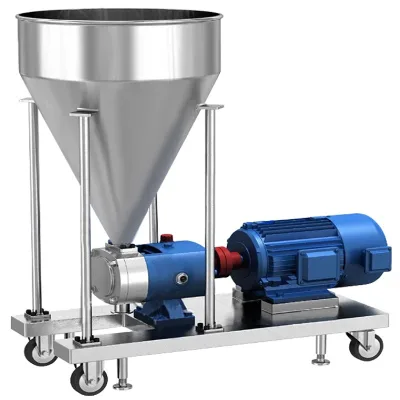
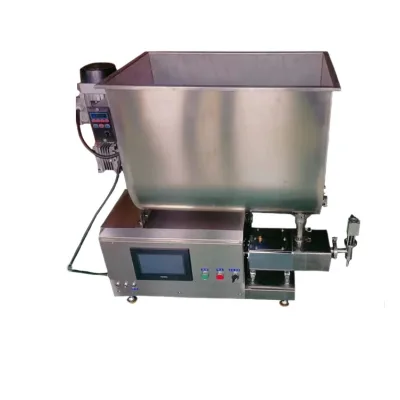
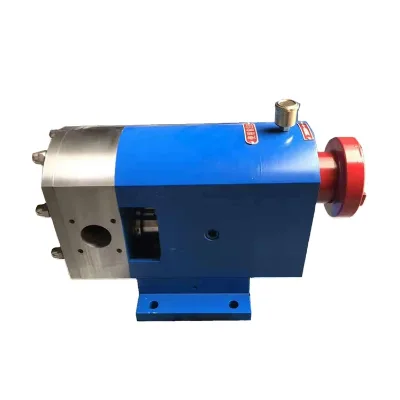
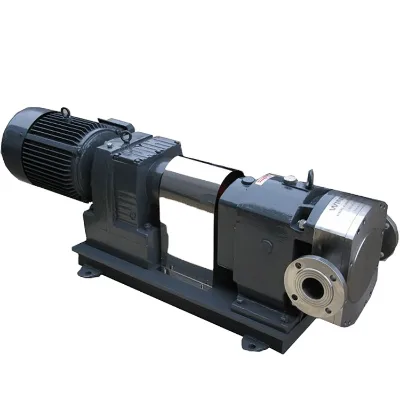
Butterfly Rotor Lobe Pump/chocolate and Yogurt Transfer Pumps
$840.00 - $860.00

Zhengzhou Auris Machinery Co., Ltd.
- Verified by TUVRHEINLAND
- Trading Company
- China Henan
- Lead time30 days
- Avg. response≤ 6h
Main productsNut Process Machinery, Fruit &Vegetable Machinery, Meat Process Machinery, Snacks Process Machinery, Printing Machinery, Quilting Machinery, Chocolate Machine, Packing Machine, Paper Pencil Making Machine, Bubble Tea Shop Machine
Main marketsSouth America,Southeast Asia/ Mideast,East Asia(Japan/ South Korea),Europe,Australia,North America


Food Grade High Viscosity Honey and Chocolate Liquid Transfer Stainless Steel Rotary Lobe Pump
$2500.00 - $2600.00
MOQ: 1 Pieces


Zhejiang L&B Machinery Co., Ltd.
- Verified by SGS
- Combined
- China Zhejiang
- Lead time30 days
- Avg. response≤ 9h
Main productsTank, Emulsifying Machine, Lobe Pump, Butterfly Valve, Centrifugal Pump, Colloid Mill, Unions, Storage Tank, Sanitary Fitting, Filter
Main marketsDomestic
- Verified by SGS Group
- Manufacturer, Trading Company
- Lead time7 days
- Avg. response≤ 2h
Main productsLobe Pump, Gear Pump, Screw Pump, Centrifugal Pump, High Viscosity Liquid Rotor Pump
Main marketsMid East(20%), Southeast Asia(15%), Eastern Europe(10%)
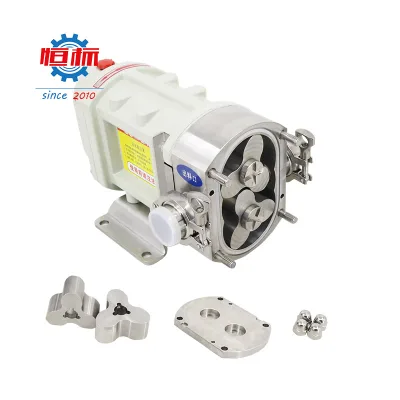
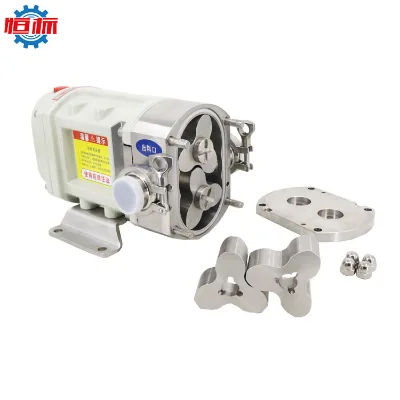
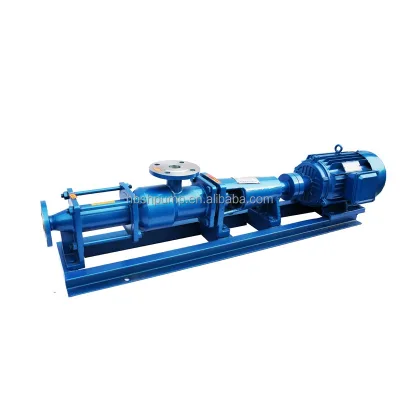
Chocolate Positive Displacement Pump Chocolate Cam Rotor Pumps Chocolate Bare Pump
$537.2188 - $609.5362
MOQ: 1 sets

Suzhou Maike Food Machinery Plastic Cement Co., Ltd.
- Manufacturer, Trading Company
- Jiangsu, China
- Lead time30 days
- Avg. response≤ 3h
Main productsChocolate Enrobers,Chocolate Moulding Line,Chocolate Ball Mill Machine,Chocolate Conche,Chocolate Making Mchine
Main marketsDomestic Market(20.00%), Mid East(15.00%), Southeast Asia(15.00%), South America(10.00%), North America(5.00%), Southern Europe(5.00%), Northern Europe(5.00%), Central America(5.00%), Western Europe(5.00%), Eastern Asia(5.00%), Eastern Europe(5.00%), Oceania(5.00%)
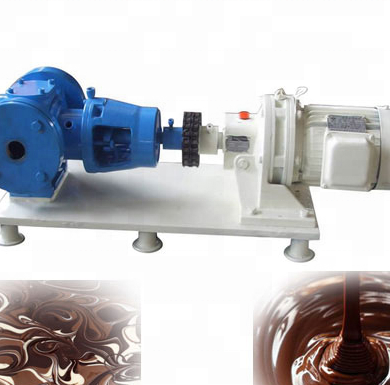
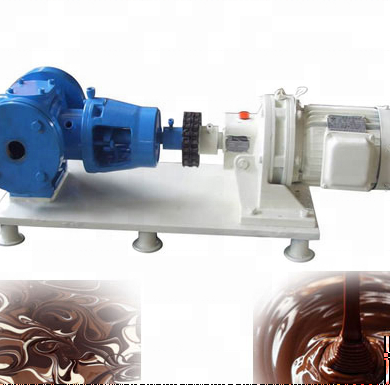
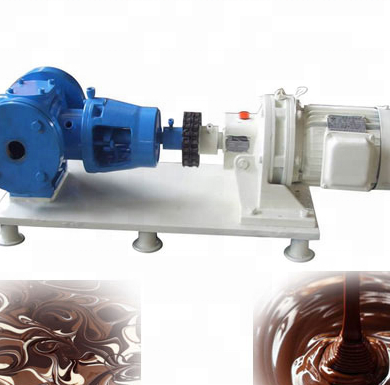
$2800.00 - $2900.00
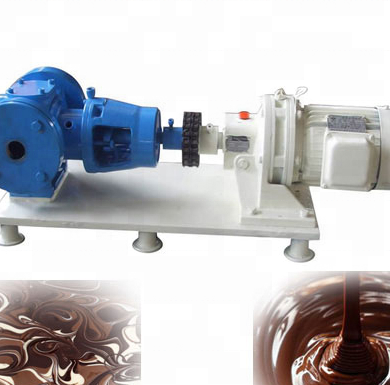
Price for Chocolate Sance Pump
$2900.00

Ningbo D & R Machinery Co., Ltd.
- Verified by BV
- Combined
- China Zhejiang
- Lead time120 days
- Avg. response≤ 22h
Main productsCandy Machine, Candy Making Machine, Chocolate Machine, Layer Cake and Swiss Roll Plant, Starch Mogul Plant, Lollipop Machine, Hard Candy Machine, Candy Packing Machine, Candy Bar Production Line, Jelly Candy Depositing Machine
Main marketsAfrica,Southeast Asia/ Mideast,Europe,North America

Different Model Chocolate Feeding Pump Chocolate Dosing Pump for Chocolate Mass
$10000.00
MOQ: 1 Pieces


Water-Circulating Chocolate Dosing Pump Chocolate Feeding Pump with High Speed
$10000.00
MOQ: 1 Pieces

Zhejiang Yonjou Technology Co., Ltd.
- Verified by BV
- Trading Company,Manufacturer/Factory
- China Zhejiang
- Lead time23 days
- Avg. response≤ 7h
Main productsGear Pump, Diaphragm Pump, Screw Pump, Hot Oil Pump, Lobe Pump, Water Pump, Vacuum Pump, Dewatering Pump, Self Priming Pump, Chemical Pump
Main marketsSouth America,Eastern Europe,Mid East,North America,Southeast Asia,Eastern Asia,Oceania,Western Europe,Africa
Quzhou Kinggo Machinery Co., Ltd.
- Verified by Intertek
- Trading Company
- Lead time15 days
- Avg. response≤ 3h
Main productsSanitary Valves, Stainless Steel Pipe Fittings, Sanitary Pump, Sanitary Tank Accessories
Main marketsWestern Europe(50%), North America(20%), Southeast Asia(20%)
Cangzhou Jiuyi Machinery Manufacturing Co., Ltd.
- Manufacturer, Trading Company
- Hebei, China
- Lead time0 days
- Avg. response≤ 1h
Main productsCoupling,Hydraulic broaching machine,Plum coupling,Star coupling,Cam rotor pump
Main marketsWestern Europe(10.00%), Southern Europe(8.00%), Central America(8.00%), Domestic Market(5.00%), North America(5.00%), Mid East(5.00%), Eastern Asia(4.00%), South America(4.00%), Northern Europe(3.00%), Oceania(2.00%), South Asia(2.00%), Eastern Europe(2.00%), Africa(2.00%), Southeast Asia(2.00%)
Wenzhou Ace Machinery Co., Ltd.
- Manufacturer, Trading Company
- Zhejiang, China
- Lead time10 days
- Avg. response≤ 3h
Main productsEvaporator,Mixing Tank,Fermenter,Distiller,Pump and Valves
Main marketsSouthern Europe(10.00%), Oceania(10.00%), Northern Europe(10.00%), Western Europe(10.00%), Eastern Europe(10.00%), South America(10.00%), North America(10.00%), South Asia(5.00%), Africa(5.00%), Central America(5.00%), Southeast Asia(5.00%), Eastern Asia(5.00%), Domestic Market(3.00%), Mid East(2.00%)
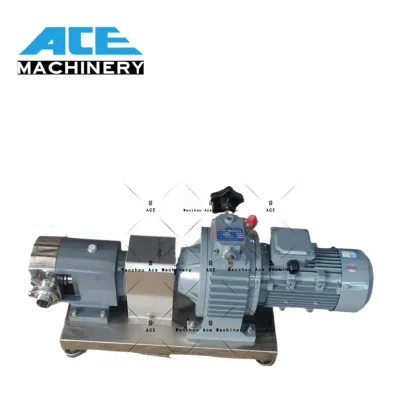
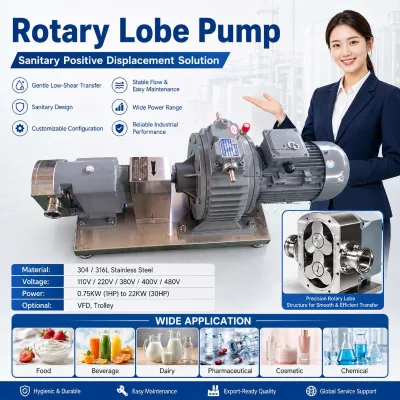
Food Grade Stainless Steel Rotor Pump for Ketchup Tomato Sauce Chocolate Syrup and Honey
$1900.00 - $2200.00
MOQ: 1
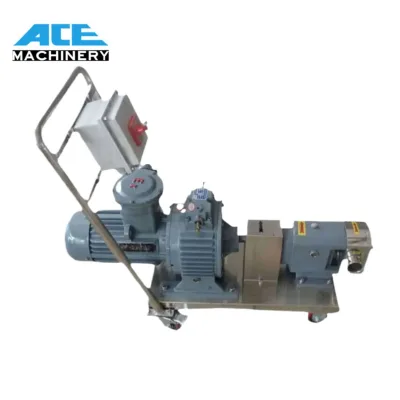
$1019.00 - $1070.00
MOQ: 1 sets
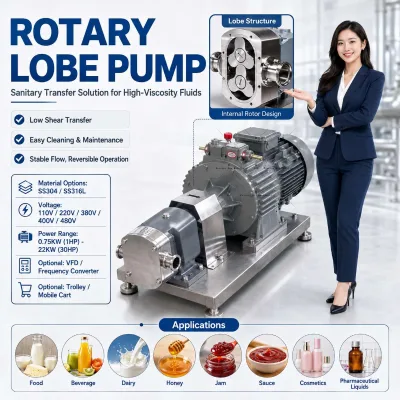
Tianjin East Machinery Manufacturing Co., Ltd.
- Verified by TüVRheinland
- Manufacturer, Trading Company
- Lead time0 days
- Avg. response≤ 2h
Main productsDiesel Engine Water Pump, Diesel Engine, Diesel Generator, Centrifugal Pump, Screw Pump
Main marketsMid East(30%), Africa(11%), Domestic Market(10%)
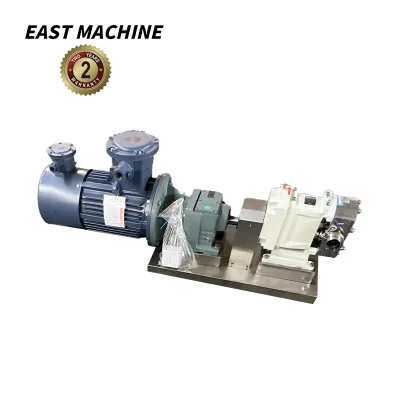
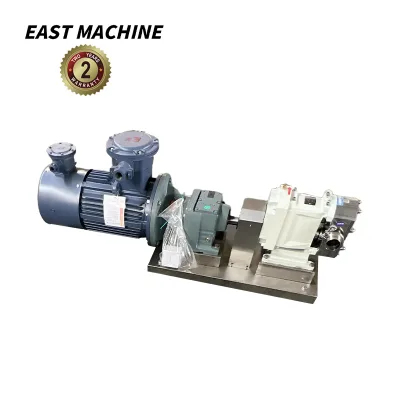
$382.2522 - $588.8743
MOQ: 1 units
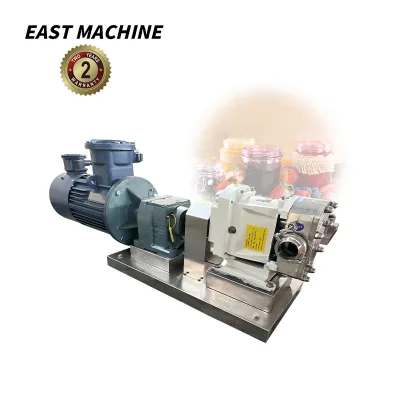
$462.9794 - $668.7476
MOQ: 1 units

WENZHOU LENO MACHINERY CO., LTD.
- Verified by BV
- Trading Company
- China Zhejiang
- Lead time30 days
- Avg. response≤ 12h
Main productsMixing Tank, Distillation Equipment, Pump, Filter, Filling Machine, Vacuum Evaporator, Mixing Equipment
Main marketsSouth America,Africa,Southeast Asia/ Mideast,Europe,North America


Sanitary Stainless Steel Food and Honey Rotary Chocolate Transfer Lobe Rotor Pump
$1000.00 - $3000.00
MOQ: 1 Sets


Factory Price Sanitary Rotary Pump Stainless Steel for Chocolate Water Oil
$1000.00 - $3000.00
MOQ: 1 Sets
- Trading Company
- Zhejiang, China
- Lead time25 days
- Avg. response≤ 4h
Main productsHigh shear mixer,sanitary pump,stainless steel tank,stainless steel filter housing,Tank manway
Main marketsDomestic Market(45.00%), North America(20.00%), Southeast Asia(10.00%), Africa(5.00%), Northern Europe(5.00%), Central America(5.00%), Western Europe(5.00%), Oceania(5.00%)
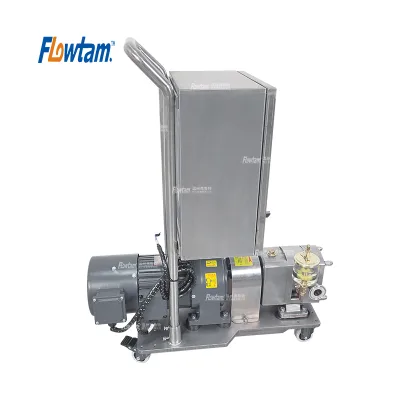
$1360.00 - $1366.00
MOQ: 1 sets
Zhejiang Yonjou Technology Co., Ltd.
- Verified by SGS Group
- Manufacturer, Trading Company
- Lead time7 days
- Avg. response≤ 6h
Main productsOil Pump/Chemical Pump/Diaphragm Pump/Diesel Water Pump
Main marketsDomestic Market(50%), Southeast Asia(10%), North America(7%)
Botou Dajiang Pump Manufacturing Co., Ltd.
- Manufacturer, Trading Company
- Hebei, China
- Lead time0 days
- Avg. response≤ 1h
Main productsGear pump,Rotor pump,Screw pump,Chemical pump,High viscosity pump
Main marketsMid East(50.00%), Central America(50.00%), Africa(50.00%), Southeast Asia(50.00%), Eastern Europe(50.00%), South America(50.00%), North America(50.00%), Eastern Asia(30.00%), Northern Europe(24.00%), Domestic Market(23.00%), South Asia(20.00%), Southern Europe(20.00%), Western Europe(20.00%), Oceania(18.00%)
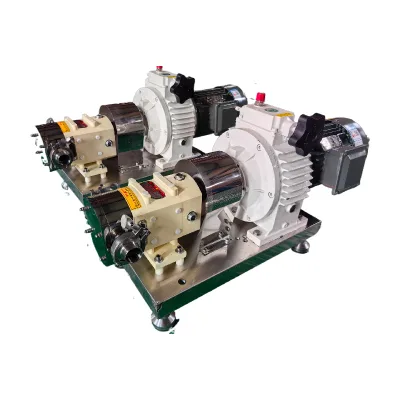
Adjustable Speed Stainless Steel High Viscosity Chocolate/honey/glucose Rotary Vane Pump
$600.00 - $650.00
MOQ: 1 pieces
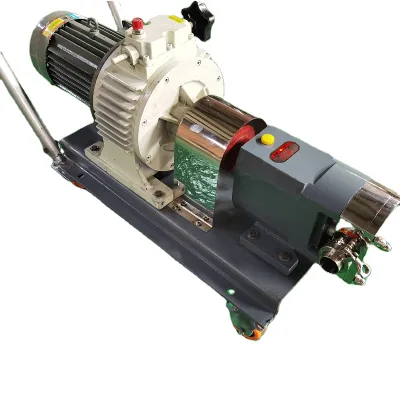
$400.00 - $500.00
MOQ: 1 pieces
$92.533 - $102.8137
MOQ: 1 units

Hebei Guangteng Machinery Equipment Co., Ltd.
- Manufacturer
- Hebei, China
- Lead time30 days
- Avg. response≤ 3h
Main productsfilling machine,Paste Filling Machine,Sauce Filling Machine,Lobe Pump,Packing Machine
Main marketsDomestic Market(50.00%), Mid East(20.00%), Southeast Asia(20.00%), North America(5.00%), Central America(5.00%)
Henan Banglan Machinery Co., Ltd.
- Verified by TüVRheinland
- Trading Company
- Lead time15 days
- Avg. response≤ 1h
Main productsIndustrial Machinery, Meat Processing Machinery, Food Processing Machinery, Packaging Machinery, Paper Product Making Machinery
Main marketsAfrica(25%), Southeast Asia(17%), South America(16%)
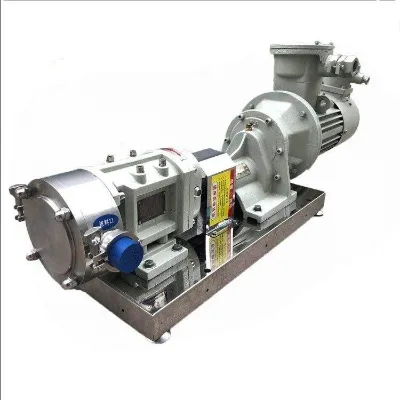
$2056.2746 - $2261.9021
MOQ: 1 sets

Ningbo Zhongli Fluid Machinery Co., Ltd.
- Verified by SGS
- Combined
- China Zhejiang
- Lead time23 days
- Avg. response≤ 1h
Main productsRotary Lobe Pump, Twin Screw Pump, Homogenizing Emulsification Pump, High Pressure Plunger Diaphragm Pump, Rotor Pump, Transfer Pump, Chocolate Pump, Lobe Pump, Double Screw Pump, Homogenizing Emulsification Mixer
Main marketsDomestic
Zhejiang L&b Machinery Co., Ltd.
- Verified by TüVRheinland
- Manufacturer, Trading Company
- Lead time15 days
- Avg. response≤ 2h
Main productsMixing Tank, Filter, Mixer Pump, Lobe Pump, Colloid Mill
Main marketsDomestic Market(50%), Southern Europe(10%), South Asia(10%)
- Verified by SGS Group
- Manufacturer, Trading Company
- Lead time20 days
- Avg. response≤ 1h
Main productsCentrifugal pump, Fire pump, Diesel engine pump , Screw pump, Lobe pump
Main marketsNorth America(30%), Southeast Asia(30%), Western Europe(20%)
Botou City Jinhai Pump Manufacture Co., Ltd.
- Verified by TüVRheinland
- Manufacturer, Trading Company
- Lead time7 days
- Avg. response≤ 3h
Main productsGear Pump, Rotor Pump, Bitumen Pump, Screw Pump
Main marketsNorth America(10%), South America(10%), Africa(10%)

Taizhou Kangqiao Electromechanical Equipment Co., Ltd.
- Verified by BV
- Combined
- China Jiangsu
- Lead time60 days
- Avg. response≤ 2h
Main productsPump, Centrifugal Pump, Chemical Centrifugal Pump, Centrifugal Water Pump, Vertical Centrifugal Pump, Centrifugal Slurry Pump
Main marketsDomestic
Jiaxing Jianhe Machinery Co., Ltd.
- Verified by SGS Group
- Manufacturer, Trading Company
- Lead time7 days
- Avg. response≤ 3h
Main productsAutomatic Lubrication Systems, Grease Pump, Lubrication Pump, Lubrication Distribution, Lubrication Systems Accessories
Main marketsEastern Europe(36%), Mid East(30%), Southeast Asia(20%)

- Verified by SGS
- Combined
- China Zhejiang
- Lead time30 days
- Avg. response≤ 4h
Main productsSanitary Valves, High Purity Pump, Butterfly Valve, Biopharmaceutical Control Valve, Centrifugal Pump, Sanitary Fitting, Ball Valve, Automatic Control Regulating Valve, High Purity Process Control Valve, Cleaning Technology Equipment
Main marketsSouth America,Southeast Asia/ Mideast,East Asia(Japan/ South Korea),Domestic,Europe


High Pressure Stainless Steel Gear Pump/Rotor Lobe Pump for Chocolate Honey
$750.00 - $12500.00
MOQ: 1 Pieces
Henan Forlongvity Industrial Co., Ltd.
- Verified by Intertek
- Manufacturer, Trading Company
- Lead time7 days
- Avg. response≤ 2h
Main products3RP Rotary Lobe Pump, KCB Series Gear Pump, G Series Mono Screw Pump, RY-Hot Oil Pump, 3 In 1 Filling Machine


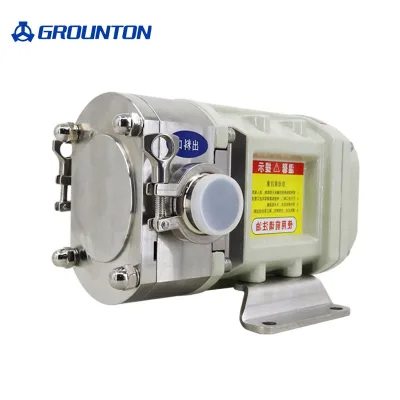
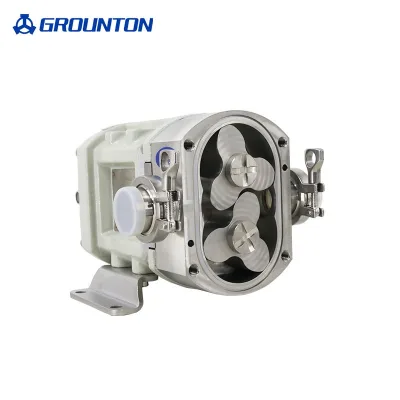
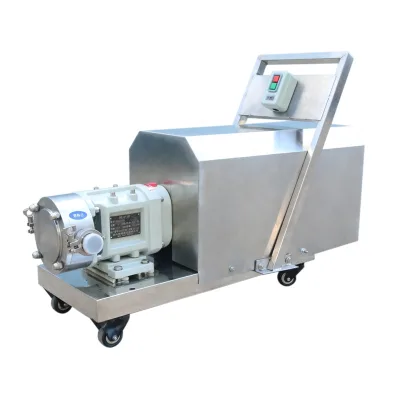


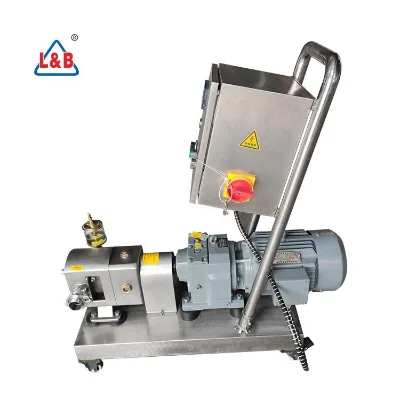


Comprehensive Sourcing Guide
Stainless Steel Chocolate Mass Pump Supplier Concentration and Factory Types
The current supplier landscape for stainless steel chocolate mass pumps reveals a distinct concentration of manufacturing and trading entities within specific industrial regions of China. Evidence indicates that a significant portion of available suppliers are located in Jiangsu, China, which serves as a notable hub for this specialized machinery. This geographic clustering suggests that buyers seeking these pumps will likely encounter vendors operating from this province, where the supply chain for food processing equipment is well-established. The presence of suppliers in Jiangsu provides a clear starting point for sourcing, as this area appears to host both dedicated manufacturers and trading companies that facilitate the export of chocolate processing equipment. Understanding this regional focus helps buyers narrow their search parameters and anticipate the logistical origins of their potential orders.
Beyond geographic location, the types of companies offering these pumps vary, influencing the nature of the procurement relationship. The observed supplier base includes Trading Companies, Combined entities, and direct Manufacturers. Trading companies often act as intermediaries, potentially offering a broader range of related products such as conche machines or tempering units, while manufacturers may provide more direct technical support and customization options. Some suppliers are identified as Combined types, suggesting they may handle both production and sales functions. This diversity in company structure means that buyers must carefully assess whether they are dealing with a factory that controls the production process or a trading entity that sources from multiple factories. The distinction is critical for understanding lead times, quality control capabilities, and the flexibility to customize pump specifications for specific chocolate production lines.
How to Verify Stainless Steel Chocolate Mass Pump Suppliers
Verifying the legitimacy and capability of Stainless Steel Chocolate Mass Pump suppliers requires a multi-layered approach that goes beyond simple product listings. One of the most critical steps is to check for third-party verification badges, such as those provided by TÜV Rheinland, which indicate that a supplier has undergone rigorous on-site inspections and process audits. This verification status serves as a strong indicator of operational reliability and adherence to international business standards. Buyers should prioritize suppliers who display such credentials, as they have demonstrated a commitment to transparency and quality management. Additionally, examining the supplier’s response time can offer insights into their operational efficiency and customer service dedication. A faster response time, such as those observed in the range of 4.18 hours, often correlates with a more agile and responsive supply chain, which is essential for resolving technical queries or addressing order discrepancies promptly.
Another vital aspect of verification is the assessment of system certifications and product-specific compliance. Suppliers may hold ISO9001:2015 certificates, which validate their quality management systems, ensuring consistent production standards across batches. Buyers should request copies of these certificates to confirm their validity and scope. Furthermore, product-level certifications, such as ISOCE, provide assurance that the pumps meet specific safety and performance criteria for food processing applications. It is also important to verify the material composition of the pumps, ensuring they are constructed from appropriate stainless steel grades suitable for food contact. Buyers should inquire about the specific steel types used, such as carbon steel or stainless steel options, and request material test reports if necessary. This due diligence helps mitigate the risk of receiving equipment that does not meet hygiene standards or durability requirements for continuous chocolate mass processing.
What to Compare Across Stainless Steel Chocolate Mass Pump Suppliers
When evaluating multiple suppliers for stainless steel chocolate mass pumps, buyers must compare key operational metrics to determine the best fit for their production needs. One of the primary differentiators is the flow rate and capacity of the pumps, which directly impacts the throughput of the chocolate processing line. Available data shows pumps with flow rates ranging from 25 L/min to 60 L/min, allowing buyers to select equipment that matches their specific volume requirements. Comparing these technical specifications ensures that the chosen pump can handle the desired production speed without becoming a bottleneck. Additionally, the motor power and rotational rate are critical factors that influence the pump’s performance and energy efficiency. Buyers should compare these attributes across different models to find a balance between power consumption and processing capability, ensuring optimal operation for their facility’s electrical infrastructure.
Price and minimum order quantity (MOQ) are also essential comparison points that affect the overall cost structure and inventory management. The observed price range for these pumps varies significantly, with some models priced around $1,500 to $2,100, while others may be higher depending on specifications and customization options. Buyers should compare these prices in the context of the pump’s capacity and features to assess value for money. Furthermore, the MOQ can vary, with some suppliers offering a low MOQ of 1 unit, which is beneficial for small-scale operations or trial orders. Comparing lead times is equally important, as production delays can disrupt the entire manufacturing schedule. Suppliers may have lead times ranging from 60 days or more, so buyers must align these timelines with their production planning. By systematically comparing flow rates, power, price, MOQ, and lead times, buyers can make informed decisions that optimize both performance and cost efficiency.
Common Stainless Steel Chocolate Mass Pump Sourcing Risks
Sourcing stainless steel chocolate mass pumps from international suppliers introduces several risks that buyers must proactively manage to ensure a smooth procurement process. One significant risk is the potential for miscommunication regarding technical specifications, which can lead to the delivery of pumps that do not meet the exact requirements of the chocolate production line. Differences in standards for flow rates, pressure ratings, or material grades can result in equipment that is either underperforming or incompatible with existing machinery. To mitigate this, buyers must provide detailed technical drawings and specifications and request confirmation from the supplier before production begins. Additionally, the risk of quality inconsistencies is heightened when dealing with trading companies that may source from multiple factories. Buyers should verify that the supplier has direct control over the manufacturing process or has established strict quality control protocols with their upstream partners to ensure consistent product quality.
Another common risk is the delay in delivery, which can disrupt production schedules and lead to increased operational costs. Lead times can vary widely among suppliers, and unexpected delays may occur due to raw material shortages, production bottlenecks, or logistical issues. Buyers should establish clear delivery terms and include penalties for late delivery in their contracts to incentivize timely performance. Furthermore, the risk of inadequate after-sales support is a concern, particularly for complex machinery that may require maintenance or repairs. Buyers should assess the supplier’s warranty terms and availability of spare parts before finalizing the order. A warranty of one year is commonly offered, but buyers should verify the scope of coverage and the process for claiming warranty services. By anticipating these risks and implementing robust mitigation strategies, buyers can protect their investments and ensure the reliable operation of their chocolate processing equipment.
Stainless Steel Chocolate Mass Pump Regional Sourcing and Logistics
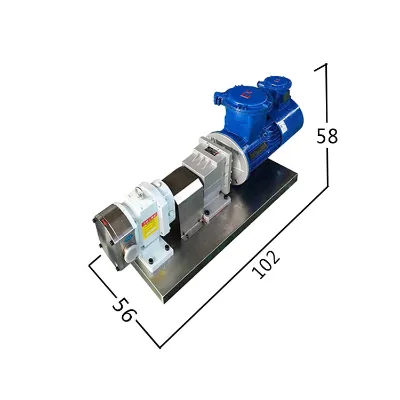
The regional concentration of suppliers in Jiangsu, China, has significant implications for the logistics and shipping of stainless steel chocolate mass pumps. Buyers sourcing from this region should consider the proximity to major ports, which can facilitate efficient export processes and reduce transit times. The location of the supplier directly impacts the shipping route and associated costs, making it essential to factor in freight charges when evaluating the total cost of ownership. Additionally, the weight and dimensions of the pumps, which can vary based on the model and material, affect the shipping volume and packaging requirements. For instance, some pumps have a net weight of around 120 kg to 150 kg, with overall dimensions that must be carefully measured to optimize container space. Buyers should work with their suppliers to determine the most cost-effective shipping method, whether by sea or air, depending on the urgency of the order and the budget constraints.
Logistics planning also involves understanding the import regulations and customs procedures in the buyer’s home country. Stainless steel pumps may be subject to specific tariffs or inspection requirements, which can impact the clearance time and additional costs. Buyers should consult with their freight forwarders to ensure compliance with all regulatory requirements and to anticipate any potential delays at customs. Furthermore, the packaging of the pumps must be robust enough to withstand long-distance transportation and protect the equipment from damage. Suppliers often use containerized shipping for these items, but buyers should verify that the packaging includes adequate protection against moisture and physical impact. By carefully planning the logistics and considering the regional advantages of sourcing from Jiangsu, buyers can streamline the import process and ensure the timely delivery of their chocolate mass pumps.
Stainless Steel Chocolate Mass Pump Commercial Terms and Order Planning
Effective order planning for stainless steel chocolate mass pumps requires a thorough understanding of the commercial terms offered by suppliers. Payment terms are a critical component of the procurement agreement, and buyers should negotiate terms that align with their cash flow management and risk tolerance. Common payment structures may include a deposit followed by the balance upon shipment or completion of production. Buyers should also inquire about the availability of escrow services, which can provide an additional layer of security by holding funds until the goods are received and verified. This is particularly important for first-time buyers or when dealing with new suppliers, as it mitigates the risk of non-delivery or non-conformance. Additionally, buyers should clarify the Incoterms used in the contract, such as FOB or CIF, to determine who is responsible for shipping costs and insurance.
Warranty and after-sales support are also key commercial terms that must be clearly defined in the purchase agreement. A standard warranty of one year is often provided, but buyers should verify what is covered, including parts and labor, and the process for submitting warranty claims. It is advisable to request a detailed maintenance manual and training materials from the supplier to ensure that the equipment is operated and maintained correctly. Furthermore, buyers should discuss the availability of spare parts and the lead time for their delivery, as downtime due to missing components can be costly. By carefully negotiating these commercial terms and planning for long-term support, buyers can secure a reliable partnership with their supplier and ensure the sustained performance of their stainless steel chocolate mass pumps. This proactive approach to order planning helps minimize disruptions and maximizes the return on investment in the equipment.
FAQs
What flow rates are typical for a Stainless Steel Chocolate Mass Pump?
Listed models on this page range from 25 to 60 liters per minute, with a 35 L/min option in between. Smaller units around 25 L/min suit lab or boutique lines, while 60 L/min pumps serve larger conche feeding circuits. Always match flow rate to your tempering and enrobing line throughput before ordering.
How long is the typical lead time for a chocolate mass pump?
One listed trading supplier quotes a 60-day lead time, so plan your project schedule around that window. Response times among listed suppliers vary from about 2 hours to 21 hours, so contact several early. Confirm the actual production and shipping timeline in writing before you place a deposit.
What is the minimum order quantity for these pumps?
At least one listed stainless steel chocolate pump shows a minimum order quantity of one unit, which supports trials and spare-part purchases. Other suppliers may set different MOQs or offer small trial orders on request. Ask each supplier to confirm MOQ, unit pricing, and whether sample orders qualify for future volume discounts.
How much does a Stainless Steel Chocolate Mass Pump cost?
Listed prices span roughly 1,500 to 4,200 US dollars per unit depending on capacity and configuration. A 32 L/min delivery pump lists between 1,500 and 2,100 USD, while 35 L and 60 L models list around 3,200 and 4,200 USD. Request a formal quotation covering voltage customization, packing, and freight.
Which power and voltage options should I verify before ordering?
Listed pumps commonly run on 380V 50Hz three-phase power, with customization offered on request, and motor power ranges from 0.75 kW to 2.5 kW. Confirm your factory voltage and frequency so the supplier can configure the motor and control box correctly. Also verify plug type, wiring standards, and any local electrical certification your market requires.
What certifications and quality standards do suppliers hold?
One listed combined-type supplier holds an ISO9001:2015 quality management certificate and is verified by TUV Rheinland, with products carrying ISO and CE markings. Certification coverage can differ per product, so request the specific certificate numbers and scope. Ask which standards apply to food-contact surfaces and confirm the wetted parts are stainless steel.
Can these pumps be customized for my production line?
Customization is explicitly listed as available on several stainless steel chocolate pump models, covering configuration and equipment design. You can typically specify voltage, inlet and outlet caliber, mounting, and connection fittings for your conche or tempering line. Provide your line layout, flow requirements, and chocolate viscosity data so the supplier can confirm feasibility before quoting.
Where are the listed chocolate mass pump suppliers located?
The suppliers shown on this page are based in Jiangsu and Hebei, China, both established regions for chocolate and pump manufacturing. Location affects shipping options, inspection visits, and component sourcing for spare parts. If factory audits matter to you, ask whether an on-site visit or third-party inspection can be arranged before shipment.