Standing Galvanized Bucket with Lid Suppliers and Manufacturers
Source Standing Galvanized Bucket with Lid options from 30 verified suppliers. Compare dimensions, MOQs, and certifications like ISO9001 and HACCP. Review product specs and request samples to evaluate quality and lead times for your packaging needs; review the available evidence before requesting comparable quotations from suitable candidates.
Updated
Suppliers List

Suzhou Innovation Packaging Materials Co., Ltd.
- Verified by BV
- Trading Company
- China Jiangsu
- Lead time0 days
- Avg. response≤ 14h
Main productsPlastic Bucket Hollow Plate Plastic Pail Cart, Metal Bucket, Tin Can, Ice Bucket, Packaging Accessories, Drums & Barrels, Jars & Bottles, Steel Drums
Main marketsSouth America,Eastern Europe,Mid East,North America,Southeast Asia,Eastern Asia,Oceania,Western Europe,Africa
Shenyang Huicheng Packing Co., Ltd.
- Trading Company
- Liaoning, China
- Lead time0 days
- Avg. response≤ 3h
Main productsTinplate,ETP,TFS,Coated tinplate,Printed tinplate
Main marketsSoutheast Asia(20.00%), Southern Europe(10.00%), Western Europe(10.00%), Eastern Asia(10.00%), Domestic Market(10.00%), South Asia(10.00%), North America(10.00%), South America(10.00%), Mid East(5.00%), Africa(5.00%)
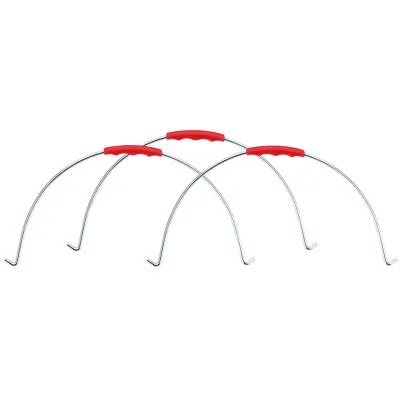
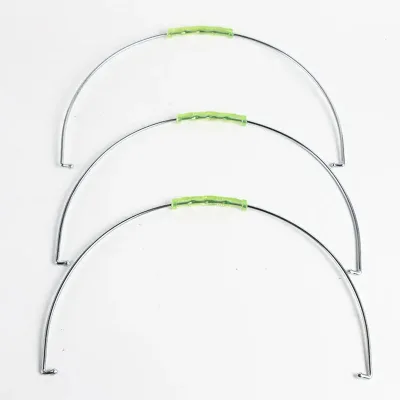
Industrial 20L Steel Bucket with Lifting Accessories Metal Cleaning Bucket for Paint
$0.0102 - $0.0205
MOQ: 1 units
Foshan Chengpin Technology Co., Ltd.
- Verified by Intertek
- Manufacturer, Trading Company
- Lead time40 days
- Avg. response≤ 2h
Main productsPlastic Bucket
Main marketsNorth America(15%), Southeast Asia(15%), Mid East(15%)
Foshan Grand Jetfame Metalwork Manufactory
- Verified by SGS Group
- Manufacturer, Trading Company
- Lead time7 days
- Avg. response≤ 8h
Main productsMetal Flower Planter, Candle Container, Coal Bucket, Metal Ice Bucket, Trash Can
Main marketsNorth America(40%), Western Europe(35%), Domestic Market(3%)

- Combined
- China Jiangsu
- Lead time30 days
- Avg. response≤ 12h
Main productsTin Can Paint Can Metal Pails Oil Can
Main marketsSouth America,Africa,Southeast Asia/ Mideast,East Asia(Japan/ South Korea),Europe,Australia,North America

Hangzhou Sukalp Trading Co., Ltd.
- Verified by TUVRHEINLAND
- Trading Company,Manufacturer/Factory
- China Zhejiang
- Lead time0 days
- Avg. response≤ 11h
Main productsPrepainted Steel Coil, Galvanized Steel Coil, Galvalume Steel Coil, Corrugated Steel Sheet, Metal Roofing/Wall Sheet, Sandwich Panel, Steel Strips, C & Z Purlin, Steel Pipes, Galvanized Steel Pipes

LINYI ORIENT SUN MACHINERY CO.,LTD
- Trading Company
- SHANDONG, China
- Lead time30 days
- Avg. response≤ 6h
Main productsMEAT GRINDER,BONE SAW MACHINE,SAUSAGE STUFFER,MEAT GRINDER KNIFE AND PLATES,BONE SAW BLADES
Main marketsSouth America(20.00%), North America(15.00%), Southeast Asia(15.00%), Eastern Europe(15.00%), Mid East(15.00%), Africa(10.00%), Oceania(5.00%), Central America(5.00%)
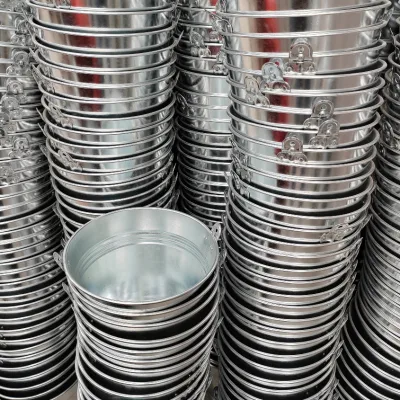
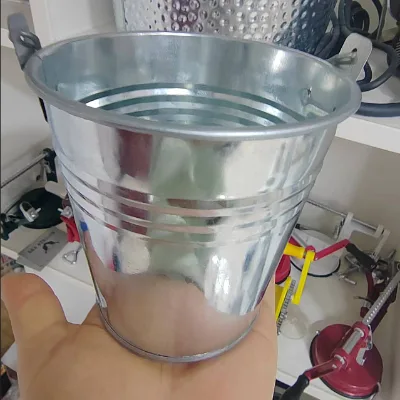
Garden Use Durable Galvanized Steel Metal Bucket
$0.39 - $2.15
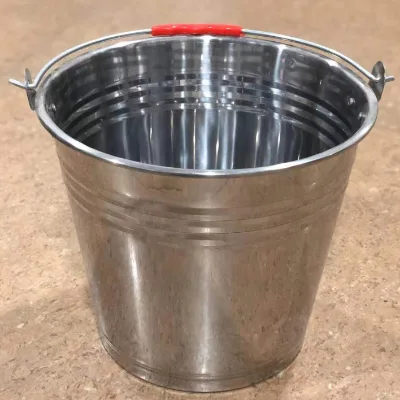
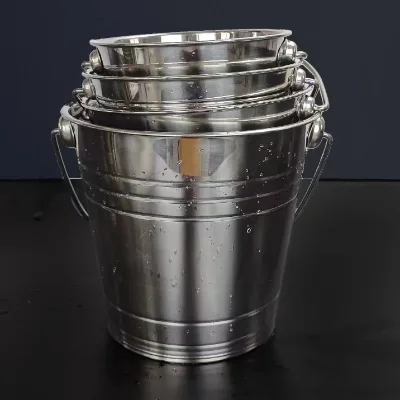
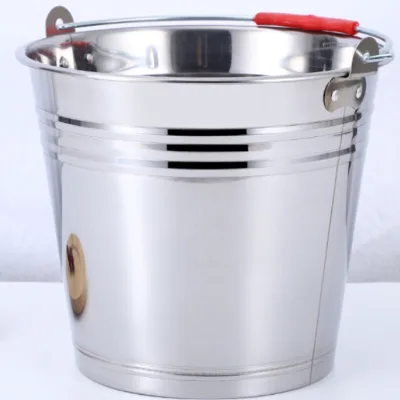
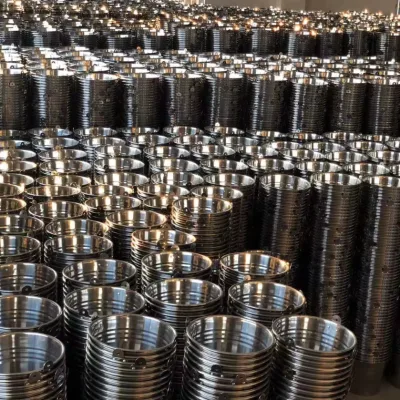
Small Mini Round Metal Galvanized Bucket,steel Pail
$0.39 - $2.15
Guangxi Shunxing Packaging Co., Ltd.
- Verified by SGS Group
- Manufacturer, Trading Company
- Lead time28 days
- Avg. response≤ 5h
Main productsPP Woven Bag, PP Woven Roll, PP Valve Bag, Paper Valve Bag, Plastic Bucket
Main marketsDomestic Market(30%), Africa(15%), Southeast Asia(10%)
Qingdao Dongshengxu Industry Co., Ltd.
- Manufacturer, Trading Company
- Shandong, China
- Lead time30 days
- Avg. response≤ 2h
Main productsRUBBER WHEEL,WHEEL BARROW,METAL ASHTRAY,FIRE FIGHTING TOOL,MIXER
Main marketsSoutheast Asia(80.00%), South America(10.00%), South Asia(2.00%), Southern Europe(2.00%), Western Europe(2.00%), Mid East(2.00%), Africa(2.00%)
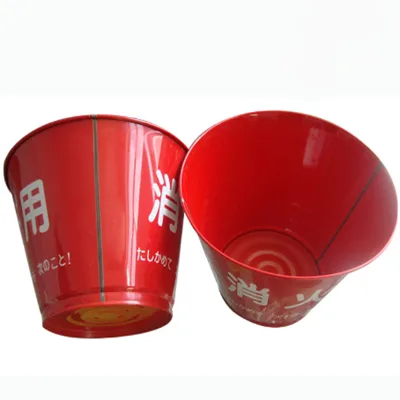
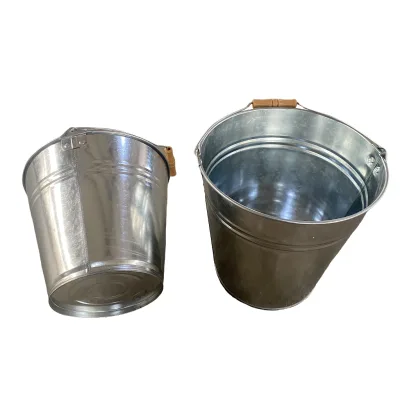
$2.40 - $2.50
MOQ: 300 pieces
Taizhou Xiwo Plastic Products Co., Ltd.
- Manufacturer, Trading Company
- Zhejiang, China
- Lead time15 days
- Avg. response≤ 6h
Main productsplastic bucket,plastic jerry can,plastic jar,plastic bottle,plastic can
Main marketsNorth America(50.00%), Mid East(10.00%), Eastern Europe(10.00%), South America(10.00%), Southern Europe(5.00%), Northern Europe(5.00%), Western Europe(5.00%), Oceania(5.00%)
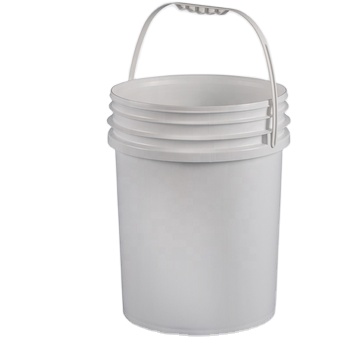
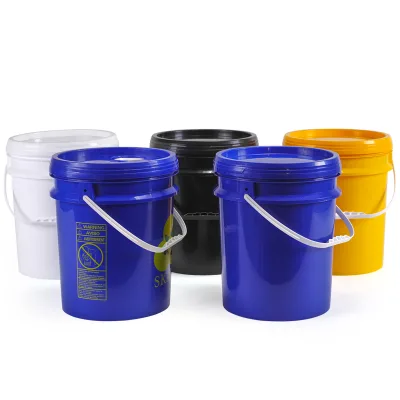
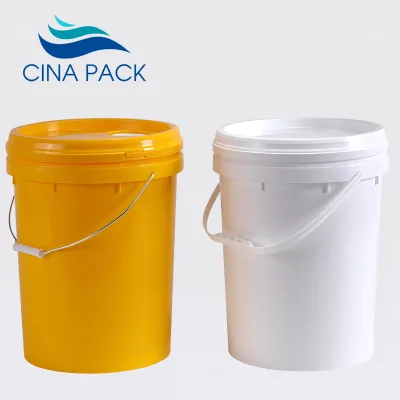
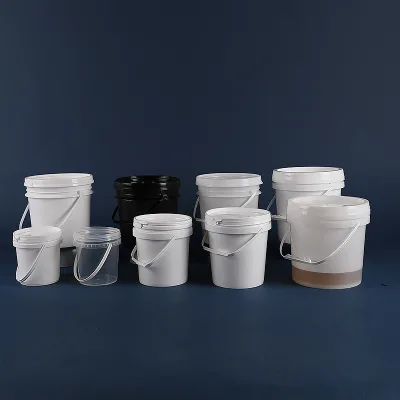
Small Size Hot-selling 2 Liter Small Size Plastic Bucket Cheap Price
$0.2067 - $0.9273
MOQ: 500 Minimum

- Verified by SGS
- Combined
- China Jiangsu
- Lead time15 days
- Avg. response≤ 12h
Main productsTin Can
Main marketsDomestic


Wholesale 20L Plastic Bucket 5 Gallon Bucket with Handle and Lid Factory Direct Sale
$1.80 - $2.00
MOQ: 2000 Pieces


Qingdao Rulyda Plastic Manufacture Co., Ltd.
- Verified by CTI
- Combined
- China Shandong
- Lead time23 days
- Avg. response≤ 4h
Main productsPlastic Pallet, Plastic Bucket, Plastic Pallet Box, Plastic Tray, Plastic Garbage Bin, Plastic Packaging Container, Three Runners Plastic Pallet, Nine Feet Plastic Pallet, Hygienic Plastic Pallet, Double Sides Plastic Pallet
Main marketsSouth America,Africa,Southeast Asia/ Mideast,East Asia(Japan/ South Korea),Domestic,Europe,Australia,North America

Shandong Yuguang Radiation Protection Engineering Co., Ltd
- Verified by SGS
- Trading Company
- China Shandong
- Lead time23 days
- Avg. response≤ 11h
Main productsLead Glass
Main marketsDomestic
Jiangmen Weilong Hardware Co., Ltd.
- Verified by TüVRheinland
- Manufacturer, Trading Company
- Lead time30 days
- Avg. response≤ 7h
Main productsBread Box, Canister, Trash Can
Main marketsWestern Europe(40%), North America(25%), Oceania(20%)
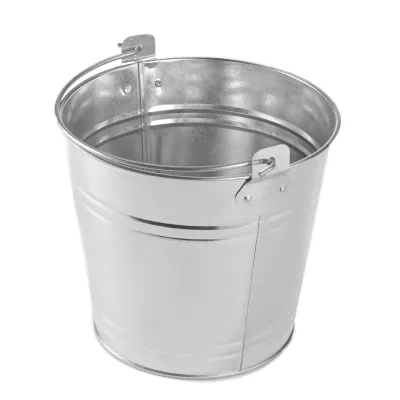
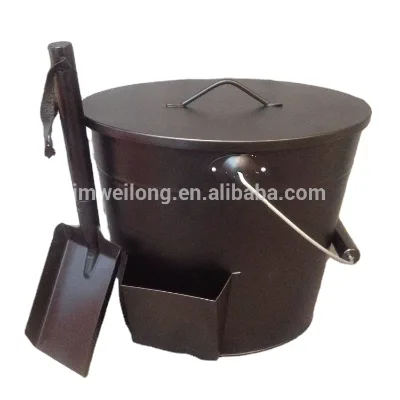
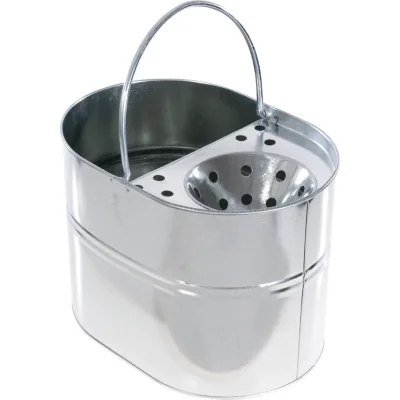
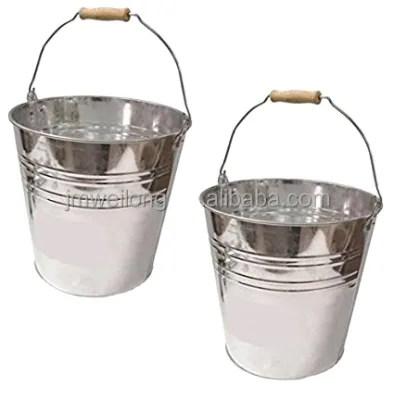
10L Litre Ash Coal Water Fire Animal Feed Heavy Duty Metal Galvanised Bucket
$1.40 - $1.70
MOQ: 500 pieces
Hebei Xuejie Biotechnology Co., Ltd.
- Verified by TüVRheinland
- Trading Company
- Lead time7 days
- Avg. response≤ 1h
Main productsSteel Pail And Bucket, Plastic Cap, IIBC Tank Container, Steel Drum, Oil Tin Can
Main marketsDomestic Market(20%), Southeast Asia(18%), North America(10%)
Shanghai Luyu Imp. And Exp. Corp., Ltd.
- Trading Company
- Shanghai, China
- Lead time35 days
- Avg. response≤ 9h
Main productsEnamel,Stainless Steel Ware,Aluminum Ware,Umbrella,Artificial Flower
Main marketsSoutheast Asia(33.85%), Africa(33.29%), Mid East(7.51%), Eastern Europe(6.04%), South Asia(5.27%), South America(4.89%), Oceania(4.06%), Central America(2.68%), Western Europe(2.41%)
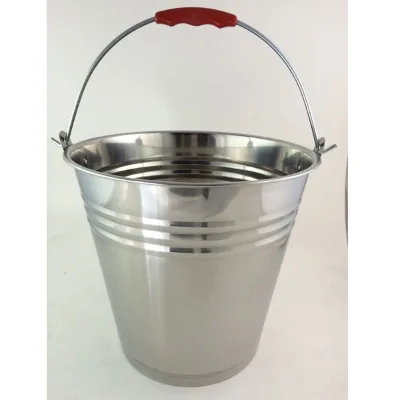
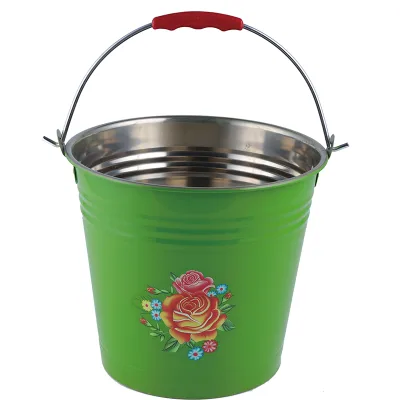
Hotsale Stainless Steel Bucket With Beautiful Design
$1.20 - $1.50
DANYANG HIYOUNG DECORATION TOOLS CO.,LTD.
- Verified by SGS Group
- Manufacturer, Trading Company
- Lead time30 days
- Avg. response≤ 8h
Main productsPaint Brush, Roller Brush, Paint Tray
Main marketsEastern Europe(20%), Mid East(10%), Western Europe(10%)
Ningbo Mastertop Home Products Co., Ltd.
- Manufacturer, Trading Company
- Lead time旺季: "1 - 5000":31,"> 5000":"To be negotiated", 淡季: "1 - 5000":31,"> 5000":"To be negotiated"
- Avg. response≤ 4h
Main productsCleaning Products

- Trading Company,Manufacturer/Factory
- China Guangdong
- Lead time45 days
- Avg. response≤ 7h
Main productsStainless Steel Trolley, Mobile Trolley, Flatform Trolley, Bakery Trolley, Trash Bag Holder, Insulated Container, Stock Pot, Worktable, Kitchen Sink, Buffet
Main marketsSouth America,Eastern Europe,Mid East,North America,Southeast Asia,Eastern Asia,Oceania,Western Europe,Africa
Dongguan Guanyi Plastic Container Co., Ltd.
- Manufacturer
- Guangdong, China
- Lead time0 days
- Avg. response≤ 7h
Main productsplastic bottle,plastic water bottle,plastic container
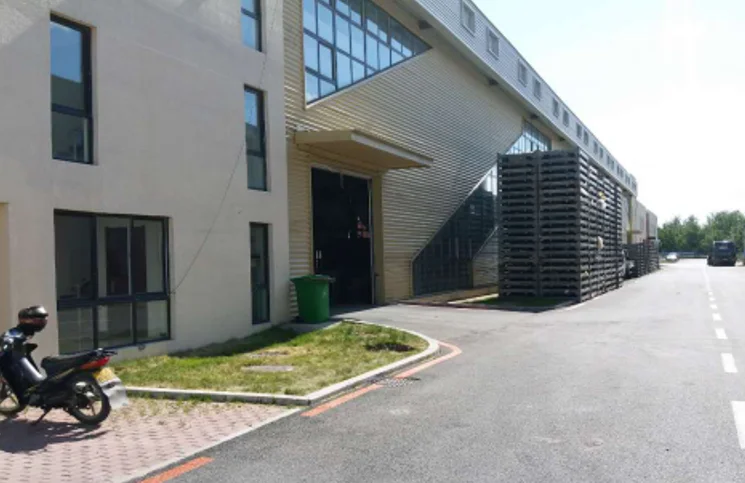
Shenyang Ruichen Precision Industrial Technology Co., Ltd.
- Trading Company
- Liaoning, China
- Lead time0 days
- Avg. response≤ 5h
Main productsMachining services,Moulds,Sheet Metal Fabrication,Casting services,Forging services
Main marketsSoutheast Asia(30.00%), Western Europe(20.00%), Southern Europe(15.00%), South America(15.00%), North America(10.00%), Eastern Europe(10.00%)
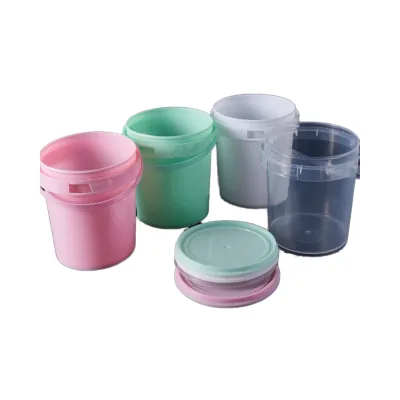
Best Price Portable Plastic Drum Covered Candy Plastic Bucket with Lid and Handle
$0.4824 - $3.1353
MOQ: 2 Minimum
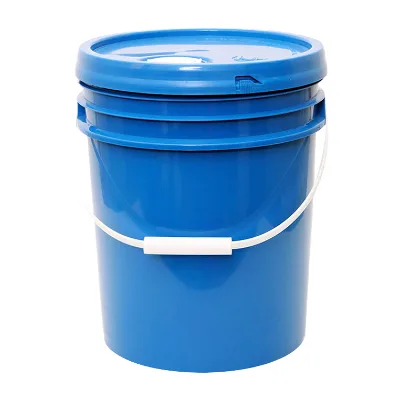
2024 Latest Models Factory Wholesale Food Grade PP Material Water Paint Oil Bucket
$0.46 - $2.99
MOQ: 2 Minimum

HAWSON INTERNATIONAL INDUSTRIAL LIMITED
- Trading Company
- China Zhejiang
- Lead time45 days
- Avg. response≤ 25h
Main productsSaddlery, Equestrian Products, Grooming Kit, Whips, Harness, Brush Hoof Pick, Dog Apparel, Girth Halter Lead Rope Bandage, Bag, Horse Stable Rack
Main marketsSouth America,Southeast Asia/ Mideast,Europe

Chuangpu Animal Husbandry Technology (Suzhou) Co., Ltd.
- Verified by BV
- Manufacturer/Factory
- China Jiangsu
- Lead time23 days
- Avg. response≤ 8h
Main productsMilking Machine, Milk Can, Milk Claw, Milk Pulsator, Milking Machine Parts, Milk Mixer, Milking Can, Milk Cooling Tank, Vacuum Pump, Cow Lock Head
Main marketsSouth America,Eastern Europe,Mid East,North America,Southeast Asia,Eastern Asia,Oceania,Western Europe,Africa

Eagle Catering Equipment Co., Ltd.
- Manufacturer/Factory
- China Guangdong
- Lead time30 days
- Avg. response≤ 12h
Main productsTrolleys, Gastronorm Containers, Table, Shelves, Sink, Barrier Post, Cookware, Buffetware, Barware, Kitchen Utensils
Main marketsSouth America,Eastern Europe,Mid East,North America,Southeast Asia,Eastern Asia,Oceania,Western Europe,Africa

Jiangmen Xinhaohui Kitchenware Manufacturing Co., Ltd
- Verified by BV
- Combined
- China Guangdong
- Lead time15 days
- Avg. response≤ 3h
Main productsPot
Main marketsSoutheast Asia/ Mideast,Europe
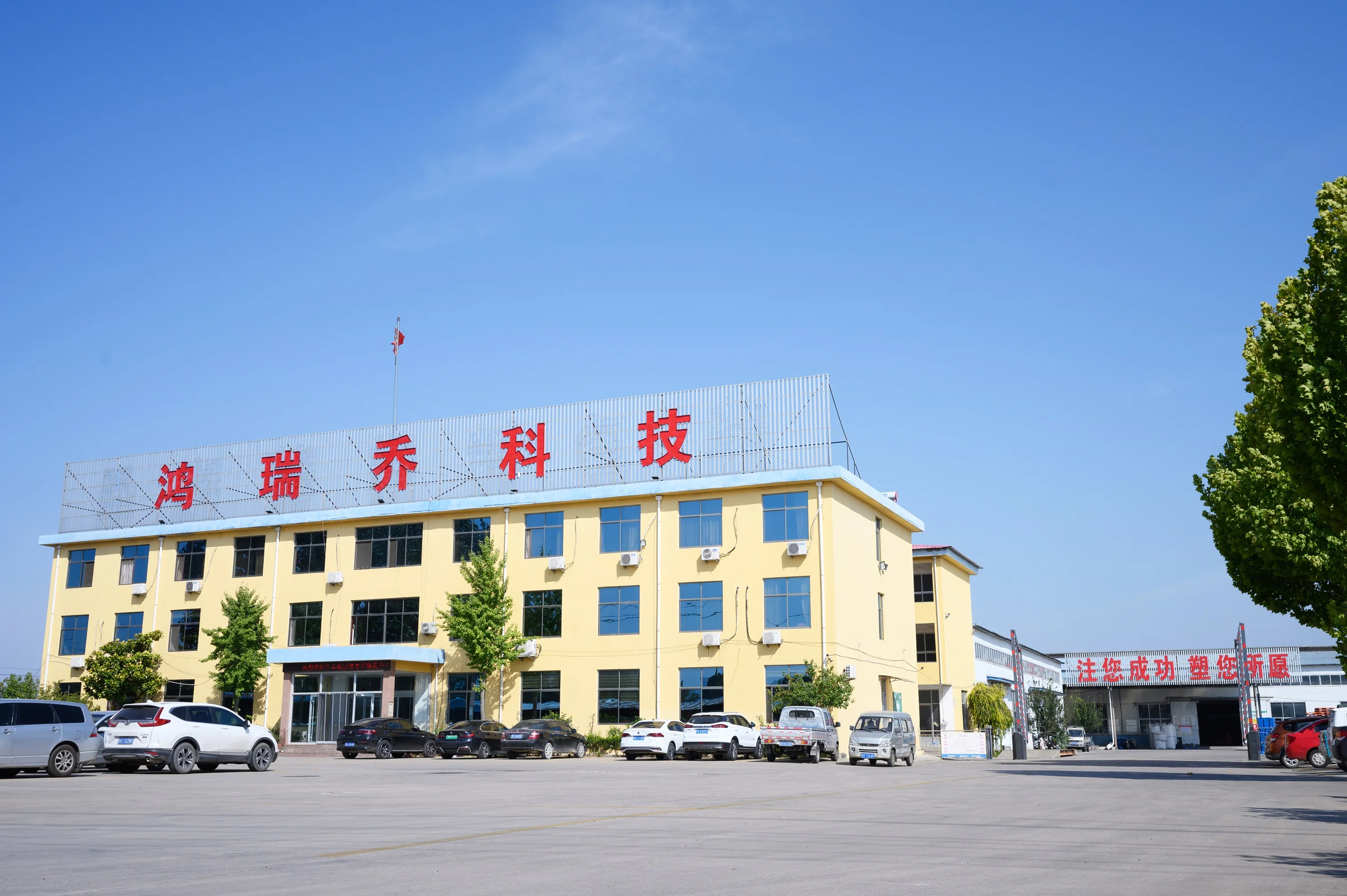
Qingzhou Hongruiqiao Plastic Industry Co., Ltd.
- Manufacturer, Trading Company
- Shandong, China
- Lead time30 days
- Avg. response≤ 6h
Main productsPlastic pallet,Plastic Bucket,Injection molding pallet,Blow molded plastic pallet,Lube oil plastic bucket
Main marketsSoutheast Asia(30.00%), Eastern Asia(20.00%), North America(10.00%), Mid East(10.00%), Africa(10.00%), Western Europe(10.00%), South Asia(10.00%)

Jinhua Hengyang Cross-Border Trade Limited Liability Company
- Verified by SGS
- Trading Company
- China Zhejiang
- Lead time15 days
- Avg. response≤ 9h
Main productsCoffee Maker Air Fryer Storage Box Knife Set, Silicone Baking Mold Robot Vacuum Cleaning Table, Shower Head Non-Slip Shower Curtain Vacuum Stora, Collapsible Laundry Basket Bohemian Wall Tapestr, Fringe Pillow Cover Bedding Set Memory Foam Pill, Bamboo Tissue Biodegradable Trash Bags LED Fair, Smart Plug Fairy Lights Pet Food Bowl, Household Daily Necessities Kitchen Cleaning, Bathroom Storage and Care Fabric Home Decor, Bedding Daily Chemical Paper Products
Main marketsEurope
Chongqing Xin'an Landscape Facilities Co., Ltd.
- Verified by SGS Group
- Trading Company
- Lead time7 days
- Avg. response≤ 1h
Main productsTrash Bin, Outdoor Bench, Prefab House Products, Flower Pots, Landscape

Wenzhou Lihong Machinery Technology Co., Ltd.
- Verified by TUVRHEINLAND
- Combined
- China Zhejiang
- Lead time45 days
- Avg. response≤ 8h
Main productsDairy Equipment, Mixing Tank, Stainless Teel Tank, Bulk Farm Milk Cooling Tank, Wine Tank, Pharmaceutical Equipments, Milk Tank, Milk Cooling Tank, Brewery Equipments, Pipe
Main marketsAfrica,Southeast Asia/ Mideast,Australia,North America

Guangzhou Nantian Sources Co., Ltd.
- Manufacturer/Factory
- China Guangdong
- Lead time15 days
- Avg. response≤ 6h
Main productsKitchen Equipment, Kitchenware, Food Machine, Kitchen Appliance, Glassware, Food Machinery, Bakery Equipment, Dinnerware, Kitchen Utensils, Food Processor
Main marketsSouth America,Mid East,Southeast Asia,Eastern Asia,Oceania,Africa




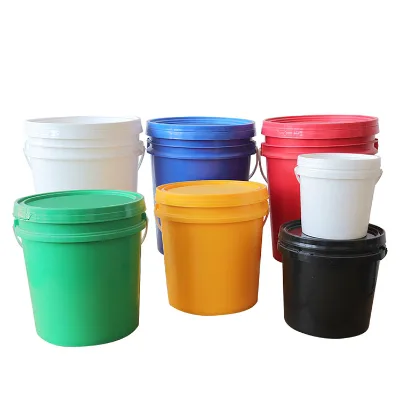
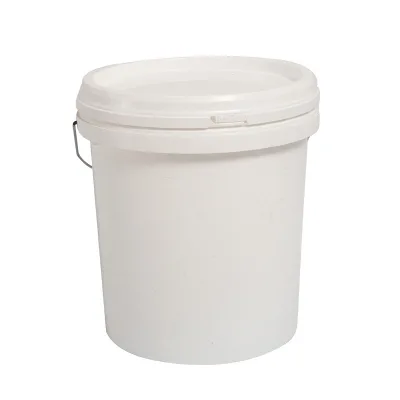
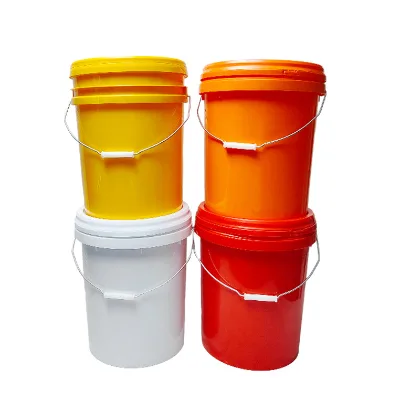
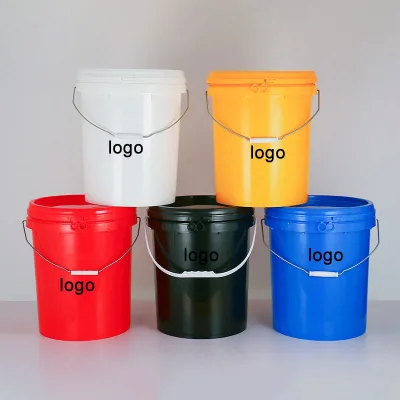


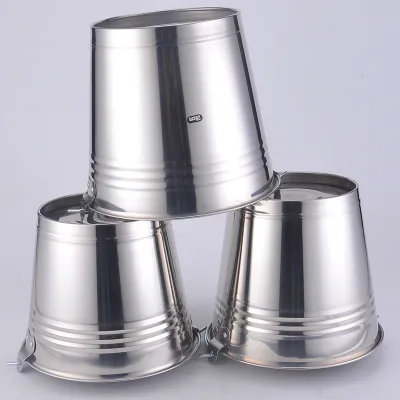
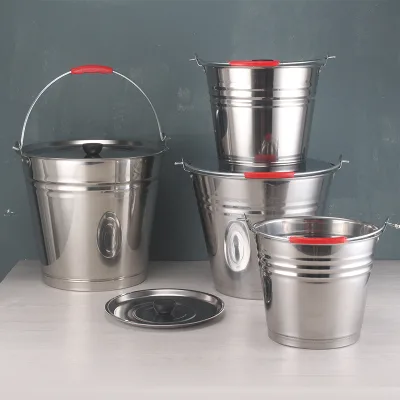
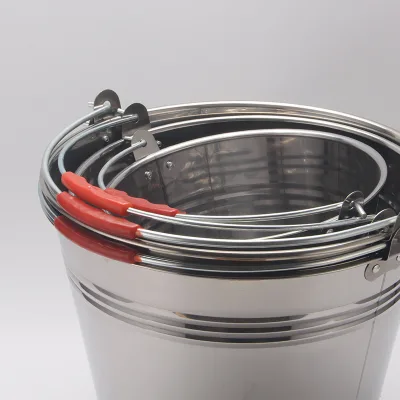








Comprehensive Sourcing Guide
Standing Galvanized Bucket with Lid Supplier Concentration and Factory Types
Buyers searching for a Standing Galvanized Bucket with Lid will encounter a mixed supplier landscape rather than a single factory type. On major sourcing platforms, listings in this space often come from packaging-sector companies whose main product lines span drums, pails, barrels, buckets, tins, jars, and packaging accessories. Some of these are manufacturers, while others operate as trading companies — one observed example in Jiangsu, China is explicitly labeled a trading company, holds third-party verification (BV), offers OEM and ODM capacity, and sells square buckets, pails, and metal buckets alongside related packaging items. This tells buyers that the supplier behind a listing may not own the production line that makes the bucket, and that verification badges describe the company's registration and audit status, not necessarily its factory.
When no specific cluster is confirmed in the results you see, do not assume one. Instead, identify concentration yourself: filter search results by province, note which regions repeat across multiple listings, and cross-check whether those listings describe manufacturing capability or trading intermediation. In the current sample, plastic pail and bucket listings trace back to Jiangsu and to Hebei-origin components such as galvanized steel and tinplate handles, while a Liaoning-based company supplies tinplate and coated sheet material. That mix suggests metal buckets may be assembled from purchased sheet, handles, and lids across more than one location — a structure buyers should confirm before treating any single supplier as the actual maker.
How to Verify Standing Galvanized Bucket with Lid Suppliers
Verification begins with the platform's own signals, then moves to evidence the buyer requests directly. Check whether the company is verified by a third party — for example, one supplier in these results carries BV verification — and note the company type, since a trading company is a legitimate choice but changes whom you audit. Review the product attributes attached to listings: one verified supplier lists ISO9001/HACCP/UN certification claims on a 20-liter bucket page, but certification text in a listing is a claim, not proof. Ask the supplier for the actual certificate documents, confirm the certifying body, and check whether the certificate scope covers galvanized steel buckets specifically rather than the plastic pails shown in the same catalog.
Second, verify capability rather than paperwork alone. Ask whether the supplier produces the galvanized body in-house or purchases sheet and components; the results show a separate supplier category for galvanized steel and tinplate bucket handles, with lengths of 400–700 mm and wire diameters of 1.5–5.0 mm, which confirms that handle components are commonly sourced from specialist makers. Request samples of the exact lid fit and handle mounting you need — one listing offers five sample pieces — and test lid seating, weld or seam quality, and coating integrity. Finally, confirm the entity behind the payment matches the entity on the business license, and ask how OEM/ODM requests are handled, since customization availability is stated explicitly on some listings but must be confirmed for your own design.
What to Compare Across Standing Galvanized Bucket with Lid Suppliers
Compare suppliers on the attributes actually displayed, and never assume every listing shows the same fields. In this category the meaningful comparison dimensions include lead time, MOQ, response speed, establishment year, escrow availability, location, and main products. Response time varies sharply: one packaging supplier in the sample reports an average response time around 3 hours, while another shows roughly 13 hours — a difference that directly affects how quickly quoting, sampling, and problem-solving will move. Lead-time figures, where shown, should be treated as a starting point; one supplier's data displays a zero or blank value, which is a signal to ask directly rather than to assume fast dispatch.
Build a comparison sheet with identical rows for every candidate: company type (manufacturer or trading company), verification status, location, main product lines, whether OEM/ODM is offered, MOQ per item, unit price at your volume, sample cost and policy, and stated delivery window. Note that MOQs differ by product even within one catalog — observed bucket listings range from 1,000 pieces on a 4-liter square bucket to 2,000 and 5,000-piece minimums on 15–20 liter pails — so a supplier cheap at one size may be inaccessible at another. Also compare what the company actually sells: a supplier whose main products center on tinplate sheet or handles is a component source, while one listing buckets and drums is the finished-goods candidate. Rank suppliers on completeness of information as well as price, because missing fields usually mean more friction later.
Common Standing Galvanized Bucket with Lid Sourcing Risks
The most frequent risk in this category is material substitution. "Galvanized" can describe the bucket body, the handle wire, or the lid only, and some suppliers selling into this search space primarily list plastic pails — the sample includes 15-liter and 20-liter plastic buckets as the dominant finished products. A buyer who orders without specifying steel gauge, zinc coating weight, and which components are galvanized may receive a plastic-equivalent or a mixed-material product. Put material specifications in the purchase contract, not just the inquiry, and confirm the wall thickness and weight: observed plastic listings specify values like 1.7 mm and 1,200 g, showing that suppliers can state these numbers when asked.
Second risks cluster around fit and compliance. Lid fit tolerances and handle mount strength are rarely shown in listings, so sample approval is essential before mass production. Certification claims attached to one product line do not extend automatically to another — an ISO9001/HACCP/UN notation on a plastic pail says nothing about a galvanized steel bucket unless documents confirm it. Trading-company intermediation adds a layer of risk around who controls quality and who is liable for defects; confirm whether the trading company has inspection staff at the factory. Finally, beware of quoted lead times that exclude production only: one component listing states a delivery time of 1–10 days, which likely reflects component dispatch, not a finished assembled bucket. Always define whether the quoted window covers material sourcing, production, and inspection combined.
Standing Galvanized Bucket with Lid Regional Sourcing and Logistics
Region matters in this category because inputs and finished goods often come from different provinces. The observed results point to Jiangsu as a location for packaging suppliers offering buckets, pails, and drums with OEM/ODM support, while tinplate and coated steel sheet — the raw input for metal buckets — appears from a supplier based in Liaoning, and bucket handle components carry a Hebei place of origin. For a buyer, this pattern means a finished galvanized bucket with lid may be the output of a supply chain crossing several regions: sheet from one province, formed handles from another, and assembly or trading from a third. Confirm where your actual production will occur, because freight costs, inspection access, and export port choice all follow the factory, not the seller's registered address.
Plan logistics around what the listings already imply. Bucket-type products ship stacked or nested, and packing methods matter: one observed listing specifies cartons or as-requested packing, another PE bags — for steel buckets, ask about scratch protection, lid-on versus lid-off packing, and palletization. Container utilization depends on bucket diameter and nesting depth, so request a packing plan showing pieces per carton and cartons per container at your size. Clarify price terms early; component listings in the sample quote CIF, CFR, FOB, and EXW, indicating suppliers in this category can work with multiple terms. Confirm the nearest export port to the real factory and whether inland haulage is included in any quoted price.
Standing Galvanized Bucket with Lid Commercial Terms and Order Planning
Structure commercial terms so that every number discussed in negotiation is captured in the contract. Anchor on MOQ and price tiers first: observed listings in this category show MOQs of 1,000, 2,000, and 5,000 pieces with per-unit prices that hold flat or vary slightly by size, so ask each supplier for a tiered price table at your target volumes rather than a single quote. Clarify sample terms — some listings state free samples while others offer a fixed number of sample pieces — and budget for freight separately, since "free sample" rarely means free shipping. Agree on payment structure that protects you with a new supplier, and check whether the platform offers escrow or trade assurance for the transaction; where it is not displayed, verify what protection actually applies before wiring a deposit.
For order planning, work backward from the supplier's stated response and delivery behavior. One observed supplier answers in roughly 3 hours on average and quotes component dispatch within 1–10 days, while another averages around 13 hours — use these patterns to decide how much schedule buffer to build. Sequence the order as: specification sheet, sample approval, pilot batch, then mass production, with inspection before balance payment. Confirm packing format (cartons or as requested, per observed packing terms), container plan, and who books freight under your chosen incoterm. Finally, restate lead time, coating specification, and certification documentation requirements in the purchase order itself, so the terms you negotiated survive handover to the supplier's production and shipping teams.
FAQs
What is the minimum order quantity for plastic buckets?
The minimum order quantity varies by product type. For example, the 4L plastic square bucket requires a minimum of 1000 pieces. The 5-gallon square bucket has a higher threshold of 2000 pieces. Meanwhile, the 2-gallon heavy-duty bucket requires 5000 pieces. Buyers should check specific product listings for exact MOQ requirements before placing orders.
Are plastic buckets available with food-grade certifications?
Yes, several plastic buckets are certified for food-grade use. The 15-litre bucket and the 2-gallon heavy-duty bucket both carry HACCP certification. Additionally, some products hold ISO9001 and UN certifications. These certifications ensure the containers are safe for storing edible items like milk, beer, and other food products securely.
What is the price range for 20-liter plastic buckets?
The price for a 20-liter plastic bucket with a lid is approximately 2.70 USD per unit. This price point applies to the square bucket model with specific dimensions. Buyers should note that prices may vary based on customization options, order volume, and shipping terms. Always confirm the final price with the supplier before purchase.
How long does it take to receive a sample?
Sample delivery times depend on the supplier and product. For metal handles, samples are available within one to ten days. Some plastic bucket suppliers offer free samples to facilitate evaluation. Buyers should contact the supplier directly to confirm sample availability and specific shipping durations, as lead times can vary based on stock levels and location.
Can suppliers customize the logo and color of buckets?
Yes, customization is available for many plastic bucket products. Suppliers offer customized colors and logo printing services. The 15-litre bucket allows for customized colors. Metal handles also support customized logo printing. Buyers should specify their design requirements and color preferences when requesting quotes to ensure the final product meets their branding needs.
Where are these plastic bucket suppliers located?
Suppliers offering plastic buckets and related packaging are primarily located in China. Specific locations include Jiangsu Province and Suzhou. Another supplier specializing in bucket handles is located in Liaoning, with origins in Hebei. Buyers can filter search results by these regions to find suppliers closer to their logistics hubs or preferred manufacturing zones.
What materials are used for bucket handles?
Bucket handles are typically made from galvanized steel, tinplate, or plastic. The metal handles feature a smooth closure type and are available in various lengths from 400mm to 700mm. Wire diameters range from 1.5mm to 5.0mm. These materials ensure durability and ergonomic grip for heavy-duty buckets used in chemical or industrial applications.