Standard Wheel Cover Suppliers and Manufacturers
Source 15 verified suppliers for Standard Wheel Cover products from China. Compare key dimensions including ISO certifications, lead times, and MOQs to find the right fit. Request samples to verify quality before placing bulk orders; review the available evidence before requesting comparable quotations from suitable candidates.
Updated
Suppliers List

Shaoxing Shangyu Ouya Trade Co., Ltd.
- Verified by CTI
- Trading Company,Manufacturer/Factory
- China Zhejiang
- Lead time45 days
- Avg. response≤ 6h
Main productsCar Wheel, Alloy Wheel, Car Alloy Wheel, Rim, Car Rim, Forged Wheel, Cast Wheel, Auto Parts, 4*4 SUV Offroad, Wheel Hub
Main marketsSouth America,Eastern Europe,Mid East,North America,Southeast Asia,Eastern Asia,Western Europe,Africa

Cangzhou Yingsheng Hardware Manufacturing Co., Ltd.
- Verified by SGS
- Combined
- China Hebei
- Lead time15 days
- Avg. response≤ 14h
Main marketsDomestic
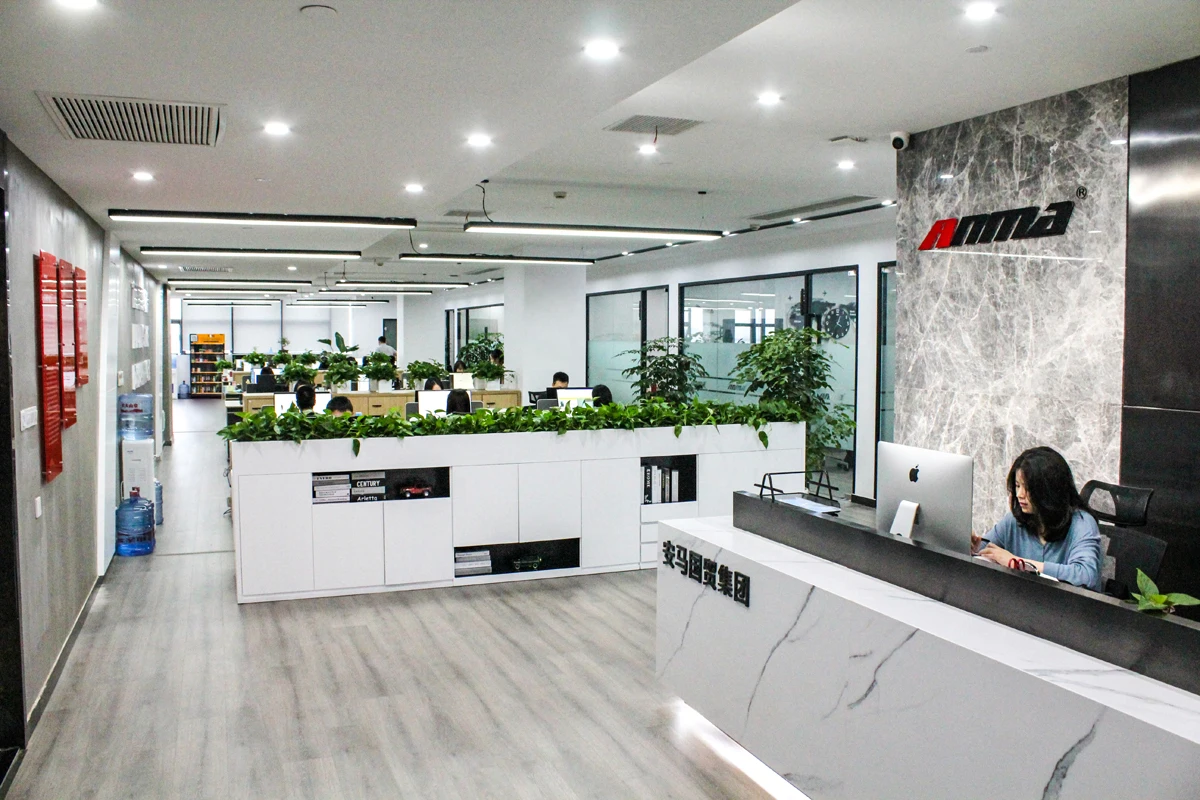
Shanghai Anma Industry Co., Ltd.
- Trading Company
- Shanghai, China
- Lead time25 days
- Avg. response≤ 5h
Main productsCar Accessories,Auto Parts,4X4 Accessories,Car Tuning parts,Car Tools
Main marketsSouth America(21.00%), Eastern Europe(18.00%), North America(17.00%), Western Europe(12.00%), Mid East(11.00%), Africa(8.00%), Central America(7.00%), Oceania(6.00%)
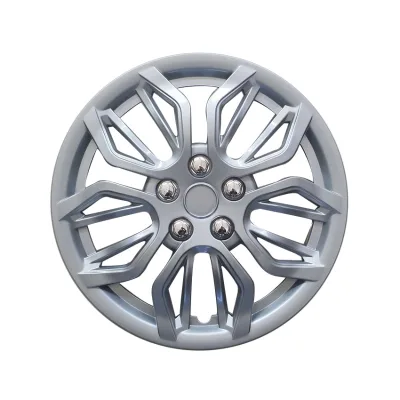
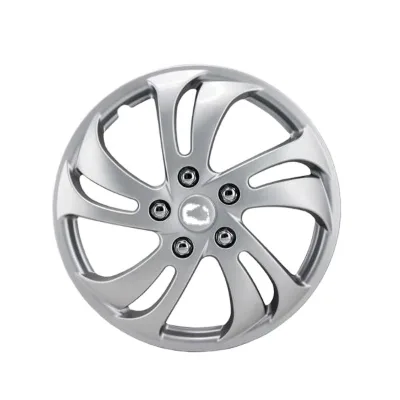
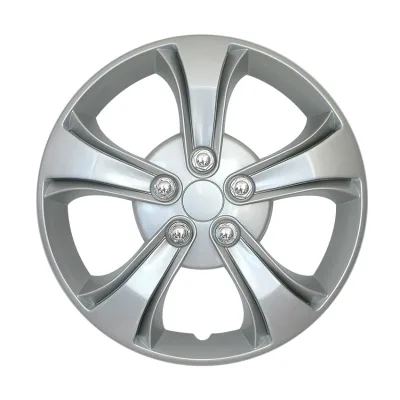
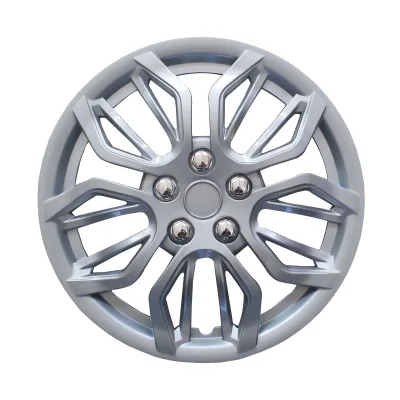
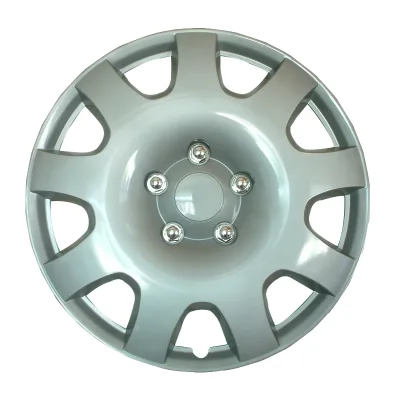
12"13"14"15"16" Inch Plastic Wheel Cover Car Hubcap Hot Sale Auto Wheel Hub Covers
$5.788 - $6.0049
MOQ: 1000 sets
Jinan Bochuangwei Fire Technology Co., Ltd.
- Trading Company
- Shandong, China
- Lead time5 days
- Avg. response≤ 4h
Main productsUniversal Coupling Ductile Flange,Flange Adaptor Ductile,Ductile Rubber Clamp,OIL TANKS,Ductile Tapping Saddle Clamp
Main marketsAfrica(20.00%), Mid East(10.00%), Southeast Asia(9.00%), South America(3.00%), Eastern Europe(3.00%), Western Europe(1.00%), Eastern Asia(1.00%), North America(1.00%)
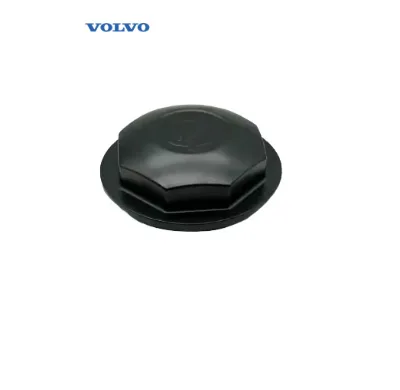
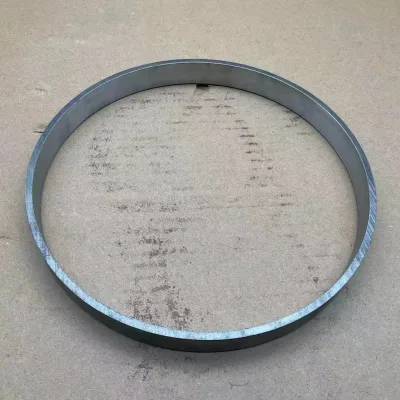
93200132 Front Axle Wheel Hub Cover
$40.00 - $50.00

Guangzhou Congsin Electronic Technology Co., Ltd
- Combined
- China Guangdong
- Lead time15 days
- Avg. response≤ 17h
Main productsPower Inverter, Pure Sine Wave Inverter, Solar Panel, Modified Sine Wave Inverter, Car Power Inverter, DC to AC Power Inverter, Solar Inverter, Solar Charger Controller, Car Emblem Badge, Inverter
Main marketsSouth America,Africa,Southeast Asia/ Mideast
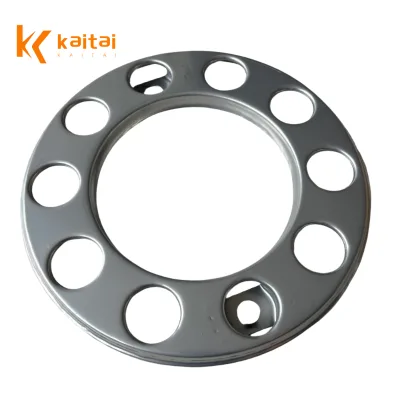
Jinan Kaitai Automotive Parts Co., Ltd.
- Verified by TüVRheinland
- Trading Company
- Lead time15 days
- Avg. response≤ 2h
Main productsTruck Spare Parts, Engine, Transmission Accessories, Truck Brake Pads, Heavy Duty Truck Components
Main marketsEastern Europe(25%), Africa(25%), Mid East(20%)

Shanghai Autobuy Industry (Group) Co., Ltd
- Verified by BV
- Trading Company
- China Shanghai
- Lead time30 days
- Avg. response≤ 25h
Main productsCar Acccessories, Car Seat Cover, Wheel Caps, Car Cover, Racing Seats, Modified Seats, Wiper Blades, Car Mats, Car Seat Cushion, Auto Parts
Main marketsSoutheast Asia/ Mideast
Xi'an Abiram Import & Export Trading Co., Ltd.
- Verified by SGS Group
- Trading Company
- Lead time25 days
- Avg. response≤ 3h
Main productsCar tools, Car accessories, Car cleaning products, Traffic safety product, Car light
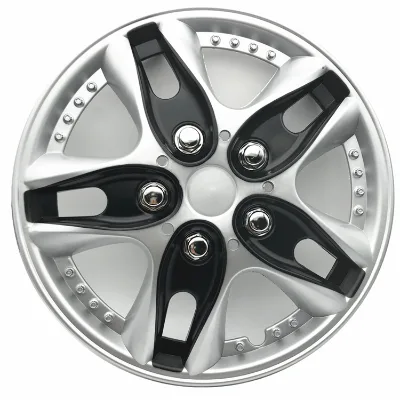
$16.00 - $40.00
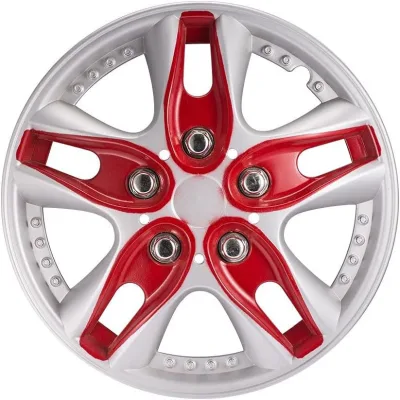
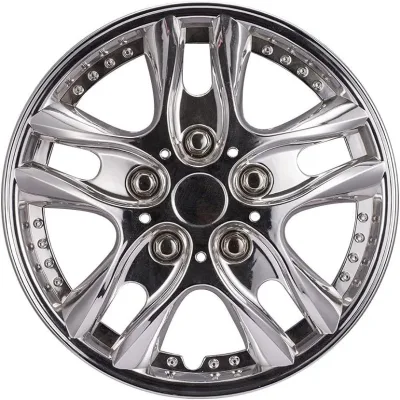

Shanghai Anma Industry Co., Ltd.
- Trading Company
- China Shanghai
- Lead time30 days
- Avg. response≤ 6h
Main productsCar Accessories, Car Spare Parts, Car Tools, Car Interior Accessories, Car Exterior Accessories, Car Electrical Accessories, Car Lights, Car Mirror, Car Emergency Kits, Car Care Products
Main marketsSouth America,Others(foreignTradeCapacity.exportBusinessCapacityMarketOther),Southeast Asia/ Mideast,Europe,North America
Ningbo Ouzhan Imp & Exp Co., Ltd.
- Trading Company
- Zhejiang, China
- Lead time30 days
- Avg. response≤ 2h
Main productsWorking light,Battery charger,Jack,Booster cable,Air Compressor
Main marketsEastern Europe(30.00%), Northern Europe(15.00%), Western Europe(15.00%), North America(15.00%), South America(15.00%), Mid East(5.00%), Africa(5.00%)
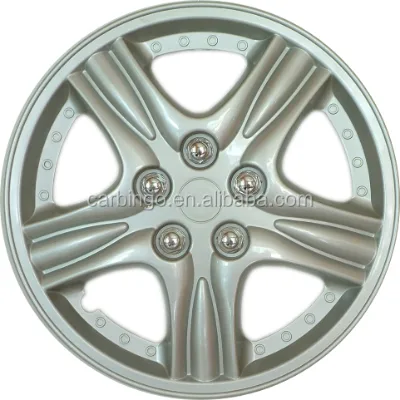
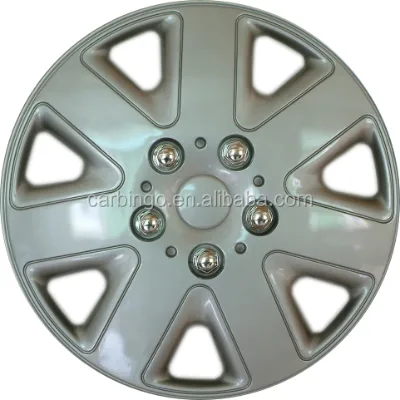
$5.40 - $6.80
Guangzhou Bisitai Auto Accessories Co., Ltd.
- Manufacturer
- Guangdong, China
- Lead time30 days
- Avg. response≤ 8h
Main products4x4 Fender Flares,4x4 Roof trays,4x4 Grilles,4x4 Bumpers,Pickup Trucks Accessories
Main marketsNorth America(80.00%), Northern Europe(10.00%), Mid East(10.00%)

Qingdao D&E International Trade Co., Ltd.
- Verified by BV
- Trading Company,Manufacturer/Factory
- China Shandong
- Lead time23 days
- Avg. response≤ 4h
Main productsAuto Spare Parts, Truck Sparts Parts, Diesel Heaters, Truck Air Conditioner, Heater Spare Parts for Eberspacher/Webasto
Main marketsSouth America,Eastern Europe,Mid East,North America,Southeast Asia,Eastern Asia,Oceania,Western Europe,Africa


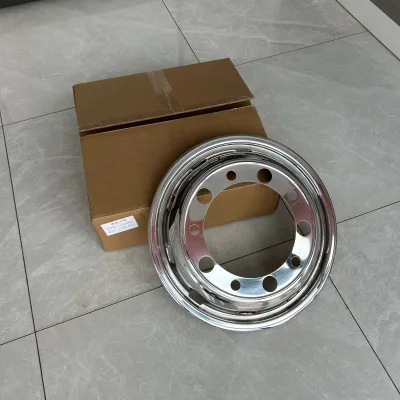
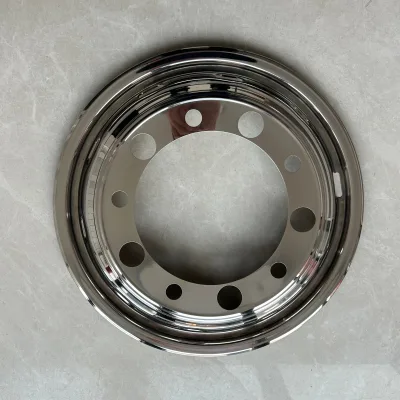
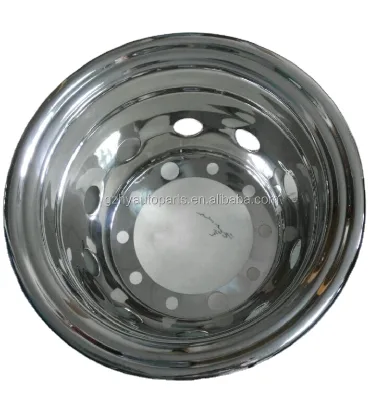
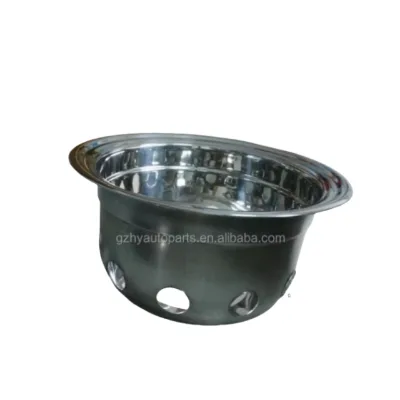
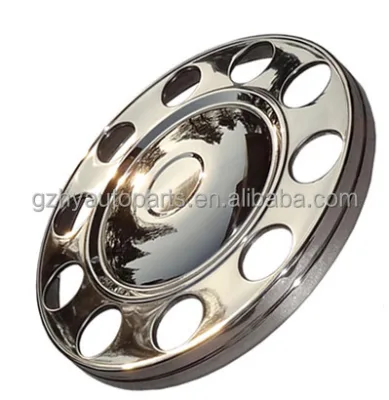
Premium Stainless Steel 22.5" Wheel Cover with Full Set of Accessories
$16.85 - $18.55
MOQ: 200 Pieces
Guangzhou Huiying Auto Parts Co., Ltd.
- Verified by SGS Group
- Manufacturer, Trading Company
- Lead time30 days
- Avg. response≤ 3h
Main productsAutomobile Shock Absorber , Engine Mount, Automobile Glass, Automobile Hub Cover
Main marketsNorth America(30%), Southeast Asia(20%), South America(10%)
Shanghai Huaqi Industrial Co., Ltd.
- Verified by Intertek
- Trading Company
- Lead time30 days
- Avg. response≤ 4h
Main productsCar Cover, Car Mat, Car Seat Cover, Steering Wheel Cover, Wiper Blade
Main marketsNorth America(28%), South America(28%), Western Europe(12%)

Ningbo Yinzhou Henglu Plastic Industry&Trading Co., Ltd.
- Verified by BV
- Trading Company,Manufacturer/Factory
- China Zhejiang
- Lead time23 days
- Avg. response≤ 22h
Main productsBumper, Fender, Dock Cleat, Marine Hardwares, Marine Steering Wheel, Boat Seat, Boat Accessories, Dock Wheel, Auto Steering Wheel, OEM Plastic Parts
Main marketsNorth America,Southeast Asia,Eastern Asia,Oceania,Western Europe




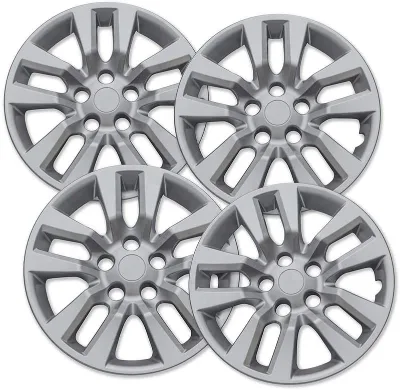
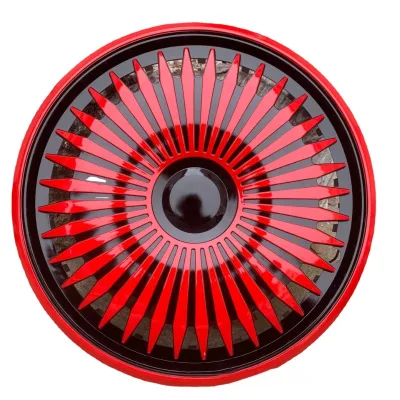
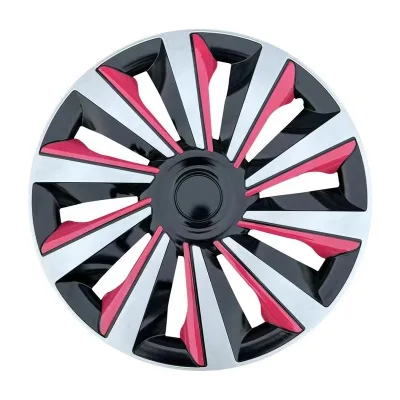
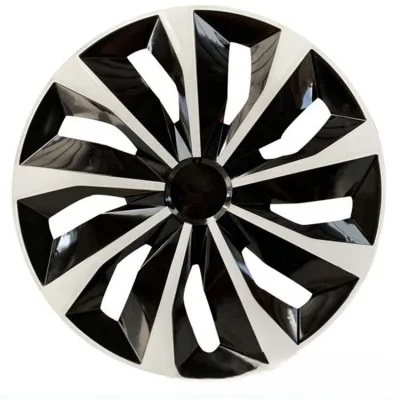


Comprehensive Sourcing Guide
Standard Wheel Cover Supplier Concentration and Factory Types
The current supplier landscape for standard wheel covers reveals a distinct concentration of manufacturing and trading entities within specific Chinese provinces. Data indicates a significant cluster in Zhejiang, where suppliers list locations such as Zhejiang and offer a diverse range of products including alloy wheels, forged wheels, and various wheel hub covers. These entities often operate as a hybrid of trading companies and manufacturers, suggesting an integrated supply chain capable of handling both direct production and distribution. Another notable presence is found in Hebei, where suppliers identify as combined entities, potentially offering a broader scope of automotive parts beyond just wheel accessories. This geographic distribution allows buyers to access specialized production capabilities while maintaining proximity to major logistics hubs.
In addition to the Zhejiang and Hebei clusters, suppliers are also identified in Shanghai, functioning primarily as trading companies. These Shanghai-based entities focus on car accessories, tuning parts, and tools, often sourcing from the broader manufacturing network to fulfill orders. The company types observed include trading companies, manufacturers, and combined operations, indicating that buyers will encounter a mix of direct factory contacts and intermediaries. When evaluating these suppliers, it is crucial to distinguish between those that own the production facility and those that facilitate trade. The presence of OEM and ODM capabilities in the observed data suggests that many suppliers can accommodate custom branding and design requirements, which is a key differentiator for buyers seeking private label solutions in the Standard Wheel Cover market.
How to Verify Standard Wheel Cover Suppliers
Verification of Standard Wheel Cover suppliers relies heavily on third-party audit results and specific certification markers provided in the supplier profiles. The observed data highlights verification bodies such as CTI and SGS, which serve as critical indicators of a supplier's operational legitimacy and quality control adherence. Buyers should prioritize suppliers displaying these verification badges, as they confirm that an independent agency has assessed the company's facilities and processes. Furthermore, system certifications like ISO 9001 are frequently listed, providing evidence that the supplier maintains a standardized quality management system. These credentials are essential for mitigating the risk of engaging with unverified entities that may lack the necessary infrastructure to deliver consistent product quality.
Beyond external verification, buyers must scrutinize the specific product attributes and testing results associated with the standard wheel covers. The available data shows that products often carry certifications such as ISO, VIA, DOT, TUV, and CE, which are vital for ensuring compliance with international safety and performance standards. For instance, wheel covers intended for export markets may require specific DOT or TUV test results to be legally sold in those regions. Buyers should request detailed test reports corresponding to these certifications to validate the claims. Additionally, the presence of specific product attributes like material composition (e.g., aluminum or ABS plastic) and finishing types (e.g., chrome or black electrostatic powder coating) should be cross-referenced with the supplier's verification status to ensure that the claimed specifications are backed by a verified production process.
What to Compare Across Standard Wheel Cover Suppliers
When comparing suppliers, the response time and lead time are critical operational metrics that directly impact project timelines. The observed data reveals a wide variance in response speeds, with some suppliers responding in approximately 5.45 hours while others take over 13 hours. Similarly, lead times for production range significantly, with some suppliers offering a 15-day turnaround and others requiring up to 45 days. Buyers must align these timelines with their inventory needs and market launch schedules. A supplier with a faster response time may offer better communication, but a longer lead time might be acceptable if the price or quality is superior. It is essential to calculate the total time from order placement to delivery, factoring in both the production lead time and the shipping duration, to ensure the supply chain remains efficient.
Another vital comparison point is the Minimum Order Quantity (MOQ) and pricing structure, which vary considerably across the supplier base. The data indicates MOQs ranging from as low as 1 unit to as high as 1000 sets, depending on the specific product and supplier type. Pricing also fluctuates, with some items listed between $1.00 and $2.00, while others range from $2.15 to $5.95. Buyers should evaluate these figures against their order volume and budget constraints. A supplier with a low MOQ might be ideal for testing the market or fulfilling small orders, whereas a supplier with a higher MOQ may offer better economies of scale for bulk purchases. Additionally, the availability of customization options, such as printed logos or specific thicknesses, should be weighed against the MOQ requirements to determine the most cost-effective sourcing strategy for the specific business model.
Common Standard Wheel Cover Sourcing Risks
One of the primary risks in sourcing standard wheel covers involves the discrepancy between claimed certifications and actual product compliance. While suppliers may list certifications like ISO, VIA, DOT, and CE in their profiles, there is a risk that these credentials do not apply to every batch or specific product model ordered. Buyers must verify that the specific wheel cover model they intend to purchase has undergone the necessary testing procedures, such as the Via DOT TUV tests mentioned in the product attributes. Relying solely on the supplier's general certification claims without requesting batch-specific test reports can lead to non-compliant products that fail to meet regulatory standards in the target market, potentially resulting in customs seizures or legal liabilities.
Another significant risk is the inconsistency in material quality and finishing durability, which can vary between different suppliers and even between batches from the same supplier. The observed data mentions materials like aluminum and ABS plastic, with finishes ranging from chrome to black electrostatic powder coating. However, without rigorous quality control checks, there is a risk of receiving products with inferior surface treatments that may peel, rust, or degrade quickly. For example, a supplier claiming "rust-proof" treatment might use a lower-grade coating that fails under harsh environmental conditions. Buyers should request physical samples to test the material integrity and finish durability before committing to large orders, ensuring that the product meets the expected lifespan and aesthetic standards required for their specific application.
Standard Wheel Cover Regional Sourcing and Logistics
The geographic location of suppliers plays a pivotal role in determining logistics efficiency and shipping costs for standard wheel covers. The data identifies key sourcing hubs in Zhejiang, Hebei, and Shanghai, each offering distinct logistical advantages. Suppliers in Zhejiang and Shanghai are situated near major ports, which can facilitate faster and more cost-effective international shipping. In contrast, suppliers in Hebei may require additional inland transportation to reach coastal ports, potentially increasing transit times and freight costs. Buyers should consider the proximity of the supplier to the destination port when calculating the total landed cost, as regional differences in logistics infrastructure can significantly impact the overall supply chain efficiency.
Logistics planning also involves understanding the packaging standards and shipping units provided by the suppliers. The observed data indicates that some suppliers use export-standard cartons with inner plastic bag packing, while others specify single package sizes and gross weights. For instance, one supplier lists a single package size of 45x45x20 cm with a gross weight of 0.800 kg, while another specifies a different configuration. Buyers must ensure that the packaging is robust enough to protect the wheel covers during transit, especially given the potential for damage to the chrome or black finishes. Additionally, the supplier's ability to consolidate orders from multiple SKUs into a single shipment can optimize container space and reduce per-unit shipping costs, making it a critical factor in the regional sourcing strategy.
Standard Wheel Cover Commercial Terms and Order Planning
Commercial terms and payment structures are fundamental components of order planning that vary significantly among Standard Wheel Cover suppliers. The data shows that payment methods include T/T, L/C, and PayPal, with some suppliers offering flexible terms for established clients. Buyers should carefully review the payment conditions, such as deposit requirements and balance payment timing, to manage cash flow effectively. For instance, a supplier requiring a 30% deposit before production and 70% before shipment is a common arrangement, but buyers must ensure these terms align with their financial policies. Additionally, the availability of sample times, which range from 5 to 7 days, should be factored into the order planning timeline to allow sufficient time for quality verification before mass production begins.
Order planning must also account for the specific product attributes and customization requirements that influence production schedules. The observed data highlights customization options such as printed logos and specific thicknesses, which can extend lead times beyond the standard production window. Buyers should confirm the impact of these customizations on the overall lead time, as some suppliers may require additional days for tooling or design approval. Furthermore, the MOQ requirements, which range from 1 to 1000 sets, must be integrated into the order quantity planning to avoid overstocking or understocking. By aligning the commercial terms, customization needs, and production capabilities, buyers can create a robust order plan that minimizes risks and ensures timely delivery of standard wheel covers to the market.
FAQs
What is the typical lead time for standard wheel covers?
Manufacturers generally require 15 to 45 days for production, depending on the supplier location and order volume. Buyers in China Zhejiang often see 45-day timelines, while Hebei suppliers may offer 15-day turnaround. Shanghai trading companies typically quote 25 to 30 days. Always confirm the exact schedule with the supplier before placing an order.
What certifications are available for wheel hub covers?
Products often carry ISO, VIA, DOT, TUV, and CE certifications to meet global safety standards. Aluminum wheel covers may undergo Via DOT TUV testing. Truck hub caps frequently support ISO, TUV, VIA, DOT, and CE compliance. Verify specific test reports with the supplier to ensure the product meets your regional regulatory requirements.
What is the minimum order quantity for wheel covers?
MOQs vary significantly by product type and supplier. Some aluminum wheel covers have an MOQ of just one unit, while ABS plastic covers often require 300 sets. Truck hub caps typically start at 100 units, and standard steel wheel replacements may require 1000 sets. Check the specific listing for the exact quantity requirement.
What materials are used for standard wheel covers?
Common materials include aluminum, ABS plastic, and metal alloys. Aluminum covers often feature chrome finishing and are suitable for 16 to 20-inch hubs. ABS plastic covers are widely used for universal fitment on steel wheels. Truck hub caps may use metal with black electrostatic powder coating for rust protection. Confirm material specifications with the supplier.
What is the price range for standard wheel covers?
Prices typically range from $1.00 to $5.95 per unit depending on material and customization. Aluminum wheel covers may cost between $1.00 and $2.00. ABS plastic covers for steel wheels often range from $4.30 to $5.95. Truck hub caps generally fall between $2.15 and $3.65. Prices are subject to order volume and design complexity.
Can I customize the logo on wheel covers?
Customization is available for many wheel cover products. Suppliers support customized thickness and printed logo bases on metal hub caps. Aluminum covers also offer customization options for specific designs. Buyers should contact the supplier directly to discuss logo placement, colors, and any additional costs associated with personalized branding.