Standing Melamine Seasoning Rack Suppliers and Manufacturers
Source Standing Melamine Seasoning Rack options from 30 verified suppliers. Compare key dimensions such as lead times, MOQs, and response speeds to identify the right partner. Review product specifications and request quotes directly to streamline your procurement process; review the available evidence before requesting comparable quotations from suitable candidates.
Updated
Suppliers List

Ancheng Hardware Manufacturing Co., Ltd.
- Verified by SGS
- Trading Company
- China Guangdong
- Lead time30 days
- Avg. response≤ 4h
Main productsKitchenware, Restaurant Equipment, Catering Equipment
Main marketsAfrica,Southeast Asia/ Mideast,Europe,Australia,North America

- Verified by TUVRHEINLAND
- Trading Company
- China Zhejiang
- Lead time15 days
- Avg. response≤ 13h
Main productsWooden Toy, Outdoor Product, Kitchen Item, Personal Care Tool, Painting Set, Disk Rack, Yoga, Garden
Main marketsSouth America,Europe,North America

Qingyuan Xingxiang Hardware Products Co., Ltd
- Verified by SGS
- Combined
- China Guangdong
- Lead time30 days
- Avg. response≤ 5h
Main productsShower Caddy Shelves, Hanging Hook, Coffee Pod Holder, Tissue Paper Towel Holder, Wire Storage Basket, Mutifunction Storage Rack, Cup Holder, Dish Drying Rack, Office Accessories, Watering Can
Main marketsEurope,North America

3 Tier Spinning Kitchen Lazy Susan Seasoning Rotating Wood Seasoning Rack for Cabinet
$4.56 - $5.10
MOQ: 200 Pieces


$5.41 - $6.27
MOQ: 200 Pieces

Clear Acrylic Shelf Spice Holder Display Rotating Plastic Spice Rack for Kitchen
$0.90 - $1.30
MOQ: 200 Pieces
Huizhou Bailiang Industry Co., Ltd.
- Manufacturer
- Guangdong, China
- Lead time15 days
- Avg. response≤ 1h
Main productskitchen storage hardware,kitchen organizer rack,household hardware,metal material products
Main marketsDomestic Market(40.00%), Eastern Europe(15.00%), North America(10.00%), South America(10.00%), Southeast Asia(8.00%), Mid East(5.00%), Northern Europe(5.00%), Africa(2.00%)
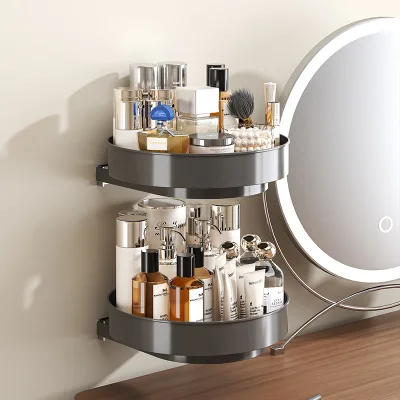
$3.1895 - $3.9105
MOQ: 50 sets
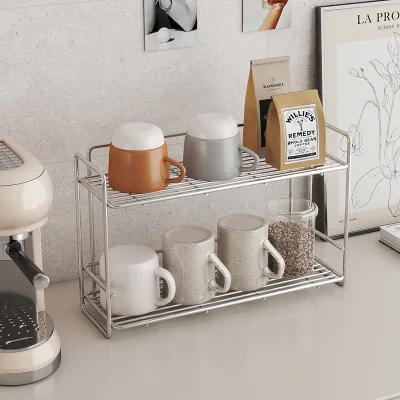
$2.7646 - $3.6891
MOQ: 50 packs
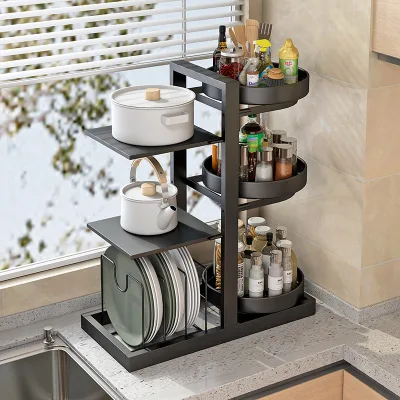
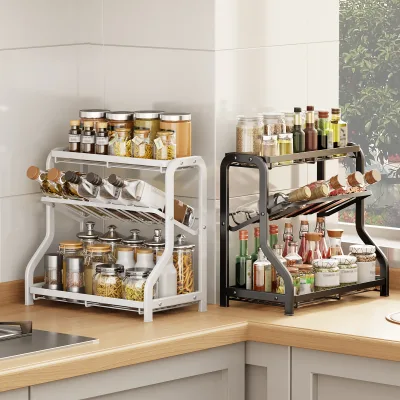
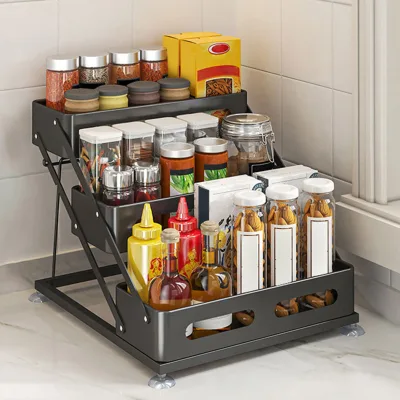
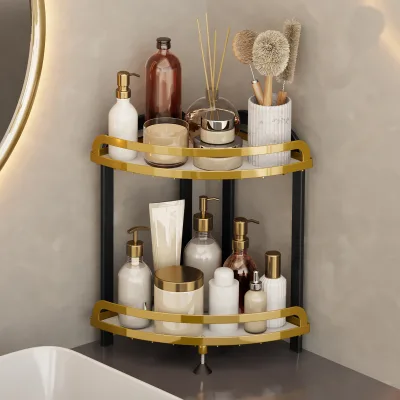
$6.4896 - $7.3154
MOQ: 50 sets

Dongguan Simply Metal Products Co., Ltd.
- Trading Company
- China Guangdong
- Lead time23 days
- Avg. response≤ 7h
Main productsWire Shelving, Wire Shelving Units, Shelving, Shelf, Wire Wall Shelf, Wire Rack Shelving, Wire Storage Racks, Wire Racks, Metal Wire Shelving, Wire Storage Shelves
Main marketsSouth America,Africa,Southeast Asia/ Mideast,Europe,Australia,North America


Magnetic Spice Shelf for Refrigerator Seasoning Organizer Metal Side Fridge Storage Rack
$20.00 - $30.00
MOQ: 30 Sets


$2.59 - $2.79
MOQ: 500 Pieces
Ningbo Toprank Imp. & Exp. Co., Ltd.
- Verified by Intertek
- Trading Company
- Lead time30 days
- Avg. response≤ 5h
Main productsPlastic Storage Box, Food Storage and Containers, Storage Rack, Cosmetics Storage, Coffee Table
Main marketsEastern Europe(35%), North America(30%), South America(20%)
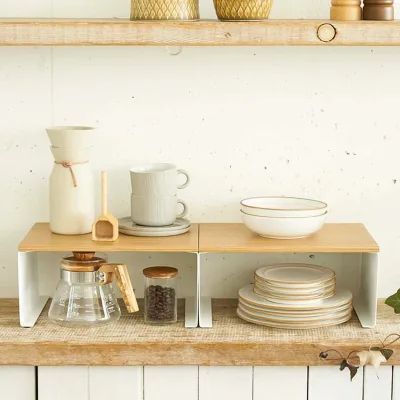
$2.1991 - $2.3143
MOQ: 1000 packs
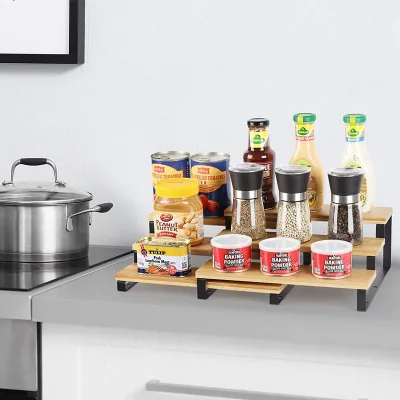

- Trading Company
- China Zhejiang
- Lead time0 days
- Avg. response≤ 9h
Main productsHousehold, Personal Care, Kitchenware, Fitness, Car Items, Tools, Health Care, Paint Brush, Magic Mesh, Beauty
Shenzhen Hanchuan Industrial Co,.Ltd
- Verified by Intertek
- Manufacturer, Trading Company
- Lead time3 days
- Avg. response≤ 3h
Main productsSilicone Baby Placemat, Silicone Ice Tray, Silicone Collapsible Lunch Box, Silicone BBQ Gloves, Silicone Baby Bib
Main marketsNorth America(40%), Western Europe(30%), Eastern Europe(10%)
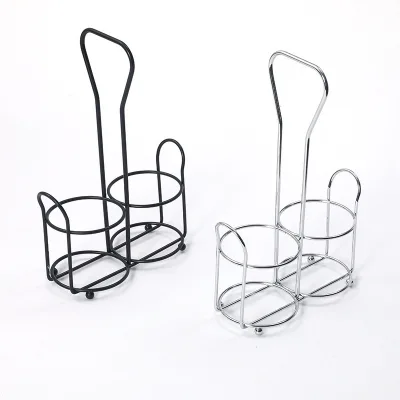
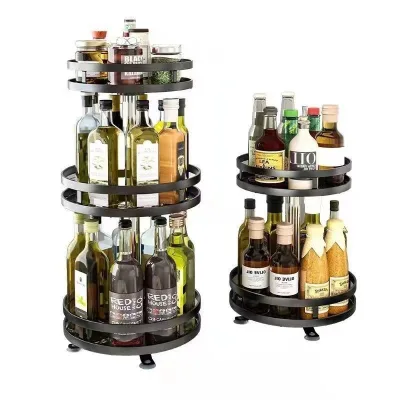
$1.8042 - $5.2061
MOQ: 100 Minimum
Yiwu Light Boat Import And Export Firm
- Trading Company
- Zhejiang, China
- Lead time5 days
- Avg. response≤ 3h
Main productsoffice chairs,conference chairs,commode chair,home chairs,outdoor chairs
Main marketsWestern Europe(40.00%), North America(26.00%), Africa(15.00%), Mid East(5.00%), Oceania(5.00%), South America(5.00%), Eastern Europe(4.00%)
Yiwu Hezhexin Trading Co., Ltd.
- Trading Company
- Zhejiang, China
- Lead time0 days
- Avg. response≤ 2h
Main productsKitchen Tools,Gardening Tools,Storage Container,Popular Drinkware,Household Appliances
Main marketsNorth America(20.00%), Southern Europe(10.00%), Northern Europe(10.00%), Africa(10.00%), Southeast Asia(10.00%), Eastern Europe(10.00%), Western Europe(10.00%), South Asia(5.00%), Mid East(5.00%), Oceania(5.00%), South America(5.00%)
$6.0633 - $7.3992
MOQ: 100 Minimum
Guangzhou Tuohua Import And Export Co., Ltd.
- Manufacturer, Trading Company
- Guangdong, China
- Lead time7 days
- Avg. response≤ 1h
Main productsKitchen storage rack,dish drying rack,Home storage rack,Bathroom storage rack,Kitchen tools
Main marketsNorth America(50.00%), South America(25.00%), Western Europe(10.00%), Eastern Europe(10.00%), Mid East(5.00%)

Jiangmen zhaosheng hardware company LTD
- Verified by TUVRHEINLAND
- Trading Company
- China Guangdong
- Lead time30 days
- Avg. response≤ 3h
Main productsShower Caddy, Dish Rack, Bathroom Rack, Kitchen Rack, Gn Pan, Fry Basket, Cooling Rack, Steam Table Pan, Anti Jam Hotel Food Pan, Chafing Dish
Main marketsSoutheast Asia/ Mideast,Europe,North America


Adhesive Metal Seasoning Holder Organizer Shelf Hanging on Wall Mounted Spice Jar Rack
$1.38 - $1.48
MOQ: 500 Pieces

Metal Seasoning Rack Shelf Kitchen Storage Spice Jar Organizer 3 Tier Spice Rack
$2.08 - $2.13
MOQ: 500 Pieces
Huizhou Jamie Technology Co., Ltd.
- Manufacturer, Trading Company
- Lead time旺季: "1 - 10000":15,"10001 - 1000000":20,"1000001 - 10000000":30,"> 10000000":"To be negotiated", 淡季: "1 - 10000":15,"10001 - 1000000":20,"1000001 - 10000000":30,"> 10000000":"To be negotiated"
- Avg. response≤ 2h
Main productsStorage Rack, Storage Box, Hook

- Verified by BV
- Manufacturer/Factory
- China Zhejiang
- Lead time30 days
- Avg. response≤ 3h
Main productsBrush Cutter, Tiller, Garden Equipment, Chain Saw, Bike Rack, Motorcycle Lift, Furniture, Hooks, Garage Rack, Storage Bin
Main marketsSouth America,Eastern Europe,Mid East,North America,Southeast Asia,Eastern Asia,Oceania,Western Europe,Africa

Foshan Shunde Yalati Hardware Products Co., Ltd.
- Verified by TUVRHEINLAND
- Manufacturer/Factory
- China Guangdong
- Lead time15 days
- Avg. response≤ 5h
Main productsKitchen Basket
Main marketsSouth America,Eastern Europe,Mid East,North America,Southeast Asia,Eastern Asia,Oceania,Western Europe,Africa
Beijing Ruibo Tongtu Trading Co., Ltd.
- Trading Company
- Beijing, China
- Lead time30 days
- Avg. response≤ 1h
Main productsPet Nest,Pet Supplies,Storage rack,Storage cart,Home storage
Main marketsNorth America(20.00%), Northern Europe(10.00%), Western Europe(10.00%), Southeast Asia(10.00%), Eastern Europe(10.00%)
Shenzhen Betsen Industrial Co., Ltd.
- Verified by Intertek
- Trading Company
- Lead time15 days
- Avg. response≤ 4h
Main productsDish Rack, Shower Caddy
Main marketsNorth America(50%), Western Europe(30%), Oceania(20%)
$36.2511 - $40.582
MOQ: 1000 Minimum
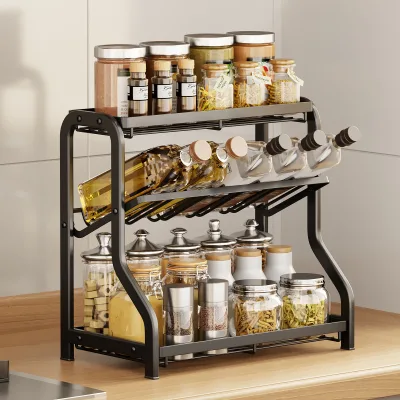
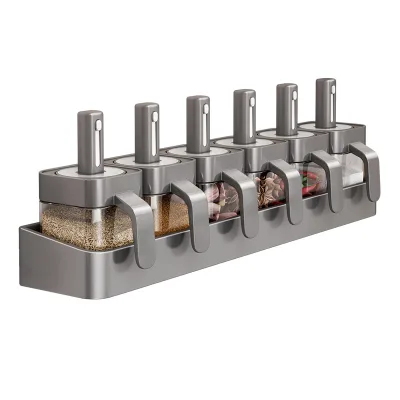
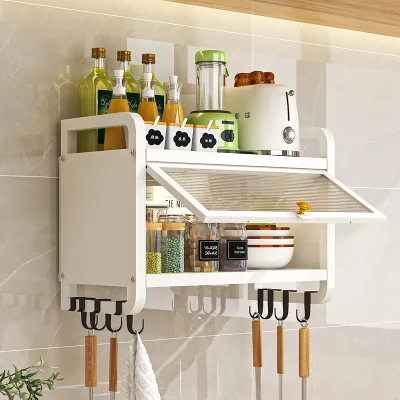
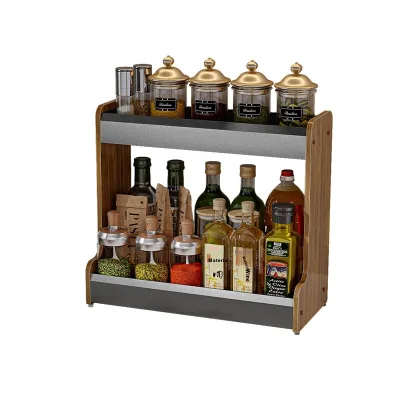
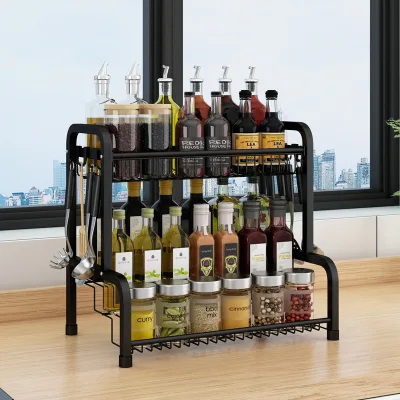

Jinhua Hengyang Cross-Border Trade Limited Liability Company
- Verified by SGS
- Trading Company
- China Zhejiang
- Lead time15 days
- Avg. response≤ 9h
Main productsCoffee Maker Air Fryer Storage Box Knife Set, Silicone Baking Mold Robot Vacuum Cleaning Table, Shower Head Non-Slip Shower Curtain Vacuum Stora, Collapsible Laundry Basket Bohemian Wall Tapestr, Fringe Pillow Cover Bedding Set Memory Foam Pill, Bamboo Tissue Biodegradable Trash Bags LED Fair, Smart Plug Fairy Lights Pet Food Bowl, Household Daily Necessities Kitchen Cleaning, Bathroom Storage and Care Fabric Home Decor, Bedding Daily Chemical Paper Products
Main marketsEurope

Kitchen Seasoning Rack Storage Rack Non Perforated Wall Mounted Multifunctional Multi-Layer Storage
$2.87 - $3.58
MOQ: 90 Pieces

Household Kitchen Stainless Steel Rotating Seasoning and Spice Rack Storage
$4.46 - $5.57
MOQ: 60 Pieces

- Verified by TUVRHEINLAND
- Manufacturer/Factory
- China Zhejiang
- Lead time23 days
- Avg. response≤ 5h
Main productsOutdoor Furniture, Trampoline, Building, Camping, Houseware, Promotion, Clothes, Rope Light, Garden, Sourcing
Main marketsSouth America,Eastern Europe,Mid East,North America,Southeast Asia,Eastern Asia,Oceania,Western Europe,Africa


Round Revolving Seasoning Rack with 12 Jars, Countertop Spice Rack Kitchen Organizer Esg16340
$16.76 - $20.11
MOQ: 100 Sets

Xuzhou Risen Industry and Supply Co., Ltd
- Verified by TUVRHEINLAND
- Trading Company
- China Jiangsu
- Lead time30 days
- Avg. response≤ 4h
Main productsHousehold Adornment, Household Supplies, Home Decoration, Compressed Sofa, Dining Furniture, Bothroom Organizer, Kitchen Storage, Glass Ornaments, Ceramic Tableware, Home Fragrance
Main marketsSouth America

Suzhou Quanhao Metal Products Technology Co., Ltd.
- Verified by SGS
- Trading Company
- China Jiangsu
- Lead time15 days
- Avg. response≤ 3h
Main productsOutdoor Furniture, Camping Products, Impellers, Garden Tools, Bollards, Brackets, Dog Kennels, Manhole Covers, Bike Racks, Metal Fabrication Services
Main marketsAfrica,Southeast Asia/ Mideast,Europe,North America


Wall-Mounted Kitchen Storage Rack Practical Spice Storage Stand for Home
$10.00 - $15.00
MOQ: 100 Pieces
Guangzhou Mega Household Products Co., Limited
- Manufacturer, Trading Company
- Guangzhou, China
- Lead time10 days
- Avg. response≤ 3h
Main productsKitchen Rack,Clothes rack,hook,Hanging rack,Store display
Main marketsEastern Europe(30.00%), North America(25.00%), Southeast Asia(15.00%), South America(15.00%), Mid East(10.00%), Oceania(5.00%)

Zhongshan Changsheng Metal Products Co., Ltd.
- Verified by TUVRHEINLAND
- Combined
- China Guangdong
- Lead time30 days
- Avg. response≤ 5h
Main productsWire Shelving, Kitchen Trolley, Metal Rack, Display Shelf, Storage Rack, Garment Rack, Kitchen Rack, Dish Rack, Utility Cart, Bathroom Shelf
Main marketsSouth America,Africa,Southeast Asia/ Mideast,East Asia(Japan/ South Korea),Domestic,Europe,Australia,North America


Multifunctional 3 Tiers White Coated Kitchen Spice Rack Metal Seasoning Jar Storage Shelf
$15.00 - $19.00
MOQ: 50 Sets

$10.00 - $15.00
MOQ: 50 Sets

Small Kitchen Multifunctional Metal Wire Rack for Oil Salt Sauce Vinegar & Spices Storage
$10.00 - $15.00
MOQ: 50 Sets
Meizhou Meta San Metal Product Industries Co., Ltd.
- Verified by SGS Group
- Trading Company
- Lead time20 days
- Avg. response≤ 3h
Main productsKitchen Storage Rack, Bathroom Accessories, Metal Bracket, Buffet Stove, Garden Bicycle Shed
Main marketsNorth America(20%), Southeast Asia(15%), Eastern Europe(10%)
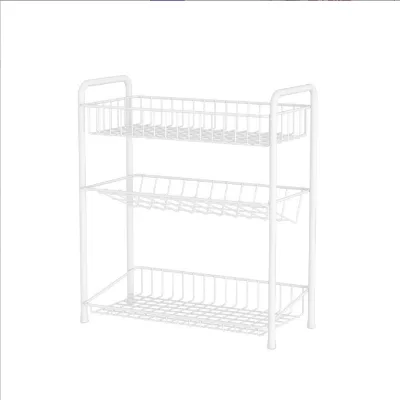
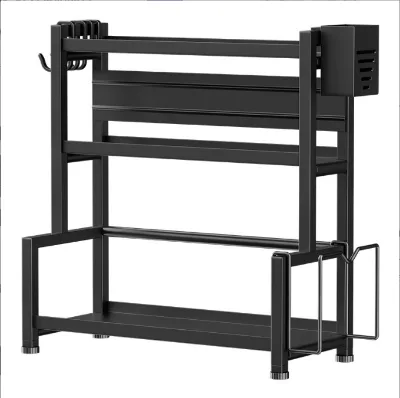
$4.4192 - $7.7972
MOQ: 100 Minimum
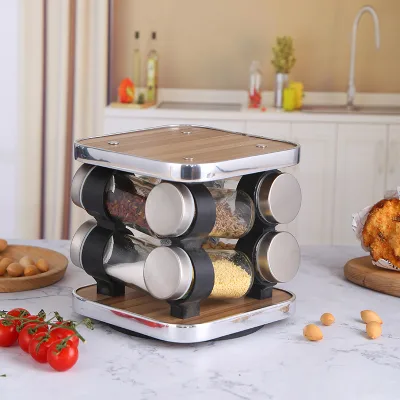
5-Layer Metal Hotel Seasoning Organizer Rack Condiment Bottle Storage and Display
$6.86 - $7.45
MOQ: 9 pieces

- Verified by SGS
- Trading Company,Manufacturer/Factory,Other
- China Zhejiang
- Lead time38 days
- Avg. response≤ 14h
Main productsBath Mat, Cushion, Wooden Toys, Fitness Equipment, Cosmetic Bag, Luggage, Festival Products, Gym Items, Face Mask, Paracord Bracelet
Main marketsSouth America,Eastern Europe,Mid East,North America,Southeast Asia,Eastern Asia,Oceania,Western Europe,Africa

Multifunctional 430 Stainless Iron Rotating Seasoning Rack, Kitchen Seasoning Rack Support Glass Jar
$7.50 - $8.20
MOQ: 1000 Pieces

$4.29 - $4.80
MOQ: 210 Pieces

$2.37 - $2.65
MOQ: 380 Pieces

Kitchen Rotatable Seasoning Rack Condiment Corner Special Oil Salt Sauce Vinegar Round Storage Rack
$2.45 - $2.64
MOQ: 1000 Pieces

Shenzhen CHY Technology Co., Ltd.
- Trading Company
- Guangdong, China
- Lead time15 days
- Avg. response≤ 6h
Main productsBathroom Towel Hook,Bathroom Shelves,Paper Holder,Towel Bar,Toilet Brush
Main marketsWestern Europe(60.00%), North America(20.00%), Southern Europe(10.00%), Eastern Europe(5.00%), Northern Europe(5.00%)
- Verified by SGS
- Trading Company
- China Guangdong
- Lead time23 days
- Avg. response≤ 9h
Main productsShower Caddy
Main marketsNorth America

Xiamen Sinogrinder Houseware Co., Ltd.
- Verified by TUVRHEINLAND
- Trading Company
- China Fujian
- Lead time23 days
- Avg. response≤ 2h
Main productsPepper Grinder, Coffee Grinder, Salt Grinder, Spice Grinder, Salt and Pepper Grinder Set, Spice Bottle, Electric Pepper and Salt Grinder Set, Spice Jar, Salt and Pepper Grinder, Seasoning Bottle
Main marketsSouth America,Others(foreignTradeCapacity.exportBusinessCapacityMarketOther),Southeast Asia/ Mideast
Jiangmen Prime Household Co., Ltd.
- Trading Company
- Guangdong, China
- Lead time0 days
- Avg. response≤ 6h
Main productsHousewares,Hardware,Dish Drying Rack,Shower Caddy
Main marketsNorth America(60.00%), Western Europe(30.00%), Mid East(10.00%)

Fujian Hoyee Household Items Co., Ltd.
- Verified by BV
- Manufacturer/Factory
- China Fujian
- Lead time0 days
- Avg. response≤ 7h
Main productsBamboo Products, Cutting Board, Bathtub Caddy, Bath Mat, Bath Towel Rack, Shoes Rack, Office Organizer, Desk Organizer, Cheese Board, Serving Tray






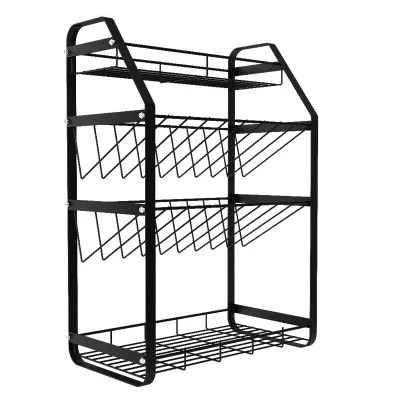
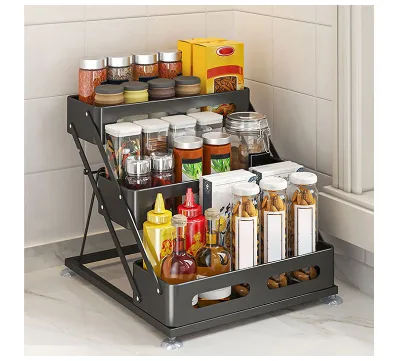
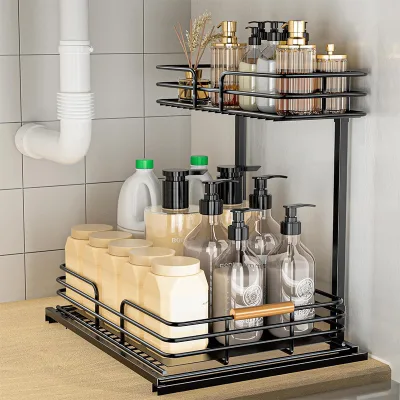
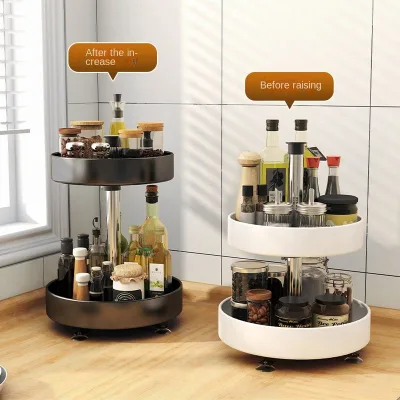




Comprehensive Sourcing Guide
Standing Melamine Seasoning Rack Supplier Concentration and Factory Types
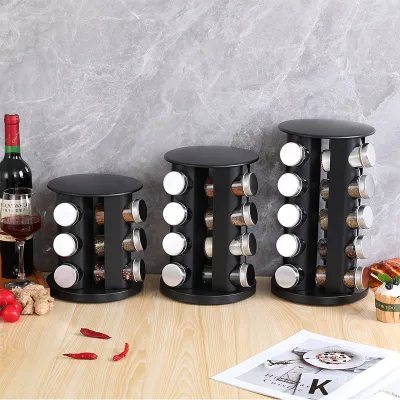
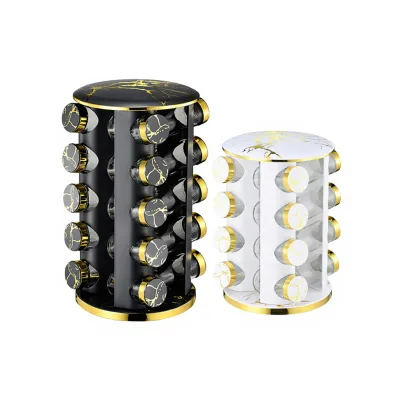
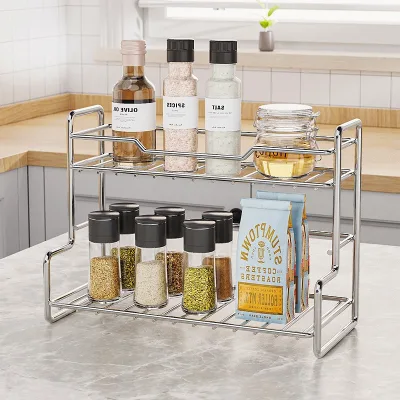
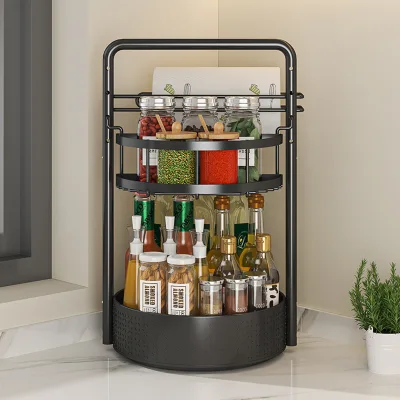
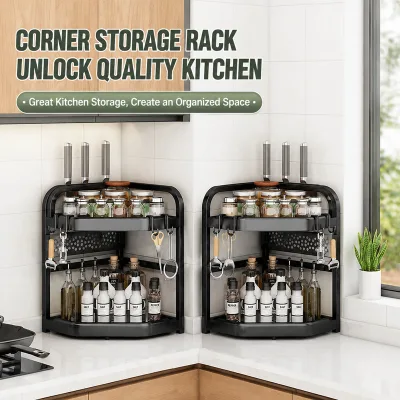
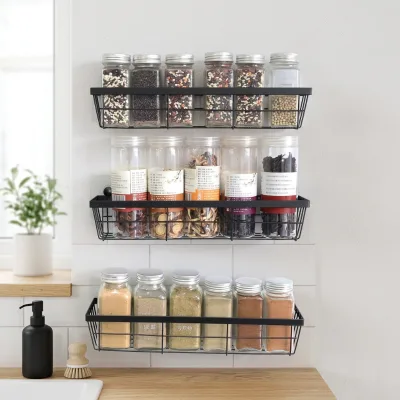
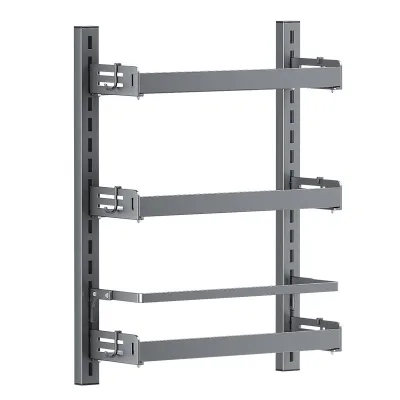
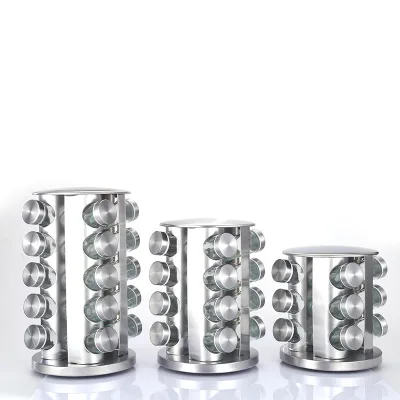
When you search for a Standing Melamine Seasoning Rack, the results you see typically mix several supplier archetypes rather than a single factory type. Some listings come from trading companies, which source finished goods from multiple production partners and add value through consolidation, communication, and export handling. Others are combined operations that both manufacture and trade, which can offer more control over tooling and material but may still outsource finishing, packaging, or accessory components. Because a seasoning rack usually involves multiple materials—melamine bodies, steel wire frames, wooden or plastic accents—many suppliers position themselves as assemblers and integrators rather than single-material molders.
The supplier results in this category show main-product ranges that span kitchenware, restaurant and catering equipment, storage racks, shower caddies, and household organizers, which tells you these are broad home and kitchen goods sellers rather than melamine specialists. That breadth cuts both ways: it signals export experience with comparable shelving and countertop organizers, but it also means melamine-specific competence is not guaranteed. On location, the observed listings point to Guangdong and Zhejiang, two provinces with dense household-goods supply chains, and one product origin is cited as Jiangmen in Guangdong. Treat those as signals of where current listings ship from, not as a complete map of the category. Before shortlisting, ask each supplier whether melamine pressing and surface finishing happen in-house or at a partner facility, since that answer shapes tooling costs, defect responsibility, and how quickly a standing design can be modified or re-sampled.
How to Verify Standing Melamine Seasoning Rack Suppliers
Verification should start with the credentials a platform displays and end with checks you run yourself. In the current results, third-party verification marks appear in two forms: one supplier is verified through SGS and another through TÜV Rheinland, while a different listing shows no system certification at all. That spread is instructive—do not assume verified status is uniform across this category, and do not treat the absence of a displayed certificate as proof of a problem. Record exactly what each shortlisted supplier shows, then request the underlying certificate documents directly and confirm the certificate holder name matches the legal entity on the quotation.
Beyond platform badges, focus on the evidence specific to a melamine standing rack. Ask for food-contact compliance documentation for the melamine resin, since tabletop seasoning use puts the material in contact with hot or acidic condiments, and confirm any claim with a test report naming the material grade rather than a general declaration. Check whether customization is genuinely offered: several observed listings state customization availability and OEM or ODM acceptance, but you should confirm what that covers—mold changes, logo printing, color matching, or packaging only. Verify company registration against the business license, cross-check the registered address against the shipping address on a proforma invoice, and note where sample units are actually produced. For suppliers showing system certificates such as ISO 9001 and ISO 14001, ask for the scope statement to see whether it covers their factory operations or only trading activities, then weight your confidence accordingly.
What to Compare Across Standing Melamine Seasoning Rack Suppliers
Build your comparison table from the attributes suppliers actually display, and flag gaps as unknowns rather than assuming them. Useful dimensions in the observed data include lead time, MOQ, response speed, company type, verification, main products, and location. For lead time, the current listings show 30 days for one supplier and 15 days for another—a meaningful spread that affects your replenishment calendar, so ask whether quoted lead times apply to repeat orders, custom colors, or pre-holiday peak periods. For MOQ, observed figures range from 50 pieces or sets on one listing to 100 pieces on another, and one product states 50 sets directly in its attributes, so compare MOQ at the product level and clarify whether it applies per SKU, per color, or per order.
Response speed is another measurable comparator: recorded response times in these results include roughly 3.91, 4.46, and 12.57 hours. Treat these as historical averages, test them yourself with a technical question about melamine grades or steel gauge, and note how long a substantive answer takes. Company type matters for accountability: a trading company, a combined manufacturer-trader, and a factory will each allocate defect responsibility differently, so confirm who owns mold rework and melamine surface defects. Finally, compare main-product portfolios—one supplier lists restaurant, catering, and kitchen equipment; another lists wooden toys, kitchen items, and storage products—because a supplier whose existing range already includes countertop organizers will likely handle your standing rack design with fewer engineering surprises than a generalist importer of unrelated goods.
Common Standing Melamine Seasoning Rack Sourcing Risks
The most category-specific risk is melamine quality variability. Melamine formulations differ in formaldehyde migration behavior under heat, and a standing rack intended for hot soy sauce or vinegar bottles concentrates that exposure. Because the observed listings describe stainless steel and plastic racks rather than melamine-specific test data, you have no public evidence in these results about melamine grades—so request material declarations and third-party food-contact reports before committing, and resist accepting a supplier's word that "all our melamine is safe." Second, structural risk: a standing design bears load on joints between the melamine panels and any frame, and weak connectors cause wobble and cracking in transit. Require drop and load tests on pre-production samples.
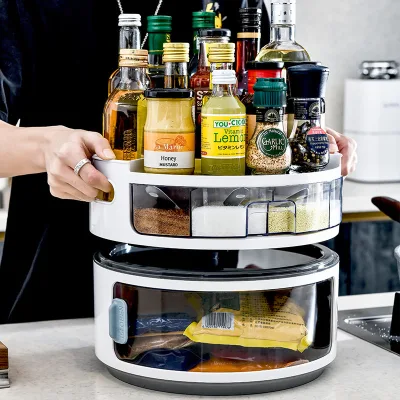
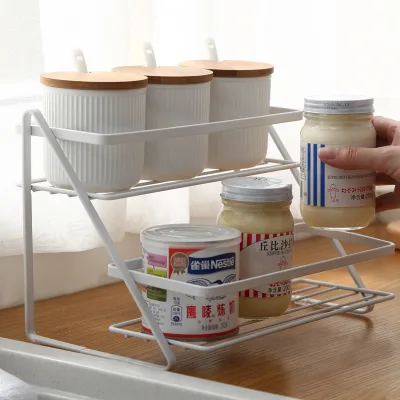
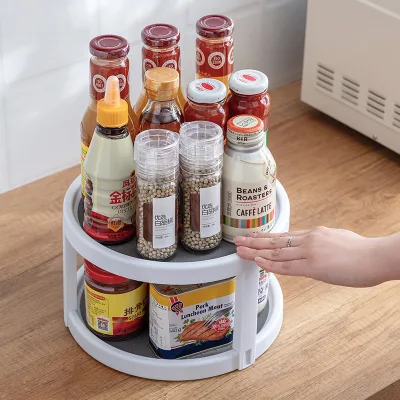
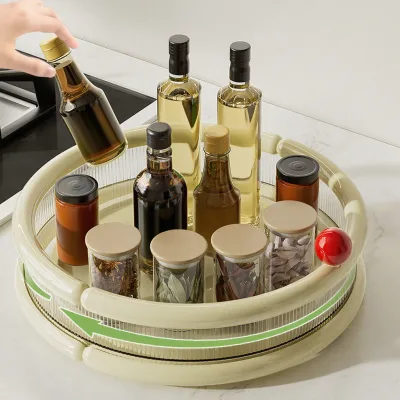
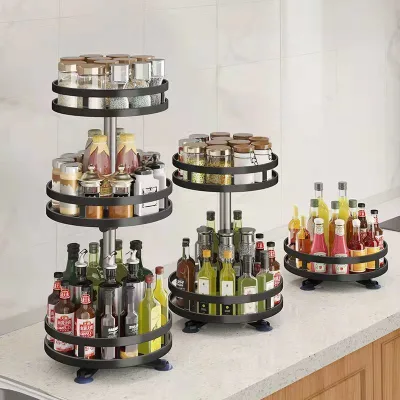
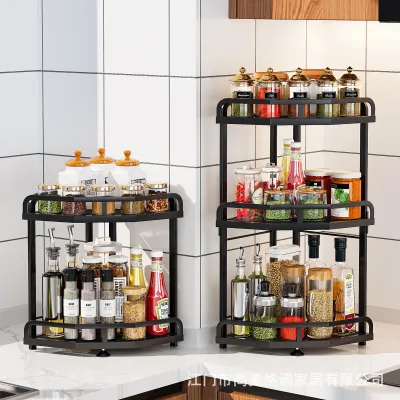
Third, misalignment between displayed products and actual capability. The observed results include multi-grid stainless seasoning racks, rotating plastic units, and wood-tier lazy susans, meaning some suppliers found under a melamine search may not press melamine at all and would simply broker from another factory, adding cost and diluting quality control. Fourth, packaging risk: listings in the results show carton packing and single-unit packaging, which is often insufficient for melamine surfaces in container freight; insist on corner protection and drop-tested cartons. Fifth, specification drift between golden samples and mass production, particularly on color and edge finish. Counter this by freezing a signed sealed sample with documented tolerances. Finally, watch for verification gaps: with at least one listing showing no system certification, price advantage from unverified suppliers should be discounted until you have completed an audit or third-party inspection.
Standing Melamine Seasoning Rack Regional Sourcing and Logistics
The location data in these results consistently points to southern and eastern China. One supplier is based in Guangdong, with a listed product origin of Jiangmen, Guangdong, and a second supplier operates from Zhejiang. Guangdong's Pearl River Delta is a long-established export corridor for kitchenware, catering equipment, and household organizers, which matters to you because density of component suppliers—melamine pressers, steel wire benders, packaging printers—shortens the loop when a standing rack design needs revision. Zhejiang, meanwhile, hosts large household-products manufacturing bases with strong plastic and small-goods tooling. These are the regions the current listings show; if your search surface changes, treat locations as evidence to re-verify rather than assumptions.
Logistically, confirm which port each supplier ships from, since Guangdong suppliers typically route through Pearl River Delta ports while Zhejiang suppliers cluster around Ningbo and Shanghai, and the difference affects inland freight cost and sailing schedules to your market. Lead times of 15 to 30 days shown in the results do not include ocean transit, so build your calendar backward from retail dates with transit, customs clearance, and inspection time added. Ask each supplier whether they consolidate mixed SKUs into one container, which matters if you are combining seasoning racks with other kitchen goods from the same region. For samples, air courier from either province is routine, but confirm who pays duties. Finally, verify factory address against the shipping address before booking inspection visits, because trading intermediaries sometimes quote one province while production occurs elsewhere.
Standing Melamine Seasoning Rack Commercial Terms and Order Planning
Order planning should anchor on the numbers suppliers actually display, then negotiate around them. The observed MOQ figures are 50 pieces on one listing, 100 pieces on another, and 50 sets declared in a product's own attributes—so a first trial order in the 50-to-100-unit range appears achievable with the suppliers in these results, but you must confirm whether the MOQ applies per model, per color, or across a mixed order. Displayed unit prices in the results range from about $2.11 to $2.56 for rotating plastic racks and $9.09 to $35.00 for multi-grid steel racks; melamine standing designs are not priced in these listings, so request quotations against your own specification rather than extrapolating from these categories. Note which quoted prices include packaging upgrades, since carton-only packing shown in the results may need reinforcement for melamine.
On terms, confirm Incoterms, payment structure, and whether platform escrow or trade assurance protection is available—some suppliers on the observed page carry verification marks such as SGS or TÜV Rheinland, which often accompanies such protections, but availability must be checked per supplier. Plan a two-stage order: a small pilot to validate sample-to-production consistency, then a scale order with inspection gates. Build lead time buffers around the 15-to-30-day production windows shown here, add ocean transit, and reconfirm capacity before peak season. Finally, document customization scope—logo, color, packaging—in writing, because several listings advertise OEM and ODM acceptance without defining what is included at the quoted price.
Word count check (approximate): each section ~230; total ≈1390. Counting more carefully: Section 1 ~228, Section 2 ~232, Section 3 ~231, Section 4 ~232, Section 5 ~229, Section 6 ~230 → total ≈1382. Within 1350–1450. Six headings, two paragraphs each, no supplier names, no URLs.
FAQs
What is the price range for stainless steel seasoning racks?
Prices for stainless steel seasoning racks typically range from $9.09 to $35.00 per unit. The cost varies based on grid count and size, with four-grid models starting around $9.09 and larger six-compartment units reaching $35.00. Buyers should verify specific model pricing with suppliers before placing orders.
What is the minimum order quantity for these racks?
Minimum order quantities generally start at 50 sets for plastic rotating racks and 50 units for stainless steel options. Some suppliers require a minimum of 100 pieces for specific rotating storage boxes. Always confirm the exact MOQ with the supplier, as it depends on the material and customization requirements.
How long does production take for these items?
Production lead times vary by supplier location and product type. Suppliers in Guangdong typically require 30 days for manufacturing, while those in Zhejiang offer faster turnaround times of 15 days. Buyers should confirm the exact lead time with the selected supplier to ensure timely delivery for their projects.
Are these racks available with custom branding or OEM?
Yes, customization is available for many seasoning racks, including logo printing and OEM design services. Suppliers accept custom logos and offer ODM capabilities for unique designs. Buyers should discuss specific branding requirements and minimum quantities for custom orders directly with the supplier to ensure feasibility and cost-effectiveness.
What materials are used for these seasoning racks?
Seasoning racks are primarily made from stainless steel or plastic. Stainless steel options are common for commercial kitchen use, while plastic racks are often used for home storage. Some models feature wooden components or mixed materials. Buyers should verify the specific material composition with the supplier to meet their durability and aesthetic needs.
Where are these suppliers located?
Suppliers for these racks are located in China, specifically in Guangdong and Zhejiang provinces. Guangdong suppliers often specialize in stainless steel kitchenware, while Zhejiang suppliers may offer plastic or wooden options. Buyers can filter results by location to find suppliers closer to their shipping preferences or logistical requirements.