Sublimation Cup Heat Press Machine Suppliers and Manufacturers
Explore 31 verified options for the Sublimation Cup Heat Press Machine, comparing locations in China, response times, lead times, and product certifications like CE. Review price ranges and customization availability to select the right partner for your beverage printing needs.
Updated
Suppliers List

Dongguan Zhengfei Mould Co., Ltd
- Verified by SGS
- Combined
- China Guangdong
- Lead time15 days
- Avg. response≤ 16h
Main productshot stamping moulds, embossing moulds, brand moulds and hot stamping machines
Main marketsSouth America,Southeast Asia/ Mideast,East Asia(Japan/ South Korea),Domestic,Europe,Australia,North America

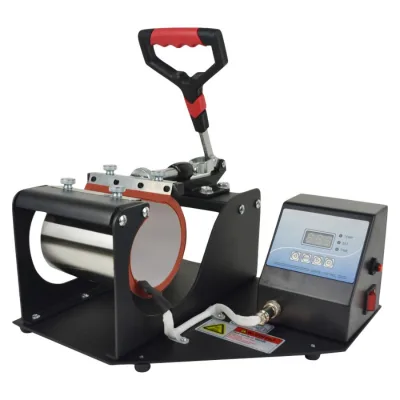
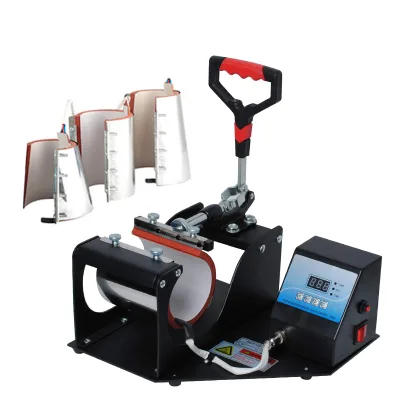
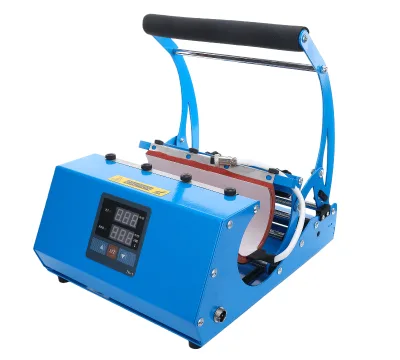
110z Digital Cup Heat Press Machine Coffee Cup Sublimation Heat Press Machine
$34.00 - $42.00
MOQ: 1 pieces


Shenzhen Goosam Technology Co., Ltd.
- Verified by SGS
- Trading Company
- China Guangdong
- Lead time15 days
- Avg. response≤ 4h
Main productsDtf Printer, UV Dtf Printe, Sublimation Printer, Dtf Ink, Dtf Powder, Dtf Film /UV Dtf Film, Sublimation Ink /UV Ink/Eco Solvenrt Ink, Pigement Ink, Dey Ink, Ink Cartridge
Main marketsSoutheast Asia/ Mideast,North America

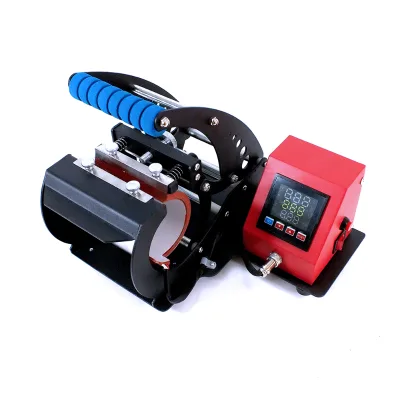
11oz Digital Cup Heat Press Machine Coffee Cup Sublimation Heat Press Machine
$33.00 - $35.00
MOQ: 1 Sets

$33.00 - $35.00
MOQ: 1 Sets

Yiwu Sunmeta Technology Co., Ltd.
- Manufacturer
- China Zhejiang
- Lead time0 days
- Avg. response≤ 13h
Main productsHeat Press Machine, 3D Sublimation Machine, Sublimation Mugs, Sublimation Glass, Rock Slate, Sublimation Crystals, Sublimation Aluminium Sheet, Sublimation Aluminium Bottle, Sublimation Tshirt, Sublimation Pillow

Guangzhou Yinghe Electronic Instruments Co., Ltd.
- Verified by BV
- Combined
- China Guangdong
- Lead time30 days
- Avg. response≤ 6h
Main productsMachine, Large Format Printer, Dtf Printer, Embroidery Machine
Main marketsSouth America,Africa,Southeast Asia/ Mideast,North America


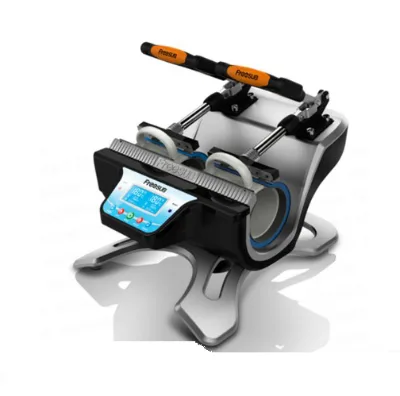
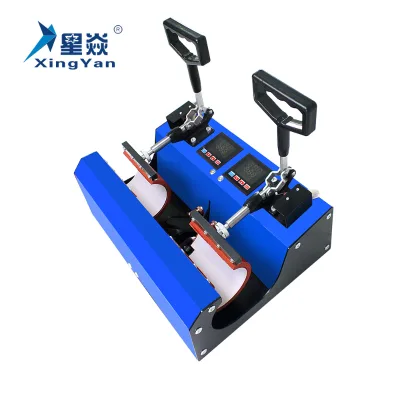
Yinghe Brand Dual Station Mug Heat Press Sublimation Transfer Machine for Cup
$74.00 - $85.00
MOQ: 1 Pieces


Zhuhai Lancelot Technology Co., Ltd.
- Combined
- China Guangdong
- Lead time30 days
- Avg. response≤ 15h
Main productsInk, Ink Cartridge, Toner Cartridge
Main marketsAfrica,Southeast Asia/ Mideast,North America


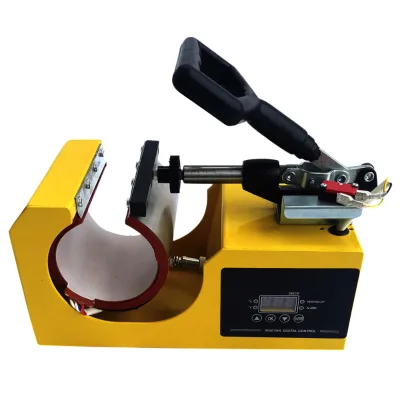
High Quality Heat Press Machine Heat Transfer Printing Machine for Cup Heating Machine
$120.00 - $150.00
MOQ: 1 Pieces

Shandong Chambo New Material Co., Ltd.
- Trading Company
- Shandong, China
- Lead time0 days
- Avg. response≤ 2h
Main productsPolished brass plate,Polished magnesium plate,Etching magnesium plate,Etching zinc plate,Chemical etching machine
Main marketsOceania(10.00%), Africa(10.00%), South America(10.00%), North America(10.00%), Western Europe(10.00%), Eastern Asia(10.00%), Domestic Market(5.00%), South Asia(5.00%), Southeast Asia(5.00%), Eastern Europe(5.00%), Southern Europe(5.00%), Northern Europe(5.00%), Central America(5.00%), Mid East(5.00%)

Guangzhou Dashanming Machinery Co., Ltd.
- Combined
- China Guangdong
- Lead time15 days
- Avg. response≤ 11h
Main productsHeat Press Machine, Rhinestone Brushing Machine, Ultrasonic Rhinestone Hotfix Setting Machine, Pneumatic Heat Press Machine, Hydraulic Heat Press Machine, Logo Hot Stamping Machine, Sublimation Roll Heat Press Machine, Manual Heat Press Machine, Laser Cutting Machine
Main marketsSouth America,Southeast Asia/ Mideast,Europe


The Large Format 100*120cm Line Type Heat Press Machine Sublimation Machine
$3500.00 - $3700.00
MOQ: 1 Sets

Heat Press Machines for T-Shirt Sublimation Heat Press Machine Rosin Pressed Machine
$750.00 - $1350.00
MOQ: 1 Pieces
Ruian Chengyue Electromechanical Co., Ltd.
- Manufacturer, Trading Company
- Zhejiang, China
- Lead time15 days
- Avg. response≤ 2h
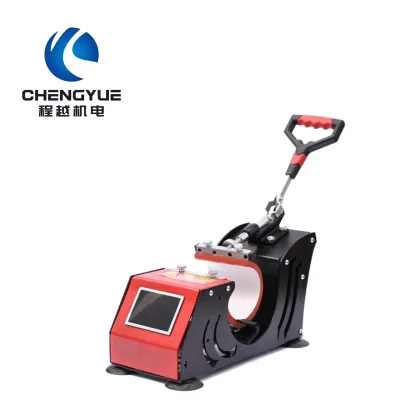
Main productsMnual Heat Press Machine,Pneumatic Heat Press Machine,Full Automatic Electric Heat Press Machine,Mug Heat Press Machine,Plate Heat Press Machine
Main marketsSouth America(30.00%), Oceania(20.00%), Southeast Asia(20.00%), Eastern Europe(20.00%), Western Europe(10.00%)
Guangzhou Bonedry Co., Limited
- Trading Company
- Lead time旺季: "1 - 1":10,"> 1":"To be negotiated", 淡季: "1 - 1":10,"> 1":"To be negotiated"
- Avg. response≤ 4h
Main productsPrinting Part, Inkjet Printer, Printing Machine
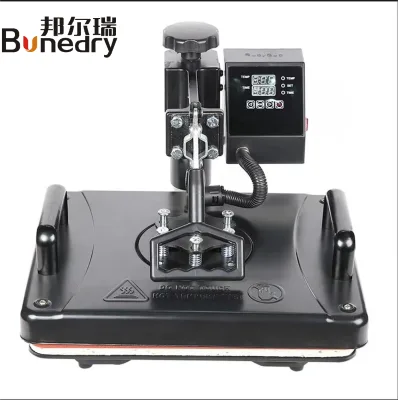
Multi-function Sublimation Heat Press Machine 10 in 1 for t Shirts Heating Plate Heat Press Machine
$160.00 - $168.00
MOQ: 1 pieces

Xi'anJmetech Printing Technology Co., Ltd.
- Manufacturer/Factory
- China Shaanxi
- Lead time23 days
- Avg. response≤ 25h
Main productsPrinting Machine, Flexo Machine, Digital Machine, Film Printing Machine, 1270 Print and Sheeting Machine, Non Stop Unwind and Rewind, Laminating Machine for Mirror Carton, Flexo Gravure Combination Machine, Rotary Offest Machine, Hybrid Combination Machine
Main marketsSouth America,Eastern Europe,Mid East,North America,Southeast Asia,Eastern Asia,Oceania,Western Europe,Africa
Photo USA Electronic Graphic Inc.
- Verified by TüVRheinland
- Trading Company
- Lead time0 days
- Avg. response≤ 14h
Main productsMug, Stainless Steel Thermal Cup, Heat Press Machine, Metal Key Chains, Glass
Main marketsNorth America(15%), South America(15%), Western Europe(15%)
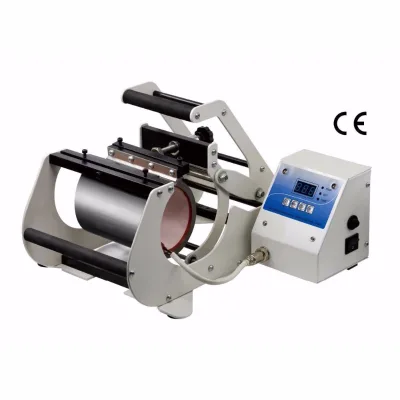
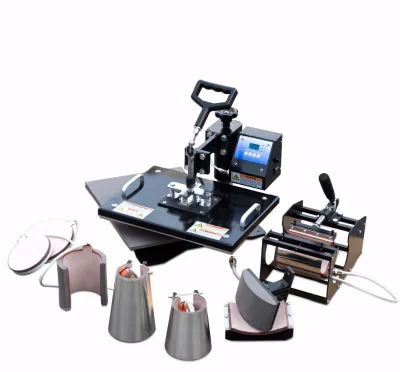
8 in 1 Multi Functional Sublimation Heat Press Combo Machine for T-shirt Cap Mug and Plate
$350.00 - $370.00
MOQ: 1 Minimum
Colorking Heat Press Machine Co., Ltd.
- Verified by SGS Group
- Manufacturer, Trading Company
- Lead time3 days
- Avg. response≤ 5h
Main productsHeat Press Machine, Sublimation Mug, DTF Printer, Button Making Machine, Heat Transfer Vinyl

- Verified by BV
- Trading Company
- China Hebei
- Lead time15 days
- Avg. response≤ 3h
Main productsPolyester Screen Printing Mesh, Screen Printing Squeegee, Aluminum Screen Printing Frames, Bolting Cloth, Screen Printing, Screen Printing Machine, Filter Mesh, Filter Bag, Bag Filter Housing
Main marketsAfrica,Others(foreignTradeCapacity.exportBusinessCapacityMarketOther),Southeast Asia/ Mideast,Europe,Australia,North America


Combo Heat Press Machine Mugs Cup T Shirt Printing Machine T Shirt Sublimation Machine Heat Transfer
$400.00 - $500.00
MOQ: 1 set

Heat Press for 11oz Mug Sensitive Mug Press Machine Sublimation Heaters Mugs
$345.00 - $465.00
MOQ: 1 set

High - Capacity Cup Heat Press Machine - Fits up to 30oz Cups for Sublimation Printing
$132.50 - $177.00
MOQ: 1 set

Newest 15oz 20oz Sublimation Tumbler Press Heat Machine Press Tumbler For Cup
$150.00 - $220.00
MOQ: 1 set

Newest 11oz 15oz 20oz 30oz Sublimation Tumbler Press Heat Machine Press Tumbler
$115.00 - $125.00
MOQ: 1 set

Hefei Gere-Tech International Co., Ltd.
- Group Corporation
- China Anhui
- Lead time23 days
- Avg. response≤ 13h
Main productsVinyl Cutter, Cutting Plotter, Inkjet Printer, Grommet Machine, Laser Engraving Machine, Auto-Feeding Label Cutting Machine, Heat Press Machine
Main marketsSouth America,Eastern Europe,Mid East,North America,Southeast Asia,Eastern Asia,Oceania,Western Europe,Africa


11oz 30oz Double-Station Sublimation Blank Cup Printing Mug Heat Press Machine
Negotiable
MOQ: 10 unit
Binzhou Longfuture Machinery And Materials Co.Ltd.
- Verified by Intertek
- Trading Company
- Lead time15 days
- Avg. response≤ 2h
Main productsChannel Letter Bender, 3D Channel Letter Printer, Laser Cutting Machine, Laser Welding Machine, CNC Router

Guangzhou Inktime Digital Technology Co., Ltd.
- Verified by SGS
- Combined
- China Guangdong
- Lead time30 days
- Avg. response≤ 7h
Main productsDtf Printer, Sublimation Printer, Advertising Printer, Dtf Film, Dtf Ink, Sublimation Ink, Sublimation Paper, UV Printer
Main marketsSouth America,Africa,Southeast Asia/ Mideast,East Asia(Japan/ South Korea),Domestic,Europe,North America
Yiwu Maike Digital Imaging Co., Ltd.
- Manufacturer, Trading Company
- Lead time旺季: "1 - 1":5,"> 1":"To be negotiated", 淡季: "1 - 1":5,"> 1":"To be negotiated"
- Avg. response≤ 5h
Main productsSublimation Promotional gift,Heat press machine,Coating mugs,Sublimation MDF photos,Sublimation Phone Case
Quanzhou Kari Appliance Co., Ltd.
- Trading Company
- Fujian, China
- Lead time15 days
- Avg. response≤ 3h
Main productssublimation mug,sublimation blank,heat press machine,heat transfer machine,photo frame
Main marketsNorthern Europe(10.00%), Central America(10.00%), Western Europe(10.00%), Eastern Asia(10.00%), South Asia(10.00%), Southeast Asia(10.00%), Eastern Europe(10.00%), Southern Europe(10.00%), North America(10.00%), Africa(5.00%), South America(5.00%)

Zhengzhou Faithin Machinery Equipment Co., Ltd
- Verified by SGS
- Manufacturer/Factory
- China Henan
- Lead time15 days
- Avg. response≤ 3h
Main productsChaff Cutter, Pellet Machine, Mixing Machine, Rice Mill Machine, Oil Press Machine, Disc Mill Machine, Hammer Mill Machine, Hammer Crusher, Jaw Crusher
Main marketsSouth America,Eastern Europe,Mid East,North America,Southeast Asia,Eastern Asia,Oceania,Western Europe,Africa
Yiwu Kaimai Machinery Equipment Factory
- Manufacturer, Trading Company
- Zhejiang, China
- Lead time0 days
- Avg. response≤ 4h
Main productsHeat Press Machine,Heat Transfer Machine,Sublimation Mug,Sublimation Tumbler,Sublimation Blanks
Main marketsNorth America(65.00%), South America(20.00%), Africa(10.00%), Western Europe(3.00%), Southern Europe(2.00%)
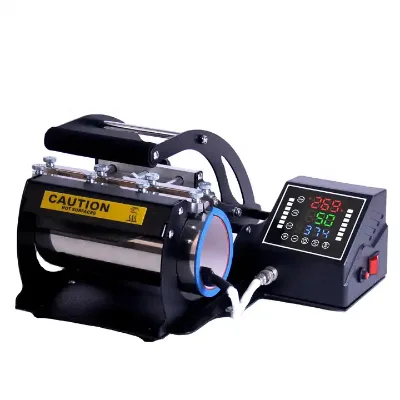
$65.00 - $70.00
MOQ: 1 pieces
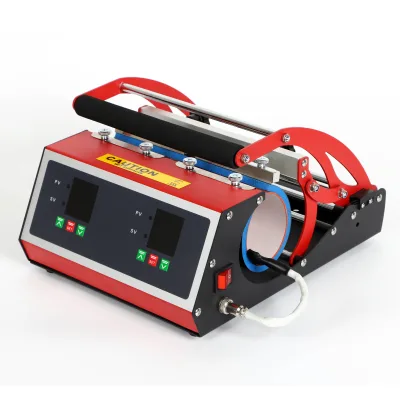
$80.0307 - $87.2136
MOQ: 1 pieces
Yiwu Courage Digital Technology Co., Ltd.
- Verified by Intertek
- Manufacturer, Trading Company
- Lead time15 days
- Avg. response≤ 5h
Main productsHeat Press Machine, Sublimation Mug, Heat Transfer Printing Metal Plates, Heat Transfer Printing Pillows, Printing Consumables
Main marketsNorth America(50%), South Asia(15%), South America(10%)
Dongguan Miracle Digital Technology Co., Ltd.
- Manufacturer, Trading Company
- Guangdong, China
- Lead time1 days
- Avg. response≤ 5h
Main productsDTF PET FILM,DTF Printer,DTF OVEN SHAKER,DTF INK,DTF POWDER
Main marketsSouth America(49.00%), Africa(20.00%), North America(20.00%), Domestic Market(1.00%), South Asia(1.00%), Southern Europe(1.00%), Northern Europe(1.00%), Central America(1.00%), Western Europe(1.00%), Eastern Asia(1.00%), Mid East(1.00%), Oceania(1.00%), Eastern Europe(1.00%), Southeast Asia(1.00%)
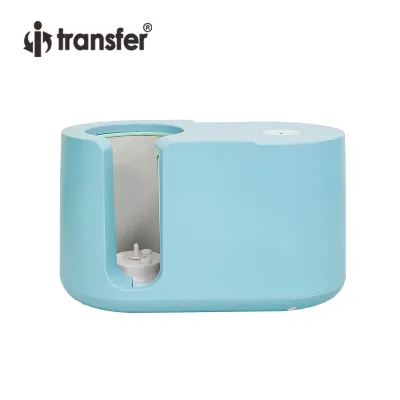
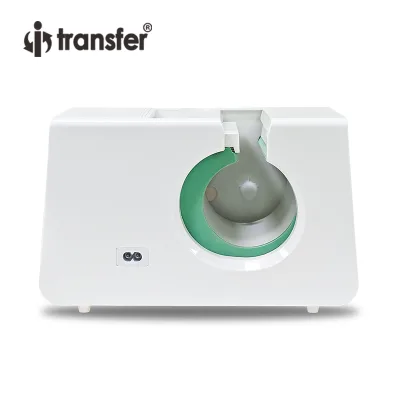
Auto Print Mug Press Machine Sublimation Blanks Printed Machine 11 15 oz Cup Logo Printing
$78.56 - $85.72
MOQ: 1 units

Henan Tangchao Jinda Trading Company Ltd.
- Trading Company
- Henan, China
- Lead time15 days
- Avg. response≤ 4h
Main productsHeat press machine,food machinery,sewing machine,agricultural machinery,inkjet printer
Main marketsSoutheast Asia(20.00%), North America(20.00%), Southern Europe(10.00%), Northern Europe(10.00%), Western Europe(10.00%), Eastern Asia(10.00%), South America(10.00%), Eastern Europe(10.00%)

Yiwu Tongkai Digital Imaging Co., Ltd.
- Verified by SGS
- Combined
- China Zhejiang
- Lead time15 days
- Avg. response≤ 2h
Main productsHeat Press Machine, Heat Press, Heat Press Transfer Machine, Heat Ransfer Machine
Main marketsSouth America,Africa,Southeast Asia/ Mideast


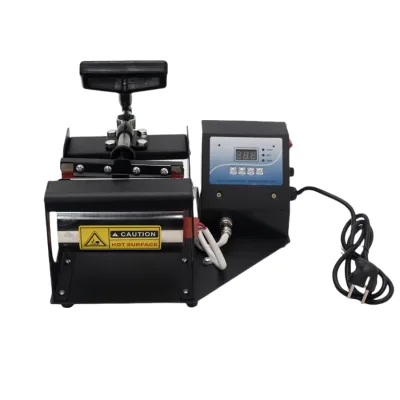
Easysub Sublimation Heat Transfer Tumbler Bottle 15oz Tumbler Heat Press Machine
$23.00 - $29.00
MOQ: 1 Pieces
Guangzhou Chuanyi Electronic Equipment Co., Ltd.
- Manufacturer, Trading Company, Distributor/Wholesaler
- Guangdong, China
- Lead time7 days
- Avg. response≤ 2h
Main productsLarge format Printer,Cnc Router,Laser Machine,Engraving Machine,Marking Machine
Main marketsSouth America(20.00%), Western Europe(10.00%), Eastern Asia(10.00%), Mid East(10.00%), Oceania(10.00%), Africa(10.00%), Southeast Asia(10.00%), Eastern Europe(10.00%), North America(10.00%)
Leadsub International Trade Co., Limited
- Verified by TüVRheinland
- Manufacturer, Trading Company
- Lead time7 days
- Avg. response≤ 4h
Main productsSublimation Christmas Ornament, Sublimation Slate, Sublimation Frame, Sublimation Home Products, Sublimation Machine
Main marketsNorth America(60%), Western Europe(10%), South America(5%)
Fujian Auplex Appliance Co., Ltd.
- Manufacturer, Trading Company
- Fujian, China
- Lead time7 days
- Avg. response≤ 7h
Main productsheat press machine,heat press,Pneumatic Heat press,heat transfer machine,heat transfer
Main marketsNorth America(60.00%), Oceania(10.00%), Western Europe(10.00%), Northern Europe(6.00%), Eastern Europe(3.00%), Southern Europe(2.00%), Domestic Market(1.00%), South Asia(1.00%), Africa(1.00%), Southeast Asia(1.00%), Central America(1.00%), South America(1.00%), Eastern Asia(1.00%), Mid East(1.00%)

Xi'an DeCai Honorise New Material Co., Ltd
- Verified by SGS
- Manufacturer/Factory
- China Zhejiang
- Lead time23 days
- Avg. response≤ 5h
Main productsHeat Transfer Machine, Heat Transfer Film, in Mold Label, Heat Transfer Roller, Rubber Roller
Main marketsSouth America,Mid East,North America,Southeast Asia


Semi-Automatic Cup Mug Printing Machine Heat Press Transfer Machine for Plastic
$2950.00 - $3050.00
MOQ: 1 Sets

Shenzhen Aiduoduo Technology Co., Ltd.
- Verified by SGS Group
- Manufacturer, Trading Company
- Lead time15 days
- Avg. response≤ 11h
Main productsCutting Machine, Screen Protector Cutting Machine, Heat Press Machine, Cutting Plotter, Handle Laser Machine
Dongguan Fumeiyuan Technology Co., Ltd.
- Trading Company
- Guangdong, China
- Lead time0 days
- Avg. response≤ 2h
Main productsMachinery Equipment, Handheld Printers, Innovative Household Appliances, Energy-saving Devices
Main marketsNorth America(50.00%), Southeast Asia(20.00%), Eastern Europe(20.00%), Mid East(10.00%)
Guangzhou Xingyan Heat Transfer Equipment Co., Ltd.
- Verified by SGS Group
- Manufacturer, Trading Company
- Lead time7 days
- Avg. response≤ 4h
Main productsHeat Press Machine, Mug Heat Press Machine, Swing Heat Press Machine, Sublimation Printing Machine, Heat Transfer Material
Main marketsSouth America(45%), North America(30%), Southeast Asia(5%)








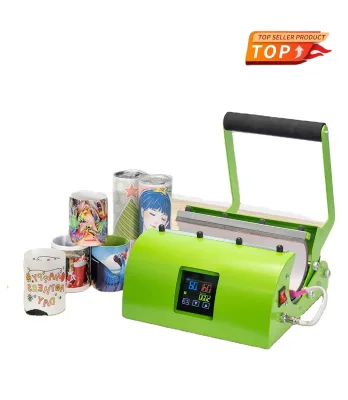
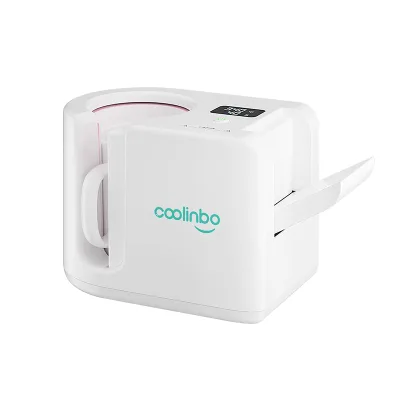
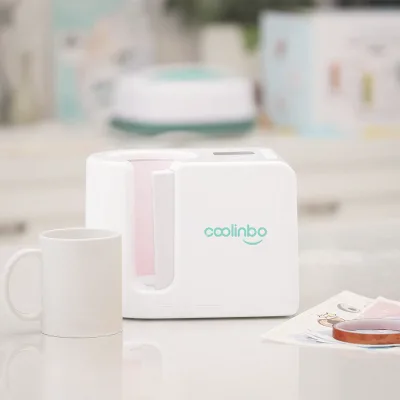
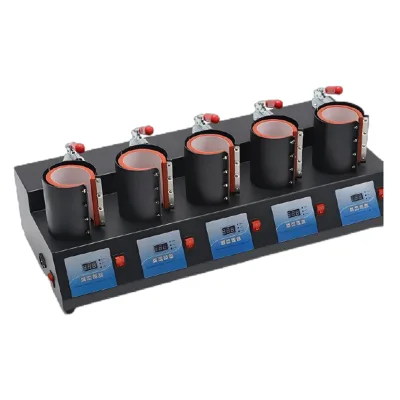
Comprehensive Sourcing Guide
Sublimation Cup Heat Press Machine Supplier Concentration and Factory Types
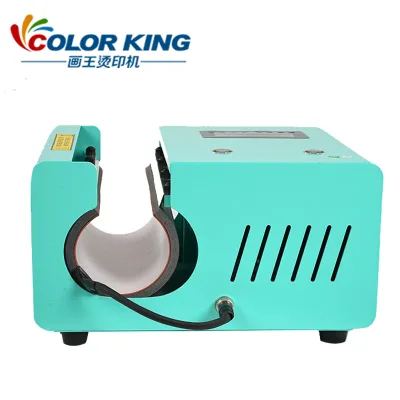
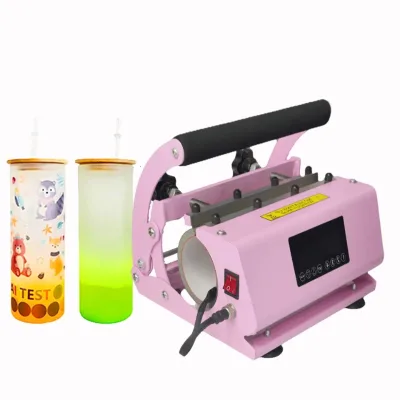
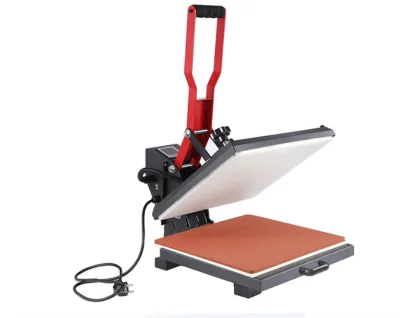
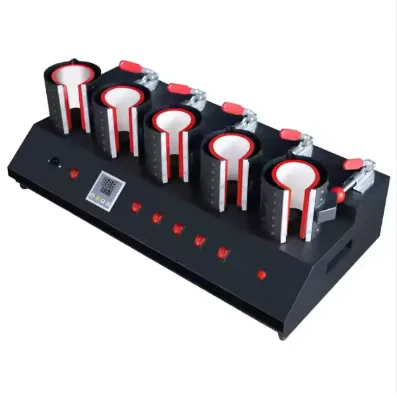
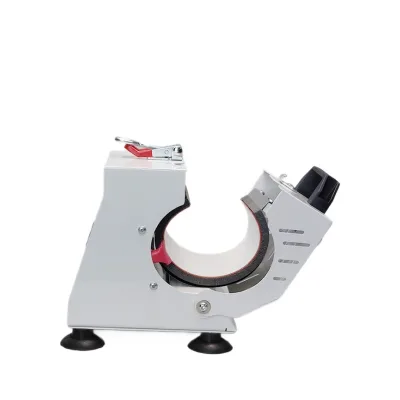
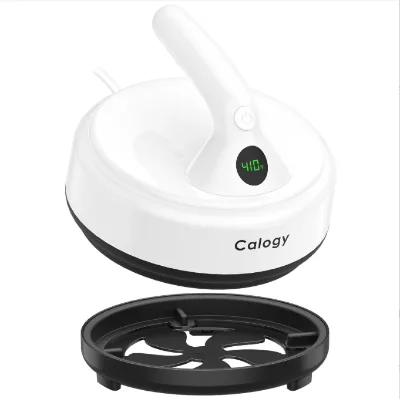
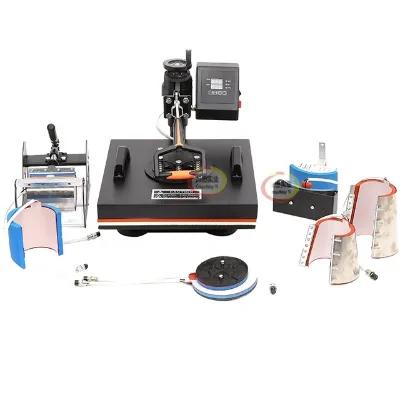
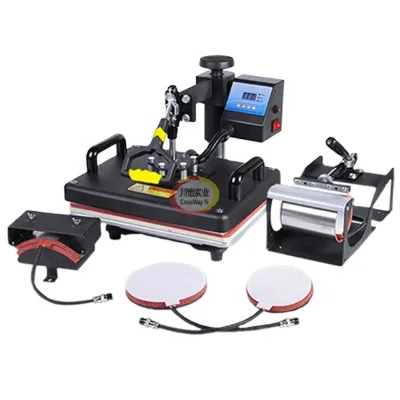
Current data indicates a concentration of suppliers in China Guangdong, where manufacturers and trading companies offer hot stamping moulds, embossing moulds, and digital cup heat press machines. Some entities in this region list main products including DTF printers, UV DTF films, and various inks alongside sublimation equipment, suggesting a diverse industrial ecosystem. Another cluster appears in China Zhejiang, where suppliers focus specifically on heat press machines, 3D sublimation units, and sublimation blanks like mugs and glass. These locations represent the primary hubs for sourcing this specific machinery, though buyers must verify if a specific factory operates within these zones or if they are merely trading intermediaries.
Factory types vary significantly across the available results, ranging from combined entities and trading companies to pure manufacturers. A manufacturer in Zhejiang lists OEM capacity, while a combined company in Guangdong offers both ODM and OEM services. Trading companies in the mix often supply a broader array of consumables like inks and films alongside the machinery itself. Buyers should not assume all suppliers in a region are factories; some may be trading firms sourcing from third-party plants. The distinction matters for customization depth and direct communication with production lines. Verifying the actual company type is essential before committing to a long-term partnership or large volume order.
How to Verify Sublimation Cup Heat Press Machine Suppliers
Verification processes should prioritize checking for third-party validation such as SGS, which appears in the current supplier data for certain entities. While some suppliers display system certifications like CE on their product listings, the company-level system certification field may show as NIL for others. Buyers must distinguish between product-level compliance and corporate verification status. A supplier with an SGS verification badge offers a higher degree of confidence regarding their business legitimacy, but this does not automatically guarantee product quality without further testing. Always request the specific verification report to confirm the scope of the audit.
Response time is another critical metric for assessing supplier reliability and operational efficiency. Data shows response times varying from approximately 3.55 hours to over 15 hours, indicating differences in customer service staffing and availability. A faster response time often correlates with a more active sales team and better communication channels, which is vital for resolving technical issues or customizing orders. However, a slow response does not necessarily imply a lack of capability, but it does suggest potential delays in the initial negotiation phase. Buyers should test communication channels before placing orders to ensure the supplier can meet their timeline expectations.
What to Compare Across Sublimation Cup Heat Press Machine Suppliers
When comparing suppliers, lead time is a primary differentiator that affects inventory planning and cash flow. Current records show lead times ranging from zero days to fifteen days, reflecting differences in stock availability and production scheduling. Some suppliers may offer immediate shipment for standard models, while others require production time for customized units. Buyers must clarify whether the quoted lead time includes packaging, documentation, and customs clearance preparation. A zero-day lead time might indicate a ready-to-ship item, whereas a fifteen-day window suggests a build-to-order scenario.
Minimum Order Quantity (MOQ) and pricing structures also vary widely among the available options. Some suppliers list an MOQ of just one unit, making them suitable for small businesses or testing phases, while others may have higher thresholds. Price ranges observed span from roughly $33 to $78, influenced by features like digital controllers, automatic grades, and included accessories. Buyers should compare the total cost of ownership, including shipping and potential import duties, rather than just the unit price. Additionally, checking if customization is available and what it entails is crucial for aligning the machine with specific branding or operational needs.
Common Sublimation Cup Heat Press Machine Sourcing Risks
One significant risk involves the discrepancy between product specifications and actual performance capabilities. Listings may claim temperature ranges up to 339 degrees Celsius, while others specify 220 degrees Celsius, creating confusion about suitability for different materials. Buyers must verify the actual temperature control accuracy and heating uniformity through sample testing before scaling up. Relying solely on advertised specifications without independent validation can lead to production defects or equipment failure. The variance in power ratings, such as 350W versus other values, further complicates the assessment of energy efficiency and heating speed.
Another risk stems from the lack of standardized after-sales support and warranty terms across different suppliers. While some listings explicitly mention a one-year warranty and online technical support, others provide no such details. In the event of a mechanical failure or software glitch, the absence of a clear support protocol can halt production lines. Buyers should confirm the availability of spare parts and the duration of the warranty before finalizing any agreement. Additionally, the lack of a unified standard for packaging sizes and weights can lead to unexpected logistics costs and handling difficulties upon arrival.
Sublimation Cup Heat Press Machine Regional Sourcing and Logistics
Sourcing from China Guangdong offers access to a dense network of manufacturers and trading companies, but logistics can be complex due to the volume of goods. Suppliers in this region often ship from Dongguan or other industrial hubs, requiring careful coordination of freight forwarders to manage costs. The single package sizes vary, with some units measuring 38x35x34 cm and others up to 70x41x40 cm, impacting container utilization and shipping fees. Buyers should calculate the volumetric weight to ensure accurate freight quotes and avoid surprise charges at the destination port.
In contrast, sourcing from China Zhejiang may offer different logistical advantages depending on the specific port of departure. Suppliers here often list origin as Zhejiang, China, which might align with different shipping routes or customs procedures. The product dimensions and weights, such as 10 kg or 11 kg, influence the choice between air and sea freight. Buyers must verify the exact packing dimensions and gross weight provided by the supplier to optimize their shipping strategy. Understanding the regional logistics landscape helps in selecting the most cost-effective and timely delivery method for the specific order volume.
Sublimation Cup Heat Press Machine Commercial Terms and Order Planning
Commercial terms regarding payment and escrow are critical for securing the transaction and protecting both parties. While specific escrow details are not universally listed, buyers should insist on using secure payment platforms that hold funds until delivery confirmation. The price range observed suggests that bulk orders might negotiate better rates, but the minimum order quantity of one allows for low-risk trials. Buyers must clarify if the quoted price includes all taxes, duties, and insurance, or if these are additional costs to be borne by the importer.
Order planning should account for the customization options and production lead times to avoid delays. With customization available on many units, buyers need to provide clear specifications early in the process to ensure the final product meets expectations. The time range for operation, such as 0 to 999 seconds, indicates programmable features that may require setup time. Buyers should plan for a buffer period to accommodate any necessary adjustments or rework. Establishing a clear timeline from order placement to final delivery ensures that production schedules remain on track and inventory levels are maintained effectively.
FAQs
What is the price range for sublimation cup heat press machines?
Prices for these machines typically range from $33 to $78 per unit. The cost varies based on features, with basic models starting around $33 and more specialized equipment reaching up to $78. Buyers should check specific listings for exact pricing details.
What is the minimum order quantity for these machines?
The minimum order quantity is generally one unit. This allows buyers to purchase single machines for testing or small-scale operations. Suppliers often support small orders to accommodate diverse business needs and reduce initial investment risks for new buyers.
How long does it take to receive the machine?
Lead times vary by supplier, with some offering a 15-day delivery window. Other manufacturers may have different schedules, so it is essential to confirm the specific production timeline with the seller before placing an order to ensure timely delivery.
What certifications do these machines have?
Many machines carry CE certification, ensuring compliance with European safety standards. Some suppliers also have SGS verification for their business operations. Buyers should verify specific product certifications directly with the supplier to ensure they meet local regulatory requirements for their market.
Where are these machines manufactured?
These machines are primarily manufactured in China, specifically in regions like Guangdong and Zhejiang. Guangdong suppliers often specialize in digital cup heat presses, while Zhejiang manufacturers may offer broader sublimation equipment. Buyers can filter results by location to find local support options.
What is the response time for supplier inquiries?
Supplier response times vary, with some replying within 3.55 hours and others taking up to 15.18 hours. Faster response times indicate active sales teams. Buyers should prioritize suppliers with quicker reply rates to ensure efficient communication during the sourcing process.
Can I customize the machine for my brand?
Customization is available for many models, allowing for branded or specific design adjustments. Suppliers often support OEM and ODM services to meet unique business requirements. Buyers should discuss customization options and any associated costs directly with the manufacturer before finalizing the order.