Swing Parking Brake Solenoid Valve Suppliers and Manufacturers
Source 25 verified suppliers for Swing Parking Brake Solenoid Valve components. Compare key dimensions including location, lead time, MOQ, and certifications to identify suitable partners. Review product specifications and request quotes directly from the listed factories; review the available evidence before requesting comparable quotations from suitable candidates.
Suppliers List
Sichuan CNGO New Energy Co.LTD.
- Verified by SGS
- Trading Company
- China Sichuan
- Lead time15 days
- Avg. response≤ 2h
Main productsGas Valve, Oxygen Valve, Cylinder Valve, Filling Valve, Ball Valve, Gas Cylinder Tank, Solenoid Valve, Tank Valve, Tank, Cylinder
Main marketsEurope

- Verified by CTI
- Manufacturer/Factory
- China Shanghai
- Lead time38 days
- Avg. response≤ 17h
Main productsPneumatic Actuator, Valve Actuator, Electric Actuator, Hydraulic Actuator, Air Filter Regulator, Ball Valves, E/P Positioner, Limit Switchbox, Pneumatic Butterfly Valves
Main marketsSouth America,Eastern Europe,Mid East,North America,Southeast Asia,Eastern Asia,Oceania,Western Europe,Africa
Ningbo Fenghua Gogo Automatic Trading Company Limited
- Trading Company
- Lead time旺季: "1 - 100":15,"> 100":"To be negotiated", 淡季: "1 - 100":15,"> 100":"To be negotiated"
- Avg. response≤ 7h
Main productsMechanical Parts, Auto Parts, Electric Parts, Pneumatic, Valve
Contact supplier
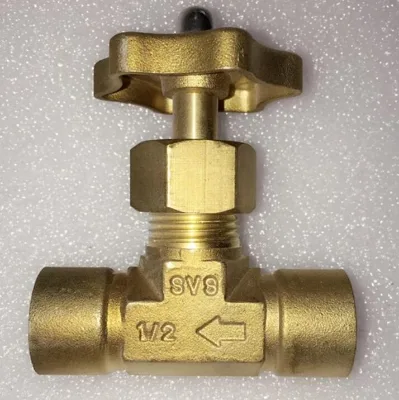
Competitive Price Good Quality Check Valve Solenoid Valve
Contact supplier

Ningbo Xinchao Automatization Component Co., Ltd.
- Verified by BV
- Combined
- China Zhejiang
- Lead time30 days
- Avg. response≤ 9h
Main productsPneumatics, Pneumatic Cylinder, Solenoid Valve, Frl, Pneumatic Fitting, Cylinder Accessories, Air Cylinder, Air Units, Pneumatic Actuator, Metal Fitting
Main marketsSouth America,Africa,Southeast Asia/ Mideast,East Asia(Japan/ South Korea),Domestic,Europe,Australia,North America
Anhui Fengyuan Equipment Technology Co., Ltd.
- Trading Company,Manufacturer/Factory
- China Anhui
- Lead time23 days
- Avg. response≤ 23h
Main productsTrailer, Truck Trailer, Container Trailer, Semi Trailer, Flatbed Trailer, Lowbed Trailer, Fence Trailer, Dump Trailer, Bulk Cement Trailer, Fuel Tanker
Main marketsSouth America,Mid East,North America,Southeast Asia,Eastern Asia,Oceania,Africa

Ningbo VPC Pneumatic Co., Ltd.
- Verified by CTI
- Combined
- China Zhejiang
- Lead time15 days
- Avg. response≤ 2h
Main productsPneumatic Cylinder, Solenoid Valves, Filter Lubrication and Regulator, Pneumatic Fitting, Air Hose, PU Tube, Metal Fitting, Pneumatic Components, Pneumatic, Air Cylinder
Main marketsSouth America,Africa,Southeast Asia/ Mideast,East Asia(Japan/ South Korea),Domestic,Europe,Australia,North America

- Verified by SGS
- Trading Company,Manufacturer/Factory
- China Guangdong
- Lead time15 days
- Avg. response≤ 25h
Main productsan Fitting, an Hoses, Oil Tank, Fuel Cells
Main marketsSouth America,Eastern Europe,Mid East,North America,Southeast Asia,Eastern Asia,Oceania,Western Europe,Africa

Hubei Weikaino Electromechanical Equipment Co., Ltd.
- Verified by BV
- Manufacturer/Factory
- China Hubei
- Lead time30 days
- Avg. response≤ 4h
Main productsMechanical Equipment, Turbine Accessories, Engine Accessories, Diesel Generator, Fuel Injection Pump, Alternator, Fuel Injector, Piston and Ring Kit
Main marketsSouth America,Eastern Europe,Mid East,North America,Southeast Asia,Eastern Asia,Oceania,Western Europe,Africa

Zibo Baiwang Machinery Co., Ltd.
- Trading Company,Manufacturer/Factory
- China Shandong
- Lead time23 days
- Avg. response≤ 9h
Main productsBrake Discs Pad, Brake Drum S-Camshafts, Auto Brake Parts, Auto Parts for Byd Chery Jetour Tiggo, Milking Machine, Machining Parts, Auto Accessories, Secondhand Used Cars, Auto Parts of HOWO FAW Dongfeng Foton Haval, Accessories for Maxus Mg Baic Wuling
Main marketsSouth America,Eastern Europe,Mid East,North America,Southeast Asia,Eastern Asia,Oceania,Western Europe,Africa

Guangzhou Disong Machinery Equipment Co., Ltd.
- Trading Company,Manufacturer/Factory
- China Guangdong
- Lead time15 days
- Avg. response≤ 14h
Main productsExcavator Part, Machinery Engine Part, Wheel Loader Part, Bulldozer Parts, Dump Truck Parts, Generator Set Parts, Heavy Truck Parts, Hydraulic Parts, Electronic Parts, Seal and Gasket
Main marketsSouth America,Eastern Europe,Mid East,North America,Southeast Asia,Eastern Asia,Oceania,Western Europe,Africa
Guangzhou Yuewang Automobile Air Conditioning Co., Ltd.
- Verified by TUVRHEINLAND
- Trading Company
- China Guangdong
- Lead time15 days
- Avg. response≤ 6h
Main productsBus Air Conditioning
Main marketsDomestic

Jinan Changhao Machinery Equipment Co., Ltd.
- Verified by BV
- Combined
- China Shandong
- Lead time38 days
- Avg. response≤ 6h
Main productsHydraulic Rock Breaker, Hydraulic Breaker Spare Parts, Hydraulic Breaker Piping Kits, Hydraulic Breaker, Excavator Attachments, Jack Hammer
Main marketsSouth America,Africa,Southeast Asia/ Mideast,Europe,Australia,North America


Solenoid Valve for Hydraulic Breaker Pipeline with Excellent Performance
$15.00 - $220.00
MOQ: 1 Piece
Fuzhou Guangling Electrical Machinery Equipment Co., Ltd.
- Verified by CTI
- Manufacturer/Factory
- China Fujian
- Lead time15 days
- Avg. response≤ 14h
Main productsDiesel Generator, Alternator, Diesel Generator Parts, Marine Generator, Gasoline Generator, RV Generator, Light Tower Generator
Main marketsSouth America,Eastern Europe,Mid East,North America,Southeast Asia,Eastern Asia,Oceania,Western Europe,Africa


Fuel Shut off Solenoid Valve 1A021-60017 1A02160017 Engine Parts Stop Solenoid Valve
$12.00 - $25.00
MOQ: 1 Pieces


Ruian Ouri I/E Trade Co., Ltd.
- Verified by TUVRHEINLAND
- Trading Company,Manufacturer/Factory
- China Zhejiang
- Lead time45 days
- Avg. response≤ 4h
Main productsHeavy Duty Truck Tensioner & Pulley, Truck Sensor, Truck Combination Power Window Switch, Truck Coolant Expansion Tank, Heavy Duty Truck Gas Spring, Truck Cabin Door Handle, Heavy Duty Trucks Accessories, Truck Gear Shift Lever Cable, Truck Cable Wiring Harness, Truck Air Brake Valve
Main marketsSouth America,Eastern Europe,Mid East,North America,Southeast Asia,Eastern Asia,Oceania,Western Europe,Africa
Henan Meizhichen Trading Co., Ltd.
- Verified by SGS
- Trading Company,Manufacturer/Factory,Other
- China Henan
- Lead time15 days
- Avg. response≤ 4h
Main productsBus Parts Truck Parts, Truck Pump Valve, Bus Parts
Main marketsSouth America,Eastern Europe,Mid East,North America,Southeast Asia,Eastern Asia,Oceania,Western Europe,Africa
Ningbo Vpc Pneumatic Co., Ltd.
- Verified by SGS
- Combined
- China Zhejiang
- Lead time15 days
- Avg. response≤ 3h
Main marketsSouth America,Africa,Southeast Asia/ Mideast,Europe,Australia,North America

Zhihan Maoze International Trade (Jinan) Co., Ltd.
- Verified by SGS
- Trading Company
- China Shandong
- Lead time15 days
- Avg. response≤ 4h
Main productsPaver Accessories
Main marketsDomestic,Europe


Precision Throttle Valve Assembly Brake Electromagnetically Operated Valve
$134.53 - $159.00
MOQ: 1 Pieces

Ningbo Alita Pneumatic Co., Ltd.
- Verified by TUVRHEINLAND
- Manufacturer/Factory
- China Zhejiang
- Lead time15 days
- Avg. response≤ 12h
Main productsPneumatic Cylinder, Solenoid Valve, Air Suspension Valve, Directional Valve, Air Preparation Unit, Pneumatic Fittings, PU PA PE Hose, Air Suspension Compressor, Pressure Gauge, Air Tank
Main marketsSouth America,Eastern Europe,Mid East,North America,Southeast Asia,Eastern Asia,Oceania,Western Europe,Africa


Timer Auto Water Valve for Air Compressor Condensate Electric Drain Valve
$7.00 - $10.00
MOQ: 1 Pieces
Xiamen Longhuitong Automobile Technology Co., Ltd.
- Verified by TUVRHEINLAND
- Combined
- China Fujian
- Lead time60 days
- Avg. response≤ 2h
Main productsSpecial Truck, Chassis, Bus, Bus Part, Electric Auto Part, Garbage Truck, Pick up, Van, Tricycle, Air Pump Oil Pump Four in One Charging Station V
Main marketsSoutheast Asia/ Mideast
Henan HTD Industrial Co., Ltd.
- Verified by SGS
- Trading Company,Manufacturer/Factory
- China Henan
- Lead time45 days
- Avg. response≤ 6h
Main productsFuel Filter, Oil Filter, Air Filter, Hydraulic Oil Filter, Engine Parts, Diesel Filter, Brake Valve, Brake Disc
Main marketsSouth America,Eastern Europe,Mid East,North America,Southeast Asia,Eastern Asia,Oceania,Western Europe,Africa

Conventional Braking Components 3/2 Solenoid Valve 4721734280 for Trucks and Buses
$20.00 - $40.00
MOQ: 2 Pieces


Wuhan Yuanyumu Automobile Industry Import and Export Co., Ltd
- Verified by BV
- Trading Company
- China Hubei
- Lead time15 days
- Avg. response≤ 1h
Main productsWheels, Brake
Main marketsSoutheast Asia/ Mideast,Europe,North America

Shandong Lujun Naxin International Trade Co., Ltd.
- Verified by SGS
- Trading Company
- China Shandong
- Lead time15 days
- Avg. response≤ 10h
Main productsTrailer, Semi Trailer, Truck Trailer, Truck, Dump Truck, Tractor Truck, Used Truck, Semi Trailer Part, Oil Tank Truck, Dump Trialer
Main marketsAfrica,North America
SHANDONG DINGXING VEHICLE PARTS CO., LTD
- Manufacturer/Factory
- China Shandong
- Lead time15 days
- Avg. response≤ 3h
Main productsTrailer Axle, Trailer Suspension, Trailer Landing Gear, Trailer Part, Trailer Brake System, Trailer Saddle, Trailer Friction, Trailer Fifth Wheel
Main marketsMid East,Eastern Asia,Africa


Best Seller Trailer Control Brake Valve Antilock Brake System Truck Brake Valve
$13.00 - $20.00
MOQ: 1 Pieces

Brake Systems ABS Soleniod Modulator Valve 4721950160 ABS Electromagnetic Gas Valve Brake Systems
$26.00 - $35.00
MOQ: 1 Pieces

Shandong Shun Anda Automobile Technology Co., Ltd.
- Verified by CTI
- Combined
- China Shandong
- Lead time30 days
- Avg. response≤ 3h
Main productsAnti-Lock Baking System
Main marketsDomestic

Trailer Anti-Lock Braking System ABS Integrated Solenoid Valve 4721950310
$50.00 - $60.00
MOQ: 50 Pieces


Spring Control Hand Brake Mechanical Brake Valve of Trailer Brake Systems
$23.00 - $33.00
MOQ: 50 Pieces

HEFEI CHANGYUAN HYDRAULIC CO., LTD.
- Manufacturer
- China Anhui
- Lead time45 days
- Avg. response≤ 6h
Main productsHydraulic Pump, Hydraulic Motor, Hydraulic Valve, Hydraulic Cylinder
Main marketsSouth America,Southeast Asia/ Mideast,Europe,Australia


Comprehensive Sourcing Guide
Swing Parking Brake Solenoid Valve Supplier Concentration and Factory Types
Current data indicates a concentration of suppliers in China, specifically within the Sichuan and Shanghai regions, alongside origins in Zhejiang. These locations host a mix of trading companies and manufacturers, each offering distinct advantages for sourcing swing parking brake solenoid valves. Suppliers in Sichuan are noted for producing gas valves, cylinder valves, and solenoid valves, often serving both household and industrial usage sectors. The presence of trading companies in these areas suggests a streamlined approach to aggregating products from various factories, potentially offering a wider range of valve types including ball valves and tank valves.
In contrast, manufacturers located in Shanghai and other industrial hubs often focus on specific components like pneumatic actuators and electric actuators, which are critical for valve operation. These factories may provide OEM and ODM services, allowing for customization of the solenoid valve structure and actuator type. Buyers should verify if a supplier is a direct manufacturer or a trading company, as this impacts the ability to negotiate custom specifications for the valve's direct-acting piston structure or pneumatic actuator. Understanding the factory type helps in assessing whether the supplier can handle complex orders or if they primarily resell standard inventory.
How to Verify Swing Parking Brake Solenoid Valve Suppliers
Verification is a critical step when evaluating potential partners for swing parking brake solenoid valves, as the market includes both verified and unverified entities. Some suppliers display verification badges from recognized agencies such as SGS or CTI, which serve as a baseline indicator of operational legitimacy. For instance, a supplier verified by SGS may have undergone specific audits regarding their business practices and product quality. Buyers must check for these specific verification marks rather than relying on general claims, as the absence of a badge does not automatically imply a lack of quality but requires further due diligence.
Beyond verification badges, buyers should examine the supplier's response time and product attributes to gauge reliability. A response time of approximately 1.95 hours suggests a highly active sales team, whereas a response time of 16.46 hours might indicate a larger organization with different operational rhythms. Additionally, checking for certifications like ISO 9001:2015 or ISO 9001 provides evidence of a structured quality management system. Buyers should request proof of these certifications and cross-reference them with the supplier's stated main products to ensure they specialize in the specific valve types required for brake systems.
What to Compare Across Swing Parking Brake Solenoid Valve Suppliers
When comparing suppliers, lead time and minimum order quantity (MOQ) are primary differentiators that affect procurement planning. Data shows lead times ranging from 15 days to 38 days, with some suppliers offering delivery windows of 15 to 30 days depending on order volume. For smaller orders, an MOQ of 1 unit is available from certain manufacturers, while others require a minimum of 50 or 100 units. Buyers must align their inventory needs with these constraints, as a high MOQ might be prohibitive for testing phases, whereas a low MOQ could result in higher per-unit costs.
Price and customization capabilities also vary significantly across the supplier base. Unit prices for solenoid valves can range from 7.00 to 14.00, with specific models like high-pressure CNG valves or single-coil solenoid valves having distinct pricing structures. Customization options, such as available OEM services or specific actuator types, should be compared against the buyer's technical requirements. Suppliers offering pneumatic actuators with direct-acting piston structures may command different price points than those providing standard electric solenoid valves. Buyers should create a comparison matrix that includes these variables to identify the most cost-effective and technically suitable partner for their specific swing parking brake application.
Common Swing Parking Brake Solenoid Valve Sourcing Risks
One significant risk involves the discrepancy between product descriptions and actual specifications, particularly regarding the valve's media and pressure ratings. Some listings describe valves for gas media with high-pressure capabilities, while others specify air or water usage. If a buyer requires a valve specifically for a brake system, selecting a product intended for general gas flow control could lead to functional failure. It is essential to verify the "Media" attribute, ensuring it matches the brake system's fluid or gas type, and to confirm the pressure rating aligns with the operational demands of the parking brake mechanism.
Another risk relates to warranty and after-sales support, which can vary from 12 months to 1 year or less. Suppliers may offer 24-hour customer service, but the actual resolution time for defects can differ. A warranty of 12 months is common for high-quality industrial valves, but some automotive parts may only carry a 1-year warranty. Buyers must clarify the terms of the warranty, including what constitutes a defect and the process for claims. Additionally, the availability of spare parts and the supplier's ability to provide replacements quickly are critical factors that can impact the downtime of the buyer's production line if a batch of valves fails.
Swing Parking Brake Solenoid Valve Regional Sourcing and Logistics
Regional sourcing impacts logistics costs and delivery speed, with suppliers located in Sichuan, Shanghai, and Zhejiang offering different shipping profiles. Products originating from Sichuan may utilize air, sea, or express delivery methods, with lead times influenced by the distance to the port of export. Suppliers in Shanghai, being a major logistics hub, might offer faster dispatch times for international orders. Buyers should evaluate the shipping options provided, such as "Air Sea Express Delivery," and calculate the total landed cost, including freight and insurance, to determine the most efficient sourcing region.
Packaging standards also vary by region and supplier, affecting the safety of the valves during transit. Some suppliers use plywood case packages or carton case packages, which are suitable for bulk shipments, while others may offer easy installation packaging for smaller orders. The choice of packaging can influence the condition of the valves upon arrival, especially for delicate components like solenoid coils. Buyers should specify packaging requirements in their purchase orders to ensure that the valves are protected against moisture and physical damage during the shipping process, particularly when sourcing from distant regions like Zhejiang or Sichuan.
Swing Parking Brake Solenoid Valve Commercial Terms and Order Planning
Commercial terms such as payment methods and delivery schedules are pivotal for successful order execution. Suppliers typically accept payments via TT, PayPal, Western Union, or Trade Assurance, each carrying different levels of buyer protection. Trade Assurance is often recommended for new relationships as it offers a layer of security against non-delivery or quality issues. Buyers should negotiate payment terms that align with their cash flow, potentially requesting a deposit structure that balances risk for both parties. Understanding the specific payment options available helps in planning the financial aspects of the procurement cycle.
Order planning must account for the variability in lead times and the potential for negotiation during peak seasons. While some suppliers state a standard lead time of 15 days, others indicate that lead times for orders exceeding 100 units may be "to be negotiated." This flexibility allows for better planning but requires early communication to secure production slots. Buyers should also consider the impact of seasonal demand on delivery schedules, as peak seasons might extend lead times beyond the standard 15 to 30 days. Clear communication regarding delivery expectations and contingency plans is essential to avoid delays in the supply chain.
FAQs
What is the typical lead time for solenoid valves?
Manufacturers generally require 15 to 38 days for production and delivery. Specific timelines depend on order volume and customization needs. Some suppliers offer faster turnaround for standard items, while complex pneumatic or high-pressure valves may take longer to manufacture and ship.
What materials are used in solenoid valve construction?
Brass is the most common material for solenoid valve bodies due to its durability and corrosion resistance. Some models feature direct-acting piston structures with pneumatic actuators. These components are designed to handle gas, air, water, and vacuum media effectively in various industrial applications.
What is the minimum order quantity for these valves?
Minimum order quantities vary significantly by supplier and product type. Some manufacturers accept orders as low as one unit for testing, while others require fifty or one hundred pieces. Buyers should verify specific MOQ requirements with suppliers before placing bulk orders for custom parts.
Are these valves suitable for high-pressure gas applications?
Yes, specific models are designed for high-pressure CNG and autogas applications. These valves feature sturdy brass construction and direct-acting piston structures to ensure safety and reliability. They are certified for use in household and industrial settings where precise flow control and temperature management are critical.
What certifications do these suppliers typically hold?
Many suppliers hold ISO 9001:2015 certification for quality management systems. Third-party verifications such as SGS and CTI are also common among verified manufacturers. These certifications ensure that production processes meet international standards for safety, consistency, and reliability in valve manufacturing and assembly.
What payment methods are accepted for these orders?
Suppliers typically accept TT, PayPal, Western Union, and Trade Assurance. Trade Assurance provides secure payment protection for buyers. These options offer flexibility for international transactions, ensuring that funds are released only after order fulfillment and quality verification are completed to buyer satisfaction.