Tabletop Power Outlet with USB Port Suppliers and Manufacturers
Compare 20 verified suppliers offering Tabletop Power Outlet with USB Port units from Guangdong, China. Review certifications like CE, RoHS, and ISO 9001 alongside lead times, MOQs, and pricing ranges before requesting quotes; review the available evidence before requesting comparable quotations from suitable candidates.
Updated
Suppliers List

Guangzhou Boente Technology Co., Ltd.
- Trading Company,Manufacturer/Factory
- China Guangdong
- Lead time15 days
- Avg. response≤ 15h
Main productsPop up Socket, Table Socket, LCD Monitor Lift, Projector Lift, Desktop Socket, Floor Socket, Projector Mount, TV Lift, Tripod Stand
Main marketsSouth America,Eastern Europe,Mid East,North America,Southeast Asia,Eastern Asia,Oceania,Western Europe,Africa

Standard Grounding Tabletop Power Socket Outlet with Multimedia Power Data Socket
$10.00 - $11.00
MOQ: 100 Pieces

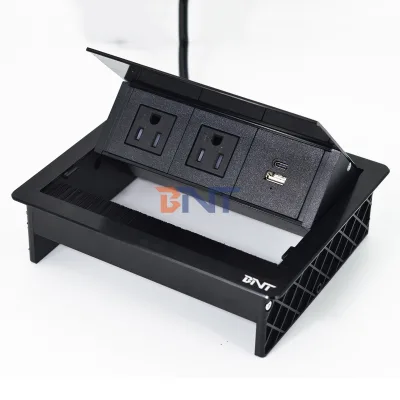
CE Approved Desktop EU Power Outlets Tabletop Socket 3 AC Outlets USB Port
$13.00 - $18.00
MOQ: 10 Pieces

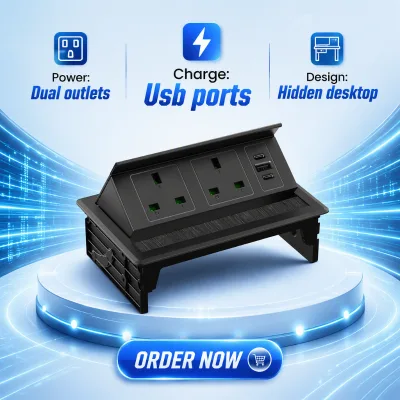
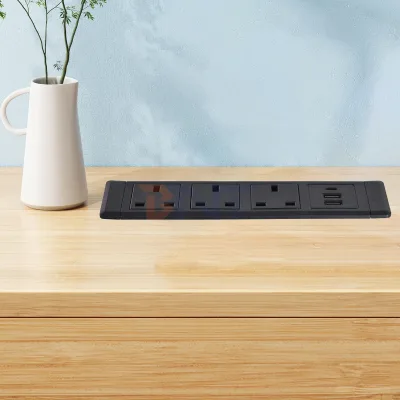
Tabletop Flip up Power Outlet with Double UK Power Plugs Customization Available Socket
$12.00 - $16.00
MOQ: 100 Pieces

$65.00 - $100.00
MOQ: 10 Pieces

$50.00 - $64.00
MOQ: 100 Pieces


Foshan City Sevilo Hardware Co., Ltd.
- Verified by SGS
- Combined
- China Guangdong
- Lead time15 days
- Avg. response≤ 3h
Main productsFurniture Hardware, Office Furniture Hardware, Cabinet Fittings, Glass Fittings, Save Space Mechanism
Main marketsSouth America,Africa,Southeast Asia/ Mideast,East Asia(Japan/ South Korea),Europe,Australia,North America


$5.30 - $6.50
MOQ: 50 Pieces


America Office Hidden European Socket Pop up Power USB Socket Tabletop Desktop Socket
$5.30 - $6.50
MOQ: 50 Pieces
Dongguan Baiyou Electronic Co., Ltd.
- Verified by TüVRheinland
- Manufacturer, Trading Company
- Lead time15 days
- Avg. response≤ 3h
Main productsFurniture Power Strip, USB Charging, Wireless Charging, LED Lights, PDU Power Strip
Main marketsDomestic Market(70%), North America(14%), Eastern Asia(5%)
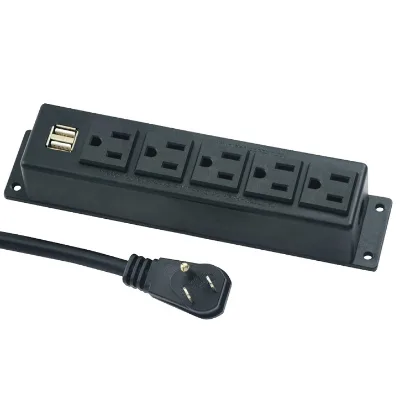
$3.6021 - $3.9109
MOQ: 2 pieces
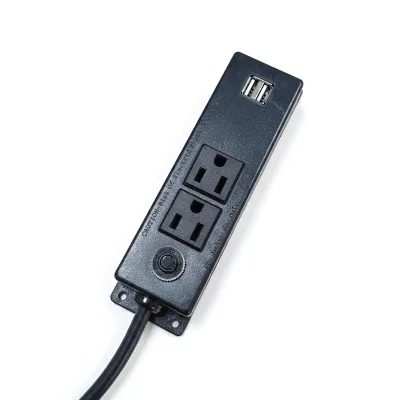

Wenzhou Sinoamigo Electric Co.,Ltd
- Verified by BV
- Manufacturer/Factory
- China Zhejiang
- Lead time23 days
- Avg. response≤ 1h
Main productsFloor Boxes, Floor Sockets, Receptacles, Desk Sockets, Wall Switches, Sockets, Wiring Solution, Outlet Boxes, Outlets, Electrical Outlet
Main marketsSouth America,Mid East,North America,Eastern Asia,Africa


New Design Multimedia Smart Office Use Table Plug Socket Outlet with USB for Office Table
$11.00 - $15.45
MOQ: 5 Pieces

Ningbo Turn-Link Network Communication Equipment Co., Ltd.
- Combined
- China Zhejiang
- Lead time60 days
- Avg. response≤ 6h
Main productsPower Distribution Unit (PDU), network cabinets, charging cabinet, desk socket and accessories
Main marketsSouth America,Domestic,Europe,North America

Manual Pulling out Desktop Pop up Power Socket Outlet with USB Charger for Tabletop Kitchen
$9.50 - $25.00
MOQ: 20 Pieces

USB Electric Pop up Desktop Tabletop Table Socket Outlet for Data and Power
$60.00 - $120.00
MOQ: 20 Pieces

$18.00 - $30.00
MOQ: 20 Pieces


Pulling out Tabletop Socket Power Plug Desktop Pop up Outlet for Kitchen
$9.50 - $25.00
MOQ: 20 Pieces

Tabletop Power Data Outlet Pop up Desktop Socket Standard Grounding Residential
$8.00 - $20.00
MOQ: 20 Pieces
Shanghai Ouben Intelligent Technology Co., Ltd.
- Verified by SGS Group
- Manufacturer, Trading Company
- Lead time15 days
- Avg. response≤ 2h
Main productsTrack Socket, Switch Socket, Pop Up Socket, Extension Socket, Circuit Breaker
Main marketsDomestic Market(65%), Eastern Europe(10%), North America(10%)

Guangdong Biqio Electronics Co., Ltd.
- Manufacturer
- Guangdong, China
- Lead time0 days
- Avg. response≤ 12h
Main productsdesktop socket,pop up socket,power track,table socket,wall socket
Main marketsNorth America(35.00%), Domestic Market(30.00%), Southeast Asia(10.00%), Western Europe(5.00%), Northern Europe(3.00%), South America(2.00%), South Asia(2.00%), Southern Europe(2.00%), Mid East(2.00%), Eastern Europe(2.00%), Eastern Asia(2.00%)

Foshan Fynova Technology Co., Ltd.
- Manufacturer, Trading Company, Distributor/Wholesaler
- Guangdong, China
- Lead time0 days
- Avg. response≤ 1h
Main productsPopup Socket,Track Socket,Lifting Socket,Wireless Charger,Desktop Cable hole cover
Main marketsEastern Europe(35.00%), North America(30.00%), Southeast Asia(20.00%), Mid East(15.00%)
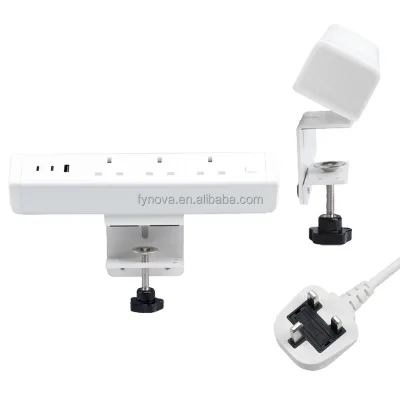
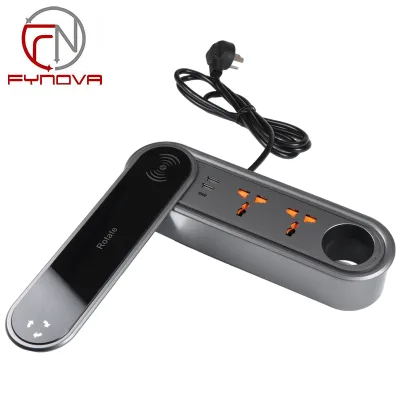
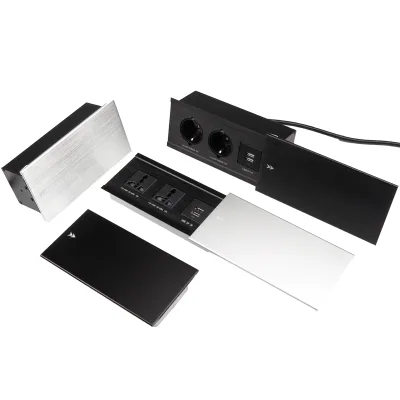
Sliding Socket Power Usb Vga Plug Usb Table Top Meeting Office Table Socket
$13.00 - $15.00
MOQ: 5 pieces
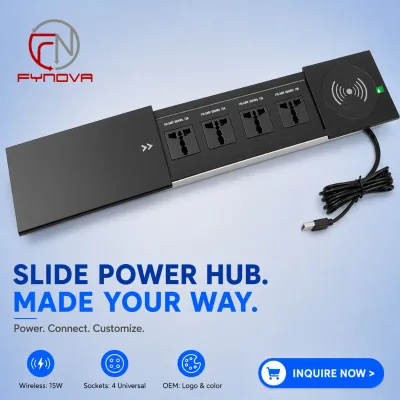
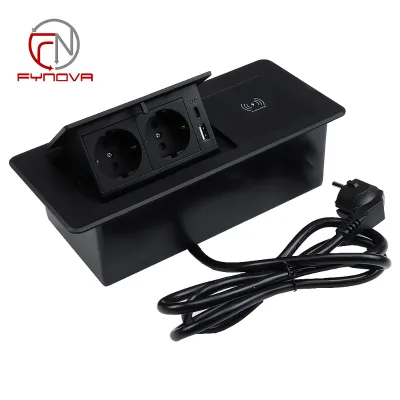
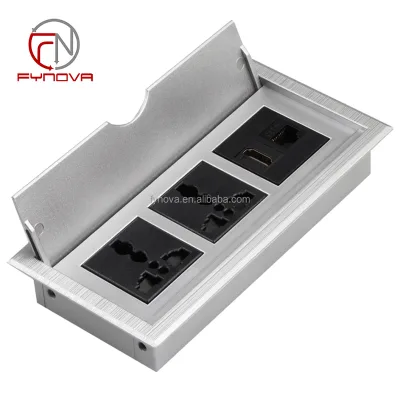
Guangzhou Boente Technology Co., Ltd.
- Verified by SGS Group
- Manufacturer, Trading Company
- Lead time15 days
- Avg. response≤ 1h
Main productsPop Up Socket, Kitchen Socket, Floor Socket, Power Track Socket, Monitor Lift
Main marketsEastern Europe(35%), Southeast Asia(15%), Mid East(15%)
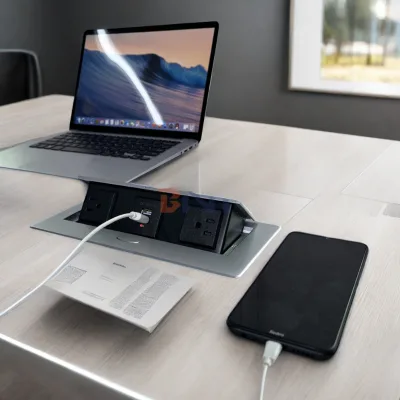
$10.3311 - $15.4967
MOQ: 100 pieces
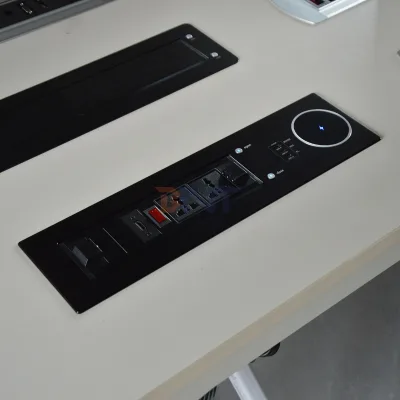
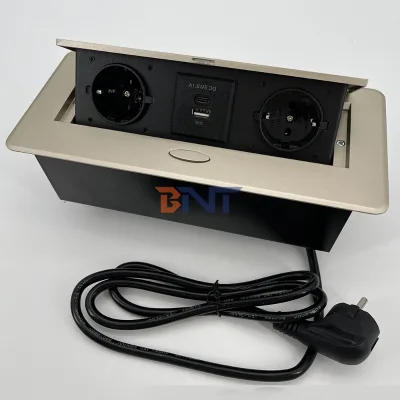
European New Design Conference Table Power Outlet 2 Ac Outlets Hidden German Tabletop Socket
$8.00 - $13.00
MOQ: 20 pieces
Guangzhou Junnan Audiovisual Technology Co., Ltd.
- Verified by Intertek
- Manufacturer, Trading Company
- Lead time10 days
- Avg. response≤ 1h
Main productsSocket, Table Socket , Wall Socket, Rail Socket, Monitor Lift
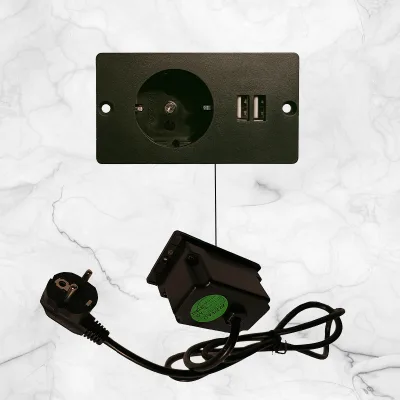
Hidden Table Power Outlet Socket Aluminum Alloy Tabletop Socket Into Desk 2 Power+2 USB Charger
$5.70 - $7.60
MOQ: 60 pieces
Guangzhou Boente Technology Co., Ltd.
- Manufacturer, Trading Company
- Lead time旺季: "1 - 300":31,"> 300":"To be negotiated", 淡季: "1 - 300":31,"> 300":"To be negotiated"
- Avg. response≤ 2h
Main productsTable Socket, Pop Up Socket, Floor Socket, Monitor Lift, TV lift
Wenzhou Sino-Amigo Import & Export Corp.
- Verified by TüVRheinland
- Trading Company
- Lead time20 days
- Avg. response≤ 1h
Main productsDesk Socket, Floor Box, Modular Socket, Power Track System, Smart Home
Main marketsNorth America(20%), Mid East(19%), Western Europe(19%)
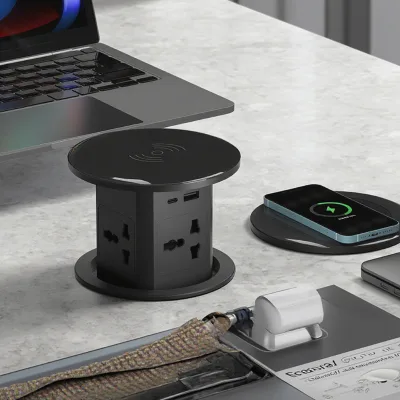
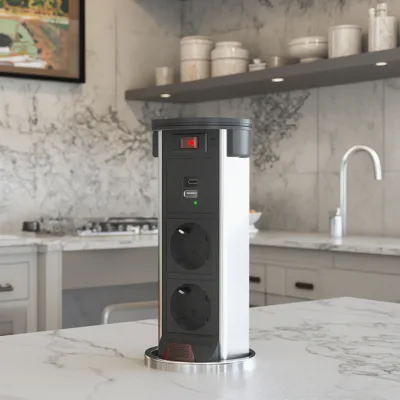
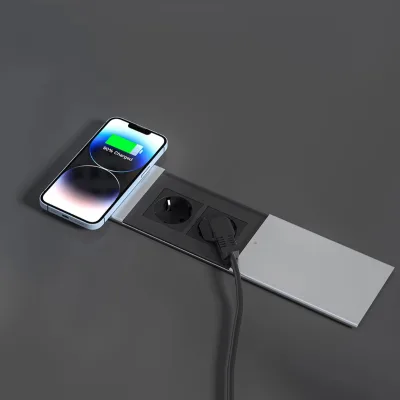
Simplify Your Setup with Reliable Desk Sockets Table Outlet Pop up Outlet
$12.0759 - $13.2796
MOQ: 100 pieces
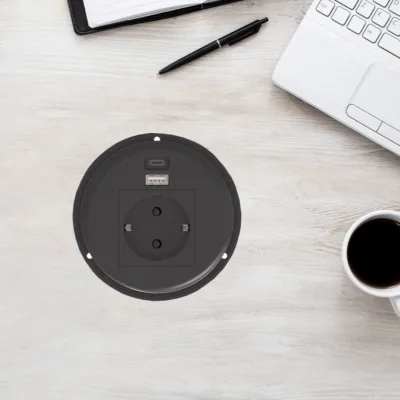
$16.3826 - $20.4793
MOQ: 5 pieces
Guangzhou Junnan Audio-Visual Technology Co., Ltd.
- Verified by SGS Group
- Manufacturer, Trading Company
- Lead time7 days
- Avg. response≤ 2h
Main productsPaperless Conference System, Lcd Monitor Lift, Projector Lift, Desktop Socket, Sound System
Main marketsDomestic Market(30%), South America(15%), Mid East(14%)

Etman Electric(Changzhou) Co., Ltd
- Verified by TUVRHEINLAND
- Combined
- China Jiangsu
- Lead time15 days
- Avg. response≤ 8h
Main productsUSB Socket, Power Module, Perilex Plug, Electric Stove Plug, Dcl Socket, Lamp Socket, Power Plug, LED Light Accessory, Wall Box Accessory, Electric Cables
Main marketsEurope

Dongguan LEGA Smart Office Equipment Co., Ltd.
- Manufacturer, Trading Company
- Guangdong, China
- Lead time25 days
- Avg. response≤ 2h
Main productsOffice Power Netbox,Cable Management,Hotel socket,Metal hardware,Adjustable Desk
Main marketsDomestic Market(19.00%), Mid East(14.00%), Western Europe(13.00%), Eastern Europe(13.00%), Southeast Asia(12.00%), Northern Europe(8.00%), Southern Europe(6.00%), South America(5.00%), North America(3.00%), South Asia(2.00%), Central America(2.00%), Eastern Asia(1.00%), Africa(1.00%), Oceania(1.00%)

Wenzhou Decoamigo Electric Co., Ltd.
- Verified by BV
- Combined
- China Zhejiang
- Lead time15 days
- Avg. response≤ 3h
Main productsFloor Socket, Table Socket, Pop up Socket, Power Track System, Module Wiring Accessories
Main marketsSouth America,Africa,Southeast Asia/ Mideast,East Asia(Japan/ South Korea),Europe,Australia,North America


Decoamigo Recessed Desk Power Outlet with USB C Mountable Power Strip Type C
$15.45 - $17.00
MOQ: 200 Pieces


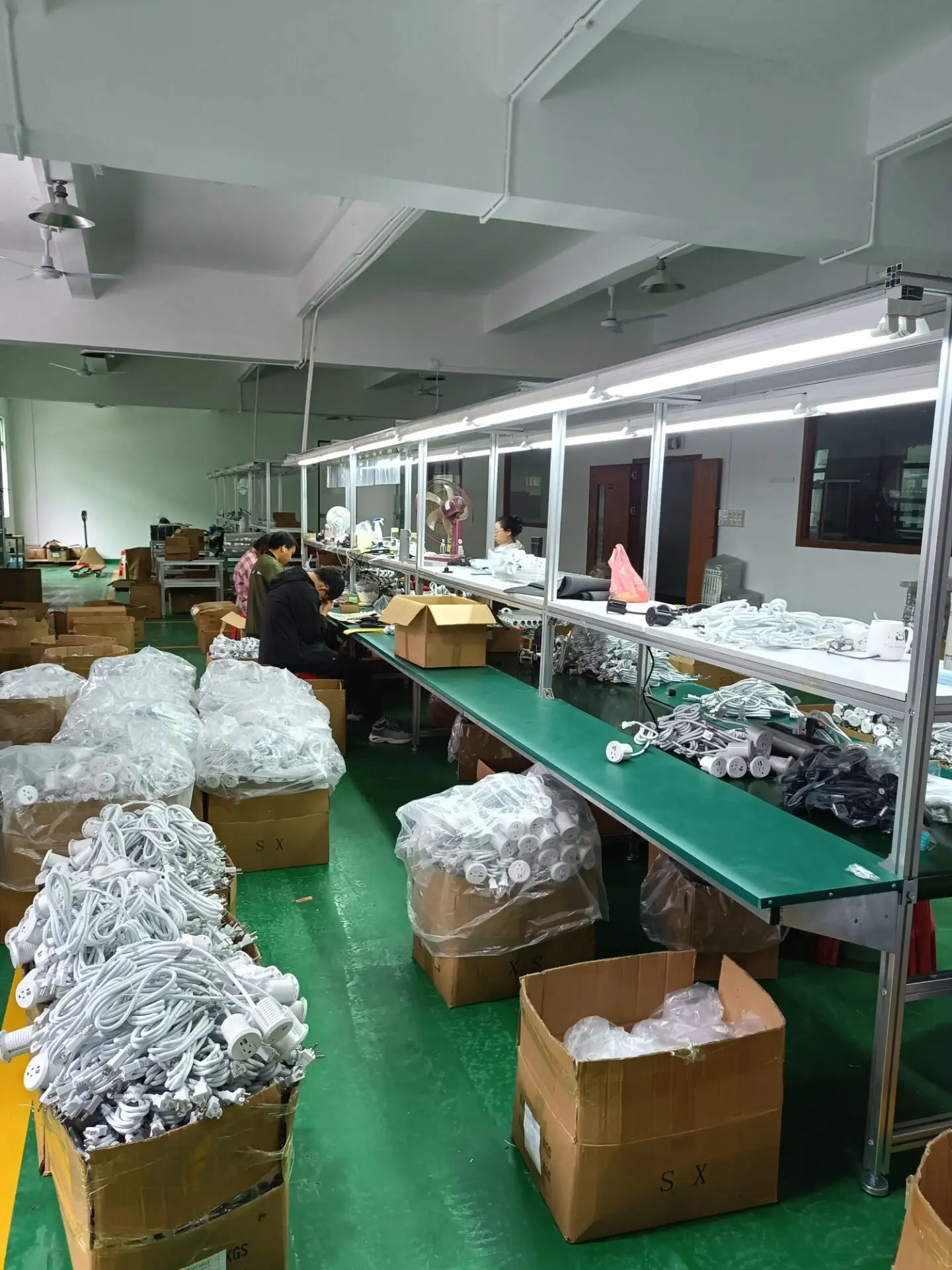
Dongguan Haiao Technology Co., Ltd.
- Trading Company
- Guangdong, China
- Lead time30 days
- Avg. response≤ 2h
Main productsSocket,Home Sockets,Universal Socket,Plastic Sockets,Tabletop Socket
Main marketsSouthern Europe(30.00%), Eastern Europe(30.00%), South America(10.00%), North America(10.00%), Northern Europe(8.00%), Western Europe(5.00%), Oceania(5.00%), Southeast Asia(1.00%), Mid East(1.00%)
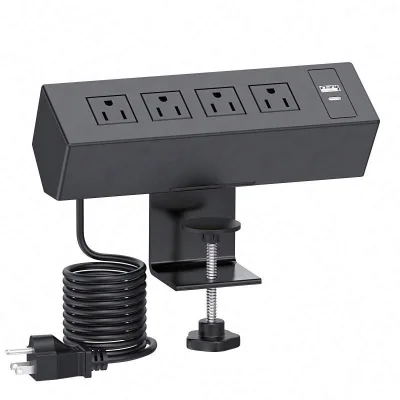
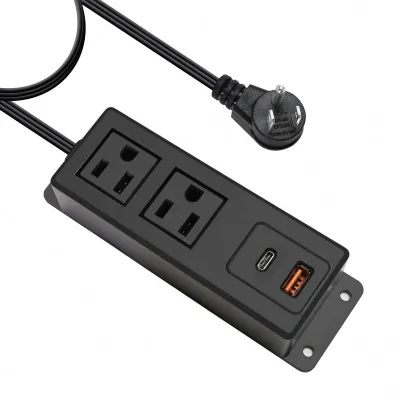
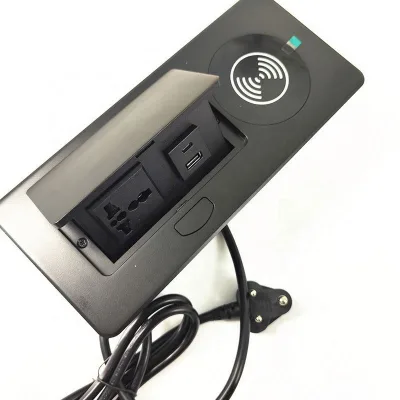
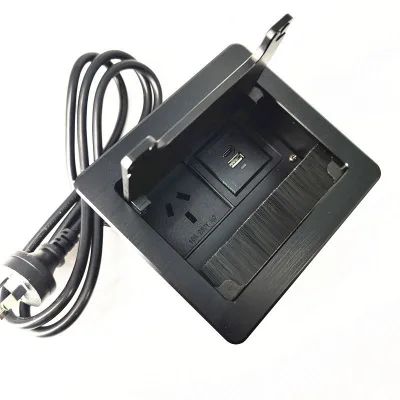
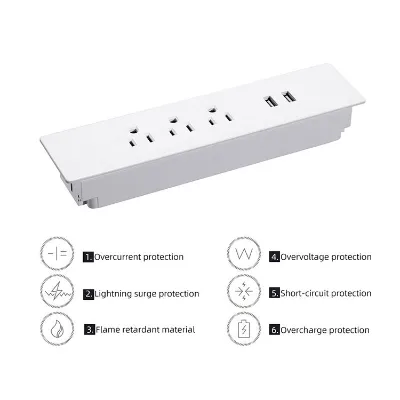
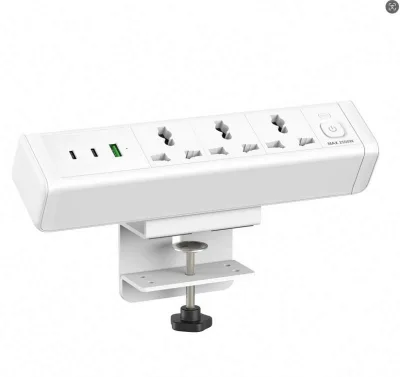
Hot Products Multifunctional Desktop Power Outlet Hanging Desk Socket with Usb
$19.00 - $28.00
MOQ: 20 pieces

NINGBO EXACT CABLES & WIRE CO., LTD.
- Verified by BV
- Combined
- China Zhejiang
- Lead time30 days
- Avg. response≤ 5h
Main productsAlarm Cable, Fire Alarm Cable, Speaker Cable, Coaxial Cable, Security Cable, Fire Resistant Cable, HDMI Cable, PV Solar Cable, Telephone Cable, Optical Cable
Main marketsSouth America,Southeast Asia/ Mideast,Domestic,Europe,North America


Factory Multimedia Tabletop Hidden Pop Up Socket Outlet Desk Pop Up Outlet
$9.40 - $9.50
MOQ: 10 Pieces


Dongguan Blue Shark Technology Co., Limited
- Trading Company
- Lead time旺季: "1 - 10":7,"11 - 500":25,"501 - 1000":30,"> 1000":"To be negotiated", 淡季: "1 - 10":7,"11 - 500":25,"501 - 1000":30,"> 1000":"To be negotiated"
- Avg. response≤ 2h
Main productsDesktop Socket / Wall Socket / Power Strip / Power Grommet Box, LCD Monitor Lift
Guangzhou Lulink Information Technology Co., Ltd.
- Manufacturer, Trading Company
- Guangdong, China
- Lead time10 days
- Avg. response≤ 2h
Main productsnetwork patch cable patch panel cable manager faceplate keystone jack rj45 connector boot,FO patch cord pigtail patch panel ODF distribution box splice closure cabinet,telephone cabling systems,pdu power cord,smart home socket
Main marketsSouth America(25.00%), North America(22.00%), Southeast Asia(10.00%)
$7.8847 - $9.4512
MOQ: 50 pieces
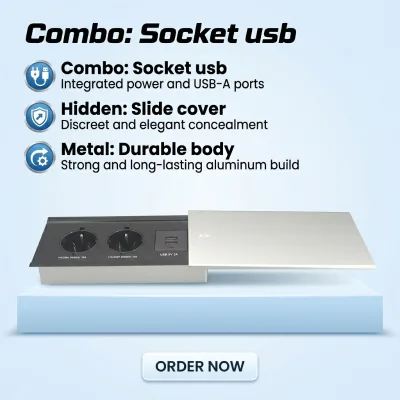
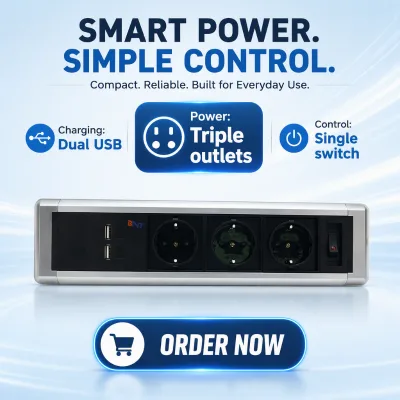
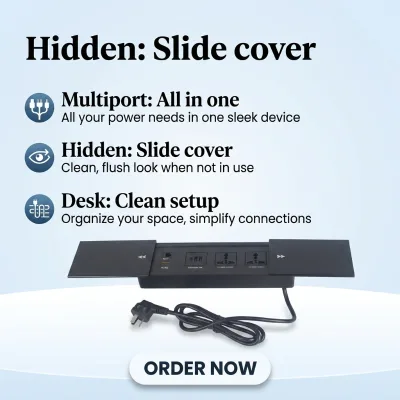
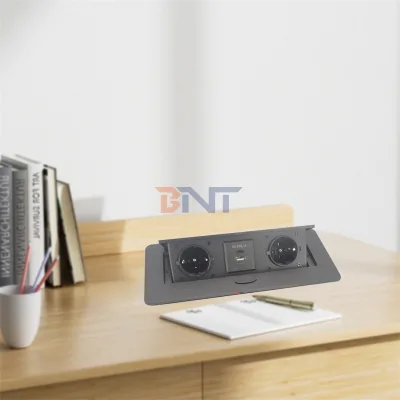


Comprehensive Sourcing Guide
Tabletop Power Outlet with USB Port Supplier Concentration and Factory Types
The current supplier landscape for tabletop power outlets with USB ports is heavily concentrated in China, specifically within the Guangdong region. This geographic clustering is significant because Guangdong serves as a global hub for electrical component manufacturing and furniture hardware integration. Suppliers located here benefit from established supply chains for copper alloys, plastic injection molding, and electronic circuitry required for USB charging modules. When evaluating potential partners, buyers should prioritize suppliers whose origin is explicitly listed as Guangdong or Guangzhou, as this indicates proximity to the necessary raw material and assembly infrastructure. The presence of manufacturers in this region often correlates with faster prototyping cycles and more competitive pricing due to reduced logistics costs for components. However, buyers must verify that the supplier’s stated location matches their actual production facility, as some trading companies may list a Guangdong address while sourcing from other provinces. Understanding this concentration helps in assessing the reliability of the supply chain and the potential for quality control issues related to regional labor practices.
Within this regional cluster, the supplier base is diverse, comprising both trading companies and direct manufacturers or factories. This distinction is critical for buyers who need to determine whether they are dealing with a middleman or the actual production source. Some suppliers identify as trading companies, which may offer a broader range of products but potentially less control over manufacturing details. Others operate as manufacturers or factories, often providing OEM and ODM services, which allows for greater customization of the tabletop socket designs. The availability of OEM and ODM capabilities suggests that these factories have the engineering resources to adapt standard designs to specific client requirements, such as custom panel sizes or unique module configurations. Buyers should inquire about the specific nature of the supplier’s business to understand their capacity for innovation and volume production. Direct manufacturers may offer better margins and technical support, while trading companies might provide more flexible order quantities and a wider variety of stock items.
How to Verify Tabletop Power Outlet with USB Port Suppliers
Verifying the legitimacy and capability of suppliers requires a multi-step approach that goes beyond simple profile reviews. One of the primary methods is to check for recognized system certifications, such as ISO 9001, which indicates that the supplier adheres to international quality management standards. While certifications are important, they should be cross-referenced with product-specific certifications like CE and RoHS, which are frequently listed in product attributes for these electrical outlets. Buyers should request copies of these certificates and verify their validity through the issuing bodies to ensure they are current and not forged. Additionally, the response time of the supplier is a key indicator of their operational efficiency and customer service quality. A response time of around 14.31 hours, as observed in some results, suggests a moderate level of responsiveness, but buyers should aim for suppliers with faster reply times to ensure timely communication during the negotiation and order placement phases.
Another crucial verification step involves assessing the supplier’s production capacity and customization capabilities. Buyers should ask for detailed information about the supplier’s OEM and ODM processes, including their ability to handle custom branding and design modifications. The presence of an own brand, such as BNT, can indicate a supplier’s experience in the market and their commitment to product development. Furthermore, buyers should request samples to physically inspect the build quality, including the housing material, such as copper alloy, and the functionality of the USB ports and pop-up mechanisms. It is also advisable to check the supplier’s main products to ensure they specialize in electrical supplies and furniture hardware rather than being a generalist trader. This specialization often correlates with deeper expertise and better quality control in the specific niche of tabletop power outlets. By combining certification checks, response time analysis, and sample evaluations, buyers can build a comprehensive picture of a supplier’s reliability and suitability for their needs.
What to Compare Across Tabletop Power Outlet with USB Port Suppliers
When comparing suppliers, buyers should focus on key operational metrics such as lead time, minimum order quantity (MOQ), and price ranges. Lead times can vary significantly, with some suppliers offering a standard lead time of 15 days, which is crucial for project planning and inventory management. Buyers should compare these lead times against their own project schedules to ensure timely delivery. The MOQ is another critical factor, as it can range from as low as 10 units to 100 units or more. Suppliers with lower MOQs, such as those requiring only 2 or 10 units, may be more suitable for small-scale projects or initial testing, while those with higher MOQs might offer better unit prices for bulk orders. Understanding these variations helps buyers align their purchasing strategy with their volume requirements and budget constraints.
Price comparison should also consider the product specifications and features included in the quote. For instance, prices for standard tabletop sockets can range from $10 to $18, while more complex motorized or wireless charging models may cost between $50 and $130. Buyers should ensure that they are comparing apples to apples by matching the product configurations, such as the number of AC outlets, USB ports, and additional modules like HDMI or network ports. The configuration details, such as 2Universal Power+2USB or 3*AC Outlets & 2 USB Ports, directly impact the cost and should be factored into the comparison. Additionally, buyers should inquire about any customization fees, tooling costs, or shipping expenses that may not be included in the base price. By systematically comparing lead times, MOQs, and detailed pricing structures, buyers can identify the most cost-effective and suitable supplier for their specific requirements.
Common Tabletop Power Outlet with USB Port Sourcing Risks
One of the primary risks in sourcing tabletop power outlets is the potential discrepancy between product specifications and actual delivery. Buyers may encounter issues where the received product does not match the advertised certifications, such as CE or RoHS, or the physical dimensions, such as the cutout size of 224110mm or 33572mm. This risk is heightened when dealing with suppliers who do not provide detailed product attributes or who use generic images that do not reflect the actual item. To mitigate this, buyers should insist on detailed technical drawings and specifications before placing an order and request pre-shipment inspections to verify compliance. Another risk is the variability in build quality, particularly regarding the durability of the pop-up mechanism and the reliability of the USB charging ports. Products with conditions listed as "Used" or "New" may have different lifespans and performance characteristics, so buyers must clarify the condition of the goods to avoid receiving refurbished items as new.
Warranty and after-sales support are also significant areas of risk. Some suppliers offer a warranty of 1 year, while others may not provide any warranty at all. Buyers should clearly understand the warranty terms, including what is covered and the process for claiming repairs or replacements. Additionally, the risk of communication barriers can lead to misunderstandings regarding customization requirements or shipping instructions. Suppliers with slower response times may be less responsive to urgent issues or changes in order details. Buyers should also be cautious of suppliers who do not provide clear information about their main products, as this may indicate a lack of specialization or expertise in the field. By identifying and addressing these risks through thorough due diligence and clear contractual agreements, buyers can protect themselves from potential losses and ensure a smoother sourcing experience.
Tabletop Power Outlet with USB Port Regional Sourcing and Logistics
Sourcing from the Guangdong region in China offers logistical advantages due to its well-developed infrastructure and proximity to major shipping ports. Buyers should consider the impact of location on shipping costs and transit times, as suppliers in this region often have established relationships with freight forwarders and can offer competitive shipping rates. However, buyers must also account for potential delays caused by customs clearance, seasonal peaks, or global supply chain disruptions. It is advisable to work with suppliers who have experience in exporting to the buyer’s country and who can provide accurate estimates of transit times. The origin of the product, whether listed as Guangzhou, Guangdong, or simply China, can also influence the logistics strategy, as different cities may have different port access and customs procedures.
Logistics planning should also include considerations for packaging and handling. Products are typically packed in cartons or boxes, with specific quantities per carton, such as 1PCS/CTN or 20PCS/CTN. Buyers should verify the packaging details to ensure that the products are protected during transit and that the packaging meets any specific requirements for their market. Additionally, buyers should inquire about the supplier’s ability to handle drop-shipping or direct-to-customer shipments if they are operating an e-commerce business. Understanding the logistical capabilities of the supplier can help buyers optimize their supply chain and reduce overall costs. By carefully planning the logistics and working with suppliers who have strong export experience, buyers can ensure that their tabletop power outlets are delivered efficiently and safely to their final destination.
Tabletop Power Outlet with USB Port Commercial Terms and Order Planning
Commercial terms play a vital role in the final cost and risk allocation of the sourcing process. Buyers should negotiate clear payment terms, such as using escrow services to protect their funds until the goods are received and verified. The availability of escrow can provide an additional layer of security, especially for first-time transactions or large orders. Buyers should also clarify the Incoterms, such as FOB or CIF, to understand who is responsible for shipping and insurance costs. Additionally, buyers should discuss any potential tariffs or duties that may apply in their country and factor these into their total cost calculation. Understanding the commercial terms helps buyers avoid unexpected expenses and ensures a transparent transaction process.
Order planning should take into account the supplier’s lead time and MOQ to align with the buyer’s inventory needs and sales forecasts. Buyers should plan for buffer stock to account for potential delays or quality issues, especially when ordering from international suppliers. It is also important to establish a clear communication channel with the supplier for order updates and issue resolution. Buyers should consider placing trial orders to test the supplier’s reliability and product quality before committing to larger volumes. By carefully planning the order process and negotiating favorable commercial terms, buyers can minimize risks and maximize the value of their sourcing investments. This strategic approach ensures that the supply of tabletop power outlets with USB ports remains consistent and cost-effective, supporting the buyer’s business objectives.
FAQs
What is the price range for tabletop power outlets with USB ports?
Prices for tabletop power outlets with USB ports typically range from $10 to $130 per unit. Basic models with standard configurations start around $10, while motorized or smart options with wireless charging capabilities can cost up to $100. Specific pricing depends on the configuration, certification, and customization requirements selected for your order.
What certifications are available for these tabletop sockets?
Most tabletop power outlets with USB ports carry CE and RoHS certifications. Some advanced models also include CCC certification for specific markets. These certifications ensure compliance with safety and environmental standards. Buyers should verify the exact certification list for each product model to ensure it meets local regulatory requirements for their target market.
What is the minimum order quantity for these products?
The minimum order quantity varies significantly by product type. Standard table sockets often require a minimum of 100 units, while specialized or motorized models may have lower MOQs of just 10 or even 2 units. Buyers should check the specific MOQ for each model to align with their inventory needs and budget constraints.
Where are these suppliers located?
Suppliers for these products are primarily located in Guangdong, China, with specific origins in Guangzhou. This region is a major hub for electrical equipment manufacturing. Buyers can expect efficient logistics and supply chain integration due to the concentration of manufacturers and trading companies in this area, facilitating easier communication and shipping arrangements.
What is the typical lead time for production?
The typical lead time for production is approximately 15 days. This timeframe allows for manufacturing, quality control, and packaging preparation. Buyers should factor in this lead time when planning their inventory replenishment or project timelines. Expedited options may be available for urgent orders, but standard production follows this general schedule.
Can these sockets be customized for specific applications?
Yes, customization is available for many tabletop power outlets with USB ports. Suppliers offer OEM and ODM services, allowing for custom branding, configurations, and features. Buyers can request specific plug standards, IP ratings, and additional modules like HDMI or network ports. Customization options ensure the product fits unique commercial or residential requirements.