Tactical Carabiner Paracord Rope Keychain Suppliers and Manufacturers
Compare 28 verified suppliers offering Tactical Carabiner Paracord Rope Keychain products with varying lead times, MOQs, and locations. Review response times and pricing to select the right partner for your sourcing needs; review the available evidence before requesting comparable quotations from suitable candidates.
Updated
Suppliers List
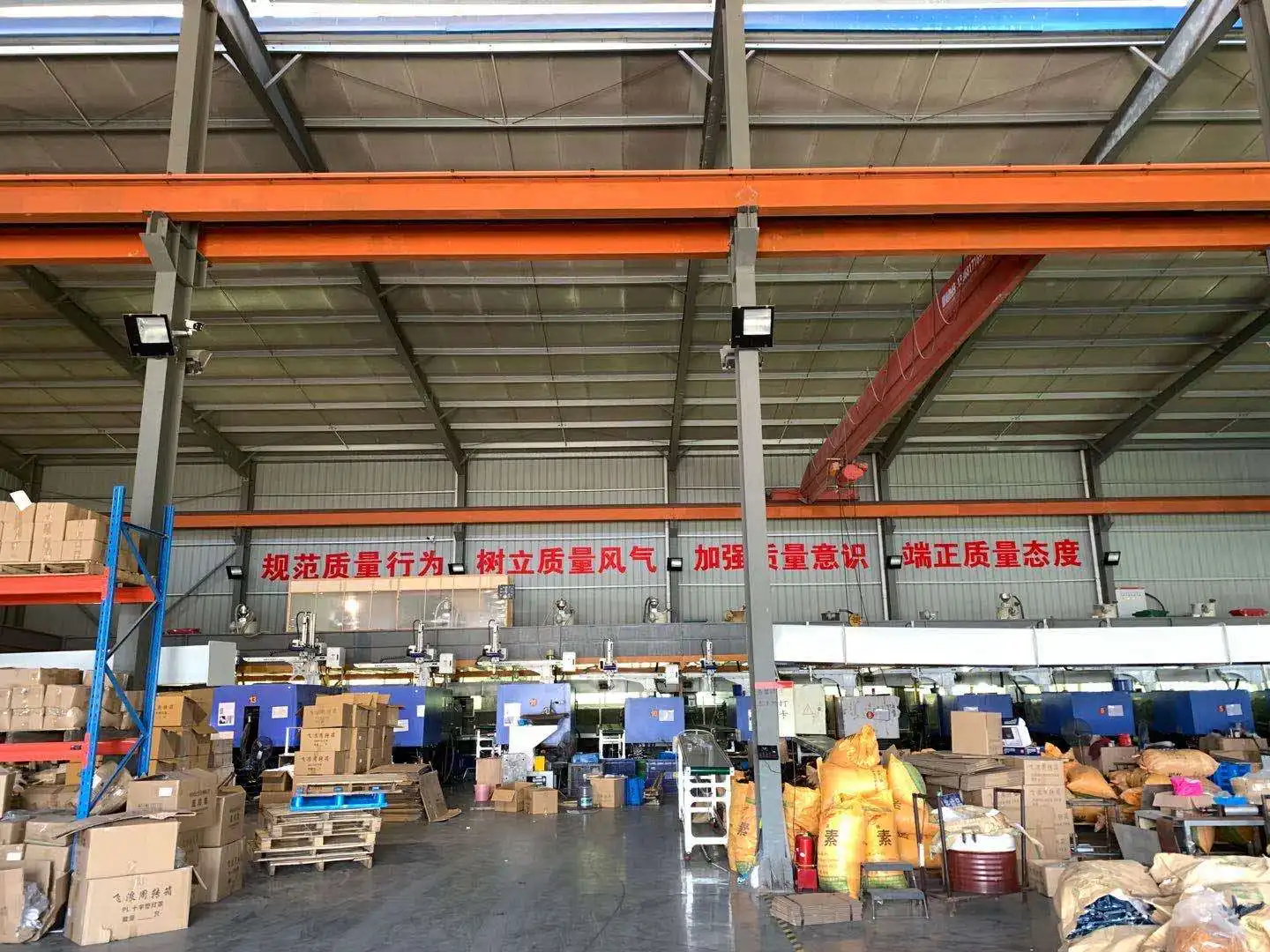
Hangzhou Xiwang Trading Co., Ltd.
- Trading Company
- Zhejiang, China
- Lead time25 days
- Avg. response≤ 2h
Main productsTent Stake, Paracord Bracelet, Folding Stool, Beach Mat, Waterproof Bag
Main marketsNorth America(20.00%), Oceania(20.00%), Western Europe(20.00%), Northern Europe(10.00%), Mid East(10.00%), Southeast Asia(10.00%), South America(5.00%), South Asia(4.00%), Eastern Europe(1.00%), Eastern Asia(0.00%), Southern Europe(0.00%), Central America(0.00%), Africa(0.00%), Domestic Market(0.00%)
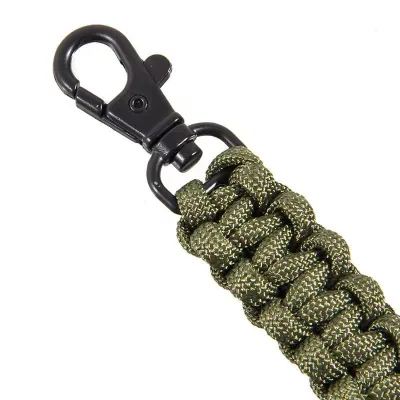
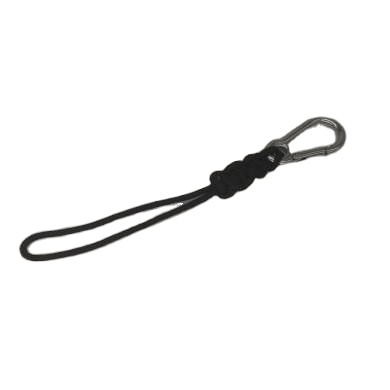
Rope Braided Key Chain Anti-lose Quick Release Key Chain with Stainless Steel Carabiner
$0.5471 - $0.691
MOQ: 1000 pieces
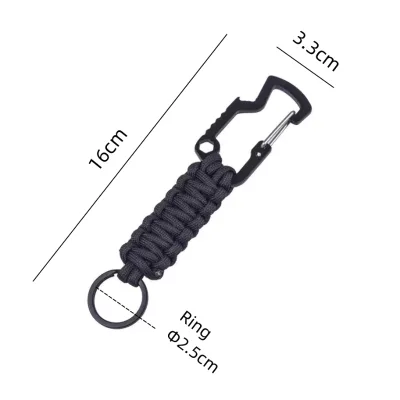
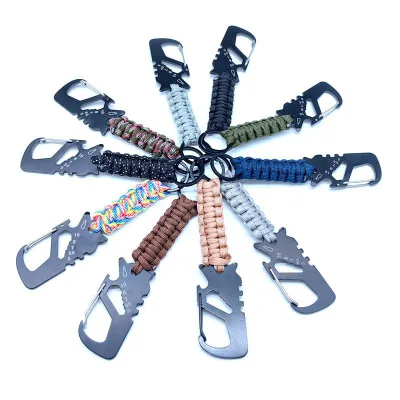
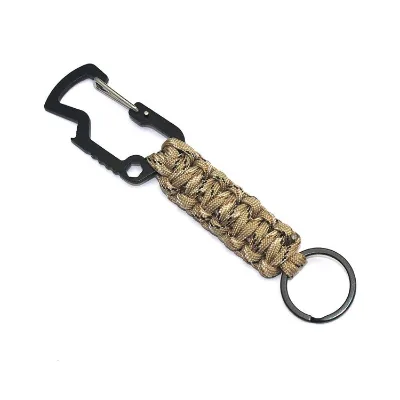
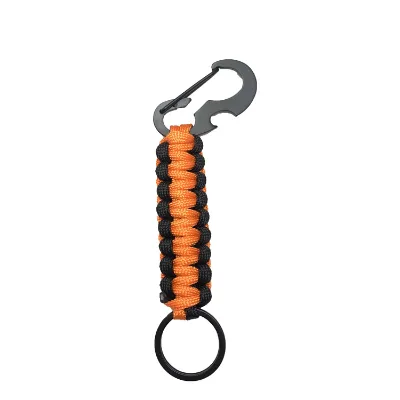
JLK0523 Paracord Key Chain Multi-function Bottle Opener Hand Made Carabiner Keychain Quick
$0.4032 - $0.5981
MOQ: 50 pieces
Hefei Johold Outdoor Products Co., Ltd.
- Trading Company
- Anhui, China
- Lead time15 days
- Avg. response≤ 2h
Main productsSurvival Kits,Flashlight,Emergency Whistle,Camping Tent,Tactical backpack
Main marketsNorth America(30.00%), Western Europe(20.00%), Northern Europe(15.00%), Eastern Europe(15.00%), Southeast Asia(5.00%), South America(5.00%), Eastern Asia(5.00%), Africa(5.00%)
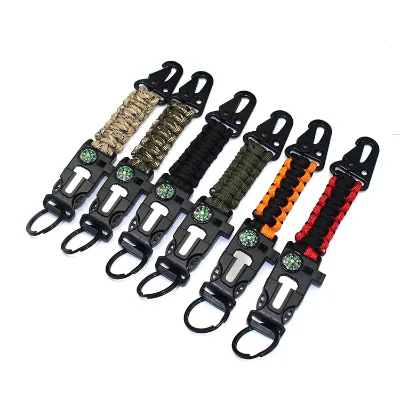
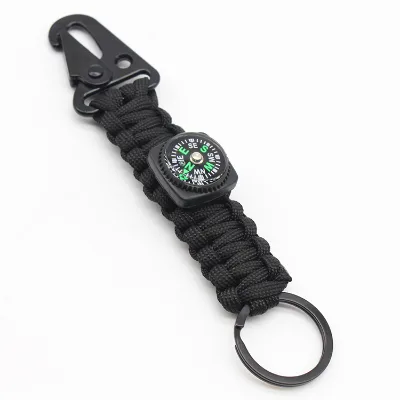
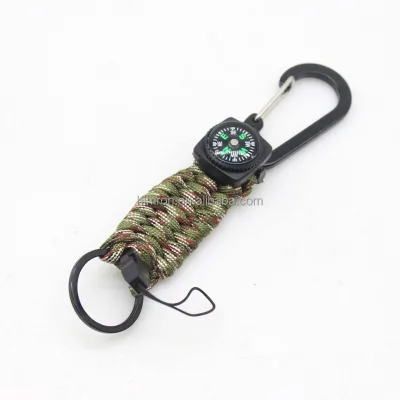
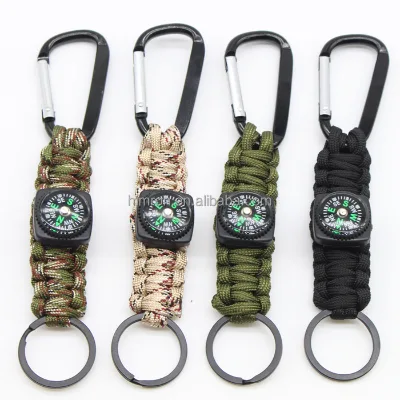
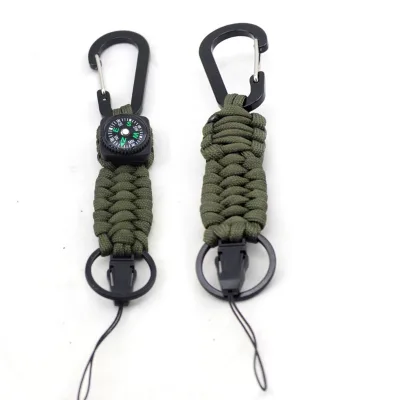
Outdoor Paracord Keychain with Carabiner and Compass
$0.40 - $0.70
Shenzhen Gracious Electronic Technology Co., Ltd.
- Manufacturer, Trading Company
- Guangdong, China
- Lead time10 days
- Avg. response≤ 8h
Main productsFerro rod fire starter,Fire striker,Fire tinder,Fire bellow,Duck call
Main marketsNorth America(35.00%), Western Europe(27.00%), Eastern Asia(10.00%), Domestic Market(10.00%), Northern Europe(5.00%), Eastern Europe(5.00%), Mid East(5.00%), Oceania(3.00%)
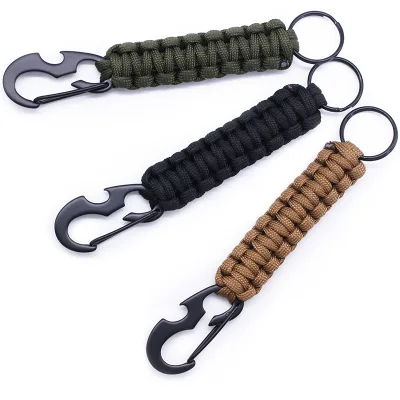
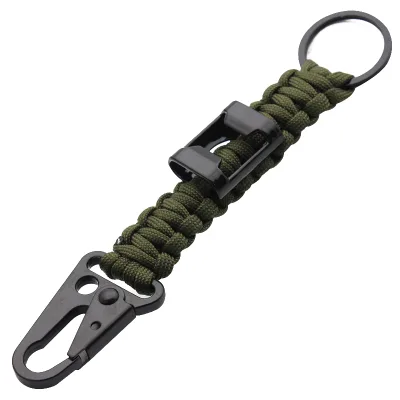
Outdoor Utility Tactical Paracord Keychain with Bottle Opener Carabiner Keyring
$0.35 - $0.45
MOQ: 2 pieces
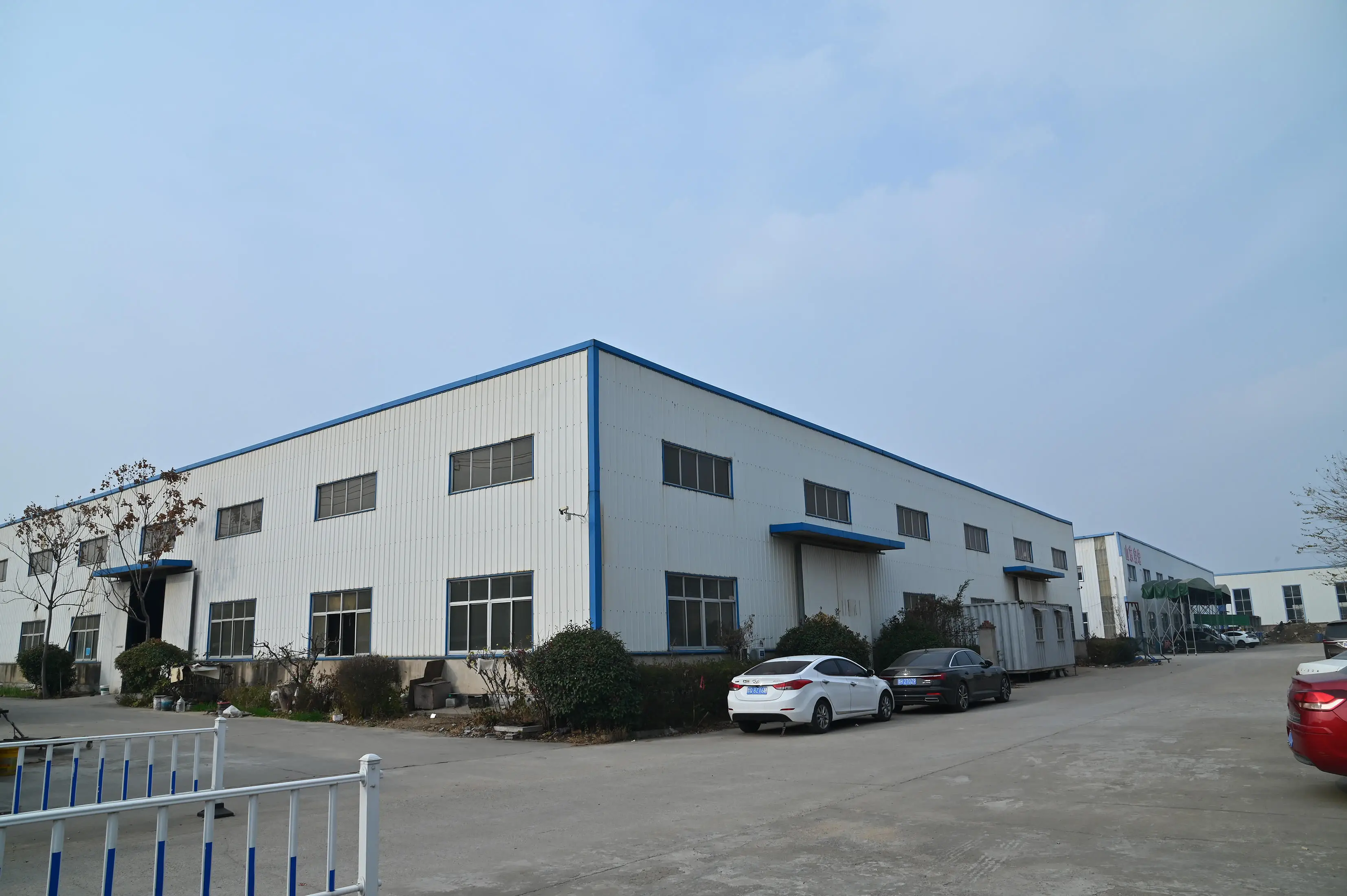
Jiangsu Himron International Trade Co., LTD.
- Manufacturer, Trading Company
- jiangsu, China
- Lead time20 days
- Avg. response≤ 9h
Main productsDisaster Relief Tent,Inflatable Emergency Tent,Tactical tent,Camping tent
Main marketsNorth America(40.00%), Eastern Europe(15.00%), Domestic Market(10.00%), Northern Europe(7.00%), Central America(6.00%), Southeast Asia(5.00%), South Asia(5.00%), Mid East(3.00%), Eastern Asia(2.00%), Southern Europe(2.00%), Western Europe(2.00%), South America(1.00%), Oceania(1.00%), Africa(1.00%)
Jining Excellent Horse Trade Co., Ltd.
- Verified by TüVRheinland
- Manufacturer, Trading Company
- Lead time7 days
- Avg. response≤ 3h
Main productsCarabiner Hooks, Luggage & Bag Accessories, Lanyard Strap Keychain, Buckle, Hardware Structure
Main marketsNorth America(50%), Western Europe(25%), Southeast Asia(5%)
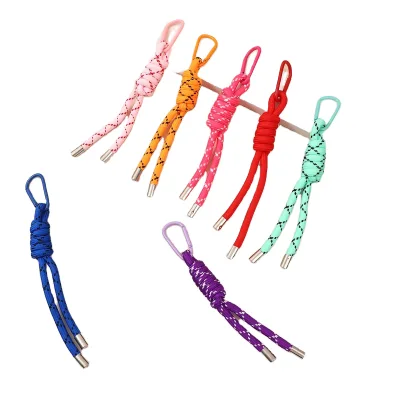
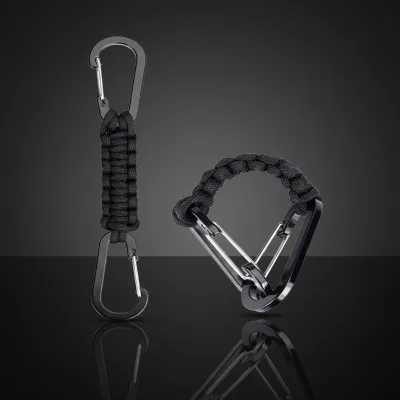
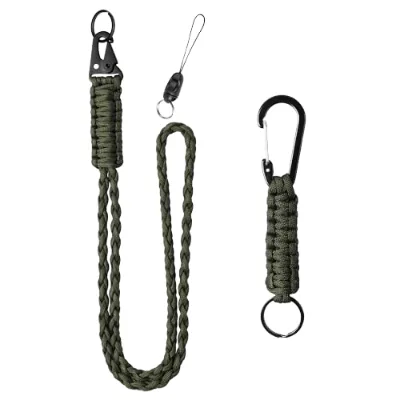
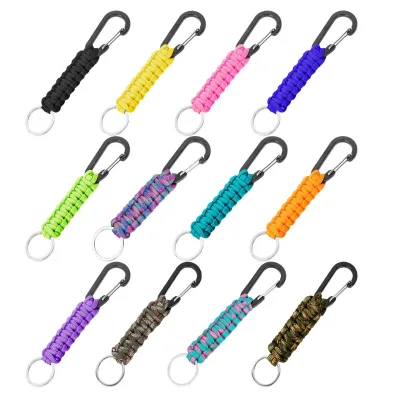
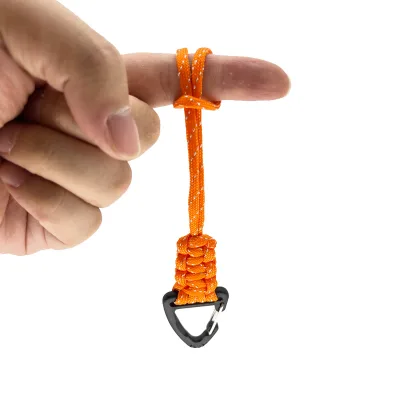
Survival Paracord Keychain Quick Realese Keychain Clip Ring with Carabiner
$0.3987 - $0.5007
MOQ: 10 pieces

DSC Xiamen Enterprise Pte Ltd.
- Trading Company
- China Fujian
- Lead time23 days
- Avg. response≤ 5h
Main productsHardware, Accessories, Plastic Buckle, Ribbons, Metal Stamping, Bag Accessories, Promotion Gift, Bag Hardware
Main marketsSouth America,Southeast Asia/ Mideast,East Asia(Japan/ South Korea),Europe,Australia,North America

Stainless Steel Knitted Umbrella Rope Keychain Carabiner Climbing Buckle Paracord Rope Ring
$0.54 - $0.69
MOQ: 500 Pieces

Cobra Weave Paracord Keychain Carabiner Braided Lanyard Key Clip Survival Lanyard
$0.60 - $0.72
MOQ: 500 Pieces


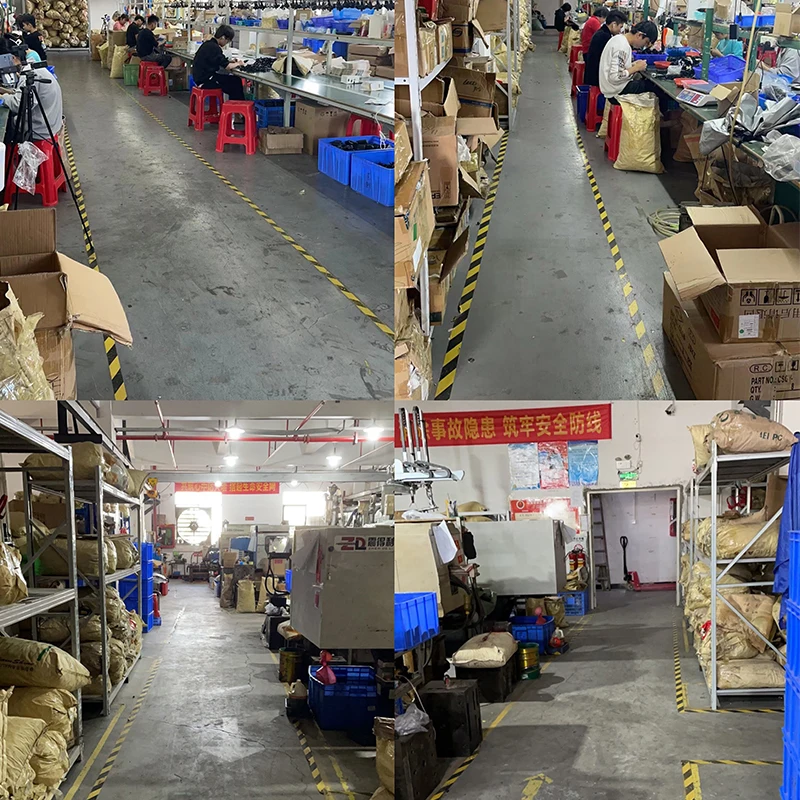
Shandong Rope Technology Co., Ltd.
- Combined
- China Shandong
- Lead time30 days
- Avg. response≤ 2h
Main productsRope
Main marketsSoutheast Asia/ Mideast,Europe,North America
Shenzhen Love Smile Gifts Co., Ltd.
- Manufacturer, Trading Company, Distributor/Wholesaler
- Guangdong, China
- Lead time7 days
- Avg. response≤ 3h
Main productskeychain,notebook gift set,card holder,umbrella,promotion mirror
Main marketsNorth America(20.00%), Eastern Europe(15.00%), Southeast Asia(12.00%), South America(10.00%), Western Europe(8.00%), Southern Europe(7.00%), Eastern Asia(7.00%), Northern Europe(5.00%), South Asia(5.00%), Domestic Market(4.00%), Mid East(3.00%), Central America(2.00%), Africa(1.00%), Oceania(1.00%)

Yiwu Cmart Outdoor Products Co., Ltd.
- Trading Company
- Zhejiang, China
- Lead time15 days
- Avg. response≤ 7h
Main productsOutdoor sports,Survival kits,Fishing kits,Outdoor Leisure,Paracord kits
Main marketsNorth America(60.00%), Oceania(8.50%), Western Europe(8.10%), South America(7.80%), Mid East(5.60%), Africa(5.20%), Southeast Asia(4.80%)
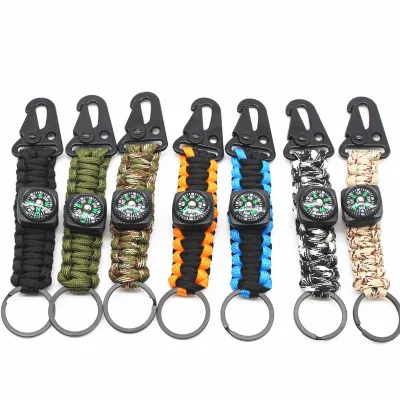
Hiking Camping Carabiner,Outdoor Adventure Paracord Survival Keychain with Compass
$0.45 - $0.55
MOQ: 120
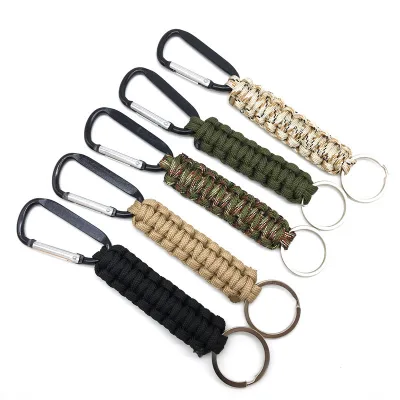
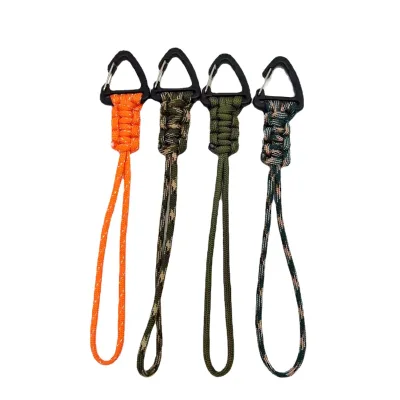
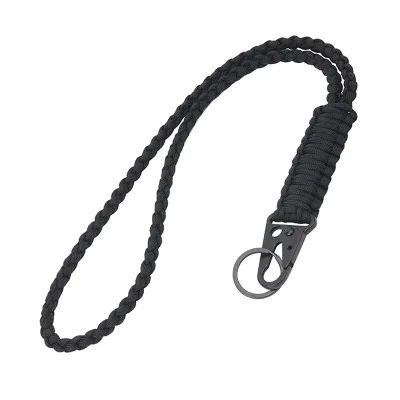
$0.811 - $1.1422
MOQ: 2 Minimum
Suzhou Maxway Outdoor Products Co., Ltd.
- Trading Company
- Jiangsu, China
- Lead time30 days
- Avg. response≤ 3h
Main productsFISHING TOOLS,BANKWARE & PODS,BEDS & CHAIRS,FISHING TACKLES,OUTDOOR PRODUCTS
Main marketsWestern Europe(20.00%), North America(20.00%), Southern Europe(10.00%), Northern Europe(10.00%), South America(10.00%), Oceania(10.00%), Southeast Asia(10.00%), Eastern Europe(10.00%)
Jiaxing Kangfei Medical Co., Ltd.
- Trading Company
- Zhejiang, China
- Lead time25 days
- Avg. response≤ 9h
Main productsFirst Aid Kit,Emergency Blanket,camping,Outdoor Products,Hunting
Main marketsNorth America(70.00%), South Asia(5.00%), Northern Europe(5.00%), Western Europe(5.00%), Mid East(5.00%), Africa(5.00%), South America(5.00%)

Dongguan Bosin Hardware Co., Ltd.
- Trading Company
- China Guangdong
- Lead time15 days
- Avg. response≤ 4h
Main productsKey Ring, Snap Hooks, Ball Chain, Carabiner, Metal Clips, Metal Rings, Metal Buckle, Stainless Steel Chains, Key Chain, Bottle Opener
Main marketsEurope,North America

Ningbo Bone International Trading Co., Ltd.
- Trading Company,Manufacturer/Factory
- China Zhejiang
- Lead time30 days
- Avg. response≤ 4h
Main productsOutdoor Camping Light, Outdoor Flashlight, Outdoor Headlamp, Solar Garden Light Lamp, Solar Festival Christmas Light Lamp, Decoration Light Lamp String, Outdoor Trekking Pole, Warning Light Lamp, Outdoor Running Pole, Outdoor Walking Pole
Main marketsSouth America,Eastern Europe,Mid East,North America,Southeast Asia,Eastern Asia,Oceania

Hot Sale Promotional Gift Aluminum Carabiner Clip Climbing Carabiner Keychain
$0.82 - $1.42
MOQ: 100 Pieces

Multi-Function Bottle Opener Carabiner Clip Tactical Stainless Steel Quickdraw Keychain Carabiners
$2.18 - $2.78
MOQ: 100 Pieces
Daqin (luoyang) Supply Chain Co., Ltd.
- Manufacturer, Trading Company
- Henan, China
- Lead time0 days
- Avg. response≤ 2h
Main productsToy Gun,Toy Gun Model,Simulation Toy Weapons,Outdoor Sports,Stuffed Toys
Main marketsEastern Europe(20.00%), Southern Europe(20.00%), Western Europe(20.00%), South America(10.00%), Northern Europe(10.00%), Central America(10.00%), North America(10.00%)
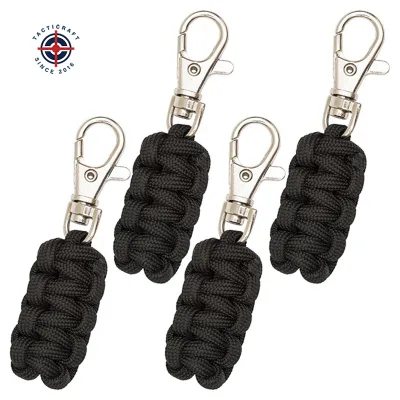
Outdoor Climbing Braided Paracord Keychain, Outdoor Emergency Rescue Paracord Key Ring
$0.3703 - $0.3912
MOQ: 10 pieces
Zhongshan Gushi Crafts & Gifts Co., Ltd.
- Verified by SGS Group
- Manufacturer, Trading Company
- Lead time0 days
- Avg. response≤ 2h
Main productsPromotional Gifts, Event Gifts, Sports Gifts, School Gifts
Main marketsNorth America(30%), Western Europe(20%), Southeast Asia(10%)

Quanzhou Hongkuo Luggage Co., Ltd.
- Verified by SGS
- Trading Company
- China Fujian
- Lead time15 days
- Avg. response≤ 1h
Main productsPlastic Buckles, Zipper Slider, Webbing Straps, Zipper Puller, Bag Accessories
Main marketsDomestic


Supero Climbing Carabiner Tactical Carabiner Clip Plastic Cadet Hiking Camping D Hook Buckle
$0.09 - $0.15
MOQ: 100 pieces


Jinjiang Jiaxing Supply Management Co., Ltd.
- Verified by TUVRHEINLAND
- Trading Company
- China Fujian
- Lead time30 days
- Avg. response≤ 2h
Main productsEVA Clogs, Flip Flop, Shoe Charms, Shopping Bags, Wristbands, Gifts, Promotional Gifts, Slipper, Sport Cap, Ball
Main marketsNorth America
Yiwu Runson Outdoor Products Co., Ltd.
- Trading Company
- Zhejiang, China
- Lead time15 days
- Avg. response≤ 10h
Main productsOutdoor survival kit,Outdoor whistle,Outdoor compass,Outdoor poncho,Outdoor sleeping bag
Main marketsNorth America(50.00%), Western Europe(10.00%), Eastern Europe(10.00%), South America(10.00%), Central America(5.00%), Southern Europe(5.00%), South Asia(2.00%), Africa(2.00%), Eastern Asia(2.00%), Mid East(2.00%), Oceania(1.00%), Southeast Asia(1.00%)
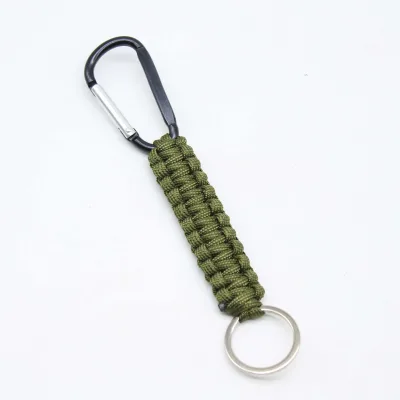
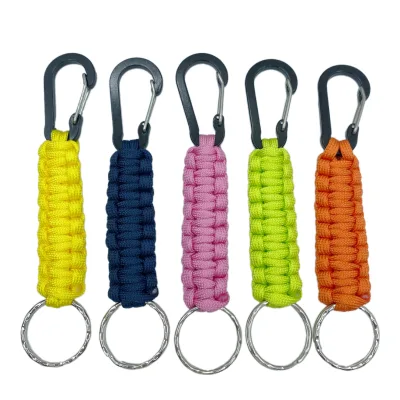
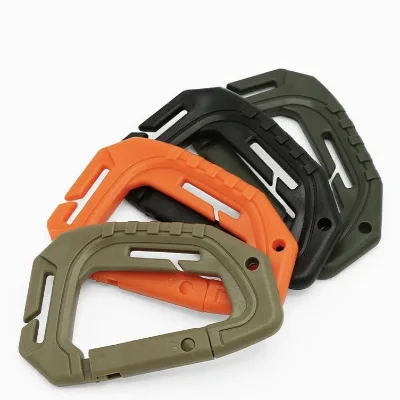
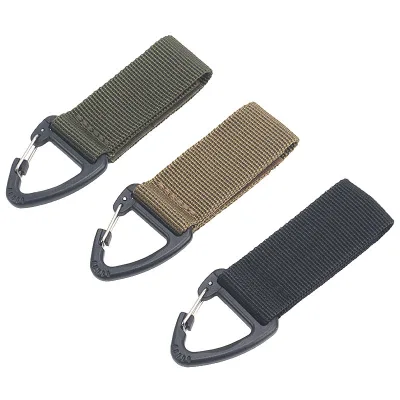
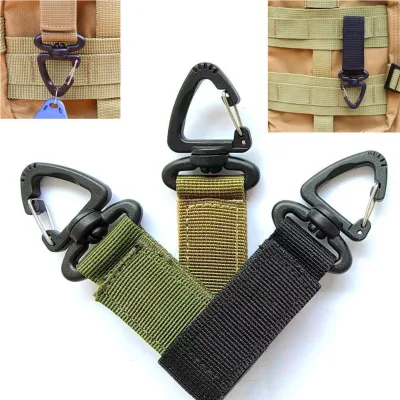
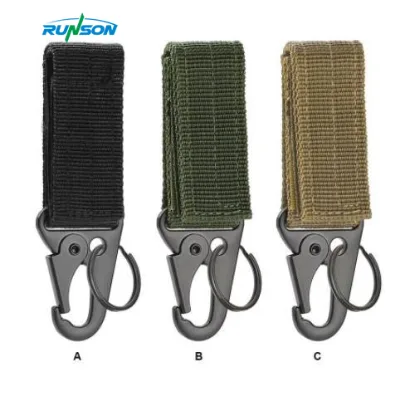
$0.3418 - $0.4662
MOQ: 100 pieces
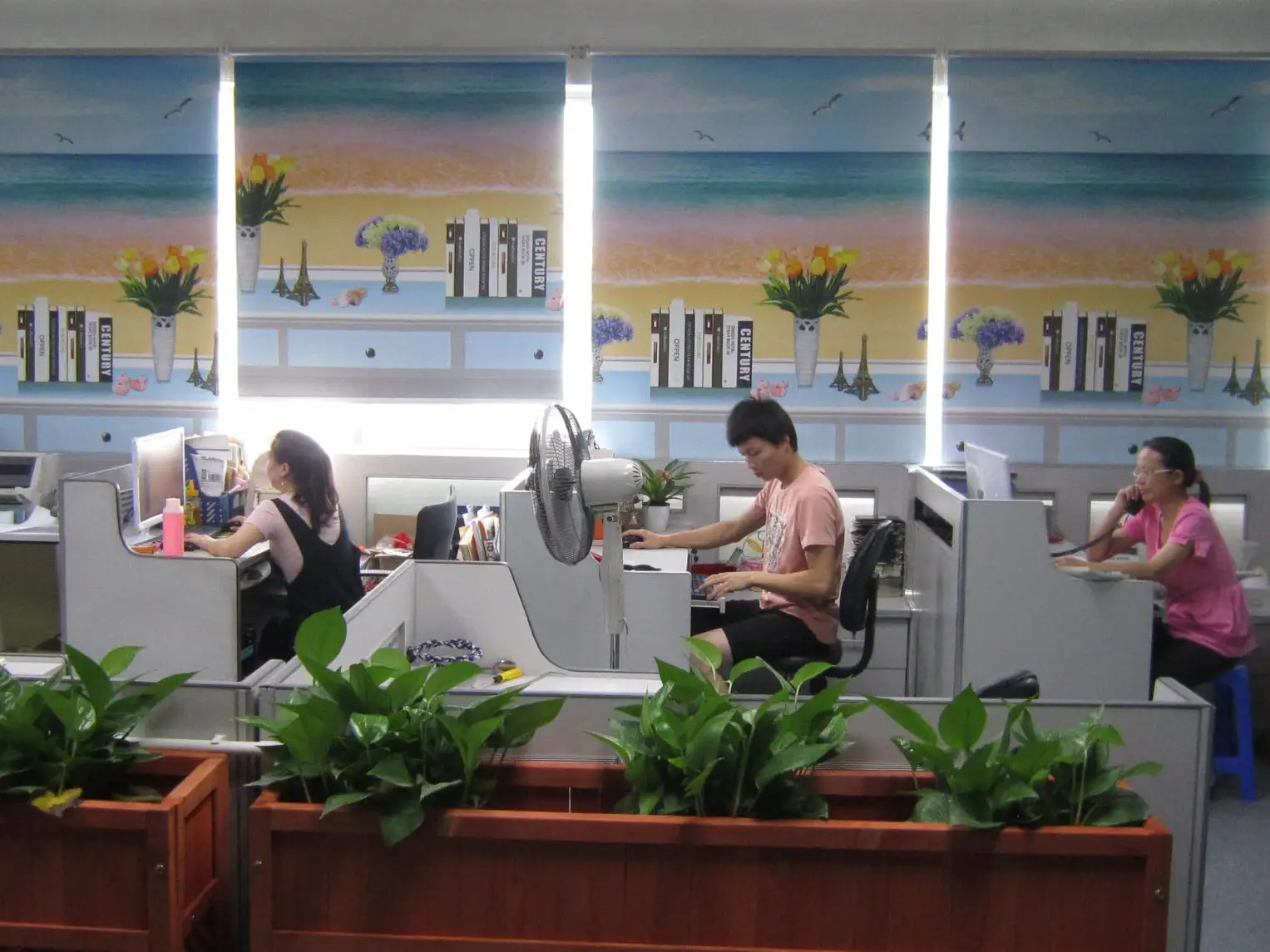
Dongguan Emak Craft Gift Co., Ltd.
- Manufacturer, Trading Company
- Guangdong, China
- Lead time15 days
- Avg. response≤ 6h
Main productsSurvival Kit,Paracord Bracelet,Paracord Watch,Camping Stove,First Aid Kit
Main marketsNorth America(40.00%), Domestic Market(35.00%), Southeast Asia(15.00%)

Shanghai Touch Industrial Development Co., Ltd.
- Verified by TUVRHEINLAND
- Combined
- China Shanghai
- Lead time15 days
- Avg. response≤ 5h
Main productsInstant Hot Pack, Hot Cold Pack, Gel Eye Mask, Gel Ice Pack, Gel Bottle Cooler, Instant Ice Pack, Hand Warmer, Heat Pack, Cooling Scarf, Gel Beads
Main marketsSouth America,Others(foreignTradeCapacity.exportBusinessCapacityMarketOther),Southeast Asia/ Mideast,East Asia(Japan/ South Korea),Domestic,Europe,Australia,North America

Guangzhou Canotiv Jewelry Co., Ltd.
- Trading Company
- Guangdong, China
- Lead time0 days
- Avg. response≤ 1h
Main productsEnergy Magnetic jewelry,Stainless steel jewelry,Leather bracelets,Outdoor Survival Sports Products,Anchor bracelets
Main marketsNorth America(30.00%), Western Europe(22.00%), South America(20.00%), Northern Europe(18.00%), Southern Europe(10.00%)

- Verified by BV
- Combined
- China Guangdong
- Lead time15 days
- Avg. response≤ 3h
Main productsSnap Hook, Lanyard Hook, Shackles, Key Ring, Metal Ring, Clip, Keychain, Wire Key Ring, Hair Clip, Bag Keychain
Main marketsNorth America

Red Color Tactical Sling Carabiner Keychain 25mm Strap Snap Hook for Lanyard
$0.11 - $0.13
MOQ: 200 Pieces

Tactical Sling Carabiner Keychain 30mm Black Lanyard Snap Hook for Outdoor Use
$0.11 - $0.13
MOQ: 200 Pieces

High-Quality Tactical Sling Carabiner Keychain Black Snap Hook with Clasp
$0.11 - $0.13
MOQ: 200 Pieces

Lightweight Tactical Sling Carabiner Keychain Snap Hook for Everyday Carry
$0.11 - $0.13
MOQ: 50 Pieces
- Verified by Intertek
- Trading Company
- Lead time7 days
- Avg. response≤ 3h
Main productsPromotional Lanyards, Metal Pin, Canvas Bags, Baseball Caps, Metal Key Chains

- Trading Company,Manufacturer/Factory
- China Zhejiang
- Lead time23 days
- Avg. response≤ 7h
Main productsKeychain, Patch, Paper Air Freshener, Car Perfume Bottle, Stickers, Badge, Packaging Box, Air Freshener Bottle
Main marketsSouth America,Eastern Europe,Mid East,North America,Southeast Asia,Eastern Asia,Western Europe

Aluminum Carabiner, Carabiner Keychain, Key Carabiner Hook for Promotional Gifts
$0.036 - $0.065
MOQ: 1000 Pieces

High Quality Aluminum Carabiner with Keychain, Carabiner with Keyring
$0.036 - $0.065
MOQ: 1000 Pieces

Guangzhou Huayue Craft jewelry Factory
- Manufacturer, Trading Company, Distributor/Wholesaler
- Guangdong, China
- Lead time0 days
- Avg. response≤ 2h
Main productscustom keychains,promotional lanyards,decorative pendants,phone lanyards,souvenir craft gifts
Main marketsDomestic Market(10.00%), Northern Europe(10.00%), Western Europe(10.00%), Mid East(10.00%), South Asia(10.00%), Southeast Asia(10.00%), Eastern Europe(10.00%), South America(10.00%), North America(10.00%), Southern Europe(5.00%), Africa(5.00%)

- Verified by TUVRHEINLAND
- Trading Company
- China Zhejiang
- Lead time15 days
- Avg. response≤ 3h
Main productsLanyard, Promotional Gift, Baseball Cap, Bags, T-Shirt, Ceramic Mug, Sport Water Bottle, PU Toys
Main marketsEurope,Australia,North America


Personalized Promotional Gift Embroidered Lanyard Keychain with Carabiner
$0.15 - $0.18
MOQ: 1000 Pieces

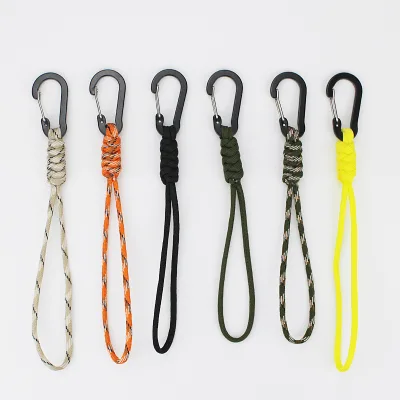
Outdoor Camping Wrist Braided Rope String Strap Promotion Key Chain with Hook
$0.30 - $0.36
MOQ: 1000 Pieces

Short Lanyard, Custom Logo Keychain Strap, Carabiner Keychain Lanyard, Letters Lanyard for Keychain
$0.15 - $0.18
MOQ: 1000 Pieces

Fuzhou Whole Line Trading Co., Ltd.
- Verified by BV
- Trading Company,Manufacturer/Factory
- China Fujian
- Lead time23 days
- Avg. response≤ 7h
Main productsCustomized Products, Lanyard Short Strap, Lanyard, Bandana, Pen, Bags, T-Shirt, Pillow Case, Socks, Promotional Gifts
Main marketsSouth America,Eastern Europe,Mid East,North America,Southeast Asia,Eastern Asia,Oceania,Western Europe,Africa

$0.26 - $0.42
MOQ: 100 Pieces

Customized Personalized PU Leather Carabiner Keychain for Leather Key Chains
$0.40 - $0.55
MOQ: 500 Pieces
Sanming City Hanhe Handicrafts Co., Ltd.
- Verified by TüVRheinland
- Manufacturer, Trading Company
- Lead time12 days
- Avg. response≤ 3h
Main productsParacord Dog Collar And Leash, Paracord Phone Strap, Paracord Bracelet, Paracord Bottle Strap, Paracord Ducked Lanyard
Main marketsNorth America(35%), Domestic Market(20%), South America(14%)
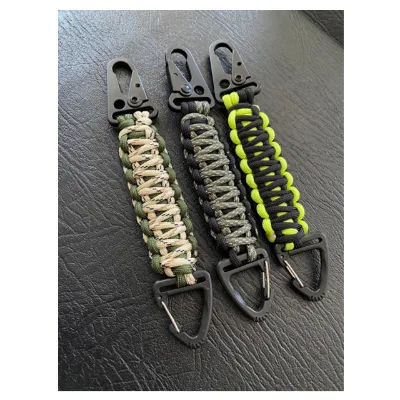

$3.0055 - $3.9379
MOQ: 100 pieces


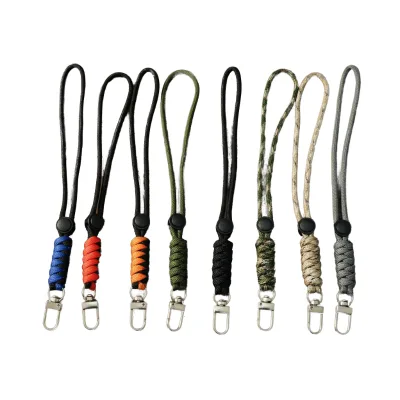
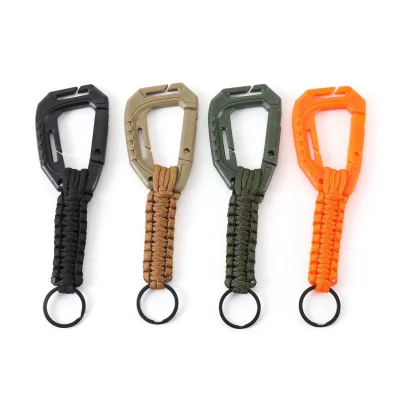
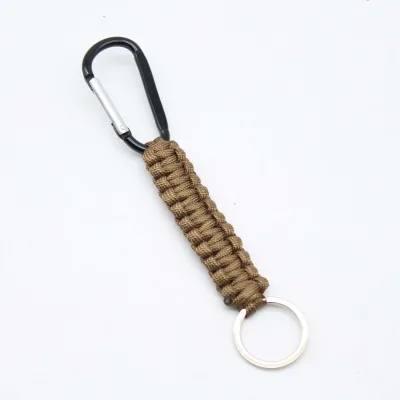
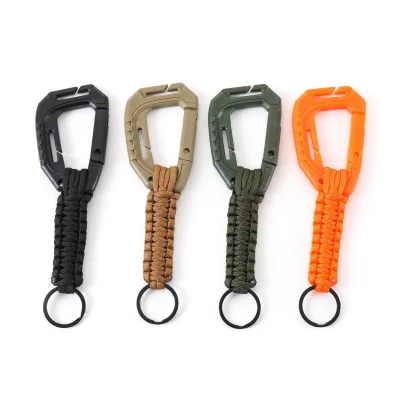




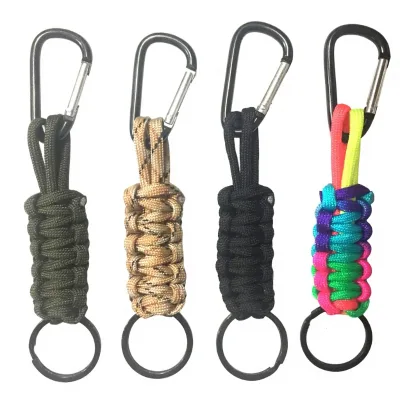
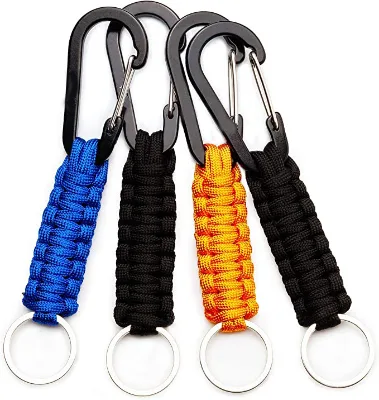
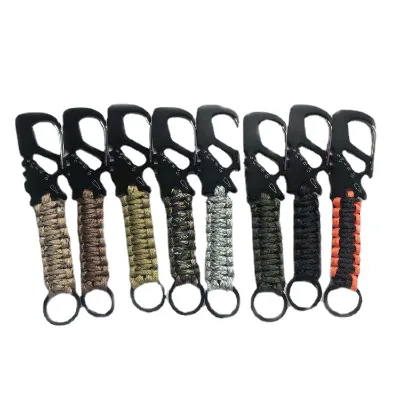
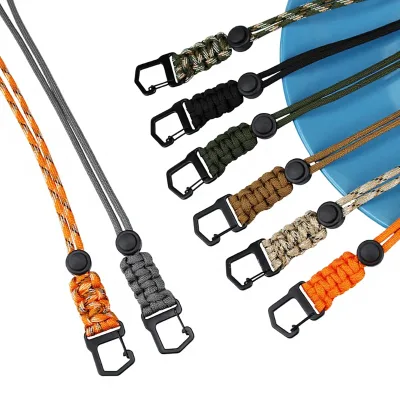
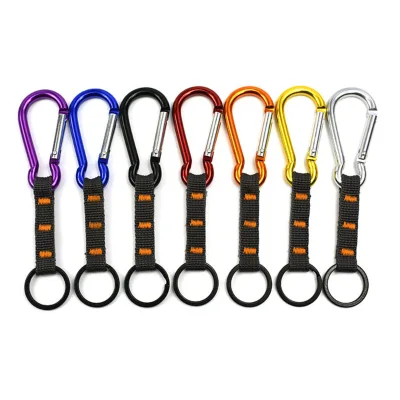
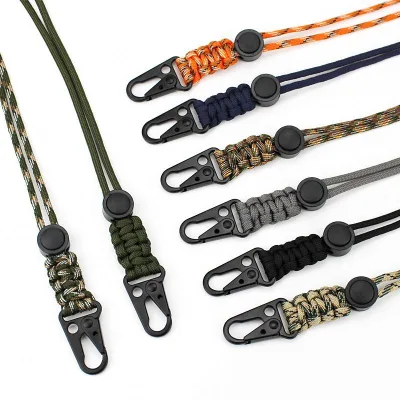


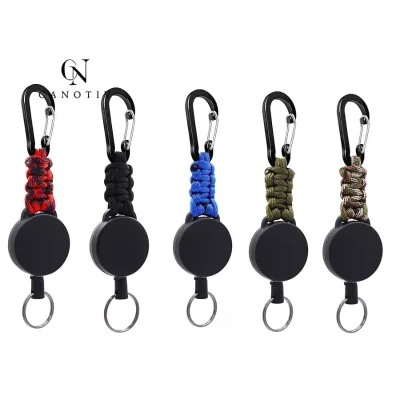
Comprehensive Sourcing Guide
Tactical Carabiner Paracord Rope Keychain Supplier Concentration and Factory Types
The sourcing landscape for tactical carabiner paracord rope keychains reveals distinct manufacturing clusters primarily located in Zhejiang and Guangdong provinces within China. Suppliers in Zhejiang often operate as trading companies, leveraging established local supply chains to offer a diverse range of camping and hiking accessories. These entities typically manage products such as tent stakes, paracord bracelets, and folding stools alongside keychains, indicating a broad portfolio approach rather than specialized single-product focus. In contrast, suppliers in Guangdong may present themselves as both manufacturers and trading companies, potentially offering more direct control over the production of specific tactical items like ferro rod fire starters and duck calls. This structural difference suggests that buyers might find varying degrees of customization flexibility and production transparency depending on the regional origin of the supplier. Understanding these geographic and operational distinctions is crucial for aligning procurement strategies with specific business needs, whether prioritizing volume efficiency or specialized tactical features.
Identifying the correct factory type requires careful examination of the supplier’s declared company type and main product listings. Trading companies often provide a wider variety of complementary items, which can simplify logistics for buyers seeking bundled orders, but they may add a layer of margin to the final price. Manufacturer-led operations, particularly those in Guangdong, might offer more competitive pricing on core items due to reduced intermediary costs, though their product ranges may be narrower. Buyers should verify if the supplier’s primary focus aligns with the tactical nature of the keychain, as some entities may treat these items as secondary offerings within a broader outdoor gear catalog. This distinction impacts not only pricing but also the depth of technical knowledge available regarding material specifications and durability standards. Evaluating the supplier’s operational model helps in predicting their capacity to handle large orders and their ability to provide consistent quality control across production batches.
How to Verify Tactical Carabiner Paracord Rope Keychain Suppliers
Verification begins with assessing the supplier’s responsiveness and communication efficiency, which serves as a proxy for their operational reliability. Suppliers with faster response times, such as those indicating a two-hour response window, often demonstrate a more agile customer service structure capable of addressing urgent inquiries or custom requests promptly. Conversely, slower response times may indicate a larger, less personalized operation or potential bottlenecks in communication channels. Buyers should initiate contact with multiple suppliers to gauge the quality and speed of their replies, paying attention to whether the responses are generic or tailored to specific product inquiries. This initial interaction can reveal much about the supplier’s professionalism and their willingness to engage in detailed technical discussions regarding material composition, such as the use of paracord lanyards and alloy metal hooks. Consistent and clear communication is a strong indicator of a supplier’s ability to manage complex orders and resolve issues effectively.
Further verification involves scrutinizing the detailed product attributes and specifications provided in the supplier’s listings. Buyers should look for comprehensive information regarding material composition, such as the specific type of rope and metal used in the carabiner, as well as precise dimensions and weight specifications. For instance, some products may specify a paracord lanyard combined with an alloy metal hook, while others might use a stainless steel key ring with a 2mm rope. These details are critical for ensuring the product meets the required durability and aesthetic standards for tactical applications. Additionally, checking for consistent branding and model numbers across different product listings can help identify established suppliers with a coherent product line. Buyers should also verify the place of origin and any available certifications or standards, although specific certification details may not always be explicitly listed. Cross-referencing these details with industry expectations helps in filtering out suppliers who may lack the necessary technical expertise or quality control measures.
What to Compare Across Tactical Carabiner Paracord Rope Keychain Suppliers
When evaluating potential suppliers, comparing minimum order quantities (MOQ) is essential for aligning with inventory and cash flow constraints. Some suppliers may require a high MOQ, such as 1000 pieces, which suits large-scale distributors but may be prohibitive for smaller buyers or those testing new markets. In contrast, other suppliers might offer a significantly lower MOQ, such as just two pieces, providing greater flexibility for sampling or small-batch production. This variance in MOQ requirements directly impacts the initial investment and risk associated with sourcing these items. Buyers should also consider the sample time, which can range from three to seven days, affecting the speed at which they can validate product quality before committing to a larger order. Understanding these thresholds helps in selecting suppliers that match the buyer’s operational scale and risk tolerance, ensuring a smoother procurement process from initial inquiry to final delivery.
Price comparison must be conducted alongside an analysis of lead times and payment terms to get a complete picture of the total cost of ownership. While some suppliers may offer lower unit prices, they might have longer lead times, such as 25 days, which could impact inventory turnover and customer satisfaction. Other suppliers might provide faster lead times, such as 10 or 15 days, potentially justifying a slightly higher price point due to expedited production capabilities. Buyers should also examine the payment terms, such as T/T, to understand the financial obligations and risks involved in the transaction. Additionally, comparing the single package size and weight can provide insights into shipping costs and storage requirements, which are often overlooked but significant factors in overall profitability. By synthesizing these variables, buyers can make informed decisions that balance cost, speed, and flexibility, ensuring they select suppliers that offer the best value proposition for their specific business needs.
Common Tactical Carabiner Paracord Rope Keychain Sourcing Risks
One significant risk in sourcing tactical keychains is the potential inconsistency in material quality and durability, which can lead to product failures in the field. Buyers must be vigilant about verifying the specific materials used, such as the grade of steel in the carabiner or the tensile strength of the paracord, as these factors directly impact the product’s performance. Some suppliers may list generic terms like "alloy metal hook" without specifying the exact alloy, leaving room for variability in quality. This lack of specificity can result in receiving products that do not meet the expected standards for tactical use, leading to customer dissatisfaction and potential returns. To mitigate this risk, buyers should request detailed material specifications and, if possible, conduct independent testing or third-party inspections to verify the quality claims. Establishing clear quality benchmarks in the purchase agreement can also provide recourse in case the delivered goods do not meet the agreed-upon standards.
Another risk involves the reliability of delivery timelines and the supplier’s ability to handle order fluctuations. Suppliers with longer lead times or those operating as trading companies may face delays due to supply chain disruptions or capacity constraints. Buyers should assess the supplier’s historical performance and communication patterns to gauge their reliability in meeting delivery commitments. Additionally, there is a risk of intellectual property infringement if the supplier uses copyrighted designs or branding without authorization. Buyers should ensure that the products they source are original or properly licensed to avoid legal complications. Furthermore, relying on a single supplier for a critical component can create vulnerability if that supplier encounters production issues. Diversifying the supplier base and maintaining open communication channels can help mitigate these risks, ensuring a more resilient supply chain that can adapt to changing market conditions and operational challenges.
Tactical Carabiner Paracord Rope Keychain Regional Sourcing and Logistics
Sourcing from different regions in China offers distinct logistical advantages and challenges that buyers must consider. Suppliers located in Zhejiang often benefit from established infrastructure and a concentration of related industries, which can facilitate efficient production and shipping processes. This region’s focus on camping and hiking accessories suggests a mature ecosystem for sourcing complementary items, potentially simplifying logistics for buyers seeking a comprehensive product range. However, buyers should also consider the proximity to major ports and transportation hubs, as this can impact shipping costs and transit times. Understanding the regional logistics landscape helps in planning inventory levels and delivery schedules, ensuring that products reach the market in a timely manner. Additionally, regional specialization may influence the availability of certain materials or components, affecting the overall cost and feasibility of production.
In contrast, suppliers in Guangdong may offer different logistical benefits, particularly for buyers prioritizing speed and direct manufacturing capabilities. The region’s reputation for rapid production cycles and flexible manufacturing can be advantageous for orders requiring quick turnaround times. Buyers should evaluate the supplier’s logistics partners and shipping options to ensure that the chosen method aligns with their delivery requirements and budget constraints. Additionally, considering the environmental and regulatory differences between regions can impact compliance and sustainability efforts. Buyers should also assess the supplier’s ability to handle international shipping documentation and customs clearance, as these processes can introduce delays if not managed efficiently. By carefully evaluating the logistical implications of sourcing from different regions, buyers can optimize their supply chain for cost, speed, and reliability, ensuring a seamless procurement experience.
Tactical Carabiner Paracord Rope Keychain Commercial Terms and Order Planning
Effective order planning requires a thorough understanding of the commercial terms offered by suppliers, including pricing structures and payment conditions. Buyers should negotiate clear pricing tiers based on order volume, ensuring that the cost per unit decreases as the order size increases. This approach can help maximize profitability and provide flexibility in managing inventory levels. Additionally, understanding the payment terms, such as the requirement for T/T, is crucial for cash flow management and risk mitigation. Buyers should also clarify any additional costs, such as mold fees or sample charges, to avoid unexpected expenses. Establishing a transparent pricing agreement helps in building a strong relationship with the supplier and ensures that both parties have a clear understanding of the financial obligations involved in the transaction.
Beyond pricing, buyers should focus on establishing robust quality assurance protocols and after-sales support mechanisms. This includes defining clear criteria for product acceptance and rejection, as well as outlining the procedures for handling defective goods or returns. Buyers should also consider the supplier’s willingness to provide ongoing support, such as technical assistance or product updates, which can be valuable for long-term partnerships. Additionally, planning for potential supply chain disruptions by identifying alternative suppliers or maintaining safety stock can help mitigate risks. By integrating these commercial and operational considerations into their sourcing strategy, buyers can create a resilient and efficient procurement process that supports their business goals and ensures consistent product quality. This holistic approach to order planning helps in building a sustainable supply chain that can adapt to changing market dynamics and customer demands.
FAQs
Where are tactical carabiner paracord rope keychains manufactured?
These items are primarily manufactured in Zhejiang and Guangdong provinces in China. Some suppliers also operate from Anhui. Buyers should verify the specific place of origin listed on each product page before placing an order to ensure the location matches their requirements.
What is the typical lead time for these keychains?
Lead times vary by supplier, ranging from 10 to 25 days for standard orders. Some manufacturers offer faster delivery within 10 days, while others may require up to 25 days. Buyers must check the specific delivery time listed for their selected product to plan their inventory accordingly.
What is the minimum order quantity for these products?
Minimum order quantities differ significantly between suppliers. Some manufacturers accept orders as low as two pieces, while others require a minimum of 1000 pieces. Buyers should review the specific MOQ listed on the product page to determine if it fits their purchasing volume.
How quickly do suppliers typically respond to inquiries?
Response times for these suppliers generally range from 2 to 8 hours. Faster response times are often associated with trading companies, while manufacturers may take slightly longer. Buyers should expect a reply within this window but should verify the current status on the supplier profile.
What materials are used for these tactical keychains?
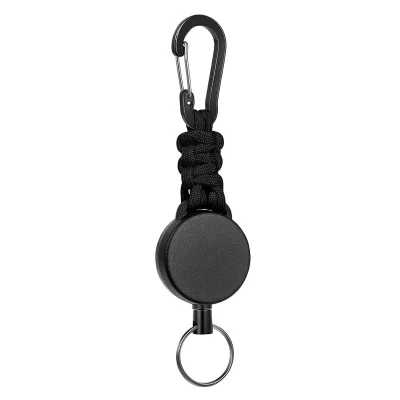
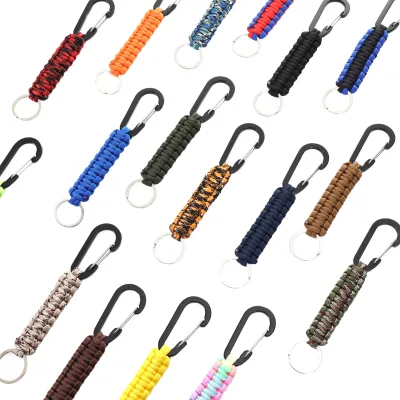
Common materials include paracord lanyards, stainless steel carabiners, and alloy metal hooks. Some products also feature bottle openers or compasses integrated into the design. Buyers should check the specific material attributes listed for each item to ensure durability and functionality meet their needs.
What is the price range for these keychains?
Prices typically range from 0.32 to 1.50 US dollars per unit depending on the model and quantity. Specific listings show prices between 0.40 and 0.65 dollars for standard versions. Buyers should compare the price minimum and maximum values provided on individual product pages for accurate budgeting.
Are these keychains suitable for camping and hiking?
Yes, these items are explicitly designed for camping, hiking, and outdoor survival activities. Many listings categorize them under sports and entertainment accessories. Buyers can confirm suitability by checking the application field, which often lists camping, travel, or hunting as primary use cases.