Source CE EU Power Conversion Plug for Home, Office, Travel
Find 30 CE EU Power Conversion Plug options from verified suppliers. Compare specifications like voltage, current, and certifications to select the right adapter for residential, commercial, or travel applications; compare the available evidence and request quotations based on your requirements.
Updated
Key considerations
Products List


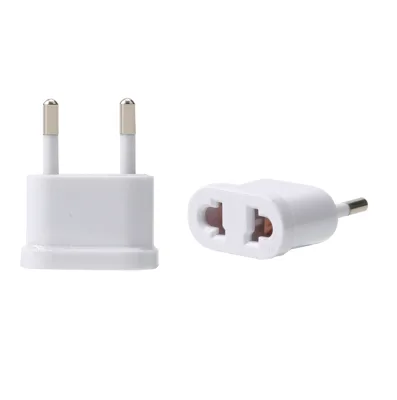
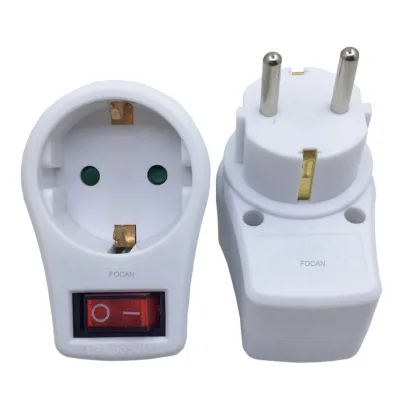
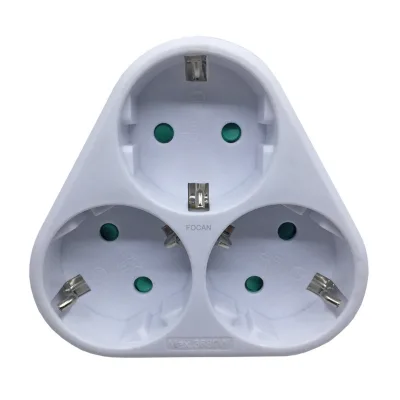
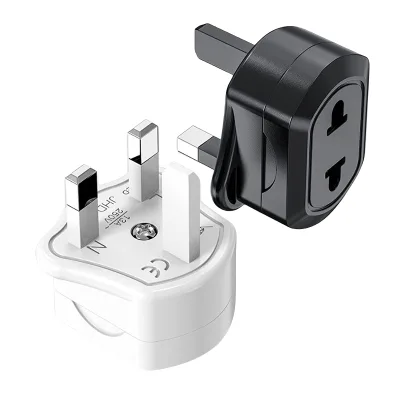
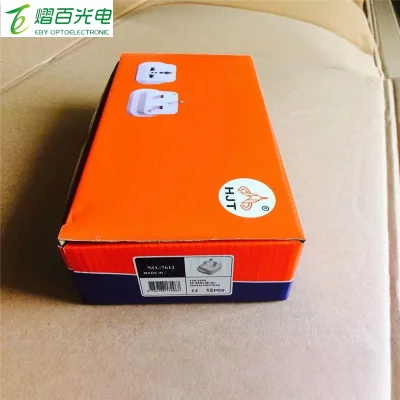
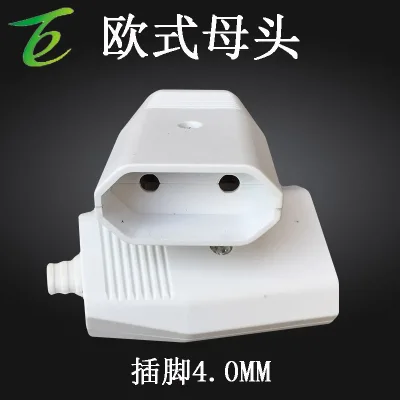
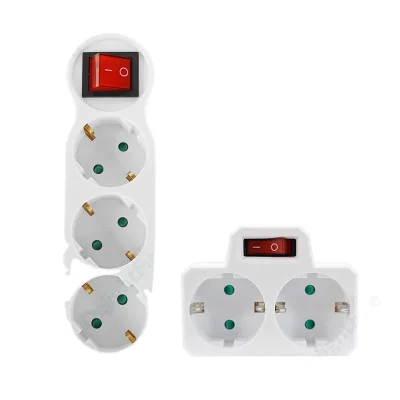
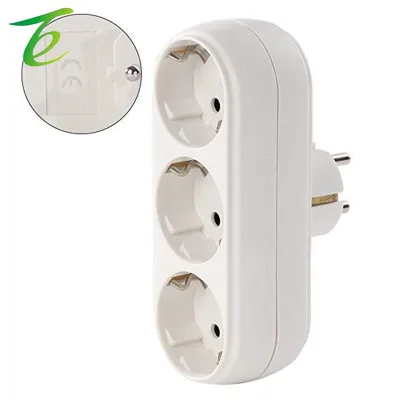
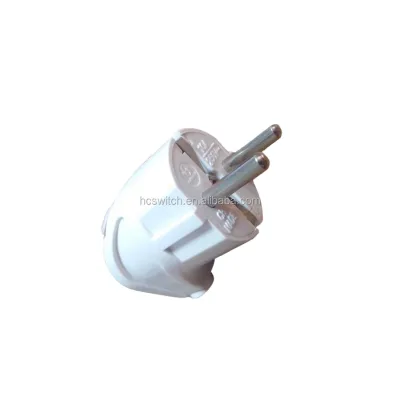
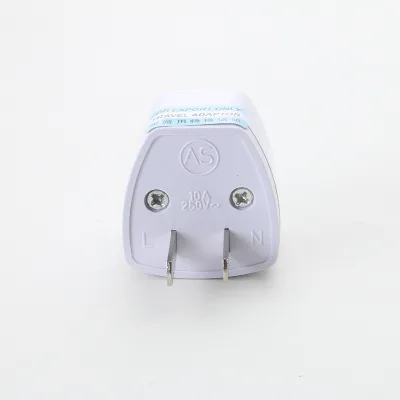
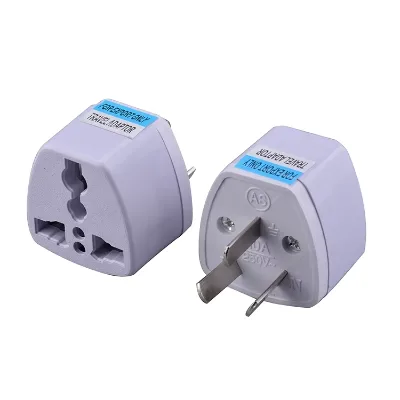
Travel Power AC Adapter EU Type Multi-Functional Conversion Plug Socket Universal
$0.24 - $0.30
MOQ: 1000 Pieces




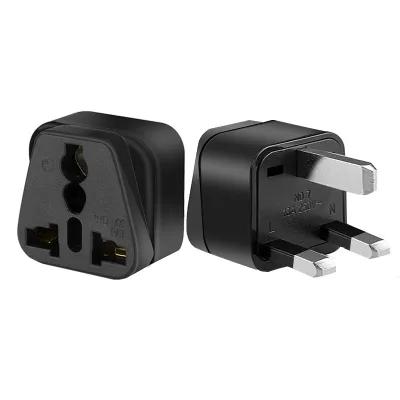
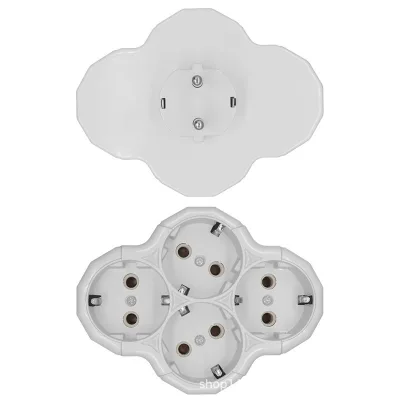
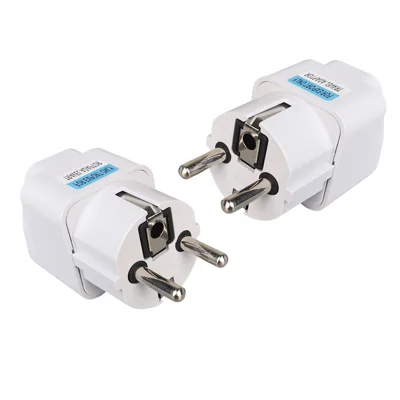
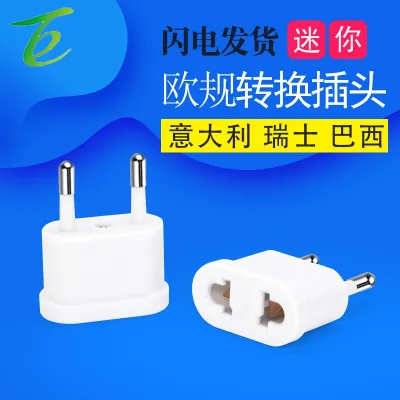




Comprehensive Sourcing Guide
CE EU Power Conversion Plug Sourcing Guide
Sourcing CE-certified EU power conversion plugs requires a disciplined approach to verifying electrical safety and regional compliance. Buyers must distinguish between simple travel adapters and permanent installation components, as the regulatory burden differs significantly. The core keyword highlights the intersection of European Union market access and physical plug geometry, necessitating a focus on products that meet EN 60884-2 standards for household and similar purposes. Procurement teams should prioritize suppliers who provide transparent documentation regarding the specific certification scope, ensuring the CE mark is not merely decorative but backed by valid technical files.
This guide focuses on evidence-based verification steps for buyers evaluating potential suppliers in the Chinese manufacturing hub. Observed market data indicates a wide variance in material quality and electrical ratings, ranging from basic ABS plastic to robust PP+Brass constructions. Buyers must navigate this landscape by demanding specific test reports and material certifications rather than relying on generic product descriptions. The following sections outline the critical technical, commercial, and quality control parameters that define a reliable sourcing strategy for these essential electrical components.
Product Scope and Observed Listing Signals
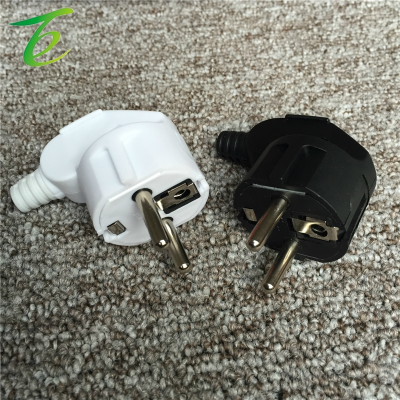
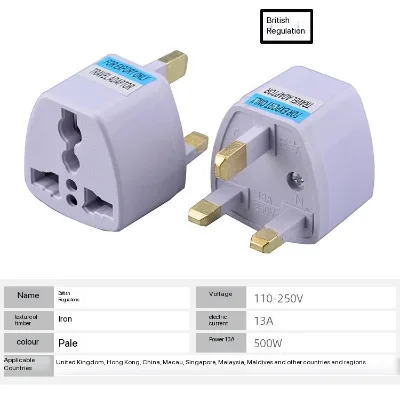
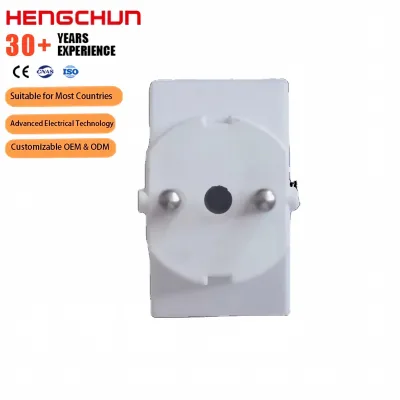
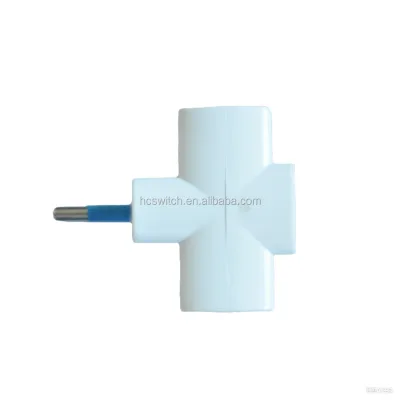
The observed product landscape includes multifunctional extension sockets, charger plugs, and dedicated conversion adapters, all sharing a common EU interface requirement. Listings frequently cite materials such as PP and ABS, with some premium options incorporating brass contacts for enhanced conductivity and durability. Buyers should note that while many products claim multifunctionality, the physical form factor often dictates the application, with some units designed for indoor residential use and others for general-purpose power distribution. The presence of USB ports in some models adds complexity, requiring separate verification of the internal DC-DC conversion circuitry’s safety compliance.
Observed specifications reveal a broad range of electrical ratings, with common values including 10A, 16A, and voltages up to 250V. Some listings specify higher power capacities, such as 4000W, which necessitates careful assessment of the thermal management and contact resistance in the design. The IP rating of IP18 mentioned in some contexts suggests a high level of dust and water protection, though buyers must verify if this applies to the entire unit or just specific components. Understanding these signal variations is crucial for matching the product to the end-user’s specific environmental and electrical demands, avoiding mismatches that could lead to field failures.
Technical Specifications to Verify
Verifying the electrical parameters is the first step in technical due diligence. Buyers must confirm the rated current and voltage match the target market’s infrastructure, typically 16A at 250V for heavy-duty EU applications. The interface type, whether AC/DC or pure AC, determines the internal architecture and safety requirements. For products claiming high power outputs, such as 3680W or 4000W, the wire gauge and contact material thickness must be scrutinized to prevent overheating. The dimension specifications, such as L141.5W51.5h77.5mm, help assess physical compatibility with existing socket layouts and enclosure designs, ensuring the product fits the intended installation space without modification.
Material composition and grounding integrity are equally critical for long-term reliability. The use of PP+Brass or ABS plastics affects flame retardancy and mechanical strength, requiring verification against relevant flammability standards. Grounding must be standard and robust, ensuring a low-resistance path to earth in case of fault conditions. Buyers should also check the plug type consistency, ensuring it strictly adheres to EU standards to prevent loose connections or arcing. The service environment, typically indoor, imposes specific thermal and humidity constraints that the material selection must withstand over the product’s expected lifespan.
Compliance and Safety Documentation
Compliance with CE marking is non-negotiable for selling in the European Economic Area. Buyers must request the Declaration of Conformity and verify that it references the correct harmonized standards, such as EN 60884-2 for plugs and socket-outlets. The presence of RoHS certification indicates compliance with restrictions on hazardous substances, which is increasingly important for environmental regulations and market access. However, the CE mark alone is insufficient; buyers should demand evidence of testing from a recognized Notified Body or accredited laboratory, particularly for products involving USB charging or high-current capabilities.
Additional certifications like CB, SAA, and 3C suggest a broader compliance posture, potentially facilitating entry into other markets. Buyers should verify the scope of these certifications to ensure they cover the specific model and configuration being procured. The standard grounding requirement must be explicitly documented in the technical file. It is essential to confirm that the manufacturer maintains a valid technical construction file that supports all declared claims, including electrical strength, dielectric properties, and mechanical durability, as these are subject to random market surveillance checks by EU authorities.
Cost Drivers and Commercial Terms
Cost structures for EU power conversion plugs are influenced by material choices, certification depth, and order volume. Products utilizing brass contacts and high-grade flame-retardant plastics command higher prices due to raw material costs and processing complexity. The inclusion of additional features, such as multiple USB ports or smart charging capabilities, adds to the bill of materials and engineering costs. Buyers should analyze the price range of 0.09 to 800 USD to understand the spectrum from basic adapters to complex multifunctional units, aligning their budget with the required feature set and quality level.
Commercial terms, including MOQ and lead times, vary significantly among suppliers. Observed MOQs range from 1 to 1000 units, offering flexibility for small-scale procurement but potentially higher per-unit costs for low volumes. Buyers should negotiate clear terms regarding packaging, with options like carton or double blister packing affecting logistics efficiency and product protection. Warranty periods, typically around two years, provide a baseline for quality assurance, but buyers should clarify the claims process and replacement policies. Understanding these commercial dynamics helps in forecasting total landed costs and managing inventory risk effectively.
Supplier Qualification and Quality Control
Supplier qualification begins with verifying their manufacturing capabilities and quality management systems. Buyers should prioritize suppliers located in established industrial regions like Zhejiang and Guangdong, which have mature supply chains for electrical components. Requesting factory audits or third-party inspection reports can provide insights into production line controls, testing equipment, and worker training. The brand name, such as Merkan or Wellsdiy, may indicate established market presence, but buyers must verify the actual manufacturer behind the brand to ensure accountability and support.
Quality control protocols must be explicitly defined in the purchase agreement. Buyers should insist on pre-shipment inspections that include electrical safety tests, mechanical durability checks, and visual inspections for defects. The product weight, such as 0.01 kg for some items, can serve as a quick check for material consistency and component completeness. Establishing clear acceptance criteria for defects and non-conformities is essential. Buyers should also verify the supplier’s ability to provide traceability for raw materials, ensuring that all components meet the specified standards and certifications throughout the production process.
Long-Term Procurement Checks
Long-term success depends on continuous monitoring of product performance and regulatory changes. Buyers should implement a feedback loop from end-users to identify any field failures or safety concerns early. Regular re-verification of certification status is crucial, as standards and regulations evolve over time. Suppliers must be required to notify buyers of any changes in materials, components, or manufacturing processes that could affect compliance or performance. This proactive approach helps maintain product integrity and market access in the face of shifting regulatory landscapes.
Building a resilient supply chain involves diversifying suppliers and maintaining strong relationships with key partners. Buyers should periodically review supplier performance metrics, including on-time delivery, defect rates, and responsiveness to issues. Engaging in joint quality improvement initiatives can enhance product reliability and reduce costs over time. By staying informed about industry trends and technological advancements, buyers can make informed decisions about product upgrades or replacements. This strategic approach ensures that the procurement of CE EU power conversion plugs remains aligned with business objectives and customer expectations.
FAQs
What certifications are available for ce eu power conversion plugs?
Available certifications include RoHS, CE, CB, SAA, and 3C. These ensure compliance with international safety and environmental standards. Buyers can select products based on specific regional requirements. The listed items demonstrate that multiple certification levels are accessible for different export destinations and market regulations.
Can I customize the CE EU Power Conversion Plug design?
Yes, customization is available for these products. Buyers can request specific modifications to meet unique requirements. The product attributes indicate that customized options are supported. This allows for tailored solutions that align with specific brand identities or functional needs in the target market.
What is the typical MOQ for ce eu power conversion plugs?
The observed MOQ range is 1 to 1000 units. This flexibility supports both small trial orders and larger bulk purchases. Buyers can negotiate quantities based on their inventory needs. The low minimum order quantity facilitates easier entry for new buyers testing the product in their local markets.
Which materials are used in ce eu power conversion plugs?
Common materials include PP, PP+Brass, and ABS. These materials provide durability and electrical safety. The choice of material affects the plug's longevity and performance. Buyers should consider the specific application environment when selecting the appropriate material composition for their power conversion needs.
Where are these ce eu power conversion plugs manufactured?
Products originate from Zhejiang and Guangdong in China. These regions are known for manufacturing electronics and electrical components. Buyers can filter suppliers by these specific locations. The origin information helps in assessing logistics costs and supply chain reliability for international shipments.
What is the warranty period for ce eu power conversion plugs?
A 2-year warranty is offered on some products. This provides assurance regarding product quality and durability. Buyers should verify warranty terms with specific suppliers. The warranty period indicates the manufacturer's confidence in the product's performance and longevity under normal usage conditions.