Casual Worsted Dress Pants Suppliers and Manufacturers
Source Casual Worsted Dress Pants from 29 verified suppliers. Compare response times, lead times, and MOQs to find the right partner. Review product attributes and pricing to streamline your procurement process; review the available evidence before requesting comparable quotations from suitable candidates.
Updated
Suppliers List

- Verified by CTI
- Trading Company
- China Anhui
- Lead time23 days
- Avg. response≤ 2h
Main productsFurniture, Home Furniture
Main marketsSoutheast Asia/ Mideast
Henan Songzhi Import And Export Co., Ltd.
- Trading Company
- Henan, China
- Lead time12 days
- Avg. response≤ 3h
Main productsSexy lingerie,sexy sleepwear,women underwear/panty,pajamas& Loungewear,Women Bra Set
Main marketsNorth America(23.00%), South America(21.00%), Eastern Europe(11.00%), Southeast Asia(10.00%), Africa(6.00%), Oceania(5.00%), Domestic Market(3.00%), South Asia(3.00%), Southern Europe(3.00%), Northern Europe(3.00%), Central America(3.00%), Western Europe(3.00%), Eastern Asia(3.00%), Mid East(3.00%)
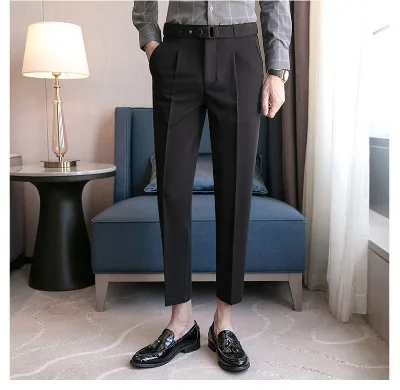
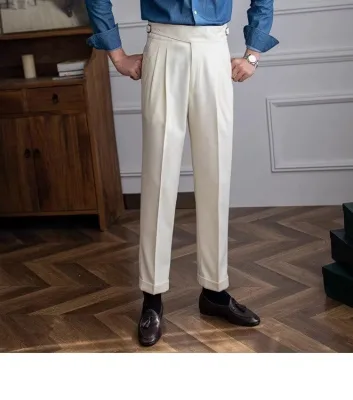
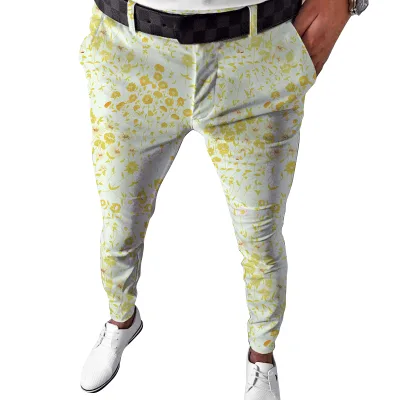
High Quality Men's Dress Pants High Waisted Slim-fit Stylish Men's Dress Pants
$8.80 - $10.78
MOQ: 3 sets
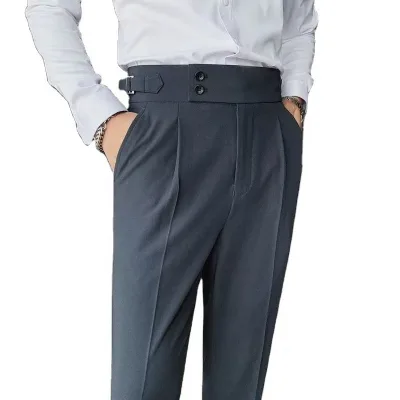
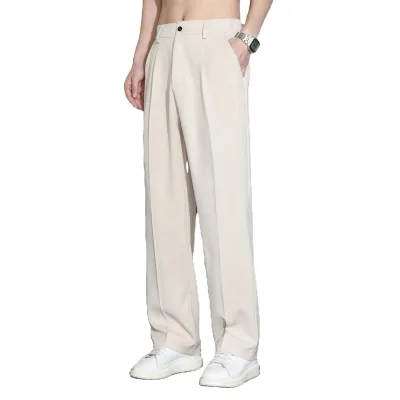
2024 Men's New Dress Pants Men's Spring Pants Thin Straight Slacks Men's Pants
$13.4775 - $15.6751
MOQ: 2 pieces
Qingdao Cheng Pin Tong Trading Co., Ltd.
- Verified by SGS Group
- Trading Company
- Lead time30 days
- Avg. response≤ 2h
Main productsShirts/Trousers/Cargo Pants/Jogger Pants/T-shirts/Hoodies
Main marketsNorth America(47%), Africa(11%), Western Europe(11%)
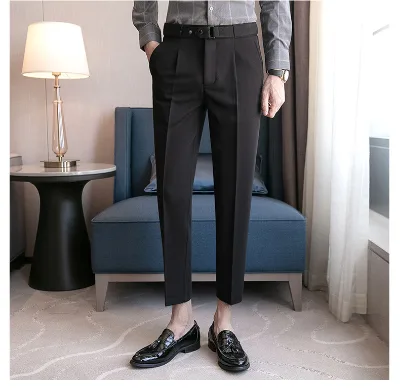
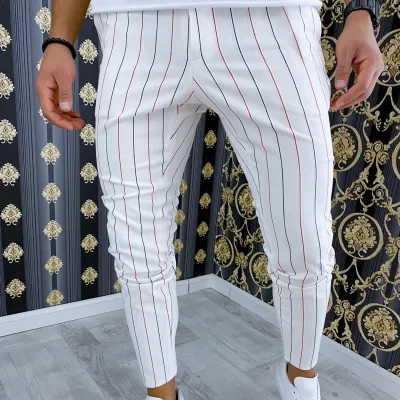
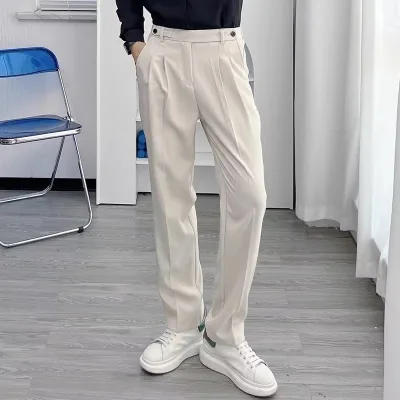
Men's Slim Feet Nine-point Dress Pants
$6.93 - $12.60
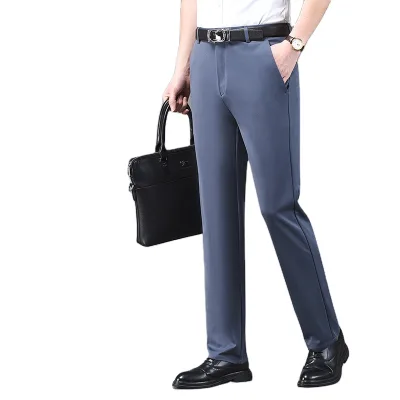
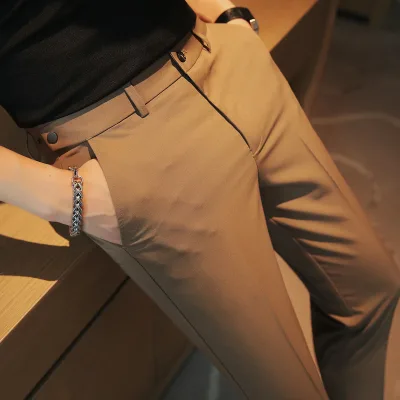
Xiamen Hualecai Clothing Co., Ltd.
- Manufacturer, Trading Company, Distributor/Wholesaler
- Fujian, China
- Lead time5 days
- Avg. response≤ 6h
Main productsfashion clothing,women's clothing,swimsuit,Yoga Wear,shoes
Main marketsNorth America(95.00%), Western Europe(2.00%), Africa(2.00%), Southern Europe(1.00%)
Bengbu Red Hat E-Commerce Co., Ltd.
- Manufacturer, Trading Company
- Anhui, China
- Lead time0 days
- Avg. response≤ 4h
Main productsMen's Shirts, T Shirts, Hoodies, Coats, Polo Shirts
Main marketsDomestic Market(80.00%), North America(10.00%), Western Europe(5.00%), Africa(3.00%), South Asia(2.00%), Eastern Asia(0.00%), South America(0.00%), Oceania(0.00%), Southern Europe(0.00%), Central America(0.00%), Northern Europe(0.00%), Eastern Europe(0.00%), Mid East(0.00%), Southeast Asia(0.00%)

Ningbo East Packaging Technology Co., Ltd.
- Verified by BV
- Trading Company
- China Zhejiang
- Lead time23 days
- Avg. response≤ 3h
Main productsDisposable Gloves, Nitrile Gloves, Vinyl Gloves, Latex Gloves, Food Packaging, Disposable Tableware, PPE Products, Packaging & Labels, Flashlights, General Consumer Products
Main marketsDomestic

Ningbo Z & H Foreign Trade Co., Ltd.
- Trading Company
- China Zhejiang
- Lead time45 days
- Avg. response≤ 21h
Main productsGarment T Shirt Hoody Polo Fashion Cloth
Main marketsSouth America,Africa,Southeast Asia/ Mideast,East Asia(Japan/ South Korea),Europe,Australia,North America

Power Ascent (Xiamen) International Ltd.
- Verified by BV
- Trading Company,Manufacturer/Factory
- China Fujian
- Lead time90 days
- Avg. response≤ 25h
Main productsMen's Suit, Business Suit, Shirt, Trousers, Casual Jacket, Ski Wears, Softshell Jacket, Function Garments, Office Uniform, Worker Uniform
Main marketsSouth America,Eastern Europe,Mid East,North America,Oceania,Western Europe

- Verified by CTI
- Manufacturer/Factory
- China Hebei
- Lead time0 days
- Avg. response≤ 19h
Main productsWork Clothes, Men's Clothes, Women's Clothes, Children's Clothes, Ski Suit, High Visibility Workwear Jacket, Winter Jacket, Beach Pants, High Visibility Workwear Pants, Fashion Shirt

Shijiazhuang Zhongxuan Trading Co., Ltd.
- Verified by SGS
- Manufacturer/Factory
- China Hebei
- Lead time15 days
- Avg. response≤ 15h
Main productsHandbag, Shoes, Clothes, Scarf, Cap, Bag, Shoulder Bag, Luggage, Jewelry, Ring
Main marketsSouth America,Eastern Europe,North America,Africa

$20.60 - $55.00
MOQ: 10 Pieces

Hengshui Liou Import And Export Trade Co., Ltd.
- Verified by SGS Group
- Trading Company
- Lead time15 days
- Avg. response≤ 3h
Main productsClothing, Camping Cart, Wallet and bags, Watch, Sport Brace
Main marketsNorth America(50%), South America(10%), Oceania(10%)
HEFEI FLOURISH GARMENT CO.,LTD
- Trading Company
- anhui, China
- Lead time0 days
- Avg. response≤ 8h
Main productsWomen's Clothing
Main marketsSouth Asia(20.00%), North America(20.00%), Western Europe(15.00%), Africa(10.00%), Eastern Europe(10.00%), South America(5.00%), Oceania(5.00%), Eastern Asia(5.00%), Mid East(5.00%), Southeast Asia(5.00%)
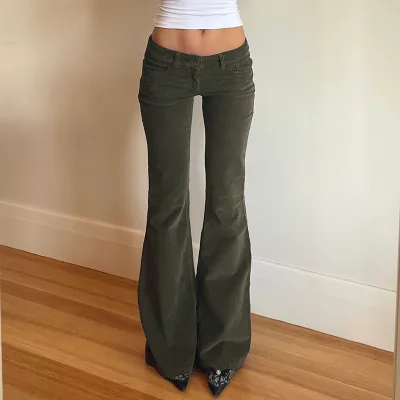
FS15348D Women Autumn Solid Colors Casual Pants
$5.60 - $7.40
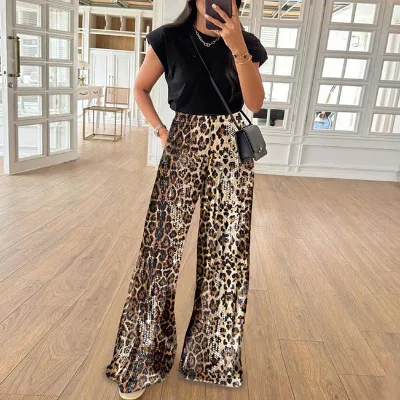
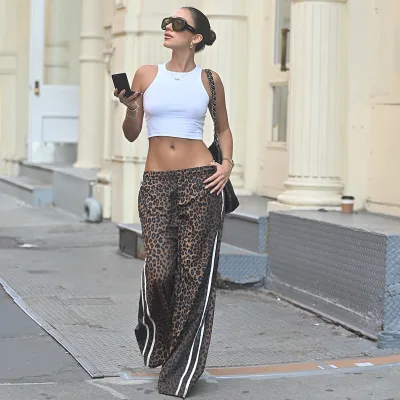
FS15943D Women Leopard Print High Waisted Wide Leg Pants
$10.50 - $12.30
Xinxiang Lechen Department Store Co., Ltd.
- Trading Company
- Hennan, China
- Lead time35 days
- Avg. response≤ 3h
Main productsClothing and apparel,Shoes,bags and suitcases,toy,cap
Main marketsSouth Asia(10.00%), Southern Europe(10.00%), Northern Europe(10.00%), Central America(10.00%), Western Europe(10.00%), Africa(10.00%), Southeast Asia(10.00%), Eastern Europe(10.00%), South America(10.00%), North America(10.00%)

- Trading Company
- China Guangdong
- Lead time15 days
- Avg. response≤ 4h
Main productsDress, Jeans, Sweater, Yoga Suit, Pants, Outwear, Jacket, T-Shirt, Sports Wear, Shirt
Main marketsSouth America,Southeast Asia/ Mideast,Europe,North America

shanghai jspeed industry co.,ltd
- Trading Company
- China Shanghai
- Lead time60 days
- Avg. response≤ 5h
Main productsSwimwear, Underwear, Sportswear, Socks, Dress, Skirt, Pants, Shorts, Textile
Main marketsSouth America,Southeast Asia/ Mideast,Domestic,Europe,Australia,North America

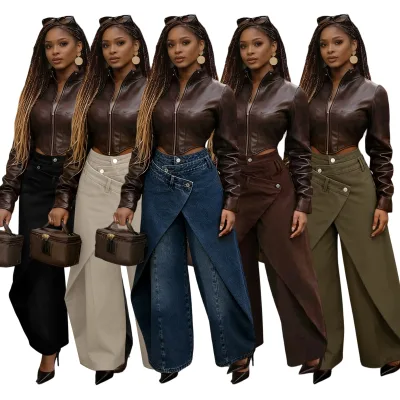
Solid Slant Pocket Belted Pant Women Trousers High Waist Casual Wide Leg Pants
$9.90 - $16.40
MOQ: 100 Pieces


Guangzhou Yinimei Trading Firm
- Trading Company
- China Guangdong
- Lead time30 days
- Avg. response≤ 2h
Main productsApparel & Accessories, Men's Wear, Children's Clothing, Ladies' Clothing, Shoes, Children's Toys, "Bag", Hair
Main marketsSouth America,Eastern Europe,Mid East,North America,Southeast Asia,Eastern Asia,Oceania,Western Europe,Africa
Shaoxing Boxi Clothing Co., Ltd.
- Trading Company
- Zhejiang, China
- Lead time0 days
- Avg. response≤ 3h
Main productsclothing,Fabric
Main marketsNorth America(20.00%), Mid East(15.00%), South America(15.00%), Northern Europe(10.00%)

GUANGZHOU SICHEM GARMENT CO., LTD
- Verified by BV
- Trading Company,Manufacturer/Factory
- China Guangdong
- Lead time45 days
- Avg. response≤ 15h
Main productsWomen Clothing, Children Clothing, Skirt, Dress, T Shirt, Pants, Blouse, Coat, Jumpsuit, Shirt
Main marketsEastern Europe,North America,Oceania,Western Europe

Vintage Office Breasted High Waist Casual Slim Pleated Ladies Straight Pants
$8.80 - $10.60
MOQ: 150 piece


Elegant Black Casual Loose Suit Pants with Special Pocket and Press Design
$8.20 - $9.80
MOQ: 150 piece

Guangzhou Jenny Textile Co., Ltd.
- Manufacturer, Trading Company
- Guangdong, China
- Lead time20 days
- Avg. response≤ 2h
Main productstracksuits,t shirts,pants,jackets,hoodies
Main marketsNorth America(30.00%), Western Europe(13.00%), Oceania(10.00%), Mid East(10.00%), Southeast Asia(8.00%), Africa(8.00%), Eastern Asia(5.00%), Eastern Europe(5.00%), Central America(3.00%), Domestic Market(2.00%), Northern Europe(2.00%), South America(2.00%), Southern Europe(1.00%), South Asia(1.00%)

Fuzhou Changtai Textile Co., Ltd.
- Manufacturer
- China Fujian
- Lead time60 days
- Avg. response≤ 16h
Main productsJacket, Softshell Jacket, Padding Jacket, Wind Jacket, Safety Jacket, Reflective Jacket, Down Jacket, Rain Wear, Sports Wear, Outdoor Wear
Main marketsEurope,Australia


Customized High-Waisted Loose Casual Straight-Leg Wide-Leg Work Pants
$13.58 - $14.88
MOQ: 1000 Pieces
Xinxiang Chushi Clothing Co., Ltd.
- Trading Company
- Henan, China
- Lead time7 days
- Avg. response≤ 4h
Main productsClothing and Customization,Design and customization of label and water washing label patterns,Design and customization of clothing tags,LOGO Design and Customization,Clothing and Accessories
Main marketsNorth America(20.00%), Central America(10.00%), South Asia(10.00%), South America(10.00%), Mid East(10.00%), Africa(8.00%), Domestic Market(5.00%), Southeast Asia(5.00%), Eastern Asia(5.00%), Northern Europe(5.00%), Oceania(3.00%), Western Europe(3.00%), Southern Europe(3.00%), Eastern Europe(3.00%)
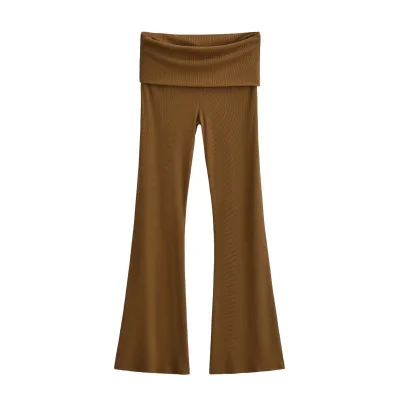
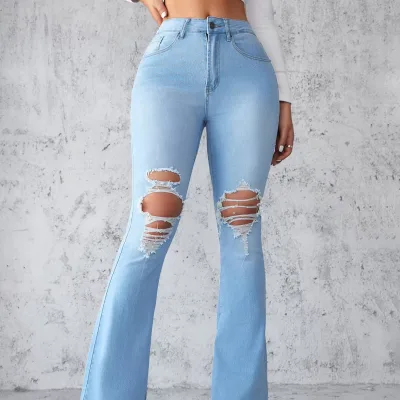
Double Waist Casual Pants Women New Spice Girl Style Slim Stretch Slim Flared Pants
$11.30 - $11.47
MOQ: 2 pieces
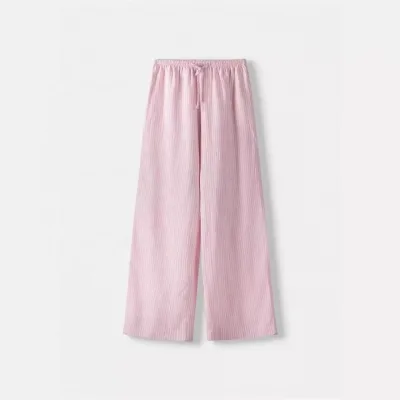
Summer New Women's Striped Comfortable Casual Pants With Elastic Waist Trousers
$5.80 - $6.00
MOQ: 2 pieces
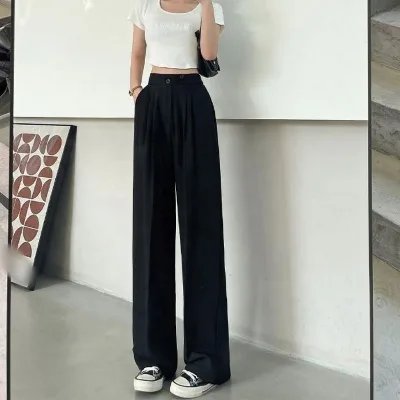
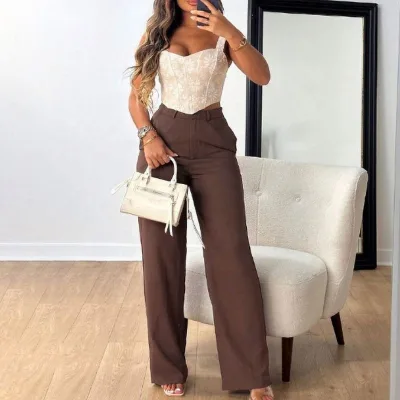
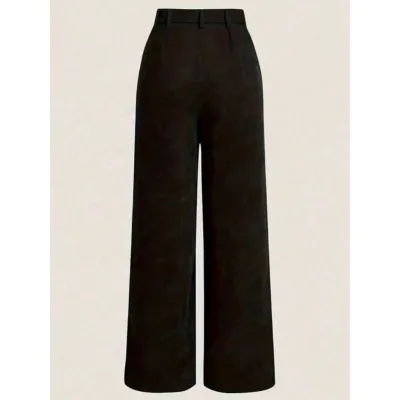
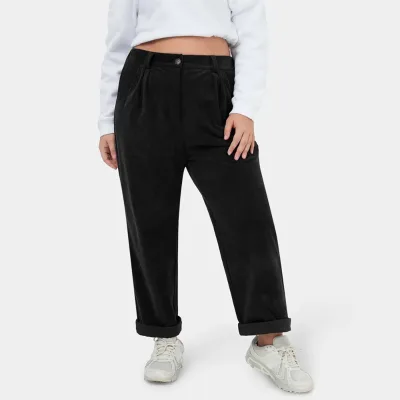
New Spring Hot Selling Women's Casual Straight Straight Solid Color Velvet Pants
$5.50 - $5.65
MOQ: 2 pieces
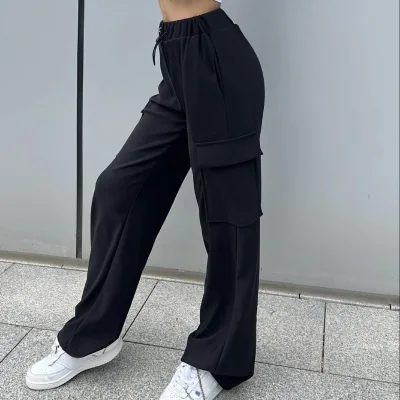
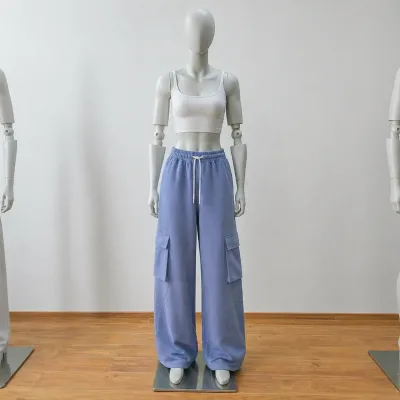
Casual High Waist Straight Multi-pocket Unisex Style Black High Quality Cargo Pants
$6.09 - $6.55
MOQ: 2 pieces

SHANDONG AOSHI GARMENTS CO., LTD.
- Verified by SGS
- Manufacturer
- China Shandong
- Lead time30 days
- Avg. response≤ 7h
Main productsSuit, Uniform

Kunshan Yulong Textile Co., Ltd.
- Verified by TUVRHEINLAND
- Manufacturer/Factory
- China Jiangsu
- Lead time45 days
- Avg. response≤ 11h
Main productsFabric, Outdoor Fabric, Stretch Fabric, Nylon Fabric, Polyester Fabric, Functional Fabric, Antistatic Fabric, Recycled Fabric, Bonded Fabric, Garment Fabric
Main marketsSouth America,Eastern Europe,Mid East,North America,Southeast Asia,Eastern Asia,Oceania,Western Europe,Africa

Guangzhou Ouzun Clothing Co., Ltd.
- Verified by CTI
- Combined
- China Guangdong
- Lead time23 days
- Avg. response≤ 2h
Main productsUniforms, Pants, Suits&Blazer, T Shirt, Polo Shirt, Sportswear, Jacket, Hoodies&Sweatshirts
Main marketsDomestic

Asian Fit High Waist Straight Leg Dress Pants for Women Office Lady Women's Dress Pants Asian
$3.99 - $5.99
MOQ: 100 Sets


Plus Size Women's Elastic Waist Comfortable Dress Pants for Work Women's Dress Pants Plus Size
$3.99 - $5.99
MOQ: 100 Sets


Shenyang Sunnytex Apparel Co., Ltd.
- Verified by BV
- Trading Company
- China Liaoning
- Lead time30 days
- Avg. response≤ 3h
Main productsPants, Jackets, Workwear, Cargo Pants, Swimwear, Uniform, Vest, Coverall, Reflective Clothes, Work Clothes
Main marketsEast Asia(Japan/ South Korea),Europe,Australia
- Verified by Intertek
- Manufacturer, Trading Company
- Lead time0 days
- Avg. response≤ 2h
Main productsT-shirt, Sweatshirt, Pants, Polo shirt, Children Garment
Main marketsNorth America(32%), South America(27%), Central America(18%)
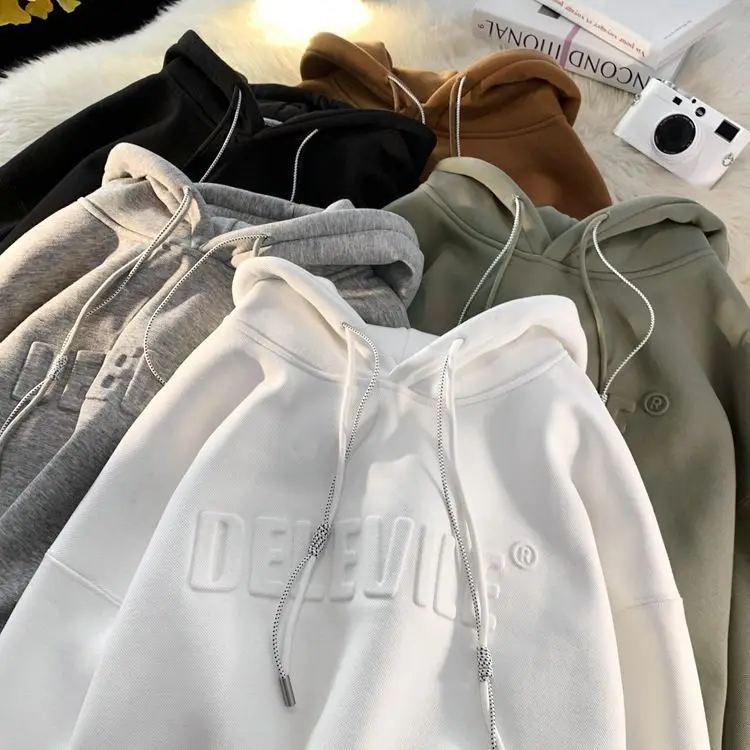
Foshan Haode Garments Co., Ltd.
- Manufacturer, Distributor/Wholesaler
- Guangdong, China
- Lead time15 days
- Avg. response≤ 13h
Main productsTSHIRT,TANK TOP,HOODIES,SWEATSHIRT,SHORTS
Main marketsCentral America(6.00%), Eastern Europe(6.00%), Northern Europe(5.00%), North America(5.00%), South America(4.00%)

Guangzhou Mingyu Manufacturing Co., Ltd
- Verified by SGS
- Trading Company
- China Guangdong
- Lead time15 days
- Avg. response≤ 1h
Main productsCoat, Dress, Trousers
Main marketsDomestic
Dongguan Helobro Garment Co.,Ltd.
- Verified by SGS Group
- Manufacturer, Trading Company
- Lead time20 days
- Avg. response≤ 3h
Main productsHoodies, T-shirts, Shorts, Track Suit, Yoga Sets
Main marketsNorth America(50%), Western Europe(30%), Northern Europe(10%)




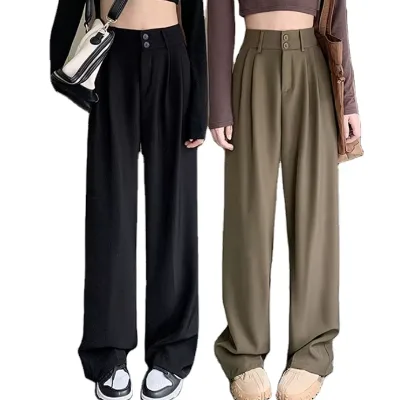


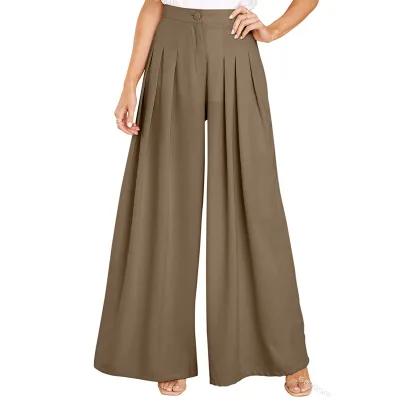
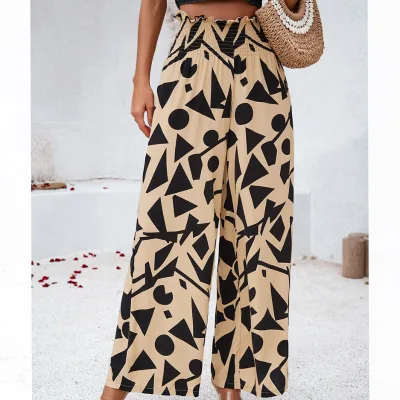
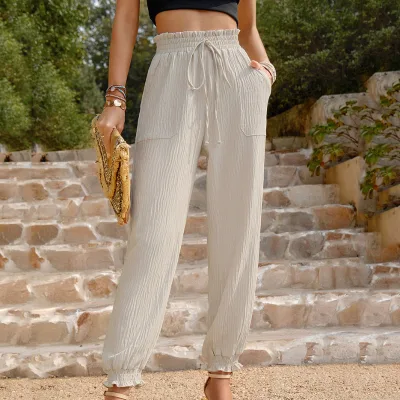


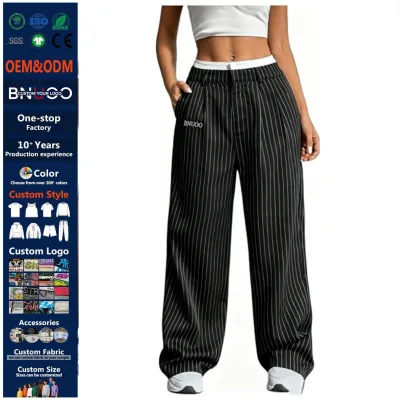
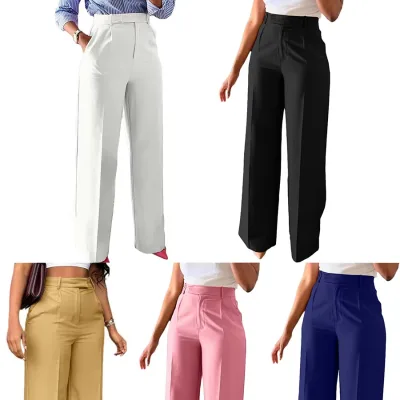


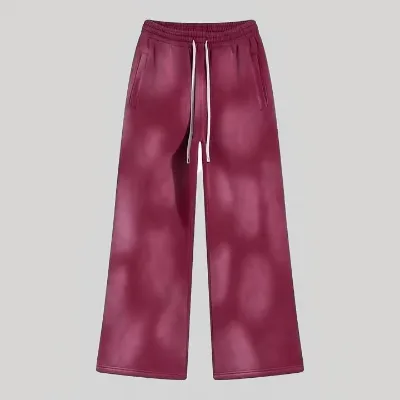
Comprehensive Sourcing Guide
Casual Worsted Dress Pants Supplier Concentration and Factory Types
When evaluating the landscape for Casual Worsted Dress Pants, buyers must first understand the structural composition of available suppliers. The current data indicates a presence of trading companies located in regions such as Anhui and Henan within China. These entities often serve as intermediaries, connecting international buyers with manufacturing capabilities that may be dispersed across different provinces. For instance, one observed supplier in Anhui specializes in furniture and home furniture, yet lists apparel products like men's casual dress pants and trousers. This suggests that some trading companies maintain broad catalogs that extend beyond their primary manufacturing focus, potentially offering a wider variety of styles but with less specialized expertise in worsted wool textiles. Another supplier based in Henan focuses on lingerie and sleepwear, yet also provides men's slim-fit dress pants. This diversification highlights a common trend where trading companies aggregate products from multiple factories to offer one-stop sourcing solutions. Buyers should recognize that while these suppliers provide convenience, the actual production location might differ from the supplier's registered address. In the case of one men's slim-fit dress pant product, the place of origin is listed as Guangdong, China, despite the supplier being located in Henan. This discrepancy underscores the importance of verifying the actual manufacturing site rather than relying solely on the supplier's registered location. Understanding this dynamic helps buyers assess whether they are dealing with a direct manufacturer or a trading intermediary, which impacts communication efficiency, quality control access, and pricing structures.
The concentration of suppliers in specific regions often correlates with local industrial clusters, but the data shows a fragmented distribution. Suppliers are not exclusively concentrated in traditional textile hubs but are spread across various provinces, including Anhui, Henan, and Guangdong. This dispersion can be advantageous for buyers seeking competitive pricing or specific production capabilities, as different regions may excel in different aspects of garment manufacturing. For example, Guangdong is known for its advanced apparel manufacturing infrastructure, which may offer higher quality control and faster turnaround times for complex designs. In contrast, suppliers in Anhui or Henan might offer more competitive pricing due to lower operational costs. However, this geographic diversity also means that buyers must conduct more thorough due diligence to ensure that the supplier's claimed capabilities align with the actual production environment. It is crucial to investigate whether the supplier has direct control over the manufacturing process or if they rely on third-party factories. This distinction affects lead times, customization options, and the ability to handle urgent orders. By understanding the factory types and their locations, buyers can make more informed decisions about which suppliers to engage with, ensuring that their sourcing strategy aligns with their specific product requirements and business goals.
How to Verify Casual Worsted Dress Pants Suppliers
Verification is a critical step in mitigating risks when sourcing Casual Worsted Dress Pants from international suppliers. One key indicator of supplier reliability is the verification status provided by third-party inspection agencies. In the current data, one supplier is verified by CTI, a recognized testing and inspection company. This verification suggests that the supplier has undergone a certain level of scrutiny regarding their business legitimacy and operational capabilities. Buyers should prioritize suppliers with such verifications, as they provide an additional layer of trust and assurance. However, verification alone is not sufficient; buyers must also assess the supplier's response time and communication efficiency. A supplier with a response time of 1.22 hours demonstrates a high level of responsiveness, which is essential for resolving issues quickly and maintaining smooth project management. In contrast, a supplier with a response time of 3 hours may be less agile, potentially leading to delays in decision-making and order processing. Buyers should consider these metrics when evaluating potential partners, as timely communication is crucial for successful collaboration. Additionally, buyers should inquire about the supplier's experience in handling similar products and their ability to provide samples for quality assessment. Requesting samples allows buyers to evaluate the fabric quality, stitching, and overall craftsmanship of the Casual Worsted Dress Pants before committing to a larger order. This hands-on evaluation is invaluable in ensuring that the supplier can meet the buyer's quality standards and specifications.
Beyond verification and response times, buyers should also examine the supplier's product attributes and customization capabilities. The data shows that many suppliers offer customization options, allowing buyers to tailor the products to their specific needs. For example, one supplier offers customization in size, pocket style, fabric, and color, providing flexibility for buyers who require unique designs. Buyers should leverage these customization options to differentiate their products in the market and meet specific customer demands. However, it is important to note that customization may impact lead times and costs, so buyers should discuss these implications with the supplier upfront. Furthermore, buyers should verify the supplier's ability to handle different order quantities, as some suppliers have minimum order quantities (MOQs) that may be prohibitive for smaller buyers. For instance, one supplier has an MOQ of 202,000 units, which is suitable for large-scale buyers, while another has an MOQ of 200 units, catering to smaller orders. Understanding these MOQs helps buyers align their sourcing strategy with their business size and inventory requirements. Additionally, buyers should inquire about the supplier's quality control processes and their ability to provide pre-shipment inspections. A robust quality control system ensures that the final products meet the agreed-upon standards, reducing the risk of defects and returns. By thoroughly verifying these aspects, buyers can select suppliers who are not only reliable but also capable of delivering high-quality products that meet their business needs.
What to Compare Across Casual Worsted Dress Pants Suppliers
When comparing suppliers for Casual Worsted Dress Pants, buyers should focus on key operational metrics that directly impact their supply chain efficiency. Lead time is a critical factor, as it determines how quickly orders can be fulfilled and delivered to customers. The data indicates varying lead times among suppliers, with one supplier offering a lead time of 23 days and another providing a lead time of 12 days. These differences can significantly affect inventory management and customer satisfaction, especially for buyers with tight deadlines or seasonal demands. Buyers should prioritize suppliers with shorter lead times if speed is a priority, but they must also consider the trade-offs in terms of cost and quality. Additionally, buyers should compare the minimum order quantities (MOQs) offered by different suppliers. Some suppliers have high MOQs, such as 202,000 units, which may be suitable for large retailers or distributors, while others have lower MOQs, such as 200 units, catering to smaller businesses or startups. Understanding these MOQs helps buyers determine which suppliers align with their order volume and financial capabilities. Furthermore, buyers should evaluate the price ranges provided by suppliers, as costs can vary widely based on factors such as material quality, customization options, and order quantity. One supplier offers a price range of $0.52 to $2020.00, while another provides a range of $2.00 to $20.00. These variations highlight the importance of obtaining detailed quotes and comparing them against the supplier's capabilities and reputation. Buyers should also consider the supplier's main products and expertise, as suppliers specializing in specific categories may offer better quality and service. For example, a supplier focusing on apparel may have more experience and resources dedicated to producing high-quality dress pants compared to a general trading company.
Another important aspect to compare is the supplier's customization capabilities and product specifications. The data shows that many suppliers offer various customization options, including size, fabric, color, and design elements. Buyers should assess the extent of these customization options and their feasibility for their specific needs. For instance, one supplier offers customization in pocket style, waist design, and fit, allowing buyers to create unique products that stand out in the market. However, buyers should also consider the potential impact of customization on lead times and costs, as custom orders may require additional processing time and resources. Additionally, buyers should compare the product attributes provided by different suppliers, such as fabric type, thickness, and style. One supplier offers pants made from a blend fabric with a straight fit, while another provides pants made from cotton with a loose fit. These differences can affect the comfort, durability, and suitability of the products for different customer segments. Buyers should also evaluate the supplier's packaging options, as proper packaging is essential for protecting the products during transit. One supplier uses OPP bags for packaging, while another uses polybags. Buyers should ensure that the packaging meets their requirements for protection and branding. Furthermore, buyers should compare the supplier's response times and communication efficiency, as timely communication is crucial for resolving issues and maintaining smooth project management. By systematically comparing these factors, buyers can identify the suppliers that best meet their operational needs and strategic goals, ensuring a successful sourcing partnership.
Common Casual Worsted Dress Pants Sourcing Risks
Sourcing Casual Worsted Dress Pants from international suppliers involves several risks that buyers must proactively manage to ensure a smooth procurement process. One significant risk is the discrepancy between the supplier's registered location and the actual manufacturing site. As observed in the data, some suppliers are registered in one province but manufacture products in another, such as a supplier in Henan producing pants in Guangdong. This geographic disconnect can complicate quality control and communication, as buyers may not have direct access to the manufacturing facility. To mitigate this risk, buyers should request detailed information about the production process and, if possible, conduct factory audits or hire third-party inspection services to verify the manufacturing location and conditions. Another risk is the variability in product quality, which can be influenced by factors such as material sourcing, production techniques, and quality control standards. Buyers should request samples to evaluate the fabric quality, stitching, and overall craftsmanship before placing large orders. Additionally, buyers should inquire about the supplier's quality control processes and their ability to provide pre-shipment inspections. A robust quality control system ensures that the final products meet the agreed-upon standards, reducing the risk of defects and returns. Furthermore, buyers should be cautious of suppliers with vague or incomplete product descriptions, as this may indicate a lack of transparency or expertise. Buyers should ensure that all product specifications, including material composition, size, color, and design, are clearly defined in the contract to avoid misunderstandings and disputes.
Another common risk is the potential for delays in lead times, which can disrupt inventory management and customer satisfaction. The data shows varying lead times among suppliers, with some offering 12 days and others 23 days. Buyers should carefully evaluate these lead times and consider factors such as production capacity, order volume, and customization requirements that may impact delivery schedules. To mitigate this risk, buyers should establish clear communication channels with suppliers and request regular updates on production progress. Additionally, buyers should consider building buffer time into their inventory planning to account for potential delays. Another risk is the variability in minimum order quantities (MOQs), which can affect cash flow and inventory management. Some suppliers have high MOQs, such as 202,000 units, which may be challenging for smaller buyers to manage. Buyers should negotiate MOQs that align with their order volume and financial capabilities, or consider working with suppliers who offer lower MOQs. Furthermore, buyers should be aware of the potential for price fluctuations, which can impact profitability. Prices can vary based on factors such as material costs, labor rates, and exchange rates. Buyers should obtain detailed quotes and compare them against market rates to ensure competitive pricing. Additionally, buyers should consider the supplier's payment terms and financial stability, as these factors can affect the reliability of the transaction. By identifying and addressing these risks, buyers can minimize disruptions and ensure a successful sourcing experience for Casual Worsted Dress Pants.
Casual Worsted Dress Pants Regional Sourcing and Logistics
Regional sourcing plays a crucial role in determining the logistics and cost structure for Casual Worsted Dress Pants. The data indicates that suppliers are located in various
FAQs
What is the price range for casual dress pants?
Prices vary significantly based on material and customization. Some items start as low as $0.50 per unit, while others reach up to $2,020. Most standard casual trousers fall between $2 and $12.58. Buyers should check specific product listings for exact pricing tiers and volume discounts.
What are the minimum order quantities for these pants?
MOQs differ by supplier and product type. Some suppliers require a minimum of 200 pieces, while others demand 100 or even 202,000 units. Custom wool pajamas may require 10,000 pieces. Always verify the specific MOQ for the chosen model before placing an order.
How long does production take for these orders?
Lead times depend on the supplier's current capacity. Some factories offer a 12-day lead time, while others take 23 days. Sample orders may be supported within 7 days. Confirm the exact production schedule with the supplier to ensure timely delivery for your specific requirements.
Are customization and OEM services available?
Yes, customization is widely available for many casual pants. Suppliers offer OEM services, allowing for custom branding and design. Materials like cotton, blend, and wool are often customizable. Buyers can request specific colors, fits, and pocket styles to match their brand identity and market needs.
Where are these suppliers located?
Suppliers are primarily located in China, including Anhui and Henan provinces. Some products originate from Guangdong. Buyers can filter results by location to find suppliers closer to their logistics hubs. Verify the specific origin for each product to understand shipping costs and lead times accurately.
What materials are used for these pants?
Materials vary from cotton and blend fabrics to 100% wool and acetate fiber. Some items feature Oxford fabric or specific weaves. Buyers can choose based on season and style, with options for thin, midweight, or specific thicknesses. Check product attributes for detailed material composition and care instructions.