eco-friendly breathable mesh t shirt Suppliers and Manufacturers
Find 33 verified suppliers offering eco-friendly breathable mesh t shirt options with varying lead times and MOQs. Compare dimensions like response time, capacity, and location to select the right partner for your needs; review the available evidence before requesting comparable quotations from suitable candidates.
Updated
Suppliers List

Guangzhou Shangshang Industrial Co., Ltd.
- Combined
- China Guangdong
- Lead time15 days
- Avg. response≤ 17h
Main productsHoodies, T Shirt, Sweatpant, Shorts, Jacket
Main marketsDomestic

Guangzhou Fengrong Clothing Co., Ltd.
- Verified by SGS
- Combined
- China Guangdong
- Lead time15 days
- Avg. response≤ 2h
Main productsT-Shirt, Hoodie, Jacket, Trousers, Shorts
Main marketsDomestic


Flexible Customization T-Shirt with Recycled Regenerated Fiber Eco-Friendly Casual Wear
$5.97 - $6.32
MOQ: 50 Pieces

Sustainable Fashion T-Shirt Flexible Customization with Recycled Regenerated Fiber
$5.97 - $6.32
MOQ: 50 Pieces

Promotional Basic Short Sleeve T-Shirt with Flexible Customization Options
$5.97 - $6.32
MOQ: 50 Pieces

Ningbo Leaders Imp. & Exp. Co., Ltd.
- Verified by SGS
- Trading Company
- China Zhejiang
- Lead time23 days
- Avg. response≤ 7h
Main productsSafety Vest, Fr Coverall, Safety T-Shirt, Safety Jacket, Safety Rain Jacket, Safety Rain Pants, Fr Shirt, Fr Pants, Fr Jacket, Safety Sweatshirt
Main marketsEurope,North America

Guangzhou Tianyuan Clothing Co., Ltd
- Verified by SGS
- Combined
- China Guangdong
- Lead time30 days
- Avg. response≤ 2h
Main productsPolo Shirt, Shirt, Suit, T-Shirt, School Uniform, Hooded Sweatshirt, Medical Uniform, Chef's Uniform, Trousers, Work Clothes
Main marketsDomestic

Fuzhou Depshine International Trading Co., Ltd
- Verified by TUVRHEINLAND
- Trading Company
- China Fujian
- Lead time30 days
- Avg. response≤ 8h
Main productsT-Shirt, Hoodie, Sweatsuits, Sports Shirts, Shorts, Tank Top, Jersey, Hats, Dresses, Shoes
Main marketsNorth America

Custom Logo Men's Quick Dry Breathable Mesh Sports Fitness Running T Shirt
$4.91 - $5.67
MOQ: 10 pieces

Unisex Lightweight Breathable Mesh O-Neck Loose-Fit Short-Sleeve Men's T Shirt
$13.11 - $13.70
MOQ: 2 pieces
Zhongshan City Liuchuangke Garment Co., Ltd.
- Trading Company
- Lead time旺季: "1 - 50000":31,"> 50000":"To be negotiated", 淡季: "1 - 50000":31,"> 50000":"To be negotiated"
- Avg. response≤ 5h
Main productsUnderwear, Swimwear, Tank Tops, T-shirts, Shorts
Dongyang Yinxin Apparel Co., Ltd.
- Verified by TüVRheinland
- Trading Company
- Lead time90 days
- Avg. response≤ 1h
Main productsMen's T-Shirts, Women's T-Shirts, Men's Hoodies, Women's Hoodies
Main marketsNorth America(50%), Western Europe(10%), South America(5%)
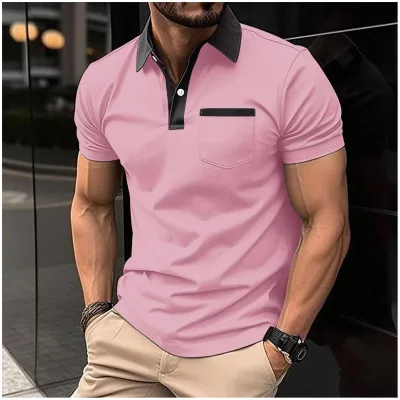
$5.9885 - $6.4253
MOQ: 10 pieces
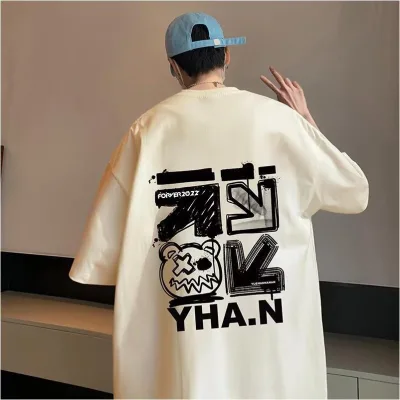
$6.0304 - $6.4597
MOQ: 50 pieces
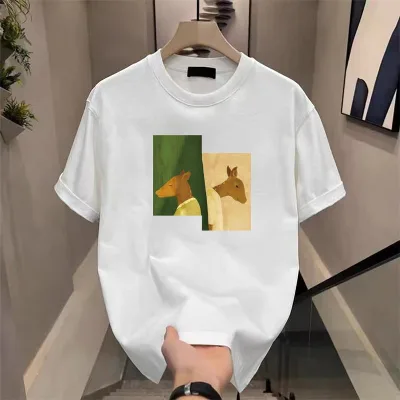
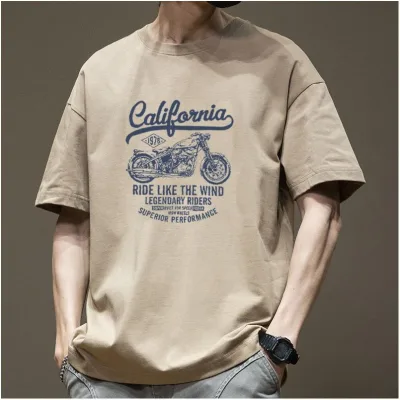
$3.92 - $4.38
MOQ: 50 pieces
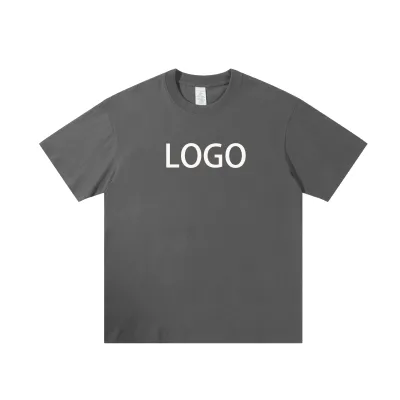
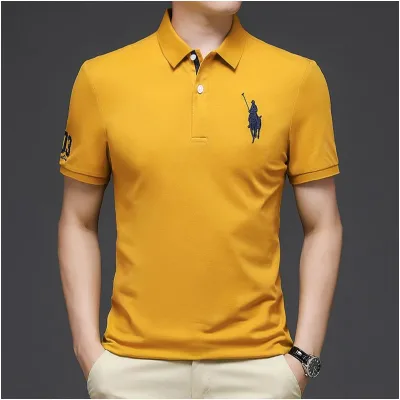
Men's Short Sleeve T-shirts Reusable Men's Casual Sports Cheap Men's T-shirts
$4.8874 - $6.551
MOQ: 50 sets

Shanghai David International Trade Co., Ltd.
- Verified by TUVRHEINLAND
- Combined
- China Shanghai
- Lead time15 days
- Avg. response≤ 9h
Main productsPromotional Gifts, Gift Sets, Tshirts, Hats, Hot Packs, Hot Cold Packs, Ice Packs, Bags, Umbrellas, Water Bottles
Main marketsSouth America,Africa,Southeast Asia/ Mideast,East Asia(Japan/ South Korea),Domestic,Europe,Australia,North America
Jinan Runhang Textile Co., Ltd.
- Verified by SGS Group
- Manufacturer, Trading Company
- Lead time30 days
- Avg. response≤ 4h
Main productsT shirt, Hoodies & Sweatshirt, Polo Shirt, Uniform, Jacket
Main marketsNorth America(30%), Oceania(20%), Western Europe(20%)
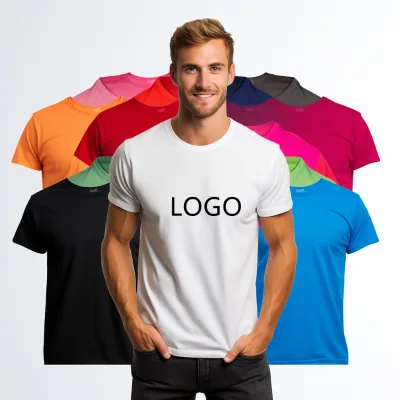
Custom Printing 100% Cotton t Shirt, Custom Organic Cotton Eco-friendly T-shirt
$2.29 - $2.78
MOQ: 50 pieces

China Xinxing Shanghai Import and Export Co., Ltd.
- Verified by TUVRHEINLAND
- Trading Company
- China Shanghai
- Lead time15 days
- Avg. response≤ 7h
Main productsAnti-Riot Suit
Main marketsSouth America,Africa,Southeast Asia/ Mideast,Europe
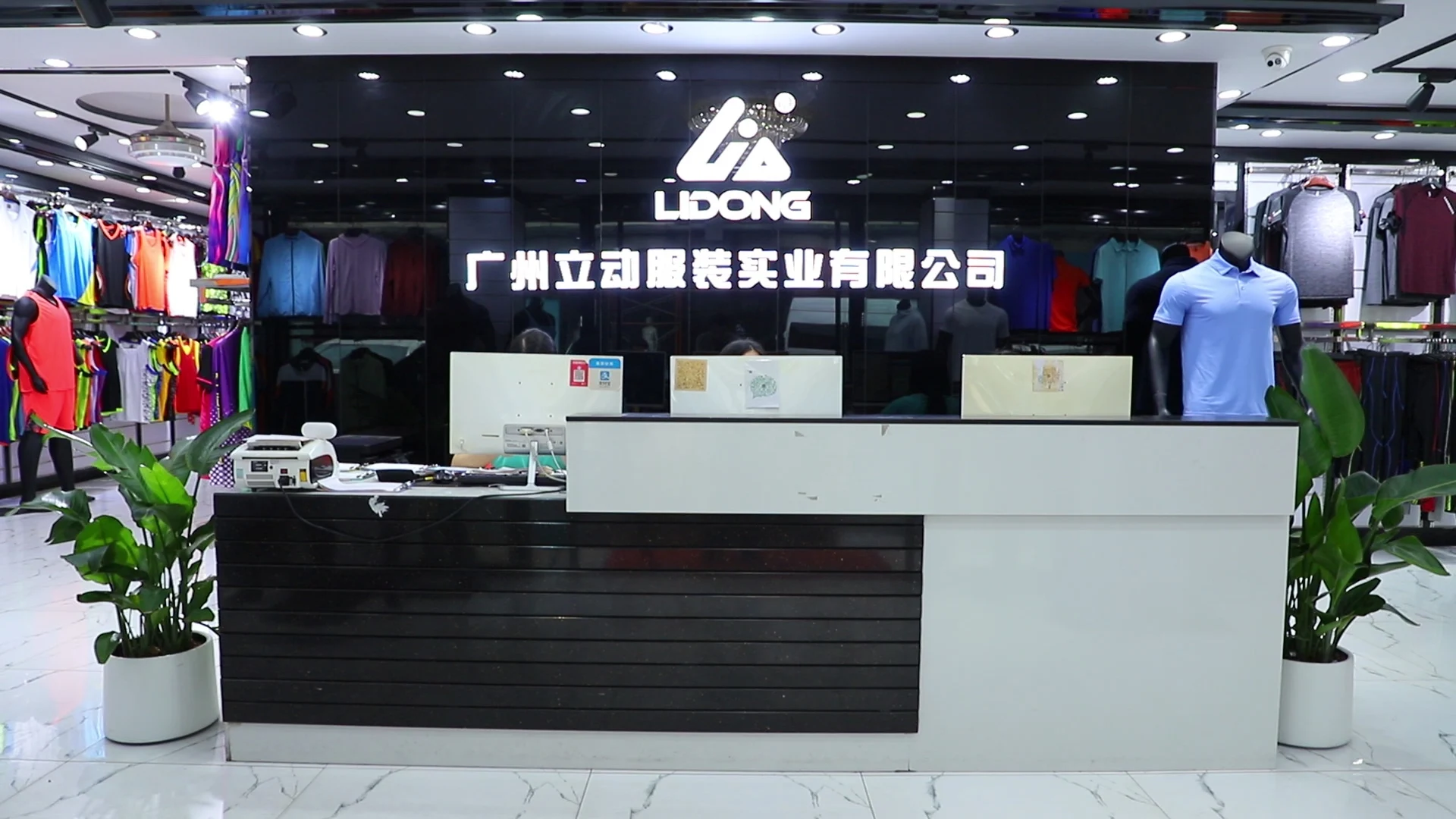
Lidong International Company Limited
- Trading Company
- Hong Kong S.A.R.
- Lead time7 days
- Avg. response≤ 3h
Main productsT shirts,Hoodies,Shorts,Sweatshirts,Golf Polos
Main marketsNorth America(25.00%), Western Europe(20.00%), Eastern Europe(15.00%), Mid East(10.00%), Southeast Asia(10.00%), South America(8.00%), Northern Europe(5.00%), Southern Europe(4.00%), Africa(2.00%), Central America(1.00%)
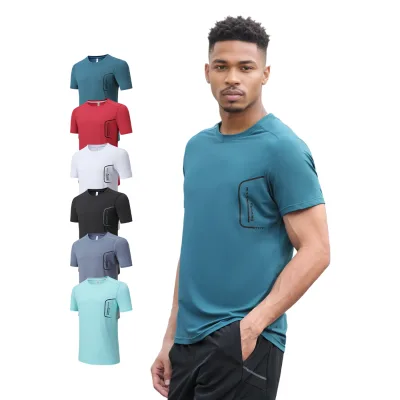
UV-Protection Breathable Mens Breathable T-Shirt For Fitness Enthusiasts With Cooling Mesh Panels
$0.89 - $3.78
MOQ: 20 pieces
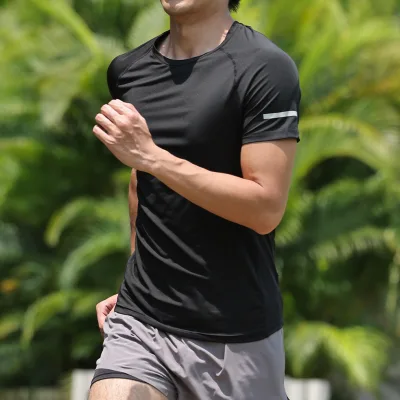
High-Performance Soft Touch Mens Short Sleeve T-Shirt For Outdoor Activities With Muscle Support Fit
$0.89 - $3.78
MOQ: 20 pieces
Taian Lianchuang Textile Co., Ltd.
- Manufacturer, Trading Company
- Lead time旺季: "1 - 300":32,"> 300":"To be negotiated", 淡季: "1 - 300":32,"> 300":"To be negotiated"
- Avg. response≤ 3h
Main productsAdult Clothing, Baby Clothing

Nuolang (Guangdong) Garment Industry Co., Ltd.
- Verified by BV
- Combined
- China Guangdong
- Lead time15 days
- Avg. response≤ 2h
Main productsT-Shirt, Polo Shirt, Shirt, Coverall, Suit, Uniform, Sportswear, Casual Wear
Main marketsSoutheast Asia/ Mideast

Guangzhou Vision Clothing Co., Ltd.
- Verified by BV
- Combined
- China Guangdong
- Lead time15 days
- Avg. response≤ 5h
Main productsT-Shirt, Hoodie, Polo Shirt, Sweatpants
Main marketsSouth America,Southeast Asia/ Mideast,Europe,Australia,North America


Custom Men′ S Pure-Color T-Shirt Eco-Friendly Shirt Organic Cotton T-Shirt
$4.99 - $7.39
MOQ: 30 Pieces


Guangzhou Shengli Clothing Co., Ltd.
- Verified by CTI
- Combined
- China Guangdong
- Lead time60 days
- Avg. response≤ 2h
Main productsSuit, Men Formal Suit, Medical Uniform, School Uniform, T-Shirt, Polo, Sports Apparel, Work Uniforms, Uniform, Hotel Uniform
Main marketsDomestic

Green Organic Cotton Knit Printed Pocket T-Shirt Men Custom Cotton T-Shirt
$2.00 - $18.00
MOQ: 100 Pieces


Suning County Xiangbird Clothing Co., Ltd.
- Verified by SGS
- Combined
- China Hebei
- Lead time30 days
- Avg. response≤ 3h
Main productsT-Shirt, Hooded Sweatshirt, Seluar Jeans, Pakaian Pelindung Matahari
Main marketsDomestic


Eco-Friendly Washed T-Shirt 300g - Sustainable Fabric for Conscious Consumers
$7.00 - $11.00
MOQ: 10 PC


Shanghai Easun Group Imp & Exp Co., Ltd.
- Verified by BV
- Trading Company
- China Shanghai
- Lead time15 days
- Avg. response≤ 21h
Main productsHoodies, Pajamas, T-Shirt, Bath Robe, Sleepwear, Polo Shirts, Safety Shoes
Main marketsAfrica

Guangzhou Colorful Clothing Co., Ltd.
- Verified by SGS
- Combined
- China Guangdong
- Lead time15 days
- Avg. response≤ 5h
Main productsT Shirt, Polo Shirt, Work Uniform, School Uniform, Restaurant Staff Uniform, Security Guard Uniform, Jackets, Pants, Shirts, Hoodies
Main marketsAfrica,Southeast Asia/ Mideast,Australia,North America

$2.99 - $3.99
MOQ: 100 Pieces

Short Sleeve Crew Neck T-Shirt Cotton Soft Breathable Comfortable Fabric Anti-Wrinkle T Shirts
$2.99 - $3.99
MOQ: 100 Piece
Ningbo Haizilun Fashion Co., Ltd.
- Verified by TüVRheinland
- Manufacturer, Trading Company
- Lead time7 days
- Avg. response≤ 1h
Main productsMen Clothes, Women Clothes
Main marketsNorth America(55%), Western Europe(12%), Eastern Europe(9%)
Guangzhou Etai Apparel Co., Ltd.
- Verified by SGS Group
- Manufacturer, Trading Company
- Lead time15 days
- Avg. response≤ 4h
Main productsT-shirt, Shorts, Hoodie, Team Uniform, Jogger Pants
Main marketsNorth America(30%), South America(20%), South Asia(7%)

Baoding Yukaihe Clothing Import & Export Co., Ltd.
- Verified by TUVRHEINLAND
- Trading Company
- China Hebei
- Lead time15 days
- Avg. response≤ 6h
Main productsCap, Hat, Baseball Cap, Bucket Hat, Beanie, Running Hat, Snapback Caps, Sport Hat, Trucker Hat, Camp Caps
Main marketsSoutheast Asia/ Mideast,Europe,Australia,North America

Fashionable Oversized Fit Crew Neck T-Shirt in Soft Breathable Fabric for T-Shirt
$11.54 - $12.36
MOQ: 10 Pieces


Guangzhou Ouzun Clothing Co., Ltd.
- Verified by CTI
- Combined
- China Guangdong
- Lead time23 days
- Avg. response≤ 2h
Main productsUniforms, Pants, Suits&Blazer, T Shirt, Polo Shirt, Sportswear, Jacket, Hoodies&Sweatshirts
Main marketsDomestic

Recycled Polyester Sustainable T-Shirt for Environmental Friendly Clothing Line T Shirts
$3.99 - $8.99
MOQ: 100 Pieces

Eco-Friendly Recycled Polyester Blended Plain T-Shirt for Sustainable Fashion T Shirts
$3.99 - $8.99
MOQ: 100 Pieces

Biodegradable Material Custom Logo Plain T-Shirt for Environmental Campaign T Shirts
$3.99 - $8.99
MOQ: 100 Pieces


Dongguan Humen Hucai Garment Co., Ltd.
- Verified by SGS
- Combined
- China Guangdong
- Lead time30 days
- Avg. response≤ 6h
Main productsSportswear, Yoga Pants, Sports Bra, T Shirt, Tank Top, Jogger Pants, Tracksuit, Hoodies, Shorts, Leggings
Main marketsSouth America,Africa,Southeast Asia/ Mideast,East Asia(Japan/ South Korea),Domestic,Europe,Australia,North America

- Verified by SGS
- Combined
- China Fujian
- Lead time15 days
- Avg. response≤ 5h
Main marketsEurope

- Verified by TUVRHEINLAND
- Combined
- China Shanghai
- Lead time15 days
- Avg. response≤ 3h
Main productsInfant Clothes, Baby Clothes, Kids Wear, Underwear, Sock, Pajama, Night Dress, Sleep Bag, Yoga Clothes, Nursing Tee
Main marketsEurope,Australia,North America

Jurong Mujie Apparel Co., Ltd.
- Verified by TUVRHEINLAND
- Combined
- China Jiangsu
- Lead time23 days
- Avg. response≤ 11h
Main productsJersey Beanie, Knitting Beanie, Knitting Scarf, Bandana
Main marketsDomestic
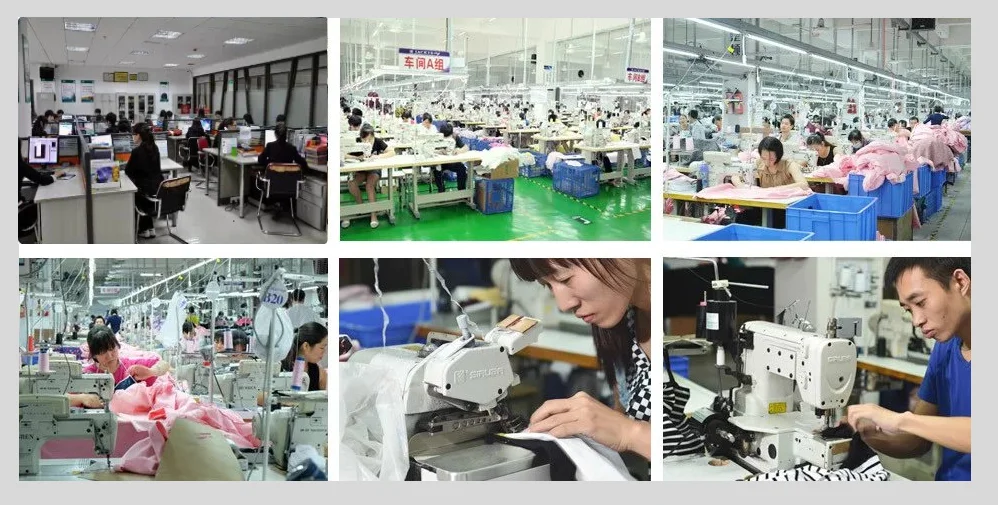
- Manufacturer, Trading Company
- Guangdong, China
- Lead time15 days
- Avg. response≤ 7h
Main productsT shirts/Polo shirt,Hoodies/Sweatshirts,Jackets,Pants/Shorts,Leggings
Main marketsNorth America(50.00%), Oceania(15.00%), Northern Europe(10.00%), Southern Europe(5.00%), Eastern Europe(5.00%), Western Europe(5.00%), South America(5.00%), Africa(5.00%)

- Verified by CTI
- Trading Company
- China Anhui
- Lead time23 days
- Avg. response≤ 2h
Main productsFurniture, Home Furniture
Main marketsSoutheast Asia/ Mideast
Dongguan Boxin Garment Co., Ltd.
- Verified by SGS Group
- Manufacturer, Trading Company
- Lead time25 days
- Avg. response≤ 2h
Main productsFitness & Yoga Wear, Casual & Street Wear
Main marketsNorth America(80%), Oceania(10%), Western Europe(5%)
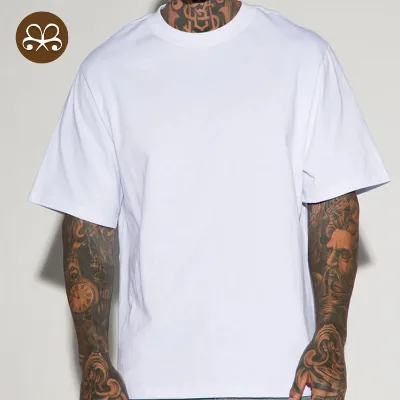
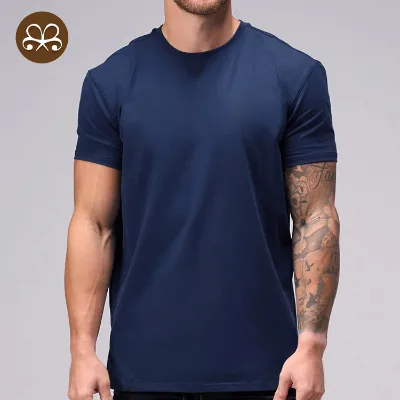
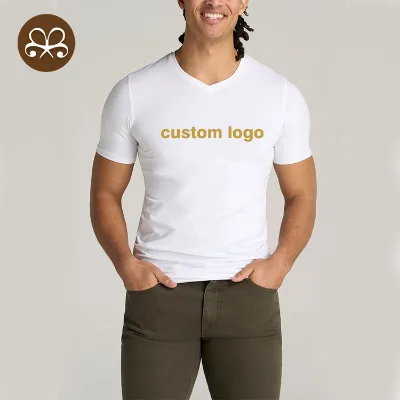
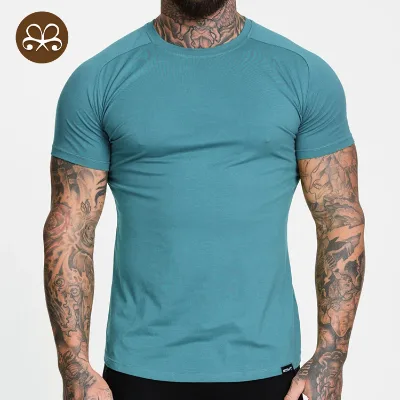
Custom High Quality Custom Fit Men's T-Shirt Streetwear Heavyweight Cotton Short Sleeve Tshirt
$5.94 - $8.26
MOQ: 100 pieces
Guangzhou Qisong Apparel Co., Ltd.
- Verified by Intertek
- Manufacturer, Trading Company
- Lead time15 days
- Avg. response≤ 5h
Main productsT-Shirts, Hoodies, Tracksuits, Jogger Sweatpant, Short Pants
Main marketsNorth America(60%), South America(20%), Eastern Europe(5%)

Shaanxi Jiamante Garment Co., Ltd.
- Verified by SGS
- Trading Company
- China Shaanxi
- Lead time30 days
- Avg. response≤ 3h
Main productsFaux Fur Coat, Women Faux Fur Coat, Home Decor & Custom Creative Products, Handbags & Luggage, Fabric Wholesale, T-Shirt, Hoodie, Pendant, Faux Fur Outerwear, Faux Fur Accessories
Main marketsDomestic
Shijiazhuang Jiyao Technology Co., Ltd.
- Verified by TüVRheinland
- Manufacturer, Trading Company
- Lead time10 days
- Avg. response≤ 2h
Main productsHoodie, T-Shirt, Trousers, Sports Set, Children's Clothing
Main marketsNorth America(49%), Western Europe(25%), Oceania(15%)
Hebei Beituo New Material Co., Ltd.
- Trading Company
- Hebei Province, China
- Lead time0 days
- Avg. response≤ 2h
Main productsmen's suits,men's jackets,men's pants,Hats,backpacks
Main marketsNorth America(20.00%), Eastern Europe(15.00%), Southern Europe(10.00%), Western Europe(10.00%), Mid East(10.00%), Africa(10.00%), Southeast Asia(10.00%), South America(10.00%), Northern Europe(5.00%)
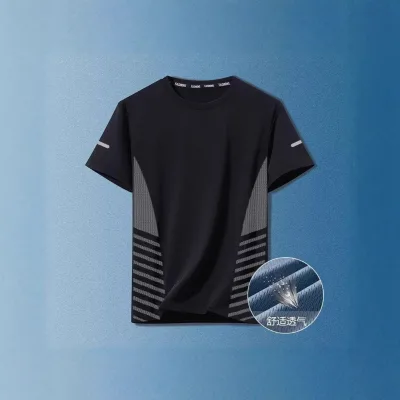
Men's Quick-Drying Elastic Short Sleeved T-Shirt
$5.20 - $7.50
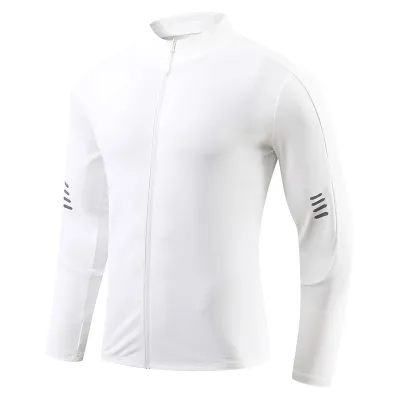
Men's Casual Fitness Printed Elastic Knitted T-Shirt for Outdoor Activities
$8.20 - $8.90
MOQ: 2 pieces
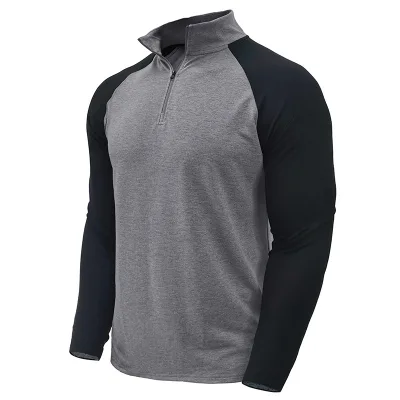


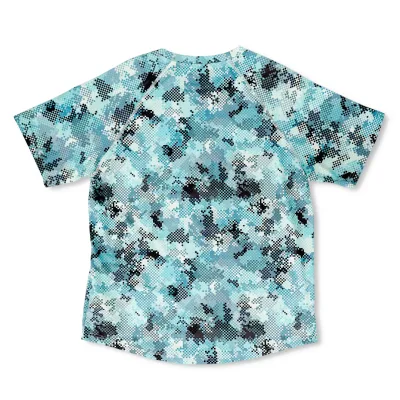
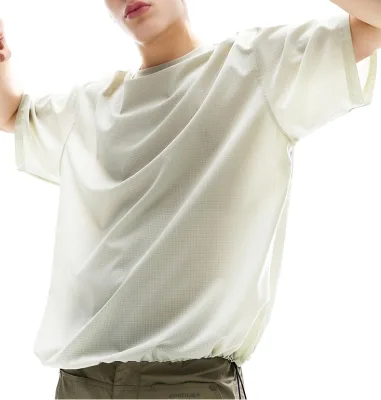


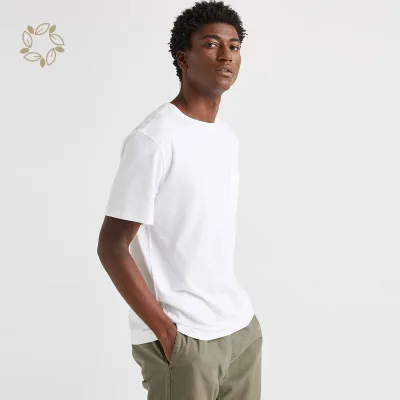
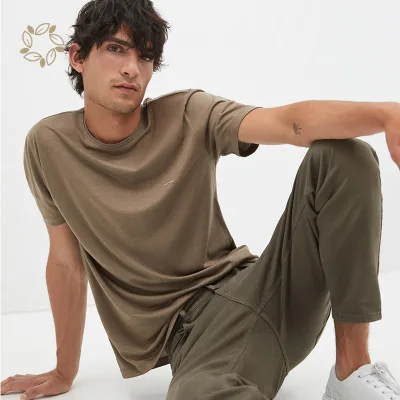


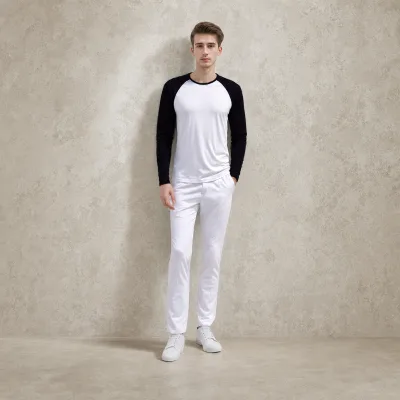






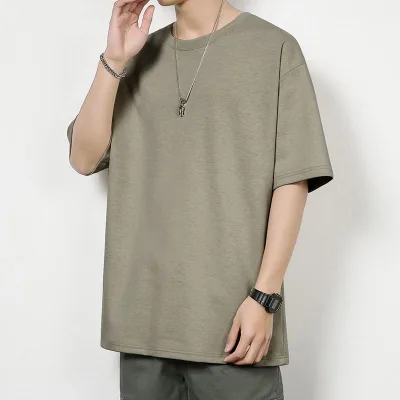
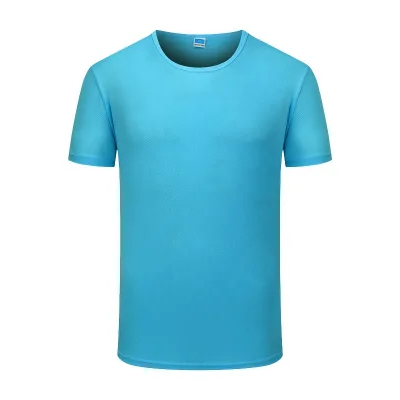
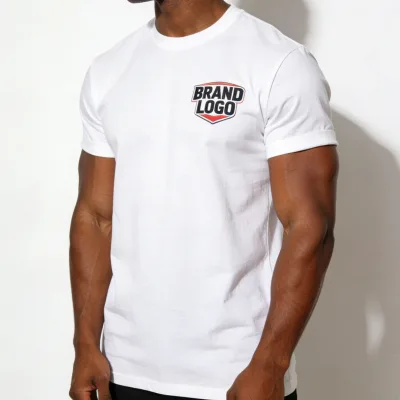
Comprehensive Sourcing Guide
Eco-Friendly Breathable Mesh T Shirt Supplier Concentration and Factory Types
The current supplier landscape for eco-friendly breathable mesh t shirts reveals a distinct geographic concentration in China, specifically within the Guangdong and Zhejiang provinces. Guangdong emerges as a primary manufacturing hub, hosting a mix of combined entities that offer both trading and production capabilities. These suppliers in Guangdong often specialize in casual and sportswear, with main products including hoodies, t-shirts, sweatpants, and jackets. This regional focus suggests a mature supply chain for apparel, where factories are equipped to handle the specific textile requirements of breathable mesh fabrics. The presence of these combined company types indicates that buyers may encounter suppliers who manage the entire process from raw material sourcing to final assembly, potentially streamlining communication for complex orders involving custom designs or specific eco-friendly material certifications.
In contrast, suppliers located in Zhejiang province tend to operate as trading companies, focusing heavily on safety and workwear categories. While the core keyword emphasizes eco-friendly casual wear, the Zhejiang-based results highlight a strong capability in safety t-shirts, high-visibility reflective gear, and flame-retardant workwear. This distinction is crucial for buyers, as a trading company in Zhejiang might offer different logistical advantages or product ranges compared to a factory in Guangdong. The Zhejiang suppliers often list main products such as safety vests, coveralls, and safety rain jackets, suggesting that their expertise in mesh and breathable fabrics may be geared towards industrial or protective applications rather than purely fashion-oriented eco-friendly garments. Buyers must carefully distinguish between these regional specializations to ensure the supplier’s core competency aligns with their specific product needs, whether they are seeking casual athletic wear or specialized safety apparel.
How to Verify Eco-Friendly Breathable Mesh T Shirt Suppliers
Verifying the legitimacy and capability of suppliers requires a multi-layered approach that goes beyond basic profile reviews. One critical step is to check for third-party verification badges, such as SGS, which serves as an indicator of a supplier’s commitment to quality and compliance. In the current results, at least one supplier displays SGS verification, providing a tangible layer of trust regarding their operational standards. Buyers should prioritize suppliers with such verifications, as they have undergone external audits that validate their business licenses and production capabilities. Additionally, examining the supplier’s response time is a practical method for assessing their operational efficiency. A rapid response time, such as under two hours, often correlates with a well-stocked inventory or a highly responsive sales team, which is essential for resolving queries about eco-friendly material certifications or mesh fabric specifications quickly.
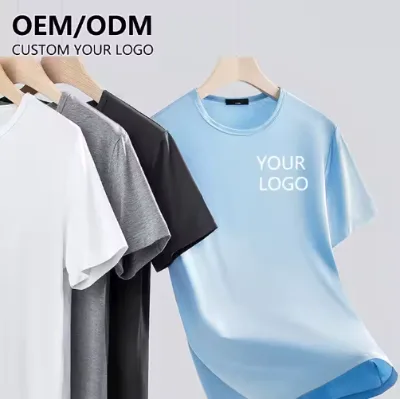
Beyond verification badges and response speeds, buyers must scrutinize the supplier’s declared R&D capacity and main product lines to ensure alignment with their sourcing goals. Suppliers listing OEM, ODM, and own brand capabilities indicate a flexibility that is often necessary for custom eco-friendly designs. For instance, some suppliers explicitly state they can handle custom slogans, printed logos, and specific mesh constructions, which is vital for brands seeking unique breathable mesh t-shirts. Buyers should also look for evidence of product attributes that match their requirements, such as moisture absorption, breathability, and specific material compositions like cotton or polyester blends. If a supplier’s main products are heavily skewed towards safety workwear, they may not be the best fit for a casual eco-friendly line, even if they have the technical ability to produce it. Therefore, cross-referencing verification status, response metrics, and product specialization is essential to identify a reliable partner.
What to Compare Across Eco-Friendly Breathable Mesh T Shirt Suppliers
When evaluating multiple suppliers, comparing lead times and minimum order quantities (MOQs) is fundamental to determining operational fit. The data shows a range of lead times, with some suppliers offering a 15-day turnaround while others require up to 30 days. This variance can significantly impact inventory planning and time-to-market strategies. Similarly, MOQs vary, with some suppliers requiring as few as 50 pieces per design, which is ideal for testing new eco-friendly collections, while others may have higher thresholds, such as 1000 pieces, which suits larger, established brands. Buyers should map these logistical constraints against their sales forecasts to avoid overstocking or stockouts. Additionally, comparing response times provides insight into the supplier’s customer service quality. A supplier with a response time of 1.99 hours is likely more accessible for urgent revisions or clarifications on eco-friendly material standards than one with a slower response rate.
Price and customization options are also critical comparison points that can differentiate suppliers in the eco-friendly breathable mesh t-shirt market. Price ranges observed in the results vary from approximately $4.97 to $12.00 per unit, depending on the complexity of the design, material quality, and order volume. Buyers should not solely focus on the lowest price but rather on the value proposition, which includes the quality of the mesh fabric, the durability of the eco-friendly dyes, and the precision of the printing techniques, such as screen printing or digital printing. Furthermore, comparing the available customization services, such as logo embroidery, custom slogans, or specific color options, is essential. Some suppliers offer extensive customization with flexible design options, while others may have more limited capabilities. By systematically comparing these dimensions, buyers can identify suppliers that offer the best balance of cost, speed, and quality for their specific brand requirements.
Common Eco-Friendly Breathable Mesh T Shirt Sourcing Risks
One significant risk in sourcing eco-friendly breathable mesh t-shirts is the potential mismatch between claimed sustainability and actual material composition. Buyers must be vigilant about verifying the specific materials used, such as whether the mesh is made from recycled polyester, organic cotton, or other regenerated fibers. Some suppliers may use generic terms like "eco-friendly" without providing concrete evidence of the material’s origin or certification. This ambiguity can lead to compliance issues, especially if the buyer’s target market has strict regulations regarding sustainable fashion. Additionally, the risk of quality inconsistency is heightened when dealing with suppliers who have diverse main product lines. A supplier that primarily manufactures safety workwear may not have the same level of expertise in the softness, drape, and breathability required for high-quality casual eco-friendly t-shirts. Buyers should request detailed product specifications and material test reports to mitigate this risk.
Another common risk involves the reliability of production timelines and communication gaps. Suppliers with longer lead times, such as 30 days, may face delays due to material shortages or production bottlenecks, which can disrupt the buyer’s supply chain. This risk is exacerbated if the supplier has a slower response time, making it difficult to address issues promptly. Furthermore, the complexity of customization, such as intricate screen printing or embroidery on mesh fabrics, can lead to defects if the supplier’s technical capabilities are not fully aligned with the buyer’s design requirements. Buyers should also be cautious of suppliers who do not clearly state their production standards or packing methods, as this can lead to unexpected costs or logistical challenges upon delivery. To mitigate these risks, buyers should establish clear communication protocols, request sample approvals before bulk production, and consider using escrow services to protect their payments until the goods are received and verified.
Eco-Friendly Breathable Mesh T Shirt Regional Sourcing and Logistics
Sourcing from China offers distinct logistical advantages, particularly when dealing with suppliers in established manufacturing clusters like Guangdong and Zhejiang. Guangdong’s concentration of combined suppliers and factories provides a robust ecosystem for apparel production, with efficient access to raw materials and specialized labor. This region is well-suited for buyers seeking a wide variety of casual and sportswear items, including eco-friendly breathable mesh t-shirts. The proximity to major ports and logistics hubs in Guangdong can facilitate faster shipping times and more competitive freight rates. Buyers should leverage this regional strength by engaging with suppliers who have a proven track record in exporting similar apparel categories. Additionally, the presence of trading companies in Zhejiang offers an alternative sourcing route, particularly for buyers who may need to consolidate orders from multiple product types, such as safety gear and casual wear.
However, regional sourcing also presents logistical challenges that buyers must plan for carefully. Differences in supplier types, such as the distinction between factories and trading companies, can impact shipping documentation and customs clearance processes. Trading companies may offer more flexible packaging and consolidation services, which can be beneficial for smaller orders or mixed product shipments. Buyers should also consider the impact of regional regulations and environmental standards on production and shipping. For instance, suppliers in Guangdong may have different environmental compliance requirements compared to those in Zhejiang, which can affect the sustainability credentials of the final product. To optimize logistics, buyers should work closely with their chosen suppliers to establish clear shipping terms, such as FOB or CIF, and ensure that all necessary documentation, including material certifications and packing lists, is prepared accurately. This proactive approach helps minimize delays and ensures a smooth transition from production to delivery.
Eco-Friendly Breathable Mesh T Shirt Commercial Terms and Order Planning
Effective order planning for eco-friendly breathable mesh t-shirts requires a thorough understanding of commercial terms, including pricing structures, payment conditions, and quality assurance protocols. The observed price ranges, from $4.97 to $12.00, suggest that buyers should negotiate based on order volume and customization complexity. It is advisable to request detailed quotations that break down costs for materials, labor, and printing techniques, such as screen printing or digital printing. This transparency helps buyers assess the true value of each supplier’s offer and avoid hidden costs. Additionally, buyers should clarify the MOQs and any associated fees for samples or design changes. Suppliers with lower MOQs, such as 50 pieces, may charge a premium per unit, which should be factored into the overall budget. Establishing clear commercial terms early in the negotiation process helps prevent misunderstandings and ensures a smoother transaction.
Quality assurance and post-production support are also critical components of commercial terms that buyers must address. Buyers should insist on pre-production samples to verify the quality of the breathable mesh fabric, the accuracy of the eco-friendly dyes, and the precision of the customization details. Suppliers who offer OEM and ODM services should be asked to provide detailed technical specifications for each product, including material composition, stitching standards, and packing methods. Furthermore, buyers should discuss the supplier’s policy for handling defects or discrepancies in bulk orders. A reliable supplier will have a clear process for addressing quality issues, including replacements or refunds. By incorporating these quality assurance measures into the commercial terms, buyers can protect their brand reputation and ensure that the final products meet their high standards for eco-friendly and breathable apparel.
FAQs
What is the price range for eco-friendly breathable mesh t-shirts?
Prices for these garments typically range from $4.97 to $12.00 per unit. The cost varies based on material composition, such as cotton or polyester blends, and specific customization options like screen printing or digital printing. Buyers should expect different pricing tiers depending on order volume and design complexity.
What is the minimum order quantity for custom t-shirts?
Minimum order quantities generally start at 50 pieces per design. Some suppliers may require higher volumes, such as 1000 pieces, for specific safety or uniform items. Buyers should verify the exact MOQ with the supplier, as it depends on the product type and customization requirements.
How long does production take for these t-shirts?
Production lead times typically range from 15 to 30 days. This duration depends on the supplier's capacity and the complexity of the order. Buyers should confirm the exact timeline with the supplier to ensure timely delivery for their specific project requirements.
Where are these t-shirt suppliers located?
Suppliers are primarily located in China, specifically in Guangdong and Zhejiang provinces. Guangdong is known for apparel manufacturing, while Zhejiang hosts suppliers for safety and workwear items. Buyers can filter results by these regions to find manufacturers closer to their supply chain needs.
What materials are used for breathable mesh t-shirts?
Common materials include 100% cotton, polyester, and cotton-lycra blends. These fabrics are chosen for their breathability, moisture absorption, and durability. Some options feature recycled regenerated fibers for eco-friendly appeal. Buyers should check product specifications to confirm the exact material composition.
Can I customize the design and logo on these shirts?
Yes, customization is widely available for logos, slogans, and patterns. Suppliers offer services like screen printing, digital printing, and embroidery. Buyers can choose from various styles, including round neck or polo designs. Customization options allow for unique branding and specific design requirements.