Source Leather Pants for biker, hip hop, and winter wear
Compare 30 Leather Pants listings from Zhejiang and Guangdong suppliers. Buyers can evaluate PU and faux leather options with features like waterproofing and anti-wrinkle properties for biker, hip hop, and winter applications; compare the available evidence and request quotations based on your requirements.
Updated
Key considerations
Products List

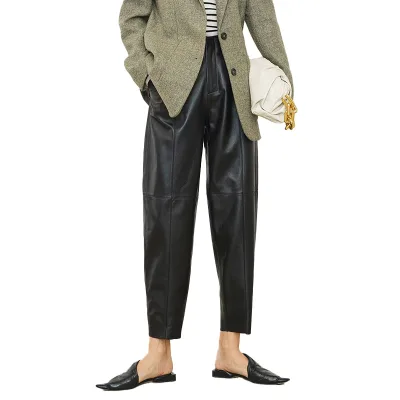

Women's Leather Pants Versatile Genuine Leather Soft Waxy Fitted Leather Pants
$10.50 - $12.50
MOQ: 200 Pieces


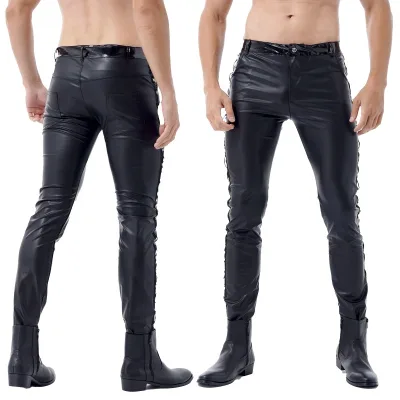
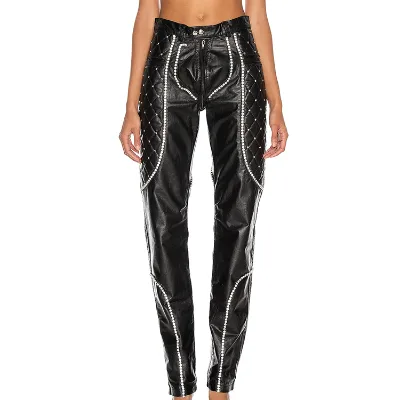
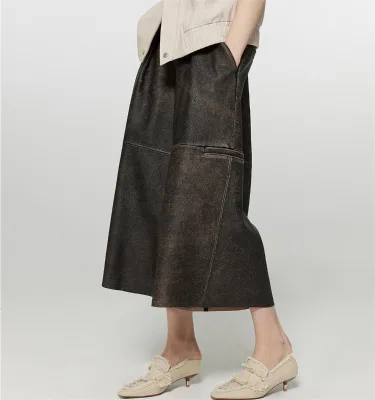


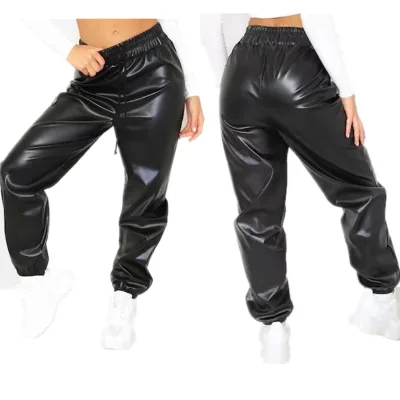


Leather Apparel Wholesaler Trousers PU Britches Leather Leggings Women Pants
$10.00 - $40.00
MOQ: 100 Pieces

Leather Apparel Wholesale Trousers PU Britches Leather Leggings Women Pants
$10.00 - $40.00
MOQ: 100 Pieces


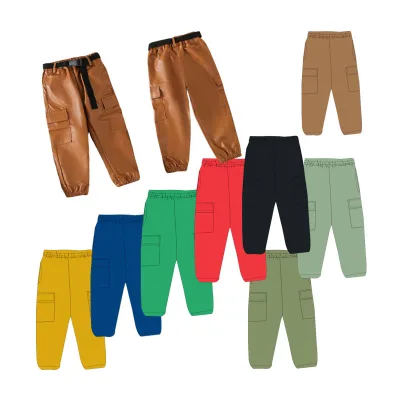
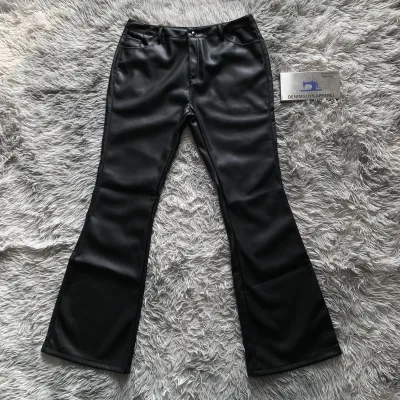
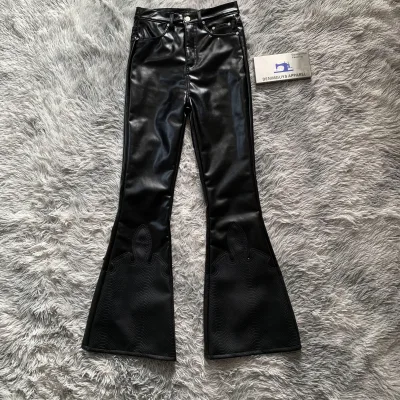
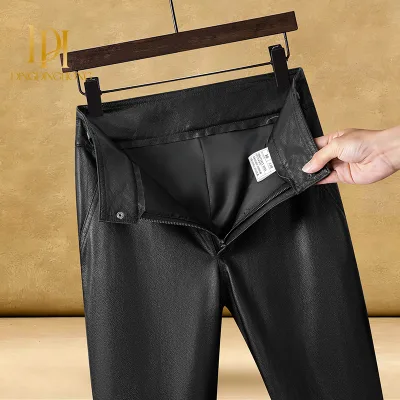
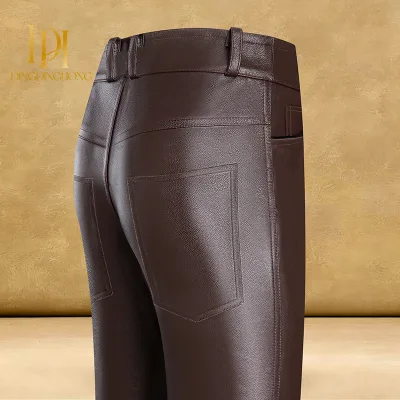
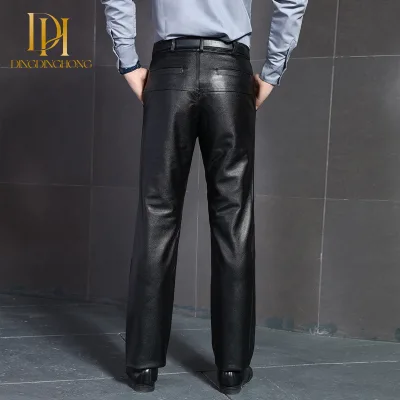
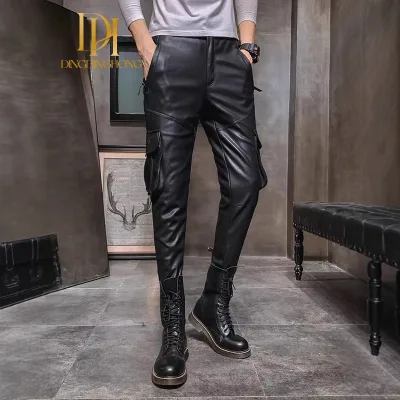
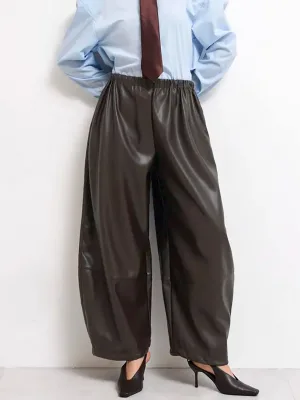
Cowhide Leather Clothing Distributor Pants PU Leg Loose Office Trousers
$10.00 - $40.00
MOQ: 100 Pieces

Comprehensive Sourcing Guide
Leather Pants Sourcing Guide
Sourcing Leather Pants requires a nuanced understanding of material authenticity, construction quality, and supplier reliability. Buyers must distinguish between genuine leather, PU leather, and faux leather options, as each presents distinct cost structures and performance characteristics. The observed market data indicates a wide range of product models, from specific style codes like MA-1124 to generic identifiers such as "Leather Pants 47," suggesting a fragmented supply chain with varying degrees of standardization. Procurement teams should prioritize suppliers who provide clear material specifications and transparent production processes to mitigate the risk of receiving substandard goods.
Commercial terms and logistical capabilities are equally critical in this category. The presence of OEM/ODM acceptance and customization options allows brands to tailor products to specific market demands, while the availability of in-stock items supports faster time-to-market for immediate needs. However, buyers must carefully evaluate minimum order quantities (MOQs) and lead times, which can vary significantly based on production complexity and supplier location. Establishing clear communication channels and verifying transportation methods, such as door-to-door express or sea freight, ensures that inventory planning aligns with sales forecasts and reduces the risk of stockouts or excess inventory.
Product Scope and Observed Listing Signals
The current market landscape for Leather Pants exhibits significant diversity in style, material, and target demographic. Listings reveal a broad spectrum of product attributes, including styles ranging from Moto & Biker to Hip Hop Pants, catering to both unisex adult consumers and specific fashion niches. Material composition varies widely, with offerings featuring genuine leather, PU leather, and combinations of faux leather with metal accents. This variety necessitates careful filtering during the sourcing process to ensure that selected products align with brand identity and customer expectations, particularly regarding texture, durability, and aesthetic appeal.
Seasonal and functional attributes further define the product scope, with many items designed for Spring, Autumn, or Winter wear. Features such as anti-wrinkle properties, waterproofing, and breathability are highlighted as key selling points, indicating a demand for practicality alongside style. Observations also note specific technical details like plain dyed or yarn dyed technics, embossed printing methods, and midweight thickness, which influence the final product's feel and performance. Buyers should leverage these signals to identify suppliers who specialize in their desired niche, whether it be high-fashion biker styles or functional, weather-resistant trousers for everyday wear.
Technical Specifications to Verify
Verifying technical specifications is paramount to ensuring product consistency and quality. Buyers must confirm critical dimensions, such as size ranges (L, XL, 2XL, 3XL) and specific measurements like 69-70cm for certain models, to prevent sizing discrepancies that lead to high return rates. The length of the pants, whether full-length or long, should be explicitly defined in the product description and validated against physical samples. Additionally, closure types, such as elastic waists, and waist types, like mid-rise, must be checked for comfort and fit, as these elements significantly impact customer satisfaction and wearability.
Material composition and construction details require rigorous scrutiny to avoid misrepresentation. Suppliers should provide clear documentation on whether the product is made from genuine leather, PU leather, or faux leather, along with any additional materials like metal components. Technics such as plain dyed or yarn dyed finishes, as well as weaving methods like nonwoven, should be verified through sample inspection. Furthermore, packaging specifications, including individual polybag wrapping or bulk carton quantities, must be confirmed to ensure that products arrive in pristine condition and are ready for retail display or direct shipping to end consumers.
Compliance and Safety Documentation
Compliance with safety and regulatory standards is essential for importing Leather Pants into various international markets. Buyers must ensure that suppliers provide necessary documentation, such as material safety data sheets and chemical compliance certificates, particularly for products treated with waterproof or anti-wrinkle finishes. These treatments often involve chemical agents that may be subject to restrictions in regions like the European Union or North America. Verifying that the dyes and finishes used are free from harmful substances like azo dyes or heavy metals is crucial to avoid legal liabilities and protect consumer health.
Labeling and origin requirements also play a significant role in compliance. Products must accurately reflect their country of origin, whether from Zhejiang, Guangdong, or other regions in China, as mislabeling can result in customs delays or penalties. Additionally, care labels and content tags must comply with local regulations, providing clear instructions for washing and maintenance. Buyers should request samples to verify that all labeling is accurate, durable, and legible, ensuring that the final product meets all statutory requirements for sale in the target market.
Cost Drivers and Commercial Terms
Cost drivers in Leather Pants sourcing include material quality, production complexity, and order volume. Genuine leather typically commands a higher price than PU or faux leather alternatives, while intricate designs, such as embossed patterns or metal accents, can increase manufacturing costs. Minimum order quantities (MOQs) vary, with some suppliers requiring as few as 200 pieces, while others may demand up to 1000, impacting initial investment and cash flow. Buyers should negotiate favorable terms based on order size, seeking discounts for larger commitments or flexible MOQs for trial orders to test market response.
Lead times and payment terms are critical components of the commercial agreement. Suppliers offering 7-day sample order lead times provide an advantage for rapid prototyping and quick decision-making. However, bulk production lead times can extend significantly, requiring careful planning to align with seasonal demand. Transportation methods, including express, air, or sea freight, also influence total landed costs. Buyers should evaluate the trade-off between speed and cost, selecting the most appropriate shipping method based on urgency and budget constraints, while ensuring that all costs, including duties and taxes, are accounted for in the final price.
Supplier Qualification and Quality Control
Supplier qualification involves assessing manufacturing capabilities, quality control processes, and business stability. Buyers should verify that suppliers have experience in producing Leather Pants, with a proven track record of delivering consistent quality. Requesting references or case studies can provide insights into their reliability and customer satisfaction levels. Additionally, evaluating their production facilities, including equipment and workforce expertise, helps ensure that they can meet specific design and material requirements. Suppliers who accept OEM/ODM services demonstrate flexibility and a willingness to collaborate on custom projects.
Quality control measures must be robust to minimize defects and ensure product consistency. Buyers should implement pre-production sample approvals, in-line inspections, and final random inspections before shipment. These steps help identify and rectify issues related to stitching, material defects, or sizing inaccuracies early in the process. Establishing clear quality standards and communicating them effectively to suppliers is essential. Regular audits and performance reviews can further enhance supplier accountability and drive continuous improvement in product quality and delivery reliability.
Long-Term Procurement Checks
Long-term procurement success depends on building strong, collaborative relationships with suppliers. Regular communication and feedback loops help address issues promptly and foster trust. Buyers should conduct periodic performance reviews, assessing suppliers on key metrics such as on-time delivery, product quality, and responsiveness. These evaluations provide valuable insights into supplier reliability and help identify areas for improvement. Maintaining open lines of communication also facilitates smoother negotiations and better alignment on future orders and market trends.
Adapting to market changes and evolving consumer preferences is crucial for sustained competitiveness. Buyers should stay informed about emerging trends in leather fashion, such as sustainable materials or new design styles, and work with suppliers to incorporate these innovations. Continuous monitoring of supply chain risks, including geopolitical factors or raw material shortages, allows for proactive mitigation strategies. By maintaining a flexible and resilient procurement strategy, buyers can ensure a steady supply of high-quality Leather Pants that meet customer demands and drive business growth.
FAQs
What materials are used for these Leather Pants?
The pants are crafted from genuine leather and PU leather options. Some styles incorporate faux leather combined with metal accents for durability. The fabric type is listed as leather, ensuring a premium feel. These materials are selected for their ability to withstand regular wear while maintaining a sleek appearance suitable for various fashion styles.
Can I customize the Leather Pants with my logo?
Yes, customization is available for these Leather Pants. The supplier accepts OEM and ODM orders, allowing you to add your own brand or logo. You can also choose from their existing brand, Princezisu. This flexibility supports private labeling efforts, making it easier for businesses to establish their unique identity in the market with tailored product designs.
What is the minimum order quantity for Leather Pants?
The minimum order quantity is 200 pieces. This MOQ applies to standard orders, ensuring efficient production runs. Buyers should note that this quantity is required to initiate manufacturing or secure stock. It is advisable to plan inventory needs accordingly to meet this threshold, which helps balance cost-efficiency with supply chain management for bulk purchases.
Are these Leather Pants suitable for autumn and winter?
Yes, these pants are designed for autumn and winter seasons. The material provides warmth and protection against cooler weather. Some listings specifically mention autumn suitability, while others indicate winter use. The midweight thickness and leather construction offer insulation, making them practical for colder months while maintaining a stylish look appropriate for seasonal fashion trends.
What features do these Leather Pants offer?
These pants feature anti-wrinkle, waterproof, and breathable properties. The fabric is plain dyed and may include embossed printing methods. They are designed to be durable and comfortable for daily wear. The waterproof aspect ensures protection against light rain, while breathability prevents overheating. These functional attributes make them suitable for various outdoor activities and urban environments.
How are the Leather Pants packaged for shipping?
The pants are packaged in one piece per OPP bag or polybag. Bulk cartons contain 50 pieces each. This packaging method protects the items during transit and storage. The single package size is approximately 12x12x11 cm. This standardized packing ensures efficient handling and reduces the risk of damage, facilitating smooth logistics for international shipments.