Viet Nam Bamboo Bags Suppliers and Manufacturers
Compare 25 verified suppliers offering Viet Nam Bamboo Bags with details on location, lead times, and certifications. Review response times and MOQs to select a partner for your sourcing needs; review the available evidence before requesting comparable quotations from suitable candidates.
Updated
Suppliers List

Shuifu Huiyang Agricultural Technology Co., Ltd.
- Verified by SGS
- Trading Company
- China Yunnan
- Lead time23 days
- Avg. response≤ 3h
Main productsBamboo Products, Bamboo Crafts, Bamboo Chopsticks, Bamboo Skewers, Bamboo Weaving, Bamboo Tray, Bamboo Box, Bamboo Placemat, Bamboo Fruit Bowl, Lamp Shades
Main marketsDomestic
Qingdao Huayi Union Trading Co., Ltd.
- Verified by SGS Group
- Manufacturer, Trading Company
- Lead time50 days
- Avg. response≤ 2h
Main productsStorage basket, Artficial flower, Ottoman stool, Hand Bag, Home Deco
Main marketsWestern Europe(45%), North America(40%), South America(5%)
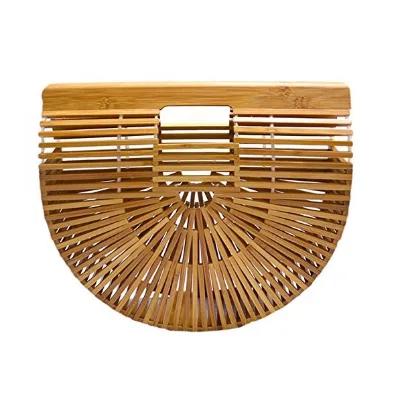
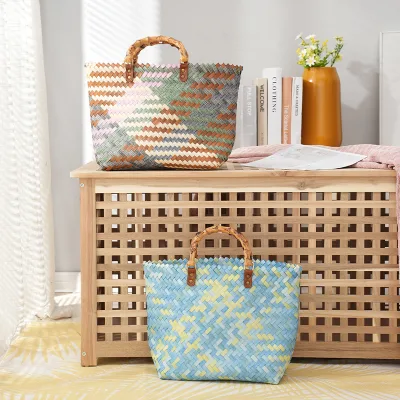
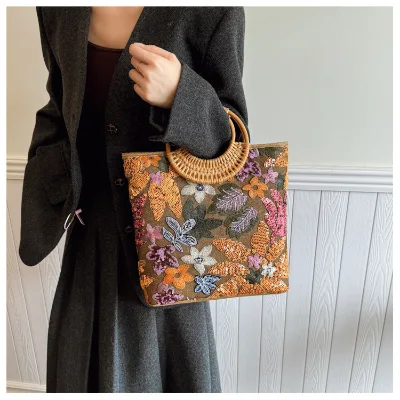
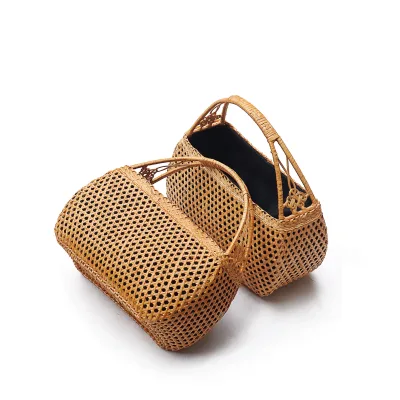
Handmade Vintage Natural Rattan Beach Bag Women Bags Girls Bamboo Handbag
$11.00 - $13.00
MOQ: 500 pieces
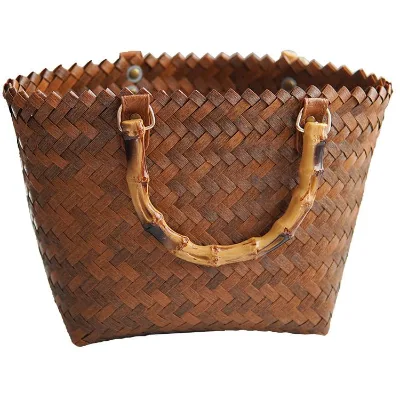
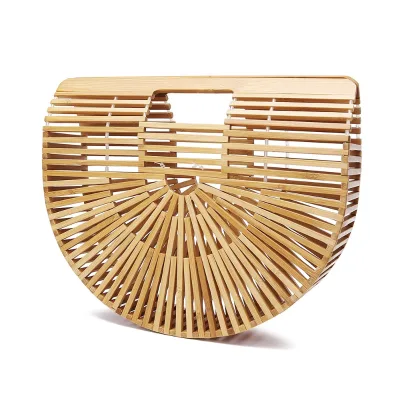
Rattan Plaited Bag Female Hand Woven Bag Vintage Bamboo Clutch Handbag
$2.9845 - $4.684
MOQ: 500 pieces
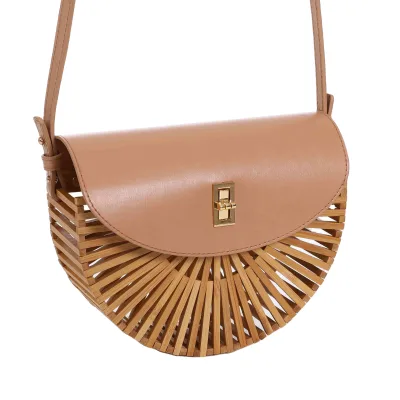
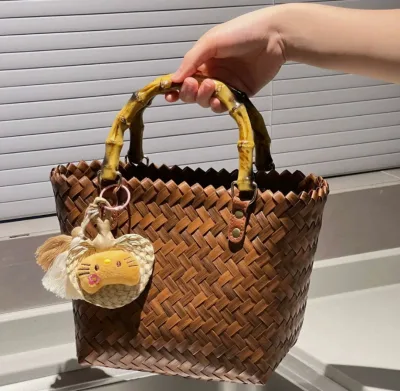
$3.56 - $3.96
MOQ: 200 pieces
Yiwu Jiandie Trading Co., Ltd.
- Trading Company
- Zhejiang, China
- Lead time25 days
- Avg. response≤ 3h
Main productsHandbags,Backpacks,Travel Bags,Shoulder Bags,Evening Bags
Main marketsOceania(20.00%), Africa(20.00%), North America(20.00%), Mid East(10.00%), Western Europe(10.00%), Southeast Asia(10.00%), Domestic Market(2.00%), Southern Europe(2.00%), Eastern Asia(1.00%), South Asia(1.00%), Eastern Europe(1.00%), Northern Europe(1.00%), Central America(1.00%), South America(1.00%)
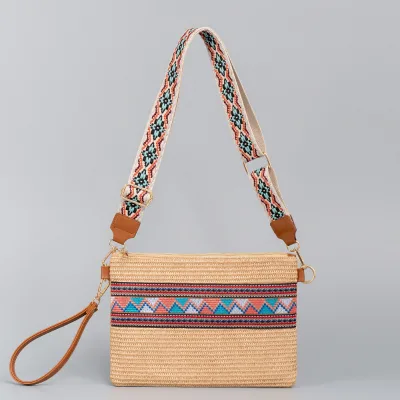
$3.79 - $5.49
MOQ: 3 pieces
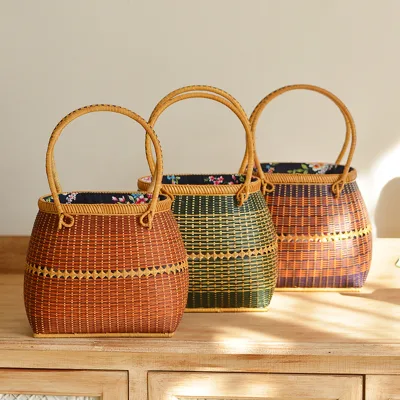
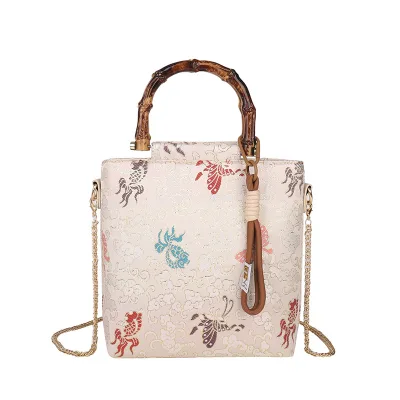
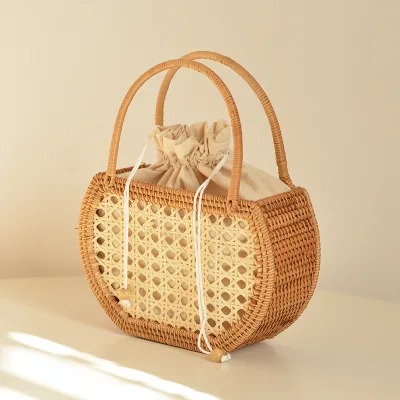
100% Handmade Woven Straw Basket Handwoven Vintage Vietnam Natural Beach Women Rattan Bags
$10.39 - $11.59
MOQ: 3 pieces
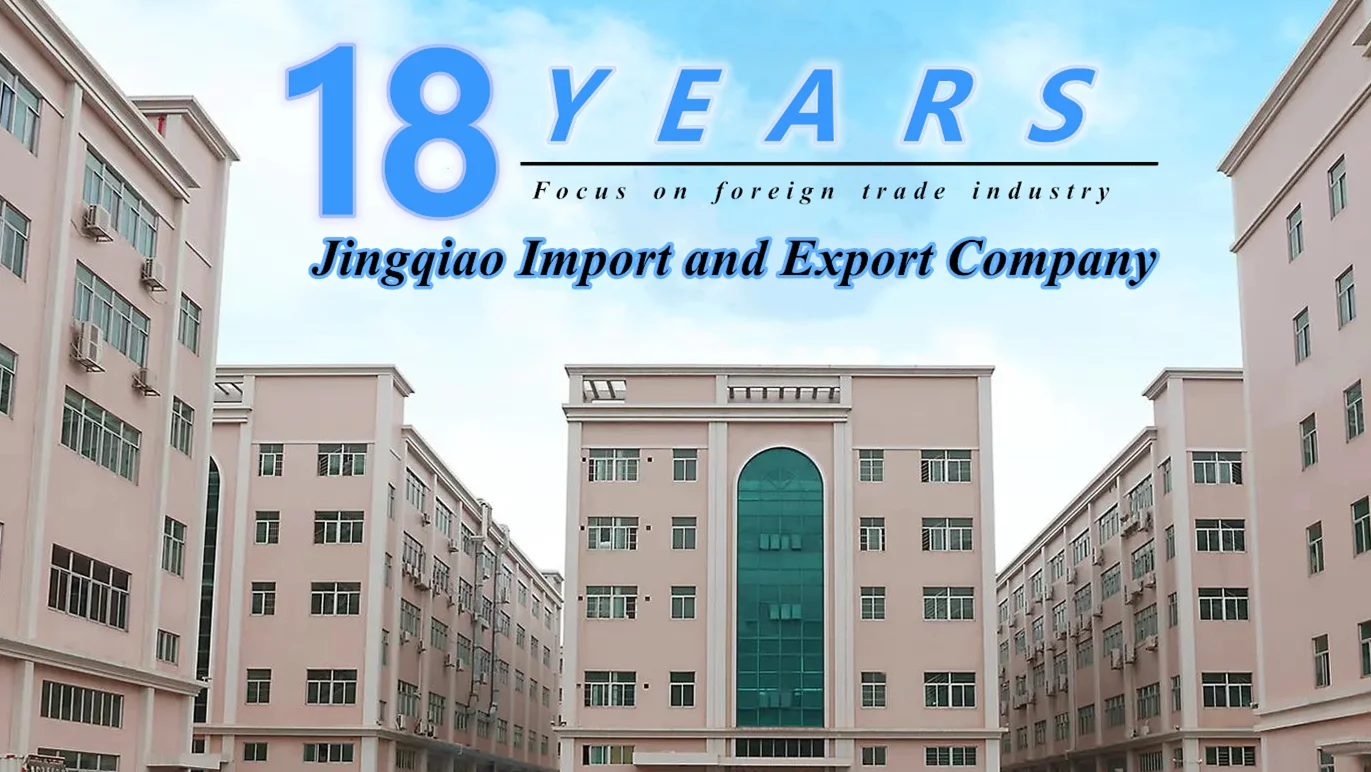
Yiwu Jingqiao Import And Export Co., Ltd.
- Trading Company
- Zhejiang, China
- Lead time45 days
- Avg. response≤ 7h
Main productsHandbags,Scarf,Hat,Jewelry
Main marketsEastern Europe(60.00%), North America(20.00%), Western Europe(10.00%), Central America(5.00%), Northern Europe(3.00%), South Asia(1.00%), Mid East(1.00%)
Nanping Jianyang Eagle Bamboo And Wood Products Co., Ltd.
- Manufacturer
- Fujian, China
- Lead time30 days
- Avg. response≤ 2h
Main productsBamboo and wooden skewer,bamboo and wooden product,bamboo basket,bamboo and wooden chopstick,willow/rattan/grass picnic box
Main marketsWestern Europe(11.11%), Eastern Asia(11.11%), Mid East(11.11%), Oceania(11.11%), Africa(11.11%), Southeast Asia(11.11%), Eastern Europe(11.11%), South America(11.11%), North America(11.11%)

- Trading Company
- Zhejiang, China
- Lead time15 days
- Avg. response≤ 5h
Main productsBEACH BAG,WASHING BAG,WALLET&PURSE,EYE MASK,GLOVE MAT FOR microwave
Main marketsNorth America(30.00%), South America(22.00%), Central America(15.00%), Eastern Europe(10.00%), Southern Europe(10.00%), Northern Europe(8.00%), Western Europe(5.00%)

- Manufacturer/Factory
- China Fujian
- Lead time45 days
- Avg. response≤ 13h
Main productsBamboo Chopping Board, Bamboo Box, Bamboo Tray, Bamboo Bottle, Bamboo Products, Bamboo Cutlery, Bamboo Plywood, Bamboo Furniture, Bamboo Plate, Bamboo Broom
Main marketsSouth America,Eastern Europe,Mid East,North America,Southeast Asia,Oceania,Western Europe,Africa


Handmade Women Bamboo Straw Bags Wholesale Ladies Rattan Tote Casual Bamboo Purse Wholesale
$10.00 - $20.00
MOQ: 300 Pieces

Europe and America Style Bamboo Woven Women Beach Hand Tote Bag Bamboo Wrap Hoop Rattan Tote Bag
$10.00 - $20.00
MOQ: 300 Pieces

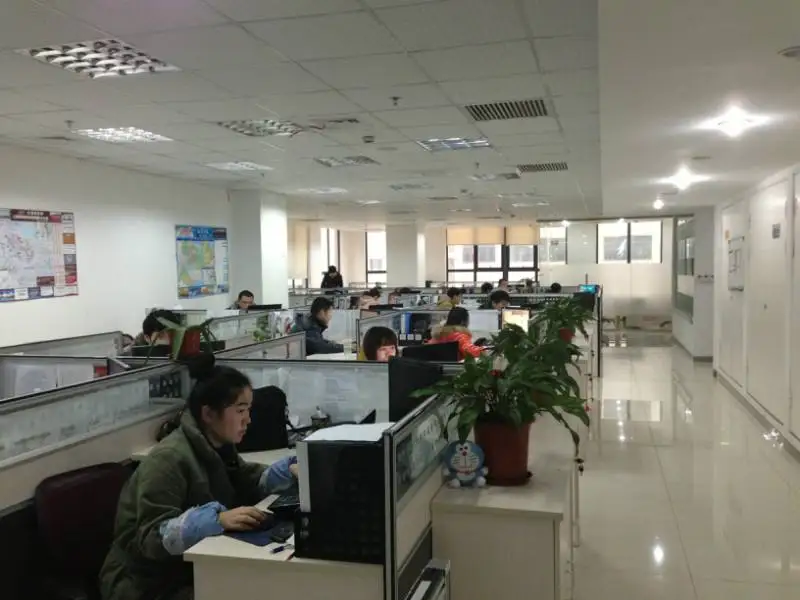
- Trading Company
- Zhejiang, China
- Lead time0 days
- Avg. response≤ 2h
Main productsBag,Clothing,Accessory,Festival Product,OEM servise
Main marketsNorth America(60.00%), South America(10.00%), Eastern Europe(10.00%), Southeast Asia(10.00%), South Asia(10.00%)
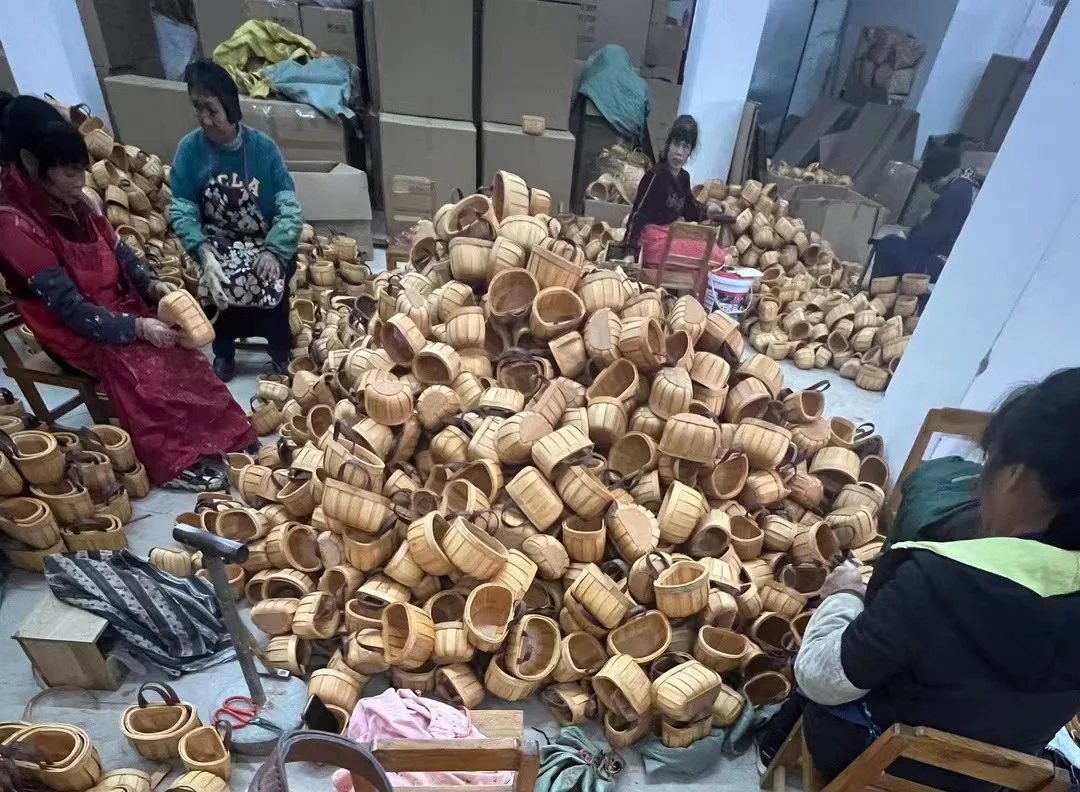
Nanning Holame Home Tech Co., Ltd.
- Manufacturer, Trading Company
- Guangxi, China
- Lead time30 days
- Avg. response≤ 2h
Main productsGift Baskets,Rattan Products,Bamboo Products,Wood Products,Kitchenware
Main marketsNorth America(50.00%), Western Europe(10.00%), Oceania(10.00%), Southern Europe(9.00%), Africa(8.00%), Mid East(6.00%), Northern Europe(5.00%), Eastern Europe(2.00%)
Bo Bai Haosen Handicrafts Co., Ltd.
- Manufacturer, Trading Company
- Guangxi Zhuang Autonomous Region (gzar), China
- Lead time5 days
- Avg. response≤ 2h
Main productsPicnic Basket,Christmas Tree Decorations Base Stand Skirt,Bread Proofing Basket,Fruit Tray,Lampshades
Main marketsDomestic Market(33.00%), North America(33.00%), Oceania(20.00%), Mid East(14.00%)
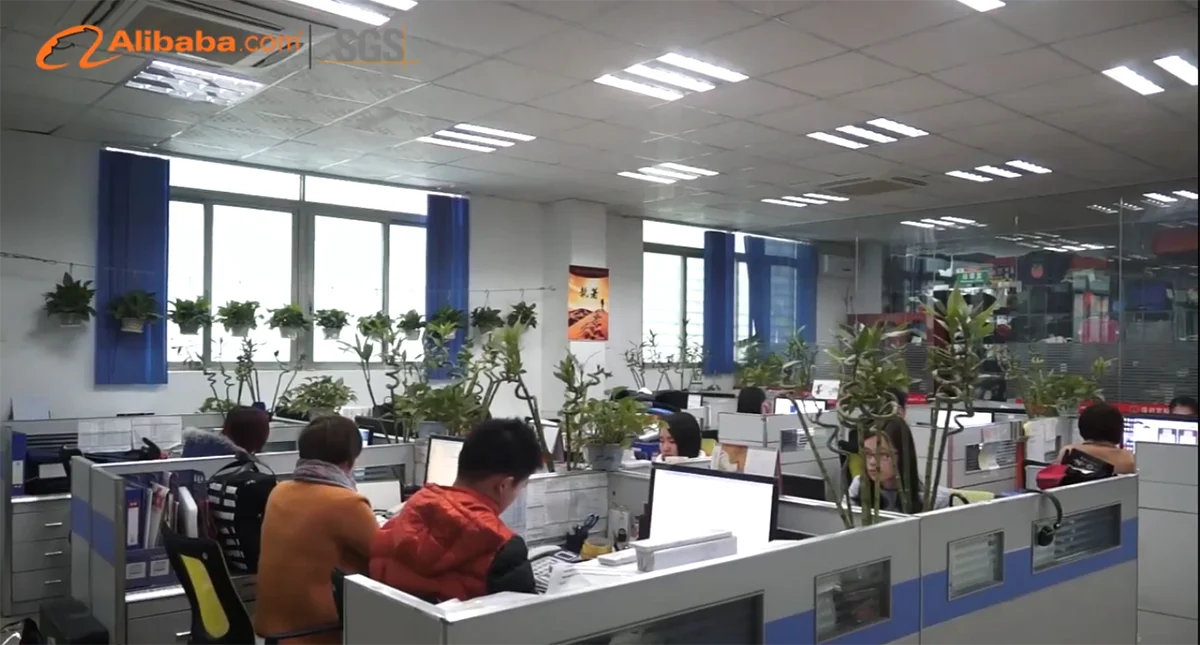
Shenzhen Hongxin Photographic Equipment Co., Ltd.
- Manufacturer
- Guangdong, China
- Lead time30 days
- Avg. response≤ 9h
Main productsCamera Bag,Camera Strap,Camera Lens Bag,Camera Lens Cap,Camera Lens Hood
Main marketsMid East(20.00%), South America(20.00%), Western Europe(20.00%), Northern Europe(10.00%), Central America(10.00%), North America(10.00%)
Guangxi Bobai Huangtu Arts & Crafts Co., Ltd.
- Verified by Intertek
- Manufacturer, Trading Company
- Lead time50 days
- Avg. response≤ 2h
Main productsRattan Baskets, Seagrass Baskets, Water Hyacinth Baskets, Bamboo Baskets, Rattan Home Decor
Main marketsNorth America(50%), Domestic Market(20%), Southeast Asia(10%)

Fuzhou Haomin Imp. & Exp. Co., Ltd.
- Verified by SGS
- Trading Company
- China Fujian
- Lead time30 days
- Avg. response≤ 4h
Main productsBackpacks, Beach Bags, School Bags, Shopping Bags, Canvas Bags, Sports Bags, Cosmetic Bags, Pet Bags, Cotton Bag, Travel Bag
Main marketsEast Asia(Japan/ South Korea),Europe,North America

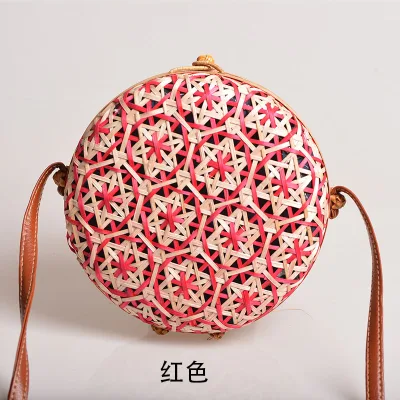
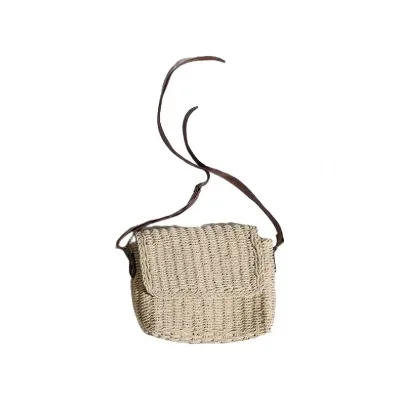
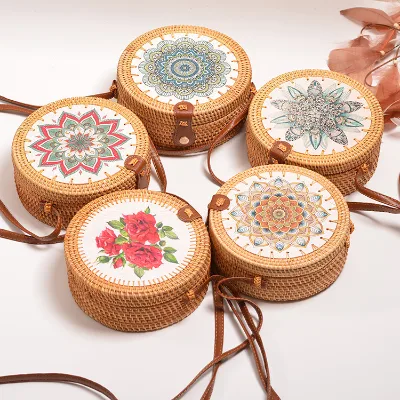
Wholesale of Various Small Vietnamese Rattan Bags with Long Leather Shoulder Straps
$7.60 - $12.00
MOQ: 100 Pieces

Vietnamese Round Rattan Bags with Single Shoulder and Embedded Shells Design
$7.38 - $12.90
MOQ: 10 Pieces
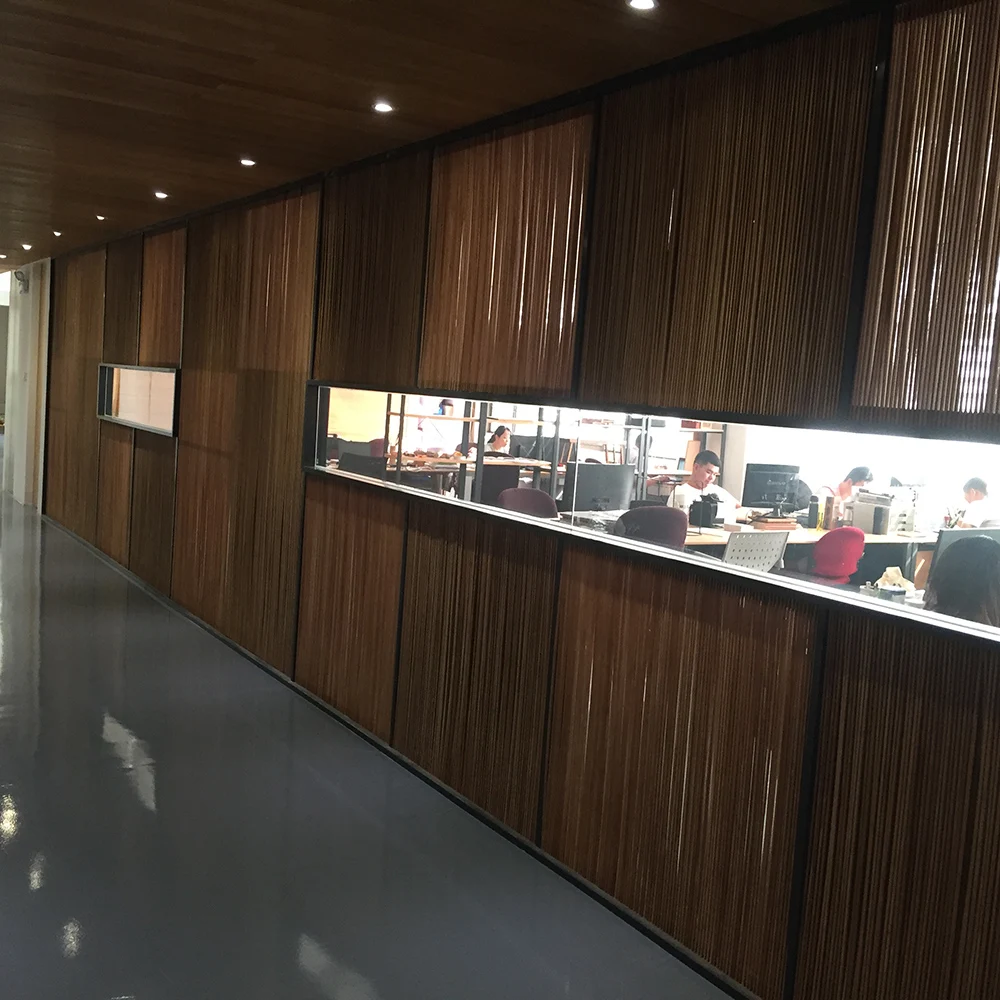
Anji Junding Bamboo And Wood Craft Co., Ltd.
- Manufacturer, Trading Company
- Zhejiang Province, China
- Lead time0 days
- Avg. response≤ 2h
Main productsBamboo bag,Bamboo handbag,Bamboo messenger bag,Bamboo basket,tea whisk
Main marketsWestern Europe(10.00%), Eastern Asia(10.00%), Mid East(10.00%), Oceania(10.00%), Africa(10.00%), Eastern Europe(10.00%), South America(10.00%), North America(10.00%)
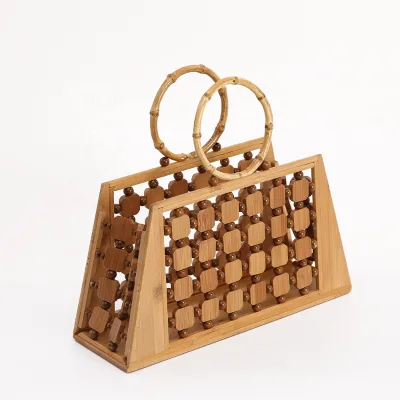
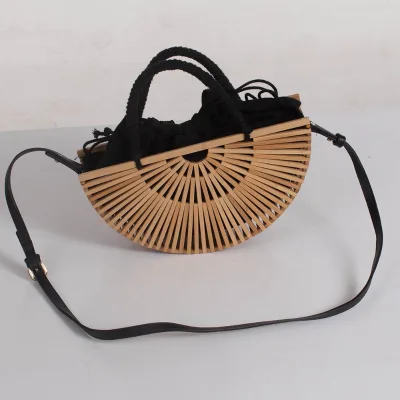
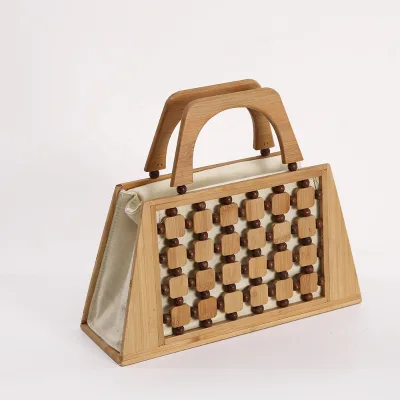
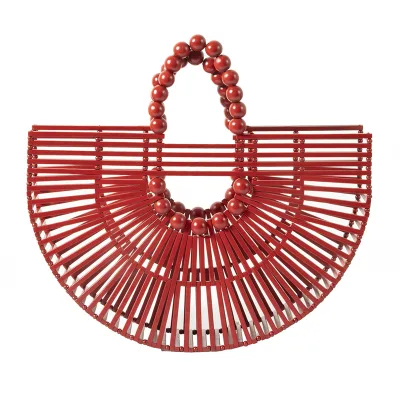
Sac en Bambou Trapezoidal Bamboo Cosmetic Bag with Linning
$14.70 - $21.90

- Verified by CTI
- Trading Company
- China Fujian
- Lead time15 days
- Avg. response≤ 20h
Main productsEarphone
Main marketsDomestic
- Manufacturer, Trading Company
- Guangdong, China
- Lead time20 days
- Avg. response≤ 4h
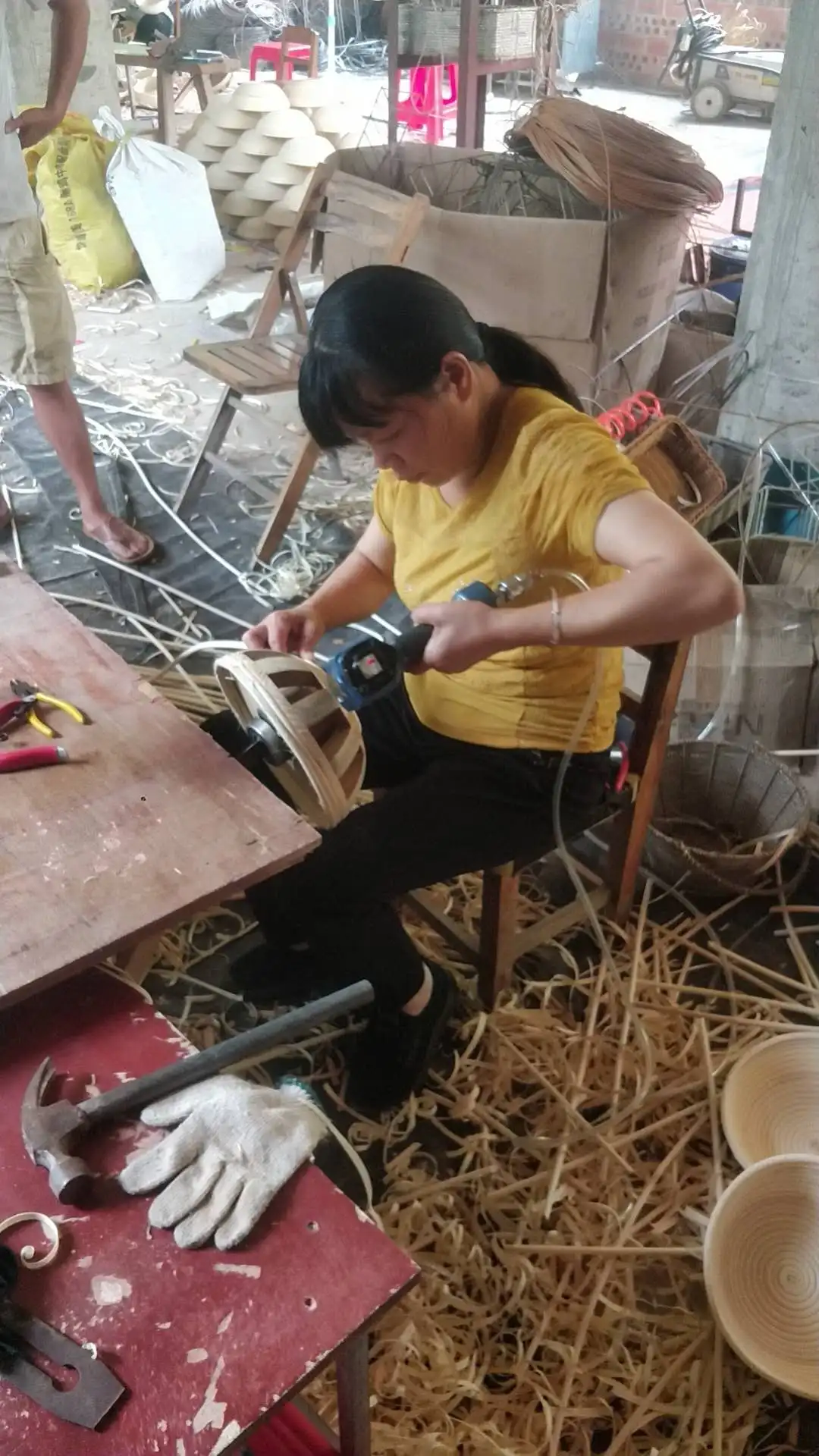
Main productsbread proofing basket,bamboo steamer,placemat,bakeware,kitchenware
Main marketsNorth America(40.00%), Eastern Europe(30.00%), South Asia(20.00%), Mid East(10.00%)

- Verified by CTI
- Manufacturer/Factory
- China Fujian
- Lead time23 days
- Avg. response≤ 6h
Main productsTrolley Luggage, Travel Bags, School Bag, Cooler Bag, Special Backpack, Delivery Bag, Picnic Bag, Hunting Bag, Duffel Bag, Rolling Bag
Main marketsMid East,North America,Southeast Asia,Western Europe

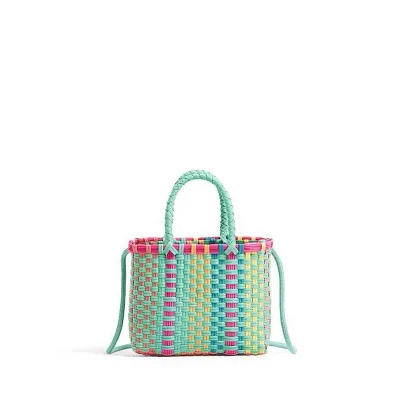
Custom Mini Leisure Cute Colorful Bamboo Rattan Cane Hand Box Cosmetic Handbags
$2.87 - $7.68
MOQ: 1000 Pieces

Travel Daily Life Shop Evening Bamboo Rattan Cane Hand Box Cosmetic Handbags
$2.87 - $5.68
MOQ: 1000 Pieces
Yiwu Jingbi Import And Export Co., Ltd.
- Trading Company
- Zhejiang, China
- Lead time7 days
- Avg. response≤ 4h
Main productsCosmetic bag,Tote Bag,Shopping Bag,Drawstring Bag,Zipper Bag
Main marketsNorth America(40.00%), Western Europe(15.00%), Eastern Europe(10.00%), South America(5.00%), Eastern Asia(5.00%), Mid East(5.00%), Oceania(5.00%), Northern Europe(5.00%), Southeast Asia(5.00%), Southern Europe(3.00%), Africa(2.00%)

Wenzhou Gaodeng Packaging Technology Co., Ltd.
- Trading Company,Manufacturer/Factory
- China Zhejiang
- Lead time23 days
- Avg. response≤ 8h
Main productsCooler Bag, Non Woven Bag, Cotton Bag Canvas Bag, Jute Tote Bag, Cosmetic Bag, PP Woven Bag, Polyester Bag/Drawstring Bag, Ultrasonic Bag, Toolkit
Main marketsSouth America,Eastern Europe,Mid East,North America,Southeast Asia,Eastern Asia,Oceania,Western Europe,Africa

$0.60 - $2.00
MOQ: 1000 Pieces

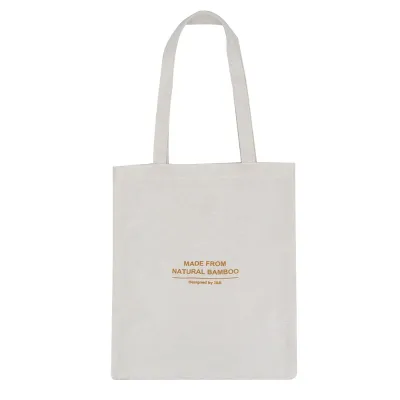
Custom Logo Printed Eco Reusable Shopping Tote Burlap Jute Bag with Bamboo Handle
$0.60 - $2.00
MOQ: 1000 Pieces
- Manufacturer, Trading Company
- Guangdong, China
- Lead time25 days
- Avg. response≤ 3h
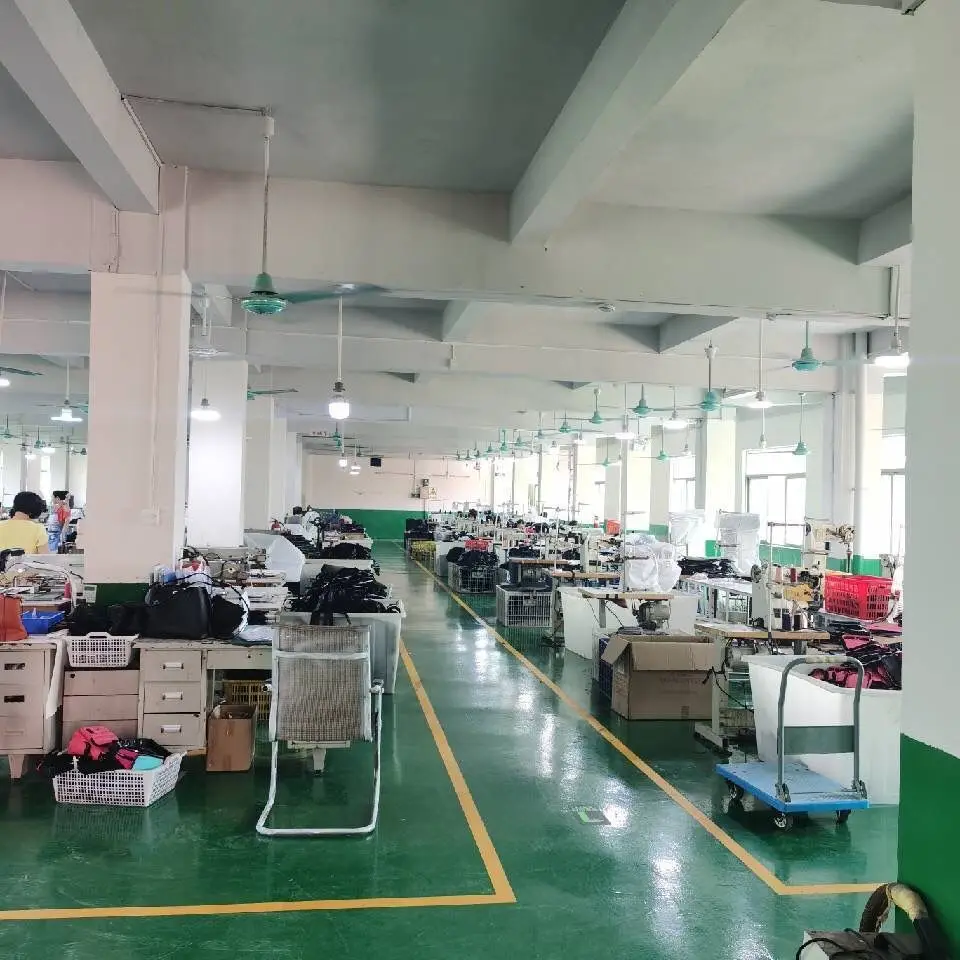
Main productsGym bags,Sport bags,handbags,beach bags,cosmetic bags
Main marketsNorth America(50.00%), South America(10.00%), Oceania(10.00%), Eastern Europe(5.00%), Domestic Market(5.00%), Mid East(5.00%), Southeast Asia(5.00%), South Asia(3.00%), Southern Europe(2.00%), Northern Europe(2.00%), Eastern Asia(2.00%), Western Europe(1.00%)

Anhui Magic Industry Co., Ltd.
- Verified by SGS
- Manufacturer/Factory
- China Anhui
- Lead time98 days
- Avg. response≤ 8h
Main productsCanvas Bag, Tote Bag, Backpack, Shoulder Bag, Drawstring Bag, Cosmetic Bag, Customize Bag, Sports Bag, Shopping Bag, Cooler Bag
Main marketsSouth America,Eastern Europe,Mid East,North America,Southeast Asia,Eastern Asia,Oceania,Western Europe,Africa


Handmade Summer Straw Beach Bali Tote Bag Bamboo Woven Rattan Bag with Pearl Hand
$10.20 - $11.00
MOQ: 50 Pieces

Handmade Summer Straw Beach Bali Tote Bag Bamboo Woven Rattan Bag with Pearl Handle
$10.20 - $11.00
MOQ: 50 Pieces
Ningbo Feinade Electrical Appliance Co., Ltd.
- Manufacturer, Trading Company
- Zhejiang, China
- Lead time30 days
- Avg. response≤ 2h
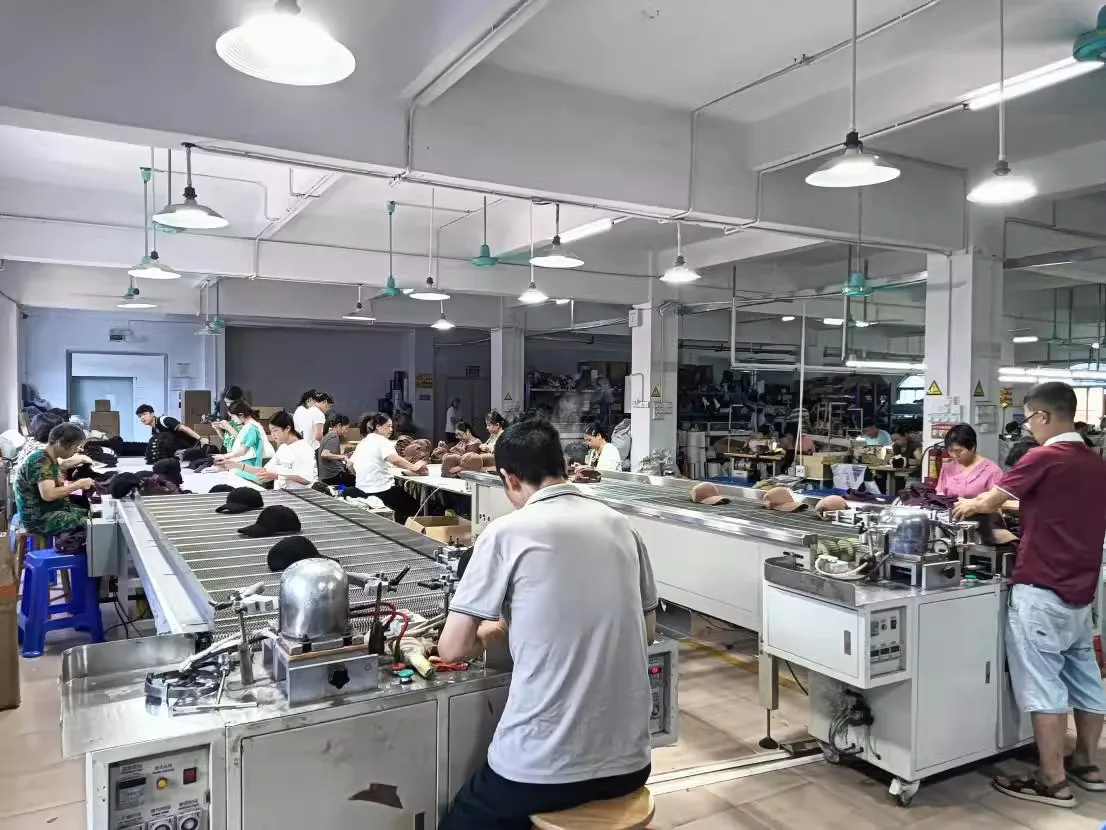
Main productsBaseball caps,Beanies,Straw hats,Backpacks,Shoulder bags
Main marketsEastern Europe(40.00%), North America(30.00%), Domestic Market(10.00%), Southeast Asia(4.00%), Southern Europe(3.00%), Eastern Asia(3.00%), Northern Europe(2.00%), Mid East(2.00%), South America(1.00%), South Asia(1.00%), Oceania(1.00%), Africa(1.00%), Central America(1.00%), Western Europe(1.00%)

Wenzhou Chenfa Packaging Co., Ltd.
- Verified by BV
- Combined
- China Zhejiang
- Lead time15 days
- Avg. response≤ 25h
Main productsTote Bag, Canvas Bag, Jute Bag, Shopping Bag
Main marketsDomestic

Guangzhou Evergreen Leather Goods Co., Ltd.
- Verified by TUVRHEINLAND
- Manufacturer/Factory
- China Guangdong
- Lead time23 days
- Avg. response≤ 14h
Main productsHandbag, Designer Handbag, Wallet, Luxury Handbag, Leather Bag, Purse, Backpack, Travel Bag, Cosmetic Bag, Luggage
Main marketsSouth America,Eastern Europe,Mid East,North America,Southeast Asia,Eastern Asia,Oceania,Western Europe

$6.00 - $14.80
MOQ: 3 Pieces

T151 Large Custom Basket Summer Tote Straw Handbag Wholesale Bamboo for Women Rattan Beach Bag
$12.90 - $15.49
MOQ: 10 Pieces
Guangzhou Gionar Leather Products Co., Ltd.
- Verified by SGS Group
- Manufacturer, Trading Company
- Lead time30 days
- Avg. response≤ 5h
Main productsLaptop Backpacks, Handbags, Evening Bags, Collar And Leash Products, Messenger Bags
Main marketsNorth America(35%), Oceania(15%), Western Europe(11%)


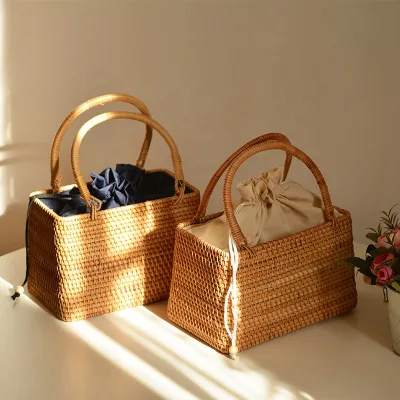
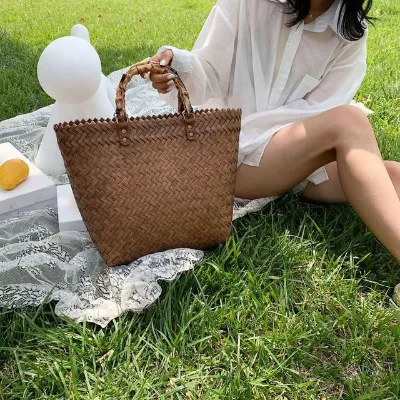
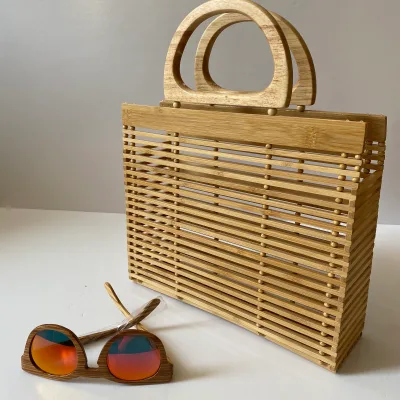
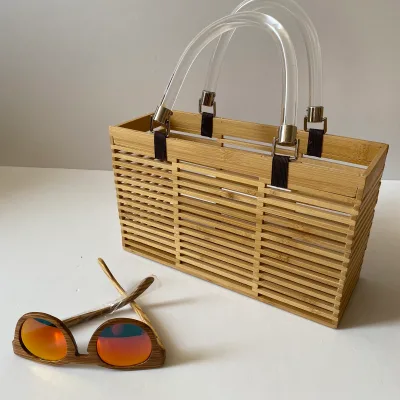
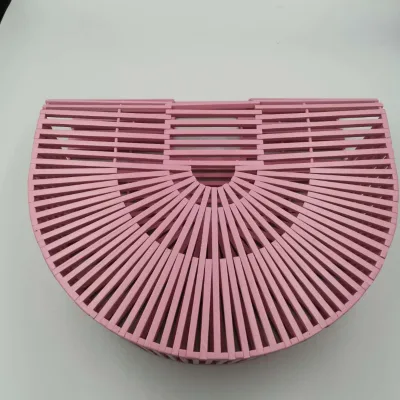
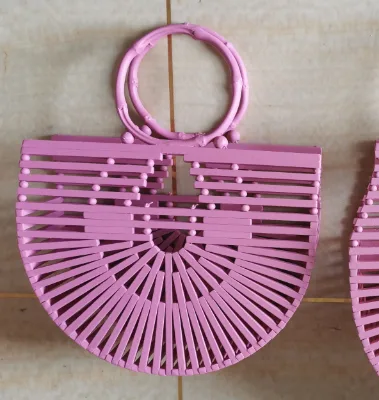
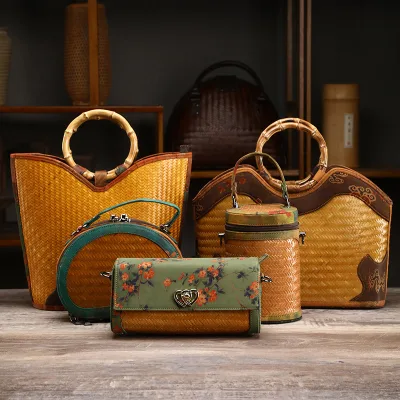
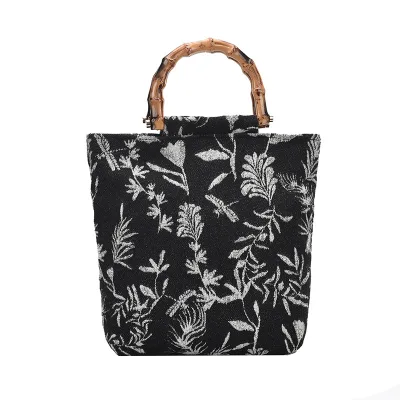
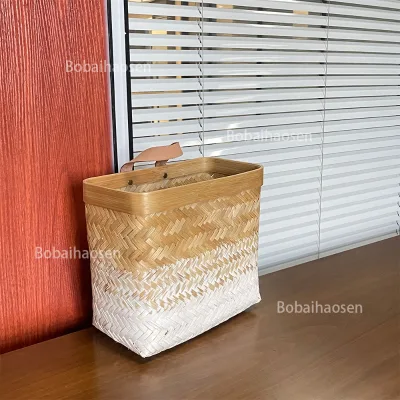
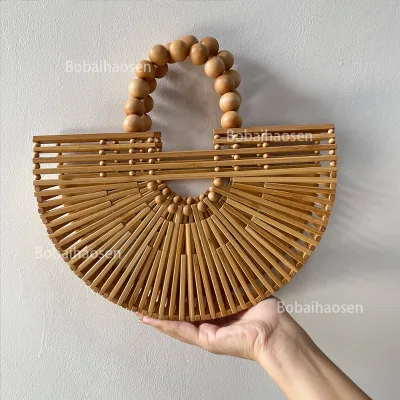
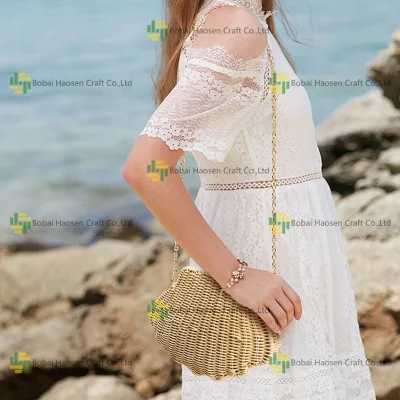
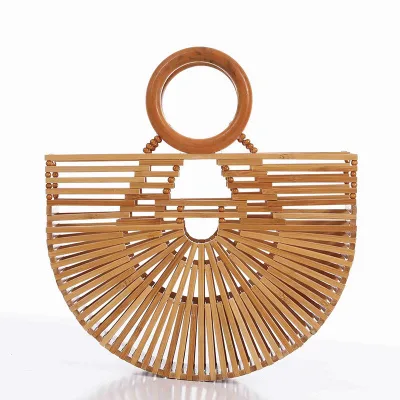

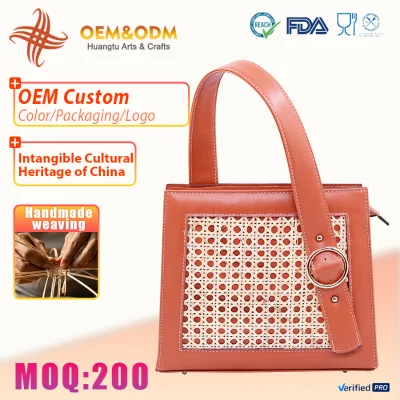
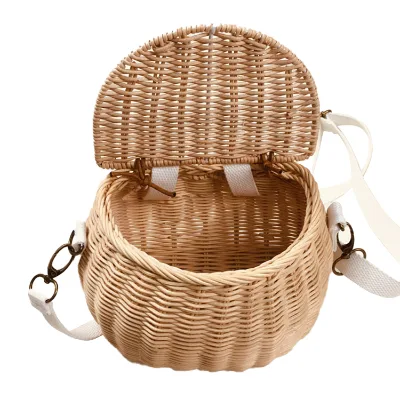


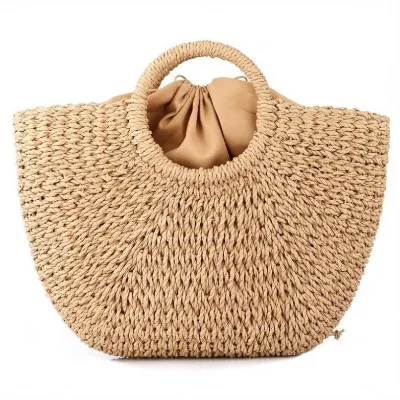
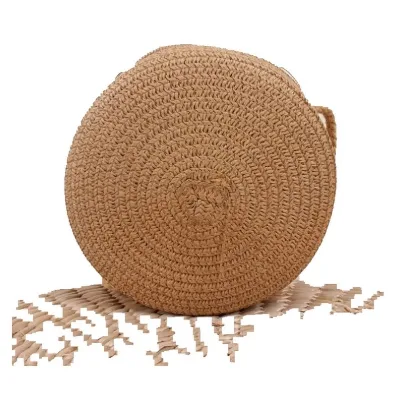
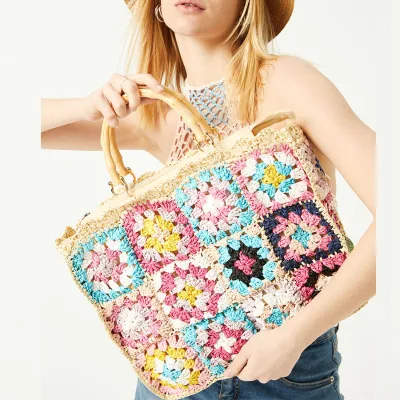
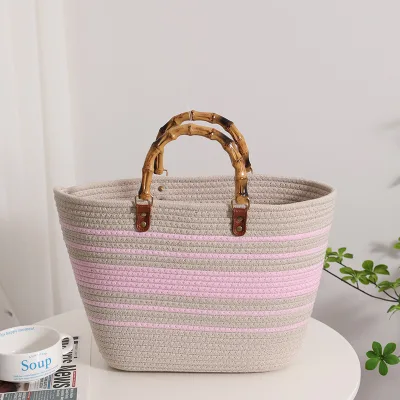
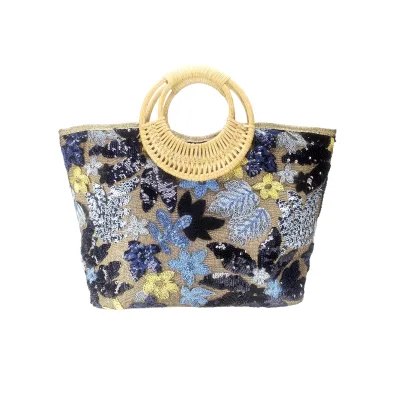


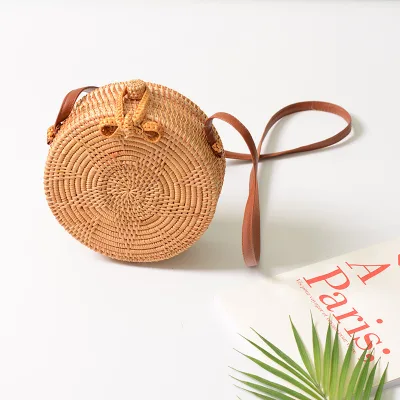
Comprehensive Sourcing Guide
Viet Nam Bamboo Bags Supplier Concentration and Factory Types
The current search results indicate that verified suppliers for bamboo products are primarily located in China, specifically within the Yunnan province and Shandong province, rather than in Vietnam. While the core keyword focuses on Viet Nam, the available data shows a concentration of manufacturers and trading companies in Chinese regions known for bamboo cultivation and processing. Buyers seeking Viet Nam-specific clusters must verify if local factories exist, as the current evidence points to Chinese origins for the listed items. Some suppliers operate as trading companies, while others function as manufacturers with combined capabilities. This distinction is critical because trading companies may source from multiple factories, whereas manufacturers control the production process directly.
When evaluating supplier types, the data reveals a mix of entities offering both production and trading services. Some suppliers list main products that include bamboo crafts, storage baskets, and handbags, indicating a focus on finished goods. Others specialize in specific weaving techniques or custom designs. Buyers should not assume a supplier's location based solely on the product name or keyword. Instead, they must check the "place of origin" field in product attributes, which currently shows China for the majority of items. Identifying the actual factory location requires direct confirmation, as the search results do not confirm a significant presence of Vietnamese factories in this specific dataset.
How to Verify Viet Nam Bamboo Bags Suppliers
Verification is essential when sourcing bamboo bags, as the current results show suppliers verified by SGS and SGS Group. These third-party audits provide a baseline for assessing company legitimacy, but buyers must confirm if the verification covers the specific factory location in Vietnam. The data includes various certifications such as GRS, ISO14001, BSCI, and FSC, which indicate compliance with environmental and social standards. However, these certifications are attached to specific supplier profiles that list China as the origin. Buyers looking for Vietnamese suppliers must request proof that these certifications apply to their specific Vietnamese facilities, not just a parent company or a different regional branch.
Response time and lead time are also key verification metrics found in the supplier data. Current results show response times ranging from 2 to 2.83 hours and lead times varying from 23 to 50 days. These figures help gauge operational efficiency, but they do not guarantee the supplier's physical presence in Vietnam. Buyers should ask for a video tour of the production floor to confirm the location and verify that the staff and machinery match the claimed capabilities. Additionally, checking the "place of origin" in product attributes is a necessary step to ensure the goods are not merely labeled as Vietnamese while being manufactured elsewhere.
What to Compare Across Viet Nam Bamboo Bags Suppliers
Comparing suppliers requires a focus on specific data points like lead time, minimum order quantity, and response speed. The available data shows lead times ranging from 23 to 50 days, which significantly impacts inventory planning. Buyers must compare these durations against their own production schedules to determine feasibility. Minimum order quantities also vary, with some suppliers requiring 100 units while others demand 500 or 1000 units. This variation affects the initial investment and risk profile for new buyers. Understanding these thresholds is crucial for determining which suppliers can accommodate small batch orders versus large-scale production runs.
Price and customization options are another critical area for comparison. The data indicates prices ranging from $0.28 to $38.00 per unit, depending on the product complexity and material. Some suppliers offer customizable designs, colors, and packaging, while others provide standard models. Buyers should compare the cost of customization against the potential for brand differentiation. Additionally, the main products listed, such as handwoven bags, storage baskets, and beach bags, vary in complexity. A supplier specializing in simple woven bags may offer lower prices but limited design flexibility compared to a manufacturer capable of intricate bamboo root weaving.
Common Viet Nam Bamboo Bags Sourcing Risks
One significant risk involves the discrepancy between the search keyword and the actual supplier locations. The current results predominantly list China as the origin, which contradicts the expectation of sourcing from Vietnam. This mismatch can lead to confusion regarding shipping costs, import duties, and supply chain transparency. Buyers must verify the actual manufacturing location to avoid receiving goods from an unexpected region. If a supplier claims to be Vietnamese but the product attributes list China, this is a red flag that requires immediate clarification. Ensuring the origin matches the intended sourcing strategy is vital for maintaining supply chain integrity.
Another risk is the variability in product quality and material composition. The data shows products made from bamboo, straw, and PP materials, with some listing "Other" as the material type. This inconsistency can lead to receiving goods that do not meet the expected quality standards for bamboo products. Buyers should request physical samples to verify the material quality and construction durability. Additionally, the presence of different weaving techniques, such as hand weaving versus machine processing, can affect the final product's appearance and value. Without clear specifications, buyers risk receiving items that do not align with their brand's aesthetic or functional requirements.
Viet Nam Bamboo Bags Regional Sourcing and Logistics
Logistics planning must account for the actual locations of the suppliers, which currently appear to be in China rather than Vietnam. The data lists ports such as Qingdao Port for dispatch, indicating that shipping routes will likely originate from Chinese ports. Buyers sourcing from Vietnam would need to adjust their logistics strategy to accommodate different shipping lanes and transit times. If Vietnamese suppliers are identified, the logistics plan must include specific details about local ports and inland transportation. Understanding the geographic distance between the factory and the port is essential for calculating accurate freight costs and delivery timelines.
Supply ability is another logistical factor to consider, with some suppliers reporting a capacity of 20,000 pieces per month. This capacity figure helps buyers assess whether a supplier can meet large order volumes without delays. However, the current data does not confirm if this capacity is available for Vietnamese production. Buyers should inquire about the supplier's ability to scale production during peak seasons and how they handle potential disruptions. Ensuring that the logistics network can support the required volume is critical for maintaining a steady supply of bamboo bags. Planning for buffer stock and alternative shipping routes can mitigate potential delays.
Viet Nam Bamboo Bags Commercial Terms and Order Planning
Commercial terms such as payment methods, escrow services, and contract details are vital for securing a successful transaction. The current data does not explicitly mention escrow availability, so buyers must verify if the platform offers this protection for international orders. Understanding the payment terms, including deposit requirements and balance payment schedules, is essential for cash flow management. Buyers should also clarify the terms for customization, including any additional costs for design changes or special packaging. Clear communication of these terms prevents misunderstandings and ensures that both parties are aligned on the financial expectations of the order.
Order planning requires a detailed understanding of the production timeline and quality control processes. The data shows sample times ranging from 7 to 10 days, which is a critical step before full production begins. Buyers should factor in this lead time when planning their order schedule to avoid delays in receiving the final goods. Additionally, the availability of customization options, such as color and design, should be confirmed early in the process. Establishing a clear timeline for sample approval, production, and shipping ensures that the order is completed within the desired timeframe. Proper planning minimizes the risk of production bottlenecks and ensures a smooth transition from order placement to delivery.
FAQs
Where are these bamboo bags manufactured?
The bamboo bags are manufactured in China, specifically in Yunnan and Shandong provinces. Some suppliers operate as trading companies while others function as manufacturers. This location data helps buyers assess shipping logistics and regional production capabilities for their specific sourcing needs.
What is the minimum order quantity for bamboo bags?
Minimum order quantities vary by product, ranging from 100 pieces to 1000 pieces. Specific items like handwoven bags may require 1000 units, while other styles start at 500 or 100 units. Buyers should verify the exact MOQ for each specific product model before placing an order.
How long does production take for these items?
Production lead times range from 23 days to 50 days depending on the supplier and order volume. Some suppliers offer faster turnaround times while others require up to 50 days for completion. Buyers should confirm the specific lead time with the supplier before finalizing their purchase timeline.
Are customization options available for bamboo bags?
Yes, customization is available for many bamboo bag products including design, color, and packaging. Suppliers offer hand-woven techniques and can adjust models to meet specific buyer requirements. Buyers should check product attributes to confirm if custom designs or specific weaving techniques are supported for their needs.
What certifications do the suppliers hold?
Suppliers hold various certifications including SGS verification, ISO14001, BSCI, FSC, and FDA compliance standards. Some also meet EU regulations and specific loading test requirements. Buyers should verify which specific certifications apply to their target products to ensure compliance with their market regulations.
What is the price range for bamboo bags?
Prices for bamboo bags range from $0.28 to $38.00 per unit depending on the style and complexity. Simple woven baskets start at lower prices while intricate handmade designs cost more. Buyers should review specific product listings to find the exact price point that fits their budget.
How quickly do suppliers respond to inquiries?
Supplier response times vary, with some responding within 2 hours and others taking up to 2.83 hours. Faster response times indicate higher availability for immediate communication. Buyers should expect varying response speeds and plan their inquiry timing accordingly to ensure timely updates on their orders.