Source Crochet Insulated Water Cup Cover for Outdoor, Travel, and Daily Use
Source 30 Crochet Insulated Water Cup Cover options from China. Compare materials like cotton fabric and acrylic, styles including bohemian and minimalist designs, and customization features such as logo printing and size adjustments for your specific needs; compare the available evidence and request quotations based on your requirements.
Updated
Key considerations
Products List
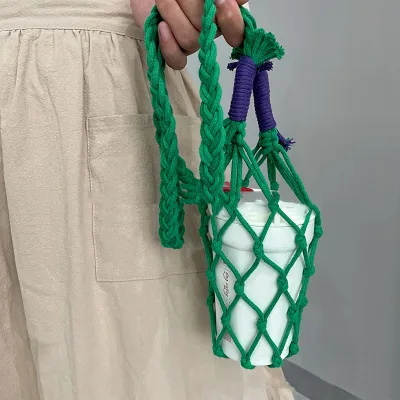
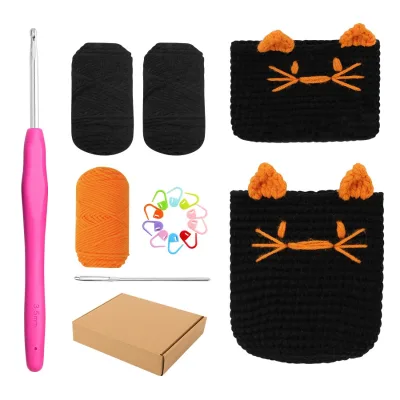
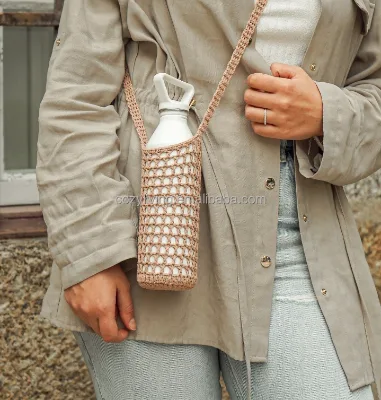
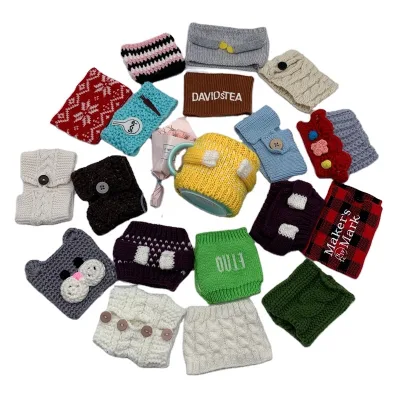
Hot Sale Custom Handmade Knitted Cup Cover Mug Sweater Crochet Mug Sleeve
$1.0233 - $4.12
MOQ: 200 pieces
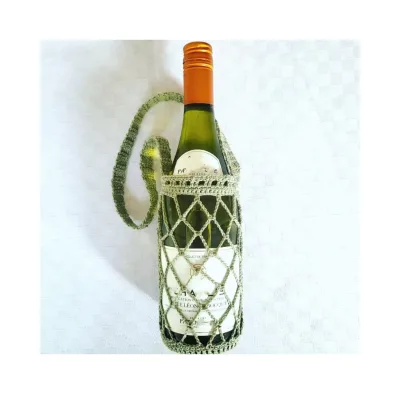
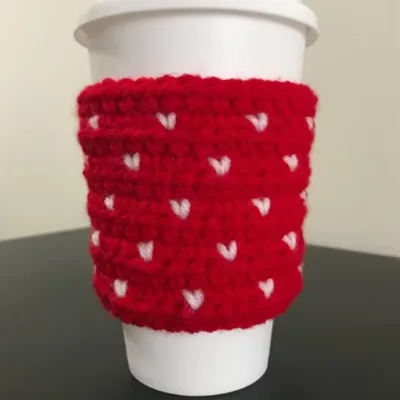
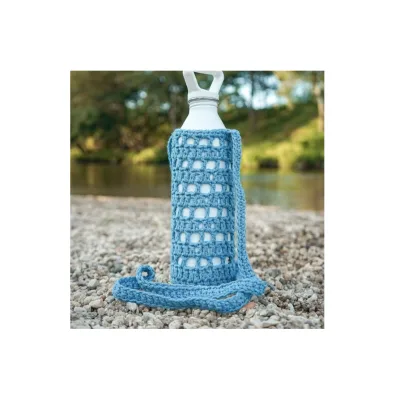
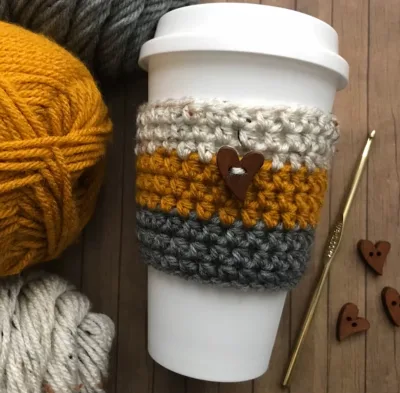
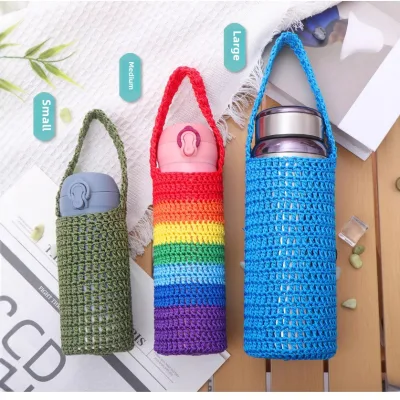
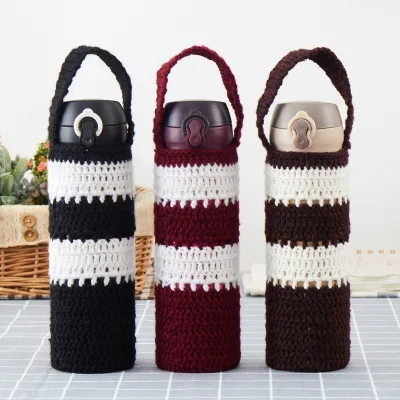
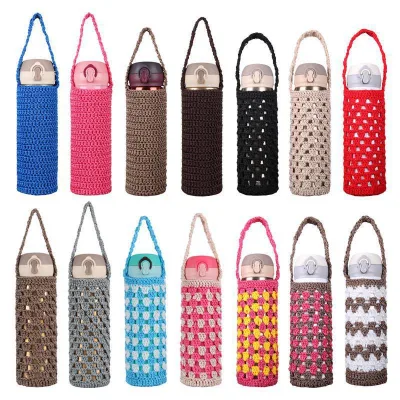
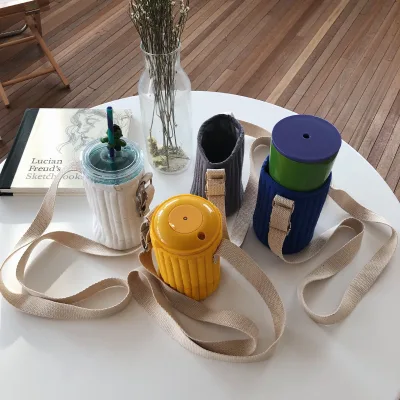

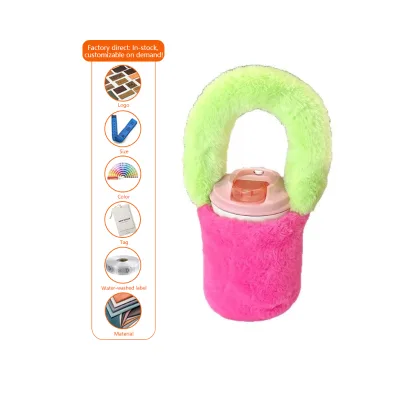
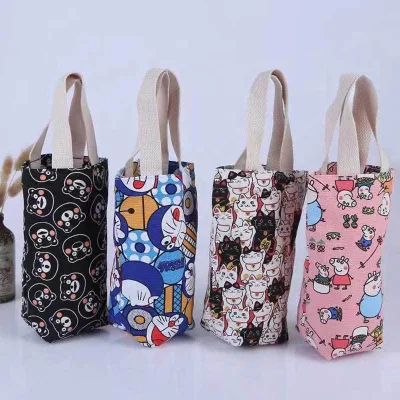


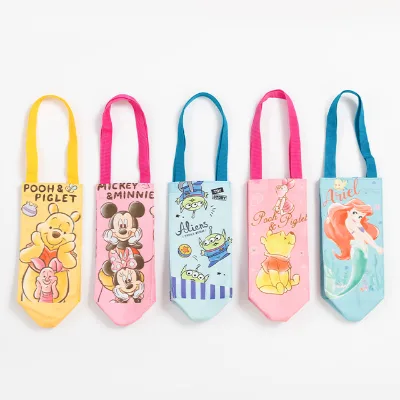
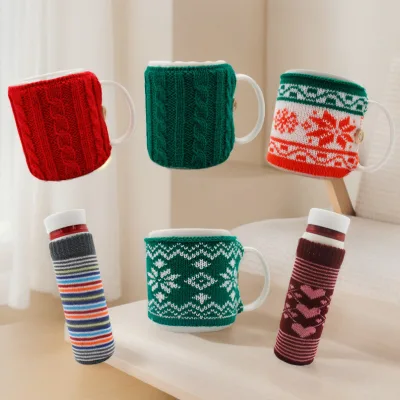
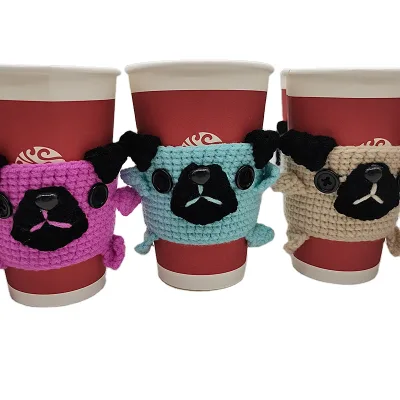
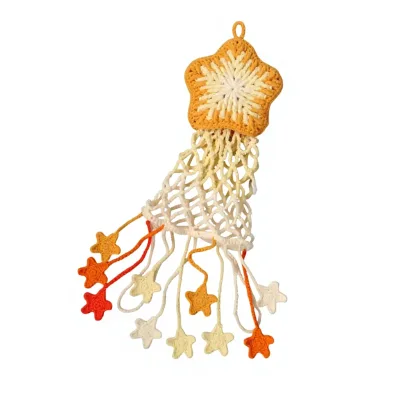
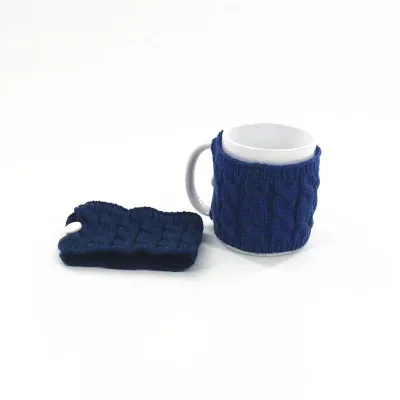
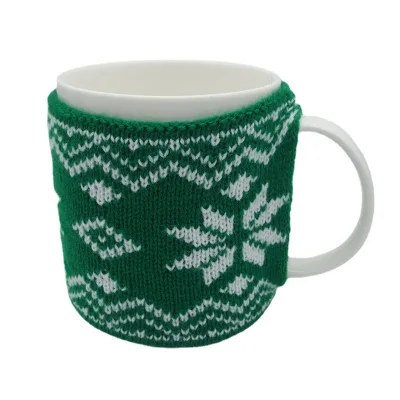
Wholesale Knit Cable Mug Sleeve Cozy Coffee Sleeve Cup Cover With Custom Design
$1.85 - $2.90
MOQ: 1000 pieces
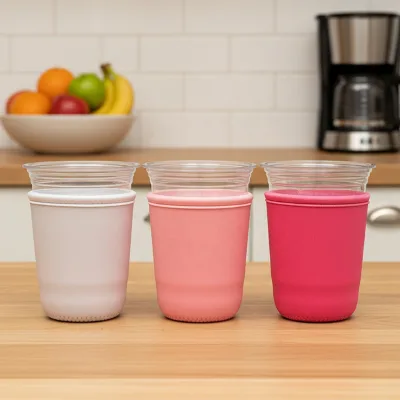
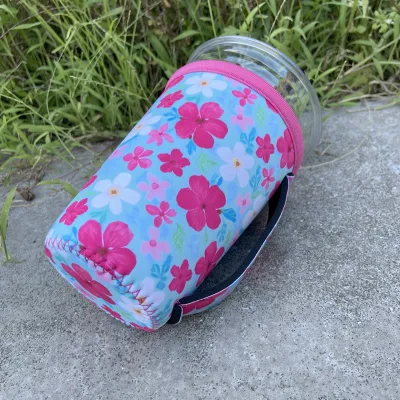
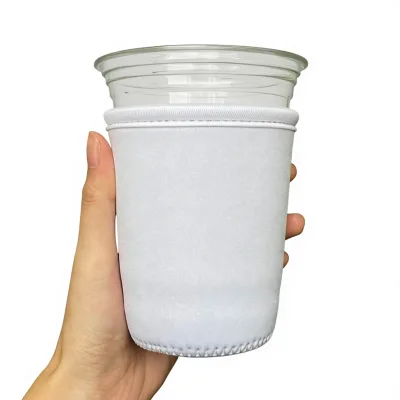
Comprehensive Sourcing Guide
Crochet Insulated Water Cup Cover Sourcing Guide
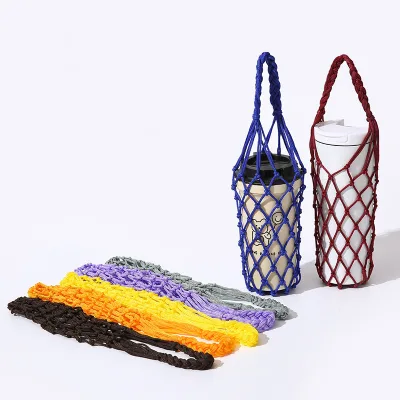
Sourcing crochet insulated water cup covers requires a nuanced understanding of handmade textile attributes and functional insulation needs. Buyers must distinguish between purely decorative crochet items and those engineered for thermal retention. The observed market signals indicate a strong preference for bohemian and minimalist styles, often crafted from cotton fabric or acrylic yarns. These materials offer distinct tactile experiences and durability profiles, influencing both the aesthetic appeal and the practical lifespan of the product. Procurement teams should prioritize suppliers who clearly specify material composition, as "cotton" and "acrylic" behave differently regarding shrinkage, washing, and insulation performance.
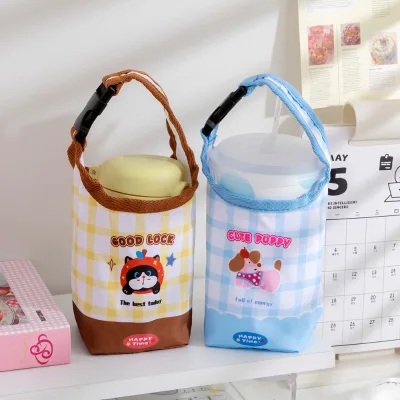
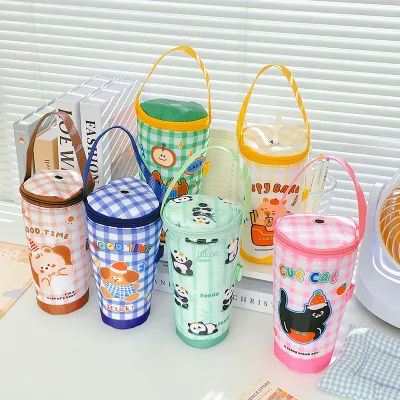
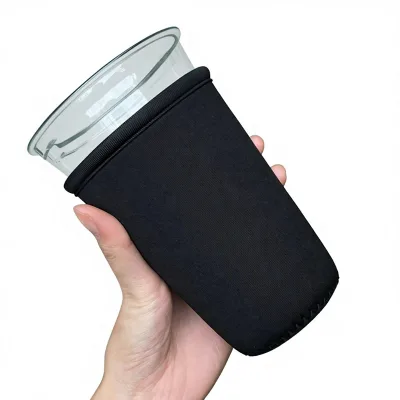
Commercial listings reveal a wide variance in product definitions, ranging from simple cup sleeves to complex holders with straps. This ambiguity necessitates rigorous specification verification before placing orders. The observed data highlights products labeled as "water bottle holders" alongside "crochet cup covers," suggesting that functional capacity and structural design vary significantly. Buyers should focus on single package dimensions and gross weight to estimate shipping costs accurately. Understanding these physical attributes helps in selecting the right supplier for specific retail channels, whether targeting outdoor enthusiasts or fashion-conscious consumers seeking unique accessory options.
Product Scope and Observed Listing Signals
The current market landscape for crochet cup accessories is diverse, featuring items designed for various capacities and styles. Observed listings include products with capacities within 600ml and others labeled as "other," indicating flexibility in sizing. Styles range from bohemian and normcore minimalist to general fashion trends, appealing to different demographic segments. The presence of OEM branding suggests that many manufacturers are open to custom designs, allowing buyers to create unique brand identities. This customization potential is a key driver for private label opportunities, where distinct visual elements like hollow-out decorations or solid colors can be tailored to specific market preferences.
Functional attributes also vary, with some products featuring soft handles and two straps, while others are simple clutch-style sleeves. The observed gender targeting is primarily women, aligning with current fashion accessory trends. Seasonality is noted as "all seasons," implying versatility in usage. However, the waterproof attribute is listed as "other," requiring buyers to clarify if the material offers any water resistance. This distinction is critical for outdoor activity applications, where moisture protection might be a priority. Buyers must carefully review product images and descriptions to ensure the observed features match their specific operational requirements.
Technical Specifications to Verify
Verifying technical specifications is essential to ensure product consistency and quality. Buyers should confirm the exact material composition, distinguishing between cotton fabric, pure cotton yarn, and acrylic blends. The observed model numbers, such as CS128 and 20240401, indicate that suppliers may have internal SKUs that differ from external marketing names. It is crucial to request physical samples to assess the crochet density, stitch quality, and overall structural integrity. The single package size and gross weight data provided in listings serve as initial benchmarks, but actual product dimensions may vary due to the handmade nature of crochet items.
Closure types and lining materials are other critical technical aspects. Observed products feature open closures, which may require additional design considerations for security. Lining materials, such as cotton, can enhance comfort and insulation but must be verified for compatibility with the outer crochet layer. Buyers should also inquire about customization options for size and shape, as observed listings mention "customized size" and "customized shape." Understanding the limits of these customization capabilities helps in setting realistic expectations for product development. Clear communication of technical requirements prevents misunderstandings and ensures the final product meets functional and aesthetic standards.
Compliance and Safety Documentation
Compliance and safety documentation are vital for importing textile products, especially those intended for personal use. Buyers must ensure that suppliers provide relevant test reports for flammability, chemical safety, and physical durability. Although specific certification standards are not explicitly listed in the observed data, buyers should request compliance with international standards such as CPSIA for children's products or REACH for European markets. The observed age ranges, including 13-24m and 25-36m, highlight the need for strict safety checks for younger demographics, particularly regarding small parts or choking hazards.
Labeling requirements are another critical compliance aspect. Products must be accurately labeled with material composition, care instructions, and country of origin. The observed place of origin includes Fujian, Zhejiang, and general China locations, which may impact labeling regulations depending on the destination market. Buyers should verify that suppliers adhere to these labeling laws to avoid customs delays or penalties. Additionally, any claims regarding insulation or waterproofing must be substantiated by test data to prevent misleading advertising. Proactive compliance management protects brand reputation and ensures legal market entry.
Cost Drivers and Commercial Terms
Cost drivers for crochet cup covers include material costs, labor intensity, and customization complexity. Handmade crochet processes are labor-intensive, leading to higher production costs compared to machine-made alternatives. The observed MOQ ranges from 9 to 1000 pieces, offering flexibility for small batch orders but potentially impacting unit costs for larger volumes. Buyers should negotiate pricing based on order quantity and design complexity. Customized logos and shapes may incur additional setup fees, which should be clarified upfront. Understanding these cost structures helps in budgeting and pricing strategies for retail distribution.
Commercial terms such as lead times and payment conditions are also significant factors. Observed sample lead times are 1-3 days, indicating efficient sample production. However, mass production lead times are not specified and should be confirmed with suppliers. Payment terms typically involve a deposit and balance before shipment, but variations exist. Buyers should seek favorable terms to manage cash flow effectively. Additionally, shipping costs are influenced by single package dimensions and gross weight, so accurate data is crucial for logistics planning. Clear commercial agreements minimize risks and ensure smooth transaction processes.
Supplier Qualification and Quality Control
Supplier qualification involves assessing manufacturing capabilities, quality control processes, and reliability. Buyers should verify the supplier's experience in producing crochet items and their ability to maintain consistent quality across batches. The observed decoration options, such as "none" or "hollow out," require skilled craftsmanship to execute properly. Quality control measures should include inspections for loose threads, uneven stitching, and color consistency. Buyers may request third-party inspection services to ensure products meet specified standards before shipment. Establishing a robust quality control framework reduces the risk of defects and customer complaints.
Communication and responsiveness are also key indicators of supplier reliability. Suppliers who provide detailed product information and respond promptly to inquiries are more likely to deliver satisfactory results. Buyers should evaluate the supplier's ability to handle customization requests and adapt to changing market demands. Building a strong relationship with qualified suppliers ensures long-term partnership and mutual growth. Regular performance reviews and feedback loops help maintain high standards and address any issues proactively. A disciplined approach to supplier management enhances supply chain resilience and product quality.
Long-Term Procurement Checks
Long-term procurement checks involve continuous monitoring of supplier performance and market trends. Buyers should regularly review supplier metrics such as on-time delivery, defect rates, and responsiveness to issues. Tracking these metrics helps identify potential problems early and allows for corrective actions. Additionally, staying informed about emerging trends in crochet fashion and insulation technology can inform future sourcing decisions. The observed style trends, such as bohemian and minimalist designs, may evolve, requiring buyers to adapt their product offerings accordingly. Continuous market analysis ensures that procurement strategies remain relevant and competitive.
Sustainability and ethical sourcing are increasingly important considerations for long-term procurement. Buyers should inquire about the sustainability of materials used, such as organic cotton or recycled acrylic. Ethical labor practices and fair trade certifications may also be relevant, depending on brand values and customer expectations. Incorporating sustainability into procurement strategies can enhance brand image and appeal to conscious consumers. Regular audits and supplier assessments help ensure compliance with ethical standards. By prioritizing sustainability and ethical practices, buyers contribute to a responsible supply chain and build trust with their customer base.
FAQs
What materials are used for the crochet cup cover?
The product is primarily made from cotton fabric or acrylic materials. Some listings specify cotton lining for the water bottle holder variant. These materials provide a soft texture suitable for holding cups. The choice depends on the specific style and customization requirements selected by the buyer for their order.
Can I customize the size and shape of the cover?
Yes, customized sizes and shapes are available for the crochet cup cover. Buyers can specify dimensions to fit different cup types. The product page notes that size can be customized according to picture references or specific requirements. This flexibility allows for tailored solutions for various beverage containers.
What is the minimum order quantity for these items?
The minimum order quantity varies by supplier, ranging from 9 to 1000 pieces. Some specific listings indicate an MOQ of 200 pieces. Buyers should check individual supplier profiles for exact MOQ requirements. This range accommodates both small trial orders and larger bulk purchases for retail or promotional use.
Are these covers suitable for outdoor activities?
Yes, the water bottle holder variant is explicitly designed for outdoor activities. It features a soft handle and two straps for easy carrying. The bohemian and minimalist styles make it fashionable for daily use. The open closure type allows quick access to the bottle while keeping it secure during movement.
What colors are available for the water bottle holder?
Available colors include options labeled A, B, C, D, E, F, H, and I. These represent solid color choices for the clutch-style holder. Buyers can select from these standard color codes or request customized colors. The specific color availability may depend on the supplier's current stock and production capabilities.
How long does it take to produce a sample?
Sample production typically takes 1 to 3 days. This quick turnaround allows buyers to verify quality and design before placing bulk orders. The sample process helps ensure the customized logo, size, or material meets expectations. Buyers should confirm sample fees and shipping times with the specific supplier.