Source Thermal Waterproof Insulated Food Bag for Delivery
Find and compare 30 Thermal Waterproof Insulated Food Bag options from China. These bags support food delivery, pharmaceutical transport, and frozen goods logistics with varying cold retention times and capacities; compare the available evidence and request quotations based on your requirements.
Updated
Key considerations
Products List


Insulated Thermal Bags Lunch Thermal Bag Carry Bag Motorcycles Bag Cooler Backpack
$18.50 - $21.00
MOQ: 300 Pieces

Waterproof Insulated Bag Thermal Food Pizza Bag Food Delivery Cooler Bag
$7.50 - $10.00
MOQ: 300 Pieces

China Portable Insulation Thermal Food Thermal Lunch Cooler Bags Insulated Bag
$2.10 - $2.80
MOQ: 500 Pieces


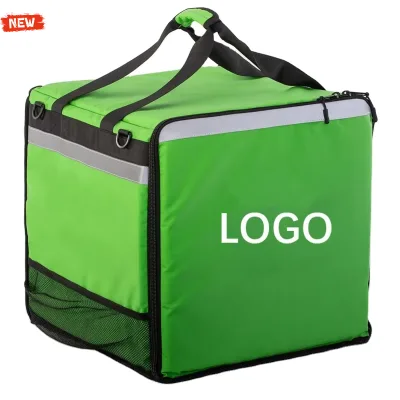


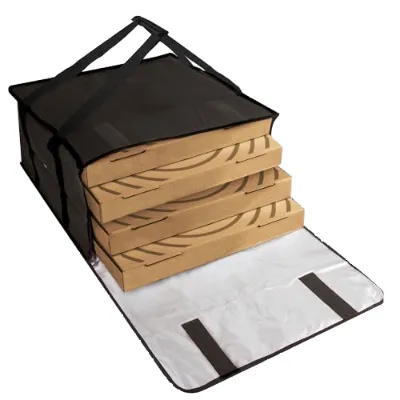


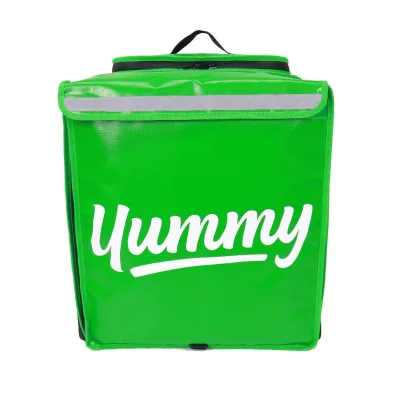
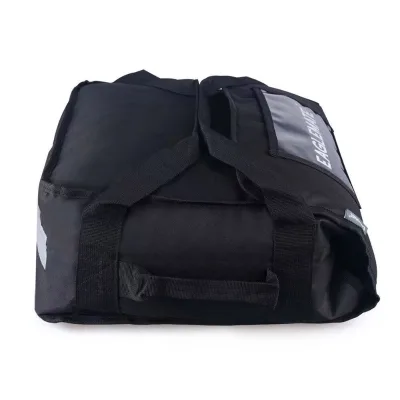
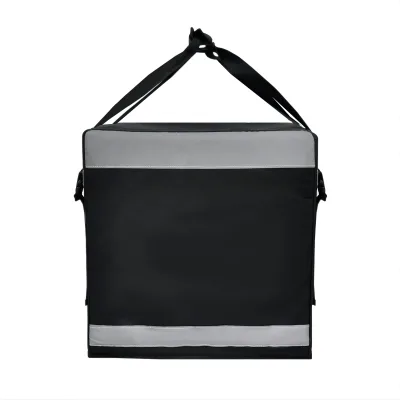
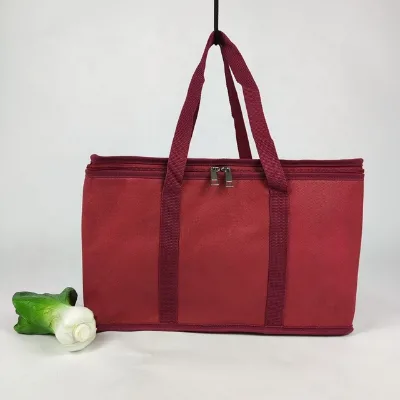

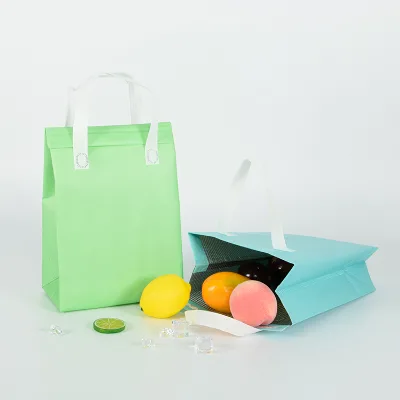
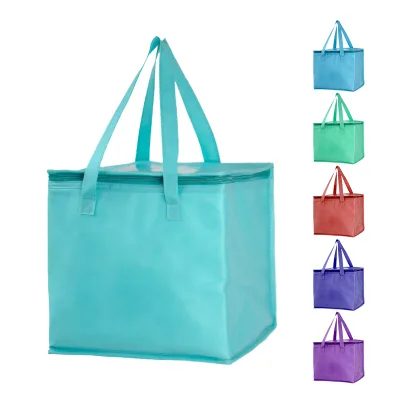
Thermal Bag Food Delivery Bag Insulated Pizza Bag Delivery Waterproof Cooler Backpack
$10.00 - $15.00
MOQ: 500 Pieces


Comprehensive Sourcing Guide
Thermal Waterproof Insulated Food Bag Sourcing Guide
Procurement professionals must first distinguish between reusable and disposable variants when sourcing thermal waterproof insulated food bags, as the supplied data reveals distinct product lines for each category. The market offers non-disposable backpacks designed for extended cold retention exceeding six hours, alongside disposable options that prioritize single-use logistics for specific delivery scenarios. Buyers should align their selection with the intended operational cycle, ensuring the chosen bag's durability matches the frequency of use and the specific temperature requirements of the cargo being transported.
The observed product range includes specialized models with varying insulation durations, such as units rated for four to six hours of cold time and others capable of maintaining temperatures for over six hours. This variance directly impacts the suitability of the bag for different delivery distances and environmental conditions. Sourcing teams must verify the specific cold time rating against their delivery windows to prevent spoilage, noting that some models are explicitly designed for pharmaceutical transport while others focus on general food delivery or frozen goods.
Product Scope and Observed Listing Signals
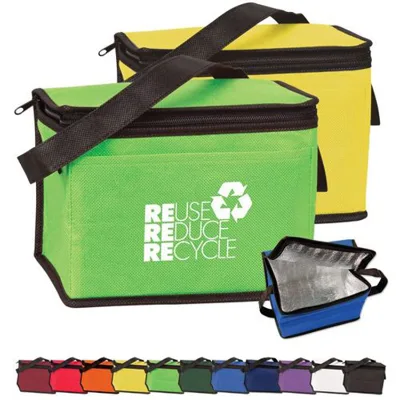
Buyers should analyze the diverse color palettes and functional styles available, as listings indicate options ranging from single-color units to multi-color assortments including green, orange, red, and blue. The product scope extends beyond simple bags to include backpack-style carriers with specific bearing capacities exceeding ten kilograms, which is critical for heavy delivery loads. Understanding these physical attributes helps in selecting a unit that can withstand the rigors of urban logistics without compromising the structural integrity of the insulation layer.
Listing signals also highlight specific packaging configurations, such as individual poly bags or bulk carton shipments containing multiple units, which influences initial inventory costs and storage requirements. The observed data shows models with varying gross weights, from light units under 1.5 kilograms to heavier configurations around 3 kilograms, affecting the overall shipping weight and handling efficiency. Procurement teams must evaluate these weight and packaging metrics to optimize their supply chain logistics and ensure the selected product fits within their existing distribution infrastructure.
Technical Specifications to Verify
Verification of dimensional standards is paramount, as the market presents a wide array of sizes ranging from compact 34 by 23 centimeter units to larger 45 by 45 centimeter configurations. Buyers must match these external dimensions to the internal volume requirements of their specific cargo, ensuring that the bag can accommodate the necessary quantity of cans or food items without excessive empty space. The data indicates specific standard sizes like 40 by 50 by 30 centimeters, which serve as benchmarks for evaluating whether a supplier's product meets the spatial constraints of the delivery vehicle.
Closure mechanisms and material composition are equally critical technical factors that determine the effectiveness of the thermal barrier. The observed listings feature diverse closure systems, including zippers, laces, and combined laces-and-zipper designs, each offering different levels of security and ease of access. Additionally, the material composition, such as polyester, must be confirmed to ensure it provides the necessary waterproofing and insulation properties required to maintain the integrity of the cold chain during transit.
Compliance and Safety Documentation
While specific certification data is limited in the provided context, buyers must rigorously request documentation to confirm that materials meet food safety and transport regulations. The presence of standards like CE in some listings suggests that certain manufacturers adhere to European safety norms, but this cannot be assumed for all products without explicit verification. Procurement teams should demand proof of material safety for food contact, particularly for bags intended for pharmaceutical or frozen goods transport, to mitigate liability risks associated with contamination or temperature failure.
Safety documentation should also address the structural integrity of the bag under load, given that some models are rated for capacities exceeding twelve cans or ten kilograms. Buyers need to ensure that the stitching, zippers, and handles are tested to withstand the specified bearing capacity without failure during typical delivery operations. Without clear evidence of load testing or material safety compliance, the risk of product failure increases, potentially leading to spoiled goods and reputational damage for the logistics provider.
Cost Drivers and Commercial Terms
Pricing structures in this market are heavily influenced by the complexity of the insulation technology and the customization options available to the buyer. The observed price range spans from low-cost basic units to premium models with advanced thermal retention capabilities, reflecting the variance in material quality and manufacturing processes. Buyers must balance the initial unit cost against the long-term value of durability, as non-disposable bags with extended cold times may offer a lower total cost of ownership compared to frequent replacement of disposable alternatives.
Commercial terms such as minimum order quantities and lead times vary significantly across suppliers, with some requiring orders of 500 pieces while others may accommodate smaller batches. The data indicates delivery times of approximately 30 days for production, which must be factored into the procurement timeline to avoid stockouts during peak demand periods. Additionally, sample lead times of five to seven days allow for quality verification before committing to large orders, a critical step in managing financial risk and ensuring the product meets specific operational requirements.
Supplier Qualification and Quality Control
Supplier qualification should prioritize manufacturers with established origins in key production hubs like Guangdong, Guangzhou, and Xiamen, where the supply chain for insulated bags is mature. These regions often host facilities with the necessary infrastructure to produce high-volume orders while maintaining consistent quality standards. Buyers should verify the supplier's production capacity and history to ensure they can meet the required order volumes without compromising on the thermal performance or structural durability of the bags.
Quality control protocols must be strictly enforced to ensure that every batch meets the specified performance criteria, such as the required cold retention time and bearing capacity. The presence of specific product models and standards in the market suggests that suppliers have defined quality benchmarks, but these must be validated through independent testing or on-site audits. Implementing a robust inspection regime for critical attributes like zipper functionality and insulation thickness is essential to prevent defects that could lead to product failure in the field.
Long-Term Procurement Checks
Sustainable procurement practices require ongoing monitoring of supplier performance to ensure consistent adherence to quality and delivery timelines over the life of the contract. Buyers should establish key performance indicators related to defect rates, on-time delivery, and responsiveness to customization requests to maintain a reliable supply chain. Regular reviews of supplier capabilities will help identify potential risks early, allowing for proactive adjustments to the sourcing strategy before they impact operational efficiency.
Long-term checks should also include periodic re-evaluation of product specifications to ensure they remain aligned with evolving market demands and regulatory requirements. As the industry shifts towards more sustainable materials or stricter food safety standards, procurement teams must remain agile and ready to adapt their sourcing criteria. Continuous engagement with suppliers to discuss potential improvements in insulation technology or packaging efficiency can drive innovation and cost savings over the long term.
FAQs
What are the available color options for thermal insulated food bags?
Suppliers offer thermal insulated food bags in multiple colors including green, orange, red, purple, pink, gray, blue, and black. This variety allows buyers to select specific hues for branding or visual identification purposes. Customization is available for many models, enabling businesses to match their corporate identity or specific delivery fleet requirements effectively.
How long can these bags keep food cold during delivery?
Thermal insulated food bags typically maintain cold temperatures for over six hours, with some models providing four to six hours of cooling. This duration ensures food safety and quality during extended delivery routes. The insulation performance depends on the specific model and material thickness, making it suitable for various food delivery logistics needs.
What is the minimum order quantity for bulk purchases?
The minimum order quantity varies by supplier, ranging from one piece for samples to ten thousand pieces for large bulk orders. Some specific models require a minimum of five hundred pieces. Buyers should check individual product listings for exact MOQ requirements to ensure they meet the supplier's production and shipping thresholds.
Can these bags be customized for specific branding needs?
Yes, customization is available for many thermal insulated food bag models. Buyers can often request specific colors, sizes, or printing options to align with their brand identity. This service allows businesses to create a professional appearance for their delivery teams. Customization options may vary by supplier, so direct inquiry is recommended for specific design requirements.
What materials are used to construct these insulated bags?
These bags are commonly constructed from durable polyester materials designed to withstand frequent use. The polyester fabric provides strength and longevity while supporting the thermal insulation layers. Some models also feature waterproof properties to protect contents from external moisture. The material choice ensures the bags remain robust for daily food delivery operations.
Where are these thermal bags typically manufactured?
These thermal bags are typically manufactured in China, with specific production hubs in Guangdong, Guangzhou, and Xiamen. This regional concentration allows for efficient supply chain management and competitive pricing. Buyers can source products directly from these locations, ensuring access to a wide variety of models and specifications tailored for global food delivery markets.