Vintage Cotton Polyester Jeans Suppliers and Manufacturers
Compare 29 verified suppliers offering Vintage Cotton Polyester Jeans with varying lead times, response speeds, and certifications like GOTS. Review product attributes such as material composition and customization options to select the right partner for your order; review the available evidence before requesting comparable quotations from suitable candidates.
Updated
Suppliers List

M & L GUANGZHOU TEXTILE AND GARMENT CO., LTD.
- Verified by TUVRHEINLAND
- Trading Company
- China Guangdong
- Lead time30 days
- Avg. response≤ 23h
Main productsDenim Jean, Jean
Main marketsAustralia
Guangdong Textiles Imp.&exp. Co., Limited
- Verified by Intertek
- Manufacturer, Trading Company
- Lead time20 days
- Avg. response≤ 4h
Main productsMen Hoodies, Men T-shirts, Men Denim, Women Sweaters, Women Jeans
Main marketsNorth America(38%), Western Europe(32%), Oceania(15%)

Nanchang Finery Clothing Co., Ltd.
- Trading Company,Manufacturer/Factory
- China Jiangxi
- Lead time23 days
- Avg. response≤ 6h
Main productsCustom T Shirt, Hoodies, Vest, Pants, Children's Clothing, Suit, Tracksuit, Sportswear, Gym Clothing, Shorts
Main marketsSouth America,Eastern Europe,Mid East,North America,Southeast Asia,Eastern Asia,Oceania,Western Europe,Africa

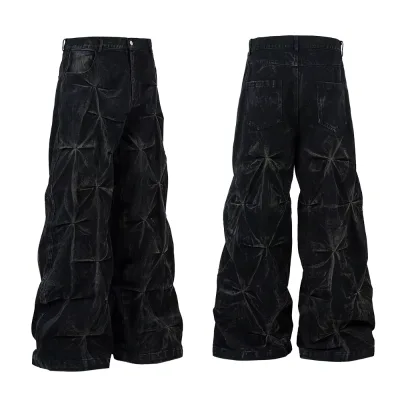
70%Cotton 30%Polyester Heavy Industry Vintage Water Washed Loose Fit Straight Leg Jeans for Men
$13.69 - $15.19
MOQ: 100 Pieces


Casual Straight Leg Loose Jeans Vintage Jeans Washed Men′ S Pants
$13.88 - $15.38
MOQ: 100 Pieces
Yiwu Mingchang Fashion Co., Ltd.
- Trading Company
- Lead time旺季: "1 - 100":7,"101 - 500":14,"> 500":"To be negotiated", 淡季: "1 - 100":7,"101 - 500":14,"> 500":"To be negotiated"
- Avg. response≤ 6h
Main productsMen Shorts, Men Pants, Men Hoodies, Men Coat, Men Shirts

Ningbo Z & H Foreign Trade Co., Ltd.
- Trading Company
- China Zhejiang
- Lead time45 days
- Avg. response≤ 19h
Main productsGarment T Shirt Hoody Polo Fashion Cloth
Main marketsSouth America,Africa,Southeast Asia/ Mideast,East Asia(Japan/ South Korea),Europe,Australia,North America

- Verified by BV
- Trading Company,Manufacturer/Factory
- China Guangdong
- Lead time23 days
- Avg. response≤ 2h
Main productsJeans, Shorts, Skirts, Jacket, T-Shirt, Sweater, Dressess, Shirt, Pajamas, Knitted Trousers
Main marketsSouth America,Eastern Europe,Mid East,North America,Southeast Asia,Eastern Asia,Oceania,Western Europe,Africa


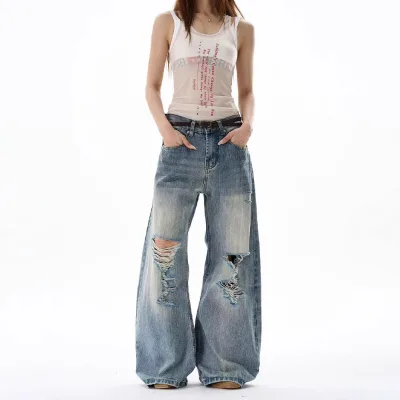
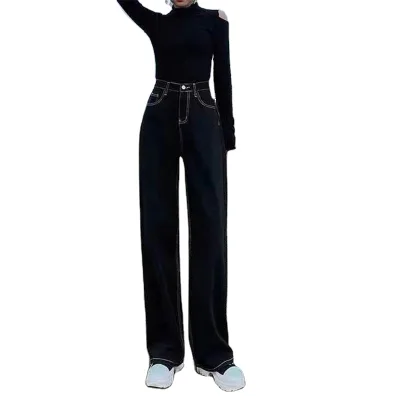
Washed Distressed Blue Vintage Loose Casual Denim Pants Wide Leg Jeans for Women
$9.60
MOQ: 300 Pieces


- Verified by CTI
- Trading Company
- China Anhui
- Lead time23 days
- Avg. response≤ 1h
Main productsFurniture, Home Furniture
Main marketsSoutheast Asia/ Mideast
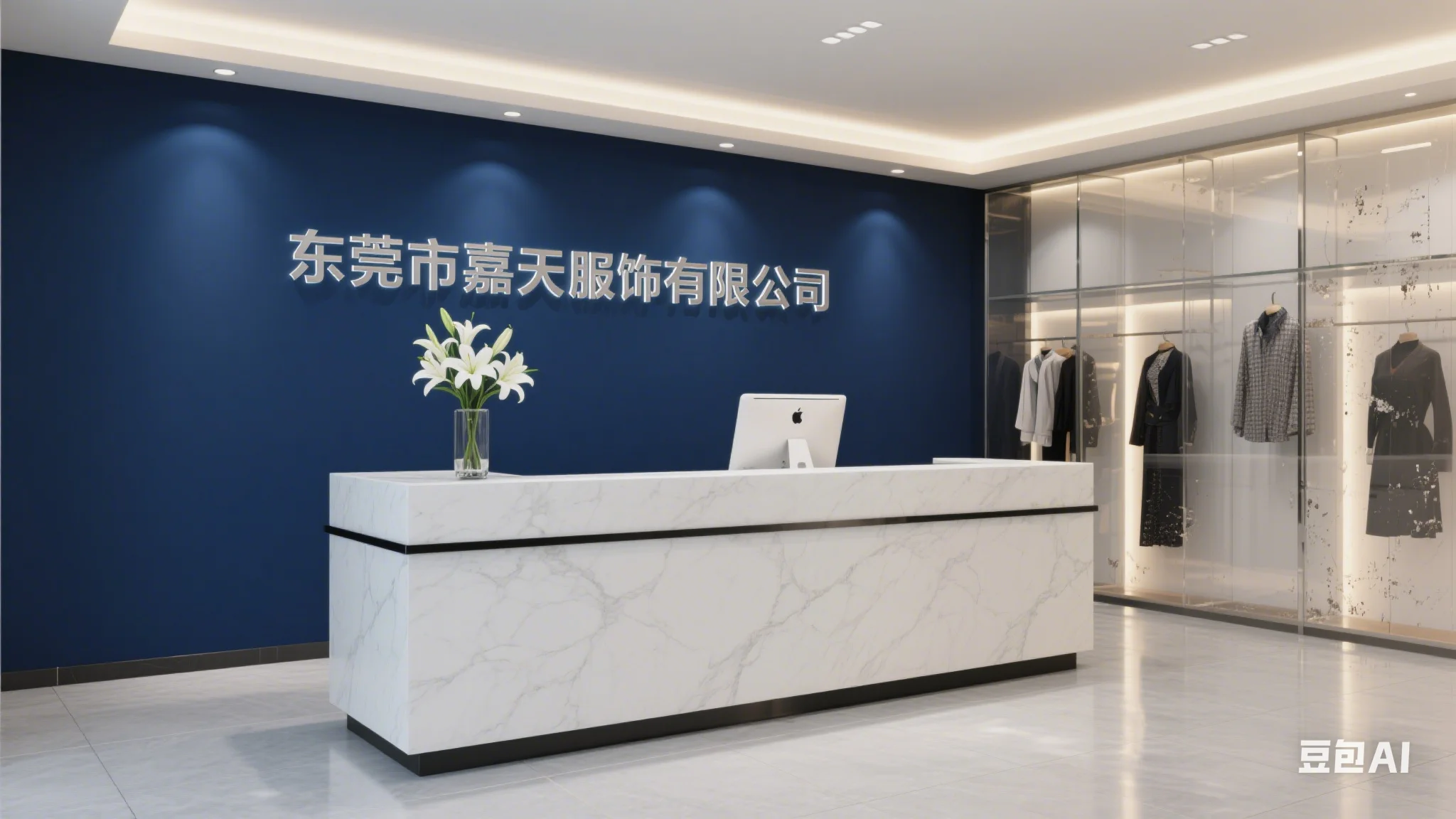
Dongguan Jiatian Garment Co., Ltd.
- Manufacturer, Trading Company
- Guangdong, China
- Lead time20 days
- Avg. response≤ 4h
Main productsHoodies,Sweatpants,Skirt,Jacket,Dress
Main marketsCentral America(30.00%), North America(30.00%), Northern Europe(20.00%), Eastern Europe(20.00%)

Guangzhou Profound Garment Co., Ltd.
- Verified by CTI
- Trading Company
- China Guangdong
- Lead time30 days
- Avg. response≤ 3h
Main productsHoodies, Jacket, T-Shirts, Shirt, Pants, Children's Ware, Sweater, Sportsware, Jeans, Denim
Main marketsSoutheast Asia/ Mideast,East Asia(Japan/ South Korea),Europe,Australia,North America


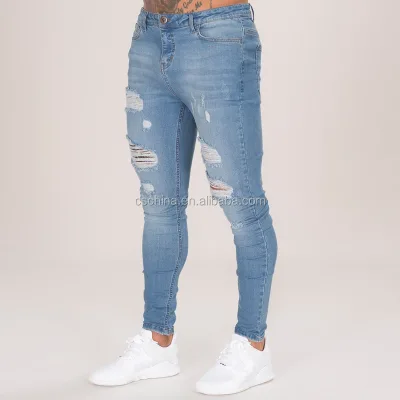
Custom Garment Logo Men Skinny Jeans Pants Trousers Classic Bulk Jeans Men Denim Jeans
$6.30 - $7.90
MOQ: 200 Pieces


Jiangxi Zhuoshuo Garment Co., Ltd.
- Verified by Intertek
- Manufacturer, Trading Company
- Lead time35 days
- Avg. response≤ 3h
Main productsHoodie, T-shirt, Jacket, Pants
Main marketsNorth America(50%), Eastern Europe(25%), Western Europe(25%)
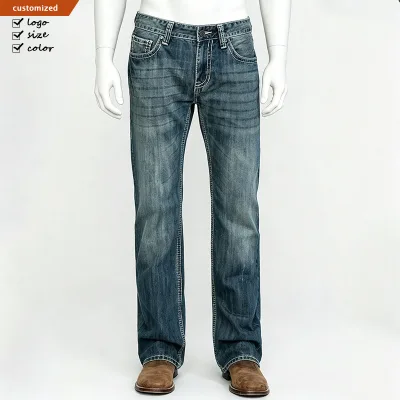
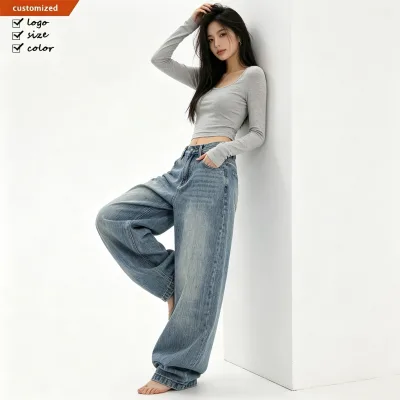
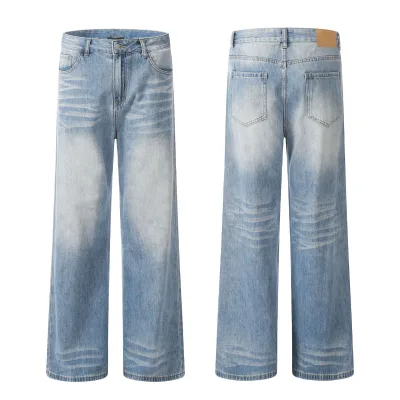
$7.14 - $16.42
MOQ: 100 pieces
Dongguan Qiaoshou Garment Co., Ltd.
- Verified by TüVRheinland
- Manufacturer, Trading Company
- Lead time30 days
- Avg. response≤ 2h
Main productsMen's Hoodie& Sweatshirts, Men's Pants, Men's T-shirts, Men's Short, Men's Jacket
Main marketsNorth America(60%), Western Europe(15%), Northern Europe(15%)

Quanzhou Yilijia International Trade Co., Ltd.
- Verified by CTI
- Trading Company,Manufacturer/Factory
- China Fujian
- Lead time45 days
- Avg. response≤ 3h
Main productsKids Clothes, Baby Clothes, Sports Shoes, Gym Clothes, Baby Accessories, Fitness Equipment, Sport Wear
Main marketsSouth America,Eastern Europe,Mid East,North America,Southeast Asia,Eastern Asia,Oceania,Western Europe,Africa
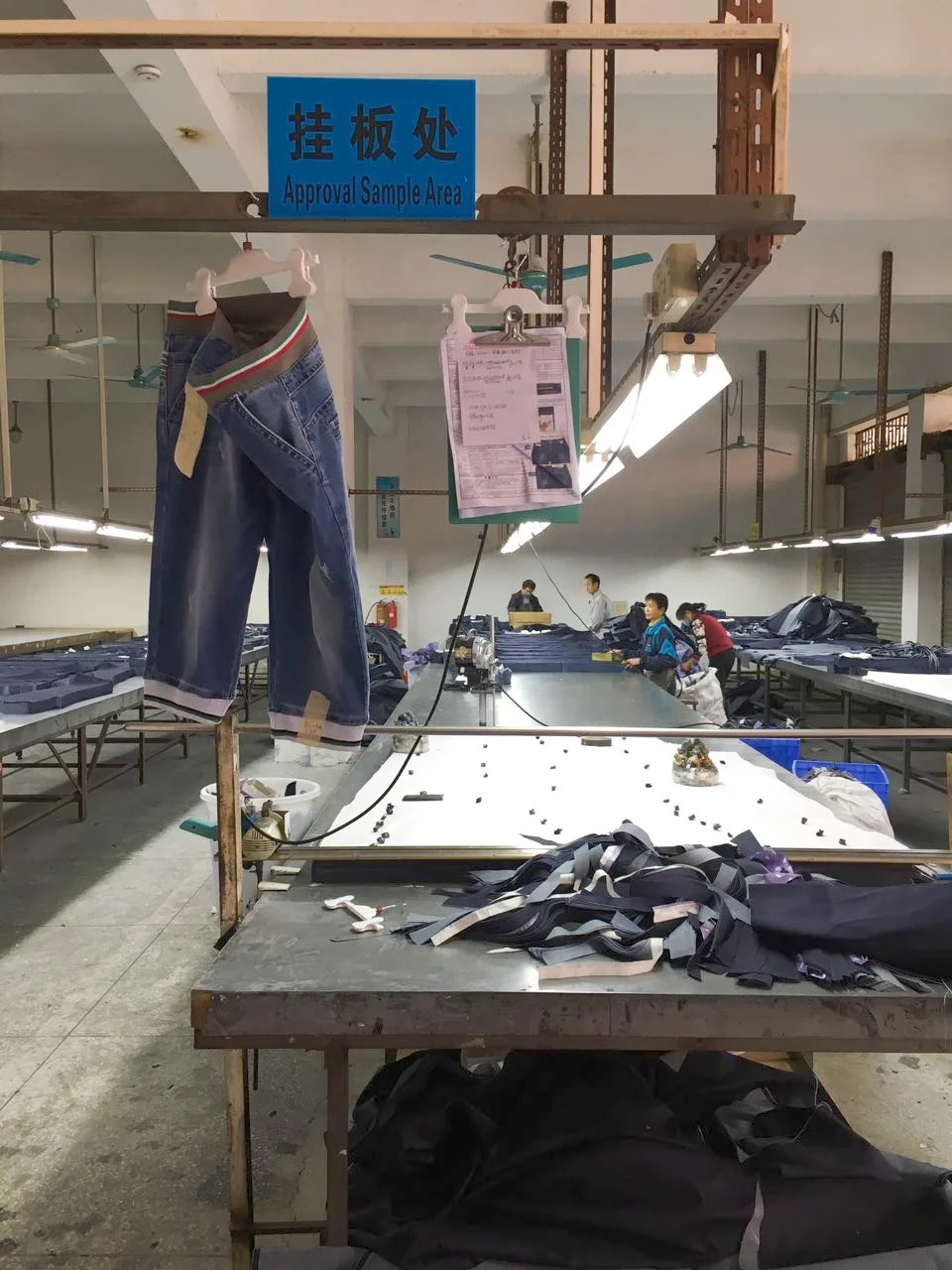
Guangzhou Kaicheng Garment Co., Ltd.
- Trading Company
- Guangdong, China
- Lead time12 days
- Avg. response≤ 5h
Main productsCowboy Clothing,Men's Clothing,Women's Clothing
Main marketsNorth America(40.00%), Southeast Asia(10.00%), Eastern Europe(10.00%), South America(10.00%), Southern Europe(5.00%), Domestic Market(5.00%), Mid East(5.00%), Oceania(5.00%), Western Europe(4.00%), Northern Europe(4.00%), Eastern Asia(2.00%)
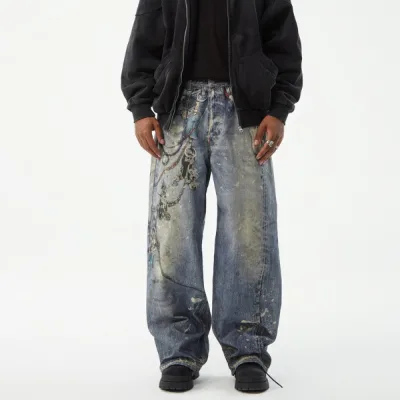
$15.0943 - $18.8607
MOQ: 50 pieces
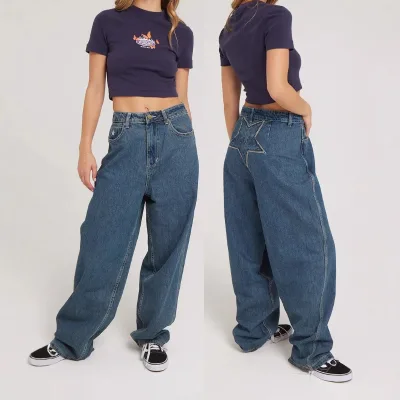
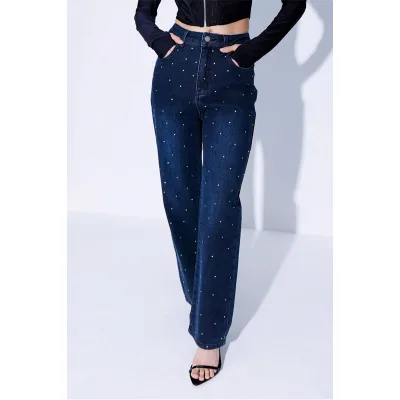
Women's Jeans Retro Pentagram Breathable Casual Solid Denim Jeans for Women Loose and Wide Leg Pants
$5.9985 - $7.5015
MOQ: 50 pieces
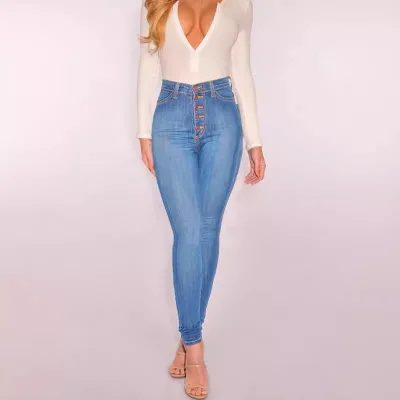

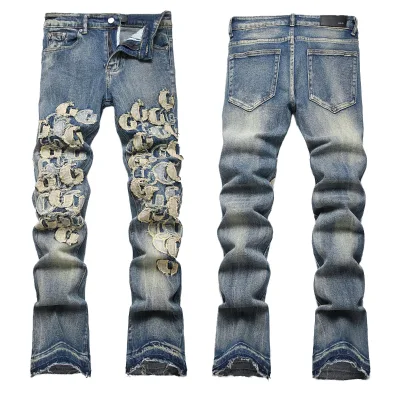
High Street Vintage Washed Denim Stretch Slim Straight Pantalon for Men Casual Right Design Jeans
$8.1976 - $10.247
MOQ: 50 pieces

Guangzhou Yinimei Trading Firm
- Trading Company
- China Guangdong
- Lead time30 days
- Avg. response≤ 2h
Main productsApparel & Accessories, Men's Wear, Children's Clothing, Ladies' Clothing, Shoes, Children's Toys, "Bag", Hair
Main marketsSouth America,Eastern Europe,Mid East,North America,Southeast Asia,Eastern Asia,Oceania,Western Europe,Africa
Quanzhou Biliem Trading Co., Ltd.
- Trading Company
- Fujian, China
- Lead time15 days
- Avg. response≤ 1h
Main productsT-shirt, Sweater, Pants, Jersey, Hoodie
Main marketsNorth America(80.00%), Northern Europe(10.00%), South America(5.00%), Eastern Europe(5.00%)

Huizhou Chaoli Gravity Technology Co., Ltd.
- Verified by SGS
- Trading Company
- China Guangdong
- Lead time15 days
- Avg. response≤ 8h
Main productsHoodie, Jeans, T-Shirt, Sweatshirt, Sweatpants, Tank Top, Sports Wear, Jersey
Main marketsEurope,Australia,North America


Custom Loose Fit Vintage Homme Street Style Denim Jeans Pants Stacked Jeans
$21.30 - $23.50
MOQ: 100 Pieces

Guangzhou Mingyao Garment Co., Ltd
- Verified by TUVRHEINLAND
- Trading Company
- China Guangdong
- Lead time30 days
- Avg. response≤ 21h
Main productsJeans, Denim Jacket, Denim Shorts, Denim Skirt, Woman Jeans, Man Jeans
Main marketsEurope

Dongguan Songmao Clothing Co., Ltd.
- Manufacturer
- Guangdong, China
- Lead time30 days
- Avg. response≤ 2h
Main productsHoodie,T-Shirt,Jacket,Tracksuit,Pants
Main marketsNorth America(40.00%), Western Europe(25.00%), Northern Europe(15.00%), Mid East(10.00%), Oceania(10.00%)
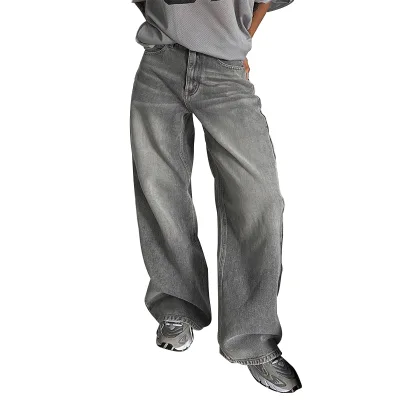
$9.967 - $15.1556
MOQ: 100 pieces
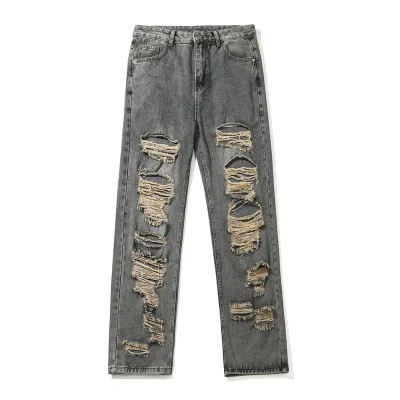
$10.1212 - $14.0044
MOQ: 100 pieces
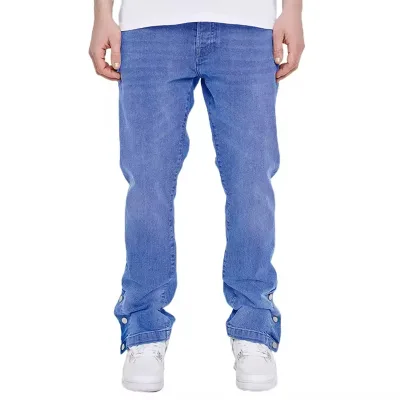
Custom Logo Men's High Waist Side Button Jeans Pants High Quality Baggy Stacked Casual Jeans for Men
$10.90 - $16.00
MOQ: 100 pieces
Hangzhou Hyacinth Industry Co., Ltd.
- Manufacturer, Trading Company
- Zhejiang, China
- Lead time60 days
- Avg. response≤ 9h
Main productsWomen's Down Coats,Sweater Suit,Women's Yoga Suit
Main marketsNorth America(60.00%), Western Europe(40.00%)
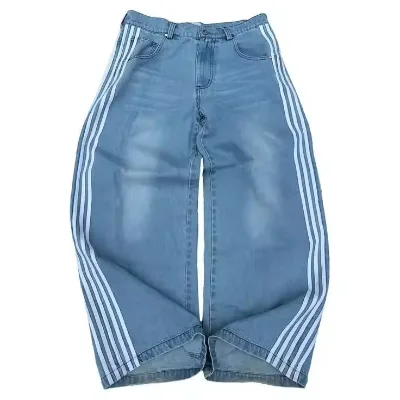
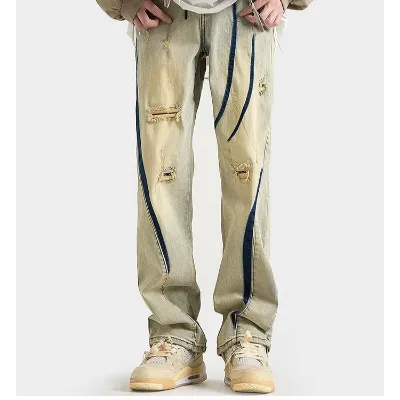
$5.80 - $6.40
MOQ: 2 pieces

Popular Quality Street Washed Distressed Vintage Blue Loose Fit Mid-Waisted Men's Jeans with Pockets
$8.90 - $9.80
MOQ: 2 pieces

Guangzhou Yaulee Trading Co., Ltd.
- Manufacturer, Trading Company
- Guangdong, China
- Lead time0 days
- Avg. response≤ 7h
Main productsjeans,coats,dress,sports wear,casual clothes
Main marketsNorth America(50.00%), Southern Europe(10.00%), Northern Europe(10.00%), Western Europe(10.00%), Eastern Europe(10.00%), South America(10.00%)
Guangzhou Disai Garment Co., Ltd.
- Verified by TüVRheinland
- Manufacturer, Trading Company
- Lead time0 days
- Avg. response≤ 2h
Main productsDenim Jeans, Denim Jackets, Denim Shorts, Hoodie, T-shirt
Main marketsNorth America(50%), Eastern Europe(25%), Oceania(13%)
Xiamen Jingsheng Apparel Technology Co., Ltd.
- Verified by Intertek
- Manufacturer, Trading Company
- Lead time0 days
- Avg. response≤ 3h
Main productsJeans, Denim Shirt, Denim Padded Jacket, Denim Jacket, Denim Vest
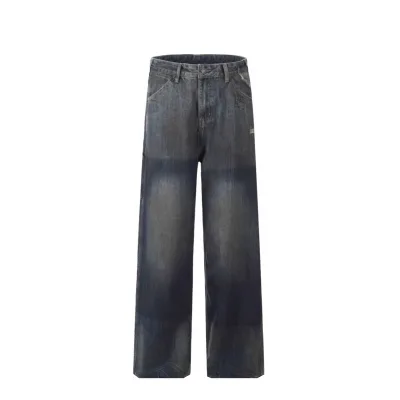
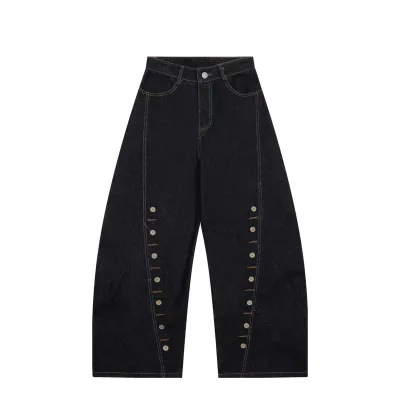
$14.99 - $26.99
MOQ: 50 pieces
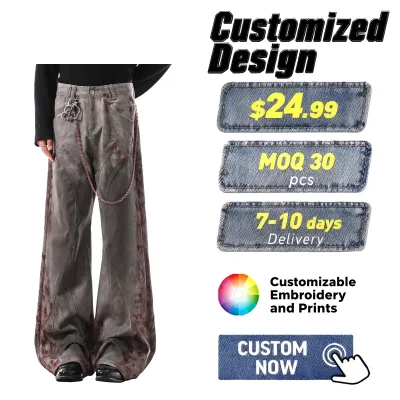

- Verified by SGS
- Trading Company
- China Zhejiang
- Lead time15 days
- Avg. response≤ 15h
Main marketsEurope

Dongguan Xixiang E-Commerce Co., Ltd.
- Verified by SGS
- Trading Company
- China Guangdong
- Lead time15 days
- Avg. response≤ 5h
Main productsPremium Denim Jeans, Denim Jacket, Custom Clothing, Sportswear
Main marketsNorth America
Quanzhou Chensheng Trading Co., Ltd.
- Verified by TüVRheinland
- Trading Company
- Lead time40 days
- Avg. response≤ 3h
Main productsJeans, Trousers, Sweaters, Outdoor Clothing
Main marketsWestern Europe(49%), North America(29%), Oceania(20%)

GUANGZHOU SICHEM GARMENT CO., LTD
- Verified by BV
- Trading Company,Manufacturer/Factory
- China Guangdong
- Lead time45 days
- Avg. response≤ 16h
Main productsWomen Clothing, Children Clothing, Skirt, Dress, T Shirt, Pants, Blouse, Coat, Jumpsuit, Shirt
Main marketsEastern Europe,North America,Oceania,Western Europe


Vintage Fashion High Quality Elegant Loose Denim Bell Bottom Slim Jean Pants
$10.50 - $11.80
MOQ: 150 piece

Fashion New Design Factory Custom Denim Middle Waist Multiblock Jointed Printed Jean Pants
$10.80 - $13.80
MOQ: 150 piece

shanghai jspeed industry co.,ltd
- Trading Company
- China Shanghai
- Lead time60 days
- Avg. response≤ 4h
Main productsSwimwear, Underwear, Sportswear, Socks, Dress, Skirt, Pants, Shorts, Textile
Main marketsSouth America,Southeast Asia/ Mideast,Domestic,Europe,Australia,North America


$9.90 - $16.40
MOQ: 100 Pieces

Women's Straight Leg Cotton Jeans with Rough Edges Comfortable Casual Pants
$9.90 - $16.40
MOQ: 100 Pieces


Simple Jeans Women 2022 Autumn New Versatile Cotton Comfortable Loose High Waisted Straight Pants
$9.90 - $16.40
MOQ: 100 Pieces


Guangzhou Jingsheng Garment Co., Ltd.
- Verified by CTI
- Trading Company
- China Guangdong
- Lead time15 days
- Avg. response≤ 15h
Main productsGarment
Main marketsDomestic,Australia,North America


Classic Straight Fit MID Blue Wash Jeans Relaxed Slightly Longer Denim Jeans for Men
$8.50 - $11.50
MOQ: 200 Pieces
MC Industrial (Guangzhou) Co., Ltd.
- Verified by SGS Group
- Manufacturer, Trading Company
- Lead time15 days
- Avg. response≤ 2h
Main productsMen Jeans, Denim Jacket, Hoodies, Sweater, T Shirts
Main marketsNorth America(60%), Western Europe(20%), Southeast Asia(10%)


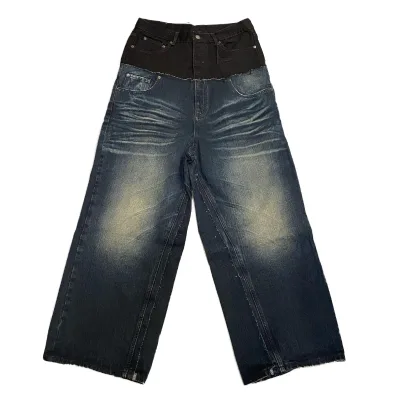
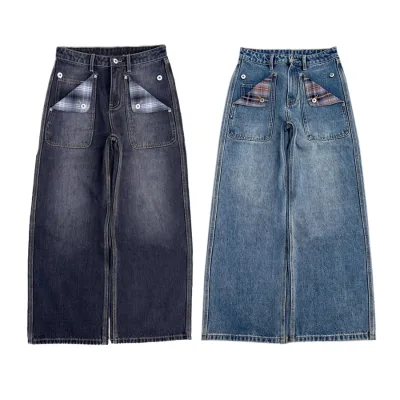
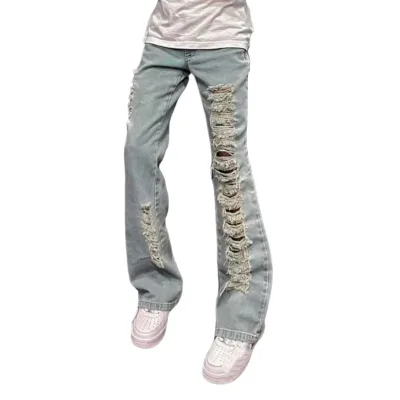
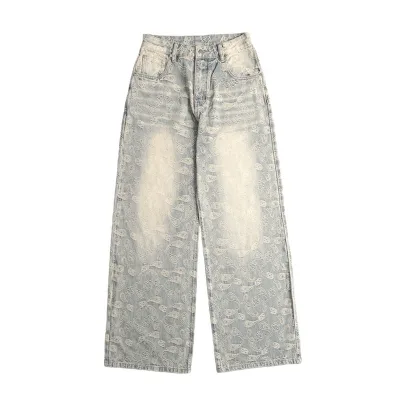
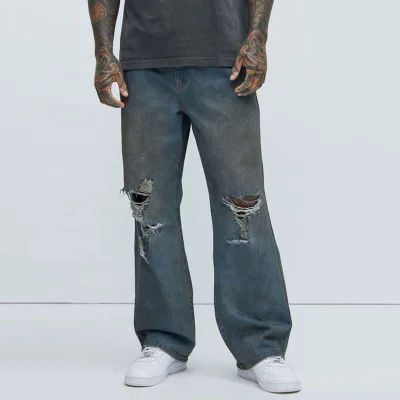
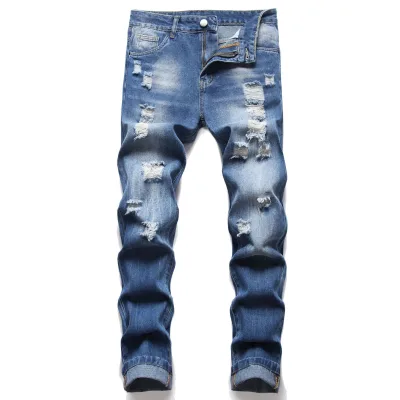
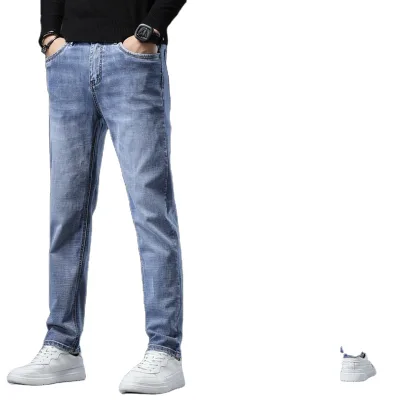


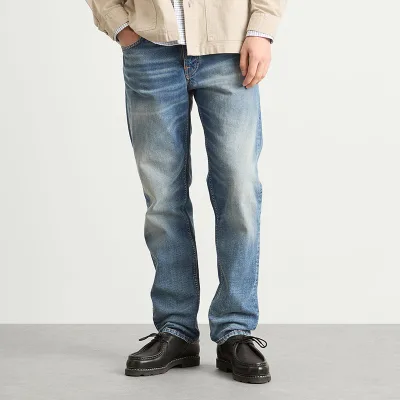
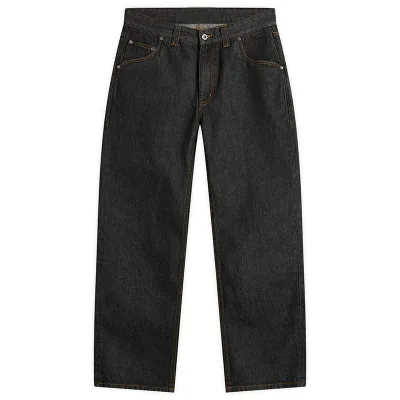
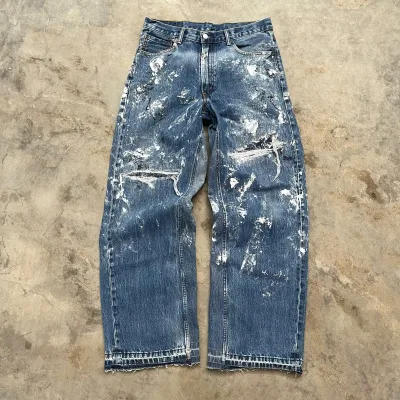
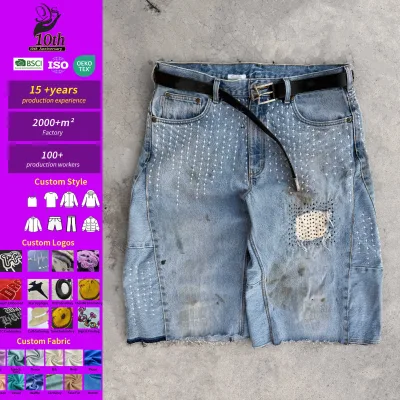



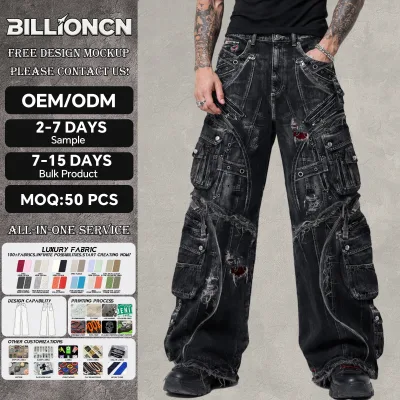


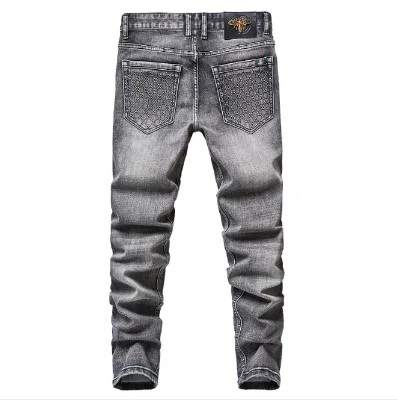


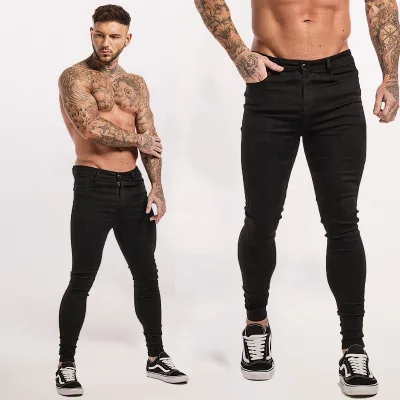
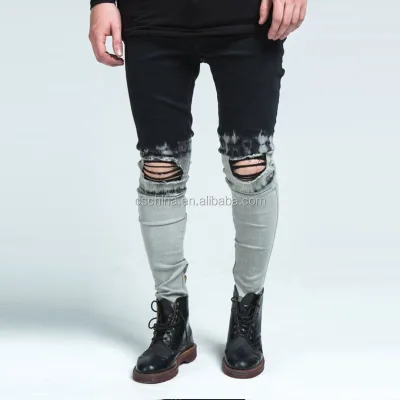
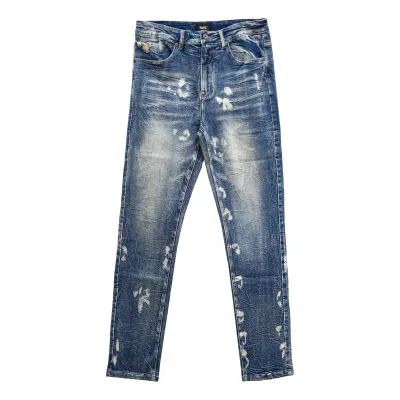
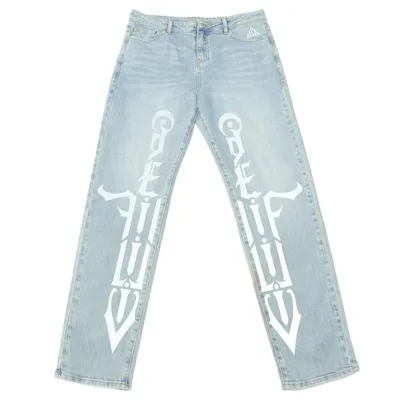
Comprehensive Sourcing Guide
Vintage Cotton Polyester Jeans Supplier Concentration and Factory Types
Current data indicates a concentration of suppliers in China Guangdong, where manufacturers and trading companies operate within the denim sector. This region hosts entities offering main products such as denim jeans, men's hoodies, and women's sweaters, suggesting a specialized cluster for apparel manufacturing. Some suppliers in this area are verified by third-party agencies like TUVRHEINLAND and Intertek, which adds a layer of credibility to their operational status. The presence of both manufacturer and trading company types implies a diverse supply chain where some entities control production while others facilitate distribution. Buyers should note that the specific mix of these company types varies, with some suppliers listing themselves as manufacturers capable of light customization and sample processing, while others function primarily as trading entities.
When evaluating the factory types available, it is essential to distinguish between those offering direct production capabilities and those acting as intermediaries. The observed data shows suppliers with capabilities ranging from no customization to customized on-demand services, including graphic processing and OEM services. This variation suggests that buyers must verify the actual production capacity of a supplier rather than assuming all listed entities can handle complex custom orders. The location in Guangdong provides access to a robust textile ecosystem, but the specific factory type determines the level of control a buyer has over the manufacturing process. Understanding whether a supplier is a manufacturer or a trading company is critical for negotiating terms related to quality control and production timelines.
How to Verify Vintage Cotton Polyester Jeans Suppliers
Verification of suppliers requires checking for specific credentials and third-party validations that confirm their operational legitimacy. The available data highlights suppliers verified by recognized bodies such as TUVRHEINLAND and Intertek, which serve as indicators of compliance with international standards. Buyers should prioritize suppliers displaying these verification badges, as they suggest a history of meeting specific quality and safety benchmarks. However, the absence of a specific verification badge does not automatically disqualify a supplier, but it necessitates a more rigorous due diligence process. It is crucial to request current certification documents directly from the supplier to ensure they are valid and relevant to the specific product category being sourced.
Beyond third-party verification, buyers must assess the supplier's response time and communication efficiency as a proxy for reliability. The observed response times vary significantly, with some suppliers showing a response time of 4 hours while others take over 22 hours. A faster response time often correlates with better operational management and a higher likelihood of timely order fulfillment. Buyers should test the supplier's responsiveness by sending specific inquiries about product details, customization options, and shipping logistics. Additionally, checking the supplier's main product list ensures they specialize in denim and related apparel rather than being a generalist with limited expertise. This targeted approach helps identify suppliers who are genuinely equipped to handle Vintage Cotton Polyester Jeans orders.
What to Compare Across Vintage Cotton Polyester Jeans Suppliers
Comparing suppliers requires a systematic evaluation of key operational metrics such as lead time, minimum order quantity, and pricing structures. The data reveals lead times ranging from 20 to 30 days, which directly impacts inventory planning and delivery schedules. Buyers must align these lead times with their own production cycles to avoid stockouts or delays. Minimum order quantities also vary, with some suppliers requiring orders as low as 200 units, while others may have higher thresholds. Understanding these thresholds is essential for determining the feasibility of an order based on the buyer's budget and market demand. Pricing is another critical factor, with observed ranges starting from $10.00 up to $25.40 depending on the specific product features and customization level.
In addition to logistical metrics, buyers should compare the customization capabilities and material specifications offered by different suppliers. The data indicates that customization is available across various suppliers, with options for custom branding, logo placement, and fabric blends like polyester cotton or pure cotton. Some suppliers offer specific weaving processes such as tinselled or knitted methods, while others provide washed or distressed finishes. Buyers must verify that the material composition matches their quality expectations, as variations in fabric content can significantly affect the final product's durability and feel. Comparing these technical attributes alongside commercial terms ensures that the selected supplier can meet both the aesthetic and functional requirements of the Vintage Cotton Polyester Jeans line.
Common Vintage Cotton Polyester Jeans Sourcing Risks
One significant risk in sourcing Vintage Cotton Polyester Jeans is the potential mismatch between advertised customization capabilities and actual production capacity. While many suppliers list customization as available, the extent of this service varies from simple logo printing to full garment reconstruction. Buyers must verify the specific scope of customization to avoid receiving products that do not meet their design specifications. The data shows that some suppliers offer sample processing and graphic processing, but others may have limited capabilities. This discrepancy can lead to delays and additional costs if the supplier cannot execute the requested design changes efficiently. Clear communication and detailed technical drawings are essential to mitigate this risk.
Another risk involves the variability in product quality and material consistency across different suppliers. The observed data includes various material compositions, such as polyester cotton denim, pure cotton, and spandex blends, each with different performance characteristics. Inconsistent material quality can result in products that do not meet the expected durability or comfort standards. Additionally, the presence of different washing techniques, such as distressed or medium wash, introduces further variability in the final appearance of the jeans. Buyers should request physical samples to verify material quality and finish consistency before committing to a large order. Relying solely on product descriptions without physical verification increases the risk of receiving substandard goods.
Vintage Cotton Polyester Jeans Regional Sourcing and Logistics
Sourcing from the Guangdong region in China offers access to a well-established denim manufacturing hub with efficient logistics networks. The concentration of suppliers in this area facilitates easier coordination of production and shipping, as many factories are located near major ports. However, buyers must account for the specific shipping requirements and packaging standards, which can vary by supplier. The data indicates that some products are packed for shipping aviation, suggesting specific handling requirements that may affect freight costs and transit times. Understanding these logistical nuances is crucial for accurate cost estimation and delivery planning. Buyers should confirm the packaging details and shipping methods with the supplier to ensure compatibility with their distribution channels.
Logistics planning also involves considering the impact of regional lead times on overall supply chain efficiency. The observed lead times of 20 to 30 days must be factored into the total delivery timeline, including customs clearance and inland transportation. Buyers should establish a buffer period to accommodate potential delays caused by logistical bottlenecks or regulatory changes. Additionally, the origin of the product, such as Guangzhou, may influence the availability of specific shipping routes and carriers. Buyers should work with freight forwarders who have experience in the Guangdong region to optimize shipping costs and ensure timely delivery. Proactive logistics planning helps mitigate risks associated with regional sourcing and ensures a smooth supply chain operation.
Vintage Cotton Polyester Jeans Commercial Terms and Order Planning
Commercial terms for Vintage Cotton Polyester Jeans orders often include specific conditions regarding payment, customization, and order volume. The data shows that customization is available, but the terms for custom orders may differ from standard stock items. Buyers should clarify the pricing structure for customized products, as costs can increase based on the complexity of the design and the materials used. Minimum order quantities are another critical commercial term, with some suppliers requiring orders of 200 units or more. Understanding these terms helps buyers plan their inventory and budget effectively, ensuring they can meet the supplier's requirements without overextending their resources.
Order planning must also account for the supplier's response time and capacity to handle urgent requests. The observed response times range from 4 to 22 hours, which can impact the speed of order processing and communication. Buyers should establish a clear communication protocol with the supplier to ensure timely responses and efficient order management. Additionally, the availability of sample processing and graphic processing services should be confirmed during the planning phase to avoid delays in the production cycle. By carefully reviewing commercial terms and planning for potential variations in response times, buyers can create a robust order strategy that minimizes risks and maximizes efficiency. This proactive approach ensures a successful sourcing experience for Vintage Cotton Polyester Jeans.
FAQs
What is the price range for Vintage Cotton Polyester Jeans?
The price range for Vintage Cotton Polyester Jeans typically falls between $10.00 and $25.40 per unit. This variation depends on specific customization options, material blends, and order volume. Buyers should verify exact pricing with suppliers based on their required model numbers and specifications.
What is the minimum order quantity for these jeans?
The minimum order quantity is generally set at 200 pieces for standard vintage denim styles. Some suppliers may offer different MOQs for custom OEM services or sample orders. Buyers should confirm the specific MOQ requirements directly with the supplier before placing a bulk order.
How long does production take for these jeans?
Production lead times for Vintage Cotton Polyester Jeans range from 20 to 30 days. This timeframe accounts for material sourcing, weaving, washing, and quality control processes. Buyers requiring faster turnaround should inquire about expedited options or sample processing capabilities with the supplier.
Are these jeans available with custom branding options?
Yes, customization is available for Vintage Cotton Polyester Jeans, including logo placement and custom branding. Suppliers offer OEM services with options for front logo positioning and custom sizes. Buyers should specify their branding requirements and verify customization capabilities during the initial inquiry process.
What certifications do these suppliers hold?
Suppliers offering Vintage Cotton Polyester Jeans hold various certifications including GOTS, Intertek, and TÜV Rheinland verification. These certifications ensure quality standards and ethical manufacturing practices. Buyers should request specific certification documents to verify compliance with their regional regulatory requirements and sustainability goals.
Where are these jeans manufactured?
These Vintage Cotton Polyester Jeans are manufactured in Guangdong, China. The region is known for its established denim production infrastructure and supply chain efficiency. Buyers should confirm the specific factory location and verify shipping logistics to ensure timely delivery to their destination.