Vintage Stainless Steel Tarot Necklace Suppliers and Manufacturers
Source 29 verified suppliers for Vintage Stainless Steel Tarot Necklace items. Compare dimensions including BSCI certification, TüVRheinland verification, lead times, and pricing. Review product attributes and request samples to evaluate quality; review the available evidence before requesting comparable quotations from suitable candidates.
Updated
Suppliers List
Dongguan Lele Jewelry Company Limited
- Verified by TüVRheinland
- Manufacturer, Trading Company
- Lead time15 days
- Avg. response≤ 5h
Main productsNecklace, Bracelet, Earrings, Ring, Brooches
Main marketsDomestic Market(27%), North America(20%), South America(20%)
- Verified by SGS Group
- Manufacturer, Trading Company
- Lead time0 days
- Avg. response≤ 3h
Main productsbridal crown, bridal headband, women's necklace, women's earrings, Zircon Jewelry Set
Main marketsMid East(40%), North America(20%), Western Europe(20%)
- Verified by TüVRheinland
- Manufacturer, Trading Company
- Lead time15 days
- Avg. response≤ 5h
Main productsNecklace, Earring, Bracelet, Ring, Accessory
Main marketsNorth America(40%), Domestic Market(20%), Western Europe(15%)
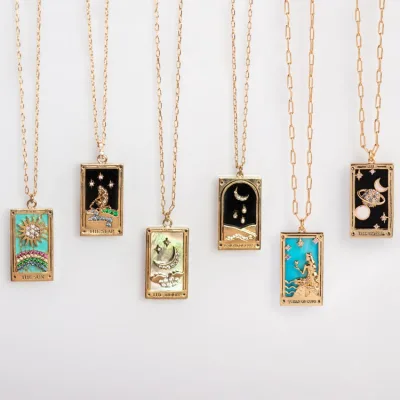
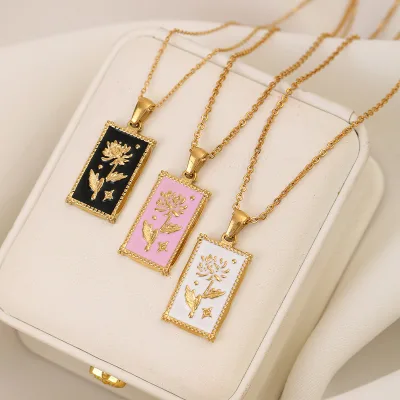
Vintage Pendant Necklace Stainless Steel square Tarot Necklace With Drill Dripping Oil Enamel
$3.3795 - $3.5844
MOQ: 10 pieces
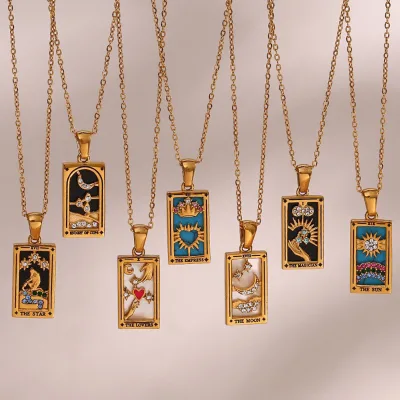
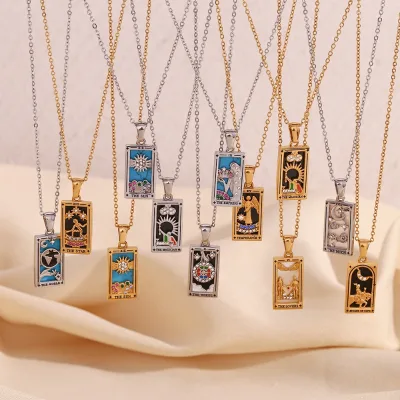
Fashion Vintage Popular Hot Sale Stainless Steel Rectangle Oil Drop Zirconia Tarot Necklace
$4.283 - $4.6316
MOQ: 5 pieces
- Manufacturer, Trading Company
- Zhejiang, China
- Lead time0 days
- Avg. response≤ 4h
Main productsGrillz, Bracelet, Earrings, Necklace, Ring
Main marketsNorth America(70.00%), Domestic Market(13.00%), South America(3.00%), Western Europe(2.00%), Southern Europe(2.00%), Eastern Asia(2.00%), Eastern Europe(2.00%), Mid East(2.00%), Oceania(1.00%), Northern Europe(1.00%), Africa(1.00%), Southeast Asia(1.00%)

GOODLINESS JEWELLERY CO., LIMITED
- Verified by SGS
- Manufacturer
- China Guangdong
- Lead time23 days
- Avg. response≤ 6h
Main productsFashion Glasses, Fashion Watch, Fashion Hair Accessory, Stainless Steel Necklace, Stainless Steel Ring, Stainless Steel Earrings, Key Chain, Brooch
Main marketsSoutheast Asia/ Mideast,Europe,North America

Hangzhou Daishang International Trade Co., Ltd.
- Verified by SGS
- Trading Company
- China Zhejiang
- Lead time15 days
- Avg. response≤ 3h
Main productsBracelet/Bangle, Necklace, Earring, Ring, Jewelry Sets
Main marketsEurope,North America


Stainless Steel Heart Necklace 18K Gold-Plated Heart Pendant Necklace Irregular Fashion Necklace
$0.50 - $1.33
MOQ: 2 Pieces

Lianyungang Jialin Jewelry Co., Ltd.
- Trading Company
- Jiangsu, China
- Lead time25 days
- Avg. response≤ 4h
Main productsFashion Jewelry Necklaces,Fashion Jewelry Earrings,Fashion Jewelry Rings,Fashion Jewelry Bracelets & Bangles,Crystal Crafts
Main marketsNorth America(50.00%), Oceania(22.00%), Southeast Asia(7.00%), Domestic Market(4.00%), South America(3.00%), Eastern Europe(3.00%), Mid East(2.00%), Central America(2.00%), South Asia(2.00%), Western Europe(2.00%), Northern Europe(1.00%), Southern Europe(1.00%), Eastern Asia(1.00%)
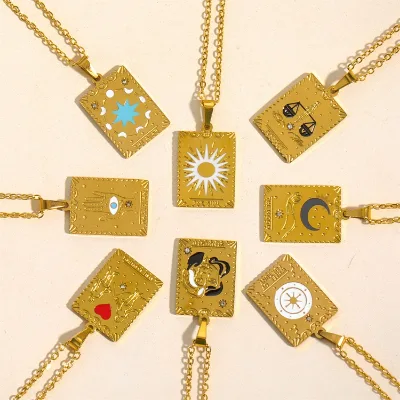
$1.80 - $2.50
MOQ: 10 Minimum

YIWU JINYE IMPORT AND EXPORT CO., LTD
- Verified by SGS
- Trading Company
- China Zhejiang
- Lead time15 days
- Avg. response≤ 25h
Main productsBangle, Wrist Band, Bracelet, Fashion Jewelry
Main marketsNorth America


Classic Fashion Simple Jewelry Stainless Steel Fire Color Overlapping Necklace
$0.35 - $5.50
MOQ: 20 Pieces

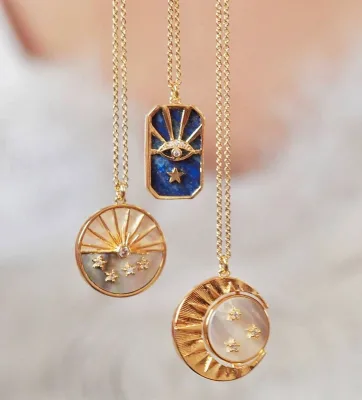
New Style Vintage Multi-Chain Moon and Star Stainless Steel Choker Necklaces
$1.95 - $3.80
MOQ: 50 Pieces


Yiwu Renrui E-commerce Business
- Trading Company
- China Zhejiang
- Lead time0 days
- Avg. response≤ 4h
Main productsSouvenir Gift, Craft, Scented Candle, Artificial Flower, Christmas Ornaments, Daily Use, Home Decoration, Solid Wood Carvings, Accessories, Photo Frame

Guangdong Kalen Jewelry Company Limited
- Verified by SGS
- Combined
- China Guangdong
- Lead time30 days
- Avg. response≤ 5h
Main productsStainless Steel Jewelry, Fashion Accessories, Bracelets, Necklaces, Rings, Earrings, Pendants, Bangles, Jewelry Sets, Cufflinks
Main marketsSouth America,Europe,Australia,North America
- Verified by Intertek
- Trading Company
- Zhejiang, China
- Lead time10 days
- Avg. response≤ 4h
Main productsFashion Bracelet, Fashion Necklace, Fashion Ring, Fashion Earrings, Loose Bead
Main marketsNorth America(40%), Western Europe(30%), South America(20%)
Shenzhen Hengda Xin Jewelry Co., Ltd.
- Verified by TüVRheinland
- Manufacturer, Trading Company
- Lead time30 days
- Avg. response≤ 3h
Main productsStainless Steel Jewelry, Copper Jewelry, S925 Sterling Silver Jewelry, Hardware Accessories, Fashion Jewelry
Main marketsNorth America(35%), Domestic Market(30%), Western Europe(20%)

Shenzhen Marvel Electronic Co., Ltd.
- Verified by TUVRHEINLAND
- Trading Company
- China Guangdong
- Lead time15 days
- Avg. response≤ 9h
Main productsCustom Jewelry, Silver Jewelry, Earring, Necklace, Bracelet, Nose Ring, Jewelry Set, Fashion Jewelry, Brooch
Main marketsEurope,North America

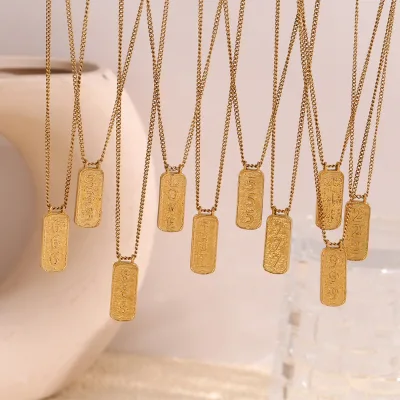
Stainless Steel Vintage Pattern Tag Pendant Card Jewelry for Men Women Necklace
$1.00 - $5.00
MOQ: 100 Pieces


Guangzhou Mimier Jewelry, Co, Ltd.
- Manufacturer/Factory
- China Guangdong
- Lead time120 days
- Avg. response≤ 21h
Main productsFashion Jewelry, Fashion Earrings, Fashion Bracelets, Fashion Rings, Fashion Necklace, Stainless Steel Jewelry, Jewellery Accessories, Jewellery Set
Main marketsEastern Europe,North America,Western Europe,Africa
Yiwu Xiongshun Jewelry Co., Ltd.
- Manufacturer, Trading Company
- Zhejiang, China
- Lead time3 days
- Avg. response≤ 3h
Main productspendant necklace,metal ring,bracelet,metal craft,jewelry accessories
Main marketsNorth America(30.00%), Western Europe(10.00%), Mid East(10.00%), Southeast Asia(10.00%), Eastern Europe(10.00%), South America(10.00%), South Asia(5.00%), Northern Europe(5.00%), Oceania(5.00%), Africa(5.00%)

- Verified by SGS
- Manufacturer/Factory
- China Zhejiang
- Lead time30 days
- Avg. response≤ 2h
Main productsNecklace, Bracelets, Earring, Ring, Brooch, Phone Lanyard, Key Chain, Body Jewelry, Hair Clip, Hair Band
Main marketsSouth America,Eastern Europe,Mid East,North America,Southeast Asia,Eastern Asia,Oceania,Western Europe,Africa

Guangzhou IO Jewelry Co., Ltd.
- Combined
- China Guangdong
- Lead time30 days
- Avg. response≤ 6h
Main productsJewelry, Fashion Jewelry, Stainless Steel Jewelry, Custom Jewelry, Stainless Steel Beads, Stainless Steel Charms, Stainless Steel Rings, Stainless Steel Pendants, Beads, Charms
Main marketsSouth America,Domestic,Europe,Australia,North America
- Trading Company
- Guangdong, China
- Lead time30 days
- Avg. response≤ 3h
Main productscustom jewelry,925 silver jewelry,sunglass,fashion bags,fashion accessories
Main marketsWestern Europe(12.00%), Northern Europe(12.00%), South America(12.00%), North America(12.00%), Eastern Europe(10.00%), Southern Europe(10.00%), Oceania(9.00%), Mid East(5.00%), Central America(4.00%), Southeast Asia(4.00%), South Asia(3.00%), Africa(3.00%), Domestic Market(2.00%), Eastern Asia(2.00%)
Yiwu Zhuofang Jewelry Co., Ltd.
- Manufacturer, Trading Company
- Lead time旺季: "12 - 240":12,"252 - 1200":25,"1212 - 6000":30,"> 6000":"To be negotiated", 淡季: "12 - 240":12,"252 - 1200":25,"1212 - 6000":30,"> 6000":"To be negotiated"
- Avg. response≤ 2h
Main productsNecklace , Earring, Rings, Bracelet , Brooch
Yiwu Dream Idea Jewelry Co., Ltd.
- Verified by SGS Group
- Trading Company
- Lead time10 days
- Avg. response≤ 2h
Main productsEarring, Necklace, Ring, Bracelet, Stainless Steel Jewelry
Main marketsNorth America(50%), Western Europe(15%), Mid East(10%)
SENHUA TRADING (HONG KONG) LIMITED
- Trading Company
- Hong Kong S.A.R.
- Lead time7 days
- Avg. response≤ 2h
Main productsFine Jewelry,Fashion Jewelry,Jewelry findings & accessories,Jewelry packaging,Jewelry tool
Main marketsNorth America(25.00%), Mid East(10.00%), Eastern Europe(8.00%), Western Europe(8.00%), Northern Europe(8.00%), Southern Europe(8.00%), South America(7.00%), Oceania(5.00%), Central America(5.00%), South Asia(5.00%), Southeast Asia(3.00%), Africa(3.00%), Eastern Asia(3.00%), Domestic Market(2.00%)

- Verified by CTI
- Trading Company
- China Zhejiang
- Lead time15 days
- Avg. response≤ 5h
Main productsJewelry, Brooch, Belt, Necklace, Agent, Bracelet, China Trim, China Ring, China Hair Accessory, China Earring
Main marketsSouth America


Fashion Accessories Jewellery Stainless Steel Chain Necklace Fashion Jewelry
$0.44 - $0.53
MOQ: 200 Pieces

Shenzhen Right Grand Jewelry Co., Ltd.
- Verified by SGS
- Manufacturer
- China Guangdong
- Lead time15 days
- Avg. response≤ 5h
Main productsNecklace, Bracelet, Earring, Ring, Nose Ring, Ear Piercing, Belly Ring, Nipple Ring
Main marketsSouth America,Europe,North America


Stainless Steel Geometric Baroque Pearl Cross Chain Lock Pendant Necklace
$2.65 - $3.55
MOQ: 50 Pieces
Shenzhen Dunshang Technology Co., Ltd.
- Manufacturer, Trading Company, Distributor/Wholesaler
- Guangdong, China
- Lead time7 days
- Avg. response≤ 4h
Main productsJewelry,Necklace,Bracelet,Earrings,Ring
Main marketsNorth America(40.00%), South Asia(5.00%), Southern Europe(5.00%), Northern Europe(5.00%), Central America(5.00%), Western Europe(5.00%), Eastern Asia(5.00%), Mid East(5.00%), Oceania(5.00%), Africa(5.00%), Southeast Asia(5.00%), Eastern Europe(5.00%), South America(5.00%)

Jinjiang Jiayi Supply Chain Management Co., Ltd.
- Verified by BV
- Trading Company
- China Fujian
- Lead time30 days
- Avg. response≤ 2h
Main productsGift, Shoe, Garment, Machine
Main marketsDomestic
Dongguan Mange Stainless Steel Jewelry Co., Ltd.
- Manufacturer, Trading Company
- Guangdong, China
- Lead time0 days
- Avg. response≤ 2h
Main productsStainless steel jewelry,Jewelry accessories
Main marketsSouthern Europe(20.00%), Domestic Market(10.00%), North America(10.00%), Northern Europe(10.00%), Western Europe(10.00%), Eastern Asia(10.00%), Southeast Asia(10.00%), Eastern Europe(10.00%), South America(10.00%)

Longyuan (Guangzhou) Industrial Development Co., Ltd.
- Verified by TUVRHEINLAND
- Manufacturer/Factory
- China Guangdong
- Lead time23 days
- Avg. response≤ 6h
Main productsJewelry, Fashion Watch, Hair Accessories, Men Jewelry, Women Jewelry, Pendants, Brooches, Bracelets, Crowns, Necklaces
Main marketsSouth America,Eastern Europe,Mid East,North America,Western Europe
Shenzhen Huaxinsheng Gifts Co., Ltd.
- Manufacturer, Trading Company, Agent
- Guangdong, China
- Lead time20 days
- Avg. response≤ 3h
Main productsjewelry,necklace,bracelets,pearls and jewels,earrings
Main marketsNorth America(50.00%), Northern Europe(30.00%), Western Europe(10.00%), Oceania(5.00%)

- Trading Company
- Zhejiang, China
- Lead time30 days
- Avg. response≤ 6h
Main productsFashion Jewelries,Promotional Gifts,Crafts,Toys
Main marketsWestern Europe(30.00%), North America(20.00%), Eastern Europe(10.00%), Northern Europe(5.00%), Oceania(5.00%), Central America(5.00%), Southern Europe(5.00%), Mid East(2.00%), South Asia(2.00%), South America(2.00%), Eastern Asia(2.00%), Domestic Market(1.00%), Africa(1.00%), Southeast Asia(1.00%)










Comprehensive Sourcing Guide
Vintage Stainless Steel Tarot Necklace Supplier Concentration and Factory Types
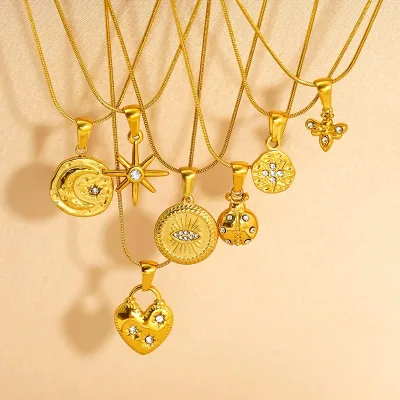
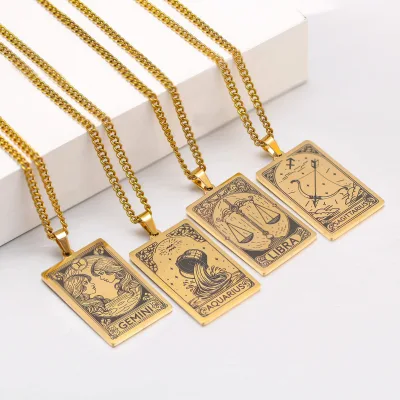
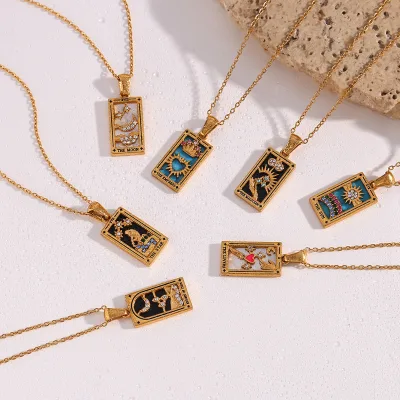
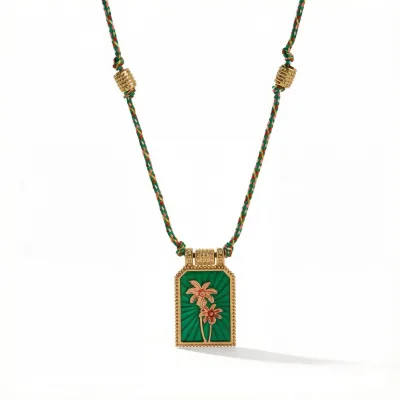
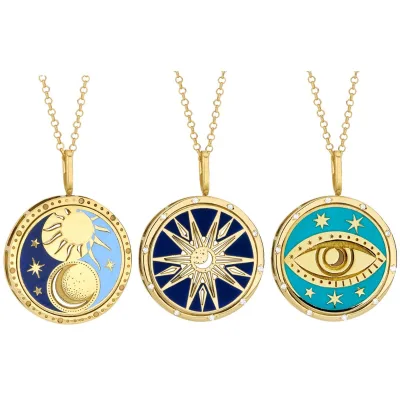
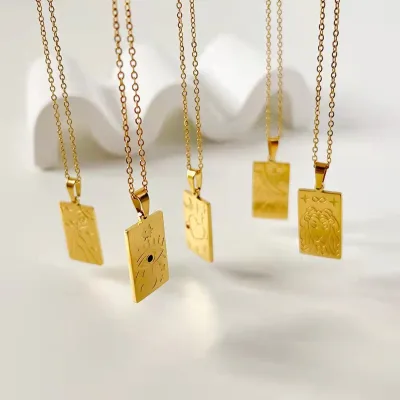
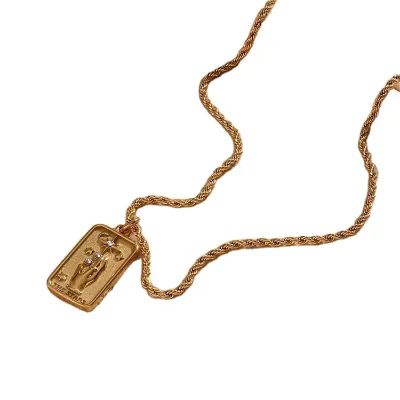
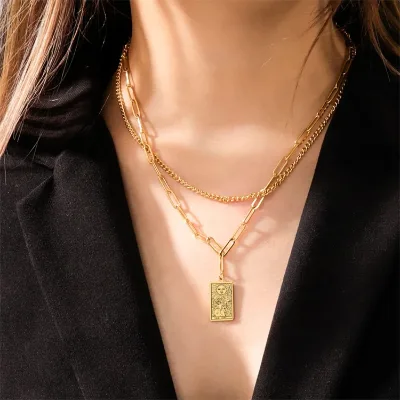
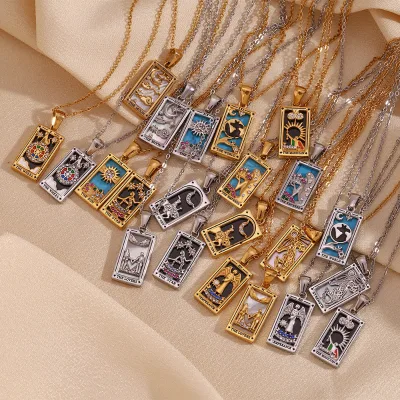
Suppliers in the Vintage Stainless Steel Tarot Necklace category split into two structural types: manufacturers and combined manufacturer-trading companies. Listings in this search show both, and the distinction matters for how you plan sampling and customization. Some companies list necklace, bracelet, earring, ring and brooch production as their core business, while others focus on fashion jewelry accessories more broadly, including eyewear, watches and hair accessories alongside stainless steel necklaces and rings. A supplier whose main products center on jewelry is more likely to hold tooling for pendant stamping, enamel oil-drip finishing and zirconia setting, which are the processes most tarot-card designs require. Supplier profiles in the results describe capabilities such as sample processing, graphic processing and customized on demand, so check which of these appear before assuming a supplier can adapt a tarot artwork to your brand.
Location evidence in this category points to Guangdong and Zhejiang in China, and these two provinces appear repeatedly on the product attributes themselves, such as a declared place of origin of Guangdong. That clustering is typical for stainless steel fashion jewelry, where plating shops and enamel workshops sit close to assembly. When a listing does not state a location, ask the supplier directly and confirm where the plating and finishing steps occur, because those steps drive both durability and lead time in this category.
How to Verify Vintage Stainless Steel Tarot Necklace Suppliers
Verification for this category starts with third-party audit labels shown on the supplier profile. In the current results, some suppliers carry TüVRheinland verification and others show SGS or SGS Group verification, so record which body audited each shortlisted profile rather than assuming uniform coverage. System certifications visible on profiles include BSCI, and for one supplier a combination of BSCI, REACH, CE, CPC and RoHS, while another lists (EC) 1907/2006, the REACH regulation. Note that at least one supplier lists no system certification at all. For a stainless steel necklace sold into the EU, REACH compliance claims and nickel-release documentation are the checks to prioritize, and you should request the actual test reports behind those labels rather than accepting the badge text alone.
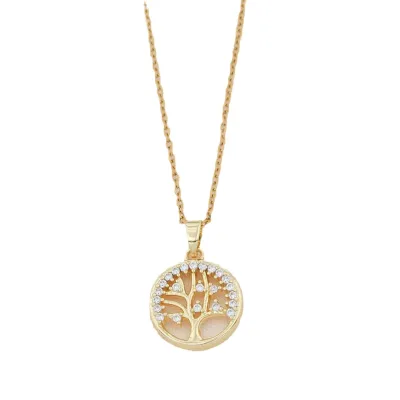
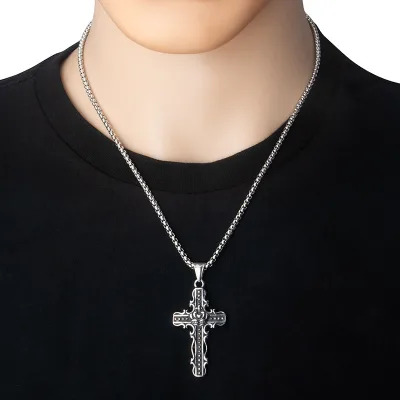
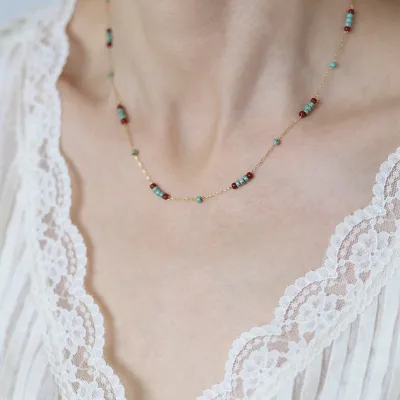
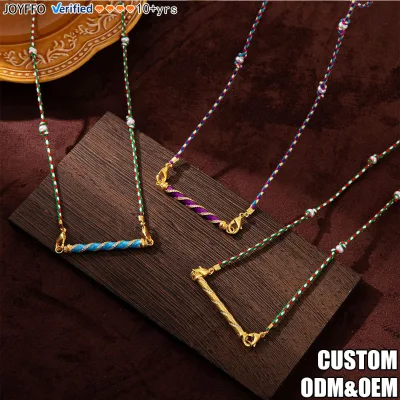
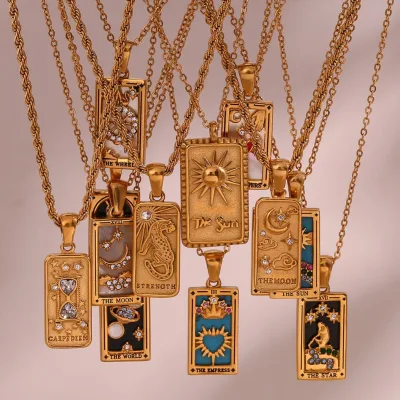
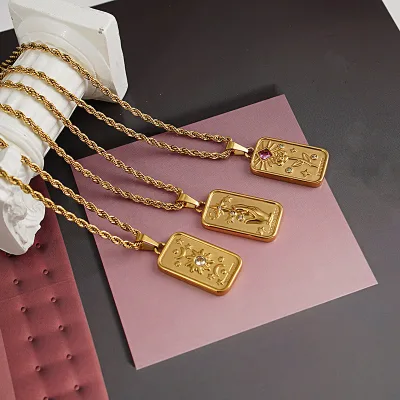
Beyond badges, verify capability with a paid sample of the exact tarot pendant you intend to order. Product evidence shows variations such as 18K PVD plating, oil-drip enamel with drill detail, and zirconia-set rectangle designs, and plating quality on stainless steel is best judged in hand. Ask which processes are done in-house versus subcontracted. A supplier advertising ODM and OEM capacity should be able to produce graphics for your own tarot artwork, but request a proof sample before committing. Response speed is also a practical verification signal: profiles here show response times ranging from roughly three hours to just over five hours, so test how quickly a technical question is answered.
What to Compare Across Vintage Stainless Steel Tarot Necklace Suppliers
Build a comparison sheet using the label dimensions actually displayed on supplier profiles, and remember that not every supplier shows every attribute. Lead time is one such dimension: listings here range from a stated 15 days to 23 days, with at least one profile showing a zero value, which usually means the field is unpopulated rather than that production is instantaneous. Response time varies from around 3 to just over 5 hours on the profiles shown, which is a meaningful differentiator when you need fast sampling decisions. Company type, main product lines, verification body and system certifications should sit in the same table so you can weigh, for example, a jewelry-focused manufacturer with BSCI against a diversified accessories maker with ODM and OEM claims.
On the product side, compare price bands and MOQs from live listings. Quoted prices in this search span roughly 1.48 to 4.63 per piece depending on design, with MOQs as low as 2 units on one rope-chain tarot pendant, 5 units on a zirconia oil-drop design, 10 units on an enamel square pendant, and 12 units on a round plate pendant. Compare length options too, since profiles state 18-inch chains and one 48cm plus 6cm bohemian rope version, plus color counts that range from a handful to more than twenty. Establishment year is a common profile field; where it is absent, ask.
Common Vintage Stainless Steel Tarot Necklace Sourcing Risks
The first risk is plating and finish failure. Tarot pendant designs in this category rely on 18K PVD or gold plating, oil-drip enamel and zirconia settings, and these are exactly the features that fail first in wear testing. One product listing explicitly states a certificate type of none, meaning no material certificate is attached to that item. Treat missing certificates on plated stainless steel jewelry as a red flag and ask for plating thickness, salt-spray results or a nickel-release report before committing. A second risk is design ambiguity: colorways in the results are coded with generic labels such as Gold-1 through Gold-8 or numbered sequences up to 25, so a single SKU reference can hide wide visual variation. Always map codes to photographed samples.
Third, watch for unpopulated profile fields. A lead time shown as zero, a missing establishment year, or a blank certification field does not mean the supplier fails; it means you must request the value in writing. Fourth, scope creep in customization: suppliers advertise customized on demand and graphic processing, but enameled or PVD-coated custom artwork may require new tooling and longer sampling than stock designs. Finally, verify gender and sizing claims; some listings market the same tarot pendant to both men and women as unisex, and chain length between the 18-inch and 48cm-plus-6cm options will change the perceived style considerably.
Vintage Stainless Steel Tarot Necklace Regional Sourcing and Logistics
The location signals in this category concentrate on Guangdong and Zhejiang, China. Guangdong appears both as a supplier location and as the declared place of origin on an 18K PVD plated tarot pendant listing, while Zhejiang appears as a company location on another profile. These provinces form the practical cluster for stainless steel fashion jewelry in this dataset, so regional sourcing conversations should start there. When shortlisting, note that a trading company located in one province may still source plating or enamel work from another, so ask where each production step physically happens, not just where the company is registered.
For logistics planning, the displayed lead times of 15 and 23 days are the only concrete values in the current data, and one profile shows zero, which should be treated as unverified. Order samples well before production, because a tarot design with enamel and zirconia may need an extra proofing round; a 15-day lead time can double if artwork is customized. Single-package dimensions on one listing are small, around 8 by 6 by 6 centimeters with a gross weight of 0.02 kilograms, which keeps air freight viable for samples and small trial orders. Confirm export documentation, carton packing counts and whether the supplier ships via a freight forwarder, since these logistics details rarely appear on the profile and vary between manufacturers and trading companies.
Vintage Stainless Steel Tarot Necklace Commercial Terms and Order Planning
Commercial terms for this category should be planned around the observed MOQ spread. Listings here show minimums of 2, 5, 10 and 12 pieces across different tarot pendant designs, which makes small test orders feasible before scaling. However, MOQ often rises sharply once customization enters, because graphic processing and on-demand customization may carry set-up costs. Ask each shortlisted supplier to quote three tiers: a stock design at the listed MOQ, a stock design at your target volume, and a custom tarot artwork version with tooling costs separated. The price bands in the results run from about 1.48 to 4.63 per piece, so a tiered quote will reveal where each supplier's break points sit.
On payment and protection, do not assume escrow coverage; the current profiles do not display escrow terms, so confirm payment method, deposit percentage and any platform protections in writing before transferring funds. Build your order plan around verified lead times rather than profile claims: use the 15-day and 23-day figures as reference points, but demand a production calendar after the sample is approved. Define acceptance criteria covering plating adhesion, enamel consistency across colorway codes, stone setting, chain length tolerance and packaging, since the category's small package sizes and multiple colorways make mix-ups common. Finally, agree reordering terms and a price-validity window so a repeat order at scale does not trigger renegotiation mid-season.
Word count: approximately 1,395 words across six sections, within the required 1350–1450 range.
FAQs
What is the price range for vintage stainless steel tarot necklaces?
Prices typically range from $1.48 to $4.63 per unit depending on the specific design and plating options. Basic stainless steel models start at the lower end, while 18K PVD plated or zirconia-embellished versions cost more. Buyers should check the specific product listing for the exact price based on quantity and customization needs.
What certifications do these suppliers hold?
Suppliers offer various certifications including BSCI, REACH, CE, CPC, and RoHS. Some manufacturers also hold SGS Group or TüV Rheinland verification. One supplier specifically mentions compliance with (EC) 1907/2006 standards. Buyers should verify which specific certifications are required for their target market before placing an order.
What is the typical lead time for production?
Lead times vary significantly among suppliers, ranging from zero days for immediate stock to 23 days for custom manufacturing. Most standard orders are fulfilled within 15 days. Buyers requiring urgent delivery should look for suppliers with shorter lead times or existing stock, while those planning ahead can accommodate longer production windows.
What is the minimum order quantity (MOQ)?
MOQs generally range from 2 to 12 pieces per design. Some suppliers allow orders as low as two units, while others require ten or twelve pieces. This flexibility supports both small-scale testing and larger bulk purchases. Buyers should confirm the specific MOQ for their chosen design and color options directly with the supplier.
How quickly do suppliers respond to inquiries?
Response times typically range from 3 to 5.2 hours. Faster response rates indicate active customer service teams ready to assist with customization or order queries. Buyers seeking quick clarifications on materials or shipping should prioritize suppliers with shorter response times to ensure smooth communication throughout the sourcing process.
What customization options are available?
Suppliers offer ODM and OEM services, including sample processing, graphic processing, and customized designs on demand. Options include various plating colors like 18K gold, different chain types, and specific pendant shapes. Buyers can request light customization or full design changes to meet their brand requirements and target audience preferences.