Water Resistant Knitted Textile Fabric Suppliers and Manufacturers
Source Water Resistant Knitted Textile Fabric from 16 verified suppliers in China. Compare key dimensions including ISO certifications, response times, lead times, and MOQs. Review product attributes and pricing to identify suitable partners for your procurement needs; review the available evidence before requesting comparable quotations from suitable candidates.
Updated
Suppliers List

Chibi Xiangyuan Special Fabric Co., Ltd.
- Verified by BV
- Trading Company,Manufacturer/Factory
- China Hubei
- Lead time23 days
- Avg. response≤ 9h
Main productsFlame Retardant Fabric, Antistatic Fabric, Acid & Alkali Resistant Fabric, Workwear Fabric, 100% Cotton Fabric, Fr Fabric, Textile, Function Fabric
Main marketsSouth America,Eastern Europe,Mid East,North America,Southeast Asia,Eastern Asia,Oceania,Western Europe,Africa

- Verified by BV
- Trading Company,Manufacturer/Factory
- China Jiangsu
- Lead time23 days
- Avg. response≤ 25h
Main productsNylon Fabric, Polyester Fabric, Cotton Fabric, Stretch Fabric, Jacket Fabric, Dress Fabric, Down Proof Fabric, Cold Protection Fabric, Bag&Tent Fabric, Raincoat Fabric
Main marketsSouth America,Eastern Europe,Mid East,North America,Southeast Asia,Eastern Asia,Oceania,Western Europe,Africa

- Manufacturer/Factory
- China Jiangsu
- Lead time30 days
- Avg. response≤ 15h
Main productsPolyester Fabric, Nylon Fabric, Down Proof Fabric, Printing Fabric, Coating Fabric, Fme Covers, Customized Bags, Laminated Fabric
Main marketsSouth America,Eastern Europe,North America,Western Europe
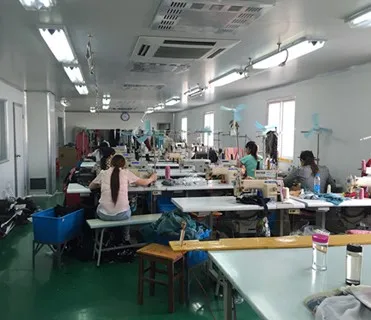
- Trading Company
- Jiangsu, China
- Lead time7 days
- Avg. response≤ 3h
Main productsSilk Scarf,Silk fabric,Silk Pillowcase,Silk eye mask,Silk Scrunchies
Main marketsNorthern Europe(15.00%), Western Europe(15.00%), Southern Europe(15.00%), North America(15.00%), Eastern Asia(10.00%), Southeast Asia(5.00%), Central America(5.00%), Eastern Europe(5.00%), South Asia(5.00%), South America(5.00%), Mid East(3.00%), Africa(2.00%)
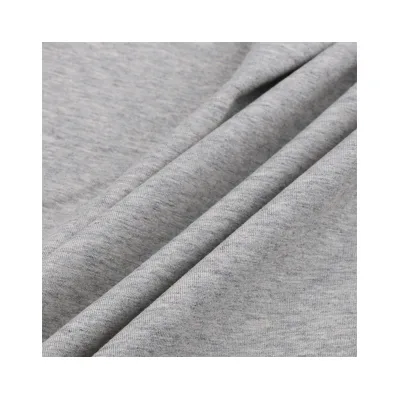
Soft Jersey Cotton Fabric 100% Knitted Shirt Fabric
$2.38 - $3.01
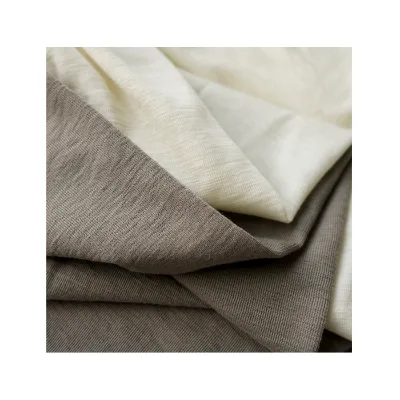
Knitted Wool Fabric Warm Jersey Fabric for Shirt
$21.69 - $24.89

China Xinxing Shanghai Import and Export Co., Ltd.
- Verified by TUVRHEINLAND
- Trading Company
- China Shanghai
- Lead time15 days
- Avg. response≤ 7h
Main productsAnti-Riot Suit
Main marketsSouth America,Africa,Southeast Asia/ Mideast,Europe
Wuxi Kuanyang Textile Technology Co., Ltd.
- Verified by SGS Group
- Manufacturer, Trading Company
- Lead time10 days
- Avg. response≤ 2h
Main productsSwimwear Fabric, Print Fabric, Spandex Fabric, Recycled Fabric, Softshell Fabric
Main marketsDomestic Market(60%), North America(12%), Southeast Asia(10%)
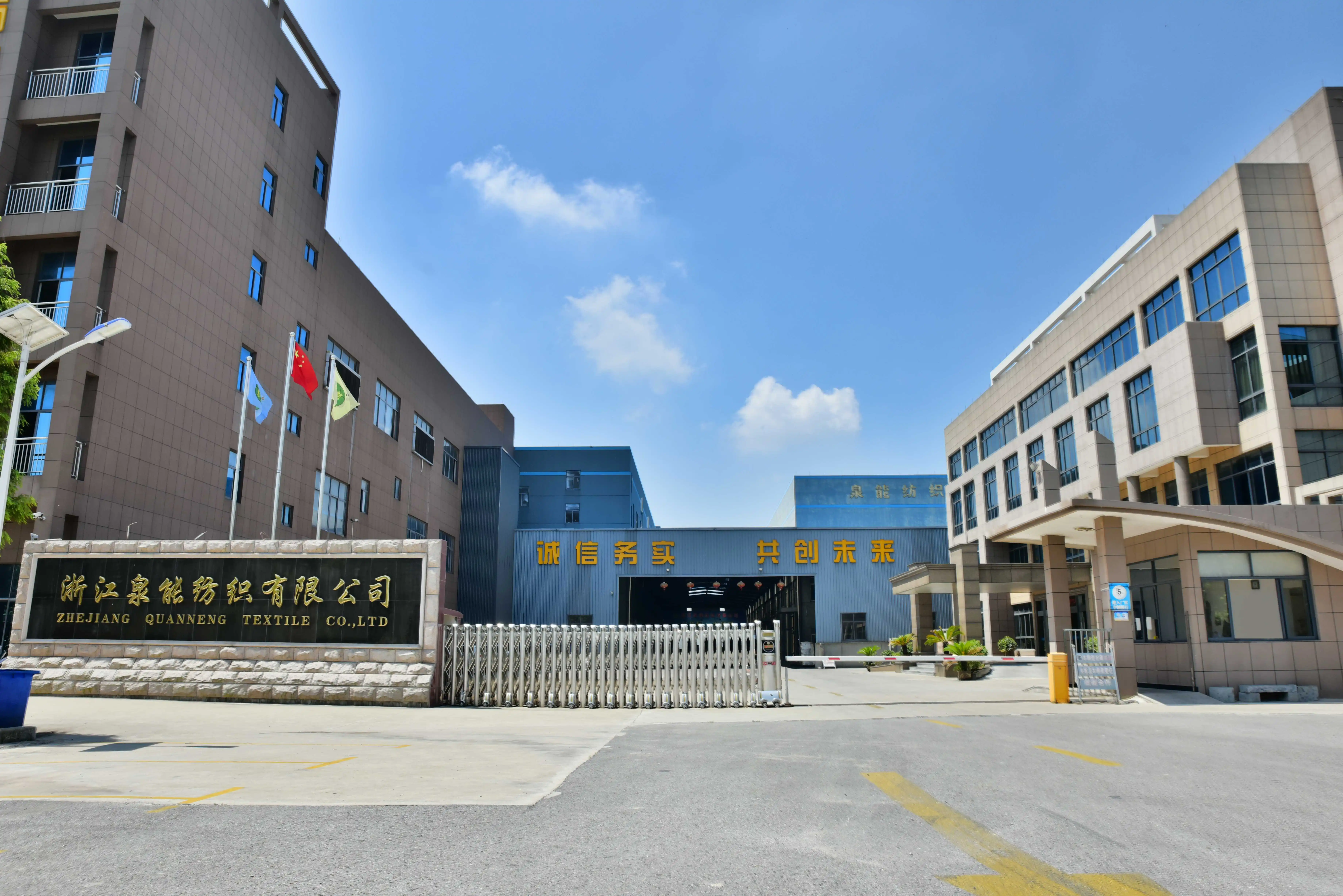
Zhejiang Quanneng Textile Co., Ltd.
- Manufacturer, Trading Company
- Zhejiang, China
- Lead time15 days
- Avg. response≤ 5h
Main productstricot fabric,microfiber fabric,DTY yarn,velvet fabric,jacquard fabric
Main marketsMid East(31.00%), Africa(22.00%), Southeast Asia(20.00%), South America(16.00%), South Asia(7.00%), North America(4.00%)

Shanghai Zen-real Textile Technology Co.,Ltd
- Trading Company,Manufacturer/Factory,Other
- China Shanghai
- Lead time45 days
- Avg. response≤ 5h
Main productsTextile Functional Raw Materials and Fabrics, Functional Woven Tape& Rope, Special Machinery Accessory Centrifugal Fan
Main marketsSouth America,Eastern Europe,North America,Eastern Asia,Western Europe
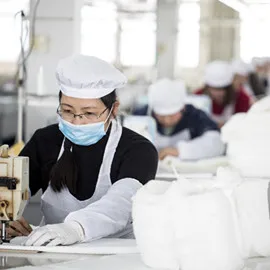
Hangzhou Yishang Textile Co., Ltd.
- Manufacturer, Trading Company
- Zhejiang, China
- Lead time30 days
- Avg. response≤ 10h
Main productsJacquard Fabric,Knitted Fabric,Pillow,Curtain,Mattress Cover
Main marketsDomestic Market(40.00%), North America(30.00%), Western Europe(20.00%), Eastern Europe(10.00%)

XIAMEN UPWARD TEXTILE CO., LTD.
- Verified by BV
- Trading Company,Manufacturer/Factory
- China Fujian
- Lead time0 days
- Avg. response≤ 6h
Main productsRecycle Fabric, Strech Fabric, Nylon Fabric, Polyester Fabric, Spandex Fabric, Coated Fabric, Printed Fabric, Waterproof Fabric, Trendy Fabric, Light Weight Fabric
Main marketsSouth America,Eastern Europe,Mid East,North America,Southeast Asia,Eastern Asia,Oceania,Western Europe,Africa

- Trading Company,Manufacturer/Factory
- China Zhejiang
- Lead time23 days
- Avg. response≤ 5h
Main products100% Polyester Fabric, Minimatt, Microfiber, Satin, Bed Sheet, Jacquard Fabric, Poly/Cotton, Polyester Staple Fiber, Towel Fabric, Taffeta
Main marketsSouth America,Eastern Europe,Africa

Suzhou Sunchan Textile Co., Ltd.
- Trading Company,Manufacturer/Factory
- China Jiangsu
- Lead time15 days
- Avg. response≤ 7h
Main productsOutdoor Sports Fabric, Functional Outdoor Fabric, Cotton Fabric, Polyester Fabric, Nylon Fabric, Coated Fabric, Compound Fabric, Print Fabric
Main marketsSouth America,Eastern Europe,Mid East,North America,Southeast Asia,Eastern Asia,Oceania,Western Europe,Africa


Waterproof Breathable Knitted Fabric with PU Film Compound for Raincoat
$2.30 - $2.35
MOQ: 1000 Meters

Shaoxing Dalian Imp. & Exp. Co., Ltd.
- Verified by TUVRHEINLAND
- Trading Company,Manufacturer/Factory
- China Zhejiang
- Lead time120 days
- Avg. response≤ 4h
Main productsInterlock Fabric, Scuba Fabric, Spandex Fabric, Swimwear Fabric, Bird Eye Mesh Fabric, Sports Wear Fabric, T-Shirt Fabric
Main marketsSouth America,Eastern Europe,Mid East,North America,Southeast Asia,Eastern Asia,Oceania,Western Europe,Africa

ZHEJIANG GUAN SHENG NEW MATERIALS TECHNOLOGY CO., LTD.
- Verified by CTI
- Trading Company
- China Zhejiang
- Lead time15 days
- Avg. response≤ 7h
Main productsNonwoven, Interlining, Meltblown
Main marketsAfrica,Southeast Asia/ Mideast,Domestic

Shaoxing Dalian Imp. & Exp. Co., Ltd.
- Trading Company,Manufacturer/Factory
- China Zhejiang
- Lead time23 days
- Avg. response≤ 3h
Main productsFleece Fabric, Soft Shell Fabric, Stretch Fabric, Scrubs Fabric, Spandex Fabric, Outdoor Fabric
Main marketsSouth America,Eastern Europe,Mid East,North America,Southeast Asia,Eastern Asia,Oceania,Western Europe,Africa

- Trading Company,Manufacturer/Factory
- China Zhejiang
- Lead time30 days
- Avg. response≤ 6h
Main productsFabric, Trimming, Lace, Tape, Zipper, Sewing Thread, Button, Scissors, Garments Accessories, Sewing Machine Parts
Main marketsSouth America,Eastern Europe,Mid East,North America,Southeast Asia,Eastern Asia,Oceania,Western Europe,Africa







Comprehensive Sourcing Guide
Water Resistant Knitted Textile Fabric Supplier Concentration and Factory Types
The current supplier landscape for Water Resistant Knitted Textile Fabric reveals a distinct geographic concentration within China, specifically highlighting hubs in Hubei and Jiangsu provinces. These regions serve as primary manufacturing clusters for textile production, offering buyers access to established industrial ecosystems. Suppliers located in Hubei often specialize in functional fabrics, including flame retardant and antistatic materials, which frequently overlap with water-resistant properties through chemical treatments. Meanwhile, facilities in Jiangsu, particularly in areas like Wujiang, are known for producing a wide array of knitted fabrics, including polyester and nylon variants, catering to diverse garment and industrial applications. This geographic distribution allows buyers to source from regions with specialized expertise in specific fabric constructions, such as weft knitting or mesh structures, ensuring that the underlying textile base meets rigorous quality standards before any water-resistant coatings or laminations are applied.
Beyond geography, the supplier types available range from trading companies to direct manufacturers and factories. Direct manufacturers often provide greater control over the production process, particularly for customizations like width, weight, and specific knitting techniques such as machine knitting or tricot. Trading companies may offer a broader portfolio of products, including down proof fabrics, raincoat fabrics, and bonded materials, facilitating one-stop sourcing for complex textile needs. Understanding this distinction is crucial for buyers, as manufacturers typically have more direct influence over lead times and technical specifications, while trading companies might provide more flexible order quantities or consolidated shipping options. The presence of both types ensures that buyers can choose partners based on their specific operational needs, whether they require deep technical collaboration on fabric structure or broader product variety for mixed orders.
How to Verify Water Resistant Knitted Textile Fabric Suppliers
Verification of suppliers requires a multi-layered approach that goes beyond basic company profiles, focusing on tangible evidence of capability and compliance. Buyers should prioritize suppliers who display third-party verification badges, such as BV verification, which indicates that an independent agency has assessed the company’s legitimacy and operational capacity. This initial check helps filter out non-existent entities and provides a baseline of trust. Additionally, examining the supplier’s system certifications is critical for ensuring consistent quality management. Certifications like ISO 9001, ISO 9000, and ISO 14001 demonstrate that the factory adheres to standardized processes for quality control and environmental management, which are essential for maintaining the integrity of water-resistant treatments and fabric durability over time. These certifications serve as a proxy for the supplier’s internal discipline and reliability.
Product-level evidence further solidifies verification efforts, requiring buyers to scrutinize specific product attributes and test results. Look for detailed specifications such as material composition, width, weight, and coating types, which indicate the supplier’s transparency and technical depth. For instance, suppliers listing attributes like PU coating, specific yarn counts, or certified flame retardant properties provide concrete data points for evaluation. Buyers should also verify if the supplier offers samples that meet relevant standards, such as Oeko-Tex or specific EN standards, which are crucial for ensuring the fabric’s safety and performance. Furthermore, checking the supplier’s response time and lead time metrics can offer insights into their operational efficiency. A supplier with a rapid response time and clear lead time estimates is likely more organized and capable of handling urgent orders, reducing the risk of delays in the supply chain.
What to Compare Across Water Resistant Knitted Textile Fabric Suppliers
When evaluating multiple suppliers, buyers must compare key operational metrics to determine the best fit for their specific requirements. Lead time is a critical factor, with some suppliers offering delivery windows of 15 to 20 days, while others may require up to 30 days. This variance can significantly impact inventory planning and order fulfillment, especially for time-sensitive projects. Buyers should also compare minimum order quantities (MOQs), which can range from 1,000 to 2,000 meters or more, depending on the supplier’s production scale and customization capabilities. Lower MOQs may be preferable for testing new designs or small batch production, while higher MOQs might offer better unit pricing for large-scale orders. Additionally, response time metrics, such as average hours to reply, can indicate the supplier’s customer service quality and responsiveness to inquiries, which is vital for resolving issues quickly during the sourcing process.
Price and product specifications are equally important comparison points. Unit prices can vary based on material composition, width, and additional treatments, with ranges observed from under $1.00 to nearly $5.00 per meter. Buyers should compare not just the base price but also the value proposition, including features like thermal stability, ripstop construction, or eco-friendly certifications. Suppliers offering customized patterns, widths, and weights provide greater flexibility, allowing buyers to tailor fabrics to specific end-use applications. It is also essential to compare the supplier’s main product focus; some may specialize in flame retardant or antistatic fabrics, while others focus on general-purpose knitted textiles. Aligning the supplier’s core competencies with the buyer’s specific needs ensures that the chosen partner can deliver the required performance characteristics, such as water resistance, breathability, and durability, without compromising on quality or cost.
Common Water Resistant Knitted Textile Fabric Sourcing Risks
One significant risk in sourcing Water Resistant Knitted Textile Fabric is the potential mismatch between advertised specifications and actual product performance. Buyers may encounter suppliers who claim water-resistant properties but fail to provide adequate test results or certifications to substantiate these claims. This discrepancy can lead to product failures in the end-use application, resulting in financial losses and reputational damage. Additionally, the complexity of fabric construction, such as bonded layers or specific knitting techniques, introduces risks related to consistency and quality control. Variations in width, weight, or coating uniformity can occur if the supplier lacks robust quality assurance processes, leading to inconsistencies in bulk orders. Buyers must be vigilant in verifying these technical details through samples and third-party testing to mitigate the risk of receiving substandard materials.
Another risk involves supply chain disruptions and communication barriers. Suppliers with longer lead times or slower response rates may struggle to meet urgent deadlines, causing delays in production schedules. This is particularly problematic for buyers operating on tight timelines or requiring just-in-time inventory management. Furthermore, the reliance on customized orders can introduce complexities in production planning, increasing the likelihood of errors or miscommunications regarding design specifications. Buyers should also be aware of the risks associated with different supplier types; trading companies may have less direct control over production quality compared to manufacturers, potentially leading to inconsistencies. To mitigate these risks, buyers should establish clear communication channels, request detailed production schedules, and conduct regular quality checks throughout the manufacturing process to ensure that the final product meets all agreed-upon standards.
Water Resistant Knitted Textile Fabric Regional Sourcing and Logistics
Sourcing from specific regions in China, such as Hubei and Jiangsu, offers logistical advantages due to their established textile infrastructure and proximity to major ports. Suppliers in Hubei, often focused on functional fabrics, benefit from regional supply chains that support the production of specialized materials like flame retardant and antistatic textiles. This concentration allows for efficient sourcing of raw materials and finished goods, reducing transit times and costs. Similarly, Jiangsu, particularly Wujiang, is a major hub for polyester and nylon fabric production, with well-developed logistics networks that facilitate the export of large volumes of knitted textiles. Buyers can leverage these regional strengths to optimize their supply chain, ensuring timely delivery and cost-effective shipping solutions. Understanding the logistical capabilities of these regions helps buyers plan their orders more effectively, minimizing delays and maximizing efficiency.
Logistics planning also involves considering the packaging and handling requirements of the fabric. Suppliers typically use standard packing methods, such as polybags and non-woven bags, to protect the fabric during transit. Buyers should verify these packaging details to ensure that the fabric arrives in good condition, free from damage or contamination. Additionally, the weight and dimensions of the fabric rolls can impact shipping costs and storage requirements. Buyers should coordinate with their freight forwarders to optimize container loading and reduce transportation expenses. For international shipments, understanding Incoterms and customs regulations is essential to avoid unexpected delays or fees. By aligning their logistics strategy with the supplier’s regional capabilities and packaging standards, buyers can streamline the import process and ensure a smooth transition from factory to warehouse.
Water Resistant Knitted Textile Fabric Commercial Terms and Order Planning
Commercial terms play a crucial role in defining the relationship between buyers and suppliers, influencing everything from pricing to risk allocation. Buyers should negotiate clear payment terms, such as deposits and balance payments upon shipment, to manage cash flow and mitigate financial risk. It is also important to establish detailed specifications in the purchase order, including material composition, width, weight, and any specific certifications or test results required. This clarity helps prevent disputes and ensures that both parties have a shared understanding of the product requirements. Additionally, buyers should discuss warranty and return policies in case the delivered fabric does not meet the agreed-upon standards. Having these terms in writing provides legal protection and facilitates resolution in the event of quality issues or delivery failures.
Order planning requires careful consideration of lead times, MOQs, and production schedules to align with the buyer’s inventory needs. Buyers should work closely with suppliers to develop a realistic production timeline, accounting for any customization or testing phases that may extend the lead time. Regular communication and progress updates are essential to monitor production status and address any potential issues early. For large orders, breaking them down into smaller batches can help manage risk and ensure consistent quality. Buyers should also plan for potential delays by maintaining a buffer stock or having alternative suppliers identified. By integrating commercial terms with strategic order planning, buyers can optimize their supply chain, reduce costs, and ensure a steady flow of high-quality Water Resistant Knitted Textile Fabric to meet market demands.
FAQs
What is the price range for water resistant knitted fabric?
Water resistant knitted fabric prices typically range from $0.55 to $4.80 per unit depending on material composition and treatment. Specific flame retardant cotton options start around $2.55, while bonded polyester fabrics may cost between $1.80 and $2.00. Buyers should verify exact pricing based on custom width, weight, and order volume requirements.
What certifications are available for these knitted textiles?
Available certifications include ISO 9001, ISO 14001, UL, Oeko-Tex Standard, CE, AZO-FREE, and GRS. Some products also meet En11611 and En11612 standards for safety applications. Buyers should request specific certificate copies to verify compliance with regional regulations and industry standards for protective or industrial garment use.
What is the typical lead time for orders?
Typical lead times range from 15 to 30 days depending on the supplier and order complexity. Some manufacturers offer delivery within 15-20 days, while others may require up to 30 days for production. Buyers should confirm specific timelines during negotiation to ensure alignment with project schedules and inventory needs.
What is the minimum order quantity for these fabrics?
Minimum order quantities generally range from 1000 to 2000 units. Some suppliers require 2000 units for specialized flame retardant fabrics, while others accept 1000 units for standard knitted options. Buyers should verify MOQ requirements early to plan procurement volumes and avoid potential surcharges for smaller orders.
Where are these suppliers located?
Suppliers are primarily located in China, specifically in Hubei and Jiangsu provinces. Wujiang in Jiangsu is a noted production hub for polyester and bonded fabrics. Buyers should verify exact factory locations to assess logistics costs and shipping times for international delivery.
What materials are used in these knitted fabrics?
Materials include 100% cotton, 100% polyester, nylon, and blends with spandex or modacrylic. Some fabrics feature chemical treatment for flame retardancy or PU coating for water resistance. Buyers should specify material preferences to ensure suitability for their intended application, such as workwear, jackets, or industrial use.