Waterproof Printed Faux Leather Suppliers and Manufacturers
Compare 28 verified suppliers offering Waterproof Printed Faux Leather with varying lead times, MOQs, and certifications. Review response times and product specs like thickness and width before contacting vendors for quotes; review the available evidence before requesting comparable quotations from suitable candidates.
Updated
Suppliers List

Jiangsu Albrich Textile Co., Ltd.
- Trading Company
- China Jiangsu
- Lead time23 days
- Avg. response≤ 5h
Main productsPVC Leather
Main marketsSouth America,Southeast Asia/ Mideast

H&S (Fuzhou) New Material Technology Co., Ltd.
- Manufacturer
- China Fujian
- Lead time15 days
- Avg. response≤ 6h
Main productsPU Fabric, Hot Air Seam Sealing Tape, TPU Tape, Hot Air Seam Sealing Machine, Waterproof Fabric, Hot Melt Tape, TPU Leather, TPU Film, Hot Adhesive Film, Non-Woven Tape
Main marketsAfrica,Others(foreignTradeCapacity.exportBusinessCapacityMarketOther),Southeast Asia/ Mideast,Europe,North America

Quanzhou Winiw Import and Export Co., Ltd.
- Verified by CTI
- Manufacturer/Factory
- China Fujian
- Lead time23 days
- Avg. response≤ 15h
Main productsMicrofiber Leather, Faux Leather, PU Leather, Synthetic Leather, Artificial Leather, Vegan Leather, Nappa Leather, Upholstery Material, Automotive Leather, Upholstery Leather
Main marketsSouth America,Eastern Europe,North America,Southeast Asia,Eastern Asia,Oceania,Western Europe,Africa
Anhui Der New Material Technology Co., Ltd.
- Verified by SGS Group
- Manufacturer, Trading Company
- Lead time35 days
- Avg. response≤ 5h
Main productsPVC Tarpaulin

Ningbo Sunrise Synthetic Materials Co., Ltd.
- Verified by SGS
- Combined
- China Zhejiang
- Lead time15 days
- Avg. response≤ 6h
Main productsPU Leather, PVC Leather, Sofa Leather, Shoes Leather, Bag Leather, Furniture Leather, Thermal Leather, Balll Leather, Synthetic Leather
Main marketsSouth America,Southeast Asia/ Mideast,East Asia(Japan/ South Korea)


Waterproof & Mildewproof Faux Leather for Sofa Making - Popular Promotional
$2.00 - $3.00
MOQ: 500 meters


Fuzhou Xiangtai Trade Co., Ltd.
- Verified by TüVRheinland
- Manufacturer, Trading Company
- Lead time0 days
- Avg. response≤ 3h
Main productsTPU & PU Leather, Hot Air Seam Sealing Tape, Hot Air Seam Sealing Machine, TPU Film, Hot Melt Adhesive Film
Main marketsDomestic Market(40%), South Asia(11%), Central America(6%)

Jiangyin Xiangxi Plastic Technology Co., Ltd.
- Manufacturer, Trading Company
- Jiangsu, China
- Lead time15 days
- Avg. response≤ 5h
Main productsPVC leather,PU leather,fabric for sofa,tarpaulin
Main marketsAfrica(30.00%), Domestic Market(25.00%), North America(15.00%), South America(10.00%), Mid East(10.00%), Oceania(10.00%)
Dongguan Cigno Leather Co., Ltd.
- Verified by SGS Group
- Trading Company
- Lead time20 days
- Avg. response≤ 1h
Main productsVegan Leather, Bio Leather, PVC Leather, Microfiber Leather, Synthetic Leather
Main marketsNorth America(50%), Eastern Europe(15%), Southeast Asia(12%)
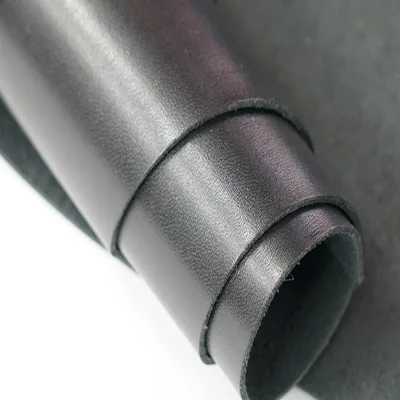
$4.25 - $5.29
MOQ: 300 meters
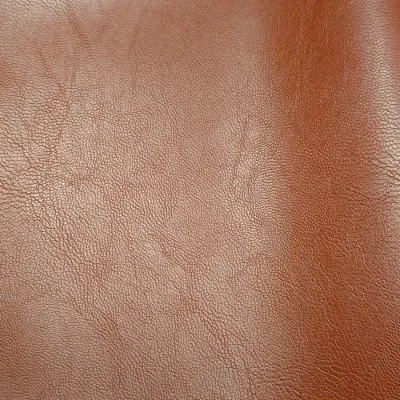
Water Based Eco-friendly Wet PU Faux Leather Synthetic Leather Fabric for Sofa Set
$1.0411 - $5.2056
MOQ: 500 meters
Guangzhou Hexin Leather Co., Ltd.
- Trading Company
- Guangdong, China
- Lead time0 days
- Avg. response≤ 2h
Main productsPU Leather, PVC Leather, TPU Leather, Leather Fabric, Shoe Leather
Main marketsDomestic Market(100.00%)
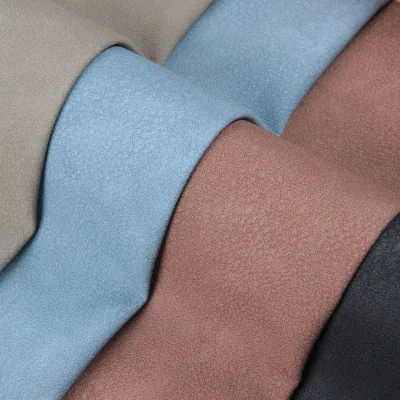
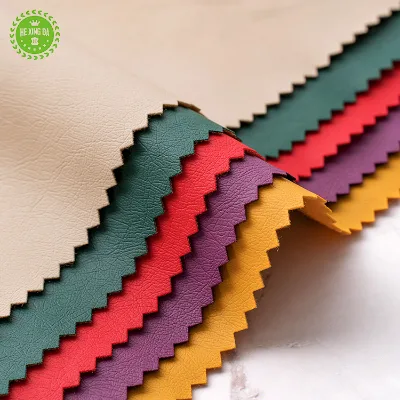
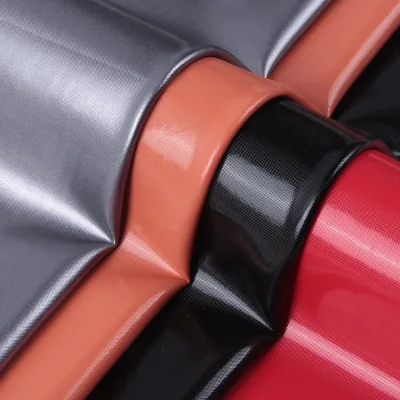
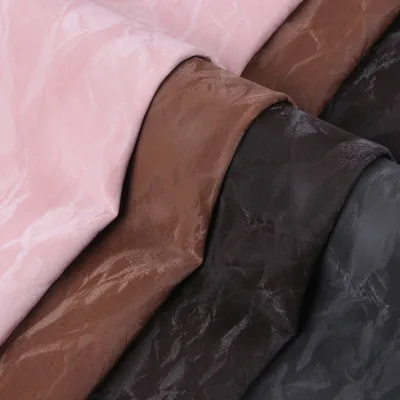
High Quality Print Leather Artificial Synthetic Leather Waterproof Faux Leather for Car Seats
$2.19 - $2.40
MOQ: 1 meters
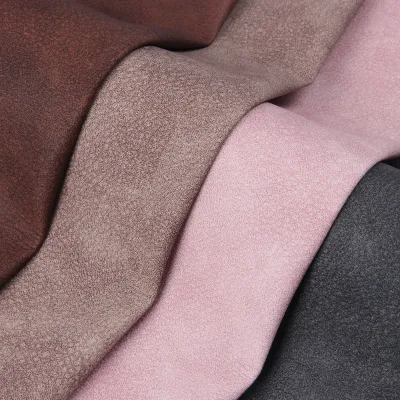
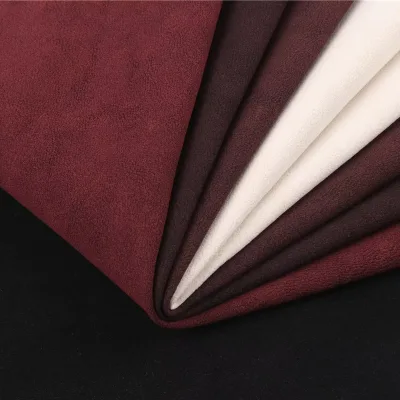
Guangzhou Junshang Trading Co., Ltd.
- Verified by SGS Group
- Trading Company
- Lead time15 days
- Avg. response≤ 2h
Main productsPVC Leather, PU Leather, Semi PU Leather
Main marketsAfrica(25%), Southeast Asia(20%), Mid East(20%)

Dongguan Gangheng Leather Co., Ltd.
- Trading Company
- Guangdong, China
- Lead time7 days
- Avg. response≤ 2h
Main productsSynthetic leather,PU leather,PVC leather,Microfiber leather,Imitated microfiber leather
Main marketsNorth America(40.00%), Mid East(30.00%), Eastern Europe(15.00%), Northern Europe(10.00%), Oceania(5.00%)
Jiangsu Albrich Textile Co., Ltd.
- Verified by SGS Group
- Trading Company
- Lead time20 days
- Avg. response≤ 2h
Main productsPVC Leather, Artificial Leather, PU Leather, Synthetic Leather
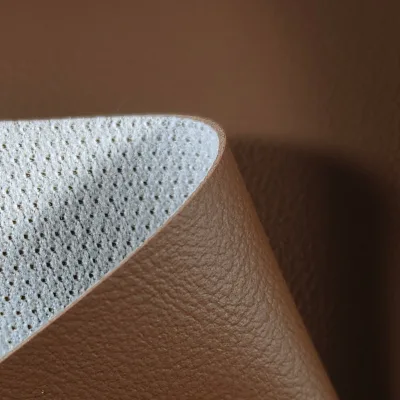
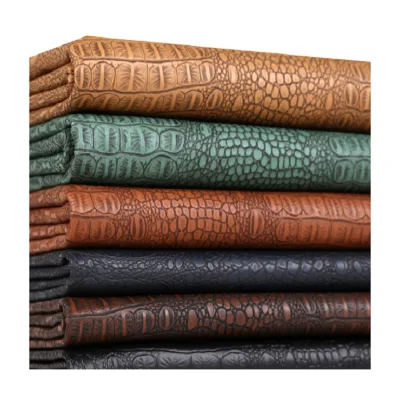
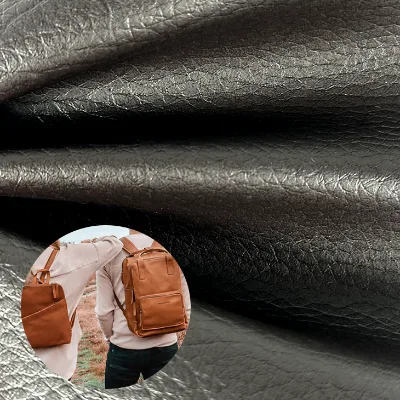
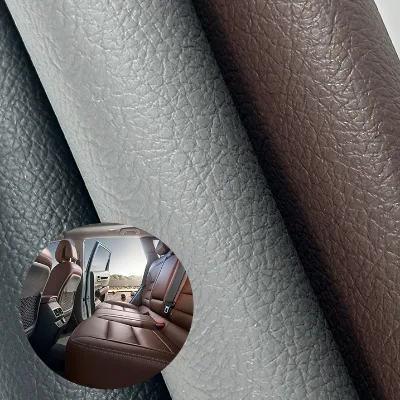
Anti-UV Tree Pattern Faux Leather Hot-selling for Car Seat, Waterproof Synthetic Leather for Seats
$1.6148 - $1.6658
MOQ: 1000 meters
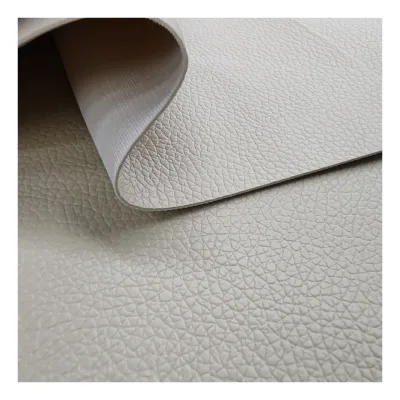

Wenzhou Simple leather Co., Ltd.
- Verified by TUVRHEINLAND
- Trading Company,Manufacturer/Factory
- China Zhejiang
- Lead time15 days
- Avg. response≤ 4h
Main productsArtificial Leather, PU Leather, Synthetic Leather, PVC Leather, Microfiber Leather, Imitation Leather, Leatherette, Faux Leather, Leatheroid, Toys
Main marketsSouth America,Eastern Europe,Mid East,North America,Southeast Asia,Eastern Asia,Oceania,Western Europe,Africa

Ningbo Bridge Synthetic Leather Co., Ltd.
- Verified by BV
- Combined
- China Zhejiang
- Lead time15 days
- Avg. response≤ 3h
Main productsSynthetic Leather, PU Leather, Artificial Leather, PVC Leather, Vegan Leather, Microfiber Leather, Flocking, Tecido Para Estofamento, Tela De Cuero, Sofa Fabric
Main marketsSouth America,Africa,Europe,Australia,North America

Customized Waterproof Eco-Friendly PU Printed Faux Synthetic Leather for Shoes Material
$1.99 - $2.46
MOQ: 500 Meters

Eco-Friendly PU Leather Abrasion-Resistant Waterproof Faux Leather for Shoes Handbag
$2.69 - $3.04
MOQ: 500 Meters
- Trading Company
- Jiangsu, China
- Lead time20 days
- Avg. response≤ 2h
Main productsMerino wool fabric,silk fabric,Leather fabric,Silk products,Polyester fabric
Main marketsSouth America(20.00%), North America(20.00%), Domestic Market(10.00%), Southern Europe(10.00%), Northern Europe(10.00%), Western Europe(10.00%), Southeast Asia(10.00%), Eastern Europe(10.00%)
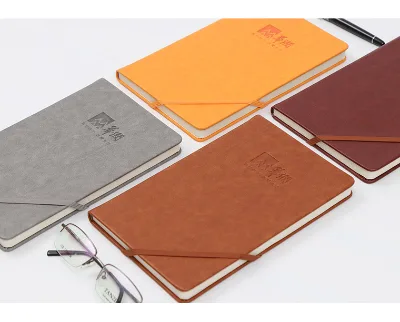
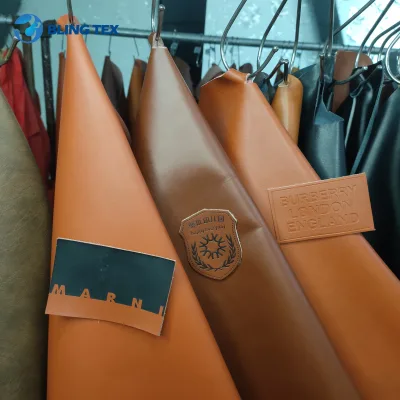
$2.0088 - $2.3159
MOQ: 50 meters
Guangzhou Tongwei New Materials Co., Ltd.
- Verified by TüVRheinland
- Trading Company
- Lead time5 days
- Avg. response≤ 2h
Main productsPVC Leather, Sponge Products, Material For Car Carpet, PU Leather, Sofa Fabric
Main marketsNorth America(25%), Africa(10%), Domestic Market(10%)
Shanghai Li Ao Leather Manufacturing Co., Ltd.
- Trading Company
- Shanghai, China
- Lead time30 days
- Avg. response≤ 1h
Main productsPVC LEATHER,PU LEATHER,SEMI-PU LEATHER,GLITTER LEATHER,MICROFIBER LEATHER
Main marketsSouth America(13.00%), Eastern Europe(13.00%), North America(12.00%), Oceania(8.00%), Domestic Market(8.00%), Eastern Asia(8.00%), South Asia(7.00%), Southern Europe(6.00%), Mid East(6.00%), Western Europe(5.00%), Southeast Asia(5.00%), Northern Europe(4.00%), Central America(3.00%), Africa(2.00%)
Guangzhou Micooson Microfiber Leather Co., Ltd.
- Verified by SGS Group
- Trading Company
- Lead time10 days
- Avg. response≤ 3h
Main productsMicrofiber Suede Leather, PU Leather, Hypalon, PVC Leather, Car Set Cover
Main marketsNorth America(17%), Southeast Asia(12%), Africa(12%)

Suzhou Sunchan Textile Co., Ltd.
- Trading Company,Manufacturer/Factory
- China Jiangsu
- Lead time15 days
- Avg. response≤ 7h
Main productsOutdoor Sports Fabric, Functional Outdoor Fabric, Cotton Fabric, Polyester Fabric, Nylon Fabric, Coated Fabric, Compound Fabric, Print Fabric
Main marketsSouth America,Eastern Europe,Mid East,North America,Southeast Asia,Eastern Asia,Oceania,Western Europe,Africa

HEBEI FUSHENG DECORATION NEW MATERIAL CO.,LTD
- Trading Company,Manufacturer/Factory,Group Corporation
- China Hebei
- Lead time15 days
- Avg. response≤ 20h
Main productsLeather, PVC Leather, Little Leather, Leather Car Mats, Artificial Leather, High Quality Environmental Protection Automobile, Shoe Leather, Luggage Leather, Decorative Leather
Main marketsSouth America,Eastern Europe,Mid East,North America,Southeast Asia,Eastern Asia,Oceania,Western Europe,Africa

Custom Wear-Resistant Sofa Leather Multi-Color Waterproof Luggage Leather
$1.93 - $2.07
MOQ: 1000 Meters

Can Be Customized High-Grade Printed Leather High Quality Artificial Leather
$0.98 - $1.10
MOQ: 1000 Meters


High Quality Custom Mildew Resistant Synthetic Leather Fashion Printing
$2.10 - $2.50
MOQ: 1000 Meters

Yangzhou Leebo Environmental Protection Material Co., Ltd
- Verified by CTI
- Combined
- China Jiangsu
- Lead time30 days
- Avg. response≤ 3h
Main productsstitchbond fabric & Geo products
Main marketsSouth America,Domestic

NINGBO INTECH NEW MATERIAL CO., LTD.
- Verified by TUVRHEINLAND
- Trading Company
- China Zhejiang
- Lead time23 days
- Avg. response≤ 4h
Main productsPU Leather, PVC Leather, Microfiber Base, Microfiber Suede, Grs Microfiber, PU Nonwoven Lining, Nonwoven Fabric, Synthetic Leather, PU Coated Microfiber, Micro Lining
Main marketsEurope
Jiangyin Jiangdong Plastic Co., Ltd.
- Manufacturer, Trading Company
- Jiangsu, China
- Lead time15 days
- Avg. response≤ 5h
Main productsPVC Artificial Leather For Bags, PVC Artificial Leather For Sofa, PVC Artificial Leather For Decoration, Oxford, PVC Artificial Leather For Shoes
Main marketsDomestic Market(40.00%), Southeast Asia(30.00%), South Asia(10.00%), South America(10.00%), Mid East(10.00%)
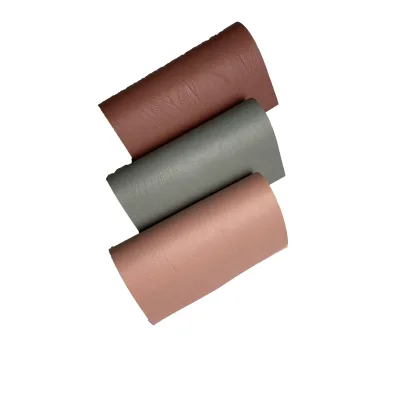
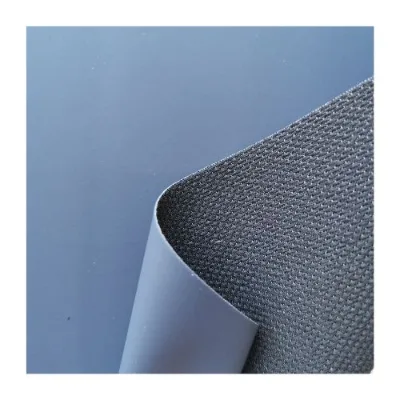
Fabric-based Skinfeel Matte PVC Leather Manufacture Recycled Faux Leather Customized
$1.51 - $1.55
MOQ: 1000
Guangzhou Buy Leather Co., Ltd.
- Trading Company, Distributor/Wholesaler
- Guangdong, China
- Lead time5 days
- Avg. response≤ 2h
Main productsPU Leather,Synthetic Leather,Faux Leather,Chunky Glitter Fabric,Faux Leather Sheets
Main marketsCentral America(25.00%), Western Europe(20.00%), North America(10.00%), Domestic Market(10.00%), South America(10.00%), Southern Europe(5.00%), Northern Europe(5.00%), Eastern Asia(5.00%), Eastern Europe(5.00%), Southeast Asia(3.00%), South Asia(2.00%)
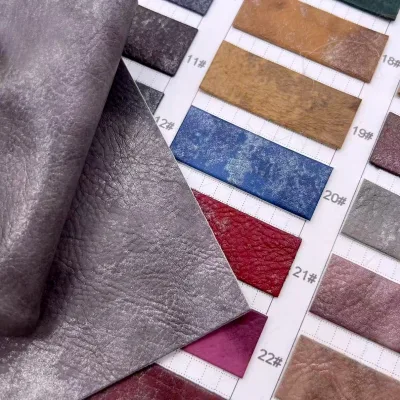
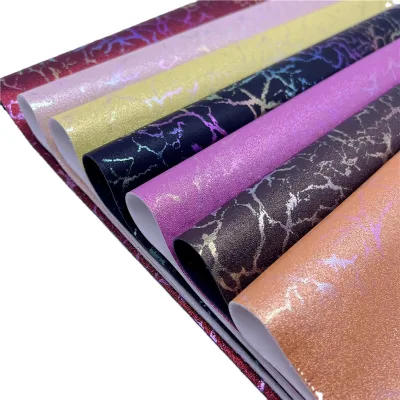
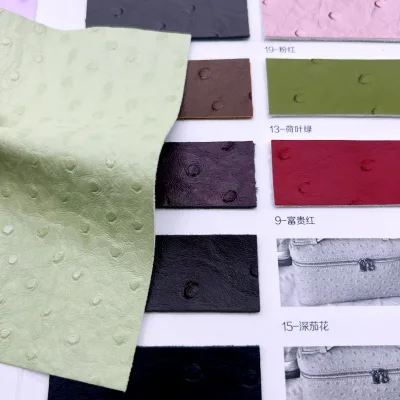
Eco Friendly Ostrich Embossed Faux Leather Scratch Resistant for Sofa Bags Shoes
$5.29 - $5.79
MOQ: 10
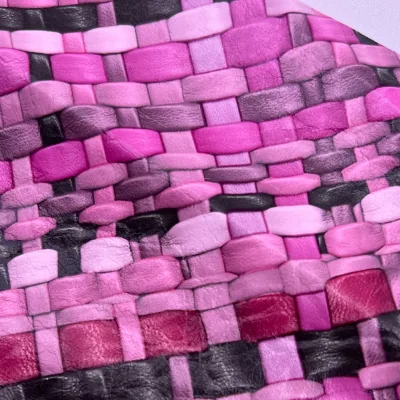

Kinghope Imp.&Exp. Trade Co., Ltd.
- Manufacturer, Trading Company
- Fujian, China
- Lead time10 days
- Avg. response≤ 6h
Main productsShoes Material,Apparel Accessories,PU Leather,Shoes,Chemical
Main marketsSouth America(22.00%), Domestic Market(20.00%), Africa(16.00%), Central America(15.00%), Mid East(10.00%), Southeast Asia(8.00%), Eastern Asia(2.00%), North America(2.00%), Southern Europe(1.00%), Eastern Europe(1.00%), South Asia(1.00%), Western Europe(1.00%), Northern Europe(0.50%), Oceania(0.50%)

Ningbo ZNZ Leisure Products Co., Ltd.
- Verified by CTI
- Manufacturer/Factory
- China Zhejiang
- Lead time45 days
- Avg. response≤ 13h
Main productsPVC Coated Woven Fabric, Siwmming Pool Fence, Outdoor RV Patio Mat, PE Rattan/Rattan Furniture, PVC Yarn, Outdoor Webbing/Rope for Outdoor Funture, Outdoor Beach Picnic Mat, Placemat, Door Mat, Outdoor PVC Mesh Sunscreen Fabric
Main marketsSouth America,Eastern Europe,North America,Oceania,Western Europe

Weatherproof Silicone Faux Leather Fabric with UV Resistance Certification
$6.90 - $7.50
MOQ: 500 Meters


Foshan Shenghe New Materials Co., Ltd
- Verified by SGS
- Trading Company
- China Guangdong
- Lead time23 days
- Avg. response≤ 8h
Main productsLeatherette, PVC, PU, Leather, Furniture Material, Bed, Sofa, Floor Mat, Ottomans
Main marketsDomestic
Shishi Xinma New Materials Co., Ltd.
- Verified by SGS Group
- Trading Company
- Lead time0 days
Main productsPU leather
Main marketsDomestic Market(80%), Mid East(20%)


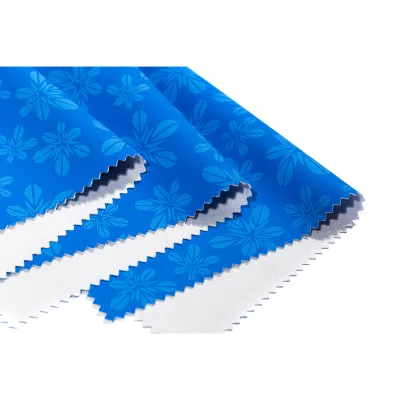
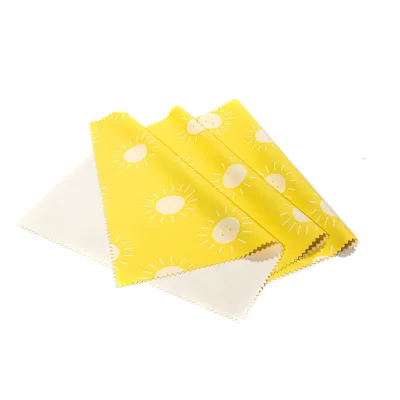
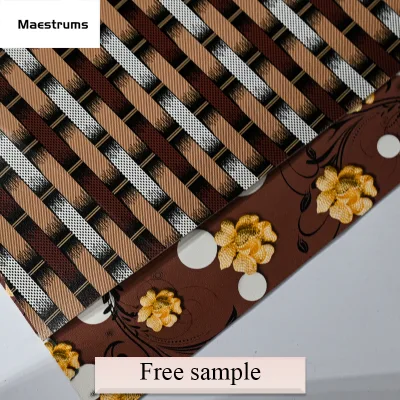
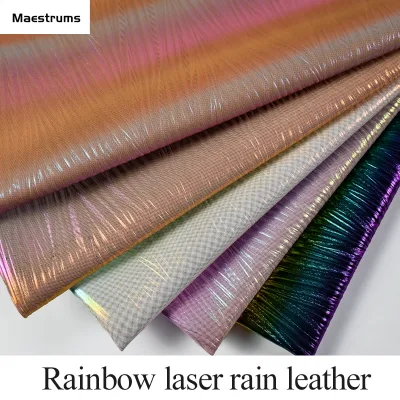







Comprehensive Sourcing Guide
Waterproof Printed Faux Leather Supplier Concentration and Factory Types
The current supplier landscape for Waterproof Printed Faux Leather reveals a distinct split between trading companies and direct manufacturers, each offering different advantages for procurement teams. Data indicates that suppliers are concentrated in specific industrial hubs within China, with Jiangsu and Fujian emerging as key locations for this category. Suppliers located in Jiangsu often operate as trading companies, leveraging their proximity to textile manufacturing clusters to offer a wide variety of PVC-based synthetic leathers. These entities typically facilitate access to diverse product lines, including embossed patterns and custom colors, while managing the logistics of sourcing from multiple smaller factories. In contrast, suppliers based in Fujian are frequently identified as manufacturers, possessing their own brands and offering OEM and ODM services. This structural difference means that buyers must carefully distinguish between the two types to align with their strategic goals, whether they prioritize product breadth and flexibility or direct factory control and customization capabilities.
Understanding the company type is crucial for evaluating the supply chain's resilience and cost structure. Trading companies in Jiangsu may provide faster access to stocklots and a broader range of standard items, such as PVC leather for car seats or furniture, but they add a layer of margin to the final price. Conversely, manufacturers in Fujian, who often specialize in materials like PU fabric and TPU tape, may offer more integrated solutions for complex projects requiring specific certifications or custom printing. The presence of both types in the search results suggests that buyers have options depending on their volume requirements and technical specifications. It is essential to verify the actual operational nature of the supplier through site audits or video calls, as the listed company type is a primary indicator of how orders will be managed and how responsive the team will be to urgent requests or quality issues.
How to Verify Waterproof Printed Faux Leather Suppliers
Verification begins with a rigorous assessment of the supplier’s claimed capabilities and certifications, particularly when dealing with printed faux leather that requires specific aesthetic and functional standards. Buyers should prioritize suppliers who display recognized certifications such as Oeko-Tex Standard 100 or Reach compliance, as these indicate adherence to international safety and environmental standards. For instance, some manufacturers explicitly list these certifications alongside their product attributes, which is a strong signal of quality control. Additionally, verifying the supplier’s response time and lead time provides insight into their operational efficiency. A supplier with a response time under five hours and a lead time of around fifteen days demonstrates a streamlined process, whereas longer times may indicate bottlenecks in production or communication. These metrics are critical for maintaining inventory levels and meeting tight delivery schedules, especially for seasonal fashion or automotive upholstery projects.
Beyond metrics, buyers must validate the physical attributes and customization options offered by the supplier. It is important to confirm that the supplier can meet specific requirements for width, thickness, and backing materials, as these directly impact the end-product’s performance. For example, some suppliers offer PVC leather with a woven backing that can be customized, while others provide TPU materials suitable for welding by high-frequency machines. Buyers should request detailed product specifications and samples to verify features like anti-mildew properties, elasticity, and abrasion resistance. Furthermore, checking the supplier’s main products and production capacity helps ensure they have the expertise to handle printed designs without compromising durability. Engaging in direct communication to discuss technical details, such as fire resistance standards or specific embossing patterns, can reveal the depth of their knowledge and their willingness to accommodate custom requests, which is vital for long-term partnerships.
What to Compare Across Waterproof Printed Faux Leather Suppliers
When evaluating multiple suppliers, buyers should focus on comparing key commercial and operational dimensions such as price ranges, minimum order quantities, and production capabilities. Price points for Waterproof Printed Faux Leather can vary significantly, with some suppliers offering rates as low as $1.15 per meter for standard PVC options, while others charge up to $3.00 per meter for specialized printed or high-quality materials. This variation often reflects differences in material composition, such as PVC versus PU, and the complexity of the printing process. Buyers must also compare minimum order quantities, which can range from 500 meters to 1000 meters per color, depending on the supplier’s production setup. Lower MOQs may be advantageous for small batches or prototyping, while higher MOQs might offer better unit prices for large-scale production runs. Understanding these financial parameters helps in budgeting accurately and selecting suppliers that align with the buyer’s volume needs.
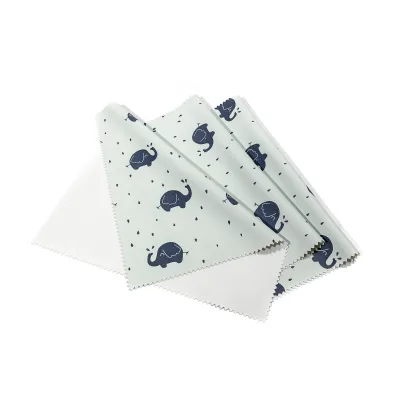
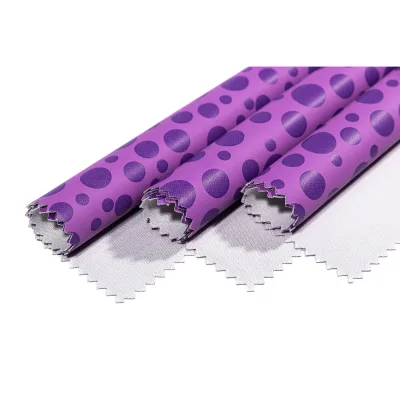
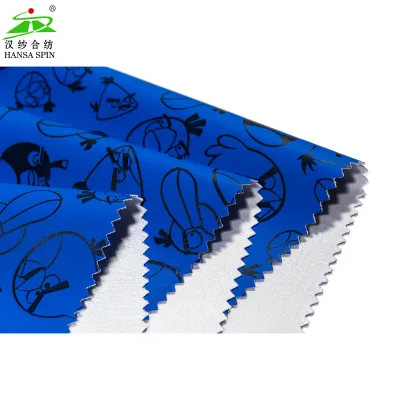
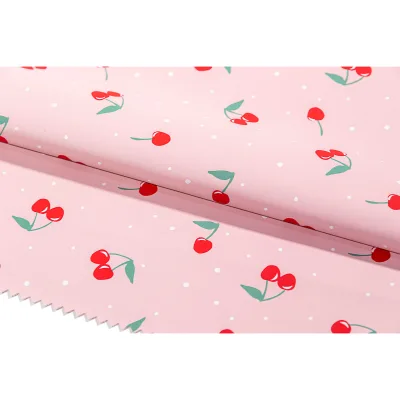
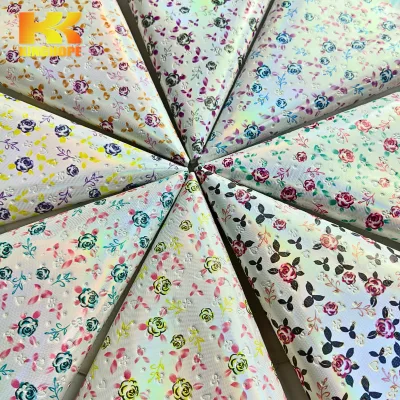
In addition to cost and volume, comparing customization options and product features is essential for ensuring the material meets specific application requirements. Suppliers may offer different patterns, such as embossed or finished surfaces, and various thicknesses ranging from 0.8mm to 1.0mm. Some suppliers provide custom color options, while others have standard palettes like black or specific printed designs like Angry Birds. Buyers should also compare the backing materials, such as woven or velveteen, and the packaging standards, which can affect shipping costs and product protection. Furthermore, evaluating the supplier’s ability to provide OEM and ODM services is crucial for brands seeking unique products. By systematically comparing these attributes across different suppliers, buyers can identify the best balance of cost, quality, and flexibility, ensuring they select a partner that can deliver the exact specifications required for their final products.
Common Waterproof Printed Faux Leather Sourcing Risks
One of the primary risks in sourcing Waterproof Printed Faux Leather is the potential discrepancy between sample quality and bulk production. Buyers often receive high-quality samples that showcase vibrant prints and consistent texture, but the bulk order may suffer from color variations, pattern misalignment, or reduced durability. This risk is particularly prevalent when working with trading companies that source from multiple factories, as quality control may not be uniform across all production lines. To mitigate this, buyers should insist on pre-shipment inspections and request detailed quality assurance protocols from the supplier. Additionally, verifying the supplier’s track record and customer reviews can provide insights into their consistency and reliability. It is also advisable to include specific quality clauses in the contract, such as penalties for deviations from approved samples, to hold the supplier accountable for maintaining standards throughout the production process.
Another significant risk is the delay in lead times, which can disrupt supply chains and result in missed market opportunities. Suppliers may quote attractive lead times, such as fifteen days, but actual delivery may be extended due to material shortages, production bottlenecks, or logistical issues. This risk is heightened when dealing with custom orders that require specific printing or finishing processes. Buyers should communicate clearly about their delivery deadlines and request regular updates on production progress. Furthermore, understanding the supplier’s capacity and resource allocation can help predict potential delays. It is also important to consider the impact of external factors, such as holidays or global shipping disruptions, on the lead time. By building buffer time into the procurement plan and maintaining open communication with the supplier, buyers can better manage these risks and ensure timely delivery of their orders.
Waterproof Printed Faux Leather Regional Sourcing and Logistics
Sourcing Waterproof Printed Faux Leather from China offers access to well-established industrial clusters that provide competitive advantages in terms of cost and variety. Suppliers in Jiangsu, for example, benefit from a dense network of textile manufacturers and trading companies, making it easier to find a wide range of PVC-based products. This region’s infrastructure supports efficient logistics, with proximity to major ports facilitating faster export processes. Buyers sourcing from Jiangsu may find it easier to coordinate with multiple suppliers for different components of their product line, leveraging the region’s specialization in synthetic leather and related materials. However, buyers should also consider the logistical implications of sourcing from Fujian, where manufacturers often focus on PU and TPU materials. The regional differences in product focus can influence the choice of supplier, depending on whether the buyer prioritizes PVC or PU-based solutions.
Logistics planning must account for the specific requirements of faux leather products, which are often shipped in rolls and require careful handling to prevent damage. Suppliers typically use poly bags, kraft paper, or woven bags for packaging, which can affect the volume and weight of the shipment. Buyers should work with their freight forwarders to optimize container loading and ensure that the packaging meets international shipping standards. Additionally, considering the lead time for production and transit is crucial for maintaining inventory levels. Buyers should also be aware of any regional trade policies or tariffs that may impact the cost of importing from China. By understanding the logistical landscape and working closely with suppliers and logistics partners, buyers can streamline the supply chain and reduce the risk of delays or damage during transit.
Waterproof Printed Faux Leather Commercial Terms and Order Planning
Effective order planning for Waterproof Printed Faux Leather requires a clear understanding of commercial terms, including payment methods, shipping conditions, and after-sales support. Buyers should negotiate favorable payment terms, such as partial upfront payments and balance upon shipment, to manage cash flow and mitigate financial risk. It is also important to clarify the shipping terms, such as FOB or CIF, to determine who is responsible for freight and insurance costs. Suppliers may offer different packing options, such as standard rolls or custom packaging, which can impact the overall cost and logistics. Buyers should also inquire about the supplier’s return and refund policies in case of quality issues, ensuring that there is a clear process for addressing any discrepancies. By establishing clear commercial terms, buyers can protect their interests and build a more transparent and reliable trading relationship.
Furthermore, buyers should plan for long-term collaboration by discussing volume discounts and priority production slots with their suppliers. Suppliers with higher response times and established lead times may be more reliable for large orders, but buyers should still verify their capacity to handle increased volumes. It is advisable to schedule regular reviews of performance metrics, such as quality consistency and delivery punctuality, to ensure that the supplier continues to meet expectations. Buyers should also explore opportunities for co-development, such as creating custom prints or developing new material blends, to stay competitive in the market. By investing in strong supplier relationships and strategic planning, buyers can secure a stable supply of high-quality Waterproof Printed Faux Leather and drive business growth.
FAQs
What MOQs apply to Waterproof Printed Faux Leather orders?
Minimum order quantities on this page range from 500 meters to 1000 meters per color, depending on the product listing. Some embossed PVC faux leather items list 1000 meters per color, while a printed PU sportswear material lists 500 meters. Always confirm the MOQ per color directly with the supplier before requesting samples or a quotation.
How fast can suppliers ship waterproof faux leather?
Listed lead times on this page range from 15 days to 23 days after order confirmation. Actual timing depends on order size, customization, color approval, and shipping method. Ask each supplier to confirm current production schedules and whether expedited production is possible for your quantity before committing to a delivery date.
Which thicknesses and widths are available?
Listings on this page show thicknesses from about 0.45mm up to 1.0mm, including 0.8mm, 0.85mm, and 1.0mm options for furniture, bag, and car upholstery applications. Standard width is 54/55 inches, and one printed PU item lists a 0.45 by 1370mm spec. Confirm exact thickness tolerance and width requirements with the supplier.
What certifications should I verify for faux leather?
One listing on this page states Oeko-Tex Standard 100 and REACH compliance, plus EN14116 fire resistance, so request copies of these certificates for the specific batch. Other suppliers list no system certification, so ask for material test reports covering waterproofing, abrasion resistance, and anti-mildew performance. Verify certificate validity and scope before placing large orders.
What applications suit these waterproof faux leather products?
Listed usages cover car seats, furniture, bags, footwear, garments, raincoats, belts, gloves, notebooks, home textiles, and decorative applications. PVC embossed options suit upholstery and bags, while printed PU materials suit sportswear and rainwear that require high-frequency welding. Match material thickness, backing type, and finish to your application before ordering samples.
Are customization options available for printed faux leather?
Yes, every listing on this page states that customization is available, including custom colors, printed patterns, and backing types such as woven or imitate velveteen. Some listings also mention options like HF welding and custom embossing. Ask suppliers for their color-matching process, pattern development fees, and sample lead times before approving a production run.