Cotton Nylon Crochet Yarn Suppliers and Manufacturers
Compare 24 verified suppliers offering Cotton Nylon Crochet Yarn with details on lead times, response times, and certifications. Review product attributes like material composition and MOQ to source the right option for your knitting or weaving needs; review the available evidence before requesting comparable quotations from suitable candidates.
Updated
Suppliers List

Xuzhou Seagor Import and Export Co., Ltd.
- Verified by TUVRHEINLAND
- Combined
- China Jiangsu
- Lead time30 days
- Avg. response≤ 14h
Main productsPolyester Cotton Yarn, Viscose Yarn, Nep Yarn, Core Spun Yarn, Lurex Yarn, Blend Yarn, Tencel Yarn, Grs Yarn, Recycled Yarn, Regenerated Yarn
Main marketsOthers(foreignTradeCapacity.exportBusinessCapacityMarketOther),Europe,North America

Xingtai Xisibei Cashmere Co., Ltd.
- Trading Company
- Hebei, China
- Lead time15 days
- Avg. response≤ 5h
Main productscashmere yarn,tibetan yak yarn,silky cashmere yarn,blended yarn,cashmerino yarn
Main marketsNorth America(40.00%), Eastern Europe(10.00%), South America(10.00%), Domestic Market(9.00%), Western Europe(8.00%), Northern Europe(5.00%), Southeast Asia(5.00%), Oceania(5.00%), Southern Europe(5.00%), Eastern Asia(2.00%), Central America(1.00%)
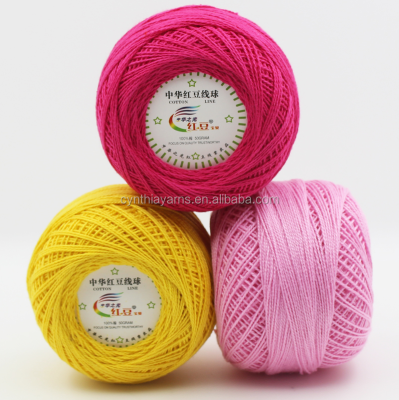
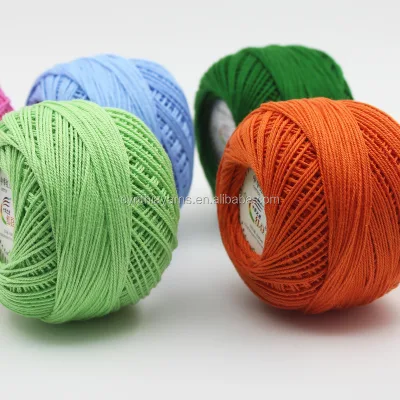
China Knitting Yarn Supplier Hot Sale Cotton Yarn/fancy Yarn/crochet Yarn for Yarn Buyer
$8.2255 - $18.5078
MOQ: 1 Minimum
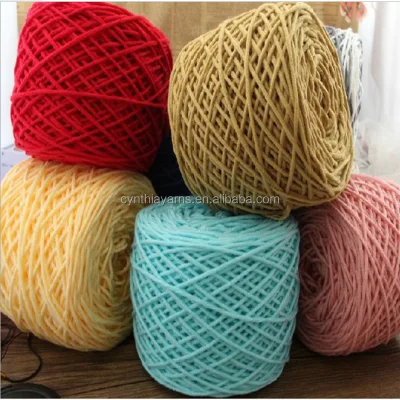

Jiangyin Ingzer Yarn Co., Ltd.
- Manufacturer, Trading Company
- Jiangsu, China
- Lead time0 days
- Avg. response≤ 7h
Main productsSpecial yarn,fancy yarns,knitwear,textile,textile raw materials
Main marketsSoutheast Asia(8.00%), North America(1.00%), Eastern Europe(1.00%)

Shanghai Charmkey Textile Co., Ltd.
- Verified by BV
- Trading Company
- China Shanghai
- Lead time23 days
- Avg. response≤ 9h
Main productsYarn, Blended Yarn, Fancy Yarn, Acrylic Yarn, Cotton Yarn, Wool Yarn, Chenille Yarn, Chunky Yarn, T Shirt Yarn, Polyester Yarn
Main marketsEurope

Wuhu Lyman Technology Co., Ltd
- Verified by SGS
- Trading Company
- China Anhui
- Lead time15 days
- Avg. response≤ 9h
Main productsFelt, Industrial Felt, Nomex Felt, Needle Felt, Press Felt, Pbo Roller, Papermaking Felt, Pbo Belt, Felt Belt, Fiber
Main marketsSoutheast Asia/ Mideast
Jiangsu New Chengyu Textile Technology Co., Ltd.
- Verified by SGS Group
- Manufacturer, Trading Company
- Lead time30 days
- Avg. response≤ 3h
Main productsKnitting Yarn, Recycled Yarn, Fancy Yarn, Blended Yarn, Special Yarn
Main marketsSoutheast Asia(30%), North America(15%), Western Europe(10%)
Shanghai Charmkey Textile Co., Ltd.
- Trading Company
- Lead time旺季: "1 - 20000":60,"> 20000":"To be negotiated", 淡季: "1 - 20000":60,"> 20000":"To be negotiated"
- Avg. response≤ 4h
Main productsChenille Yarn, Polyester Yarn, Acrylic Yarn, Wool Yarn, Blended Yarn
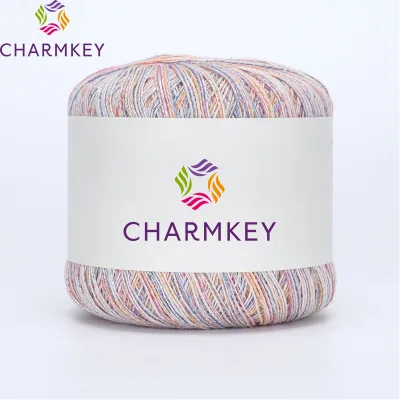
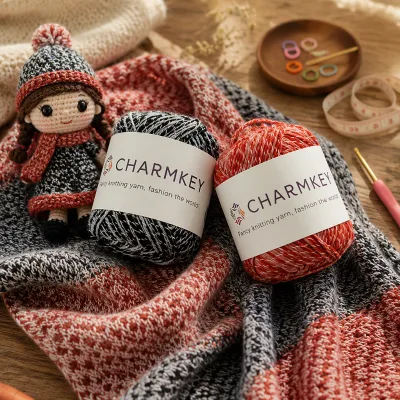
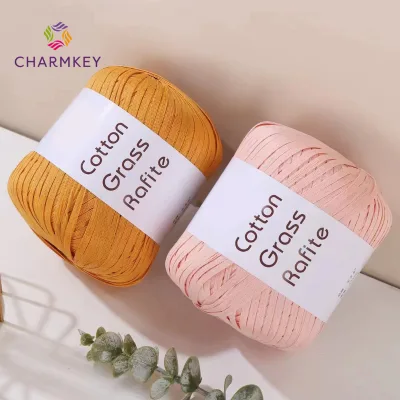
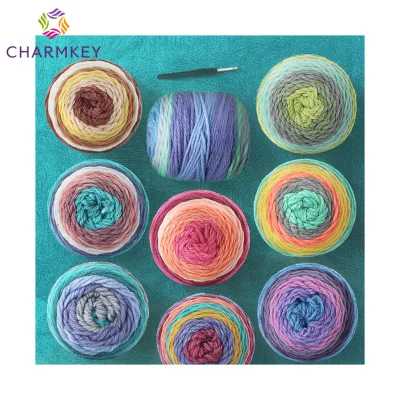
Yarn Crafts Beautiful Crochet Hand Knitting Natural Chunky Cake Cotton 200g Yarn for Knitting Scarf
$3.00 - $3.88
MOQ: 100 pieces
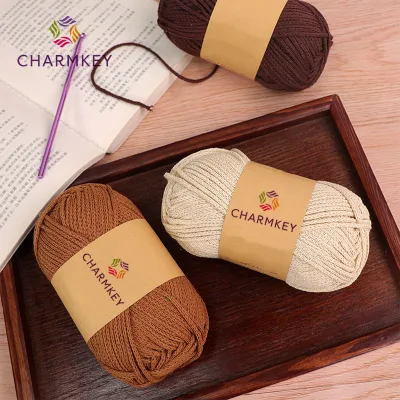
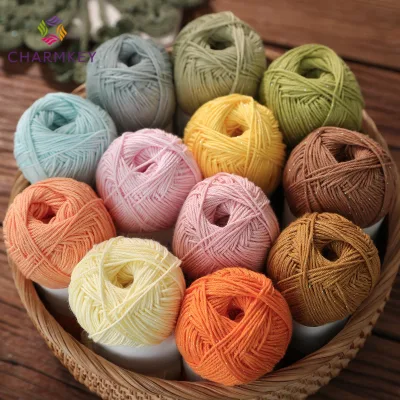
Hot Selling Solid Color Cotton Polyester Blended Yarn for Hand Knitting and Crocheting
$1.42 - $1.52
MOQ: 1000
Hebei Pengda Fine Hair Group Co., Ltd.
- Manufacturer, Trading Company
- Hebei, China
- Lead time7 days
- Avg. response≤ 13h
Main productsYarn, Fancy Yarn, Hand Knitting Yarn, Blend Yarn, Wool Carpet Yarn
Main marketsDomestic Market(60.00%), Mid East(20.00%), Southeast Asia(10.00%), South America(5.00%), Oceania(3.00%), Africa(2.00%)
Jiangsu Haite Fashion Co., Ltd.
- Verified by SGS Group
- Manufacturer, Trading Company
- Lead time40 days
- Avg. response≤ 2h
Main productsYarn
Main marketsNorth America(40%), Western Europe(18%), Domestic Market(15%)
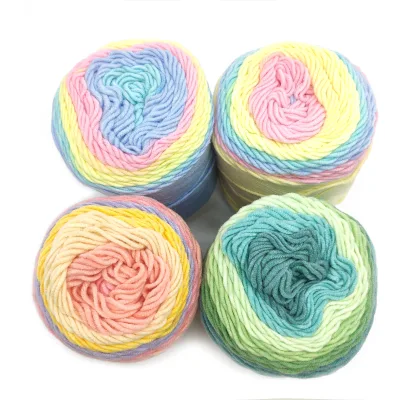
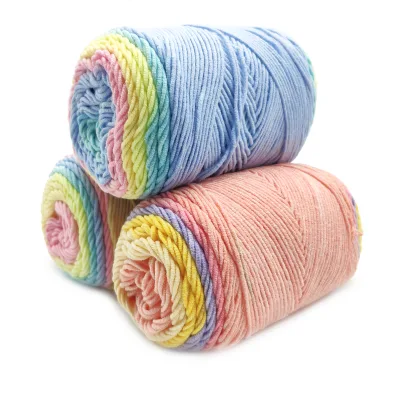
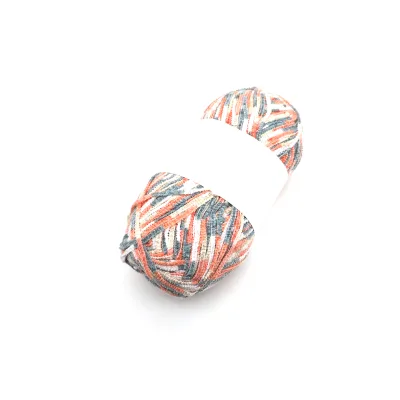
Rainbow Crochet Thread Cotton Ball Custom Yarn for Hand Knitting Ball
$1.3797 - $2.9436
MOQ: 100 pieces
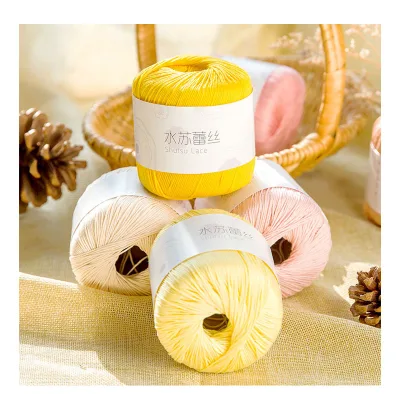

Shanghai Hoyia Textile Co., Ltd.
- Trading Company
- Shanghai, China
- Lead time15 days
- Avg. response≤ 5h
Main productshand made yarn,fancy yarn,crochet yarn,knit yarn,yarn
Main marketsDomestic Market(30.00%), Northern Europe(25.00%), Eastern Asia(10.00%), North America(10.00%), South America(5.00%), Central America(4.00%), Eastern Europe(3.00%), South Asia(3.00%)
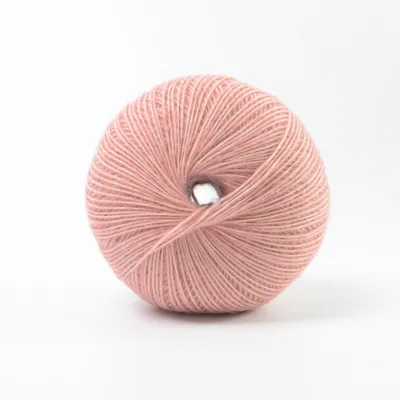
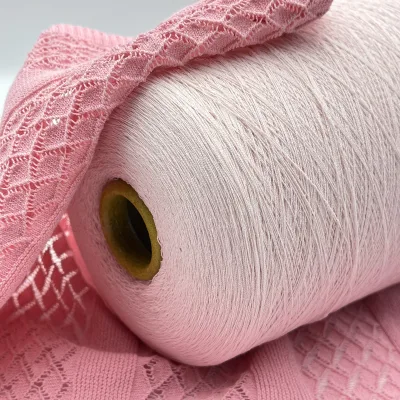
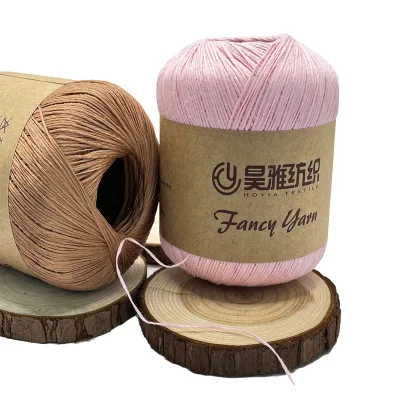
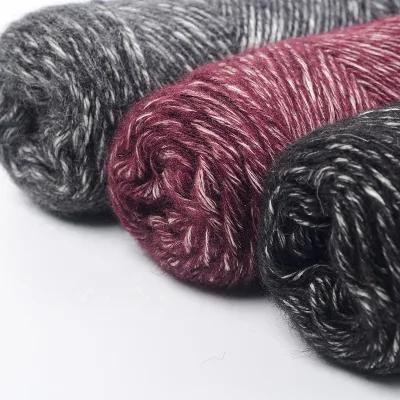
SUPER SOFT warm crochet cotton yarn crochet yak hair yarn for hand knitting
$9.9872 - $10.2958
MOQ: 10 kilograms

Ningbo Yue Na Import & Export Co., Ltd.
- Verified by TUVRHEINLAND
- Trading Company
- China Zhejiang
- Lead time23 days
- Avg. response≤ 3h
Main productsLace, Thread, Button, Ribbon, Zipper, Tailors Materials, Fabric, Reflective Materials, Sewing Machine Part, Bra Parts
Main marketsSouth America,Africa,Southeast Asia/ Mideast,Europe,North America

Suzhou Hanyun New Material Technology Co., Ltd.
- Verified by TUVRHEINLAND
- Manufacturer/Factory
- China Jiangsu
- Lead time23 days
- Avg. response≤ 4h
Main productsYarn, Recycled Yarn, Polyester Yarn, Nylon Yarn, Poly Yarn, Chemical Yarn, Cotton Yarn
Main marketsSouth America,Eastern Europe,Mid East,North America,Southeast Asia,Eastern Asia,Oceania,Western Europe,Africa
Shanghai Charmkey Textile Co., Ltd.
- Verified by TüVRheinland
- Trading Company
- Lead time20 days
- Avg. response≤ 3h
Main productsCake Yarn, Velvet Yarn, Acrylic Knitting Yarn, Chenille Yarn, Wool Yarn
Main marketsNorth America(17%), Western Europe(16%), Oceania(12%)
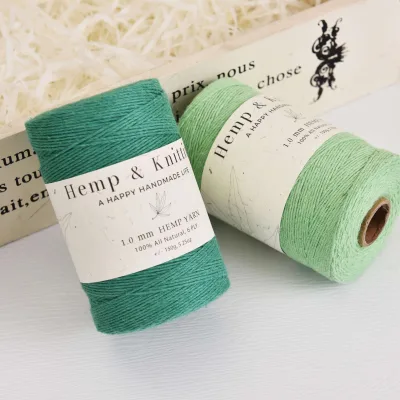
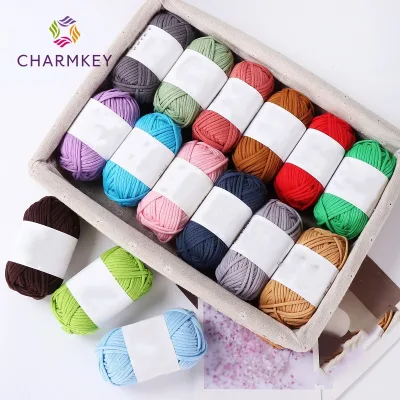
Wholesale Tube Yarn Knitting Yarn Cotton Yarn Crochet for Knitting Toy Scarf
$0.80 - $1.10
MOQ: 2000 pieces
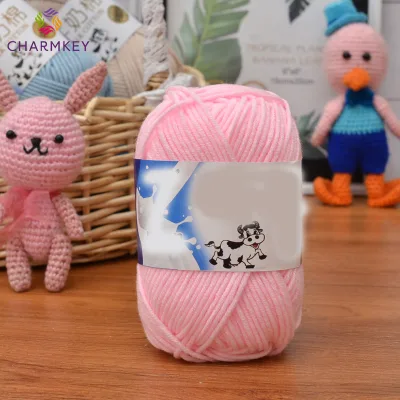
Charmkey High Quality Milk Cotton Yarn Crochet Yarn Different Colors Available 5ply Yarn for Scarf
$0.34 - $0.42
MOQ: 100 pieces
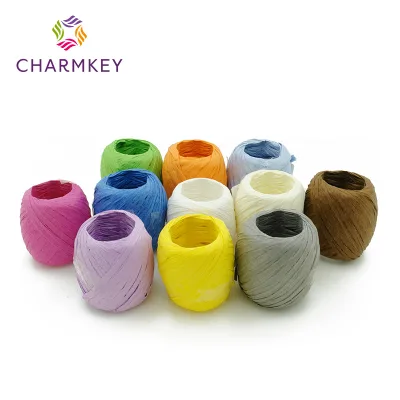
Charmkey Paper Raffia Hand Knitting Yarn Hot Sale for Knitting Crochet Hat Bags
$6.17
MOQ: 100 kilograms
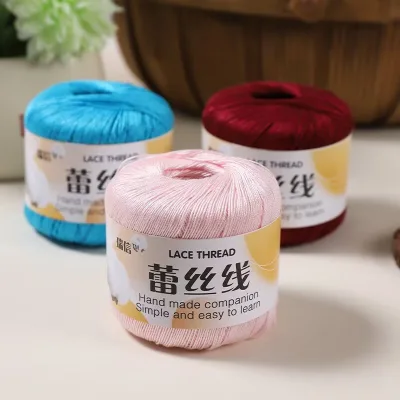
Charmkey Lace Crochet Thread Summer Mercerized Children's Baby Fine Crochet Thread for Knitting
$0.98 - $1.50
MOQ: 1 pieces

Guangdong Zhaoqing Hongji Textile Co., Ltd.
- Verified by SGS
- Combined
- China Guangdong
- Lead time15 days
- Avg. response≤ 5h
Main productsPolyester Threads, Recycle, Functional Thread, Nylon Threads, Elastic Thread
Main marketsSoutheast Asia/ Mideast


Hot Sell Colors Crochet Cotton Yarn 100% Cotton Embroidery Thread Cross Stitch Floss
$0.70 - $0.72
MOQ: 5000 Pieces

Jiangyin Xuhong International Trade Co., Ltd.
- Trading Company
- Jiangsu, China
- Lead time0 days
- Avg. response≤ 10h
Main productsfancy yarn,hand knitting yarn,scarf yarn,mesh yarn,machine knitting yarn
Main marketsWestern Europe(45.00%), South America(30.00%), Mid East(15.00%), Eastern Europe(10.00%)
Zhejiang Huayou Color Spinning Technology Co., Ltd.
- Verified by Intertek
- Manufacturer, Trading Company
- Lead time7 days
- Avg. response≤ 5h
Main productsDope Dyed Nylon Yarn, Dyed Nylon Yarn, Special Nylon Yarn, Anti-slip Yarn, Melange Nylon Yarn
Main marketsDomestic Market(87%), Southeast Asia(4%), South Asia(4%)
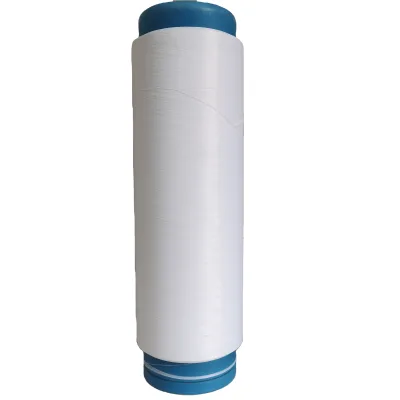
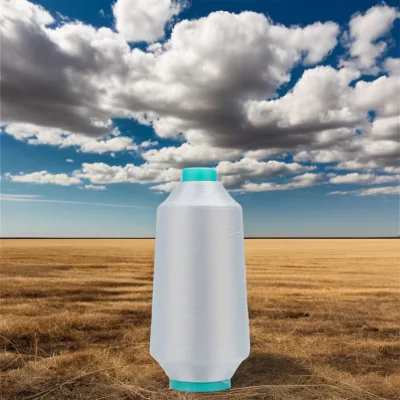
Knitting Soft Fine Blankets Clothes Yarn Crocheting Blankets Cotton Crochet Yarn Dty Yarn
$5.08 - $6.34
MOQ: 2 kilograms
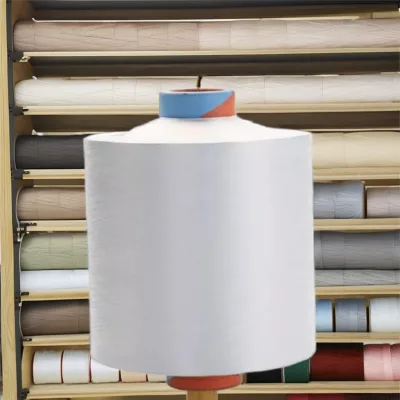

NINGBO FANST IMP.&EXP. CO., LTD.
- Verified by BV
- Trading Company
- China Zhejiang
- Lead time30 days
- Avg. response≤ 21h
Main productsPolyester Yarn, Acrylic Yarn, Knitting Yarn, Acrylic Knitting Yarn, LED Flash Torch, Headlamps, Bicycle Light, LED Work Light, Torches
Main marketsOthers(foreignTradeCapacity.exportBusinessCapacityMarketOther),Southeast Asia/ Mideast,Australia
Shanghai Charmkey Textile Co., Ltd.
- Trading Company
- Lead time旺季: "1 - 1000":45,"> 1000":"To be negotiated", 淡季: "1 - 1000":45,"> 1000":"To be negotiated"
- Avg. response≤ 4h
Main productsCake Yarn, Rainbow Yarn, Velvet Yarn, Acrylic Knitting Yarn, Air Yarn
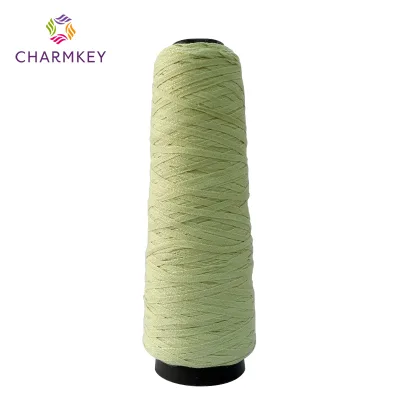
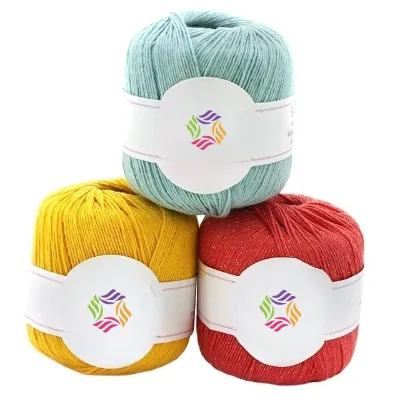
Wholesale Colorful Lace Cotton Acrylic and Polyester Yarn Thread for Crochet Bags
$1.0261 - $1.1385
MOQ: 2000 pieces
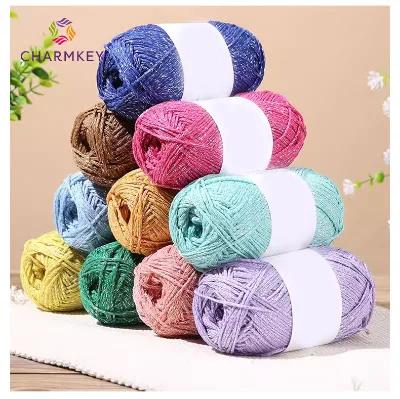
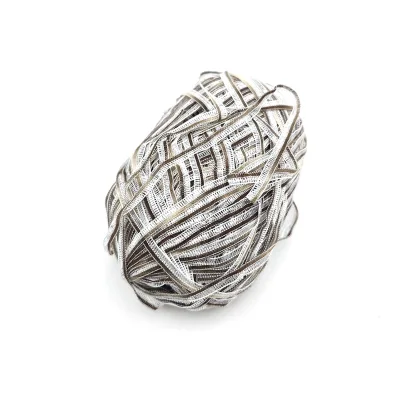
Shiny Blended Cotton Tube Metallic Yarn for Crochet Yarn Wholesale with 100gram Ball for Crochet
$1.3632 - $1.5729
MOQ: 100 pieces
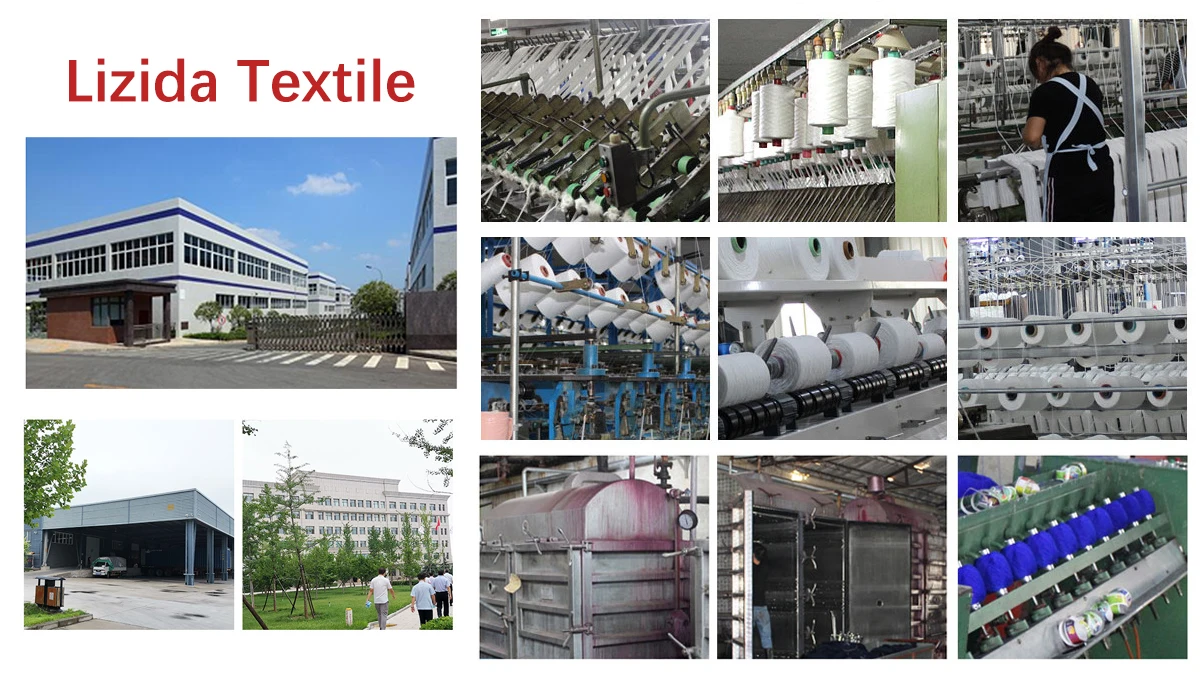
Shijiazhuang Lizida Trading Co., Ltd.
- Trading Company
- Hebei, China
- Lead time21 days
- Avg. response≤ 6h
Main productsChunky Yarn,Tufting Yarn,T-shirt Yarn,Milk Cotton Yarn,Chenille Yarn
Main marketsNorth America(20.00%), Eastern Europe(15.00%), Southeast Asia(10.00%), Eastern Asia(10.00%), South Asia(5.00%), Southern Europe(5.00%), Northern Europe(5.00%), Central America(5.00%), Western Europe(5.00%), South America(5.00%), Mid East(5.00%), Oceania(5.00%), Africa(5.00%)
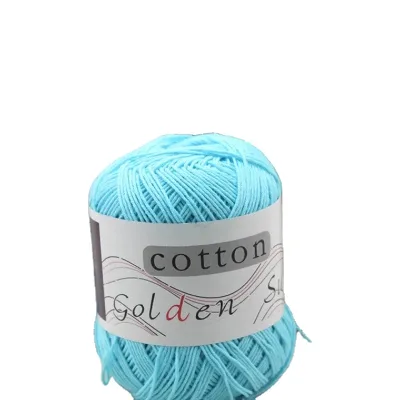
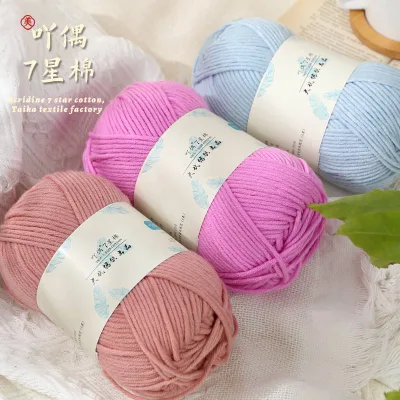
50g Milk Cotton 100% Sock Crochet Needles Yarn Knitting for Knitting Crochet
$0.49 - $0.59
MOQ: 20 pieces
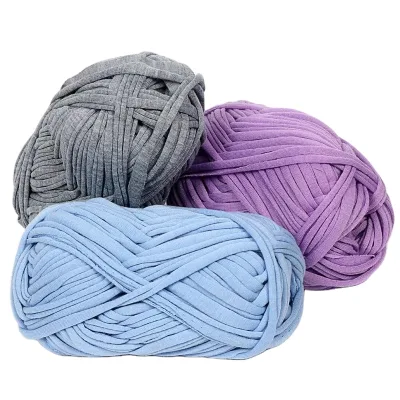
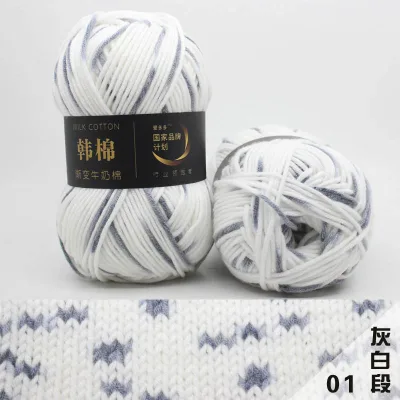
$0.7265 - $0.8089
MOQ: 20 pieces

Lixian Mengchu Trading Co., Ltd.
- Trading Company
- Hebei, China
- Lead time30 days
- Avg. response≤ 1h
Main productsyarn,100% Wool yarn,cotton yarn,Polyester yarn,crochet yarn
Main marketsNorth America(30.00%), Northern Europe(20.00%), Southeast Asia(20.00%), Western Europe(20.00%), Mid East(5.00%), South America(5.00%)

Beijing TDD E-Commerce Co., Ltd.
- Other
- China Beijing
- Lead time23 days
- Avg. response≤ 24h
Main productsPVC Resin, PP, PE, Pet, Titanium Dioxide, Pigment, Car Tire, Yarn, Fabric
Main marketsMid East,Southeast Asia,Africa
Chaozhou Bailiful Trading Company Limited
- Trading Company
- Guangdong, China
- Lead time15 days
- Avg. response≤ 4h
Main productsLeather tools,hand tools,hardware tools,Crafts
Main marketsEastern Europe(20.00%), South America(20.00%), North America(20.00%), Central America(10.00%), Africa(10.00%), Southeast Asia(10.00%), South Asia(5.00%), Mid East(5.00%)
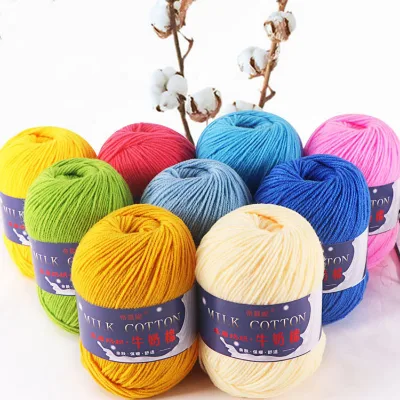
Soft Low Price 3ply Milk Cotton Knitting Yarn Cotton Knitting Yarn for Crochet
$0.7715 - $1.101
MOQ: 12 rolls
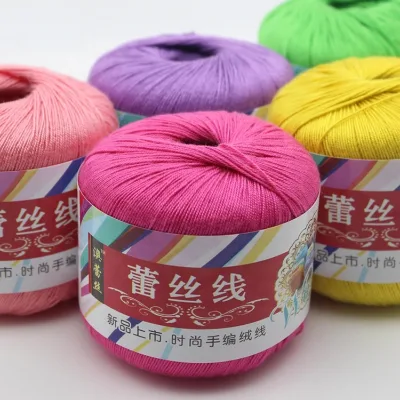
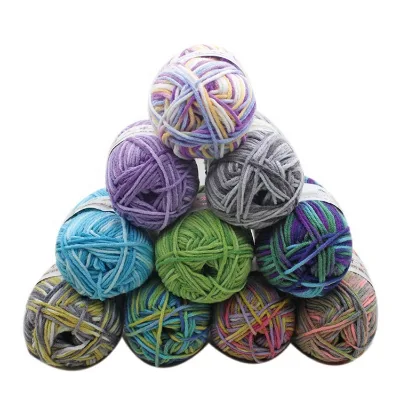
5ply Handmade Cotton Yarn Crochet Milk Blended Yarn Knitting for Scarf
$0.8284 - $1.2433
MOQ: 12 rolls

Ningbo Sinobest Textile Company Limited
- Trading Company
- China Zhejiang
- Lead time30 days
- Avg. response≤ 4h
Main productsSewing Threads, Embroidery Threads, Garments Trimmings, Sewing Accessories, Embroidery Accessories, Tailor's Materials
Main marketsSouth America,Europe,North America

Baoding Zhongqing Textile Co., Ltd
- Verified by SGS
- Combined
- China Hebei
- Lead time15 days
- Avg. response≤ 6h
Main productsyarn
Main marketsDomestic

High-Quality Polyester Cotton Blended Yarn for Comfortable Garment Knitting Yarn and Crochet Yarn
$0.35 - $0.47
MOQ: 500 Rolls

$0.65 - $0.88
MOQ: 100 Rolls










Comprehensive Sourcing Guide
Cotton Nylon Crochet Yarn Supplier Concentration and Factory Types
The current supplier landscape for Cotton Nylon Crochet Yarn reveals a distinct geographic concentration in China, with specific operational hubs identified in Jiangsu and Hebei provinces. Suppliers in Jiangsu are characterized as combined entities that offer a broad spectrum of textile raw materials, including polyester cotton yarn, viscose yarn, and various blend yarns. This diversity suggests that these facilities are equipped to handle complex material compositions, potentially including the nylon-cotton blends requested by buyers. In contrast, suppliers located in Hebei often operate as trading companies, focusing on specific niches such as cashmere, yak yarn, and organic cotton varieties. This structural difference implies that buyers seeking pure manufacturing capabilities might find more direct factory access in Jiangsu, while those prioritizing a wide catalog of specialty fibers might benefit from the trading company model prevalent in Hebei. Understanding this regional and structural split is crucial for aligning procurement goals with supplier capabilities.
Factory types vary significantly across these regions, influencing the nature of the products offered and the flexibility available to buyers. Combined companies in Jiangsu typically list capabilities such as ODM, OEM, and own brand development, indicating a robust infrastructure for custom manufacturing. These entities often supply fancy yarns, core spun yarns, and recycled materials, which are essential for creating textured or sustainable crochet yarns. On the other hand, trading companies in Hebei may focus on aggregating supply from multiple sources, offering products like organic cotton yarn with specific brand names such as Cynthia Yarns. While trading companies provide convenience and variety, they may not have direct control over the spinning process. Buyers must therefore evaluate whether they need direct factory engagement for quality control and customization or if the aggregated inventory of a trading company suffices for their volume and specification requirements.
How to Verify Cotton Nylon Crochet Yarn Suppliers
Verification is a critical step in ensuring the reliability of suppliers offering Cotton Nylon Crochet Yarn, particularly given the diverse types of entities in the market. One key indicator of supplier credibility is third-party verification status. For instance, some suppliers in the current results display verification from TÜV Rheinland, a globally recognized testing and certification body. This verification adds a layer of trust regarding the supplier’s business legitimacy and operational standards. Buyers should prioritize suppliers with such verifications, as it reduces the risk of engaging with fraudulent or non-compliant entities. Additionally, checking for specific system certifications is essential, especially if the buyer requires compliance with international standards. While some suppliers list certifications like GRS, OEKO-TEX 100, BCI, or GOTS, others may only list "Others" or no specific certifications. Buyers must explicitly confirm which certifications are held and whether they meet their specific product requirements, as the absence of listed certifications does not necessarily mean they do not exist, but rather that they are not prominently displayed.
Beyond verification badges, buyers should assess the supplier’s response time and communication efficiency as a proxy for operational reliability. Response times can vary significantly, with some suppliers responding within hours, while others may take longer. A faster response time often indicates a more active sales team and better customer service infrastructure, which is vital for resolving issues related to custom orders or quality concerns. Furthermore, buyers should inquire about the supplier’s establishment year and track record, although this information may not always be explicitly stated in initial search results. It is advisable to request business licenses and past performance records to validate the supplier’s longevity and experience in the textile industry. By combining verification status, certification details, and communication metrics, buyers can build a comprehensive profile of each supplier’s reliability and suitability for their specific sourcing needs.
What to Compare Across Cotton Nylon Crochet Yarn Suppliers
When evaluating multiple suppliers for Cotton Nylon Crochet Yarn, several key dimensions must be compared to ensure the best value and fit. Lead time is a critical factor, as it directly impacts inventory management and delivery schedules. Current data shows lead times ranging from 10 days to 30 days, depending on the supplier and product complexity. Buyers should align their order planning with these lead times to avoid production delays. Another important metric is the Minimum Order Quantity (MOQ), which varies widely across suppliers. Some suppliers may have an MOQ of 500 kilograms, while others might require 1000 kilograms or even lower quantities for specific items. Understanding these MOQs helps buyers determine the feasibility of small batch testing versus large-scale production runs. Additionally, response time should be considered alongside lead time, as a supplier with a shorter lead time but slower communication may not be as responsive to urgent changes or queries.
Price and customization capabilities are also essential comparison points. Prices for Cotton Nylon Crochet Yarn can range significantly, with some products listed between $1.20 and $4.00 per unit, while others may be priced higher due to specialized materials or certifications. Buyers should request detailed quotes that include all costs, such as packaging and shipping, to make accurate comparisons. Customization options, such as available patterns, fiber lengths, and technics like ring spun or open end, should be evaluated based on the buyer’s specific product requirements. Suppliers that offer ODM and OEM services provide greater flexibility for branding and product differentiation. Furthermore, comparing the main products offered by each supplier can help identify those with the most relevant expertise. For example, a supplier specializing in recycled yarns may be better suited for eco-conscious buyers, while another focusing on fancy yarns may offer more aesthetic variety. By systematically comparing these factors, buyers can make informed decisions that balance cost, quality, and service.
Common Cotton Nylon Crochet Yarn Sourcing Risks
Sourcing Cotton Nylon Crochet Yarn involves several potential risks that buyers must proactively manage to ensure a smooth procurement process. One significant risk is the discrepancy between advertised specifications and actual product quality. Suppliers may list products with specific features, such as anti-pilling, eco-friendly, or recycled attributes, but these claims must be verified through independent testing or certification audits. Without proper verification, buyers may receive products that do not meet their quality standards, leading to customer dissatisfaction and financial loss. Another risk is the variability in lead times, which can be affected by raw material shortages, production bottlenecks, or logistical issues. Buyers should establish clear communication channels and request regular updates on production status to mitigate the impact of delays. Additionally, the risk of non-compliance with international standards is a concern, especially if the buyer’s target market has strict regulatory requirements. Buyers must ensure that suppliers can provide the necessary documentation and certifications to prove compliance.
Packaging and shipping risks are also prevalent in the textile industry. Improper packaging can lead to product damage during transit, resulting in additional costs and delays. Buyers should specify packaging requirements, such as the use of PP bags or carton boxes, and ensure that these are clearly stated in the purchase agreement. Furthermore, the risk of currency fluctuation and payment security cannot be overlooked. Buyers should use secure payment methods, such as escrow services, to protect their funds until the goods are received and inspected. Another risk is the potential for intellectual property infringement, especially when working with suppliers that offer OEM services. Buyers must ensure that their designs and branding are protected through proper legal agreements. By identifying and addressing these risks early in the sourcing process, buyers can minimize disruptions and ensure a more reliable supply chain for their Cotton Nylon Crochet Yarn needs.
Cotton Nylon Crochet Yarn Regional Sourcing and Logistics
Regional sourcing plays a pivotal role in determining the efficiency and cost-effectiveness of procuring Cotton Nylon Crochet Yarn. Suppliers located in Jiangsu and Hebei provinces in China offer distinct logistical advantages based on their proximity to major ports and industrial hubs. Jiangsu, being a major textile manufacturing center, benefits from well-developed infrastructure and access to international shipping routes, which can facilitate faster and more reliable export processes. Buyers sourcing from this region should consider the availability of combined suppliers that offer a wide range of products, potentially reducing the need for multiple suppliers and simplifying logistics. On the other hand, suppliers in Hebei, often operating as trading companies, may offer competitive pricing and a diverse product catalog, but buyers should verify their logistical capabilities to ensure timely delivery. Understanding the regional strengths and weaknesses helps buyers optimize their supply chain and reduce transportation costs.
Logistics planning should also account for the specific requirements of Cotton Nylon Crochet Yarn, such as weight, volume, and handling instructions. Suppliers may provide different packaging options, such as plastic bags and carton boxes, which can impact shipping costs and storage requirements. Buyers should coordinate with their freight forwarders to determine the most cost-effective shipping methods, whether by sea, air, or rail, based on the urgency of the order and the total volume. Additionally, buyers should be aware of any import regulations or tariffs in their destination country that may affect the final cost of the goods. By carefully planning the logistics and leveraging the regional advantages of different supplier locations, buyers can streamline their sourcing process and ensure that their Cotton Nylon Crochet Yarn arrives on time and in good condition. This strategic approach to regional sourcing and logistics is essential for maintaining a competitive edge in the market.
Cotton Nylon Crochet Yarn Commercial Terms and Order Planning
Effective commercial terms and order planning are essential for successful procurement of Cotton Nylon Crochet Yarn. Buyers should negotiate clear payment terms, such as a deposit followed by the balance upon shipment or delivery, to protect their financial interests. It is also important to specify the Incoterms, such as FOB or CIF, to define the responsibilities of both parties regarding shipping and insurance. Lead times should be explicitly agreed upon in the contract, with penalties for delays to incentivize timely delivery. Buyers should also consider the MOQ and price breaks, as larger orders may qualify for discounts, but only if the buyer can absorb the inventory costs. Additionally, buyers should establish a quality assurance protocol, including pre-shipment inspections and acceptance criteria, to ensure that the products meet their specifications. This proactive approach to commercial terms helps mitigate risks and ensures a smoother transaction process.
Order planning should be aligned with the supplier’s production capacity and lead times to avoid stockouts or excess inventory. Buyers should forecast their demand accurately and place orders well in advance, especially for customized products that require additional processing time. It is also advisable to maintain a buffer stock of critical materials to handle unexpected demand spikes or supply chain disruptions. Regular communication with suppliers is crucial to monitor production progress and address any issues promptly. Buyers should also consider the supplier’s response time and reliability when planning orders, as a responsive supplier can provide valuable support during critical periods. By integrating commercial terms with strategic order planning, buyers can optimize their supply chain, reduce costs, and ensure a consistent supply of high-quality Cotton Nylon Crochet Yarn for their customers. This holistic approach to procurement management is key to long-term success in the textile industry.
FAQs
What is the price range for cotton crochet yarn?
Prices for cotton crochet yarn typically range from $1.20 to $18.50 per unit depending on material composition and customization. Basic ring-spun varieties start near $1.20, while organic or specialty blends may cost up to $18.50. Buyers should verify specific pricing based on order volume and required features like anti-pilling or eco-friendly certifications.
What is the minimum order quantity for these yarns?
Minimum order quantities vary significantly by supplier and product type. Some suppliers require as few as one unit for sampling, while others mandate 500 or 1000 units for standard production runs. Buyers should check individual product listings to confirm the exact MOQ, as requirements depend on whether the yarn is a standard or customized fancy variety.
How long does production take for crochet yarn?
Production lead times generally range from 10 to 30 days depending on the supplier and order complexity. Some manufacturers offer faster turnaround times of 10 days for specific items, while others require up to 30 days for standard production. Buyers should confirm the exact lead time with the supplier before placing orders to ensure timely delivery.
Are these yarns certified for sustainable sourcing?
Yes, many suppliers offer yarns with certifications such as GRS, Oeko-Tex 100, BCI, and GOTS. These certifications ensure the materials meet specific environmental and social standards. Buyers looking for eco-friendly options should verify the specific certification details on product pages, as availability depends on the manufacturer and the type of cotton or blend used.
Where are these yarn suppliers located?
Suppliers offering cotton crochet yarn are primarily located in China, specifically in Jiangsu and Hebei provinces. These regions are known for their textile manufacturing capabilities. Buyers can filter results by location to find suppliers in these areas, ensuring proximity to major ports like Tianjin and Beijing for efficient shipping and logistics management.
What response times can buyers expect from suppliers?
Supplier response times vary, with some responding within 5 hours and others taking up to 13.4 hours. Faster response times are often associated with trading companies or suppliers with high availability. Buyers should consider response speed when selecting partners, as quicker replies can facilitate smoother communication and faster resolution of inquiries regarding pricing and customization.