Breathable Flame Retardant Knitting Fabric Suppliers and Manufacturers
Source Breathable Flame Retardant Knitting Fabric from 23 verified suppliers in China. Compare key dimensions including lead times, MOQs, response speeds, and certifications like ISO 14064. Review product specs and pricing to identify the right partner for your textile needs.
Updated
Suppliers List

- Trading Company,Manufacturer/Factory
- China Zhejiang
- Lead time30 days
- Avg. response≤ 6h
Main productsFabric, Trimming, Lace, Tape, Zipper, Sewing Thread, Button, Scissors, Garments Accessories, Sewing Machine Parts
Main marketsSouth America,Eastern Europe,Mid East,North America,Southeast Asia,Eastern Asia,Oceania,Western Europe,Africa
Xiamen Bcyb Supply Chain Management Co., Ltd.
- Trading Company
- Fujian, China
- Lead time0 days
- Avg. response≤ 1h
Main productsPIGMENT PRINTED FABRIC,Crepe Fabric,Mesh Fabric,Lace Fabric,Sportswear Fabric
Main marketsNorthern Europe(20.00%), Mid East(20.00%), Eastern Europe(20.00%), South America(20.00%), North America(20.00%)
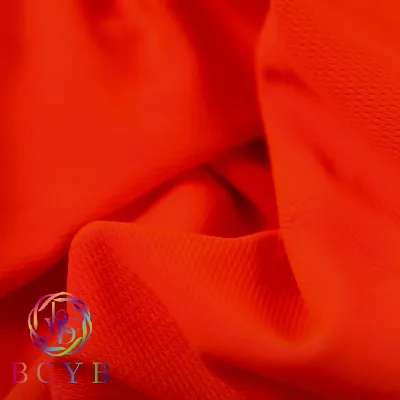
$1.3287 - $2.0448
MOQ: 20 yards

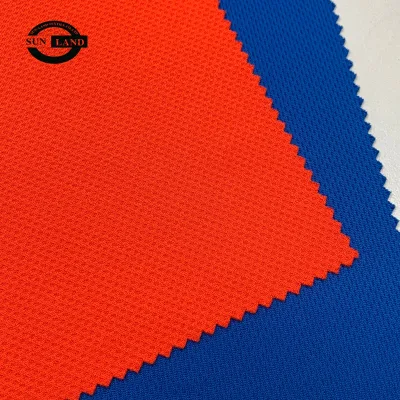
Factory Direct Breathable 100% Polyester Fluorescent Knitting Mesh Fabric for Sports Wear
$1.4501 - $1.8635
MOQ: 20 kilometers
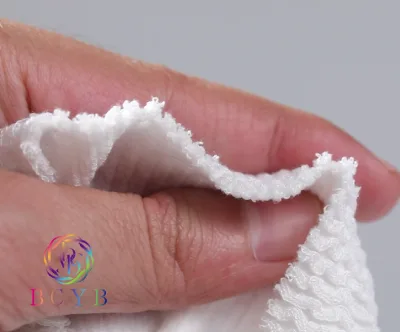
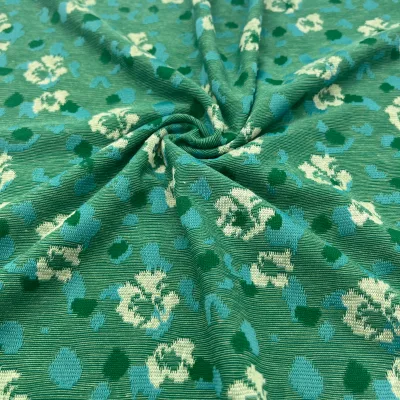
Polyester Knitting Jacquard Fabric Dying Fabric Blanket and Cloth Fabric
$1.4306 - $2.0448
MOQ: 20 yards
Shaoxing Maoshi Textile Co., Ltd.
- Verified by Intertek
- Manufacturer, Trading Company
- Lead time15 days
- Avg. response≤ 10h
Main productsWoven Spandex Fabrics, Woven Mechancial Fabrics, Woven Fabrics Without Spandex, Knitting Fabrics, NS Terry
Main marketsSouth Asia(30%), Southeast Asia(25%), South America(20%)
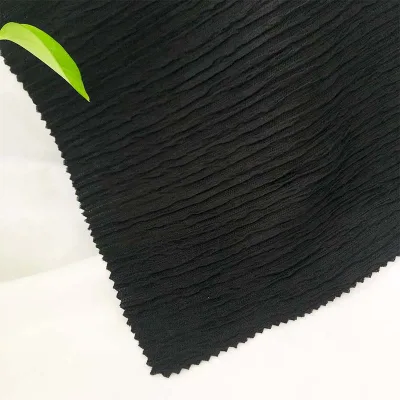
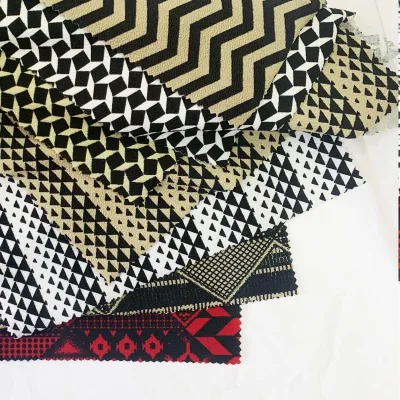
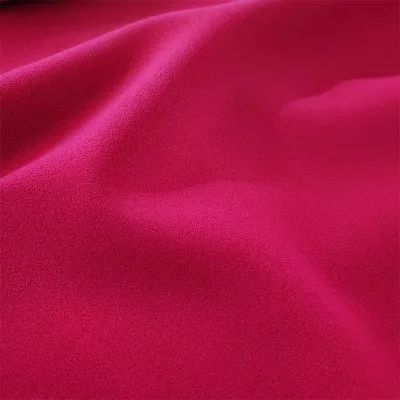
Custom Knitting Printed liverpool Fabric
$2.33 - $2.53


Chibi Xiangyuan Special Fabric Co., Ltd.
- Verified by BV
- Trading Company,Manufacturer/Factory
- China Hubei
- Lead time23 days
- Avg. response≤ 8h
Main productsFlame Retardant Fabric, Antistatic Fabric, Acid & Alkali Resistant Fabric, Workwear Fabric, 100% Cotton Fabric, Fr Fabric, Textile, Function Fabric
Main marketsSouth America,Eastern Europe,Mid East,North America,Southeast Asia,Eastern Asia,Oceania,Western Europe,Africa

Zhangjiagang Tianjun Trade Co., Ltd.
- Verified by TUVRHEINLAND
- Trading Company
- China Jiangsu
- Lead time23 days
- Avg. response≤ 8h
Main productsFire Retardant Yarn, Flame Retardant Fabric, Modacrylic Blending Yarn, Modacrylic Blending Fabric
Main marketsOthers(foreignTradeCapacity.exportBusinessCapacityMarketOther),Europe


Superior Flame Retardant Rayon Knitting Fabric for Fire Safety and Industrial Use
$21.50 - $22.00
MOQ: 500 kg


Shaoxing Bahong Textile Co., Ltd.
- Trading Company
- Zhejiang, China
- Lead time20 days
- Avg. response≤ 3h
Main productsLining Fabric,Printing and Jacquard Fabric,Knits Fabric,Scuba Suede,Jacquard
Main marketsDomestic Market(20.00%), Southeast Asia(15.00%), Mid East(15.00%), Eastern Europe(15.00%), South America(13.00%), Eastern Asia(5.00%), North America(5.00%), Western Europe(5.00%), Africa(2.00%), Southern Europe(1.00%), South Asia(1.00%), Northern Europe(1.00%), Central America(1.00%), Oceania(1.00%), Southern Europe(1.00%)
Dongguan Jiadatai Textile Co., Ltd.
- Verified by SGS Group
- Manufacturer, Trading Company
- Lead time15 days
- Avg. response≤ 3h
Main productsPrinted Fabric, Swimwear Fabric, Sportswear Fabric, Underwear Fabric, Recycled Fabric
Main marketsDomestic Market(60%), North America(17%), Southeast Asia(10%)

Shaoxing Dalian Imp. & Exp. Co., Ltd.
- Verified by TUVRHEINLAND
- Trading Company,Manufacturer/Factory
- China Zhejiang
- Lead time120 days
- Avg. response≤ 4h
Main productsInterlock Fabric, Scuba Fabric, Spandex Fabric, Swimwear Fabric, Bird Eye Mesh Fabric, Sports Wear Fabric, T-Shirt Fabric
Main marketsSouth America,Eastern Europe,Mid East,North America,Southeast Asia,Eastern Asia,Oceania,Western Europe,Africa
Hangzhou Yishang Textile Co., Ltd.
- Manufacturer, Trading Company
- Zhejiang, China
- Lead time30 days
- Avg. response≤ 10h
Main productsJacquard Fabric,Knitted Fabric,Pillow,Curtain,Mattress Cover
Main marketsDomestic Market(40.00%), North America(30.00%), Western Europe(20.00%), Eastern Europe(10.00%)

- Manufacturer, Trading Company
- Guangdong, China
- Lead time30 days
- Avg. response≤ 5h
Main productsMATTRESS FABRIC,WEBBING,MATTRESS COVER FABRIC,MATTRESS BRODER,WEBBING
Main marketsDomestic Market(45.00%), Southeast Asia(35.00%), Central America(20.00%)
Baoding Sanyuan Textile Technology Co., Ltd.
- Verified by SGS Group
- Manufacturer, Trading Company
- Lead time20 days
- Avg. response≤ 3h
Main productsMetal Yarn/Fabric, Radiation Protective Fabric/Suit, Flame Retardant Fabric/Suit, Antistatic Fabric/Suit
Main marketsDomestic Market(78%), North America(4%), South Asia(4%)
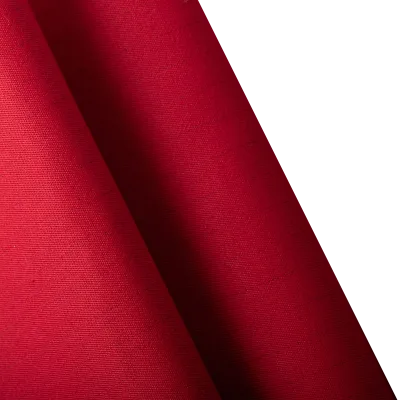

100% Cotton Flame Retardant Interlock Jersey Knitted Fabric
$16.00 - $18.00
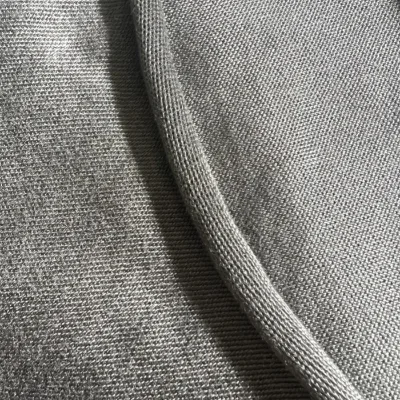
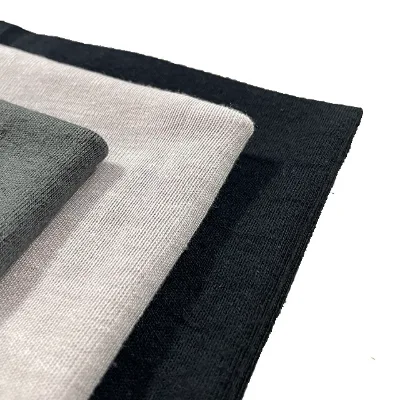
4-way Stretch Elasticity Knit Fireproof Aramid Electrical Insulating Fabric
$41.00 - $45.00
MOQ: 200 kilograms
Cixi Derun Knitwear Industry Co., Ltd.
- Verified by SGS Group
- Manufacturer, Trading Company
- Lead time30 days
- Avg. response≤ 3h
Main productspolyester lining fabric , polyester mesh fabric, interlock fabric, polyester jersey fabric, sports fabrics
Main marketsDomestic Market(70%), Southeast Asia(10%), Mid East(8%)
Hebei Ningxiang Trading Co., Ltd.
- Trading Company
- Hebei, China
- Lead time20 days
- Avg. response≤ 6h
Main productsClothing fabrics,Tooling fabrics,Medical fabrics,Special functional fabrics,Home textiles
Main marketsDomestic Market(25.00%), North America(15.00%), Southeast Asia(15.00%), Mid East(15.00%), Africa(10.00%), Northern Europe(10.00%), Eastern Europe(10.00%)
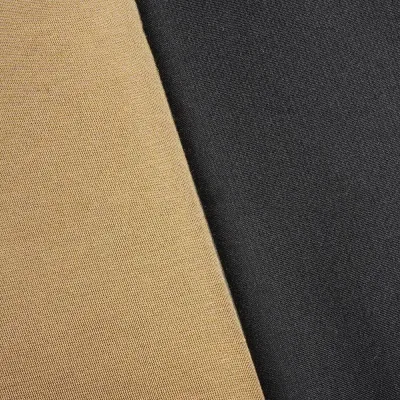
$52.1229 - $57.3345
MOQ: 10 kilograms
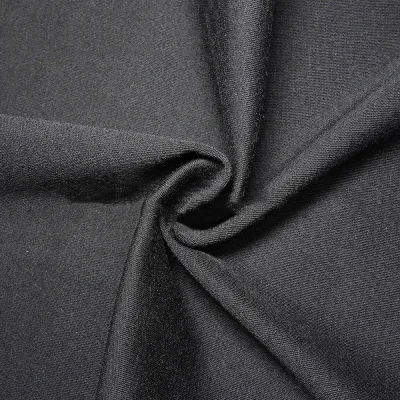
Guangdong Jingfeng Chemical Fiber Technology Co.,Ltd.
- Trading Company
- Guangdong, China
- Lead time20 days
Main productsmesh fabric,3d mesh fabric,single-layer mesh fabric,polyester mesh fabric,nylon mesh fabric
Main marketsDomestic Market(70.00%), Eastern Asia(11.00%), North America(10.00%), Western Europe(5.00%), Mid East(3.00%), South America(1.00%)
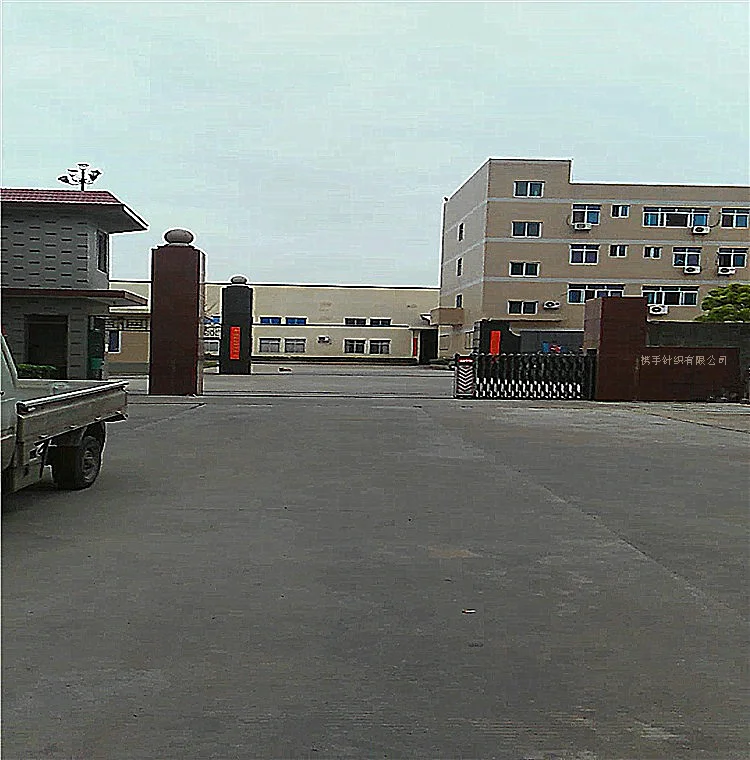
Fuzhou Handinhand Knitting Co., Ltd.
- Trading Company
- Fujian, China
- Lead time10 days
- Avg. response≤ 9h
Main productsLace and lace,Underwear and swimwear fabric,Mosquito netting tent cloth,Luggage and shoes material fabrics,Folding window screening lining
Main marketsDomestic Market(40.00%), Africa(20.00%), Central America(10.00%), South Asia(8.00%), Southern Europe(5.00%), Eastern Europe(5.00%), Eastern Asia(5.00%), Western Europe(4.00%), Southeast Asia(3.00%)
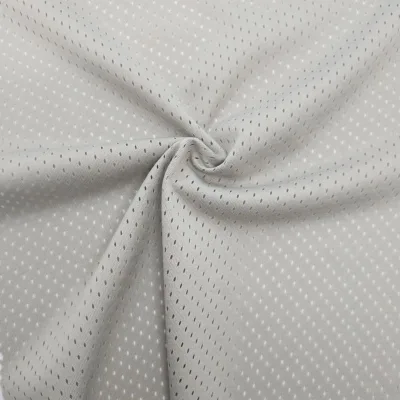
New Mesh Clothing Stretch Fabric for Mesh Sportswear School Uniform Lining
$0.30 - $0.35
MOQ: 100 yards
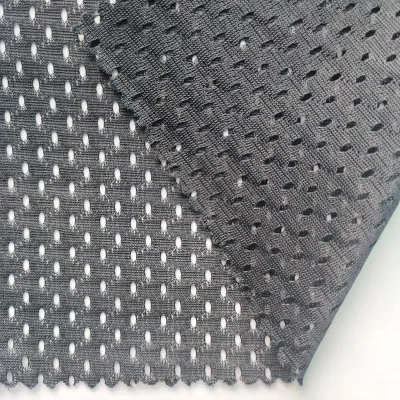
High Quality Tear Resistant Warp Knitted Black 100% Polyester Net Mesh Fabric for Chair
$0.60 - $0.70
MOQ: 100 yards
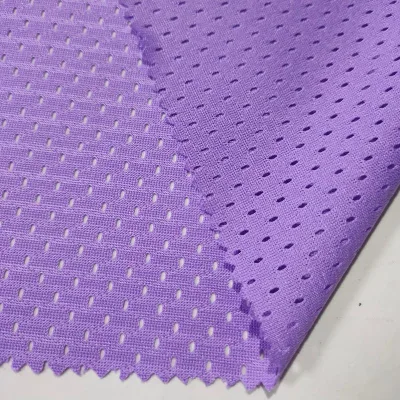
CHANGSHU SUN-LAND TEXTILE CO.,LTD
- Verified by SGS Group
- Manufacturer, Trading Company
- Lead time30 days
- Avg. response≤ 8h
Main productsFunction Knit Fabric, Sportwear Fabric, Jacquard Fabric, Print Fabric, Home Textile Fabric
Main marketsDomestic Market(65%), Eastern Europe(15%), North America(5%)

- Trading Company,Manufacturer/Factory
- China Zhejiang
- Lead time23 days
- Avg. response≤ 5h
Main products100% Polyester Fabric, Minimatt, Microfiber, Satin, Bed Sheet, Jacquard Fabric, Poly/Cotton, Polyester Staple Fiber, Towel Fabric, Taffeta
Main marketsSouth America,Eastern Europe,Africa
Cozy (wenzhou) International Trade Co., Ltd.
- Verified by TüVRheinland
- Manufacturer, Trading Company
- Lead time45 days
- Avg. response≤ 9h
Main productsWomen Underwear, Men Underwear, Child Underwear, Fabric, Bra
Main marketsMid East(65%), Africa(15%), South America(6%)

Shanghai Zen-real Textile Technology Co.,Ltd
- Trading Company,Manufacturer/Factory,Other
- China Shanghai
- Lead time45 days
- Avg. response≤ 5h
Main productsTextile Functional Raw Materials and Fabrics, Functional Woven Tape& Rope, Special Machinery Accessory Centrifugal Fan
Main marketsSouth America,Eastern Europe,North America,Eastern Asia,Western Europe
Hebei Niuyuan Technology Co.,Ltd
- Verified by TüVRheinland
- Manufacturer, Trading Company
- Lead time16 days
- Avg. response≤ 3h
Main productsPocketing Fabric, Shirting Fabric, Uniform Fabric, Spandex Fabric, TR Fabric
Main marketsAfrica(20%), South America(10%), Southeast Asia(10%)
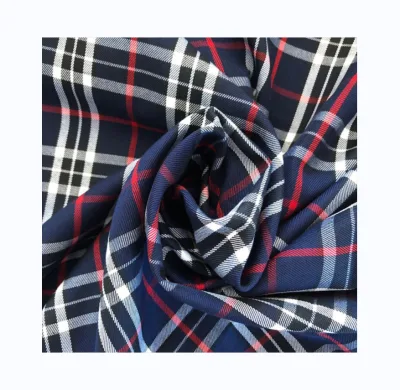
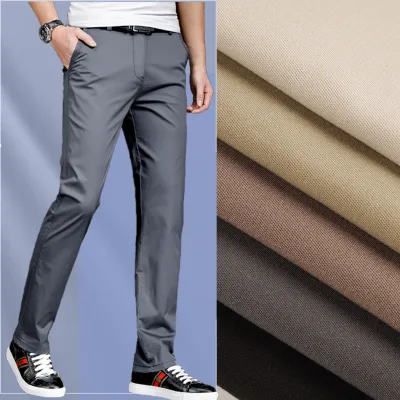
Custom Specification Knit Stretch Cotton Spandex Fabric for Sportswear Garment
$1.49 - $1.57
MOQ: 3000
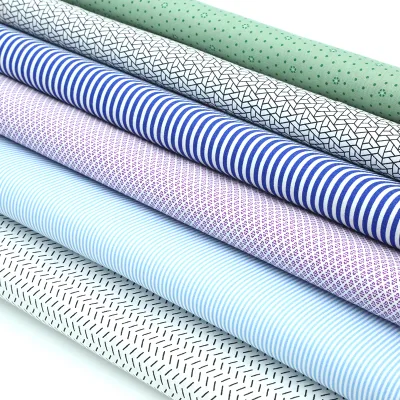

Jiangsu Tiandizao New Material Tech Co., Ltd.
- Verified by SGS
- Combined
- China Jiangsu
- Lead time60 days
- Avg. response≤ 5h
Main marketsSouth America,Africa,Southeast Asia/ Mideast,East Asia(Japan/ South Korea),Europe

Suzhou Welljoy Textile Co., Ltd.
- Manufacturer/Factory
- China Jiangsu
- Lead time23 days
- Avg. response≤ 22h
Main productsHigh Visibility Fabric, Functional Fabric, Uniform Fabrics, Textile Fabric, Oxford Fabric, Conductive Fabric, Fluorescent Fabrics, Stripe Fabric, Coated Fabric, Woven Fabric
Main marketsSouth America,Eastern Europe,Mid East,North America,Southeast Asia,Eastern Asia,Oceania,Western Europe,Africa

Yiwu Sky Imp. & Exp. Co., Ltd.
- Verified by BV
- Trading Company
- China Zhejiang
- Lead time30 days
- Avg. response≤ 25h
Main productsHome Textile, Coral Fleece Blanket, Polar Fleece Blanket, Printed Polyester Fabric, Solid Polyester Fabric, Chenille Fabric, Denim Fabric, Stock, Flannel Blanket, Sewing Thread
Main marketsSouth America,Africa,Southeast Asia/ Mideast,Europe,North America


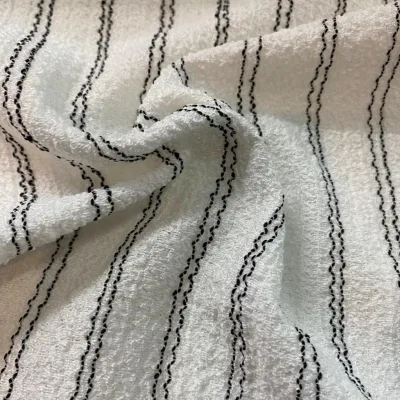
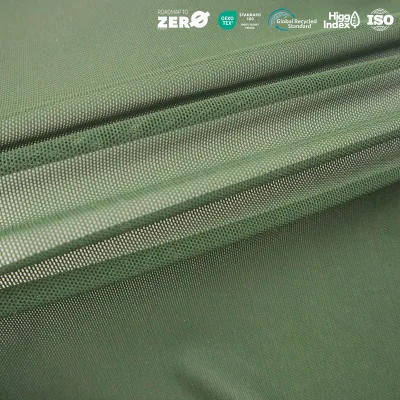

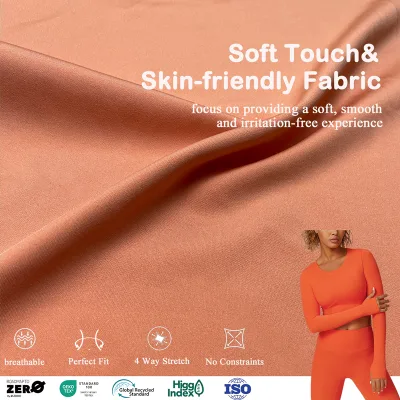






Comprehensive Sourcing Guide
Breathable Flame Retardant Knitting Fabric Supplier Concentration and Factory Types
When searching for Breathable Flame Retardant Knitting Fabric, buyers should start by understanding where suppliers cluster and what types of companies they will encounter. Supplier results frequently point to eastern coastal provinces in China, such as Zhejiang, where companies combine trading and manufacturing roles and list product lines spanning fabric, lace, trimmings, zippers, sewing thread, buttons, and garment accessories. Fujian also appears prominently in results for polyester knitting and mesh fabrics aimed at sportswear and polo shirt production. These regional signals matter because knitting clusters usually concentrate dyeing, finishing, and technical textile capabilities nearby, which is especially relevant for a technical category like flame retardant knitting where finishing quality directly affects performance.
Supplier types fall into two broad groups: pure trading companies and combined manufacturer-traders. Trading companies offer breadth across fabric types and may coordinate multiple finishing mills, which helps when a buyer needs both the knitting base and flame retardant treatment sourced together. Manufacturer-traders, by contrast, may control knitting lines directly and list OEM and ODM capability, sometimes with their own brand labels and in-house development capacity. Buyers should not assume that a supplier listing mesh or plain polyester knits automatically produces certified flame retardant fabric; the base product and the finishing are often separate capabilities. Map each candidate against its declared company type and main product list before requesting quotes, so that technical expectations land with an organization able to control the relevant processes.
How to Verify Breathable Flame Retardant Knitting Fabric Suppliers
Verification begins with documentation, because flame retardant performance cannot be judged from a product photo or a keyword listing. Ask each supplier for the exact test standard their fabric is certified against, the certification body, and the validity date of the report, then request test reports that match the specific construction, weight, and finish you intend to purchase. A supplier showing ISO 14064 system certification demonstrates some audited systems management, but environmental system credentials do not substitute for product-level flame retardant evidence. Also confirm whether flame retardancy comes from an inherently retardant fiber, a durable finish, or a coating, because washing durability and application suitability differ substantially between these routes.
Second, verify operational legitimacy and responsiveness. Cross-check the declared location, such as Zhejiang or Fujian, against business registration details the supplier provides, and confirm that the entity you contract with is the same entity that holds the certifications. Suppliers display different response times in search results—one trading company may answer in about an hour while another takes several hours on average—so test responsiveness yourself with a detailed technical enquiry and record how quickly, and how substantively, each reply arrives. Ask for photos or videos of the knitting and finishing floor, and where feasible commission a third-party inspection before shipment. A supplier whose listed products cover uniform or sportswear knits but who cannot produce any flame retardant documentation should be treated as a base-fabric source only, requiring a separate finishing partner before it can serve this category.
What to Compare Across Breathable Flame Retardant Knitting Fabric Suppliers
Build a comparison table using the attributes suppliers actually display, while remembering that not every supplier shows every field. Useful dimensions include lead time, minimum order quantity, average response time, location, company type, main products, and establishment year where available. Lead times observed in current results range widely—one fabric supplier lists roughly a 30-day lead time while another shows a zero or unspecified figure, which usually means you must confirm production scheduling directly. MOQs likewise vary sharply: one polyester knitting fabric listing shows an MOQ of 1000 units at a stated price range, a suede knitting fabric shows 2000, and a Fujian mesh fabric supplier advertises an MOQ as low as 20, suggesting small-order trading capability rather than bulk mill production.
Beyond the displayed numbers, compare technical depth. Examine the product attributes suppliers publish: one Zhejiang-based listing details 100% polyester weft-knit fabric at 200-205 gsm, 58/60-inch width, plain dyed, with customization available, while Fujian listings describe polyester mesh at 125-165 gsm and a jacquard option at 352 gsm, all make-to-order under China National Standard quality claims. Weight, width, construction, and available yarn counts determine whether a supplier's base fabric can be finished to your flame retardant specification. Compare customization willingness, packing formats such as rolls of a stated length, and whether the supplier handles dyeing and finishing in-house or subcontracts. Rank candidates on demonstrated technical control first, then on commercial terms, because a fast, cheap source without finishing capability cannot actually supply this category.
Common Breathable Flame Retardant Knitting Fabric Sourcing Risks
The largest risk in this category is specification drift between the sampled fabric and bulk production. Because flame retardancy depends on finishing chemistry and process control, a supplier may send a compliant sample and then ship bulk goods from a different finishing batch or a subcontracted mill with weaker controls. Mitigate this by writing the flame retardant standard, wash durability, fabric weight, and construction into the contract, and by requiring pre-shipment testing against those exact clauses rather than accepting generic quality claims. Suppliers whose listings cite only broad standards, such as China National Standard references, need closer scrutiny than those able to name the precise test method and limit values relevant to your end market.
A second cluster of risks involves mismatched capability and hidden intermediaries. A supplier may list breathable sports mesh or plain polyester knits—products that share knitting machinery with your requirement—without any flame retardant finishing line, leaving you to discover after deposit that treatment must be outsourced. Trading companies that appear as manufacturers may subcontract both knitting and finishing, weakening traceability if a compliance problem arises. Price listings also carry risk: one suede knitting fabric in current results is listed at a nominal low price with a 2000-unit MOQ, and several listings show missing or placeholder pricing, which means quoted costs may move significantly once flame retardant yarn or finishing is added. Finally, unclear ownership of test reports is a common trap; always confirm the report names the supplying entity and the fabric construction you are buying.
Breathable Flame Retardant Knitting Fabric Regional Sourcing and Logistics
Regional signals in current results center on two Chinese provinces. Zhejiang-based suppliers present broad knitting and garment-accessory portfolios, combined trading-manufacturing roles, and detailed polyester knit specifications, which suggests access to mature knitting and dyeing infrastructure. Fujian-based suppliers emphasize polyester mesh and sportswear fabrics with make-to-order supply types, quick-dry and related functional claims, and customizable widths, indicating a cluster oriented toward performance apparel knits. For buyers, the practical implication is that the same technical product may be available from structurally different suppliers in each province, so shortlisting should mix both regions to create competitive tension rather than defaulting to a single cluster.
Logistics planning should account for the make-to-order nature of most listings. Several Fujian products are explicitly labeled make-to-order with custom widths, meaning production starts only after order confirmation and sample approval, which lengthens the effective timeline beyond any headline lead time. Confirm the shipping port nearest the actual factory, roll packing formats—one listing specifies 100 meters per roll or normal packing—and how finished, treated fabric should be stored and transported to avoid moisture or contamination issues. Ask whether the supplier handles export documentation directly or works through an agent, and clarify responsibility for pre-shipment inspection access. Because flame retardant treatments can be sensitive to storage conditions, agree on packaging and shelf-life expectations in writing before shipment, and verify that inland transit from the factory to the port is included in quoted terms rather than assumed.
Breathable Flame Retardant Knitting Fabric Commercial Terms and Order Planning
Commercial planning should reconcile the wide spread of terms visible in supplier results. MOQs range from 20 units on a Fujian mesh listing to 1000 and 2000 units on Zhejiang polyester knit listings, and published prices range from roughly one to three dollars per unit depending on construction and weight, with several listings showing no price at all. Treat published prices as anchors only; flame retardant yarn or finishing will change the final cost, so require a written quotation broken down into base fabric, treatment, testing, and packing. One supplier shows an average response time near six hours and another around one hour, and lead times run from unspecified to about 30 days, so build your order calendar from confirmed dates rather than displayed figures.
Structure orders to protect cash and compliance. Use staged payments tied to sample approval, production milestones, and inspection results, and consider platform escrow arrangements where available so funds are not released before verified shipment. Confirm whether the supplier supports OEM or ODM work—one Zhejiang listing indicates OEM, ODM, and own-brand capability with some development capacity—which affects how far customization can go on construction and finish. Plan pilot orders at or near the MOQ, specify the exact test standard and wash cycle the bulk goods must pass, and reserve the right to reject shipments failing independent verification. Finally, sequence repeat orders against the supplier's stated lead time plus a buffer, since make-to-order finishing queues in these knitting clusters can extend when demand for sportswear and uniform fabrics peaks.
FAQs
What is the price range for polyester knitting fabrics?
Prices for polyester knitting fabrics typically range from $0.10 to $3.00 per unit depending on the specific material type and customization requirements. Buyers should note that minimum order quantities vary, often starting at 1000 meters for standard items. For specialized mesh or suede variants, costs may differ, so requesting a detailed quote based on your exact GSM and width specifications is recommended to ensure accurate pricing.
What are the typical lead times for these fabric orders?
Standard lead times for polyester knitting fabric orders are generally around 30 days from the confirmation of the order and deposit. Some suppliers may offer faster turnaround times for smaller quantities or stock items, but buyers should verify this directly. It is advisable to plan production schedules accordingly and confirm the exact delivery timeline with the supplier before finalizing the purchase agreement to avoid delays.
What certifications do these fabric suppliers hold?
Some suppliers in this category hold ISO 14064 system certification, indicating adherence to specific environmental management standards. Buyers requiring other specific quality or safety certifications should verify these details directly with the supplier. It is important to request copies of valid certificates and ensure they meet your specific industry requirements before placing large orders to guarantee compliance and product quality.
What is the minimum order quantity for these fabrics?
Minimum order quantities for polyester knitting fabrics vary significantly by product type. Standard items often require a minimum of 1000 meters, while specialized mesh fabrics may have lower MOQs starting at 20 units. Buyers should check the specific MOQ for their desired fabric type and color. Customization options may also affect the minimum order requirements, so confirming these details with the supplier is essential.
Where are these fabric suppliers located?
Suppliers offering these fabrics are primarily located in China, specifically in the Zhejiang and Fujian provinces. These regions are known for their strong textile manufacturing capabilities and supply chains. Buyers can expect efficient logistics and competitive pricing due to the concentration of manufacturers in these areas. It is advisable to verify the exact location and shipping options with the supplier to ensure timely delivery to your destination.
What response times can buyers expect from suppliers?
Response times from suppliers vary, with some providing quick replies within a few hours and others taking up to six days. Buyers should prioritize suppliers with faster response times to ensure efficient communication throughout the sourcing process. It is recommended to send detailed inquiries to get accurate quotes and specifications. Quick responses often indicate a supplier's readiness to handle orders and address any questions promptly.