anti-static rib pleated stretch fabric Suppliers and Manufacturers
Find 25 verified suppliers offering anti-static rib pleated stretch fabric with ISO 9001, Oeko-Tex 100, and GRS certifications. Compare lead times, MOQs, and response rates to source custom swimwear or sportswear materials effectively today; review the available evidence before requesting comparable quotations from suitable candidates.
Updated
Suppliers List
Dongguan Jiadatai Textile Co., Ltd.
- Verified by SGS Group
- Manufacturer, Trading Company
- Lead time15 days
- Avg. response≤ 3h
Main productsPrinted Fabric, Swimwear Fabric, Sportswear Fabric, Underwear Fabric, Recycled Fabric
Main marketsDomestic Market(60%), North America(17%), Southeast Asia(10%)
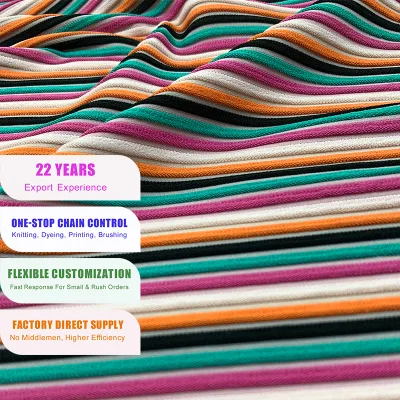
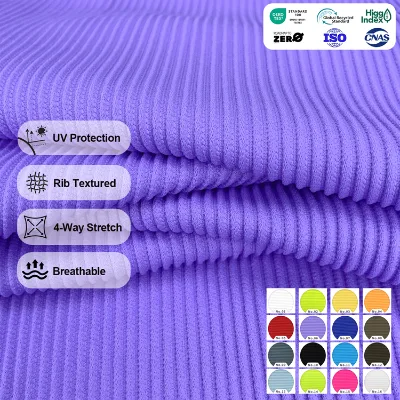
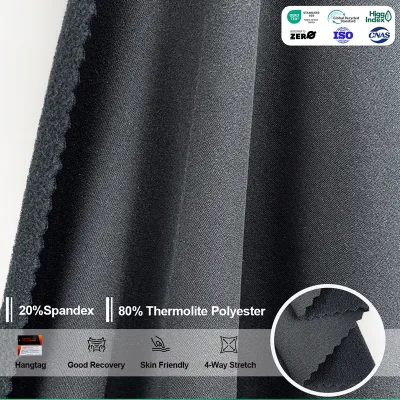
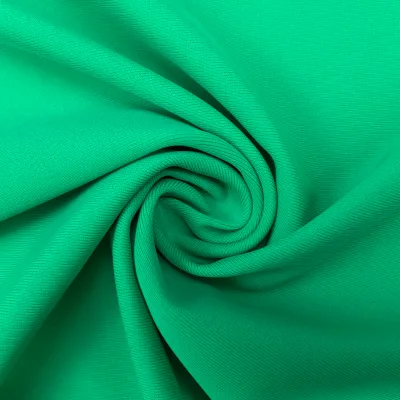
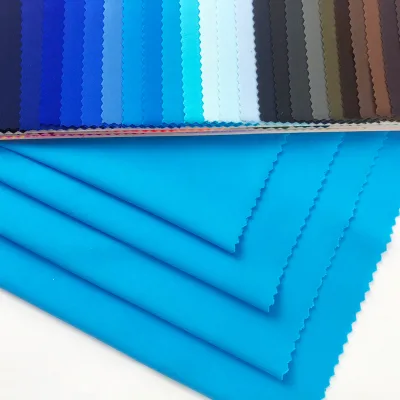
Hot Sale Environmental protection Recycled Smooth Soft Spandex Recycled Nylon Fabric for Sportswear
$5.0453 - $5.252
MOQ: 300 yards
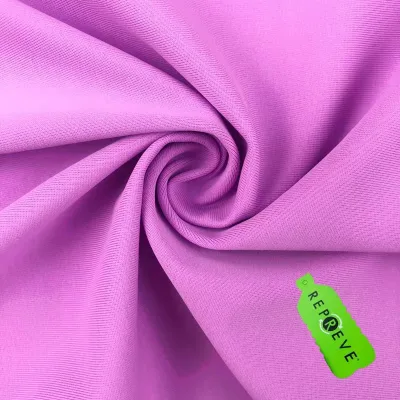
Eco Plain Dyed 4 Way Stretch Recycled Polyester Knitted Fabric Spandex for Swimwear and Surfing
$3.6042 - $3.8094
MOQ: 1 yards

Kunshan Yulong Textile Co., Ltd.
- Verified by TUVRHEINLAND
- Manufacturer/Factory
- China Jiangsu
- Lead time45 days
- Avg. response≤ 11h
Main productsFabric, Outdoor Fabric, Stretch Fabric, Nylon Fabric, Polyester Fabric, Functional Fabric, Antistatic Fabric, Recycled Fabric, Bonded Fabric, Garment Fabric
Main marketsSouth America,Eastern Europe,Mid East,North America,Southeast Asia,Eastern Asia,Oceania,Western Europe,Africa

Shaoxing Lanfex Import and Export Co., Ltd.
- Verified by SGS
- Trading Company
- China Zhejiang
- Lead time23 days
- Avg. response≤ 2h
Main productsFabric, Knitted Fabric, Thermal Fabric, Sports Fabric, Polyester Fabric, Garment Fabric, Woven Fabric, Textile Fabric, Clothing Fabrics, Sunscreen Fabric
Main marketsSouth America,North America

Shaoxing Keqiao Yigao Textile Co., Ltd.
- Verified by BV
- Trading Company,Manufacturer/Factory
- China Zhejiang
- Lead time23 days
- Avg. response≤ 5h
Main productsKnitting Fabric, Printed Fabric, Single Jersey Jabric, Ponti Roma Fabric, Jacquard Fabric, Rib Fabric, Sports Wear Fabric, Suiting Fabric, Velvet Fabric, Yummy Fabric
Main marketsSouth America,Eastern Europe,Mid East,North America,Southeast Asia,Eastern Asia,Oceania,Western Europe,Africa


Yigao Textile 60%Rayon 36%Polyester 4%Spandex Stretch Rib Knitted Fabric
$4.51 - $4.54
MOQ: 1000 Meters

Dongguan Jiadatai Textile Co., Ltd.
- Manufacturer, Trading Company
- Lead time旺季: "1 - 300":7,"301 - 2000":15,"2001 - 5000":20,"> 5000":"To be negotiated", 淡季: "1 - 300":7,"301 - 2000":15,"2001 - 5000":20,"> 5000":"To be negotiated"
- Avg. response≤ 2h
Main productsPrinted Fabric, Swimwear Fabric, Sportswear Fabric, Underwear Fabric, Recycled Fabric
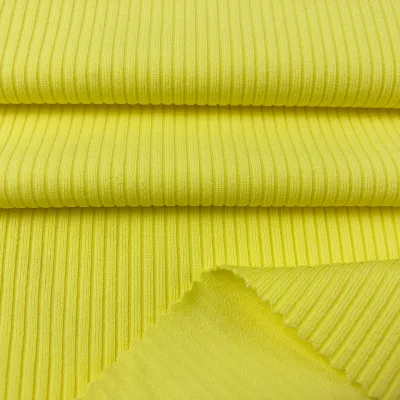
Rib Fabric Stretchy Knitted 95% Polyester 5% Elastane Rib Fabric for Clothing
$4.28 - $4.83
MOQ: 600 yards
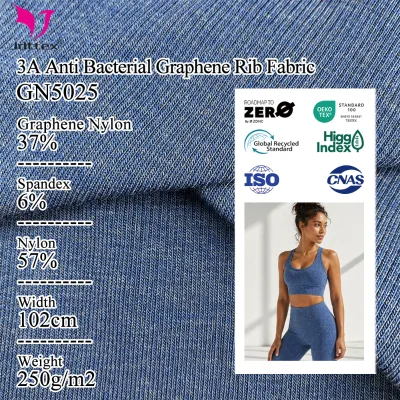

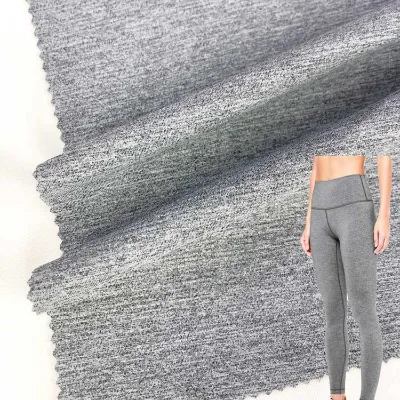
Ribbed Design 4 Way Stretch Snow White Yarn Dyed Stripe Style Breathable Rib Fabric for Swimsuit
$4.8131 - $5.7358
MOQ: 700 Minimum
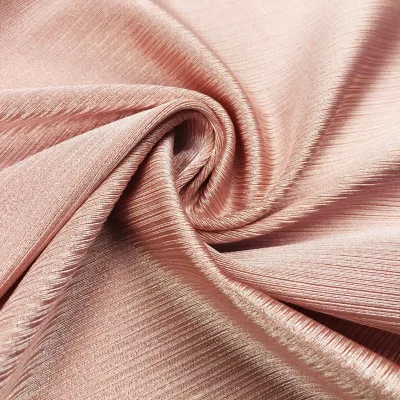
$2.3608 - $2.9765
MOQ: 500 Minimum

Rib Knit 4 Way Stretch Superfine Full Dull Breathable Quick Dry Ribbed Fabric for Swimwear
$5.20 - $6.50
MOQ: 1 yards
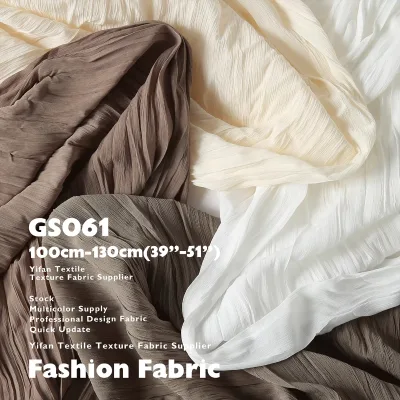
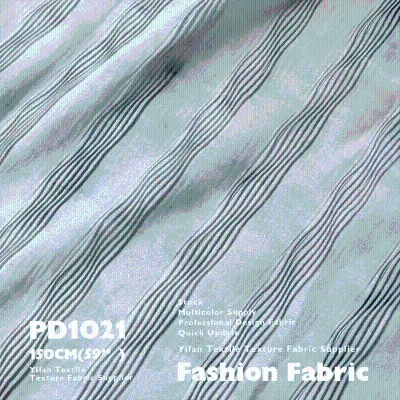
Guangzhou Yifan Textile Co., Ltd.
- Manufacturer, Trading Company, Distributor/Wholesaler
- Guangdong, China
- Lead time0 days
- Avg. response≤ 4h
Main productsFashion fabric,Printed fabric,cloth fabric
Main marketsMid East(25.00%), North America(15.00%), South America(10.00%), Africa(10.00%), Southeast Asia(10.00%), Eastern Europe(5.00%), South Asia(5.00%), Northern Europe(5.00%), Central America(5.00%), Western Europe(2.00%), Domestic Market(2.00%), Southern Europe(2.00%), Eastern Asia(2.00%), Oceania(2.00%)
Wuxi Kuanyang Textile Technology Co., Ltd.
- Verified by SGS Group
- Manufacturer, Trading Company
- Lead time10 days
- Avg. response≤ 2h
Main productsSwimwear Fabric, Print Fabric, Spandex Fabric, Recycled Fabric, Softshell Fabric
Main marketsDomestic Market(60%), North America(12%), Southeast Asia(10%)
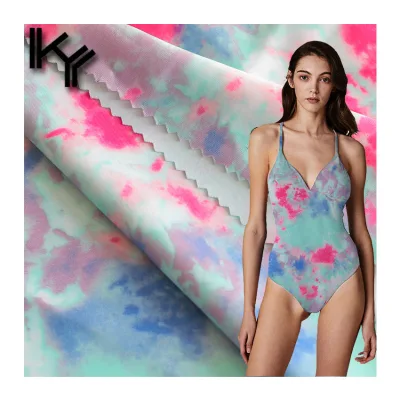
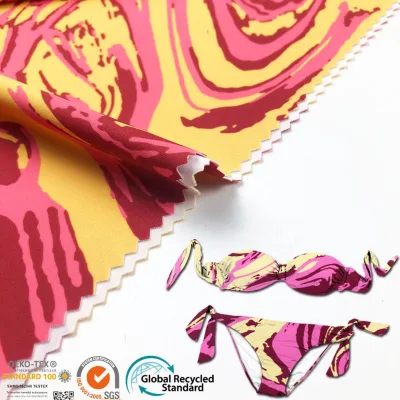
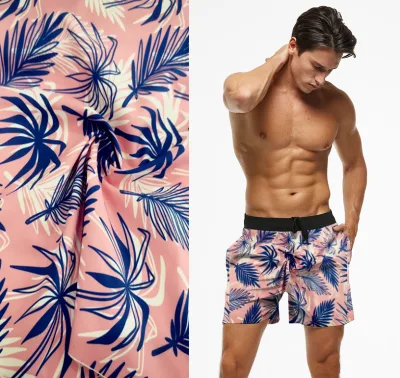
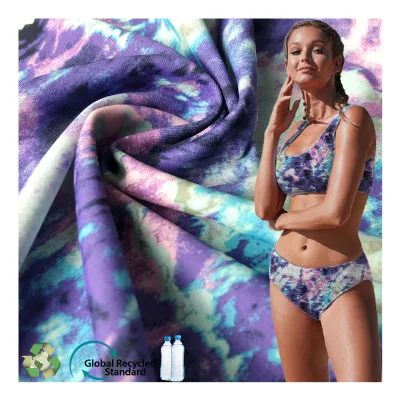
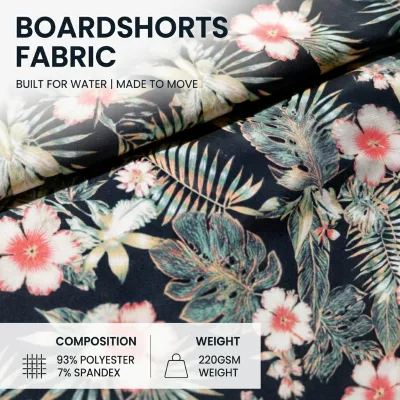
Hot sale 4 way stretch poly swimwear fabric
$2.52 - $3.03

Shaoxing Dalian Imp. & Exp. Co., Ltd.
- Trading Company,Manufacturer/Factory
- China Zhejiang
- Lead time23 days
- Avg. response≤ 3h
Main productsFleece Fabric, Soft Shell Fabric, Stretch Fabric, Scrubs Fabric, Spandex Fabric, Outdoor Fabric
Main marketsSouth America,Eastern Europe,Mid East,North America,Southeast Asia,Eastern Asia,Oceania,Western Europe,Africa


ODM 95% Polyester 5%Spandex Knitted Stretchy Spandex Garment Stretch Jersey Fabric
$2.25 - $2.88
MOQ: 500 kg


Delantex Hot Sale 4 Way Stretch Knit Fashion Geometrical Design Sportswear Fabric
$2.98 - $5.00
MOQ: 500 kg

Shaoxing Meizhiliu Knitting Textile Co., Ltd.
- Verified by Intertek
- Trading Company
- Lead time25 days
- Avg. response≤ 4h
Main productsSCUBA Fabric , INTERLOCK Fabric , KNITTING JACQUARD Fabric
Main marketsSoutheast Asia(60%), South America(20%), Central America(20%)
Hebei Niuyuan Technology Co.,Ltd
- Verified by TüVRheinland
- Manufacturer, Trading Company
- Lead time16 days
- Avg. response≤ 3h
Main productsPocketing Fabric, Shirting Fabric, Uniform Fabric, Spandex Fabric, TR Fabric
Main marketsAfrica(20%), South America(10%), Southeast Asia(10%)

Gaomi Mingtong Textile Co., Ltd.
- Verified by SGS
- Combined
- China Shandong
- Lead time30 days
- Avg. response≤ 2h
Main products2 Piece Suit, Men's Suits, Wedding Suits for Men, Slim Fit Suit, Business Suit, Tr Fabric, Polyester Viscose Fabric, Tr Suit Fabric, Suiting Fabric, Tr Twill Fabric
Main marketsDomestic


Fade Resistant Polyester Stretch Fabric for Long Lasting Professional Wear
$2.60 - $2.70
MOQ: 500 Meters


Comfort Optimized Stretch Woven Fabric for Demanding Professional Environments
$2.60 - $2.70
MOQ: 500 Meters


Shanghai Fartex Import and Export Company Limited
- Verified by TUVRHEINLAND
- Trading Company
- China Shanghai
- Lead time15 days
- Avg. response≤ 19h
Main productsfabric
Main marketsAfrica

290GSM Stretch Knitted Rib Fabric 100% Cotton Material for T Shirt Clothing
$7.90 - $8.50
MOQ: 3000 kg

Versatile Stretch Knit Ribbed Fabric: Soft and Stretchy, 95% Polyester 5% Spandex, 160cm Width, 170g
$1.00 - $3.00
MOQ: 3000 Yards

230GSM Knitted 61% Polyester 32% Rayon 7% Spandex Material Tr 6*4 Rib Fabric
$6.70 - $7.50
MOQ: 3000 kg
Shaoxing Jeerayfun Textile Co., Ltd.
- Verified by TüVRheinland
- Manufacturer, Trading Company
- Lead time20 days
- Avg. response≤ 12h
Main productsFabric
Main marketsNorth America(20%), Western Europe(20%), South America(10%)
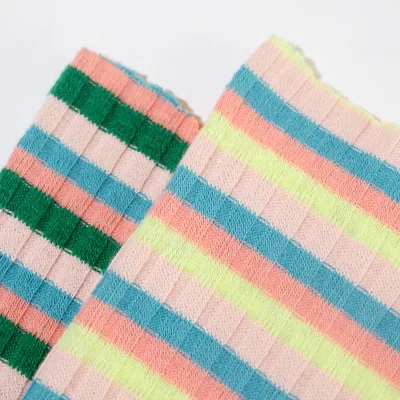
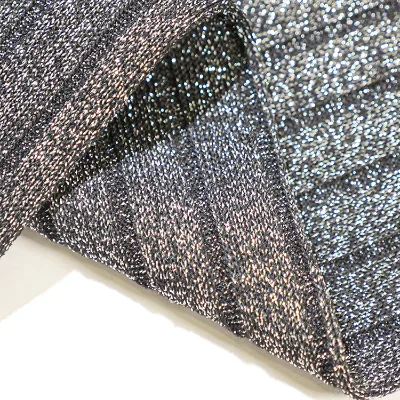
Factory 85% Polyester 10% Metallic 5% Spandex Yarn Dyed Stretch Knitted Rib Fabric for Women Clothes
$4.45 - $5.69
MOQ: 800 kilograms

Suzhou Passion Textile Technology Co., Ltd.
- Manufacturer/Factory
- China Jiangsu
- Lead time30 days
- Avg. response≤ 3h
Main productsRipstop Nylon Fabric, Ripstop Polyester Fabric, Polyester Spandex Fabric, Nylon Spandex Fabric, Nylon Taffeta, Polyester Taslon
Main marketsEastern Europe,North America,Southeast Asia,Eastern Asia,Western Europe


Trousers and Shirts Fabric 4 Way Stretch Fabric Polyester Spandex Fabric
$1.60 - $2.00
MOQ: 100 Meters
- Manufacturer, Trading Company
- Taiwan, China
- Lead time35 days
- Avg. response≤ 3h
Main productsFunctional fabric,Wicking fabric,Filament fabric,Nylon fabric,Spandex fabric
Main marketsWestern Europe(15.00%), Eastern Asia(15.00%), Oceania(10.00%), Northern Europe(10.00%), North America(10.00%), Domestic Market(5.00%), South Asia(5.00%), Southern Europe(5.00%), Southeast Asia(5.00%), Central America(5.00%), South America(5.00%), Eastern Europe(5.00%), Mid East(5.00%)

Shaoxing Suerte Textile Co., Ltd.
- Combined
- China Zhejiang
- Lead time23 days
- Avg. response≤ 5h
Main productsRib Fabric, Single Jersey Fabric, Double Jersey Fabric, French Terry Fabric, Hacci Fabric, Velvet Fabric, Jacquard Fabric, Athletic Fabric, Rayon Fabric, Woven Fabric
Main marketsSouth America,Europe,North America

Custom Printed Stretch Spandex Soft Thick Jersey Ribbed Swimwear Knit Fabric
$3.00 - $3.50
MOQ: 500 Yards

Customizable Color 4 Way Stretch Waterproof Breathable Polyester Spandex Fabric
$0.99 - $1.17
MOQ: 2000 Meters

SUZHOU WANGFENG TEXTILE CO., LTD.
- Trading Company
- China Jiangsu
- Lead time15 days
- Avg. response≤ 7h
Main productsPolyester Fabric, Spandex Fabric, Coated Fabric, Nylon Fabric, Knite Fabric
Main marketsSoutheast Asia/ Mideast,Europe,North America

Polyester Fleece Compound The Four Way Stretch Fabrics, Waterproof and Breathable
$3.66 - $5.87
MOQ: 1500 Meters


JINJIANG CITY BINYI TEXTILE CO., LTD.
- Trading Company
- FUJIAN, China
- Lead time15 days
- Avg. response≤ 13h
Main productsSwimwear Fabric,Yoga fabric,sportswear fabric,INTERLOCK FABRIC,4 way stretch fabric
Main marketsDomestic Market(80.00%), Southern Europe(20.00%)
Fujian Kangke Electronic Technology Co., Ltd.
- Trading Company
- Fujian, China
- Lead time10 days
- Avg. response≤ 3h
Main productsSportswear Fabric,Swim Beach Fabric,Woven Fabric,Sportswear,Swimwear Beachwear
Main marketsDomestic Market(42.00%), North America(33.00%), Southern Europe(3.00%), Central America(3.00%), Western Europe(3.00%), South America(2.00%), Northern Europe(2.00%), Southeast Asia(2.00%), Eastern Europe(2.00%), Eastern Asia(2.00%), Mid East(2.00%), Oceania(2.00%), Africa(1.00%), South Asia(1.00%)
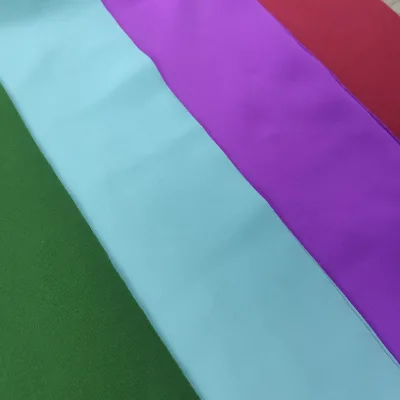
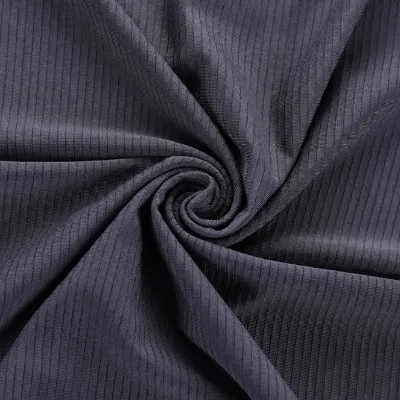
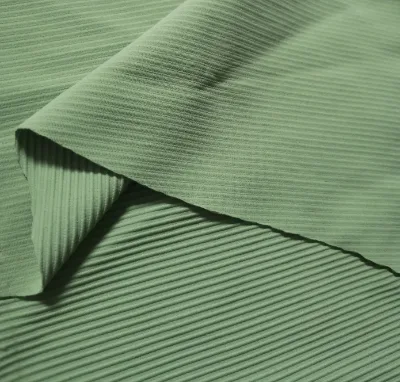

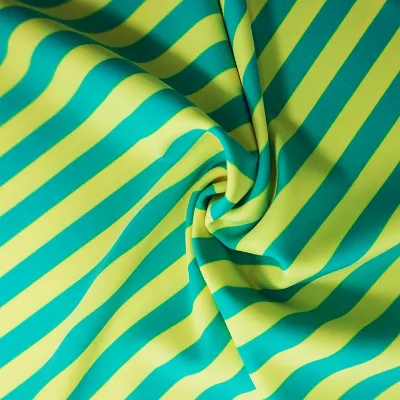

Chlorine Resistant Polyester Spandex Digital Printed Sustainable Swimwear Sportswear Fabric
$2.80 - $4.50
MOQ: 100 yards

NingBo JC Import And Export Co.,Ltd
- Verified by SGS
- Trading Company
- China Zhejiang
- Lead time45 days
- Avg. response≤ 6h
Main marketsSoutheast Asia/ Mideast,Europe
Shaoxing Keqiao Feiyou Textile Co., Ltd.
- Verified by Intertek
- Trading Company
- Lead time10 days
- Avg. response≤ 18h
Main productsSingle Jersey, HACCI, Double Jersey, Fleece, Rib
Main marketsNorth America(50%), Western Europe(22%), Northern Europe(20%)
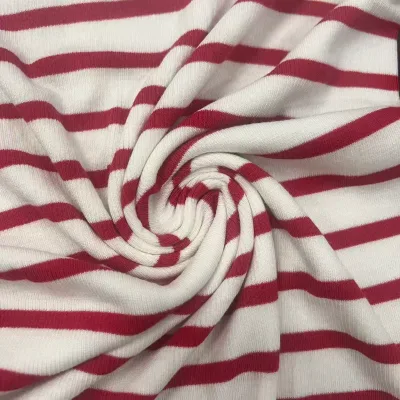
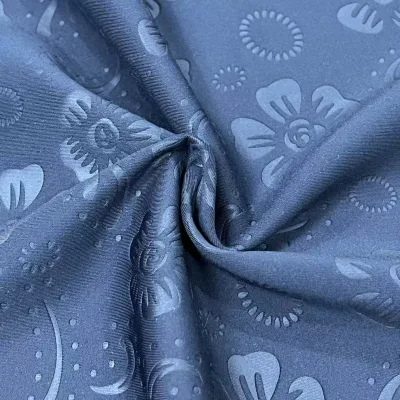
$3.9547 - $4.0266
MOQ: 200 kilograms
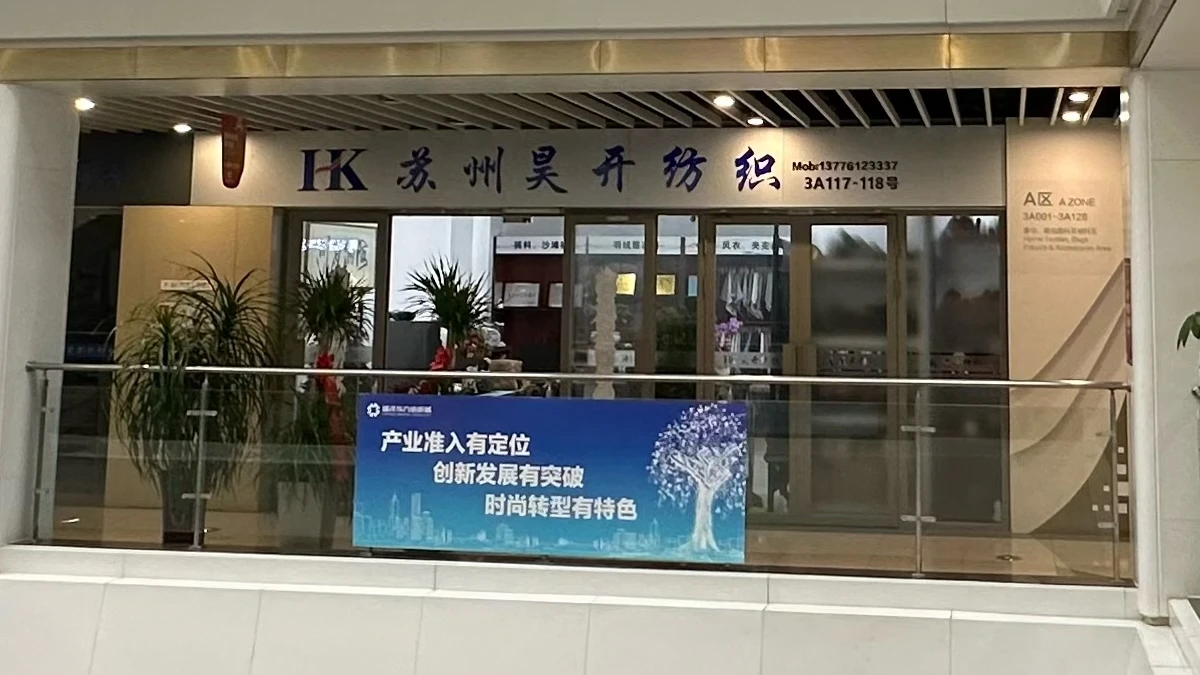
Suzhou Haokai Textile Co., Ltd.
- Trading Company
- Jiangsu, China
- Lead time30 days
- Avg. response≤ 3h
Main productsCharge jacket fabric,Beach pants&trouseing,Suit-dress fabric,Down jacket fabric,Outdoor activity fabric
Main marketsEastern Europe(30.00%), Southern Europe(30.00%), North America(20.00%), Africa(10.00%), Oceania(10.00%)

Suzhou Saint Tone Textiles Co., Ltd.
- Verified by SGS
- Trading Company,Manufacturer/Factory
- China Jiangsu
- Lead time23 days
- Avg. response≤ 1h
Main productsFunctional Fabric, Nylon Fabric, Polyester Fabric, Garment Fabric, Outdoor Fabric, Coated Fabric, Printed Fabric, Fashion Fabric, Bag Fabric, Spandex Fabric
Main marketsSouth America,Eastern Europe,Mid East,North America,Southeast Asia,Eastern Asia,Oceania,Western Europe,Africa

Wujiang Hailihong Textile Co., Ltd.
- Verified by CTI
- Combined
- China Jiangsu
- Lead time15 days
- Avg. response≤ 8h
Main productsKnitted Textiles, Chemical Fibers, Home Textiles, Clothing and Accessories, Swim Trunks, T-Shirt, Hawaiian Shirt, Beach Pants, Bikini, Hoodie
Main marketsAfrica,Southeast Asia/ Mideast,East Asia(Japan/ South Korea),Domestic,Europe,Australia,North America
Shaoxing Keqiao Hailong Textile Co., Ltd.
- Manufacturer, Trading Company
- Zhejiang, China
- Lead time15 days
- Avg. response≤ 22h
Main productsPolyester Fabric, Nylon Fabric, Cotton Fabric
Main marketsEastern Asia(80.00%), North America(20.00%)


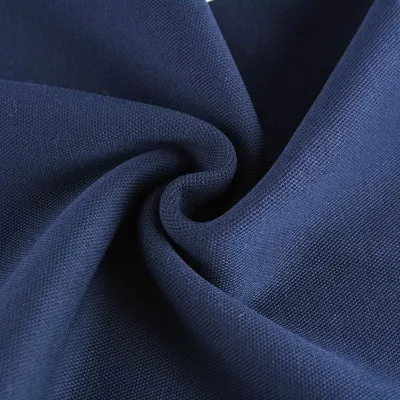
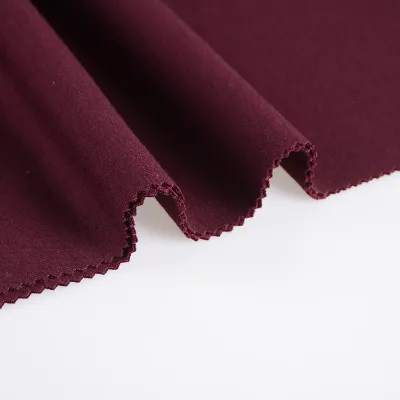
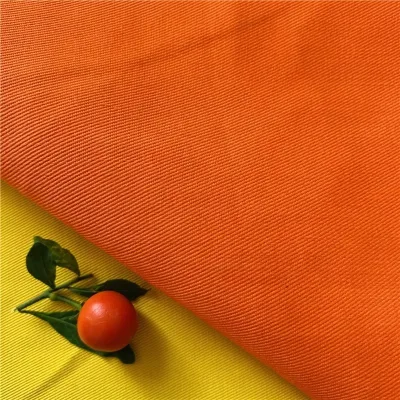
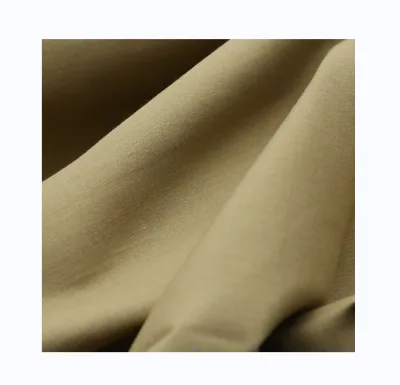
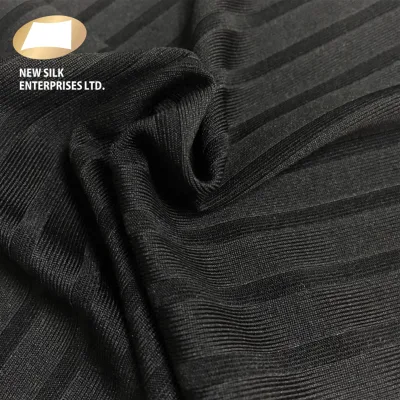
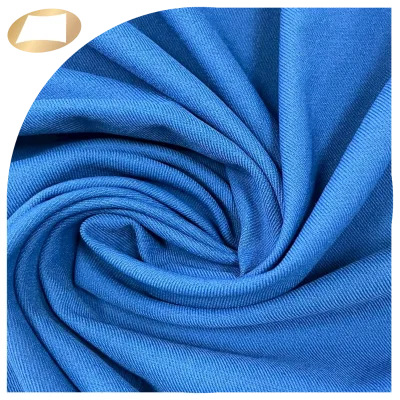
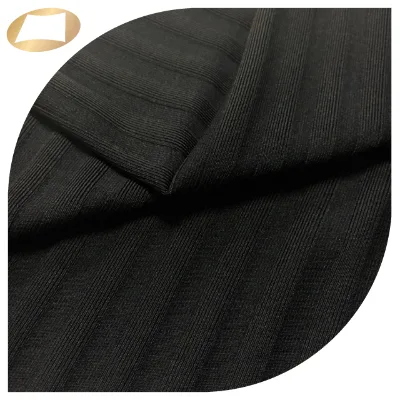
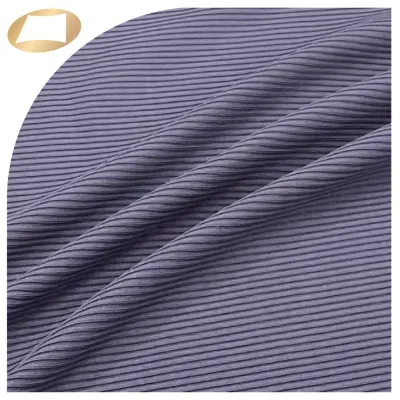





Comprehensive Sourcing Guide
Anti-Static Rib Pleated Stretch Fabric Supplier Concentration and Factory Types
When evaluating the landscape for specialized textile manufacturing, it is crucial to distinguish between the operational models of available partners. The current market data indicates a mix of manufacturers and trading companies offering relevant fabric solutions. Manufacturers typically possess direct control over the knitting, dyeing, and finishing processes, which can be vital for complex requirements like rib pleating and stretch properties. Trading companies, on the other hand, may aggregate products from multiple mills, offering broader variety but potentially less direct oversight on production nuances. Understanding this distinction helps buyers assess who holds the actual technical capability for customizations such as graphic processing or on-demand customization. The presence of both types suggests a diverse supply chain where buyers must verify who is actually performing the core fabrication steps.
The product evidence highlights specific material compositions that define the supplier's technical focus. Many listed items feature Spandex and Polyester or Spandex and Nylon blends, with compositions like 7% Spandex and 93% Polyester or 15% Spandex and 85% Nylon. These ratios are critical for achieving the desired elasticity and durability in swimwear and sportswear applications. Some suppliers also offer recycled nylon options, aligning with growing sustainability demands. The ability to handle light customization, sample processing, and graphic processing indicates a level of flexibility in the manufacturing process. Buyers should look for suppliers who explicitly state their capacity for these specific technical adjustments, as not all factories are equipped to handle intricate pleating or custom yarn counts effectively.
How to Verify Anti-Static Rib Pleated Stretch Fabric Suppliers
Verification is the cornerstone of mitigating risk in international textile sourcing. The available data points to specific verification bodies and certification standards that serve as primary indicators of supplier legitimacy. For instance, some suppliers are verified by SGS Group, a globally recognized inspection and certification company. This third-party validation provides a layer of confidence regarding the supplier's business operations and physical existence. Beyond basic verification, buyers should scrutinize the system certifications held by the factory. The presence of ISO 9001 indicates a standardized quality management system, while Oeko-Tex 100 certification ensures the fabric is free from harmful substances, which is particularly important for garments worn close to the skin.
In addition to general quality systems, specific industry certifications are critical for swimwear and activewear fabrics. The GRS (Global Recycled Standard) is frequently cited, confirming the use of recycled materials and responsible production practices. Other certifications like ZDHC (Zero Discharge of Hazardous Chemicals) and HIGG (Higg Index) suggest a commitment to environmental sustainability and chemical management. Buyers should request copies of these certificates and verify their validity through the respective issuing bodies. It is also important to check if the supplier's claims about anti-static or anti-UV properties are backed by independent test reports. Relying solely on supplier assertions without documented proof can lead to significant quality discrepancies in the final product.
What to Compare Across Anti-Static Rib Pleated Stretch Fabric Suppliers
Comparing suppliers requires a structured analysis of key operational metrics. Lead time is a primary differentiator, with some suppliers indicating a standard lead time of 15 days. This timeframe is crucial for planning production schedules and meeting launch deadlines. Buyers must also evaluate the Minimum Order Quantity (MOQ) requirements, which can vary significantly. Some suppliers offer an MOQ of 300 yards per color, while others may have different thresholds, such as 500 yards or even single-item options for samples. Understanding these thresholds helps in determining the feasibility of small-batch testing versus large-scale production runs. Response time is another vital metric, with some suppliers demonstrating a response time of 3, indicating a high level of communication efficiency.
Price and customization capabilities are equally important comparison points. The price range for these fabrics can vary, with some items listed between $2.90 and $4.10 per unit, while others range from $3.21 to $5.83. These variations often reflect differences in material composition, certification levels, and order volume. Buyers should also assess the supplier's ability to handle custom designs and colors. Many suppliers accept custom designs and offer customized yarn counts, which is essential for creating unique product lines. The availability of stock colors versus fully customized options can also impact lead times and costs. By systematically comparing these factors, buyers can identify suppliers that best align with their specific operational and financial requirements.
Common Anti-Static Rib Pleated Stretch Fabric Sourcing Risks
One significant risk in sourcing specialized fabrics is the discrepancy between sample quality and bulk production. Suppliers may provide excellent A4 size samples that meet all specifications, but the bulk order might suffer from inconsistencies in weight, width, or color fastness. For example, while a sample might show a weight of 210gsm, the bulk fabric could vary. Color fastness is another area prone to variation, with some suppliers listing grades of 3~4 or 3.5-4.0. Buyers must establish clear quality benchmarks and include tolerance levels in their contracts. Failure to do so can result in receiving fabric that does not meet the required performance standards for swimwear or sportswear applications.
Another risk involves the accuracy of certification claims and material composition. Suppliers may claim GRS or Oeko-Tex certification, but the actual fabric might not meet these standards upon independent testing. Similarly, the composition of the fabric, such as the percentage of Spandex or Nylon, must be verified. Discrepancies in material composition can affect the fabric's stretch, durability, and dyeability. Additionally, the supply type being Make-To-Order means that production is triggered only after an order is placed, which can lead to delays if the supplier faces capacity constraints. Buyers should conduct regular audits and request third-party inspection reports to mitigate these risks and ensure consistent quality throughout the production process.
Anti-Static Rib Pleated Stretch Fabric Regional Sourcing and Logistics
The geographic origin of the supplier plays a significant role in logistics and lead times. The product evidence indicates that many of these fabrics originate from Guangdong, China. This region is a major hub for textile manufacturing, offering a robust supply chain and competitive pricing. However, buyers must consider the logistical implications of sourcing from this region, including shipping times and customs procedures. Understanding the specific port of loading and the distance to the final destination is essential for accurate cost estimation. Suppliers in this region may have established relationships with freight forwarders, which can streamline the shipping process but also requires careful coordination to avoid delays.
Logistics planning should also account for the packaging and handling of the fabric. The single package size and gross weight provided in the product data, such as 33x28x3 cm and 1.000 kg, help in calculating shipping volumes and costs. Buyers need to ensure that the packaging is suitable for protecting the fabric during transit, especially for delicate materials like pleated stretch fabrics. Additionally, the supply type being Make-To-Order means that inventory management is critical. Buyers should plan their orders well in advance to accommodate the production and shipping timelines. Working with suppliers who have experience in international logistics can help mitigate potential delays and ensure that the fabric arrives in good condition and on time.
Anti-Static Rib Pleated Stretch Fabric Commercial Terms and Order Planning
Commercial terms and order planning are essential for a successful sourcing strategy. Buyers should clearly define the payment terms, delivery schedules, and quality acceptance criteria in their contracts. The lead time of 15 days and MOQ of 300 yards are key parameters that must be factored into the order planning. For larger orders, buyers may need to negotiate volume discounts or extended payment terms. It is also important to establish a clear process for handling defects or discrepancies. Suppliers should be required to provide a warranty or replacement policy for any fabric that does not meet the agreed-upon specifications. This protects the buyer from financial losses due to quality issues.
Order planning should also consider the customization requirements and their impact on production. Custom designs and colors may require additional time for setup and approval. Buyers should provide detailed tech packs and samples to ensure that the supplier understands the requirements. Communication is key, and buyers should maintain regular contact with the supplier throughout the production process. This helps in identifying and resolving any issues early on. Additionally, buyers should plan for potential delays by building buffer time into their production schedules. By carefully managing commercial terms and order planning, buyers can minimize risks and ensure a smooth sourcing experience for anti-static rib pleated stretch fabric.
FAQs
What certifications are available for rib pleated stretch fabric?
Suppliers offer OEKO-TEX STANDARD 100, GRS, ISO, HIGG, and ZDHC certifications for these materials. These credentials ensure the fabric meets international safety and environmental standards. Buyers can verify specific compliance levels directly with the manufacturer to confirm suitability for regulated markets and sustainable sourcing requirements.
What is the typical lead time for orders?
The standard lead time for production is 15 days. This duration applies to most make-to-order requests for swimwear and sportswear fabrics. Buyers should confirm exact delivery schedules with the supplier, as rush orders or complex customizations may require additional processing time beyond the standard window.
What is the minimum order quantity for these fabrics?
Minimum order quantities typically start at 300 yards per color. Some suppliers may accept lower quantities for samples or specific stock items. Buyers should verify the exact MOQ with the supplier, as requirements can vary based on the fabric composition, customization needs, and current inventory levels.
What is the price range for these fabrics?
Prices generally range from $2.90 to $5.83 per yard depending on the specific material and features. Factors influencing cost include composition, certification, and customization. Buyers should request detailed quotes for their specific requirements to determine the final price, as rates vary significantly across different product specifications.
What functions can be added to the fabric?
Manufacturers can add anti-bacterial, anti-UV, anti-chlorine, water repellent, and dry fit functions. These enhancements are available for swimwear and sportswear applications. Buyers should specify their functional needs during the inquiry process to ensure the supplier can provide the appropriate treatment for their specific garment requirements.
What is the response time for supplier inquiries?
Suppliers typically respond to inquiries within 3 hours. This rapid response ensures timely communication regarding samples, pricing, and production details. Buyers can expect quick feedback on their requests, facilitating faster decision-making and smoother negotiation processes for bulk orders and custom fabric specifications.
What materials are used in these stretch fabrics?
Common compositions include Spandex/Polyester and Spandex/Nylon blends. Recycled nylon options are also available for sustainable sourcing. Buyers can choose from various yarn counts and weights, such as 210gsm or 260g/m2, to match their specific garment performance and durability requirements for swimwear or activewear.