Wedding Petticoat Suppliers and Manufacturers for Sourcing
Compare 21 verified suppliers offering Wedding Petticoat products with varying lead times, MOQs, and certifications like Oeko-Tex 100. Review response times and customization options to select the right partner for your needs; review the available evidence before requesting comparable quotations from suitable candidates.
Suppliers List
Shenzhen Chenyangguang Garment Accessory Co., Ltd.
- Verified by SGS Group
- Manufacturer, Trading Company
- Lead time7 days
- Avg. response≤ 2h
Main productsWedding Dress Accessories, Corset Boning, Webbing, Underwear and Swimwear Accessories, Fabric
Main marketsNorth America(28%), South America(15%), Oceania(10%)
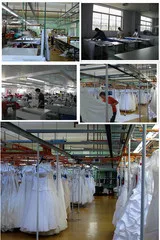
Suzhou Zhongsheng Dress Company Limited
- Trading Company
- Jiangsu, China
- Lead time30 days
- Avg. response≤ 9h
Main productsWedding Dress,girl dress,Bedding sets,evening dress,wedding gift
Main marketsDomestic Market(7.14%), South Asia(7.14%), Southern Europe(7.14%), Northern Europe(7.14%), Central America(7.14%), Western Europe(7.14%), Eastern Asia(7.14%), Mid East(7.14%), Oceania(7.14%), Africa(7.14%), Southeast Asia(7.14%), Eastern Europe(7.14%), South America(7.14%), North America(7.14%)
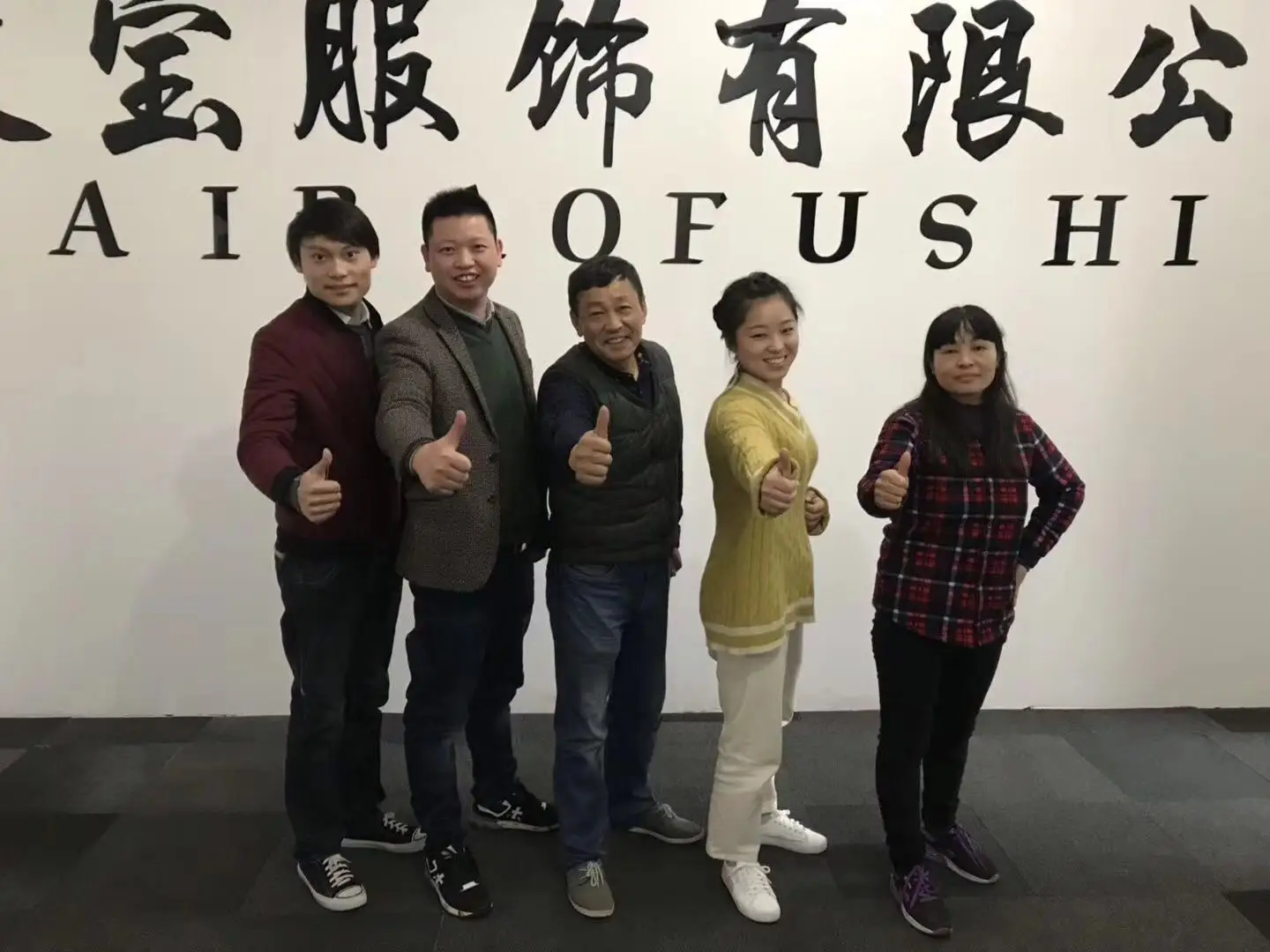
- Trading Company
- Jiangsu, China
- Lead time30 days
- Avg. response≤ 17h
Main productsFlower Girls Dresses,Wedding Dress,Children Clothing,Girls Pageant Dress,Kids Ball Gown
Main marketsNorth America(90.00%), Domestic Market(5.00%), Western Europe(5.00%)

- Verified by TUVRHEINLAND
- Trading Company
- China Jiangsu
- Lead time15 days
- Avg. response≤ 8h
Main productsPet Products, Pet Clothes, Pet Supply, Dog Collars&Leashes, Dog Harness, Dog Carriers, Dog Beds, Dog Bowls, Dog Scissors, Dog Toys
Main marketsSouth America
Foshan Xinzhiyan Garments Co., Ltd.
- Trading Company
- Guangdong, China
- Lead time5 days
- Avg. response≤ 2h
Main productschildren clothes,kids dresses,Girls dresses,kids toy,kids clothes
Main marketsSouth America(30.00%), North America(30.00%), Eastern Europe(25.00%), Africa(10.00%), Western Europe(5.00%)
Shenzhen Innoview Technology Co., Ltd.
- Trading Company
- Guangdong, China
- Lead time20 days
- Avg. response≤ 3h
Main productsGame Controller,speakers,sound cards,bicycle accessories,igs sports
Main marketsDomestic Market(30.00%), North America(11.00%), Western Europe(8.00%), Southeast Asia(8.00%), Eastern Europe(8.00%), South America(5.00%), Southern Europe(5.00%), Eastern Asia(5.00%), Northern Europe(5.00%), Oceania(5.00%), Africa(4.00%), Mid East(4.00%), Central America(1.00%), South Asia(1.00%)

Quanzhou Minshan Import And Export Trading Co., Ltd.
- Trading Company
- Fujian, China
- Lead time0 days
- Avg. response≤ 5h
Main productsWaist Trainer, Sexy Lingerie, Costume, Ladies Dress, Men Suit
Main marketsNorth America(40.00%), Oceania(20.00%), Western Europe(12.00%), Eastern Europe(8.00%), Mid East(5.00%), Southeast Asia(5.00%), South America(5.00%), Northern Europe(5.00%)

Shanghai J&D International Co., Ltd.
- Trading Company
- China Shanghai
- Lead time23 days
- Avg. response≤ 25h
Main productsShirts, Necktie, Ties, Scarves, Waistcoat, Cufflink, Neckwear, Accessories
Main marketsSoutheast Asia/ Mideast,Domestic,Europe,Australia,North America

MOQ: 20 Pieces

Silk Woven Waistcoat / Vest With Wedding Tie
MOQ: 20 Pieces

MOQ: 50

MOQ: 100

MOQ: 100 Pieces

MOQ: 100

NINGBO HOBA INTERNATIONAL TRADING CO., LTD.
- Verified by BV
- Trading Company
- China Zhejiang
- Lead time30 days
- Avg. response≤ 4h
Main productsThread, Button, Lace Tape, Zipper, Hot Fix Stone, Crystal, Rope, Jewelry Accessory, Ribbon, Reflecting Material
Main marketsSouth America,Africa,Southeast Asia/ Mideast,East Asia(Japan/ South Korea),Europe,Australia,North America

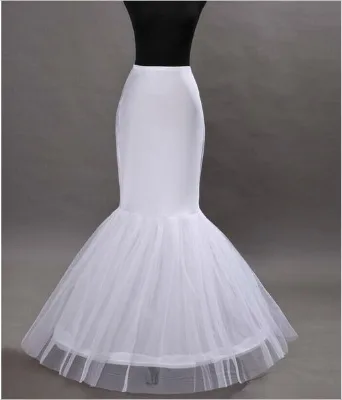
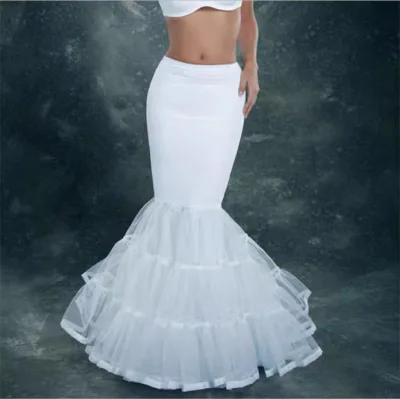
Mermaid Bridal Underskirt with Inner Lining Trailing Skirt Accessories Petticoat for Wedding Dresses
$2.50 - $3.00
MOQ: 20 Pieces

Wedding Bride Wedding Dress Bridesmaid Dress Waistbelt Fashion Rhinestone Dress Accessories
$2.70 - $3.00
MOQ: 100 Pieces
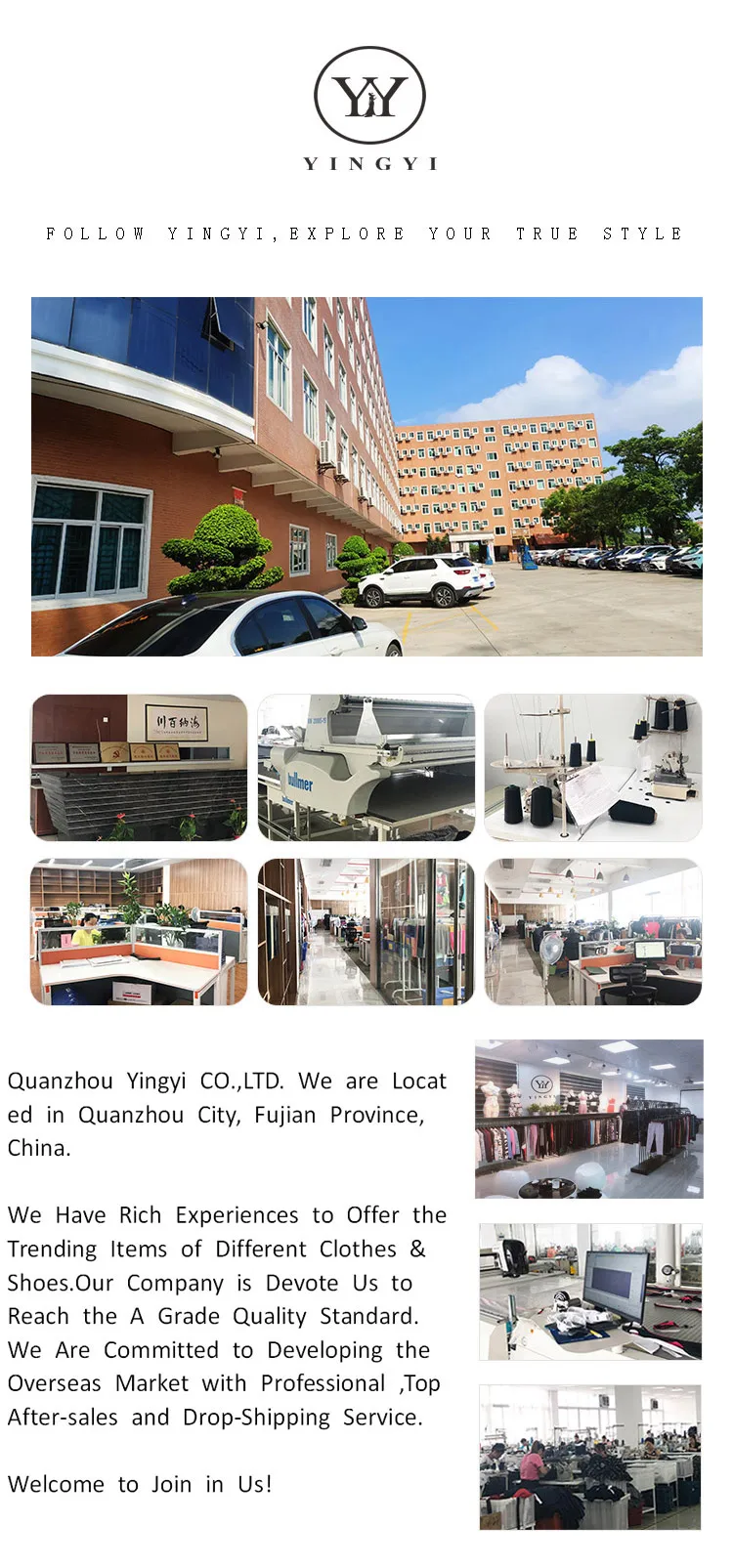
Quanzhou Yingyi Trade Company Limited
- Trading Company
- Fujian, China
- Lead time8 days
- Avg. response≤ 3h
Main productsCosplay Costume,Women Clothes,Wasit Trainer,Men Clothes,Kid Clothes
Main marketsNorth America(80.00%), South America(10.00%), Western Europe(5.00%), Eastern Europe(5.00%)
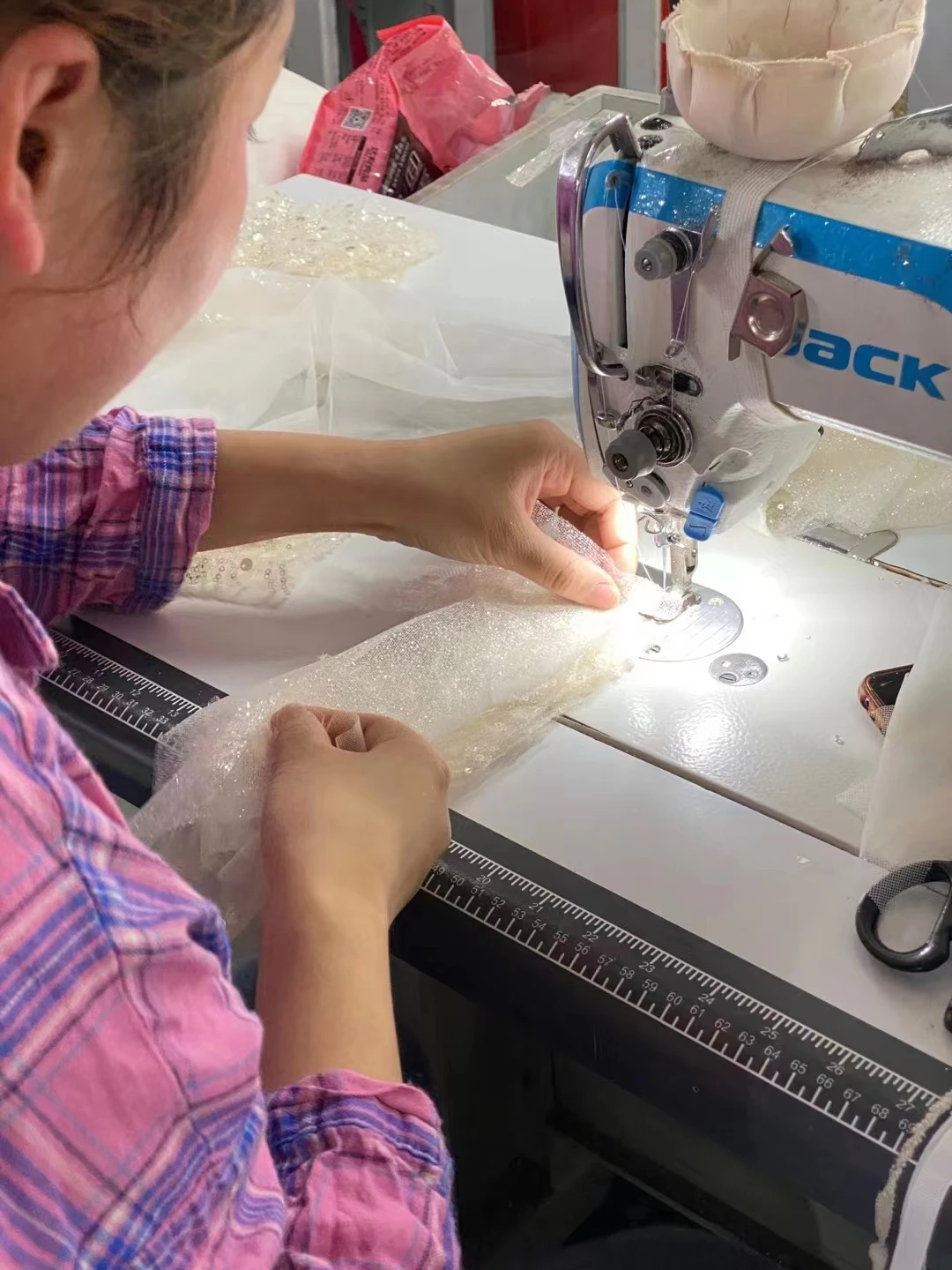
Shenzhen Feishiluo Wedding Dress Co., Ltd.
- Manufacturer
- Guangdong, China
- Lead time25 days
- Avg. response≤ 4h
Main productswedding dress,evening dress,Dances wear,flowergirl dresses,flowergirl dresses
Main marketsOceania(35.00%), North America(20.00%), Western Europe(15.00%), Eastern Europe(10.00%), Africa(5.00%), South Asia(5.00%), South America(5.00%), Mid East(2.00%), Northern Europe(2.00%), Domestic Market(1.00%)
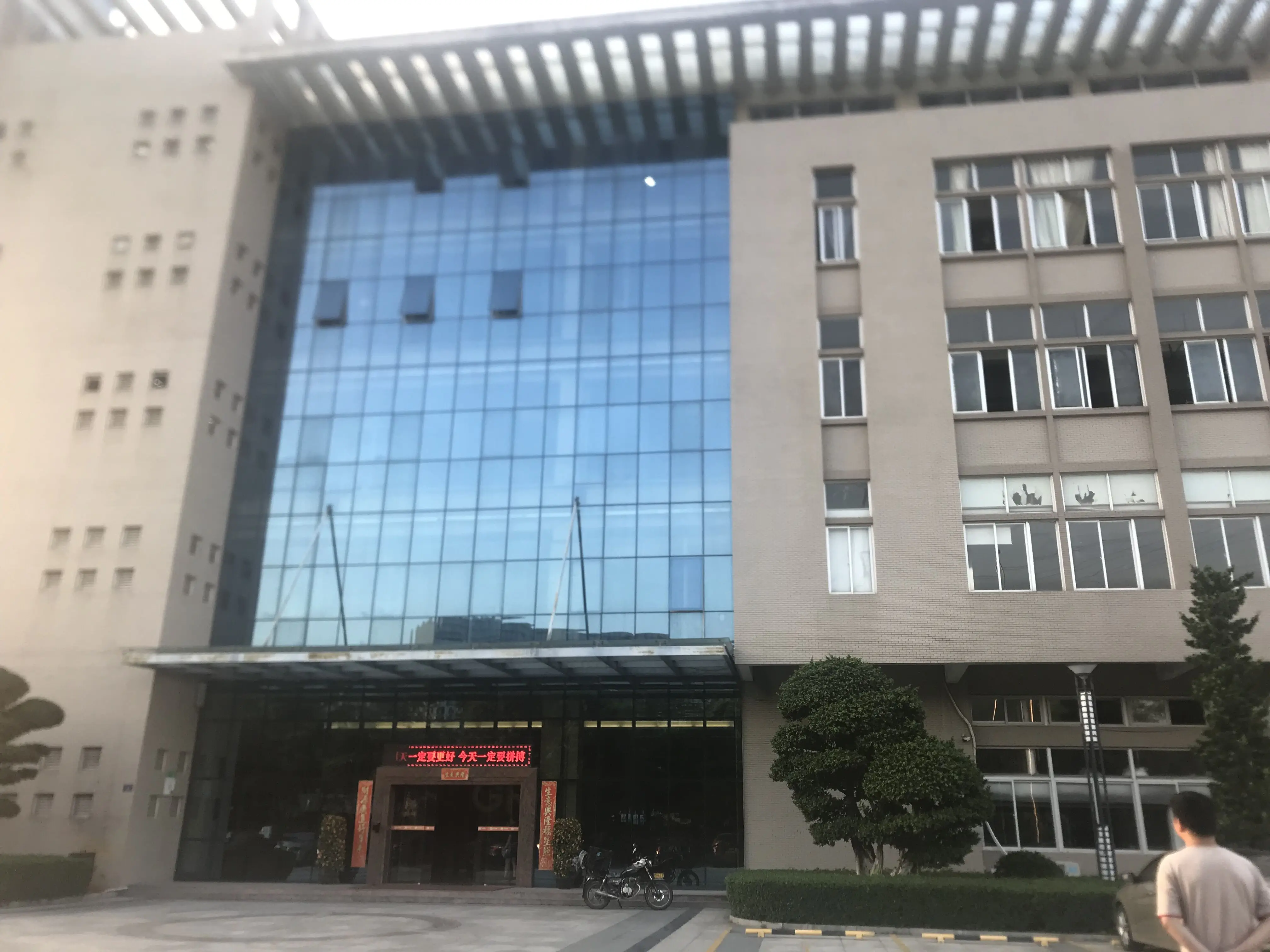
Quanzhou Huasheng Supply Chain Management Co., Ltd.
- Trading Company
- Fujian, China
- Lead time5 days
- Avg. response≤ 6h
Main products2 piece set women,casual dress,waist trainer,sexy lingerie,women clothes
Main marketsNorth America(35.00%), South America(20.00%), Western Europe(17.00%), Oceania(11.00%), Eastern Europe(3.00%), Southern Europe(3.00%), South Asia(2.00%), Africa(2.00%), Mid East(2.00%), Domestic Market(1.00%), Southeast Asia(1.00%), Eastern Asia(1.00%), Northern Europe(1.00%), Central America(1.00%)

- Verified by CTI
- Trading Company
- China Anhui
- Lead time23 days
- Avg. response≤ 1h
Main productsFurniture, Home Furniture
Main marketsSoutheast Asia/ Mideast
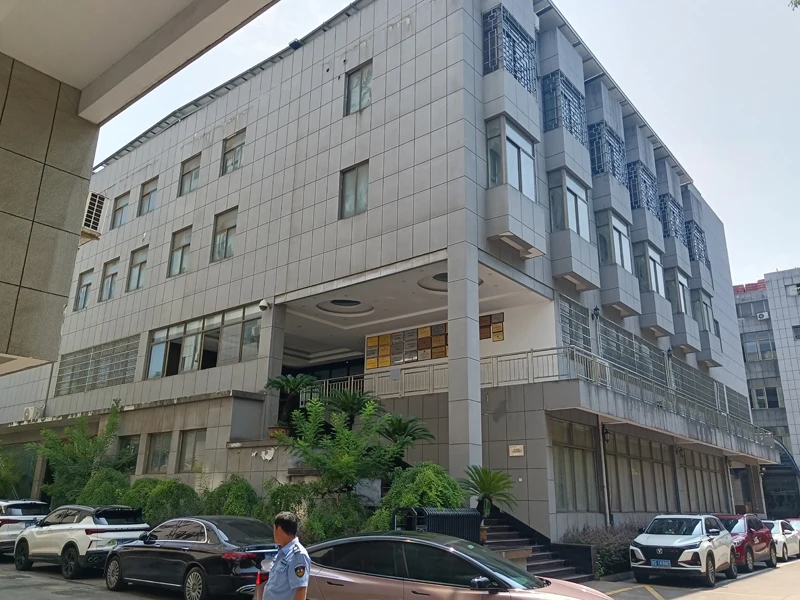
Jinhua Agata Trading Co., Ltd.
- Trading Company
- Zhejiang, China
- Lead time7 days
- Avg. response≤ 2h
Main productsWomen's Clothes,Kids Clothes,Shoes,Jewelry,Bags
Main marketsEastern Europe(20.00%), North America(20.00%), Central America(10.00%), Western Europe(10.00%), Southern Europe(10.00%), South America(10.00%), Southeast Asia(5.00%), Northern Europe(3.00%), Domestic Market(3.00%), South Asia(3.00%), Oceania(2.00%), Africa(2.00%), Eastern Asia(2.00%)

Weihai Sisco International Trade Co., Ltd
- Verified by SGS
- Trading Company
- China Shandong
- Lead time23 days
- Avg. response≤ 17h
Main marketsSoutheast Asia/ Mideast,East Asia(Japan/ South Korea)

Yiwu Wetong Clothing Co., Ltd.
- Trading Company
- Zhejiang, China
- Lead time25 days
- Avg. response≤ 3h
Main productsWedding Dresses,Evening Dress,Wedding Accerssories,Lace Fabric,Sewing Accessories
Main marketsNorth America(30.00%), Oceania(10.00%), Southern Europe(10.00%), Northern Europe(10.00%), Eastern Europe(10.00%), Western Europe(10.00%), Africa(5.00%), Southeast Asia(5.00%), South America(5.00%), Mid East(5.00%)

Guangzhou Mingyu Manufacturing Co., Ltd
- Verified by SGS
- Trading Company
- China Guangdong
- Lead time15 days
- Avg. response≤ 1h
Main productsCoat, Dress, Trousers
Main marketsDomestic

Suzhou Leader Apparel Co., Ltd.
- Combined
- China Jiangsu
- Lead time23 days
- Avg. response≤ 7h
Main productsWedding Dress Manufacturer, Custom Wedding Dresses, Evening Dress, Prom Dress, Ball Gown, Mother of The Bride Dress, Bridesmaid Dress, Stock Flower Girl Dress, Men Suits, Dresses
Main marketsSouth America,Domestic,Europe,Australia,North America

Hangzhou Sangcai Technology Co., Ltd.
- Trading Company
- China Zhejiang
- Lead time23 days
- Avg. response≤ 15h
Main productsSilk Sleepwear, Silk Eye Mask, Silk Pillowcase, Silk Robe, Silk Pajamas Set, Silk Scarves, Silk Tie
Main marketsSouth America,Eastern Europe,North America,Oceania,Western Europe

Shaoxing City Xinlan Textile CO., LTD.
- Verified by TUVRHEINLAND
- Combined
- China Zhejiang
- Lead time23 days
- Avg. response≤ 2h
Main productsHome Textile, Curtain, Cushion Cover, Shower Curtain, Macrame Handmade Products, Curtain Fabric, Tablecloth, Placemat, Blankets, Bedding
Main marketsNorth America

Wedding Chiffon Drapes Party Backdrop Curtain Ceremony Party Swag Indian Decoration Wedding
$3.00 - $5.00
MOQ: 200 pieces

Hefei Yiyan Import And Export Trading Co., Ltd.
- Trading Company
- Anhui, China
- Lead time19 days
- Avg. response≤ 4h
Main productswedding dress,men suits,accessories,shoes,bags
Main marketsDomestic Market(10.00%), South Asia(10.00%), Southern Europe(10.00%), Northern Europe(10.00%), Central America(10.00%), Western Europe(10.00%), Eastern Asia(10.00%), Mid East(10.00%), Oceania(10.00%), Africa(10.00%), Southeast Asia(10.00%), Eastern Europe(10.00%), South America(10.00%), North America(10.00%)
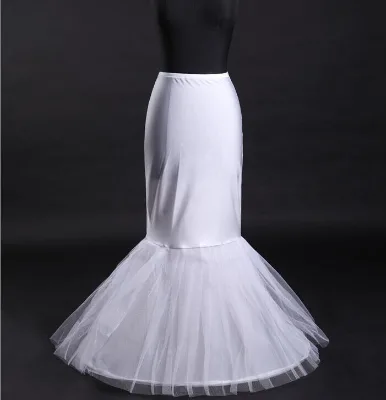
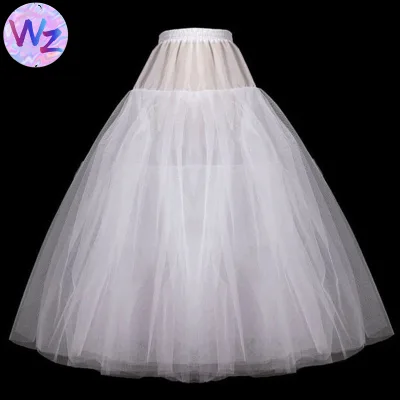
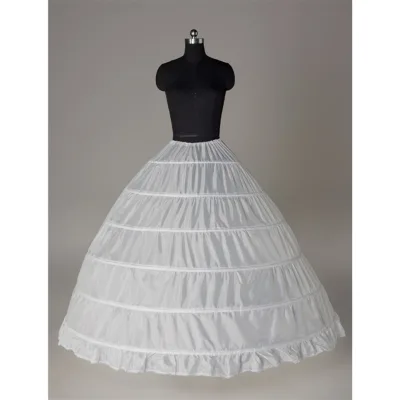
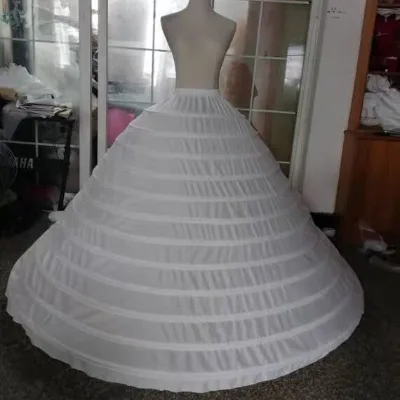


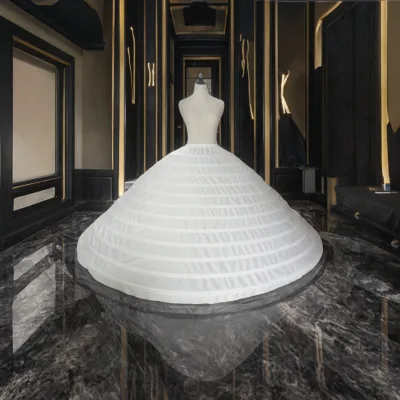
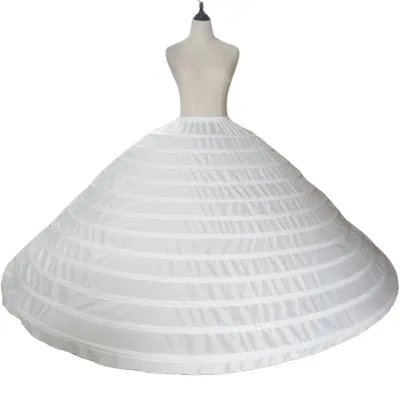
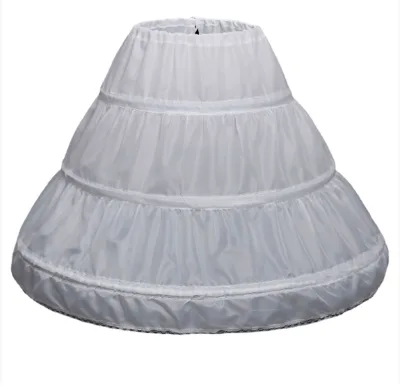
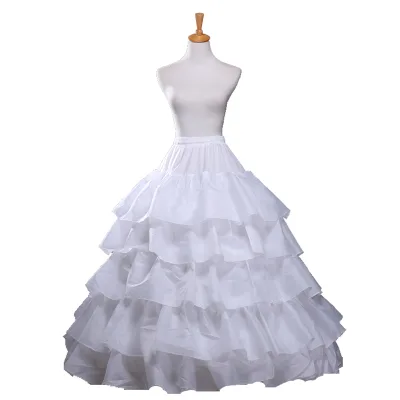
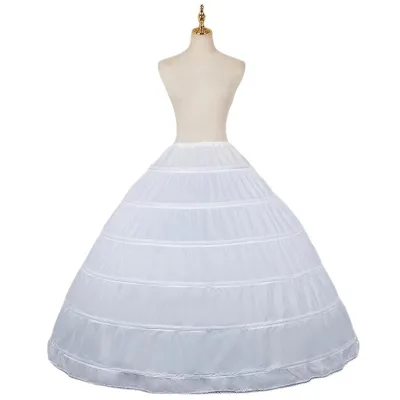
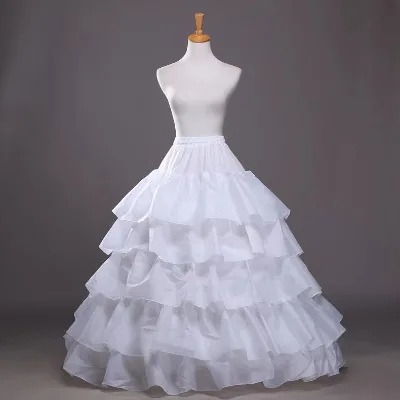
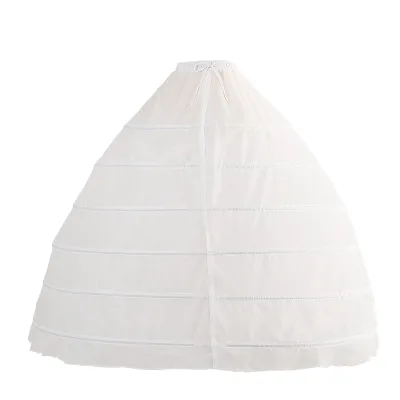
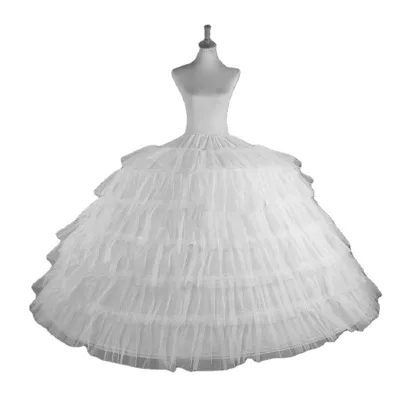


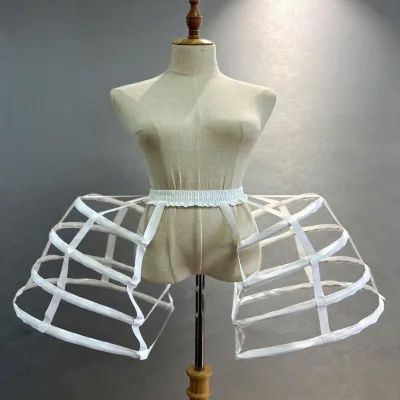
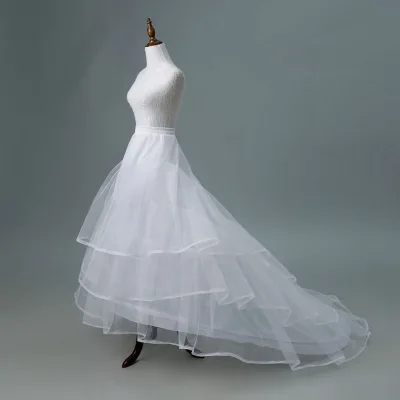
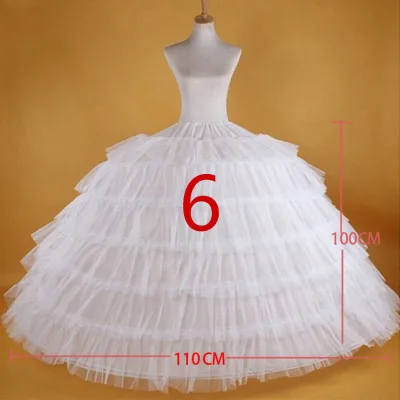
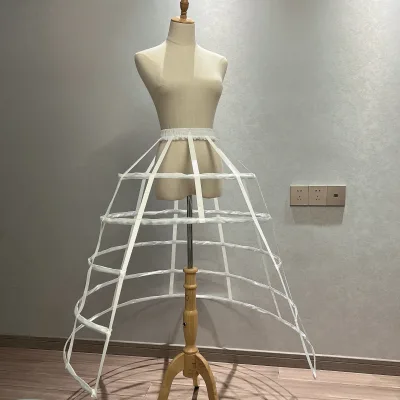




Comprehensive Sourcing Guide
Wedding Petticoat Supplier Concentration and Factory Types
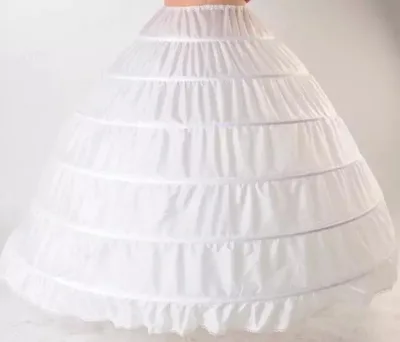
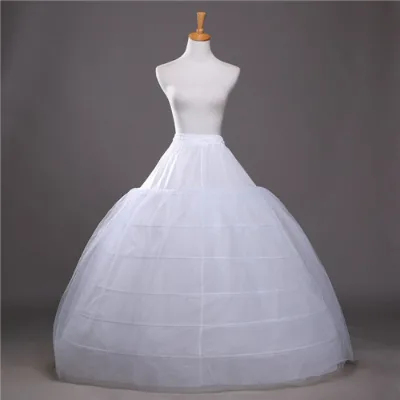
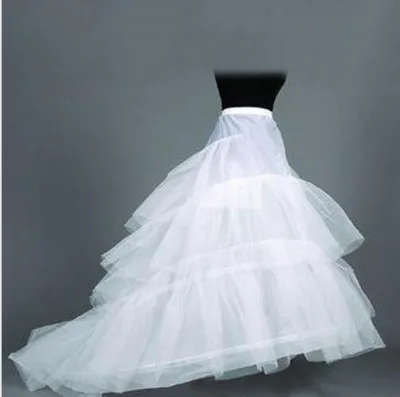
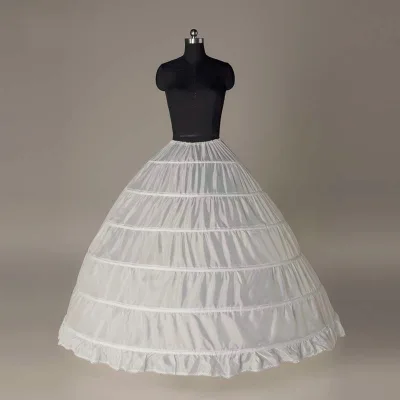
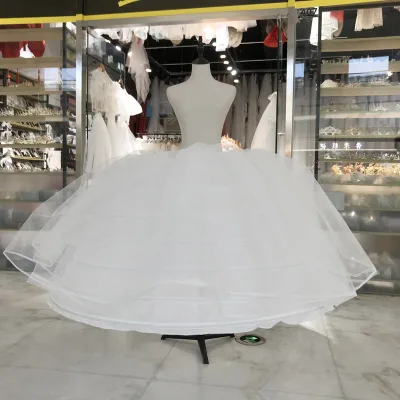
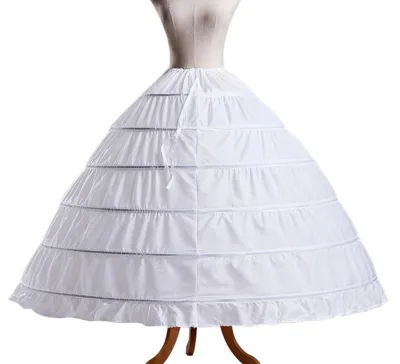
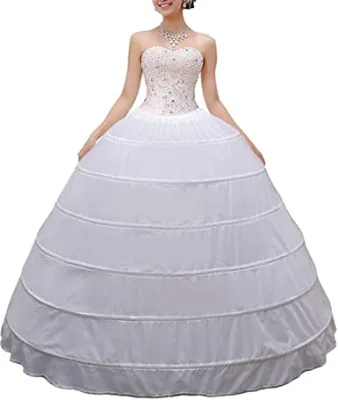
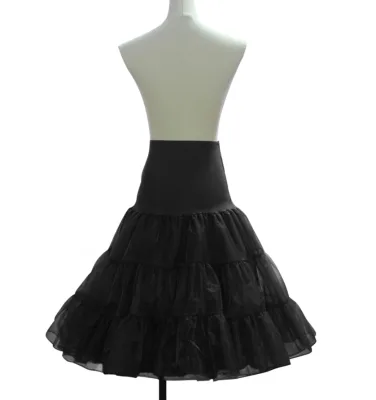
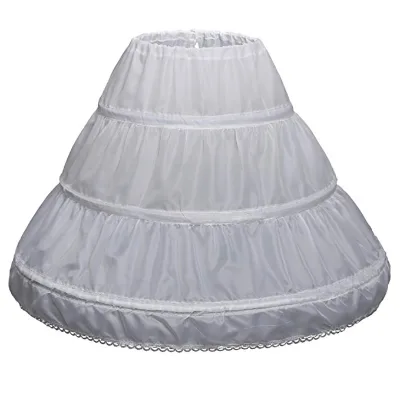
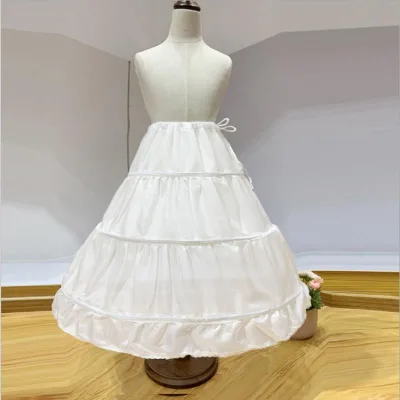
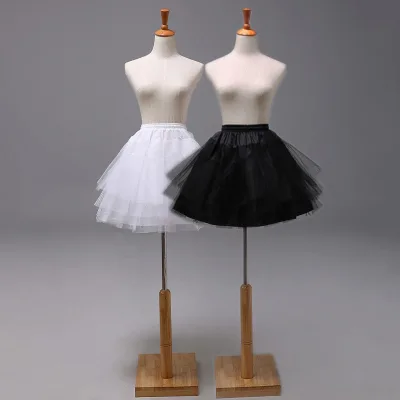
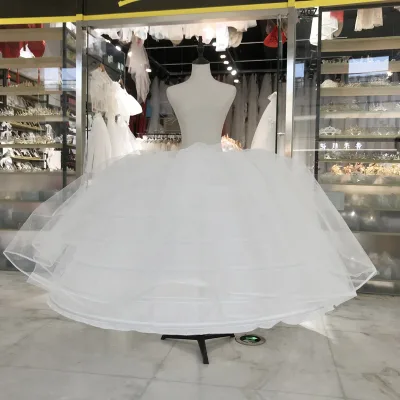
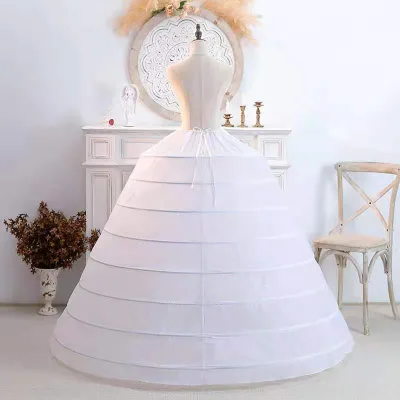
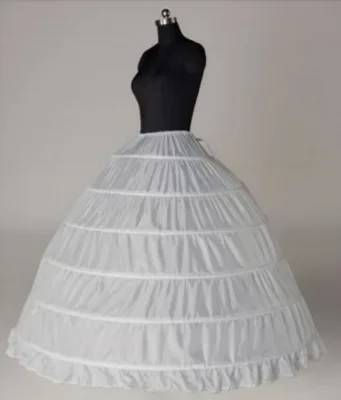
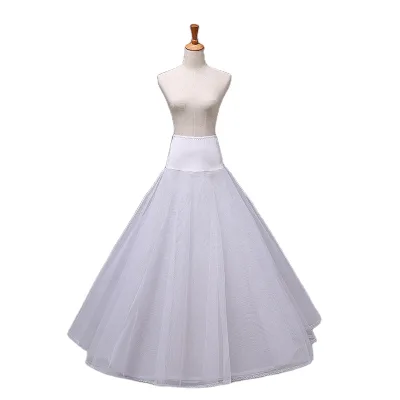
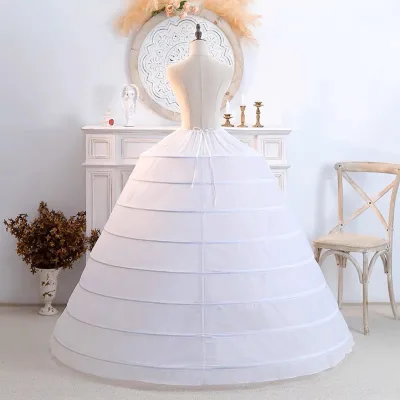
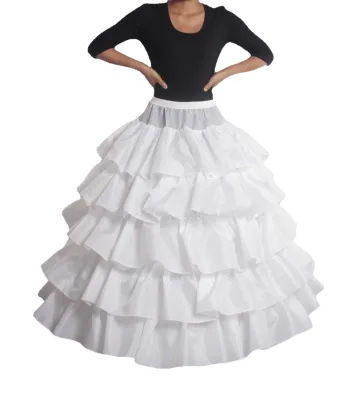
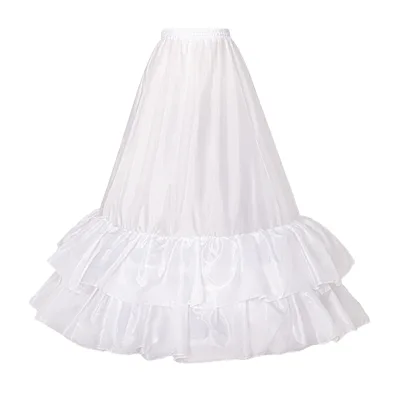
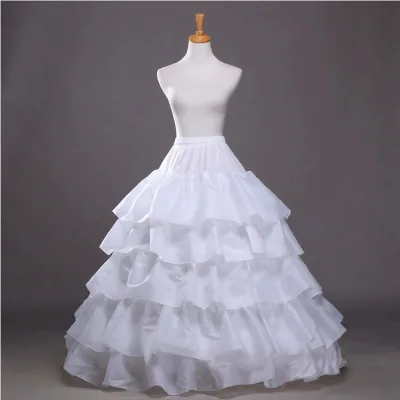
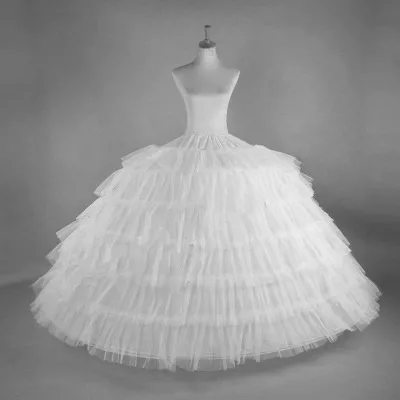
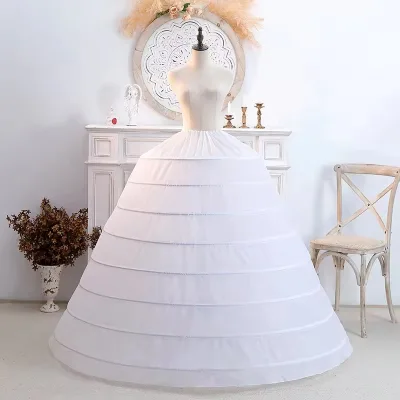
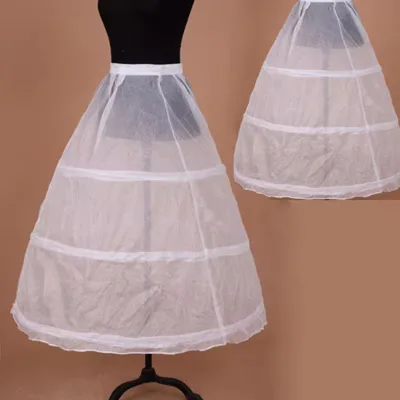
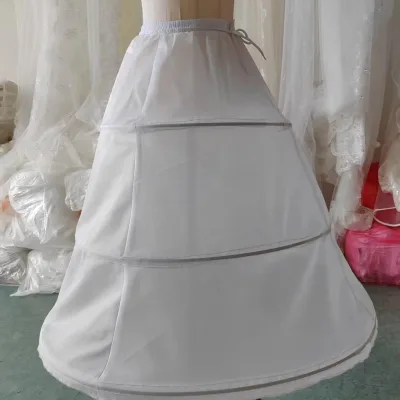
The current supplier landscape for wedding petticoats reveals a mix of manufacturers and trading companies operating primarily within China. Specific facility locations identified in verified results include Jiangsu and Guangdong provinces, indicating distinct regional clusters for production. Jiangsu-based entities often focus on specific underskirt styles, while Guangdong suppliers frequently list model numbers and specific hoop configurations. These geographic concentrations suggest that buyers can expect a density of specialized vendors in these areas, though the exact number of active factories varies by search query. The presence of both manufacturer and trading company types implies a supply chain where some vendors produce the items directly while others aggregate inventory from multiple sources.
When evaluating the factory type, buyers should note that manufacturers typically offer customization capabilities such as light customization, sample processing, and graphic processing. Trading companies may prioritize in-stock items and faster availability for standard sizes. The distinction is critical because manufacturers often provide more flexibility for custom hoop counts or fabric blends, whereas trading companies might offer a broader range of pre-made styles. Buyers must verify the actual production capability rather than relying solely on the company type label. Some suppliers claim to be manufacturers but may outsource specific components, so confirming the origin of the mesh fabric or steel bones is essential for quality assurance.
How to Verify Wedding Petticoat Suppliers
Verification of supplier credibility relies heavily on third-party audit reports and system certifications rather than self-declared claims. In the current dataset, specific suppliers have undergone verification by SGS Group, providing a concrete layer of trust regarding their business legitimacy. Additionally, system certifications such as IEC 62321 and Oeko-Tex 100 are present in the results, indicating adherence to specific safety and environmental standards for textile products. These certifications are particularly relevant for wedding apparel, where skin contact and chemical safety are paramount concerns for the end consumer. Buyers should prioritize suppliers displaying these specific credentials to mitigate risks associated with non-compliant materials.
Beyond certifications, response time and verification status serve as immediate indicators of supplier reliability. A response time of two days suggests a highly active and responsive sales team, whereas a nine-day response window may indicate a less agile operation or a smaller team handling multiple inquiries. Buyers should cross-reference these response metrics with the supplier's verification status to ensure that the speed of communication correlates with a verified business entity. It is also important to check if the supplier supports sample orders, as some results indicate a lack of support for seven-day sample lead times. This limitation can significantly impact the ability to validate product quality before committing to a larger order, making it a critical verification point for new buyers.
What to Compare Across Wedding Petticoat Suppliers
Comparing suppliers requires a detailed analysis of minimum order quantities, pricing structures, and lead times to ensure alignment with project needs. The observed data shows a wide range in minimum order quantities, with some suppliers accepting orders as low as one piece, while others require a minimum of twenty pieces. Pricing also varies significantly, with unit costs ranging from approximately $4.99 to $18.60 depending on the complexity of the design, such as the number of hoops or the inclusion of inner linings. Buyers must calculate the total cost of ownership, including shipping, rather than focusing solely on the per-unit price, as lower MOQs often come with higher individual costs.
Lead times and customization capabilities are equally critical factors in the comparison process. While some suppliers offer a standard lead time of seven days, others may require up to thirty days for production and delivery. The ability to handle customized requests, such as specific hoop counts ranging from one to six or custom fabric colors, distinguishes suppliers capable of meeting unique design requirements. Additionally, the supply type, whether in-stock items or made-to-order, dictates the urgency of the procurement. Buyers should create a comparison matrix that weighs the trade-off between lower prices with longer lead times against higher prices with immediate availability, ensuring the selected supplier matches the specific timeline of the wedding season or event.
Common Wedding Petticoat Sourcing Risks
One significant risk in sourcing wedding petticoats involves the discrepancy between advertised specifications and actual product attributes. For instance, while some listings claim support for seven-day sample orders, others explicitly state that this service is not supported, creating potential bottlenecks in the quality assurance phase. Buyers must carefully review product attributes such as material composition, noting that some items use polyester and metal while others utilize mesh fabric and flat steel bones. Inconsistent material quality can lead to structural failures, such as hoop breakage or fabric tearing, which are unacceptable for bridal wear. Verifying the exact material composition and construction techniques is essential to avoid receiving substandard goods.
Another prevalent risk is the variability in packaging and shipping dimensions, which can unexpectedly inflate logistics costs. Product data indicates single package sizes ranging from compact 11x11x11 cm units to large 100x60x50 cm bundles, with corresponding gross weights varying from 0.3 kg to 5.0 kg. These differences directly impact freight charges and storage requirements, particularly for buyers importing in bulk. Furthermore, the lack of standardized packaging details, such as the use of single poly bags versus more robust protective measures, increases the risk of damage during transit. Buyers should request detailed packaging specifications and photos before finalizing orders to ensure that the products arrive in pristine condition, ready for immediate use or resale.
Wedding Petticoat Regional Sourcing and Logistics
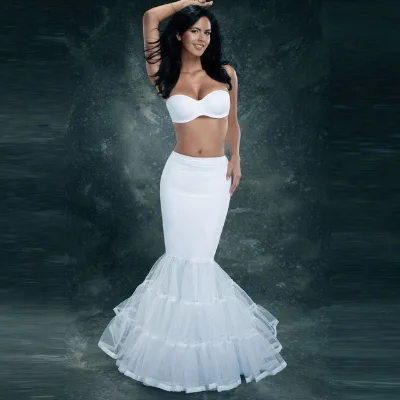
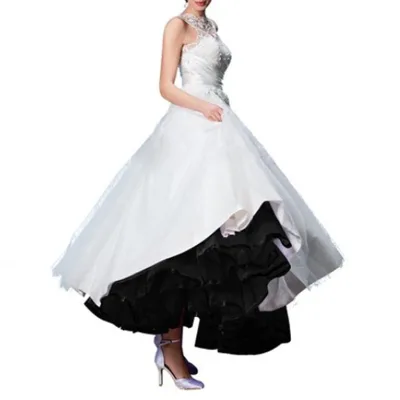
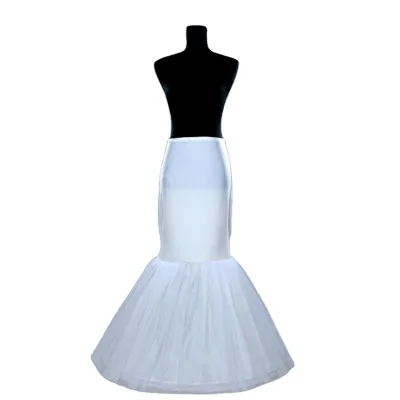
Regional sourcing strategies must account for the specific geographic origins of the suppliers to optimize logistics and reduce lead times. The available data points to Jiangsu and Guangdong as key production hubs, with specific model numbers and brand names associated with each region. Guangdong-based suppliers often feature detailed model numbers like JS-526 or CYG-P001, suggesting a high degree of standardization and potentially faster production cycles due to established industrial clusters. In contrast, Jiangsu-based suppliers may offer different product characteristics, such as specific underskirt styles for fish-tail dresses. Understanding these regional distinctions allows buyers to target suppliers that align with their specific product requirements and logistical preferences.
Logistics planning should also consider the single package dimensions and gross weights provided in the product attributes to estimate shipping costs accurately. For example, a single petticoat with a gross weight of 5.0 kg and dimensions of 100x60x50 cm will incur significantly higher freight charges than a compact unit weighing 0.3 kg. Buyers should consolidate orders from suppliers in the same region to maximize container utilization and minimize per-unit shipping costs. Additionally, the place of origin affects customs clearance times and import duties, making it crucial to verify the exact location listed in the product attributes. By aligning sourcing decisions with regional logistics capabilities, buyers can streamline the supply chain and reduce the overall time from order placement to delivery.
Wedding Petticoat Commercial Terms and Order Planning
Commercial terms and payment methods play a pivotal role in securing a successful transaction and managing financial risk. The observed data indicates that suppliers accept various payment channels, including PayPal, bank transfers, and Western Union, offering flexibility for different buyer preferences. However, the availability of escrow services or trade assurance is not explicitly detailed in the provided facts, so buyers must verify the existence of such protections before transferring funds. Ensuring that payments are protected until the goods are received and verified is a critical step in mitigating the risk of fraud or non-delivery, especially when dealing with international suppliers.
Order planning must also incorporate the specific supply type and customization lead times to avoid delays in the wedding season. Suppliers offering in-stock items can provide immediate fulfillment, which is ideal for urgent orders, while those requiring customization may need several weeks to produce the goods. The minimum order quantity of five pieces versus twenty pieces also influences the initial investment and inventory management strategy. Buyers should plan their orders well in advance, accounting for the potential thirty-day lead times observed in some trading companies. By aligning the order timeline with the supplier's production capacity and response time, buyers can ensure that the wedding petticoats are ready for distribution or use without last-minute complications.
FAQs
What is the typical lead time for wedding petticoats?
The typical lead time for wedding petticoats is 7 days for manufacturers and up to 30 days for trading companies. Some suppliers offer in-stock items for immediate shipment, while others require production time for customized orders. Buyers should verify specific timelines with the supplier before placing an order.
What is the minimum order quantity for petticoats?
Minimum order quantities vary significantly, ranging from 1 piece for some suppliers to 20 pieces for others. Specific products may require a minimum of 5 pieces or 20 pieces depending on the manufacturer. Buyers must check the product details page to confirm the exact MOQ for their selected item.
How much do wholesale wedding petticoats cost?
Wholesale wedding petticoats generally range from 4.99 to 18.60 USD per unit based on the specific product and hoop count. Prices depend on materials like polyester or mesh fabric and whether the item is in stock. Buyers should compare multiple listings to find the best price for their budget.
Are suppliers verified for quality assurance?
Some suppliers are verified by SGS Group and hold certifications such as IEC 62321 and Oeko-Tex 100. These credentials indicate adherence to specific safety and environmental standards. Buyers should look for these verification badges and certification details on the supplier profile to ensure product quality.
What materials are used for wedding petticoats?
Common materials include 100% polyester, mesh fabric, and flat steel bones for structural support. Some products feature yarn-dyed polyester with metal components for durability. Buyers should review the product attributes section to confirm the specific material composition for each petticoat style.
Where are these petticoats manufactured?
Most wedding petticoats are manufactured in Guangdong or Jiangsu, China. The place of origin is listed in the product attributes for each item. Buyers can filter results by these specific regions if they have a preference for sourcing from particular provinces in China.
Do suppliers offer sample orders?
Sample order support varies by supplier, with some supporting 7-day sample orders and others not supporting them. In-stock items may be available for immediate purchase without a separate sample process. Buyers should check the specific product attributes to determine if sample processing is available for their needs.