Wedding Pagoda Umbrella Suppliers and Manufacturers
Explore 15 verified suppliers offering wedding pagoda umbrellas with varying lead times, certifications, and customization options. Buyers can compare locations in China, MOQs, and product specifications before requesting quotes for their specific event needs; review the available evidence before requesting comparable quotations from suitable candidates.
Suppliers List

Wenzhou Rainforest Outdoor Product Co., Ltd
- Verified by SGS
- Trading Company
- China Zhejiang
- Lead time30 days
Main productsFoldable Chair, Beach Chair, Umbrella, Parasol, Hammock, Camping Mat, Beach Windscreen, Outdoor Product
Main marketsSouth America,Southeast Asia/ Mideast,Europe,Australia,North America

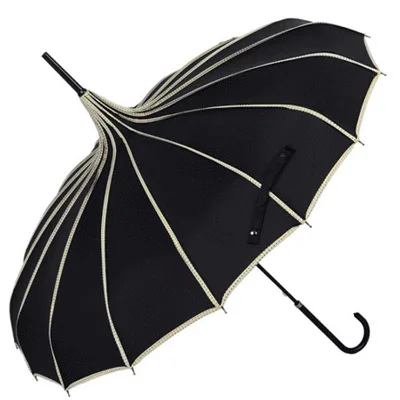
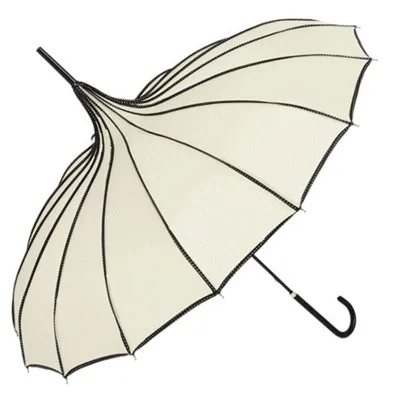
Straight Rod Pagoda Umbrella Bride Double Couple Love Umbrella Creative Style for Wedding
$3.20 - $4.00
MOQ: 100 Pieces

Custom Vintage Wedding Pagoda Shaped Straight Umbrella Sunshade Long Handle Umbrella Pagoda Umbrella
$3.20 - $4.00
MOQ: 100 Pieces

Pagoda Parasol Umbrella Wedding Bride Parasol Umbrella European Style Outdoor Princess-Style
$3.20 - $4.00
MOQ: 100 Pieces

Pagoda Umbrella Vintage Bridal Parasol Windproof 16 Ribs Leather Hooked Handle Rain Sun Umbrella
$3.20 - $4.00
MOQ: 100 Pieces

- Manufacturer/Factory,Group Corporation
- China Zhejiang
- Lead time30 days
Main productsRaincoat, Rain Poncho, Advertising, Promotional Items, Bag, Umbrella, Car Sunshade, Rain Shirt, Football Rainwear, Safety Rainwear
Main marketsSouth America,Eastern Europe,North America,Southeast Asia,Eastern Asia,Oceania,Western Europe,Africa

I AM YOUR FANS CRAFTS TRADING CO., LTD.
- Verified by BV
- Trading Company
- China Hunan
- Lead time15 days
Main productsHand Fan, Plastic Fan, Bamboo Fan, Folding Fan, Fabric Fan, Wedding Hand Fan, Paper Fan, Wooden Fan, Rave Fan, Craft Umbrella
Main marketsEast Asia(Japan/ South Korea),Europe,Australia,North America

Custom Decorative Chinese Traditional Craft Umbrellas Paper Wedding Umbrella
$0.45 - $2.15
MOQ: 100 Pieces


Ancient Chinese Traditional Oil Paper Umbrella Wedding Decoration Craft Umbrella
$0.45 - $2.15
MOQ: 100 Pieces


Ningbo Yilong Outdoor Products Co., Ltd.
- Verified by TUVRHEINLAND
- Manufacturer/Factory
- China Zhejiang
- Lead time0 days
Main productsAluminium Foldable Gazebo, Aluminium Umbrella, Wooden Umbrella, Beach Umbrella, Swing Chair, Steel Gazebo, Outdoor Furniture, Campling, Chair, Table
Main marketsSouth America,Eastern Europe,Mid East,North America,Southeast Asia,Eastern Asia,Oceania,Western Europe,Africa


MOQ: 1000 Pieces

MOQ: 100 Pieces

MOQ: 100 Pieces
Shaoxing Tianxiu Umbrella Co., Ltd.
- Verified by SGS Group
- Manufacturer, Trading Company
- Lead time15 days
- Avg. response≤ 1h
Main productsGolf Umbrella, Fold Umbrella, Promotion Umbrella, Beach Umbrella, Advertising Umbrella
Main marketsNorth America(30%), South America(15%), Western Europe(10%)

Changsha Qingyulan Homeware Co., Ltd.
- Trading Company
- China Hunan
- Lead time15 days
Main productsPaper Fan, Bamboo Products, Spanish Wood Fan, Beach Straw Bag, Beach Towel, Japanese Ladies Hand Fans, Paper Lanterns, Oriental Hand Fans, Wedding Favor Gift Fans, Car DVR
Main marketsSoutheast Asia/ Mideast,Domestic,Europe,North America

Shaoxing Kaysen Outdoor Leisure Products Co., Ltd.
- Trading Company
- Zhejiang, China
- Lead time30 days
- Avg. response≤ 2h
Main productsfold umbrella,tent,beach umbrella,outdoor umbrella,garden umbrella
Main marketsEastern Europe(80.00%), Central America(5.00%), Mid East(5.00%), Southeast Asia(5.00%), North America(5.00%)

SHAOXING SPRING WIND OUTDOOR PRODUCTS CO., LTD.
- Verified by TUVRHEINLAND
- Trading Company,Manufacturer/Factory
- China Zhejiang
- Lead time23 days
Main productsUmbrella, Sun Umbrella, Beach Umbrella, Advertising & Gifts Umbrella, Golf Umbrella, Garden Umbrella, Mini Umbrella, Patio Umbrella, Rain Umbrella, Camping Deskes&Chairs
Main marketsSouth America,Eastern Europe,Mid East,North America,Southeast Asia,Eastern Asia,Oceania,Western Europe,Africa

$37.59 - $54.61
MOQ: 100 Pieces


$37.59 - $54.61
MOQ: 100 Pieces

$37.59 - $54.61
MOQ: 100 Pieces

$37.59 - $54.61
MOQ: 100 Pieces

Hebei New Sight Outdoor Products Co., Ltd.
- Verified by SGS
- Combined
- China Hebei
- Lead time23 days
Main productspop up tent
Main marketsEurope


Umbrella with Advertising for Promotional Beach Umbrella Garden Umbrella
$4.59 - $5.29
MOQ: 200 Pieces

Outdoor Advertising Umbrella Umbrella Outdoor Patio Promotional Advertise Umbrella
$4.59 - $5.29
MOQ: 200 Pieces

Patio Umbrella Outdoor Parasol Umbrellas Color Umbrella with Advertising
$4.59 - $5.29
MOQ: 200 Pieces

Large Umbrella Outdoor Advertising Umbrella Modern Garden Umbrella Outdoor Parasols
$4.59 - $5.29
MOQ: 100 Pieces

Outdoor Advertising Umbrella Modern Beach Umbrella Custom Parasol Umbrella
$4.59 - $5.29
MOQ: 200 Pieces

Jinjiang Jiaxing Supply Management Co., Ltd.
- Verified by TUVRHEINLAND
- Trading Company
- China Fujian
- Lead time30 days
Main productsEVA Clogs, Flip Flop, Shoe Charms, Shopping Bags, Wristbands, Gifts, Promotional Gifts, Slipper, Sport Cap, Ball
Main marketsNorth America

Shanghai Touch Industrial Development Co., Ltd.
- Verified by TUVRHEINLAND
- Combined
- China Shanghai
- Lead time15 days
Main productsInstant Hot Pack, Hot Cold Pack, Gel Eye Mask, Gel Ice Pack, Gel Bottle Cooler, Instant Ice Pack, Hand Warmer, Heat Pack, Cooling Scarf, Gel Beads
Main marketsSouth America,Others(foreignTradeCapacity.exportBusinessCapacityMarketOther),Southeast Asia/ Mideast,East Asia(Japan/ South Korea),Domestic,Europe,Australia,North America


Automatic Umbrella Custom Umbrella with Logo
MOQ: 500 Pieces

NINGBO XUSHENG LEISURE PRODUCTS CO., LTD.
- Trading Company
- China Zhejiang
- Lead time30 days
Main productsBeach Chair, Patio Swing Chair, Garden Tools, Outdoor Furniture, Patio Umbrella, BBQ, Sun Lounger, Tent & Awning, Cast Aluminium Garden Furniture, Rattan Furniture
Main marketsSouth America,Africa,Southeast Asia/ Mideast,East Asia(Japan/ South Korea),Domestic,Europe,Australia,North America

Jinzhou City Hejin Clothing Co., Ltd.
- Verified by TUVRHEINLAND
- Combined
- China Hebei
- Lead time15 days
Main productsRain Wear, Work Wear, Rain Coat, Rain Jacket, Rain Poncho, Rain Suits, Bib Pants, Safety Wear, Rain Pants, Raincoat
Main marketsAustralia,North America

- Verified by TUVRHEINLAND
- Trading Company
- China Fujian
- Lead time60 days
Main productsBaby Diaper Machine, Adult Diaper Machine, Disposable Underpad Machine, Sanitary Napkin Machine, Diaper Raw Meterials, Nonwoven, Fluff Pulp, Adl, PE Film, Spandex
Main marketsSoutheast Asia/ Mideast

Ningbo Lounger Import & Export Co., Ltd.
- Manufacturer/Factory
- China Zhejiang
- Lead time23 days
Main productsHammock, Hammock Chair, Swing Chair, Hammock Swing, Garden Swing, Garden Umbrella, Beach Blanket, Garden Chair, Kids Swing, Hanging Chair
Main marketsSouth America,Eastern Europe,Mid East,North America,Southeast Asia,Eastern Asia,Oceania,Western Europe,Africa







Comprehensive Sourcing Guide
Wedding Pagoda Umbrella Supplier Concentration and Factory Types
Current data indicates that suppliers for wedding pagoda umbrellas are concentrated in specific Chinese provinces, with Zhejiang and Hunan appearing as verified locations for active listings. In Zhejiang, the supply base includes both trading companies and manufacturer groups, often specializing in diverse outdoor products like beach chairs and umbrellas alongside pagoda styles. These entities frequently offer ODM capabilities, allowing for design modifications on items such as straight rod pagoda umbrellas with iron frames or fiberglass ribs. The presence of SGS verification on some Zhejiang-based suppliers suggests a baseline for quality assurance, though system certifications like ISO 9001 are not universally present across all results. Buyers should note that while some manufacturers in this region produce folding umbrellas and rain gear, others focus specifically on craft umbrellas for weddings, requiring careful filtering to find the exact factory type needed.
In contrast, suppliers located in Hunan appear to specialize heavily in traditional craft umbrellas, including paper and oil paper styles often used for wedding decorations. These entities are frequently verified by BV and may operate with shorter lead times, such as 15 days, compared to other regions. The product evidence from this area highlights custom decorative options with specific size standards, ranging from 20cm to 80cm, which differ significantly from the standard outdoor sizes found in Zhejiang. When evaluating concentration, buyers must distinguish between factories producing modern folding umbrellas with anti-UV features and those creating traditional craft items without such protection. Identifying the correct cluster depends on whether the order requires industrial-grade materials like aluminum alloy or traditional materials like paper and wood, as the manufacturing capabilities and supply chains in these regions are distinct and specialized.
How to Verify Wedding Pagoda Umbrella Suppliers
Verification of Wedding Pagoda Umbrella suppliers relies on checking specific third-party audit results and system certifications rather than assuming general reliability. Some suppliers in the current results display SGS verification status, which serves as a concrete indicator of factory inspection, while others may only hold BV verification. It is critical to confirm whether a supplier possesses ISO 9001 system certification, as this is present for some manufacturer groups but absent for others in the dataset. Buyers should not assume all listed entities have these credentials; instead, they must request current audit reports to validate claims about production standards and quality control processes. The absence of a system certification in the data for certain trading companies suggests a need for deeper due diligence before committing to large orders.
Beyond external audits, buyers should examine the specific product attributes and customization capabilities listed in supplier profiles to gauge operational maturity. Evidence shows that some suppliers offer ODM services with customizable elements like frame materials, handle types, and fabric choices, while others provide OEM options with logo customization. A supplier claiming to be a manufacturer should demonstrate the ability to produce specific models, such as the S11 straight rod umbrella or the IFU-004 craft series, with clear specifications on packing and standards. Verification also involves checking if the supplier's main products align with the order, ensuring they do not merely resell items from other factories. Confirming that the supplier can meet specific requirements, such as anti-UV treatments or specific rib counts, is essential for validating their technical competence in producing wedding pagoda umbrellas.
What to Compare Across Wedding Pagoda Umbrella Suppliers
When comparing suppliers, lead time is a primary differentiator that directly impacts project scheduling and inventory planning. The available data shows a range of production durations, with some suppliers offering a 15-day lead time for traditional craft umbrellas, while others list a standard 30-day window for more complex pagoda styles. This variance suggests that buyers must align their order timelines with the specific supplier's capacity and current workload. Additionally, the minimum order quantity (MOQ) varies significantly, with some listings requiring 10 units for custom craft items and others setting a threshold of 100 units for standard pagoda umbrellas. Understanding these thresholds is vital for budgeting and determining the feasibility of small-batch versus bulk procurement strategies.
Price and customization options form another critical comparison dimension that influences the total cost of ownership. Product evidence indicates price ranges from as low as $0.45 for basic paper umbrellas to over $8.50 for high-quality beach or garden umbrellas with aluminum alloy frames. Buyers must evaluate whether the lower price point corresponds to the desired material quality, such as iron versus fiberglass frames, or if it reflects a simpler design with fewer features like anti-UV protection. Furthermore, the availability of customization, including logo printing, color selection, and handle styles, varies by supplier. Some offer pure color options with long handles, while others provide short handles or specific folding mechanisms. Comparing these attributes ensures the selected supplier can deliver the exact product specifications required for the wedding event without compromising on quality or design intent.
Common Wedding Pagoda Umbrella Sourcing Risks
One significant risk in sourcing wedding pagoda umbrellas involves the discrepancy between product descriptions and actual material quality, particularly regarding frame construction and fabric durability. The data shows suppliers offering umbrellas with iron frames, fiberglass ribs, and aluminum alloy structures, each with different strength and weight characteristics. A buyer ordering a "windproof" pagoda umbrella might receive a product with a fiberglass frame that lacks the rigidity of iron, potentially leading to failure in outdoor conditions. Additionally, the presence or absence of anti-UV properties is a critical variable; some products are explicitly marked as "Not Anti UV," which could be a dealbreaker for outdoor wedding ceremonies exposed to direct sunlight. Failing to verify these specific attributes before ordering can result in receiving products that do not meet the functional requirements of the event.
Another risk stems from the variability in packaging and shipping standards, which can affect the condition of delicate craft umbrellas upon arrival. Evidence indicates that some suppliers pack items in simple OPP bags, while others use carton boxes or polybags with specific quantities per carton. For fragile paper or oil paper umbrellas, inadequate packaging can lead to crushing or damage during transit, especially if the supplier does not adhere to strict handling protocols. Furthermore, the origin of the product, whether from Zhejiang or Hunan, may influence the logistics chain and the likelihood of delays. Buyers must ensure that the supplier's packing standards match the fragility of the product and that the shipping method protects the umbrellas from moisture and physical impact. Without clear agreements on packaging, the risk of receiving damaged goods increases significantly.
Wedding Pagoda Umbrella Regional Sourcing and Logistics
Regional sourcing decisions should be guided by the specific location of the supplier and the associated logistics implications for the buyer. Suppliers in Zhejiang, such as those in Yiwu, often have established export channels and may offer products with CE and SGS standards, which can simplify customs clearance in certain markets. However, the distance from the factory to the port and the specific shipping routes can impact transit times and freight costs. Buyers should verify the exact origin, such as Yiwu or other cities in Zhejiang, to estimate the most efficient shipping method. For suppliers in Hunan, the logistics network might differ, potentially requiring different freight forwarders or handling procedures to ensure timely delivery. Understanding the regional infrastructure helps in planning the supply chain more effectively.
Logistics planning must also account for the specific product dimensions and weight, which vary by region and supplier type. For instance, pagoda umbrellas with long handles and large canopies may require special packaging to prevent bending, affecting the number of units that fit in a container. Suppliers in different regions may have varying capabilities in handling oversized items, which can influence the choice of shipping method, such as sea freight versus air freight. Buyers should confirm the packing details, such as whether items are packed 10 per carton or individually, to calculate the total volume and weight accurately. This information is crucial for estimating freight costs and ensuring that the shipping arrangement aligns with the delivery schedule. Proper logistics planning minimizes the risk of delays and ensures that the wedding pagoda umbrellas arrive in perfect condition for the event.
Wedding Pagoda Umbrella Commercial Terms and Order Planning
Commercial terms for wedding pagoda umbrellas often include specific requirements for customization, payment, and delivery that must be clearly defined before placing an order. The data shows that customization is available for many products, but the extent of this service varies, with some suppliers offering logo printing and others providing full design modifications. Buyers should clarify the scope of customization, including any additional costs or lead time extensions associated with these services. Additionally, the minimum order quantity (MOQ) is a key commercial term, with some suppliers requiring as few as 10 units for craft umbrellas and others demanding 100 units for standard models. Understanding these thresholds helps in negotiating better terms and ensuring that the order volume is sufficient to meet the supplier's production requirements.
Order planning must also consider the establishment year and response time of the supplier, as these factors influence reliability and communication efficiency. While specific establishment years are not always listed, the presence of certifications like ISO 9001 or verification by SGS can indicate a supplier's longevity and stability. Buyers should inquire about the supplier's response time to ensure that any issues or changes can be addressed promptly. Furthermore, the lead time of 15 to 30 days must be factored into the overall project timeline, allowing for buffer time for production delays or shipping issues. By carefully planning the order with these commercial terms in mind, buyers can mitigate risks and ensure a smooth procurement process for their wedding pagoda umbrellas.
FAQs
What is the typical lead time for wedding pagoda umbrellas?
The typical lead time for these umbrellas is 30 days based on available supplier data. Some manufacturers in China offer faster turnaround options with a 15-day lead time for specific custom orders. Buyers should confirm exact delivery schedules before placing large orders to ensure timely arrival for events.
What is the minimum order quantity for pagoda umbrellas?
The minimum order quantity varies by supplier and product type. Some listings require a minimum of 100 units for standard folding models, while others accept orders as low as 10 pieces for traditional craft umbrellas. Buyers must check specific product pages to verify the exact MOQ required for their selected design.
Are these umbrellas available with anti-UV protection?
Anti-UV protection is available on certain models like straight rod pagoda umbrellas and beach umbrellas. However, many traditional craft umbrellas and paper wedding umbrellas do not offer this feature. Buyers should review product attributes carefully to confirm whether the specific style they choose includes anti-UV fabric or coating.
What materials are used for the frames of these umbrellas?
Frame materials vary significantly across different product listings. Options include iron frames for straight umbrellas, fiberglass ribs for folding models, and aluminum alloy for beach umbrellas. Buyers should verify the specific frame material listed for each product to ensure it meets their durability and weight requirements for the intended use.
Can these umbrellas be customized with logos or colors?
Customization is available for many pagoda umbrella models, including logo printing and color selection. Suppliers offer options for pure color elements and customized branding on advertising or promotional umbrellas. Buyers should confirm specific customization capabilities and any additional costs associated with personalized designs before finalizing their order details.
What is the price range for wedding pagoda umbrellas?
Prices range from approximately 0.45 to 8.50 per unit depending on the style and material. Traditional paper umbrellas are often the most affordable, while high-quality beach umbrellas with aluminum frames cost more. Buyers should compare specific product listings to find options that fit their budget and quality expectations.
Where are these suppliers located?
Suppliers offering these umbrellas are primarily located in China, specifically in Zhejiang and Hunan provinces. Zhejiang hosts manufacturers of folding and beach umbrellas, while Hunan specializes in traditional craft and paper umbrellas. Buyers should verify the exact location of their chosen supplier to assess shipping logistics and potential tariffs.