Source Dimmable Aluminum Magnetic Track Light for Home Office Hotel
Find 30 Dimmable Aluminum Magnetic Track Light options with customizable lengths and high efficiency. Compare specifications like 600lm to 2700lm output, 220V voltage, and 2-year warranty for bedroom, study, and restaurant applications; compare the available evidence and request quotations based on your requirements.
Updated
Key considerations
Products List


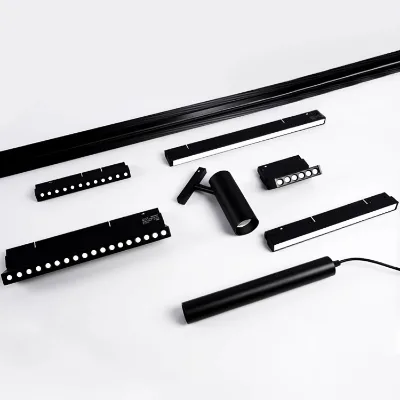


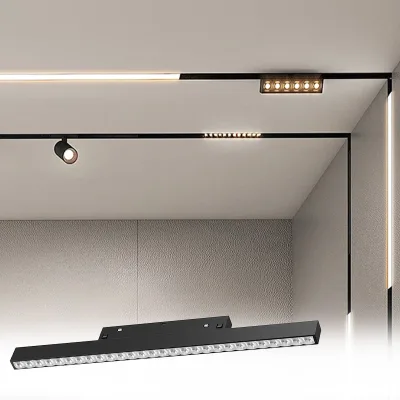


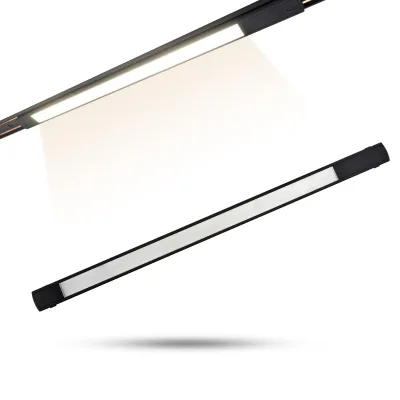


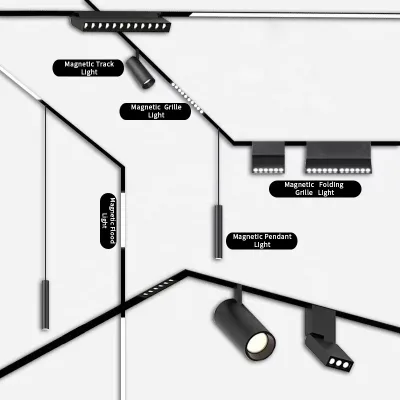
Comprehensive Sourcing Guide
Dimmable Aluminum Magnetic Track Light Sourcing Guide
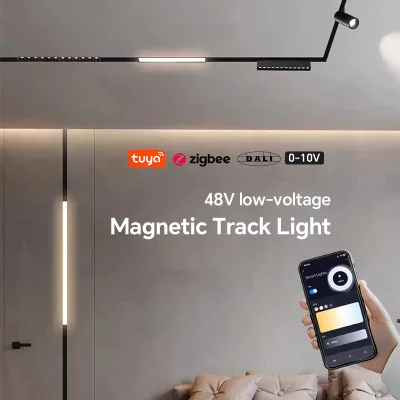
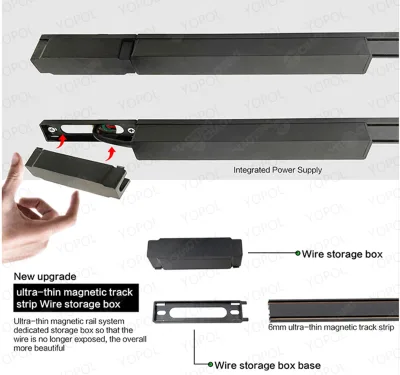
Procurement of dimmable aluminum magnetic track lights requires careful alignment of technical performance with specific installation environments. The observed product data indicates these fixtures are primarily designed for embedded installation in residential and commercial spaces such as bedrooms, study rooms, and conference areas. Buyers must verify that the magnetic mounting mechanism is compatible with the specific track profiles available in their target market, as the "Easy Install" attribute suggests a simplified connection process that still demands precise physical alignment.
Commercial listings reveal a diverse range of power outputs, typically spanning 6 to 10 watts, with luminous flux values observed between 600 and 2700 lumens. This variance necessitates a clear definition of lighting density requirements before engaging suppliers. The availability of customization for length and model numbers allows for tailored solutions, yet buyers should confirm that the aluminum body material and COB light source technology remain consistent across different power configurations to ensure uniform thermal management and light quality.
Product Scope and Observed Listing Signals
The market for these fixtures presents a distinct profile where customization is a primary feature, allowing for variable lengths and specific model numbers like the CX11-F-FG-300 series. Buyers should note that while some listings specify a single plug source, others support broader voltage ranges from 111V to 240V, indicating a need to match the product's electrical input to the local grid infrastructure. The "Neutral" packing standard observed in several entries suggests that branding is often secondary to the functional specifications, which is typical for B2B procurement where the end-user brand may differ from the manufacturer.
Listing signals also highlight a strong emphasis on modern design styles and high-efficiency claims, with specific beam angles like 24 degrees noted for focused illumination. However, the observed price range of 1.5 to 38.87 USD reflects significant variation in build quality and component sourcing, particularly regarding the LED chips. Buyers must distinguish between generic listings and those specifying premium brands like Osram, as the latter directly impacts the Color Rendering Index (Ra) and overall color temperature stability, which are critical for high-end hospitality and office applications.
Technical Specifications to Verify
Technical due diligence must begin with the light source configuration, specifically verifying whether the fixture utilizes COB technology or standard LED arrays, as this affects the beam uniformity and heat dissipation. The observed data points to a 6-watt baseline with a 600-lumen output, yet other entries list up to 2700 lumens, requiring buyers to calculate the exact lumen-per-watt efficiency for their specific design needs. It is essential to confirm the Color Temperature (CCT) options, which range from 3000K to 6000K, ensuring the selected shade matches the intended ambiance of the space, whether it be a warm living room or a bright conference room.
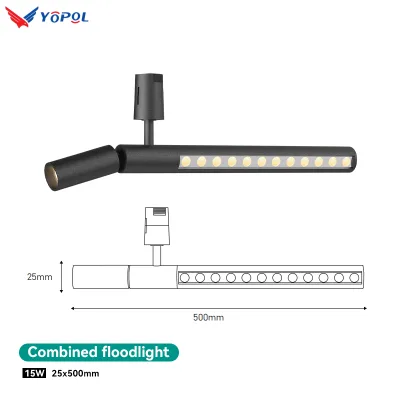
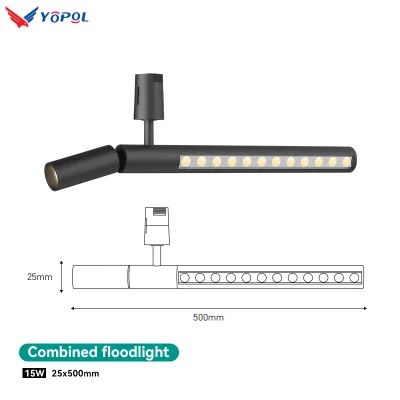
Electrical compatibility is another critical verification point, as the voltage specifications vary between 220V and a broader 111V-240V range. Buyers must ensure the dimming capability is explicitly supported, as the "Support Dimmer" attribute is present but the specific dimming protocol (e.g., 0-10V, TRIAC) is not detailed in the general listings. Additionally, the physical dimensions, such as the 348 mm length with a slim 11 mm profile, must be cross-referenced with the ceiling cavity depth to guarantee a seamless embedded installation without requiring structural modifications.
Compliance and Safety Documentation
Regulatory compliance is a non-negotiable aspect of sourcing, with observed certifications including CCC, CE, RoHS, GS, and SAA. Buyers should request valid test reports for each target market, as the presence of multiple certifications on a single listing does not guarantee that every unit in a shipment meets all regional standards. The "CE/ROHS/GS/SAA" standard listed suggests a broad compliance strategy, yet the specific EMC (Electromagnetic Compatibility) certification is also noted, which is vital for preventing interference with other electronic devices in sensitive environments like hospitals or data centers.
Safety documentation must also address the thermal performance of the aluminum lamp body, which is designed to dissipate heat effectively for a claimed lifespan of 50,000 hours. Procurement teams should verify that the warranty period, typically observed as 2 years, is backed by clear terms regarding lumen depreciation and driver failure. It is crucial to confirm that the product origin, often listed as Zhongshan, Guangdong, China, aligns with the manufacturer's ability to provide consistent quality control and that the packaging meets the necessary safety standards for international shipping.
Cost Drivers and Commercial Terms
The cost structure for these lights is heavily influenced by the choice of LED chip brand and the level of customization required. While the observed MOQ ranges from 2 to 200 units, bulk orders often unlock better pricing tiers, though the wide price variance suggests that component quality is the primary cost driver. Buyers should analyze whether the lower price points correspond to generic chips or premium brands like Osram, as the latter significantly impacts the Color Rendering Index and long-term reliability, which are key differentiators in high-value projects.
Commercial terms must also account for the "Lighting solutions service" offered by some suppliers, which includes circuitry design and project installation support. This value-added service can reduce overall project costs by minimizing on-site engineering hours, but it requires clear definition of the scope to avoid scope creep. Additionally, the single gross weight of 1.000 kg and single package size of 1x1x1 cm indicate efficient logistics, yet buyers should verify if these figures apply to the unit or the full set, as this impacts freight calculations and final landed costs.
Supplier Qualification and Quality Control
Supplier qualification should focus on the manufacturer's ability to maintain consistency across their customization capabilities, particularly regarding the aluminum material and magnetic track integration. The "Lindeng" brand name appears in the data, but buyers should not rely on a single brand name without verifying the actual factory capabilities and production capacity. It is advisable to request samples that match the exact specifications of the intended order, including the specific beam angle and voltage, to validate the "Super High Efficiency" claims before committing to a larger volume.
Quality control protocols must be established to ensure that the "Easy Install" feature does not compromise the structural integrity of the magnetic connection. Buyers should verify the supplier's process for testing the lifespan and thermal performance of the COB light source, as the 50,000-hour claim requires rigorous validation. Establishing a clear communication channel for addressing defects is essential, especially given the "Neutral" packing which may lack detailed internal documentation, making external quality audits or third-party inspections a prudent investment for large-scale procurement.
Long-Term Procurement Checks
Long-term procurement success depends on monitoring the stability of the supply chain and the consistency of the product specifications over time. Buyers should track the performance of the installed units in real-world conditions, specifically looking for any degradation in the Color Rendering Index or issues with the dimming functionality that were not apparent during the initial sampling phase. The "Home Office" and "Hotel" applications listed suggest high-traffic environments where reliability is paramount, making ongoing performance monitoring a critical component of the procurement strategy.
Finally, maintaining a relationship with the supplier for future support and potential design iterations is vital for scaling operations. As the market evolves, the ability to adapt the customizable length and model numbers to new architectural trends will be a key differentiator. Buyers should regularly review the certification status of the products to ensure continued compliance with changing international standards, particularly regarding RoHS and EMC regulations, to avoid any disruptions in supply or legal liabilities in the target markets.
FAQs
What certifications do these dimmable aluminum magnetic track lights have?
These dimmable aluminum magnetic track lights typically hold CCC, CE, GS, RoHS, and SAA certifications. This ensures compliance with international safety and environmental standards for various global markets. Buyers should verify specific certification documents with the supplier before finalizing orders to ensure regulatory alignment for their target region.
Can these lights be customized for specific projects?
Yes, customization is available for these dimmable aluminum magnetic track lights. Buyers can request specific lengths, color temperatures, and packaging options. The product supports lighting and circuitry design services, allowing for tailored solutions that meet unique architectural or interior design requirements for homes, offices, or commercial spaces.
What is the typical lifespan of this LED track light?
The typical lifespan of this Dimmable Aluminum Magnetic Track Light is 50,000 hours. This long duration ensures reliable performance for residential and commercial applications. The aluminum body aids in heat dissipation, contributing to the extended operational life of the COB LED source while maintaining consistent light output over time.
What voltage range do these magnetic track lights support?
These dimmable aluminum magnetic track lights support an input voltage range of 111V to 240V. This wide range allows compatibility with various global power standards. Some models also specify 220V operation. This flexibility simplifies sourcing for international buyers who need to ensure electrical compatibility across different regions without additional transformers.
What is the minimum order quantity for these lights?
The minimum order quantity for these dimmable aluminum magnetic track lights ranges from 2 to 200 units. This flexible MOQ accommodates both small sample orders and larger bulk purchases. Buyers can negotiate specific quantities based on their project scale, with pricing often varying according to the volume ordered and customization requirements.
What materials are used in the construction of these lights?
These dimmable aluminum magnetic track lights are constructed primarily from aluminum for the lamp body. This material provides durability and efficient heat dissipation. The design features a modern style suitable for various settings. The aluminum construction ensures structural integrity while maintaining a sleek aesthetic that complements contemporary interior design trends.