Source CUL UL CE Night Light for Bedroom, Nursery, and Hallway
Find 30 CUL UL CE Night Light options from China suppliers. Compare LED models with USB or AC power, varying styles like European and Modern, and certifications including CE and RoHS to find the right fit for your needs; compare the available evidence and request quotations based on your requirements.
Updated
Key considerations
Products List


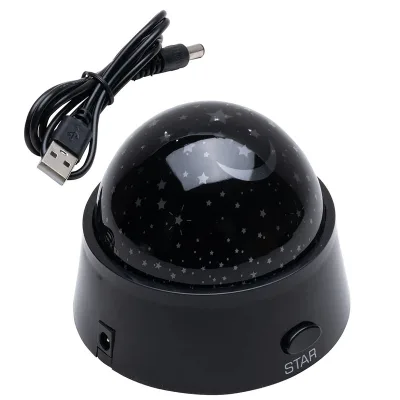
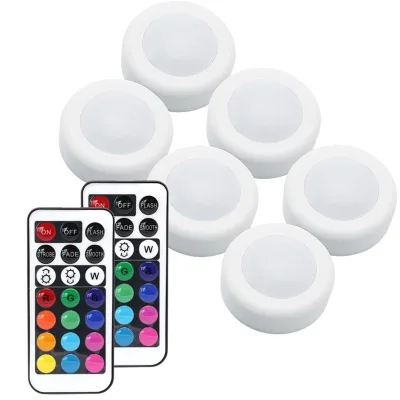
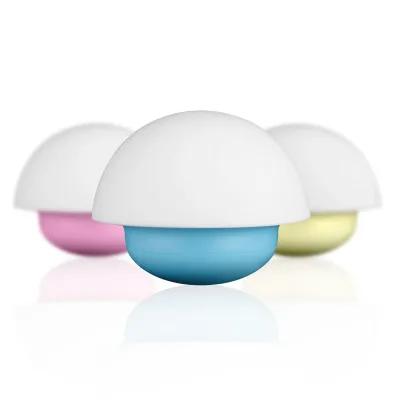
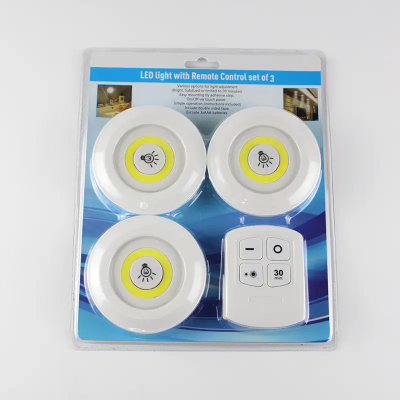

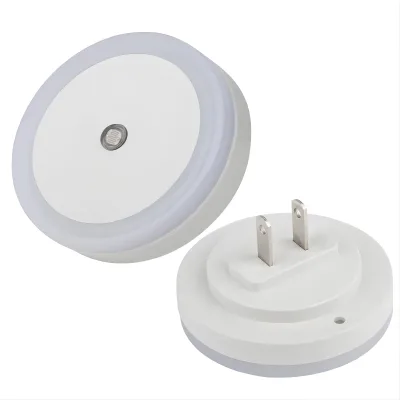

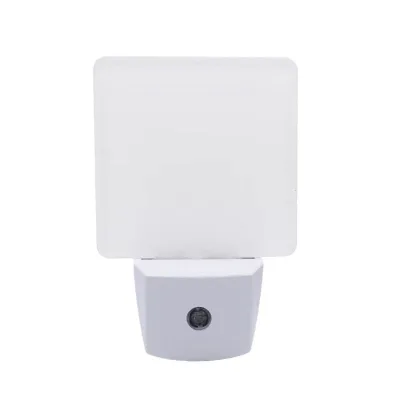


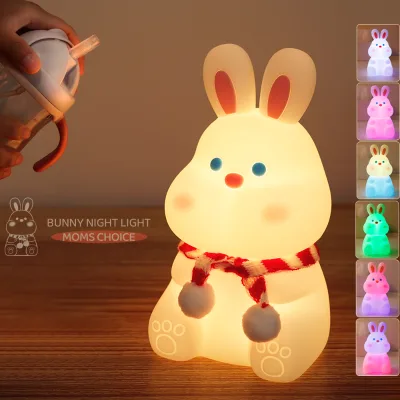




Comprehensive Sourcing Guide
CUL UL CE Night Light Sourcing Guide
Procuring night lights with verified UL and CE compliance requires careful scrutiny of the supply chain, as these certifications indicate adherence to rigorous safety standards for electrical products. Buyers must distinguish between products that merely claim compliance and those backed by valid test reports from accredited laboratories. The observed market data indicates a prevalence of LED-based units originating from China, specifically Zhejiang, which suggests a need for rigorous supplier vetting to ensure that the "CE" and "RoHS" marks are legitimate and not merely decorative labels applied to generic inventory.
The specific model numbers and technical attributes observed, such as the YL-260SE and YL-351SE series, highlight the diversity in design styles ranging from European to Modern, yet the core safety requirements remain consistent. When sourcing these items, buyers should prioritize suppliers who can provide clear documentation linking the specific model number to the certification body, ensuring that the product's electrical architecture, including its 110V or 230V AC input capabilities, has been independently tested. This verification step is critical to mitigate the risk of receiving non-compliant goods that could fail safety inspections in target markets.
Product Scope and Observed Listing Signals
The current market for night lights features a wide array of product types, including energy-saving LED lamps and rechargeable units with USB or Type-C power inputs. Listings frequently specify attributes like "With Light Source" and "Rotating" capabilities, alongside specific color temperatures such as Cool White or Daylight at 5000K. Buyers should note that while some products offer customizable options like purple, blue, or pink finishes, the core functionality often centers on providing low-luminance illumination suitable for bedrooms, with power consumption typically ranging from 1W to 5W.
Observations of packaging and dimensions reveal significant variation, with some units packed in blister or clamshell formats measuring 12x12x15cm, while others have larger carton dimensions of 39x27x33cm. The material composition is predominantly plastic or ABS, which influences both the durability and the thermal management of the device. Procurement teams must verify that the "Light Drawing And Design" services offered by suppliers align with the specific aesthetic and functional requirements of the end-user, ensuring that the "Shape: Line" or "Round" configurations meet the intended application without compromising safety or performance.
Technical Specifications to Verify
Technical due diligence must focus on the electrical parameters, particularly the input voltage and current ratings, which vary between DC 5V, DC 6V, and AC 110V or 230V configurations. Buyers should confirm that the listed "AC Current" of 10mA or the "Power Supply Mode" of USB recharge is accurately reflected in the product's internal circuitry, as mismatches here can lead to device failure or safety hazards. The observed lifespan of 30,000 hours for LED sources is a significant selling point, but it must be validated against actual operating conditions to ensure the claimed longevity is achievable in real-world scenarios.
Light output characteristics, including the Color Rendering Index (Ra) of 90 and luminous flux of 100 lumens, are critical metrics for assessing the quality of illumination provided by these night lights. Procurement specialists should verify that the "Lighting color" options, such as the seven different lighting modes or warm/white LED choices, function as advertised and do not suffer from flickering or inconsistent color temperature shifts. Additionally, the "Lamp Sizes" categorized as "Middle" and the specific model numbers like LW#9815 must be cross-referenced with the physical dimensions to ensure compatibility with the intended installation environment.
Compliance and Safety Documentation
Ensuring that night lights meet international safety standards is paramount, with a specific focus on CE, RoHS, and EMC certifications observed in the product data. Buyers must request valid test reports that explicitly cover the specific model numbers and voltage configurations being purchased, as generic certification documents may not apply to all variations of a product line. The presence of "Emc" certification suggests compliance with electromagnetic compatibility standards, which is essential for preventing interference with other electronic devices in the home environment.
Beyond electrical safety, the material composition and chemical compliance must be verified to ensure the products meet RoHS directives regarding hazardous substances. Since the observed products originate from China, including specific regions like Zhejiang, buyers should insist on third-party inspection reports that confirm the absence of lead, mercury, and other restricted materials. The "Lighting solutions service" provided by suppliers should also include documentation on how the design adheres to safety regulations, ensuring that features like the "Rotating" mechanism or "USB Recharge" ports do not introduce new safety risks.
Cost Drivers and Commercial Terms
The pricing landscape for night lights is influenced by factors such as the complexity of the LED driver, the inclusion of rechargeable batteries, and the level of customization available. The observed price range of 0.32 to 15.8 USD reflects the disparity between basic, non-rechargeable units and more advanced models with multiple lighting modes and higher color rendering indices. Buyers should analyze the cost structure to understand how features like "Light Drawing And Design" or specific "Optional Color" finishes impact the final unit price, ensuring that the premium paid correlates with tangible value additions.
Minimum Order Quantities (MOQ) and lead times are significant commercial variables, with observed MOQs ranging from 1 to 3000 units. Procurement teams must negotiate terms that balance inventory costs with the need for product variety, particularly when dealing with suppliers who offer "Free sample" policies or limited customization options. The "Product Weight" of 0.365 kg and packing configurations, such as 12 pieces per carton, directly affect shipping costs and logistics planning, requiring careful calculation of the total landed cost to maintain competitive pricing in the target market.
Supplier Qualification and Quality Control
Supplier qualification should prioritize manufacturers with a proven track record in producing LED lighting products that meet international standards, specifically those with documented experience in exporting to markets requiring UL and CE compliance. The observed "Brand Name" of Lu Wei and the specific model numbers suggest established production lines, but buyers must verify the supplier's capacity to maintain consistent quality across large batches. This includes assessing their internal quality control processes, such as in-line testing for electrical safety and visual inspection for cosmetic defects in the plastic or ABS housing.
Quality control protocols must extend to the packaging and labeling stage, ensuring that all units are correctly marked with the required certifications and model information. Buyers should implement a pre-shipment inspection plan that verifies the "Product Dimension" and "Packing Dimension" against the agreed specifications to prevent shipping errors. Additionally, the "Lifespan" claims of 30,000 hours should be validated through accelerated life testing on a sample basis, ensuring that the supplier's quality assurance measures are robust enough to prevent premature failures in the field.
Long-Term Procurement Checks
Establishing a long-term procurement strategy for night lights requires regular audits of supplier performance and product consistency over time. Buyers should monitor the stability of the "Certification" status and ensure that any changes in manufacturing processes or material sources are communicated and re-validated for compliance. The "Design Style" and "Application" suitability, such as for bedrooms, should be periodically reassessed against market trends to ensure the product line remains relevant and competitive.
Continuous improvement initiatives should focus on optimizing the "Power" consumption and enhancing the "Lighting color" options to meet evolving consumer preferences. Procurement teams must maintain open communication channels with suppliers to address any quality issues promptly and to explore opportunities for cost reduction through volume consolidation or design optimization. By maintaining a rigorous approach to supplier management and product verification, buyers can ensure a reliable supply of safe, high-quality night lights that meet the demands of their customers.
FAQs
What certifications do these LED night lights have?
These LED night lights are certified with CE and RoHS standards. This ensures they meet European safety and environmental requirements. Some models also carry EMC certification. Buyers can verify these credentials to ensure compliance for international shipping and retail distribution in regulated markets.
Can these night lights be customized for branding?
Yes, customization is available for these products. Buyers can request specific designs or packaging options to suit their brand needs. The manufacturer supports tailored solutions, allowing for unique product differentiation. This service helps businesses create distinct offerings in competitive markets while maintaining quality standards.
What is the typical power consumption of these lights?
The power consumption varies by model, with some rated at 1W and others at 5W or less. These energy-saving LED lamps are designed for low power usage. This efficiency makes them suitable for continuous use in bedrooms or hallways, reducing electricity costs while providing adequate illumination for night-time visibility.
Which materials are used in the construction of these lights?
These night lights are primarily constructed from plastic and ABS materials. The use of durable plastics ensures lightweight and robust designs. ABS provides additional strength and heat resistance. These material choices contribute to the product's longevity and safety, making them suitable for various indoor applications and household environments.
What input voltage options are supported by these devices?
These devices support multiple input voltage options, including AC 110V or 230V, and DC 5V or 6V. Some models are USB rechargeable or use Type-C inputs. This versatility allows for flexible power sources, catering to different regional electrical standards and portable usage scenarios for convenient charging and operation.
How are these products packaged for shipping?
Products are packaged in blister packs, clamshells, or standard carton boxes. Specific dimensions and packing quantities vary by model, such as 12 pieces per carton. This packaging ensures safe transit and easy retail display. Buyers can expect organized and protective packaging that minimizes damage during logistics and handling processes.