Woven Reversible Kitchen Rug Runner Suppliers and Manufacturers
Compare 27 verified suppliers offering Woven Reversible Kitchen Rug Runner options with varying lead times, certifications, and response speeds. Review product specs like backing material and thickness, then request samples to verify quality before placing orders; review the available evidence before requesting comparable quotations from suitable candidates.
Updated
Suppliers List
Taizhou Dedao Industry Co., Ltd.
- Verified by TüVRheinland
- Manufacturer, Trading Company
- Lead time15 days
- Avg. response≤ 5h
Main productsChair Mat, Desk Mat, Gaming Chair Mat, Anti Fatigue Mat, Footrest
Main marketsNorth America(45%), Oceania(35%), Western Europe(15%)
Tianjin Domisun Houseware Co., Ltd.
- Trading Company
- Tianjin, China
- Lead time30 days
- Avg. response≤ 4h
Main productscarpet,rug,tufted rug,Printed Logo Mat,wall to wall carpet
Main marketsWestern Europe(25.00%), North America(25.00%), Northern Europe(20.00%), Eastern Europe(15.00%), Mid East(10.00%), Southeast Asia(5.00%)

TIANJIN DOMISUN HOUSEWARE CO.,LTD
- Verified by CTI
- Combined
- China Tianjin
- Lead time30 days
- Avg. response≤ 3h
Main marketsSouth America,Africa,Europe


$3.55 - $4.34
MOQ: 100 Square Meters


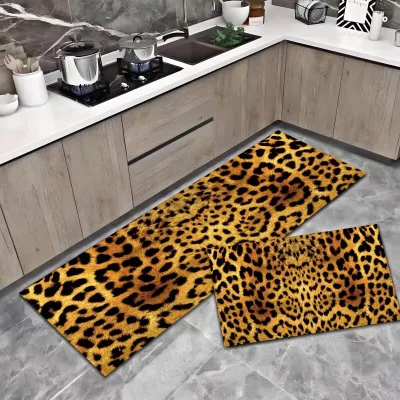
Modern Woven Linen Rubber Kitchen Runner Rug Set Washable Non-Slip Floor Mats
$5.53 - $5.99
MOQ: 300 Sets

Area Rugs Sets 3 Pieces Kitchen Rug Runner Washable Floor Carpet Mat
$3.35 - $3.58
MOQ: 100 Square Meters

Printed Anti Fatigue Kitchen Rug, Non Slip Runner Durable Kitchen Floor Mat
$3.15 - $3.31
MOQ: 100 Square Meters
Pujiang Chakme Commodity Co., Ltd.
- Verified by SGS Group
- Manufacturer, Trading Company
- Lead time15 days
- Avg. response≤ 4h
Main productsBath Mat, Area Rug, Kitchen Mat, Prayer Mat, Carpet
Main marketsDomestic Market(37%), Mid East(12%), North America(10%)
Shenzhen Dotcom Houseware Products Co., Ltd.
- Trading Company
- Lead time旺季: "1 - 1000":30,"1001 - 5000":35,"> 5000":"To be negotiated", 淡季: "1 - 1000":30,"1001 - 5000":35,"> 5000":"To be negotiated"
- Avg. response≤ 2h
Main productsLogo Mat, Kids Rug, Golf Mat, Dart Mat, Motorcycle Mat
Hefei Luoling Household Products Co., Ltd.,
- Verified by TüVRheinland
- Trading Company
- Lead time7 days
- Avg. response≤ 2h
Main productsCustom Carpet, Bath Mat, Kitchen Mat, Living Room Carpet, Door Mat
Dezhou Yirun Environmental Protection Technology Co., Ltd.
- Verified by SGS Group
- Manufacturer, Trading Company
- Lead time15 days
- Avg. response≤ 2h
Main productsCarpet Tile, Aluminum Alloy Mat, Logo Mat, PVC Anti-slip Mat, Modular Entrance Mat
Main marketsCentral America(20%), Southeast Asia(10%), Domestic Market(9%)
Jackson Carpet (Qingdao) Co., Ltd.
- Verified by SGS Group
- Manufacturer, Trading Company
- Lead time30 days
- Avg. response≤ 1h
Main productsKids Rug, Door Mat, Area Rug, Logo Mat, Golf Mat
Main marketsWestern Europe(28%), Domestic Market(20%), North America(15%)
Tianjin Hdt Textile S& T Co., Ltd.
- Verified by TüVRheinland
- Manufacturer, Trading Company
- Lead time10 days
- Avg. response≤ 5h
Main productsBejirog Carpets, Printed Carpets, PV Shaggy Carpet, Diatom Mud Bathroom Mat, Kitchen Mat
Main marketsSoutheast Asia(50%), North America(15%), Mid East(15%)
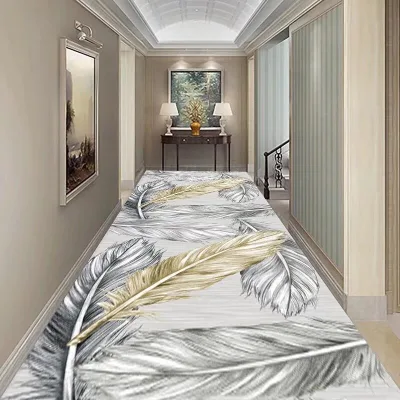
Rug Manufacturers Eco-friendly Ruggable Washable Long Hallway Kitchen Regional Carpet Runners Roll
$2.7212 - $3.5949
MOQ: 500 square
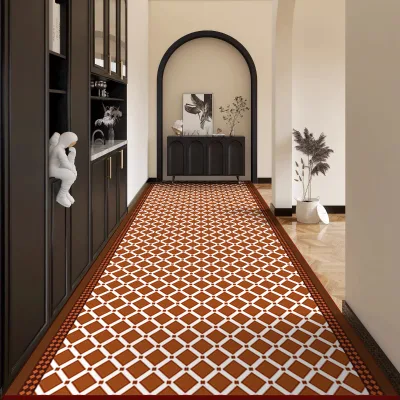
Extra Long Logo Mat Brand Runner Rug for Hallway Kitchen Living Room Laundry Bedroom Bedside Carpet
$3.50 - $4.50
MOQ: 500 square
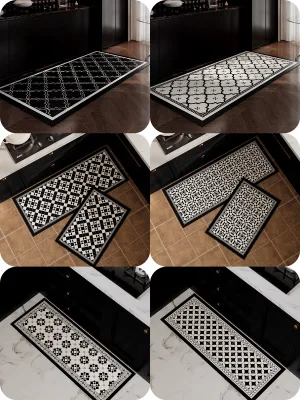
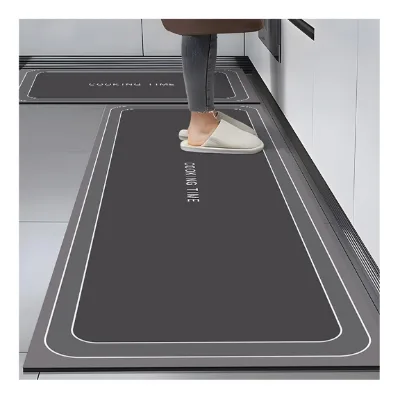
Customized Rug Set Microfiber Morandi Non-slip Soft Moisture-Absorbent Quick-Dryingn Kitchen Mat
$3.40 - $3.60
MOQ: 50 sets
Zhejiang Aopeng Commodity Co., Ltd.
- Verified by SGS Group
- Trading Company
- Lead time20 days
- Avg. response≤ 3h
Main productsDoor Mat, Floor Mat, Carpet, Washable Rug, Baby Play Mat
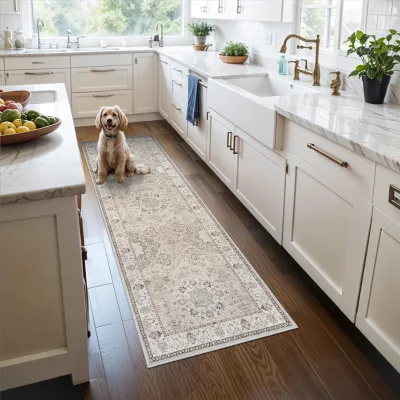
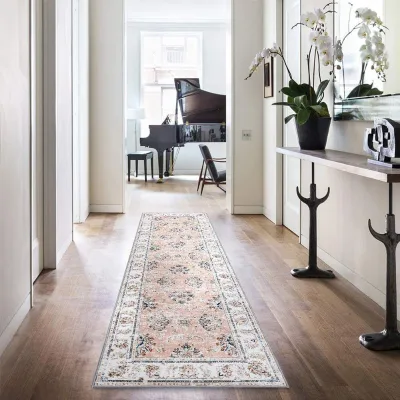
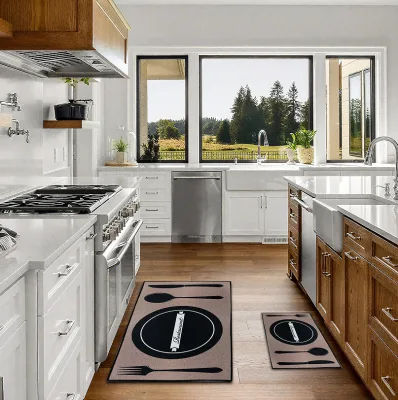
$1.6546 - $4.3893
MOQ: 1 Minimum
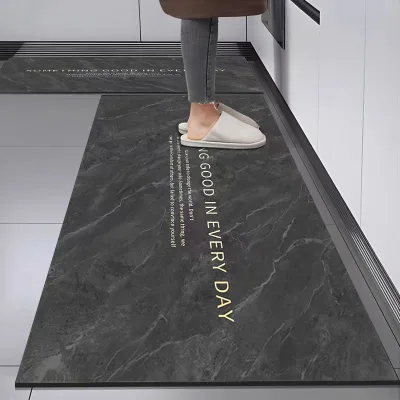
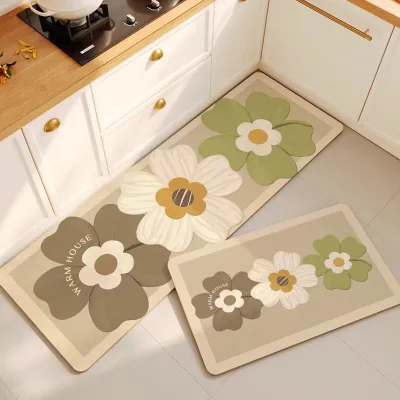
$2.9606 - $3.5724
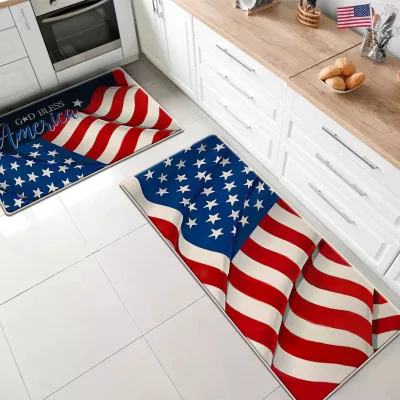
MOQ: 50 pieces

Little Dolphin (Jiangsu) Leisure Products Co., Ltd.
- Verified by SGS
- Combined
- China Jiangsu
- Lead time15 days
- Avg. response≤ 19h
Main productsPolypropylene Outdoor Rug, PP Woven Mat, Outdoor Mat, Door Mat, Kitchen Mat, Anti-Fatigue Mat, Pet Mat, Leisure Furniture, Home Furnishings, Pincnic Beach RV Travel Mat
Main marketsAustralia,North America

Absorbent Waterproof Non-Slip Cushion Anti Fatigue Kitchen Floor Mat Runner
$5.98 - $6.98
MOQ: 1000 Pieces

Cushioning and Shock Absorption Kitchen Runner Rug 50X100cm Dimensions Heatproof Kitchen Mat
$4.00 - $4.50
MOQ: 1000 Pieces

Removable and Washable Kitchen Runner Rug 16mm Thickness Anti Fatigue Mat
$4.00 - $4.50
MOQ: 1000 Pieces

$3.98 - $4.78
MOQ: 1000 Pieces

High Temperature Resistant Kitchen Runner Rug 40X60cm Dimensions PU Kitchen Desk Mat
$4.00 - $4.50
MOQ: 1000 Pieces

Custom Durable Polyester Woven Washable Cushioned Non Slip Waterproof Kitchen Mat
$4.85
MOQ: 1000 Pieces
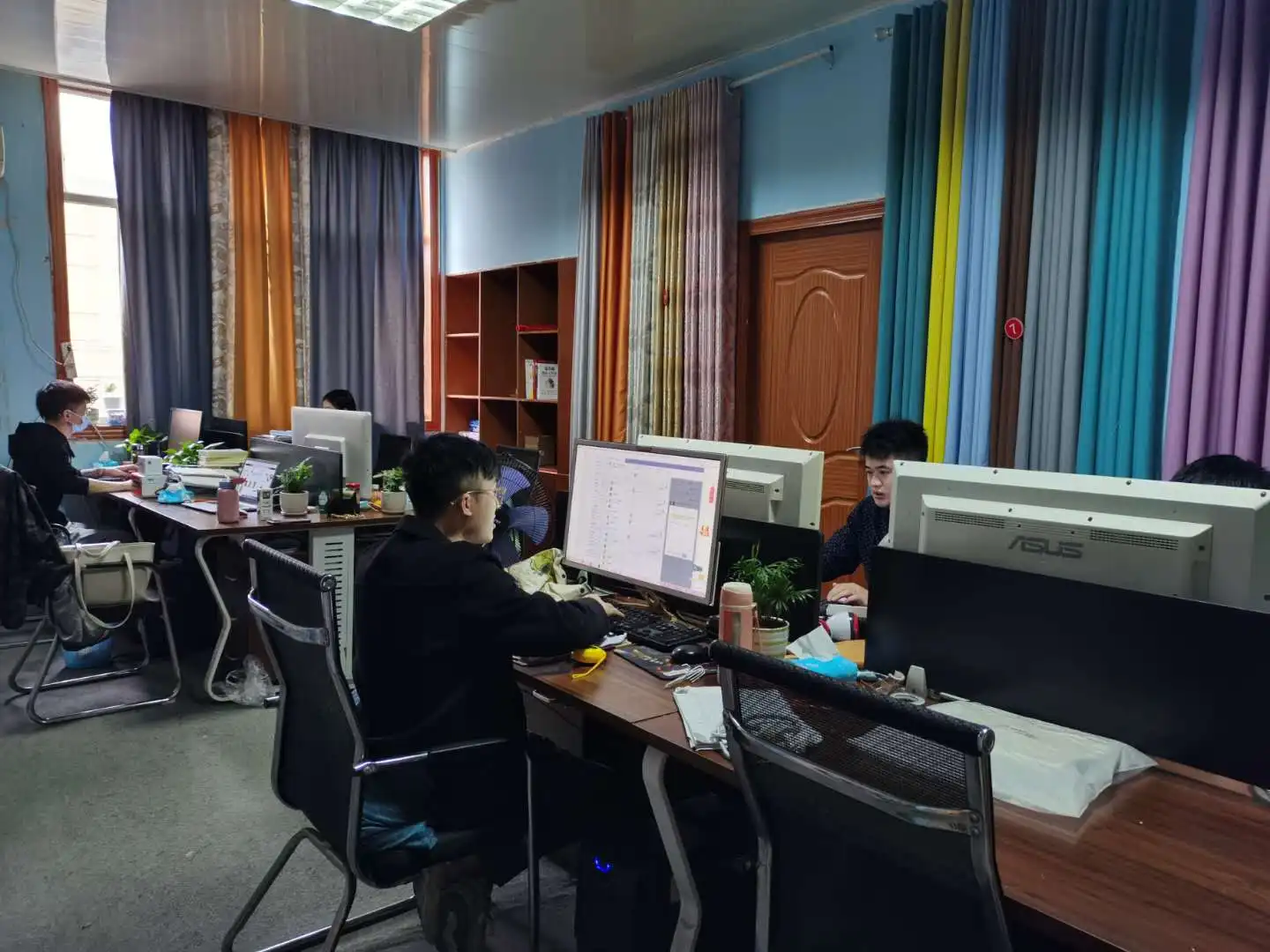
Shaoxing Guangyijia Textile Co., Ltd.
- Manufacturer, Trading Company
- Zhejiang, China
- Lead time30 days
- Avg. response≤ 4h
Main productsCurtain,Shower Curtain,Curtain Accessories,Table Cloth,Cushion Cover
Main marketsDomestic Market(70.00%), Southeast Asia(13.00%), North America(11.00%), Mid East(5.00%), Africa(1.00%)

Foshan Shengyibo Carpet Co.,Ltd.
- Verified by BV
- Combined
- China Guangdong
- Lead time15 days
- Avg. response≤ 4h
Main productsCarpet, Rug, Wool Carpet, Wool Rug, Carpet Tile, Wall to Wall Carpet, Commercial Carpet, Residential Carpet, Hotel Carpet, Floor Carpet
Main marketsAfrica,Southeast Asia/ Mideast,Domestic,Europe,North America
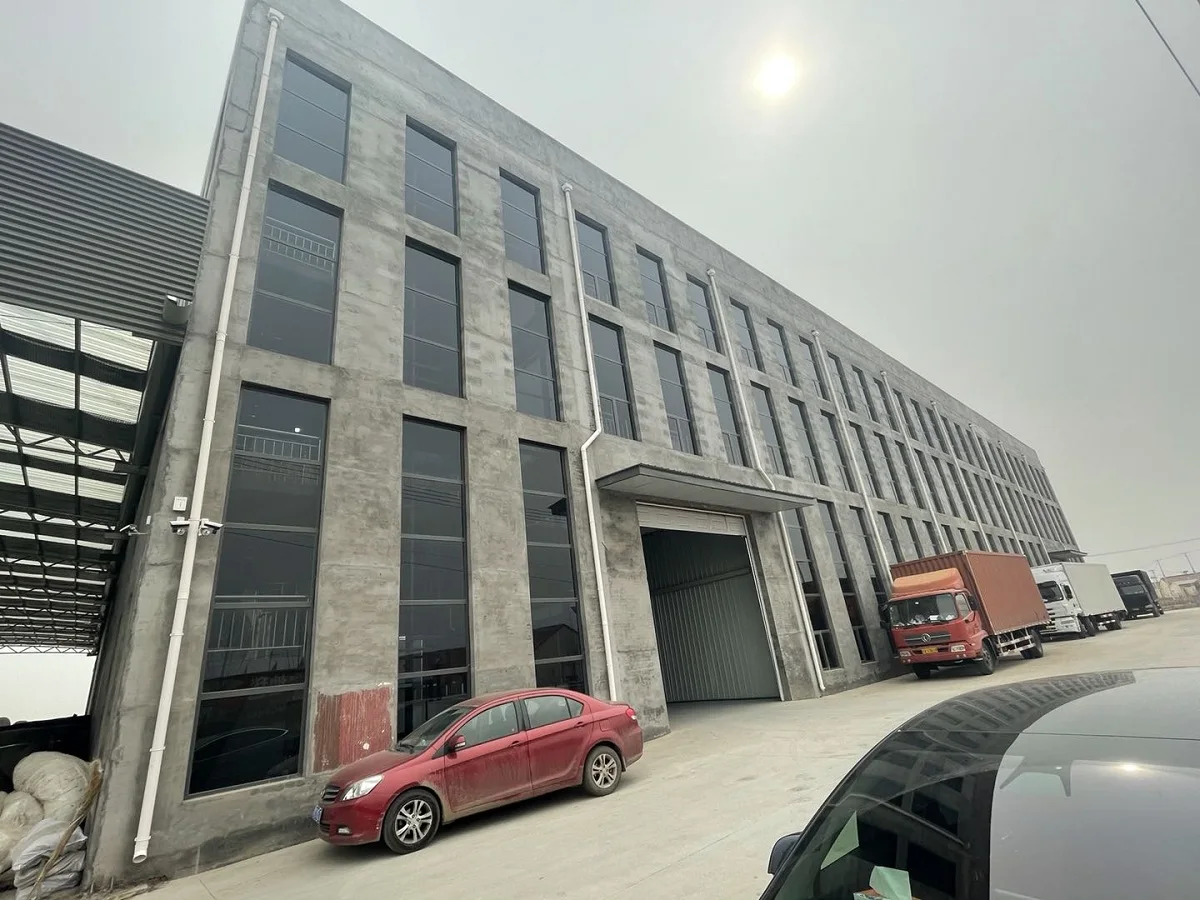
Beijing LOHAS International Trading Co., Ltd.
- Trading Company
- Beijing, China
- Lead time30 days
- Avg. response≤ 6h
Main productsRug
Main marketsEastern Asia(100.00%)

Ningbo Quanwei Rubber Products Co., Ltd.
- Verified by BV
- Combined
- China Jiangsu
- Lead time15 days
- Avg. response≤ 3h
Main marketsDomestic

Kitchen Mat Cushioned Anti-Fatigue Kitchen Rug Waterproof Non-Slip Kitchen Mat
$0.50 - $1.60
MOQ: 50 Pieces


Guizhou Fuding Rubber & Plastic Co., Ltd.
- Verified by SGS
- Combined
- China Guizhou
- Lead time23 days
- Avg. response≤ 3h
Main productsMouse Pad, Yoga Mat, Door Mat, Chair Mat, Bed Runner, Chess Mat, Floor Mat, Rubber Roll Material
Main marketsSouth America,Others(foreignTradeCapacity.exportBusinessCapacityMarketOther),Southeast Asia/ Mideast,East Asia(Japan/ South Korea),Domestic,Europe,Australia,North America

Anti-Fatigue Kitchen Rug Waterproof Anti-Slip Mats Carpet Rug Rubber Kitchen Mat
$1.50 - $3.60
MOQ: 50 Pieces


High Quality Linen Non-Slip Kitchen Floor Mat Rubber Carpet Home Door Mat Kitchen Rugs
$1.50 - $2.40
MOQ: 100 Pieces

Modern Multifunctional Kitchen Floor Mat Carpet Rug Non-Slip Waterproof Kitchen Mat
$1.50 - $3.60
MOQ: 50 Pieces

Custom Kitchen Mat Rug Home Floor Carpet Living Room Rugs Mat Home Bathroom Rug
$0.55 - $0.90
MOQ: 50 Pieces

Kitchen Rug & Mat Anti Fatigue Mat Kitchen Rug Mat Non Slip 48X 20 Inch/30X 20 Inch Kitchen Rug
$1.50 - $3.60
MOQ: 50 Pieces

DEZHOU MUJIN BUILDING MATERIAL CO., LTD.
- Trading Company
- China Shandong
- Lead time15 days
- Avg. response≤ 5h
Main productsCarpet, Carpet Tile, Rugs and Mats, Shaggy Carpet, Artificail Carpet, Printed Rugs, Sublimation Carpet, Carpet Tape, Nonwoven Needle Punch Carpet, Plain Carpet
Main marketsSouth America,Africa,Southeast Asia/ Mideast,East Asia(Japan/ South Korea),Europe,Australia,North America


Wholesale Kitchen Floor Mat Carpet 2 Piece Non-Slip Long Kitchen Rug Mats
$4.30 - $8.25
MOQ: 1000 Pieces
Tianjin Attraction Carpet Co., Ltd.
- Verified by TüVRheinland
- Manufacturer, Trading Company
- Lead time30 days
- Avg. response≤ 8h
Main productsCarpet
Main marketsNorth America(40%), Western Europe(20%), Mid East(10%)
Shanghai Dehuan Industry Co., Ltd.
- Verified by Intertek
- Manufacturer, Trading Company
- Lead time25 days
- Avg. response≤ 5h
Main productsChair mat, kitchen mat, Door mat, Bathroom mat, Pet mat
Main marketsNorth America(20%), Southeast Asia(20%), Southern Europe(20%)

Shandong Tuoyi Environmental Protection Materials Co., Ltd.
- Manufacturer/Factory
- China Shandong
- Lead time15 days
- Avg. response≤ 2h
Main productsNon Woven Exhibition Carpet, PVC Coil Mat, Jumbo Bags, Geosynthetic Products, Carpet, Artificial Grass Turf, Mat, Carpet Tile, Machine Tufted Carpet
Main marketsSouth America,Eastern Europe,Mid East,North America,Southeast Asia,Eastern Asia,Oceania,Western Europe,Africa

Seashell Wave Printed Kitchen Runner Mat, Light Blue Non Slip Decorative Floor Rug
$1.99 - $2.99
MOQ: 50 Square Meters

$1.99 - $2.99
MOQ: 50 Square Meters

Sunflower Bee Printed Runner Kitchen Mat, Vintage Farmhouse Anti Fatigue Floor Rug
$1.99 - $2.99
MOQ: 50 Square Meters

$1.99 - $2.99
MOQ: 50 Square Meters

Vintage Moroccan Tile Pattern Kitchen Runner Rug, Non Slip Long Decorative Floor Mat for Kitchen
$1.99 - $2.99
MOQ: 50 Square Meters

Terrazzo Pattern Long Kitchen Mat Anti Slip Waterproof Oil Proof Floor Runner Rug for Kitchen
$1.99 - $2.99
MOQ: 50 Square Meters
Guangzhou Miland Houseware Co., Ltd.
- Manufacturer, Trading Company
- Guangdong, China
- Lead time30 days
- Avg. response≤ 7h
Main productsAnti-slip mat,Shelf liner,Wire shelf liner,kitchen mat,Table mat
Main marketsEastern Europe(50.00%), North America(30.00%), Eastern Asia(20.00%)
Shandong Jincheng Carpet Co., Ltd.
- Verified by SGS Group
- Manufacturer, Trading Company
- Lead time15 days
- Avg. response≤ 1h
Main productsDoor mat, Bathroom mat, Stair carpet, Commercial floor mat
Main marketsNorth America(35%), Western Europe(25%), Oceania(20%)
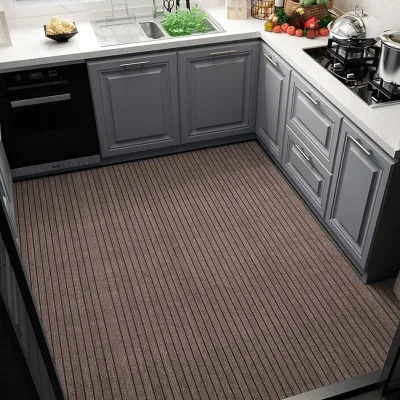
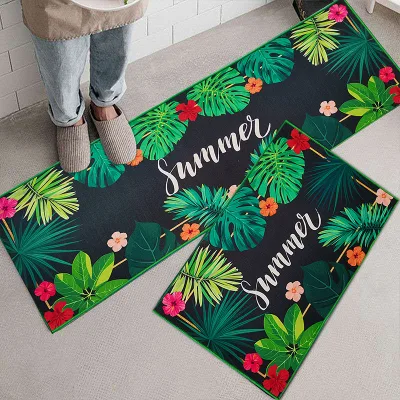
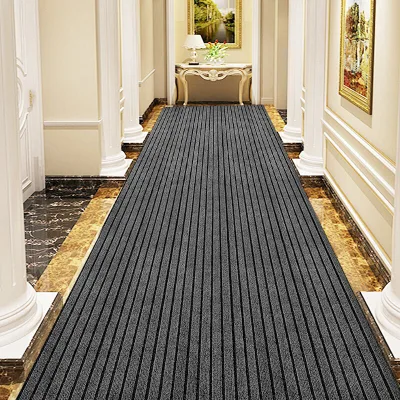
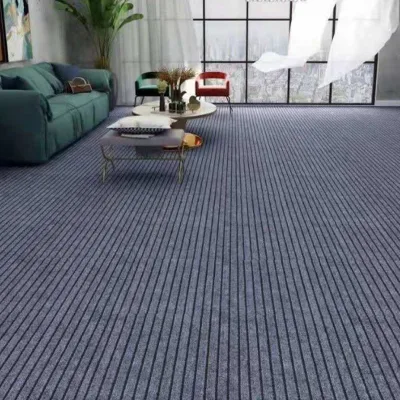
$1.31 - $2.21
MOQ: 20 pieces
Hengxuan E-Commerce (tianjin) Co., Ltd.
- Verified by TüVRheinland
- Trading Company
- Lead time0 days
- Avg. response≤ 11h
Main productsTufted Carpets, Woven Carpets, Printed Carpets, Faux Fur Rugs, Bath Rugs
Main marketsDomestic Market(38%), North America(20%), Africa(10%)
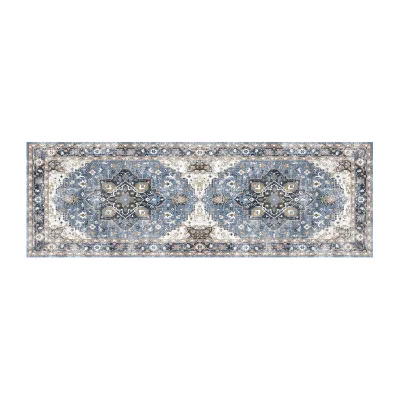
$3.2478 - $4.1364
MOQ: 5 square
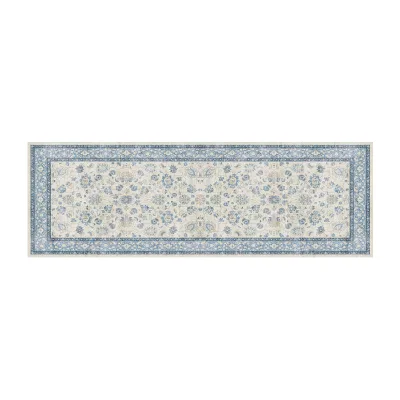
$3.2478 - $4.1364
MOQ: 1 square
Tianjin Shuhuashi Carpet Co., Ltd.
- Manufacturer, Trading Company
- Tianjin, China
- Lead time15 days
- Avg. response≤ 3h
Main productscarpet,rug,mat
Main marketsSouth America(20.00%), North America(15.00%), Oceania(15.00%), Southeast Asia(12.00%), Eastern Europe(5.00%), Africa(5.00%)
Custom Modern Design Cushioned Kitchen Mat Washable Polyester Rug for Kitchen
$5.1522 - $6.5944
MOQ: 10 sets


Zhejiang Wuyi Natural Home Deco Co., Ltd.
- Manufacturer, Trading Company
- Zhejiang, China
- Lead time35 days
- Avg. response≤ 11h
Main productsKitchen Mat, Baby Play Mat, Door Mat, Place Mat, Bath Mat
Main marketsNorth America(41.00%), Domestic Market(21.00%), Eastern Asia(11.00%), Southern Europe(10.00%), Eastern Europe(9.00%), South America(4.00%), Southeast Asia(2.00%), Oceania(1.00%), Western Europe(1.00%)
Ningbo Hapton Houseware Co., Ltd.
- Verified by TüVRheinland
- Manufacturer, Trading Company
- Lead time30 days
- Avg. response≤ 3h
Main productsCarpets, Mat, Throws, Cleaning Cloth, Bedding Basics
Main marketsNorth America(25%), Western Europe(22%), Domestic Market(9%)

- Trading Company
- China Zhejiang
- Lead time30 days
- Avg. response≤ 12h
Main productsHome Appliance, Cookware Set, Thermos, Home Storage, Furniture, Pet Supplies, Garden Tools, Outdoor Supplies, Baby Supplies, Houesehold Items
Main marketsSouth America,Africa,Southeast Asia/ Mideast,East Asia(Japan/ South Korea),Domestic,Europe,Australia,North America
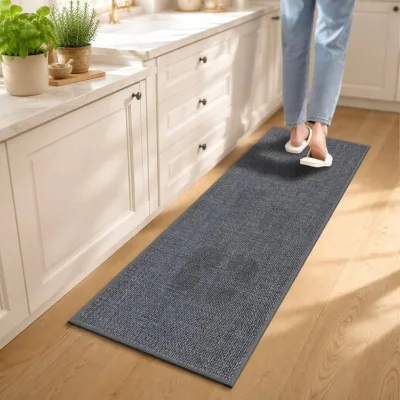
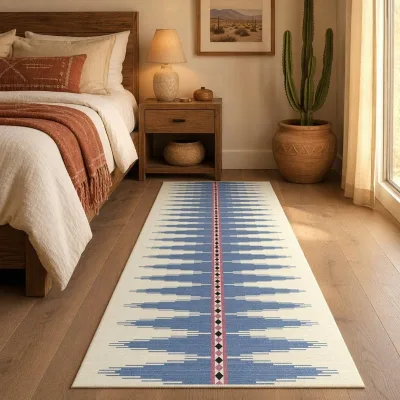
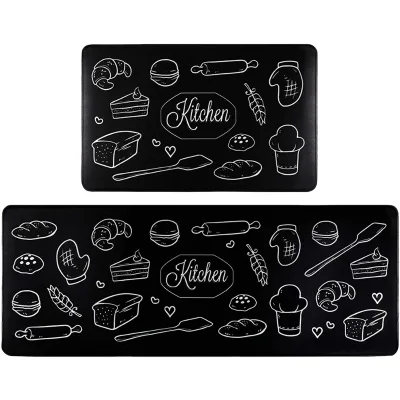
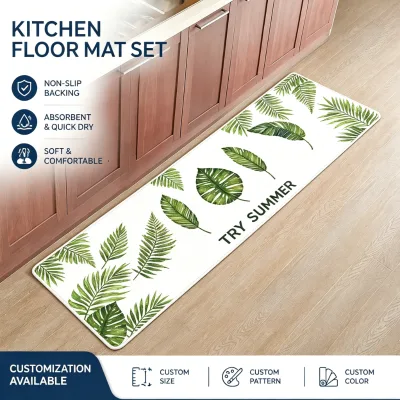
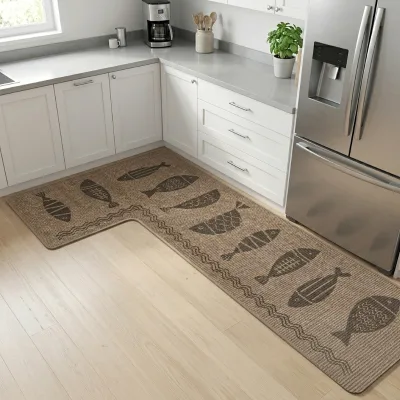
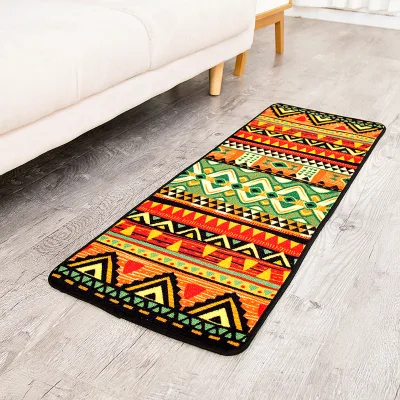
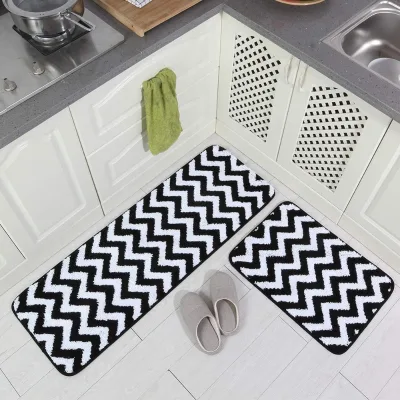
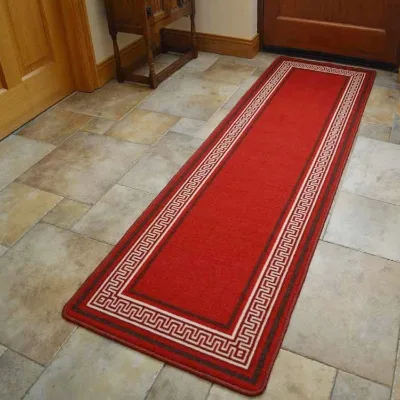
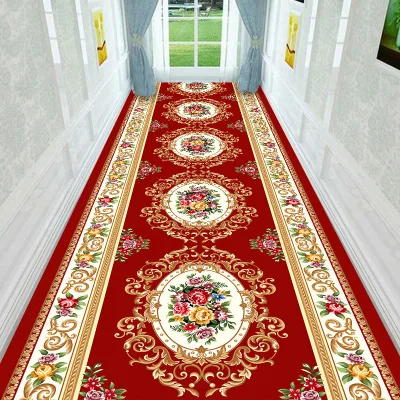
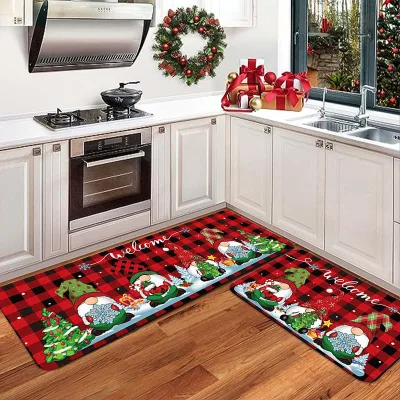


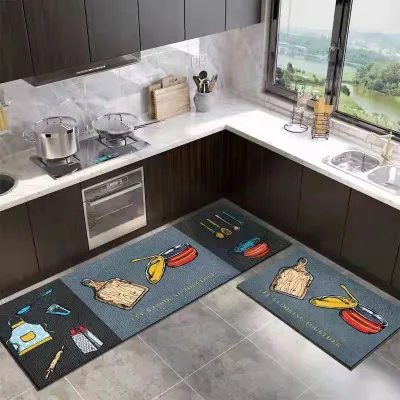
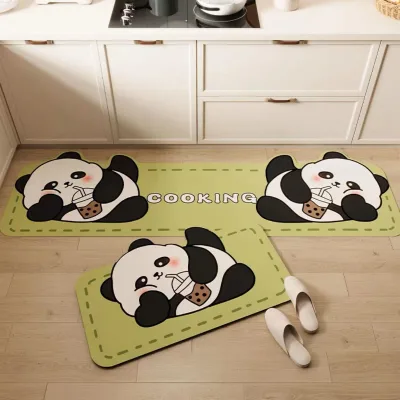
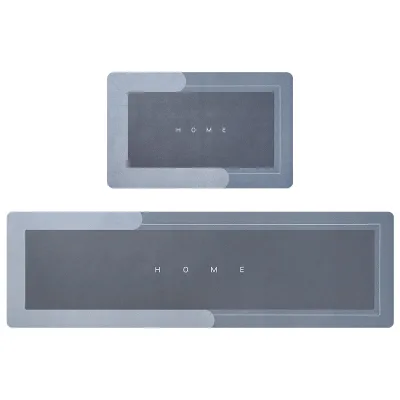
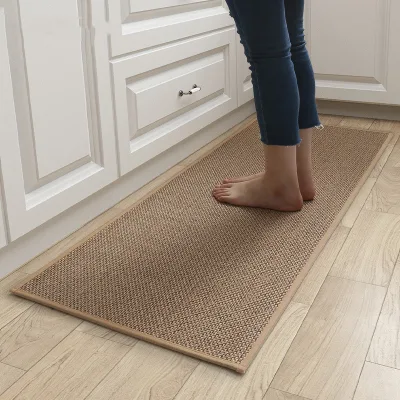
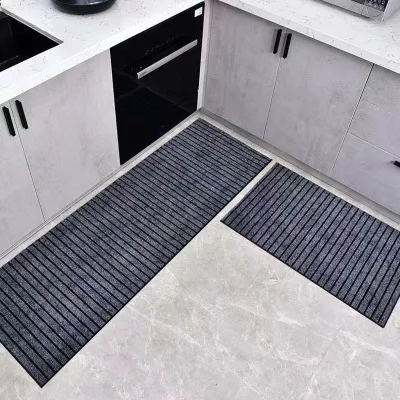
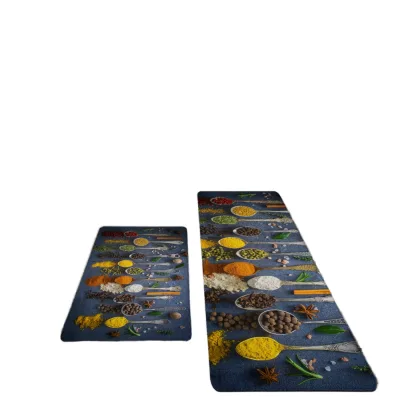
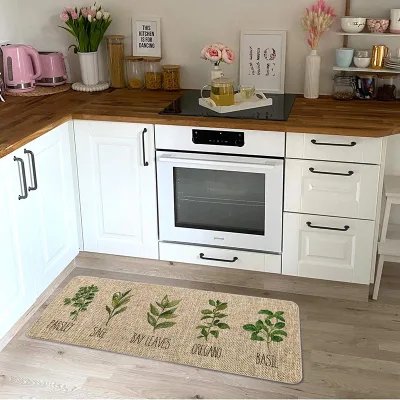
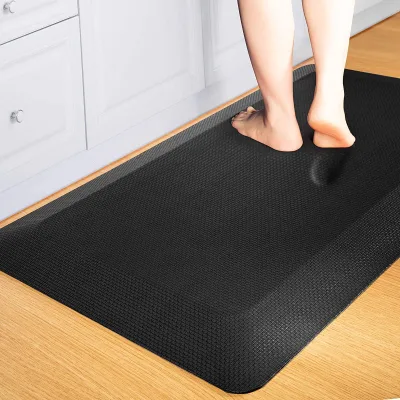


Comprehensive Sourcing Guide
Woven Reversible Kitchen Rug Runner Supplier Concentration and Factory Types
The current supplier landscape for woven reversible kitchen rug runners reveals a mix of manufacturing capabilities and trading structures that buyers must navigate carefully. Data indicates that the available suppliers operate as either manufacturers or trading companies, a distinction that significantly impacts pricing flexibility, communication speed, and quality control processes. Manufacturers typically offer more direct control over production parameters such as material sourcing and weaving techniques, which is crucial for products requiring specific durability standards like anti-fatigue or non-slip features. Trading companies, on the other hand, may provide a broader variety of designs and faster access to diverse inventory, though they might add a layer of markup to the final unit cost. Understanding this structural difference is the first step in aligning your sourcing strategy with your operational needs, whether you prioritize cost efficiency or product diversity.
Geographic concentration plays a vital role in the logistics and supply chain resilience for these textile products. Evidence points to specific manufacturing hubs, such as Zhejiang and Tianjin in China, where a significant portion of these rug and mat suppliers are located. Zhejiang is often associated with a robust textile industry, potentially offering competitive pricing for machine-made items like the kitchen doormats and runners observed in the results. Tianjin, another identified location, may offer different logistical advantages depending on port access and regional industrial policies. Buyers should verify the exact factory locations of their chosen suppliers to assess proximity to major shipping ports, which can influence freight costs and transit times. This geographic awareness helps in predicting potential delays and understanding the local regulatory environment that governs production standards and export compliance for these home textile goods.
How to Verify Woven Reversible Kitchen Rug Runner Suppliers
Verifying the legitimacy and capability of suppliers requires a multi-layered approach that goes beyond simple profile reviews. One critical verification step involves checking for third-party audit certifications, which serve as independent validations of a supplier’s operational integrity. The current results highlight certifications such as BSCI, ISO 9001, FSC, Sedex, RoHS, and compliance with (EC) 1907/2006. These certifications indicate adherence to social responsibility, quality management systems, and environmental safety standards, which are particularly important for products intended for home use. Buyers should request copies of these certificates and verify their validity through the issuing bodies. Additionally, the presence of TüV Rheinland verification on some supplier profiles adds another layer of trust, suggesting that the company has undergone rigorous inspection processes. This verification status is a strong indicator of a supplier’s commitment to maintaining consistent quality and ethical manufacturing practices.
Beyond certifications, assessing the supplier’s responsiveness and production capacity is essential for ensuring a smooth sourcing experience. The data shows varying response times, with some suppliers indicating a response time of five hours and others as fast as four hours. A quick response time often correlates with a more agile and customer-centric operation, which is beneficial for resolving issues quickly during the order process. Furthermore, examining the supplier’s stated capabilities, such as sample processing, graphic processing, and customized on-demand services, provides insight into their flexibility. Suppliers that offer OEM/ODM services and accept customized logos are better equipped to handle branded orders. Buyers should also look for evidence of past performance, such as product attributes like backing materials (e.g., PVC-coated fabric, non-slip rubber, TPR+canvas) and features (e.g., washable, stain-resistant, non-slip), to ensure the supplier can meet specific technical requirements for woven reversible kitchen rug runners.
What to Compare Across Woven Reversible Kitchen Rug Runner Suppliers
When evaluating multiple suppliers, comparing key operational metrics is crucial for making an informed decision. One of the most significant factors is the minimum order quantity (MOQ), which varies widely among suppliers. Some suppliers list an MOQ of 100 pieces, while others may offer lower thresholds, such as 10 pieces, which can be advantageous for smaller businesses or initial trial orders. Understanding these MOQ differences helps buyers align their inventory strategy with their cash flow constraints. Additionally, lead times are a critical comparison point, with some suppliers indicating a lead time of 15 days and others up to 30 days. For time-sensitive projects, selecting a supplier with a shorter lead time, such as the 10-day delivery time noted for certain floor runner mats, can prevent stockouts and ensure timely product availability. Buyers should also consider the supplier’s main products to ensure they specialize in the specific type of rug runner needed, whether it is a kitchen mat, chair mat, or anti-fatigue mat.
Price and product specifications are equally important dimensions for comparison. The price range for these products varies, with some items listed between $4.29 and $6.34 per unit, while others range from $4.70 to $9.40. These price differences may reflect variations in material quality, such as the use of polyester, linen, or PVC, as well as the complexity of the weaving or backing technology. Buyers should compare the detailed product attributes, including thickness, shape, and feature sets like washability and stain resistance, to ensure they are comparing equivalent products. For instance, a rug with a TPR+canvas backing and a grammage of 250gsm on the face side may offer different durability and comfort compared to one with a simple PVC backing. By systematically comparing these specifications alongside price and MOQ, buyers can identify the best value proposition that meets their quality standards and budgetary requirements without compromising on essential product features.
Common Woven Reversible Kitchen Rug Runner Sourcing Risks
Sourcing woven reversible kitchen rug runners involves several potential risks that buyers must proactively manage to avoid disruptions. One significant risk is the inconsistency in product quality, particularly regarding the durability of the backing and the weave integrity. Products with features like "non-slip" and "anti-fatigue" rely heavily on the quality of materials such as rubber, TPR, or PVC coatings. If a supplier uses inferior materials, the rug may fail to perform as expected, leading to customer complaints and returns. Additionally, the "washable" and "stain-resistant" claims must be verified through actual testing or certification, as these properties can degrade over time if not properly treated. Buyers should request samples to physically inspect the product’s construction, checking for loose threads, uneven weaving, or weak adhesion between the backing and the rug surface. This hands-on verification is essential to mitigate the risk of receiving substandard goods that do not meet the advertised specifications.
Another common risk is the discrepancy between the supplier’s stated capabilities and their actual production capacity. While some suppliers claim to offer customized designs and fast delivery times, they may struggle to meet these promises during peak seasons or when handling complex orders. The variation in lead times, from 10 to 30 days, suggests that not all suppliers can guarantee rapid turnaround. Buyers should assess the supplier’s current workload and communication responsiveness to gauge their ability to meet deadlines. Furthermore, there is a risk associated with intellectual property and branding, especially when ordering customized products with specific logos or patterns. Buyers must ensure that the supplier has the necessary agreements in place to protect their brand identity and that the customization process is clearly defined in the contract. Miscommunication in these areas can lead to delays, additional costs, or even legal issues, making it crucial to establish clear expectations and documentation early in the sourcing process.
Woven Reversible Kitchen Rug Runner Regional Sourcing and Logistics
Regional sourcing decisions significantly impact the logistics and overall cost structure of procuring woven reversible kitchen rug runners. Suppliers located in key manufacturing hubs like Zhejiang and Tianjin offer distinct logistical advantages that buyers should consider. Zhejiang, known for its textile industry, may provide competitive shipping rates due to its proximity to major ports like Shanghai or Ningbo, which can reduce transit times and freight costs for international buyers. Tianjin, located in northern China, offers access to the Bohai Sea and ports like Tianjin Port, which may be more convenient for buyers sourcing from or shipping to northern regions or specific trade routes. Understanding the geographic location of the supplier allows buyers to estimate shipping durations more accurately and choose the most efficient logistics partners. This regional awareness is particularly important for large orders where freight costs constitute a significant portion of the total landed cost.
Logistics planning also involves considering the packaging and handling requirements of the products. The product data indicates various packaging methods, such as carton packing, which is standard for protecting rugs during transit. Buyers should verify the packaging dimensions and weight, as these factors influence shipping costs and storage requirements. For example, a single package size of 120x80x4 cm or 160x20x20 cm will have different volumetric weight implications compared to other sizes. Additionally, the material composition, such as polyester or PVC, may have specific handling requirements, such as avoiding extreme temperatures or moisture, which can affect storage conditions at the destination. Buyers should work with their freight forwarders to ensure that the chosen shipping method aligns with the product’s characteristics and the supplier’s packaging standards. Proper logistics planning helps minimize the risk of damage during transit and ensures that the products arrive in optimal condition, ready for distribution or sale.
Woven Reversible Kitchen Rug Runner Commercial Terms and Order Planning
Effective order planning for woven reversible kitchen rug runners requires a thorough understanding of commercial terms and payment structures. Buyers should carefully review the supplier’s payment terms, including deposit requirements and balance payment schedules, to manage cash flow effectively. Additionally, the availability of escrow services or trade assurance can provide an added layer of security for transactions, ensuring that funds are released only upon satisfactory delivery of the goods. It is also crucial to clarify the Incoterms, such as FOB, CIF, or EXW, as these determine the responsibilities and costs associated with shipping and insurance. Clear communication of these terms prevents misunderstandings and ensures that both parties are aligned on the financial and logistical obligations of the order. Buyers should also consider the potential for additional costs, such as customs duties, taxes, and handling fees, which can impact the final landed cost of the products.
Beyond payment terms, order planning should include a detailed timeline for production, quality control, and delivery. Given the varying lead times, from 10 to 30 days, buyers must coordinate their production schedules with the supplier’s capacity to avoid delays. Establishing a clear timeline with milestones for sample approval, production start, and shipment preparation helps in tracking progress and addressing any issues promptly. Buyers should also plan for quality inspections, either through third-party agencies or internal teams, to ensure that the products meet the specified standards before shipment. This proactive approach to order planning minimizes the risk of receiving non-conforming goods and ensures that the supply chain operates smoothly. By integrating commercial terms with a robust order planning strategy, buyers can enhance their sourcing efficiency and build a reliable supply base for woven reversible kitchen rug runners.
FAQs
What is the typical lead time for woven kitchen rug runners?
Manufacturers generally require 15 to 30 days for production and delivery of woven kitchen rug runners. This timeframe allows for material sourcing, weaving, and quality checks. Buyers should confirm specific schedules with suppliers, as rush orders may incur additional fees or require alternative production slots.
What is the minimum order quantity for custom kitchen rug runners?
Minimum order quantities typically range from 10 to 100 pieces depending on the supplier and customization level. Some manufacturers accept low MOQs of 10 pieces for standard items, while custom logos or specific sizes often require 100 pieces. Always verify the exact MOQ before placing an order.
What certifications do kitchen rug runner suppliers hold?
Reputable suppliers often hold ISO 9001, BSCI, Sedex, and RoHS certifications. These ensure quality management, social compliance, and material safety. Some products also meet FSC standards for sustainable materials. Buyers should request valid certificates to verify compliance with international trade and safety regulations.
How quickly do suppliers respond to sourcing inquiries?
Suppliers typically respond within 4 to 5 hours to sourcing inquiries. Fast response times indicate active customer service teams and efficient communication channels. Buyers can expect quicker replies from verified manufacturers. Prompt communication helps clarify specifications, pricing, and shipping details early in the sourcing process.
What materials are used in woven kitchen rug runners?
Common materials include polyester, linen, and PVC-coated fabrics with rubber or TPR backings. These materials offer washability, stain resistance, and non-slip properties. Some runners feature eco-friendly or PET-friendly components. The choice depends on desired durability, comfort, and specific application requirements for home or office use.
Can suppliers provide custom logos on kitchen rug runners?
Yes, many suppliers accept customized logo printing and OEM services. Buyers can often choose from various colors, patterns, and sizes. Customization may affect the minimum order quantity and lead time. It is essential to provide high-resolution artwork and confirm printing methods with the supplier before production begins.