Source 16 Ports Fiber Splice Closure for Telecom, Medicine, FTTH
Compare 30 verified listings for the 16 Ports Fiber Splice Closure suitable for telecommunication, medicine, and FTTH applications. Buyers can evaluate specifications like IP68 rating, material composition, and customization options from Chinese manufacturers; compare the available evidence and request quotations based on your requirements.
Updated
Key considerations
Products List




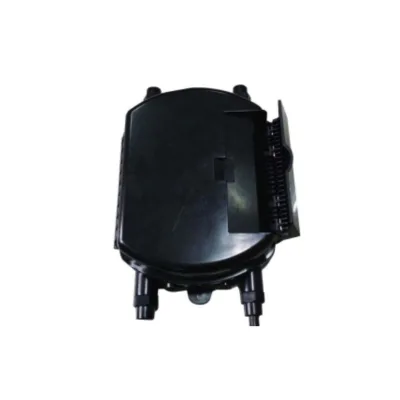
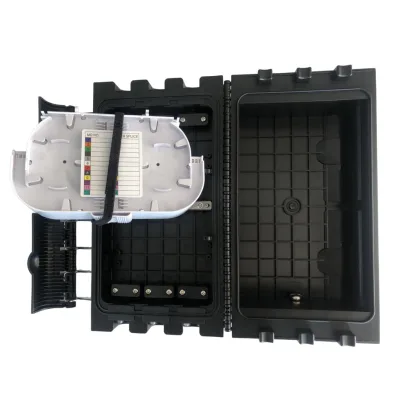


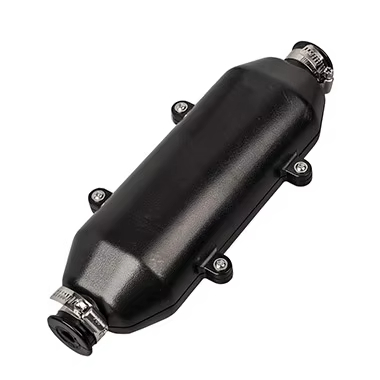
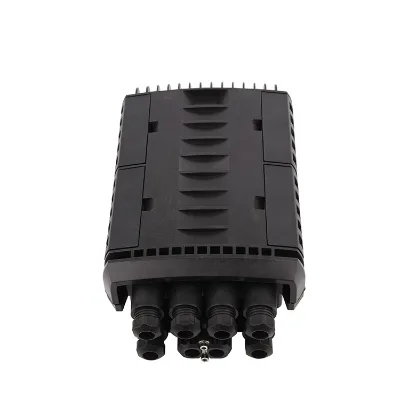
Comprehensive Sourcing Guide
16 Ports Fiber Splice Closure Sourcing Guide
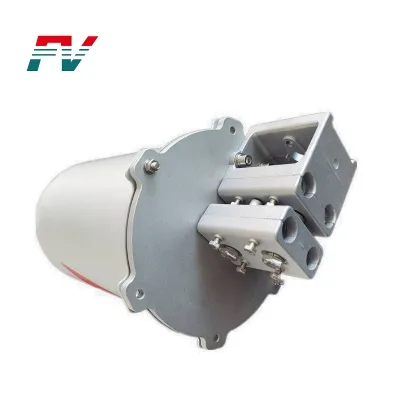
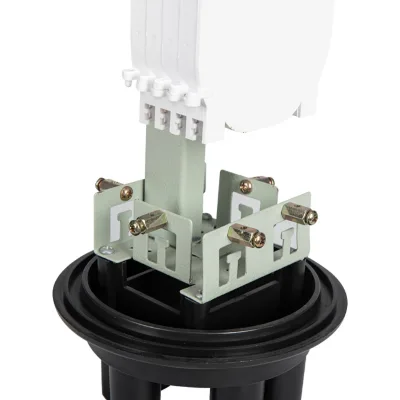
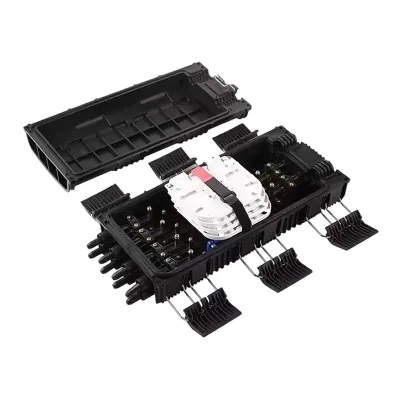
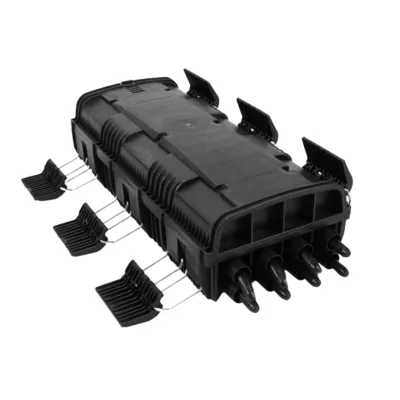
Procuring fiber optic splice closures requires careful alignment with project-specific bandwidth and environmental demands. While the core keyword focuses on a 16-port configuration, observed market listings frequently feature 24-core models, such as the LE-1001 and YD-PSCH series, which share similar structural designs. Buyers must verify if the specific 16-port variant meets their fiber count needs or if a higher-capacity closure is more cost-effective for future-proofing. The distinction between core count and port configuration is critical for accurate inventory planning and splice tray compatibility.
The physical form factor also varies significantly across suppliers, with options ranging from horizontal to vertical installation styles. Materials typically include PC+ABS or pure ABS, offering a balance of durability and weight. For outdoor deployments, an IP68 rating is essential to ensure hermetic sealing against moisture and dust ingress. Buyers should confirm the exact dimensions, such as the 316274102MM standard observed in some listings, to ensure the closure fits within existing duct space or pole-mounted hardware constraints without requiring custom adapters.
Product Scope and Observed Listing Signals
The current market landscape for fiber optic closures shows a diverse range of product names and model numbers that buyers must navigate. Listings often use generic terms like "Fiber Optic Splice Closure" or specific model identifiers such as FW-3 and MT-FDP-1525. Some suppliers categorize these items under broader headings like "Metal cable connector box" or "Wiring Devices," which can obscure the true nature of the product. It is vital to cross-reference the model number with the physical description to ensure the item is indeed a splice closure and not a distribution box or splitter unit.
Observed listing signals indicate that customization is widely available, allowing buyers to tailor closures to specific project requirements. The presence of OEM branding suggests that many manufacturers are capable of producing white-labeled goods for distributors. Additionally, the variety in packaging, from simple cartons to individual boxes, impacts logistics and handling efficiency. Buyers should pay close attention to the gross weight, which averages around 3.5kgs for standard models, as this influences shipping costs and on-site handling requirements for large-scale deployments.
Technical Specifications to Verify
Technical verification begins with confirming the fiber management capacity and splice tray configuration. While many observed models support 24 cores, buyers seeking a 16-port solution must ensure the internal layout accommodates their specific fiber count without waste or overcrowding. The installation orientation, whether horizontal or vertical, must match the deployment environment, such as aerial strands or underground ducts. Additionally, the material composition, typically ABS or PC+ABS, determines the closure's resistance to UV radiation and mechanical stress, which is crucial for long-term reliability in harsh outdoor conditions.
Sealing integrity is another critical technical parameter that requires rigorous verification. An IP68 rating is the industry standard for protecting internal splices from water and dust, but buyers should request test reports or certification details to validate this claim. The standard dimensions, such as 370mm height by 120mm depth for certain models, must be checked against the available space in the installation site. Furthermore, the type of sealing mechanism, whether it uses heat-shrink tubes or mechanical seals, affects the ease of re-entry and maintenance, which is a key consideration for network operators requiring frequent access.
Compliance and Safety Documentation
Compliance documentation is non-negotiable for international procurement, particularly when dealing with electronics and telecommunications equipment. Buyers must ensure that all supplied closures meet the relevant regional safety and environmental standards. Observed listings frequently cite certifications such as RoHS, CE, and ISO, which indicate adherence to hazardous substance restrictions and quality management systems. However, buyers should request valid certificates from accredited bodies rather than relying solely on supplier declarations, as counterfeit documentation is a risk in some supply chains.
The ISO certification mentioned in several listings often refers to ISO9001, which validates the manufacturer's quality management processes. While this does not guarantee product performance, it indicates a structured approach to production consistency. For telecommunications applications, additional standards specific to fiber optic components may apply, such as those from IEC or TIA. Buyers should verify if the supplier provides test reports for mechanical performance, such as tensile strength and impact resistance, to ensure the closure can withstand installation stresses and environmental challenges over its operational lifespan.
Cost Drivers and Commercial Terms
Cost structures for fiber optic splice closures are influenced by material quality, certification levels, and order volume. The observed price range of $0.98 to $80 USD reflects significant variation based on these factors. Lower-priced items may lack robust sealing mechanisms or high-grade materials, while premium options offer enhanced durability and comprehensive documentation. Buyers should analyze the total cost of ownership, including shipping and potential customs duties, rather than focusing solely on the unit price. The MOQ of 1 to 100 pieces allows for flexible ordering, but bulk purchases often yield better per-unit costs.
Commercial terms also play a crucial role in the procurement process. Payment methods like T/T are common, but buyers should negotiate favorable terms to mitigate financial risk. Lead times, observed to range from 7 to 25 days, vary based on production capacity and customization requirements. Suppliers with a supply ability of 100,000 pieces per month, such as those from Hebei, China, can handle large orders efficiently. Buyers should clarify the port of dispatch, such as Shanghai or Tianjin, to accurately calculate logistics costs and delivery schedules for their specific destination.
Supplier Qualification and Quality Control
Supplier qualification involves assessing the manufacturer's production capabilities and quality control systems. Buyers should prioritize suppliers with established origins in known manufacturing hubs like Ningbo or Hebei, China, where supply chains for telecommunications components are mature. The presence of OEM capabilities suggests that the supplier has the flexibility to meet specific branding and technical requirements. However, buyers must conduct due diligence to verify the supplier's reputation and financial stability, ensuring they can deliver consistent quality and support throughout the contract period.
Quality control measures should be explicitly defined in the purchase agreement. Buyers should request samples for pre-production testing to verify dimensions, material quality, and sealing performance. Implementing a third-party inspection service before shipment can help identify defects early and prevent costly delays. Suppliers with a history of providing detailed product specifications and responsive customer service are preferable. Buyers should also inquire about the supplier's warranty policy and after-sales support, as these factors contribute to the long-term reliability of the procurement relationship.
Long-Term Procurement Checks
Long-term procurement success depends on establishing a robust framework for ongoing supplier evaluation and product performance monitoring. Buyers should regularly review supplier performance metrics, including on-time delivery rates, defect rates, and responsiveness to issues. Maintaining a diversified supplier base can mitigate risks associated with single-source dependencies, especially for critical infrastructure projects. Regular audits of the supplier's quality management system can ensure continued compliance with agreed-upon standards and identify areas for improvement.
As technology evolves, buyers must stay informed about emerging trends in fiber optic connectivity and closure designs. This includes monitoring changes in industry standards and regulatory requirements that may impact product specifications. Building a strong relationship with suppliers can facilitate access to new products and innovations that enhance network efficiency. Buyers should also consider the sustainability of the materials used, such as the recyclability of ABS plastics, to align with corporate environmental goals. Continuous engagement with suppliers ensures that the procurement strategy remains aligned with the organization's long-term objectives.
FAQs
What certifications do the fiber optic splice closures hold?
The products hold ISO, RoHS, CE, and GS certifications. These standards ensure safety and quality compliance for international markets. Some models also meet Multicore standards. Buyers should verify specific certification documents for their region before placing orders.
Can I customize the fiber optic splice closure specifications?
Yes, customization is available for these fiber optic products. Buyers can request specific modifications to meet unique project requirements. The supplier supports custom orders while maintaining quality standards. Contact the vendor directly to discuss detailed customization needs and timelines.
What is the minimum order quantity for these closures?
The minimum order quantity varies by model, ranging from one piece to ten pieces. Some listings allow single item purchases while others require ten pieces. Buyers should check the specific product page for the exact MOQ applicable to their selected model and configuration.
How long is the delivery time for these products?
The typical delivery time ranges from seven to twenty-five days. This period depends on order volume and specific product configuration. Buyers should confirm the exact lead time with the supplier before finalizing the purchase to ensure timely project completion.
Which materials are used to construct these closures?
These closures are constructed using PC, ABS, and metal materials. The IP68 rating ensures protection against dust and water ingress. The black color is standard for most models. These materials provide durability for outdoor and indoor telecommunication applications.
Where are these fiber optic closures manufactured?
The products originate from China, specifically from Ningbo and Hebei regions. These locations are known for manufacturing telecommunications equipment. Buyers can expect competitive pricing due to the manufacturing hub status of these areas in the global supply chain.