SC APC FTTH Node Suppliers and Manufacturers in China
Compare 16 verified suppliers offering SC APC FTTH Node products with varying lead times, prices, and certifications. Review specifications like frequency range and output levels to select the right vendor for your FTTH network needs; review the available evidence before requesting comparable quotations from suitable candidates.
Updated
Suppliers List

Hangzhou Softel Optic Co., Ltd.
- Trading Company
- China Zhejiang
- Lead time15 days
- Avg. response≤ 7h
Main productsFiber Optical Transmission Equipment, CATV Products, Satellite Equipment, Digital Headend Equipment, Fiber Optic Passive, CATV Amplifiers, Optical Tools and Instruments, Epon Olt and ONU, Fiber Optic Cable, Eoc Master and Slave
Main marketsSouth America,Africa,Southeast Asia/ Mideast,East Asia(Japan/ South Korea),Domestic,Europe,Australia,North America

Hunan Pon Information Technology Co., Ltd.
- Trading Company
- Hunan, China
- Lead time7 days
- Avg. response≤ 2h
Main productsFiber optic equipments,OTDR,Fusion Splicer,OLT,Desk Socket
Main marketsSouth America(20.00%), North America(20.00%), Southern Europe(10.00%), Western Europe(10.00%), Southeast Asia(10.00%), Eastern Europe(10.00%), South Asia(5.00%), Mid East(5.00%), Northern Europe(5.00%), Africa(5.00%)

Hubei Chenyu Photoelectric Technology Co., Ltd.
- Verified by SGS
- Trading Company
- China Hubei
- Lead time15 days
- Avg. response≤ 8h
Main productsSFP Module, ONU, PLC Splitter, Cat Cable, Drop Fiber Cable
Main marketsSouth America,Eastern Europe,Mid East,North America,Southeast Asia,Eastern Asia,Oceania,Western Europe,Africa


CATV Fiber Receiver FC or Sc/APC Optical Node FTTH CATV Optical Node
$1.00 - $1000.00
MOQ: 1000 Pieces

FTTH Sc Optical Optical Fiber Receiver Node Sc/APC Fiber Optic Adapter
$1.00 - $1000.00
MOQ: 1000 Pieces

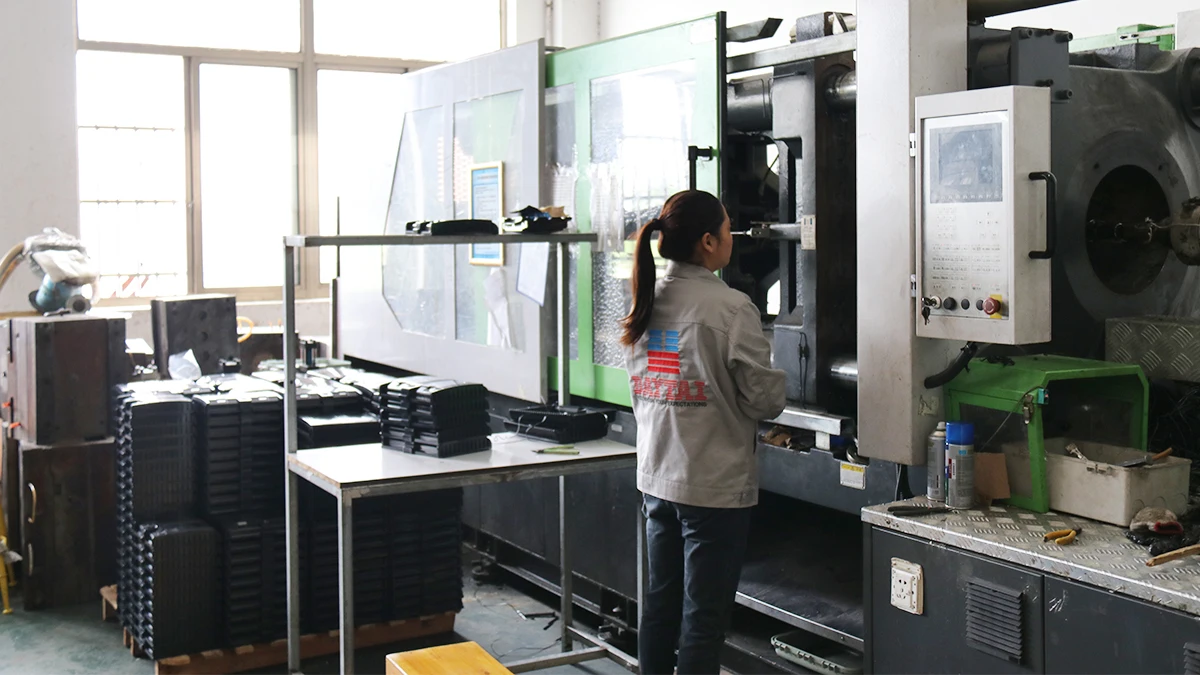
Hangzhou Daytai Network Technology Co., Ltd.
- Trading Company
- Zhejiang, China
- Lead time7 days
- Avg. response≤ 3h
Main productsFiber Optic Communication Equipments,CATV Equipments,Fiber Optic Cable,Fiber Optic Cable Line Fittings
Main marketsSoutheast Asia(10.00%), North America(5.00%), South America(5.00%), Western Europe(5.00%), Africa(5.00%), Eastern Europe(5.00%), Mid East(5.00%)

Hangzhou DAYTAI Network Technology Co., Ltd.
- Verified by SGS
- Manufacturer/Factory
- China Zhejiang
- Lead time15 days
- Avg. response≤ 4h
Main productsOptical Receiver, PLC Splitter, Sc Fast Connector, Fiber Optic Distribution Box, ADSS Fiber Optic Cable, Optical Closure, Fiber Optic Cable Clamps, Olt ONU, EDFA, FTTH Drop Cable
Main marketsSouth America,Eastern Europe,Mid East,North America,Southeast Asia,Eastern Asia,Oceania,Western Europe,Africa
Hangzhou Photoelectric Technology Co., Ltd.
- Verified by TüVRheinland
- Trading Company
- Lead time10 days
- Avg. response≤ 23h
Main productsOptical Fiber Cable, Xpon, Fiber Optic Distribution Box, Fiber Optic Terminal Box, Fiber Optic Splice Closure
Main marketsNorth America(10%), Eastern Europe(10%), Southeast Asia(10%)
- Verified by SGS Group
- Manufacturer, Trading Company
- Lead time0 days
- Avg. response≤ 2h
Main productsPLC Splitter, Fiber Optic Patch Cord, WDM Series, FTTH Box, Fast Connector
Main marketsDomestic Market(42%), South Asia(18%), South America(15%)

- Trading Company
- Hong Kong S.A.R.
- Lead time7 days
- Avg. response≤ 3h
Main productsONU,Media Converter,SFP Modules,Patch Cord,Fiber Cables
Main marketsSoutheast Asia(24.00%), South America(20.00%), North America(12.00%), South Asia(12.00%), Eastern Asia(5.00%), Western Europe(5.00%), Eastern Europe(5.00%), Southern Europe(5.00%), Mid East(4.00%), Oceania(3.00%), Central America(2.00%), Domestic Market(1.00%), Northern Europe(1.00%), Africa(1.00%)
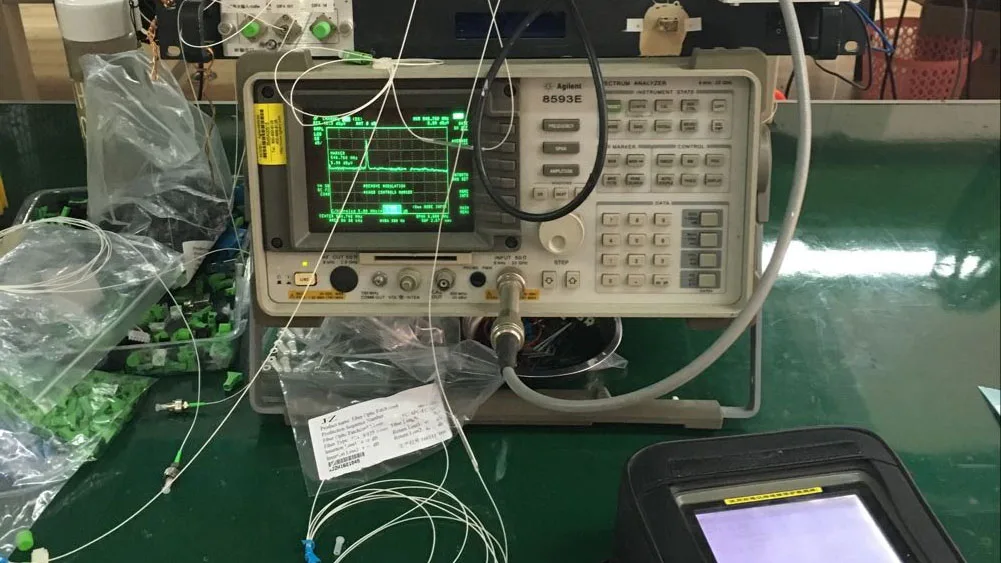
Hangzhou Junpu Optoelectronic Equipment Co., Ltd.
- Trading Company
- Zhejiang, China
- Lead time7 days
- Avg. response≤ 7h
Main productsfiber optic cable,fiber distribution box,fiber cable,edfa wdm,nap box
Main marketsSouth America(35.00%), North America(35.00%), Western Europe(10.00%), Eastern Europe(10.00%), Southeast Asia(5.00%), Africa(5.00%)

Ningbo Fibconet Communication Technology Co., Ltd.
- Verified by BV
- Trading Company,Manufacturer/Factory,Group Corporation
- China Zhejiang
- Lead time0 days
- Avg. response≤ 9h
Main productsPLC Splitter, Fast Connector, Fiber Optic Patch Cord, Fiber Optic Pigtail, Fiber Optic Adapter, Fiber Optic Splice Closure, Fiber Optice Terminal Box Fbt, Fiber Optical Cross Connect Cabinets, Telecom Cabinets, ODF
Main marketsSouth America,Eastern Europe,Mid East,North America,Southeast Asia,Eastern Asia,Oceania,Western Europe,Africa
Nanjing Future Fiber Solutions Co., Ltd.
- Trading Company
- Jiangsu, China
- Lead time3 days
- Avg. response≤ 2h
Main productsFusion Splicers,OTDRs,Test Instruments,Fiber Cleavers,FTTH Tools
Main marketsSoutheast Asia(30.00%), South America(20.00%), Southern Europe(5.00%), Northern Europe(5.00%), Central America(5.00%), Domestic Market(5.00%), South Asia(5.00%), Mid East(5.00%), Africa(5.00%), North America(5.00%), Eastern Europe(5.00%), Eastern Asia(3.00%), Western Europe(2.00%)
Hangzhou Fullwell Optoelectronic Equipment Co., Ltd.
- Manufacturer, Trading Company
- Zhejiang, China
- Lead time3 days
- Avg. response≤ 3h
Main productsXGS-PON Optical Receiver,XGS-PON WDM EDFA,Optical Transmitter,C-Band DWDM EDFA,HFC CATV EDFA
Main marketsSouth Asia(100.00%), Africa(100.00%), Eastern Asia(100.00%), Mid East(100.00%), Southern Europe(100.00%), Northern Europe(100.00%), South America(45.00%), Eastern Europe(38.00%), Central America(5.00%), North America(4.00%), Domestic Market(2.00%), Oceania(2.00%), Southeast Asia(2.00%), Western Europe(2.00%)
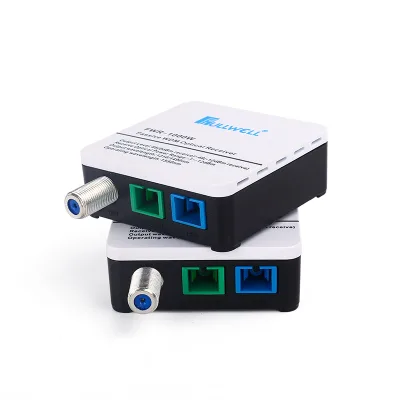
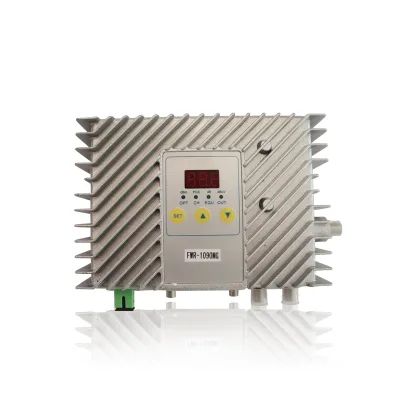
$31.1869 - $47.8207
MOQ: 5 Minimum
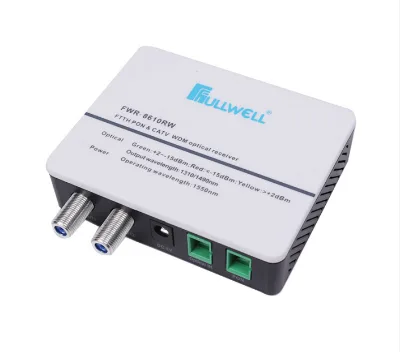

- Manufacturer, Trading Company
- Zhejiang, China
- Lead time30 days
- Avg. response≤ 4h
Main productsFiber Optic Equipment
Main marketsDomestic Market(100.00%), South Asia(100.00%), Eastern Asia(100.00%), Southern Europe(100.00%), Northern Europe(100.00%), Africa(100.00%), South America(18.00%), Southeast Asia(17.00%), Eastern Europe(15.00%), Central America(13.00%), Mid East(12.00%), North America(10.00%), Western Europe(10.00%), Oceania(5.00%)
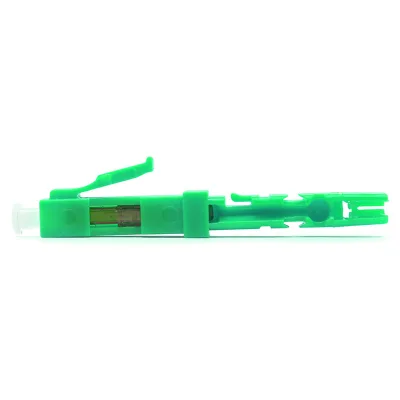
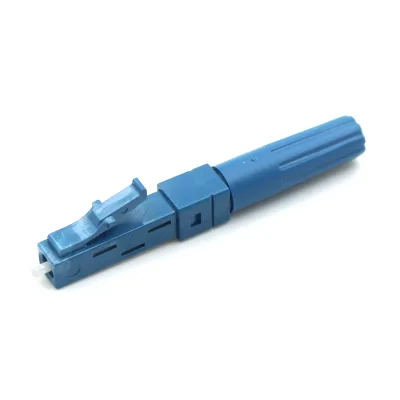
FTTH FTTX Telecom Distribution Local Area Networks ≤45mm Field Assembly Connector
$0.40 - $0.5018
MOQ: 1 pieces
Shenzhen Greatway Technology Co., Ltd.
- Manufacturer
- Guangdong, China
- Lead time10 days
- Avg. response≤ 2h
Main productsSatellite RF over Fiber,CATV Optical Node,CATV Optical Transmitter,FTTH CATV Receiver,RFoG Micronode
Main marketsNorth America(70.00%), Eastern Europe(18.00%), South America(7.00%)
Zibo Hensure Electronic Equipment Co., Ltd.
- Manufacturer, Trading Company
- Shandong, China
- Lead time20 days
- Avg. response≤ 2h
Main productsTransmitter,EDFA,EYDFA,Optical Receiver,Ftth Receiver
Main marketsSoutheast Asia(15.00%), Eastern Europe(15.00%), South America(15.00%), North America(15.00%), Northern Europe(10.00%), Africa(10.00%), Southern Europe(5.00%), Eastern Asia(5.00%), Oceania(5.00%), Mid East(5.00%)
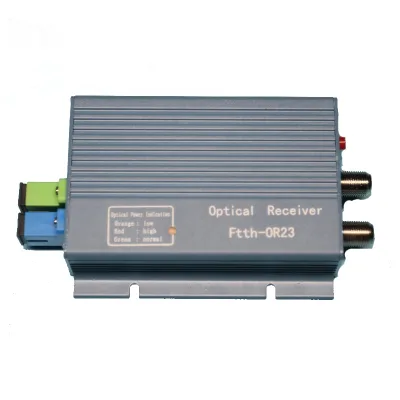
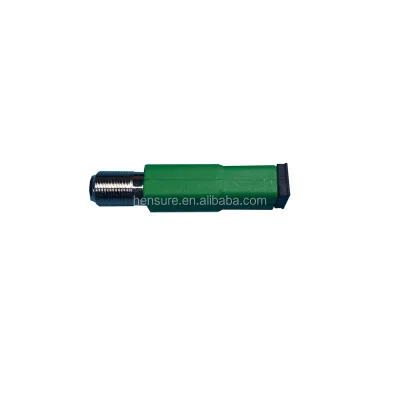
$1.2344 - $1.7482
MOQ: 60 pieces
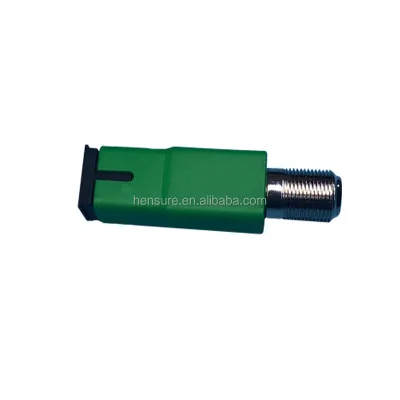

Hangzhou zhiyi communication Co.,Ltd
- Verified by TUVRHEINLAND
- Trading Company,Manufacturer/Factory
- China Zhejiang
- Lead time15 days
- Avg. response≤ 23h
Main productsCoaxial Cable, Fiber Optical Cable, FTTH Optical Fiber Cable, E/Gpon ONU Olt, CATV Cable RG6, Eoc Master / Slave, Optical Splice Clouse/ Box, RF Coaxial Cable, Connector, Jumper
Main marketsSouth America,Eastern Europe,Mid East,Southeast Asia,Eastern Asia,Oceania,Western Europe,Africa


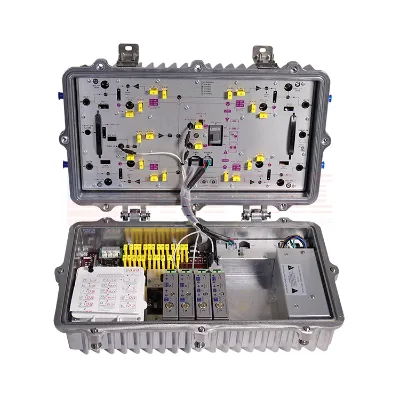


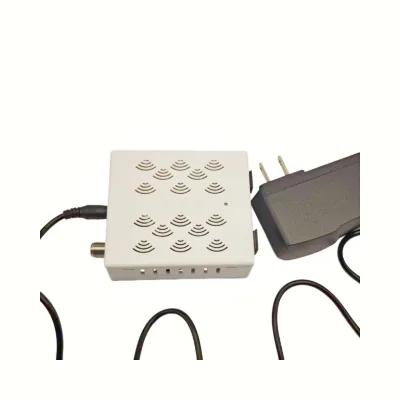
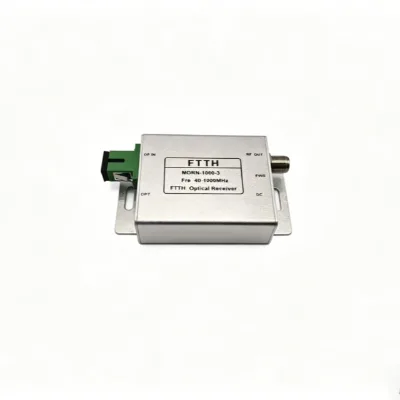
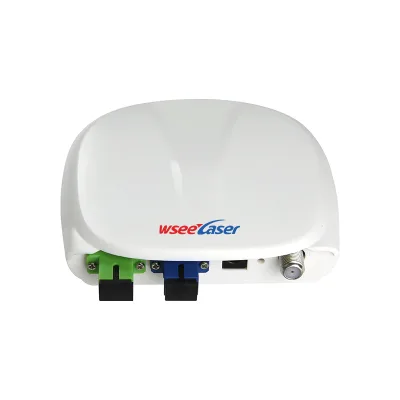
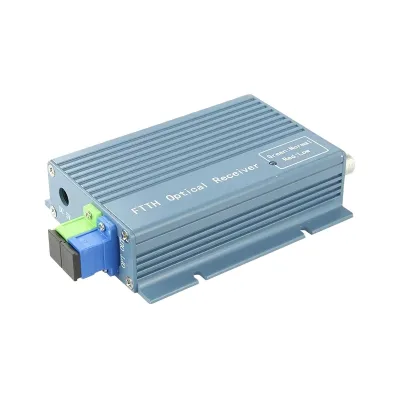
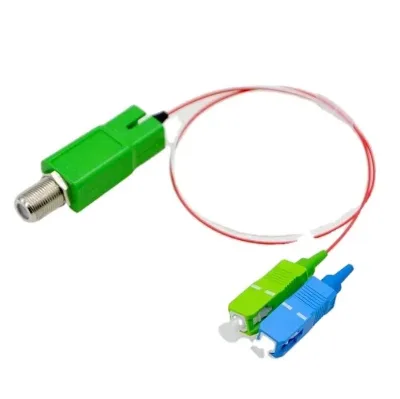
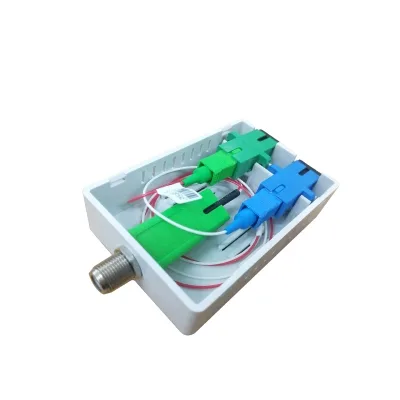
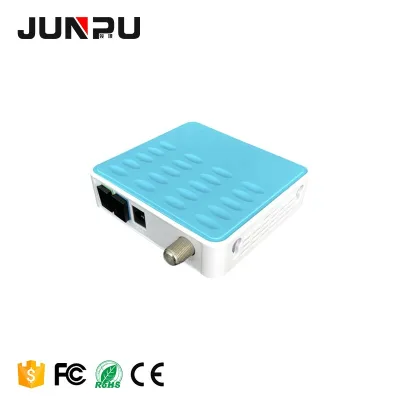
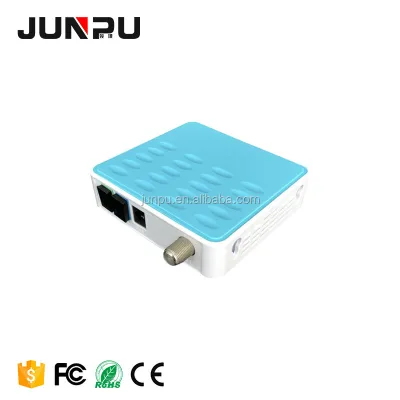


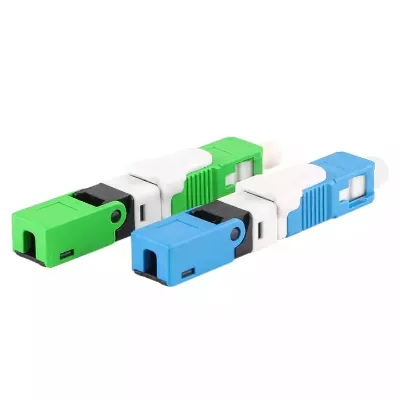
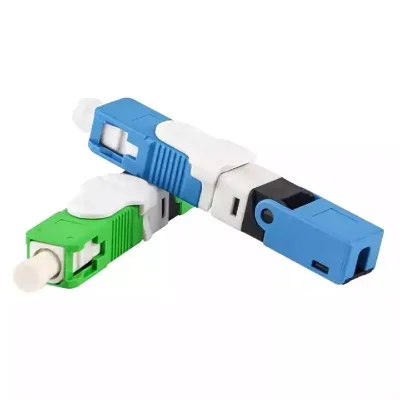
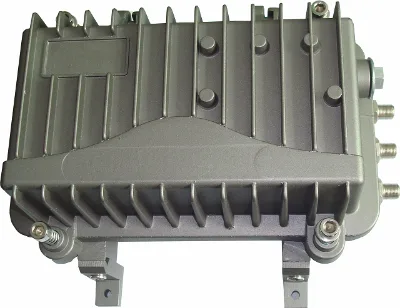


Comprehensive Sourcing Guide
SC APC FTTH Node Supplier Concentration and Factory Types
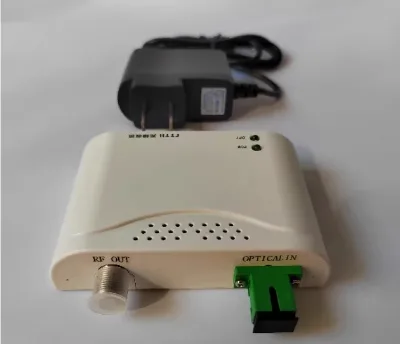
The current supplier landscape for SC APC FTTH Node components reveals a distinct concentration of manufacturing and trading entities within specific Chinese provinces. Evidence indicates that suppliers are located in Zhejiang, Hunan, and Hubei, suggesting these regions serve as key industrial clusters for fiber optic transmission equipment and related telecommunications hardware. In Zhejiang, the primary business type observed is the Trading Company, which often aggregates products from various factories to offer a broader catalog including CATV products, satellite equipment, and digital headend systems. This structure allows buyers to access diverse SKUs, such as FTTH receivers and active mini nodes, through a single procurement channel. The presence of trading companies in this cluster implies that while they may not operate the assembly lines directly, they facilitate access to specialized manufacturing capabilities that might otherwise be fragmented across smaller workshops. Buyers evaluating this region should recognize that the "factory" label might sometimes refer to a trading entity with close ties to production facilities, necessitating a deeper look into the actual manufacturing origin of the specific SC APC FTTH Node units being ordered.
In contrast, suppliers located in Hunan and Hubei present different operational profiles, with Hunan-based entities focusing heavily on fiber optic equipments, OTDRs, fusion splicers, and OLTs, while Hubei suppliers specialize in SFP modules, ONUs, and PLC splitters. This geographic diversification means that a buyer seeking a complete SC APC FTTH Node solution might need to engage with multiple suppliers or verify if a single trading company can source from these varied regional hubs. The main products listed for these suppliers often include passive and active optical nodes, indicating that the local supply chain is mature enough to support both simple passive distribution and complex active signal conversion needs. Understanding this concentration helps buyers anticipate the availability of technical support and spare parts, as regional clusters often foster specialized expertise in fiber optic testing and installation tools. It is crucial to determine whether the supplier in your search results is a direct manufacturer in these provinces or a trading intermediary, as this distinction significantly impacts pricing flexibility and customization capabilities for SC APC FTTH Node orders.
How to Verify SC APC FTTH Node Suppliers
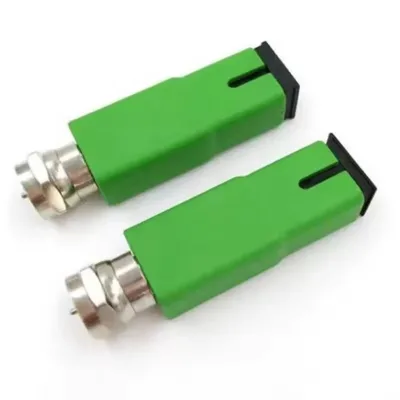
Verifying the legitimacy and capability of SC APC FTTH Node suppliers requires a rigorous examination of their stated certifications and product specifications. While some product listings display certifications such as ISO, RoHS, and CE, the overall system certification for the supplier entity itself is often listed as NIL in the provided data. This discrepancy highlights the need for buyers to request valid, up-to-date certification documents directly from the supplier rather than relying solely on product-level claims. For SC APC FTTH Node units, which are critical for last-mile fiber distribution, ensuring that the optical components meet international safety and environmental standards is paramount. Buyers should ask for third-party test reports that specifically validate the performance of the Sc Apc connectors, including insertion loss and return loss metrics, to ensure they meet the stringent requirements of modern FTTH networks. Additionally, verifying the supplier’s business license and checking their registration details against official government databases can provide assurance that the entity is legally established and authorized to export telecommunications equipment.
Beyond documentation, technical verification involves scrutinizing the detailed product attributes provided in the supplier’s catalog. For instance, specific models like the Sr2020aw or SR1010AF come with precise specifications such as receive wavelengths of 1550nm±20 and input optical connectors of Sc/APC. Buyers must confirm that these technical parameters align with their network design requirements, particularly regarding frequency ranges and output levels. It is also essential to verify the supplier’s ability to provide samples, as some listings indicate a sampling time of one week, which can be a useful metric for assessing their logistical responsiveness. Furthermore, buyers should inquire about the supplier’s quality control processes, including how they handle defective units and whether they offer warranty support for the SC APC FTTH Node components. Engaging in direct technical discussions with the supplier’s engineering team can reveal their depth of knowledge and commitment to product reliability, providing a clearer picture of their capability to support long-term procurement needs for fiber optic infrastructure projects.
What to Compare Across SC APC FTTH Node Suppliers
When evaluating multiple suppliers for SC APC FTTH Node components, buyers should systematically compare key operational metrics such as lead time, minimum order quantity (MOQ), and response time to determine the best fit for their project timelines and budget. The data shows significant variation in these areas; for example, one supplier offers a lead time of 15 days with an MOQ of 500 units, while another provides a much shorter lead time of 7 days with an MOQ of just 10 units. This disparity allows buyers to choose between bulk purchasing advantages and flexible, small-batch ordering depending on their immediate inventory needs. Response times also vary, with some suppliers indicating a response time of 6.07 hours and others showing a faster 2-hour response window. A quicker response time is often indicative of a more agile sales team, which can be crucial when resolving technical queries or negotiating custom specifications for SC APC FTTH Node units. Buyers should prioritize suppliers who demonstrate both rapid communication and realistic production schedules to avoid delays in their network deployment projects.
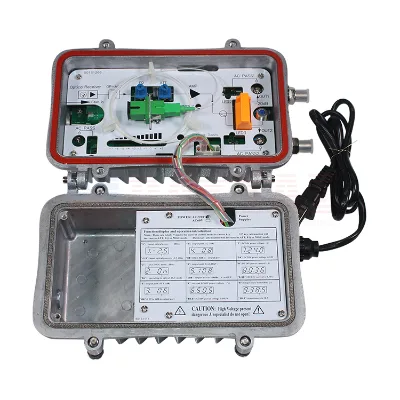
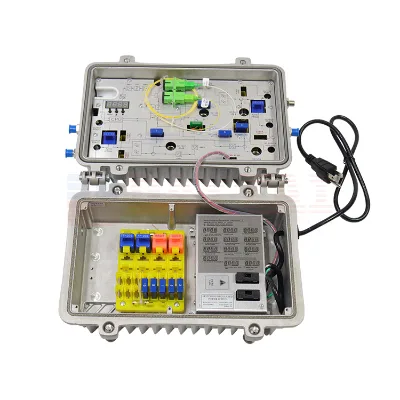
Price and customization options are another critical dimension for comparison, as they directly impact the total cost of ownership and the suitability of the product for specific applications. The price range for SC APC FTTH Node products can vary widely, with some listings showing prices as low as $0.82 per unit and others reaching up to $160 for specialized outdoor units. These price differences often reflect variations in build quality, feature sets, and included accessories such as power supplies or mounting brackets. Buyers should also assess the customization capabilities offered by each supplier, as some list customization as available while others do not. For projects requiring specific form factors or integrated features like WDM and AGC, the ability to tailor the SC APC FTTH Node to exact specifications can be a decisive factor. Additionally, comparing the main products offered by each supplier can help identify those with a broader portfolio, potentially allowing for consolidated shipping and simplified logistics when sourcing complementary fiber optic equipment alongside the nodes.
Common SC APC FTTH Node Sourcing Risks
One of the primary risks in sourcing SC APC FTTH Node components is the potential mismatch between advertised specifications and actual product performance, particularly regarding optical connector quality and signal integrity. Sc Apc connectors are designed to minimize back reflection, which is critical for maintaining signal quality in high-bandwidth FTTH networks. However, if a supplier fails to adhere to strict manufacturing tolerances, the return loss may fall below the required threshold, leading to network instability and increased maintenance costs. Buyers must be vigilant about verifying the actual return loss values, such as the ≥16dB specification mentioned in some listings, through independent testing or third-party certification. Another risk is the inconsistency in power supply specifications, as some nodes require 12V DC while others may have different voltage or current requirements. Mismatched power supplies can lead to equipment failure or reduced lifespan, so buyers must ensure that the power components included with the SC APC FTTH Node are compatible with their existing infrastructure and meet safety standards.
Supply chain disruptions and quality control failures represent another significant risk, especially when dealing with trading companies that may not have direct oversight of the manufacturing process. If a supplier relies on multiple subcontractors, variations in material quality or assembly practices can lead to inconsistent performance across batches of SC APC FTTH Node units. This is particularly concerning for large orders where uniformity is essential for network planning and troubleshooting. Additionally, the lack of displayed system certifications for some suppliers raises concerns about their adherence to international quality management standards. Without robust quality assurance processes, buyers may face higher rates of defective units, leading to project delays and additional costs for replacements. To mitigate these risks, buyers should establish clear quality acceptance criteria in their purchase agreements and consider conducting pre-shipment inspections for large orders. Engaging with suppliers who have a proven track record of consistent quality and transparent communication can help reduce the likelihood of encountering these common sourcing pitfalls.
SC APC FTTH Node Regional Sourcing and Logistics
Sourcing SC APC FTTH Node components from suppliers in China offers access to a mature and highly competitive supply chain, but it also introduces logistical complexities that buyers must manage carefully. The concentration of suppliers in provinces like Zhejiang, Hunan, and Hubei means that buyers can often consolidate orders from multiple product categories, such as fiber optic cables and testing tools, to optimize shipping costs. However, the distance between these manufacturing hubs and international ports can impact transit times and freight expenses. Buyers should work with suppliers who have experience in international logistics to ensure that the SC APC FTTH Node units are packaged securely to prevent damage during transit, as optical components are sensitive to physical shock and environmental conditions. Additionally, understanding the export regulations and documentation requirements for telecommunications equipment in the buyer’s destination country is essential to avoid customs delays. Suppliers who are familiar with these requirements can provide accurate commercial invoices and packing lists, streamlining the clearance process and ensuring timely delivery of the SC APC FTTH Node components.
The choice of shipping method also plays a crucial role in the overall sourcing strategy, with options ranging from air freight for urgent orders to sea freight for bulk shipments. Given the relatively small size and weight of SC APC FTTH Node units, air freight may be a cost-effective option for smaller orders, while sea freight becomes more economical for larger volumes. Buyers should negotiate clear Incoterms with their suppliers to define responsibility for shipping costs and risks, ensuring that there are no surprises upon delivery. Furthermore, considering the lead times observed in the supplier data, which range from 7 to 15 days, buyers should plan their inventory replenishment cycles accordingly to avoid stockouts. Establishing a reliable relationship with a logistics partner who can provide real-time tracking and proactive communication can enhance visibility into the shipment status, allowing buyers to anticipate arrivals and coordinate installation schedules effectively. This logistical foresight is vital for maintaining the momentum of FTTH deployment projects and ensuring that the SC APC FTTH Node components are available when needed.
SC APC FTTH Node Commercial Terms and Order Planning
Effective order planning for SC APC FTTH Node components requires a thorough understanding of the commercial terms offered by suppliers, including payment structures, warranty policies, and after-sales support. The varying MOQs observed, from 1 unit to 500 units, provide flexibility for buyers to start with small test orders before committing to larger volumes, which is a prudent strategy for mitigating risk. Buyers should negotiate payment terms that align with their cash flow needs, such as partial upfront payments with the balance due upon shipment or delivery. Additionally, clarifying the warranty period and the process for handling defective units is essential, as SC APC FTTH Node units are critical infrastructure components that require long-term reliability. Suppliers who offer comprehensive warranty coverage and responsive technical support can significantly reduce the operational risk associated with large-scale FTTH deployments. Buyers should also inquire about the availability of spare parts and accessories, such as power adapters and mounting brackets, to ensure that they can maintain and repair the installed nodes without significant delays.
Pricing strategies and volume discounts are another key aspect of commercial planning, as the price range for SC APC FTTH Node products can vary significantly based on order quantity and customization requirements. Buyers should request detailed quotations that break down the costs of the units, packaging, and shipping to ensure transparency and facilitate accurate budgeting. Negotiating volume discounts for larger orders can lead to substantial cost savings, especially when sourcing multiple types of fiber optic equipment from the same supplier. Furthermore, considering the total cost of ownership
FAQs
What is the price range for SC APC FTTH nodes?
Prices for SC APC FTTH nodes vary significantly based on specifications and volume. Basic passive nodes can start as low as $0.82 per unit, while active optical receivers with higher output levels may cost between $9.00 and $160.00. Buyers should verify specific model requirements to determine accurate pricing tiers for their procurement needs.
What certifications are available for these optical nodes?
Many SC APC FTTH nodes carry ISO, RoHS, and CE certifications, ensuring compliance with international safety and environmental standards. Some products explicitly list CE certification, while others indicate ISO9001 standards. Buyers should request specific certification documents for each model to confirm regulatory compliance for their target markets before placing orders.
What is the typical lead time for these products?
Lead times for SC APC FTTH nodes generally range from 7 to 15 days depending on the supplier and product type. Some suppliers offer faster turnaround times, while others may require up to two weeks for production and shipping. Buyers should confirm exact delivery schedules with suppliers to align with project timelines effectively.
What is the minimum order quantity for these nodes?
Minimum order quantities vary widely, ranging from just 1 piece for certain outdoor CATV optical receivers to 500 pieces for specific active mini nodes. Some suppliers accept single-unit orders, while others require bulk purchases. Buyers should check the specific MOQ for each model to ensure it matches their procurement volume requirements.
Where are these FTTH nodes typically manufactured?
Most SC APC FTTH nodes are manufactured in China, with significant production hubs located in Zhejiang and Hunan provinces. Some suppliers also list Hubei as a manufacturing location. Buyers should verify the specific place of origin for each product to understand logistics, tariffs, and supply chain dynamics accurately.
What response times can buyers expect from suppliers?
Supplier response times for SC APC FTTH nodes vary, with some suppliers responding within 2 hours and others taking up to 6 hours. Faster response times often indicate higher availability and customer service efficiency. Buyers should prioritize suppliers with quicker response times to ensure timely communication and order processing.