Source 2-in-1 herbal anti-dandruff shampoo and conditioner set for Salon, Home, and Retail
Source a 2-in-1 herbal anti-dandruff shampoo and conditioner set from 30 verified listings. Compare OEM/ODM options, herbal ingredients like argan oil and tea tree, and volume customization for professional and home hair care needs.
Key considerations
Products List
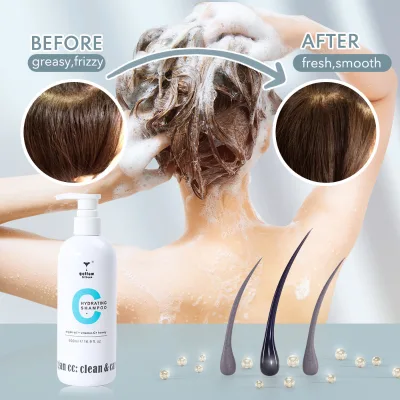
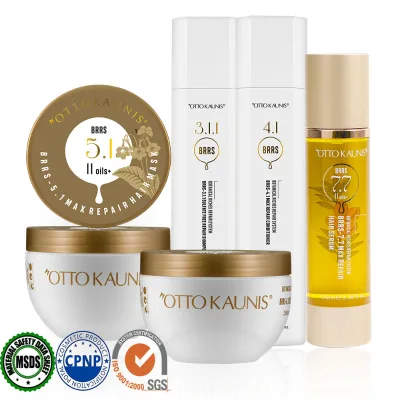
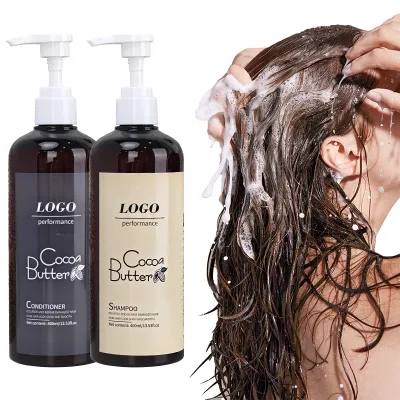







Comprehensive Sourcing Guide
2-in-1 Herbal Anti-Dandruff Shampoo and Conditioner Set Sourcing Guide
Sourcing a 2-in-1 herbal anti-dandruff shampoo and conditioner set requires a nuanced understanding of the intersection between cosmetic efficacy and supply chain logistics. These products are positioned as comprehensive hair care solutions that combine cleansing and conditioning in a single formula, targeting consumers who prioritize convenience without sacrificing therapeutic benefits. The market for such items is diverse, ranging from mass-market retail to professional salon lines, with a strong emphasis on natural ingredients like herbal extracts, argan oil, and tea tree oil. Buyers must navigate a landscape where "herbal" and "anti-dandruff" are not just marketing terms but functional claims that require specific ingredient formulations and, in many jurisdictions, regulatory validation.
The procurement process for these sets involves evaluating multiple variables, including volume customization, packaging specifications, and private label capabilities. Suppliers often offer OEM and ODM services, allowing brands to customize scents, such as honey with lemon, and adjust volumes to fit specific retail strategies. However, the complexity lies in verifying that the 2-in-1 formula effectively delivers on both anti-dandruff and moisturizing claims while maintaining stability over a shelf life of three to five years. This guide provides a structured approach to evaluating suppliers, ensuring that the final product meets quality standards, regulatory requirements, and commercial expectations for the target market.
Product Scope and Observed Listing Signals
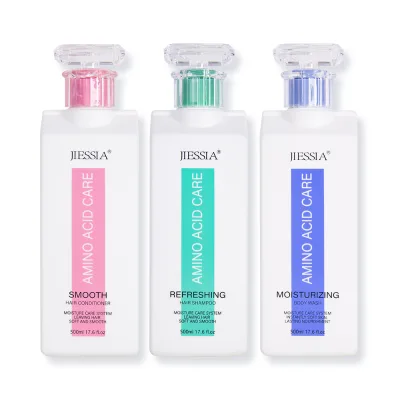
The observed product listings indicate a wide range of formulations and packaging options, reflecting the flexibility of modern hair care manufacturing. Products are available in various volumes, including 250ml, 300ml, 400ml, 500ml, and 1000ml, with some suppliers offering fully customized volume options to suit different retail channels. The physical specifications of the single package size vary significantly, ranging from compact 6x6x19 cm boxes to larger 15x8x18 cm packages, which directly impacts shipping costs and storage efficiency. Buyers should note that the gross weight per unit also varies, from 1.0 kg to 2.0 kg, depending on the bottle size and material, which is a critical factor in calculating landed costs for international shipments.
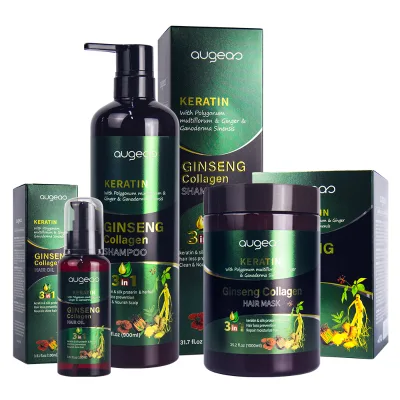
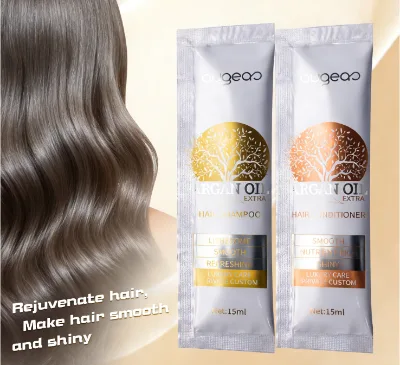
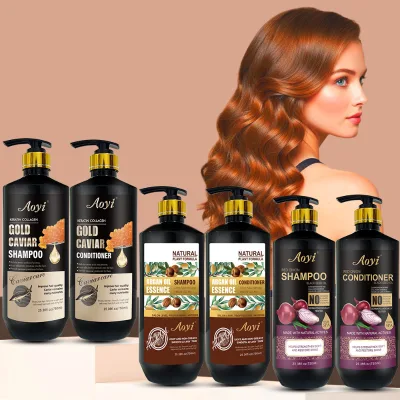
Ingredient profiles observed in the market highlight a strong preference for natural and therapeutic components. Common materials include herbal extracts, argan oil, hyaluronic acid, tea tree oil, coconut oil, and shea butter. Functional ingredients such as vitamin C and ginger are also noted, suggesting a focus on nourishing and repairing hair properties. The products are marketed with features like anti-dandruff, oil control, moisturizing, smoothing, and anti-itching, indicating a multi-functional approach to hair care. Buyers should verify that the specific herbal ingredients listed align with their brand’s positioning and that the 2-in-1 formula does not compromise the efficacy of either the cleansing or conditioning aspects.
Technical Specifications to Verify
Verifying the technical specifications of a 2-in-1 shampoo and conditioner set is essential to ensure product performance and consumer satisfaction. The formula type is often described as 2-in-1, which requires careful evaluation of the surfactant system to ensure it effectively removes dirt and oil while depositing conditioning agents. Buyers should request detailed ingredient lists to confirm the presence of key active ingredients, such as anti-dandruff agents and herbal extracts, and verify that these ingredients are stable in a combined formula. The form of the product is typically cream or liquid, and the texture should be consistent and free from separation, which can indicate formulation issues.
Packaging and labeling specifications must also be rigorously checked to ensure compliance with local regulations and brand requirements. The single package size and gross weight should be confirmed to match the supplier’s claims, as discrepancies can lead to unexpected shipping costs or storage issues. Additionally, the shelf life of the product, typically ranging from three to five years, should be verified through stability testing data provided by the supplier. Buyers should also inquire about the customization options available, such as private labeling, custom scents, and volume adjustments, to ensure that the final product aligns with their market strategy.
Compliance and Safety Documentation
Compliance and safety documentation are non-negotiable aspects of sourcing hair care products, particularly those making anti-dandruff claims. Buyers must ensure that suppliers provide all necessary certifications, such as CPNP, CPSR, CE, ROHS, and MSDS, which are critical for market access in various regions. These documents verify that the product meets safety standards and contains no prohibited substances. The presence of these certifications indicates that the supplier has undergone rigorous testing and quality control processes, reducing the risk of regulatory issues or product recalls.
In addition to certifications, buyers should request detailed safety data sheets and ingredient disclosures to assess the potential for allergic reactions or skin irritation. Products labeled as organic, vegan, or cruelty-free should be backed by appropriate documentation to substantiate these claims. The place of origin, often Guangdong, China, should be considered in the context of local regulatory environments and export requirements. Buyers should also verify that the supplier adheres to Good Manufacturing Practices (GMP) to ensure consistent product quality and safety.
Cost Drivers and Commercial Terms
Understanding the cost drivers and commercial terms is crucial for developing a profitable sourcing strategy. The minimum order quantity (MOQ) for these products can vary significantly, ranging from 100 sets to 5000 pieces, depending on the supplier and the level of customization required. Higher MOQs often result in lower unit prices, but buyers must balance this with their inventory management capabilities and market demand. The price range observed in the market is broad, reflecting differences in ingredient quality, packaging complexity, and order volume.
Commercial terms such as payment methods, lead times, and shipping arrangements should be clearly defined in the contract. Buyers should negotiate terms that protect their interests, such as quality guarantees and return policies for defective products. The cost of OEM and ODM services should also be considered, as these can add to the overall expense but offer significant branding advantages. Additionally, buyers should factor in the costs of testing and certification, which may be required by their target market, to ensure a comprehensive understanding of the total cost of ownership.
Supplier Qualification and Quality Control
Supplier qualification is a critical step in mitigating risks associated with sourcing hair care products. Buyers should conduct thorough due diligence on potential suppliers, including site visits, audits, and reviews of their manufacturing capabilities. Suppliers with experience in producing 2-in-1 formulas and herbal-based products are preferable, as they are more likely to have the technical expertise required to deliver high-quality products. The availability of OEM and ODM services indicates a supplier’s flexibility and commitment to meeting specific client needs.
Quality control processes should be clearly defined and enforced throughout the production cycle. Buyers should request samples for testing and evaluation before placing large orders. These samples should be subjected to stability testing, efficacy testing, and safety assessments to ensure they meet the required standards. Regular quality checks during production and pre-shipment inspections are also essential to identify and address any issues early. Establishing a strong relationship with the supplier based on transparency and mutual trust can further enhance the quality of the final product.
Long-Term Procurement Checks
Long-term procurement checks are necessary to maintain product quality and supplier performance over time. Buyers should establish a system for regular performance reviews, including assessments of product quality, delivery times, and customer feedback. Continuous monitoring of market trends and consumer preferences is also important to ensure that the product remains relevant and competitive. Suppliers should be encouraged to innovate and improve their formulations and packaging to meet evolving market demands.
Additionally, buyers should stay informed about changes in regulatory requirements and industry standards that may impact their sourcing strategy. Regular communication with suppliers regarding any updates in certifications or safety protocols is essential to ensure ongoing compliance. Building a diversified supplier base can also help mitigate risks associated with supply chain disruptions. By maintaining a proactive approach to procurement, buyers can ensure the long-term success of their hair care product line.
FAQs
What certifications do the herbal anti-dandruff sets have?
The products hold CPNP, CPSR, CE, ROHS, and MSDS certifications. These documents verify safety and compliance for international markets, ensuring the herbal and argan oil formulations meet regulatory standards for export.
Can I customize the volume and packaging size?
Yes, volumes are available in 250ml, 300ml, 400ml, 500ml, and 1000ml options. Packaging dimensions vary, with observed sizes ranging from 6x6x19 cm to 15x8x18 cm depending on the specific kit configuration.
What is the minimum order quantity for this set?
Minimum order quantities range from 100 sets to 500 pieces depending on the supplier. Some vendors accept orders as low as one unit for sampling, while bulk production typically requires higher volume commitments.
Which ingredients are used in the herbal formula?
Formulas include herbal extracts, argan oil, vitamin C, tea tree oil, coconut oil, and shea butter. Some variants also feature ginger, rosemary oil, and hyaluronic acid for nourishing and repairing hair.
Does the supplier offer OEM and private label services?
OEM and ODM private label services are supported by the manufacturers. Buyers can request custom branding and formulations, with the option to select specific features like anti-dandruff or smoothing properties.
How long is the shelf life of the shampoo set?
The shelf life is typically three to five years from the date of manufacture. This duration applies to the herbal and organic formulations stored under recommended conditions to maintain product efficacy.
Where are these hair care sets manufactured?
Products originate from China, specifically from the Guangdong region. This location supports the manufacturing of various hair care kits including 2-in-1 formulas with herbal and organic ingredients.