Source 2-in-1 hand-held garment steamer and steam cleaner for Household, Commercial, Hotel
Compare 30 verified listings for the 2-in-1 hand-held garment steamer and steam cleaner featuring automatic shut-off, stainless steel soleplates, and 1300W power. These units support mechanical temperature control and offer customization options for diverse applications.
Key considerations
Products List


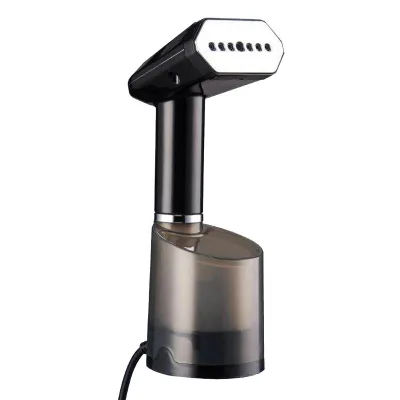
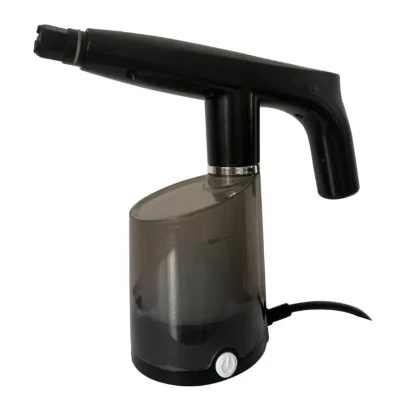

Powerful Handheld Steam Cleaner 1100W - Multi-Purpose Sanitizer, Steamer, and Iron
$15.50 - $16.00
MOQ: 1800 Pieces

All-Purpose Handheld Steam Cleaner for Versatile Cleaning and Disinfection
$15.50 - $16.00
MOQ: 1800 Pieces


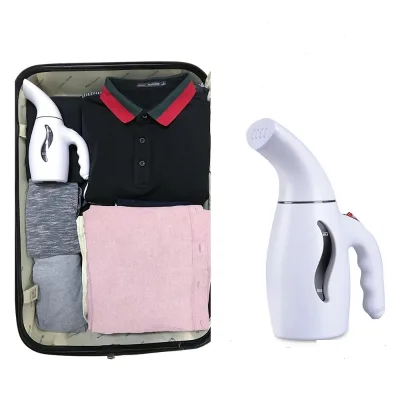


Customized OEM Home Use Electric Garment Steamer Steam Iron for Garment
$14.75 - $15.35
MOQ: 1000 Pieces


Customized Logo Home Use Electric Garment Steamer Steam Iron for Garment
$14.75 - $15.35
MOQ: 1000 Pieces


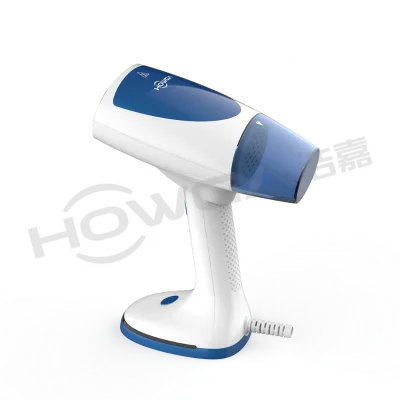
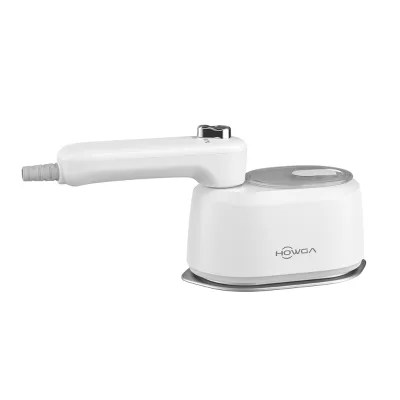
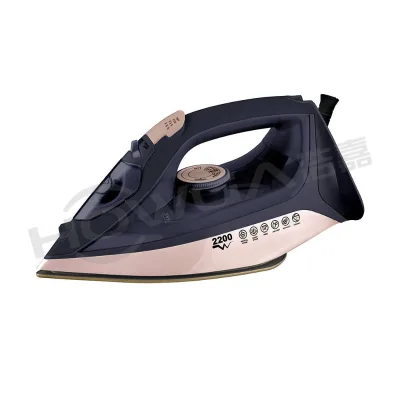
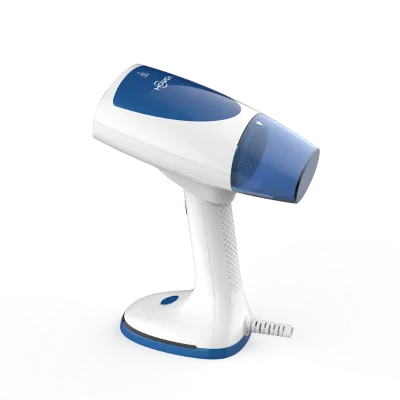
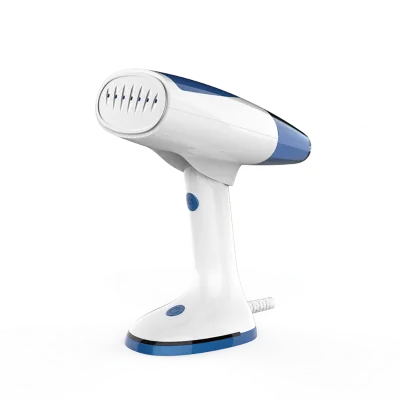

New-Style Large Soleplate Steam Cleaner Handheld Garment Clothing Steamer Iron
$3.14 - $5.14
MOQ: 194 Pieces


Comprehensive Sourcing Guide
Strategic Sourcing Guide for 2-in-1 Hand-Held Garment Steamers
The global market for home and commercial textile care appliances has seen a significant shift toward multifunctional devices that combine efficiency with portability. For procurement professionals, the "2-in-1 hand-held garment steamer and steam cleaner" represents a high-value category where technical precision, safety compliance, and supply chain reliability are paramount. Unlike traditional irons, these units rely on rapid steam generation and precise temperature control to remove wrinkles and sanitize fabrics without direct contact. This guide outlines the critical factors buyers must evaluate when sourcing these products, focusing on verified technical specifications, regulatory adherence, and cost structures derived from current market data.
Technical Specifications and Performance Parameters
When evaluating a 2-in-1 steamer, the primary differentiator lies in the balance between power output, water capacity, and heating efficiency. The core functionality depends on the heating element's ability to reach optimal temperatures quickly while maintaining a consistent steam output. Based on observed market data, typical units in this category operate within a power range of 1300 Watts, which is sufficient for rapid heating in a compact form factor. The rated voltage for international markets typically falls between 220V and 240V, necessitating careful verification of plug compatibility, such as EU or VDE standards, to ensure safe operation in target regions.
The heating time is a critical metric for user experience and operational efficiency. Data indicates that some models achieve readiness in approximately 9 minutes, though this can vary based on the thermal mass of the heating element. The water tank capacity is another decisive specification; observed units range from 150ml to 210ml. A larger tank, such as the 210ml variant, reduces the frequency of refills during extended cleaning sessions, making it preferable for commercial or hotel applications. Conversely, smaller tanks may offer better portability for travel or light household use.
The sole plate or steam head design also dictates performance. Specifications show sole plate dimensions around 95mm by 65mm, with a specific temperature rating of 140℃. This temperature is generally sufficient for most fabric types, including cotton and synthetic blends, without causing damage. The number of steam holes, observed at 9 in certain models, influences the distribution of steam. Buyers should verify that the steam distribution is even to prevent localized overheating. Additionally, the product weight, observed between 880g and 1050g, impacts user fatigue during prolonged use. A lighter unit is generally preferred for handheld applications, but the weight must be balanced against the durability of the housing materials, which are typically constructed from PP/ABS plastics.
Compliance, Certification, and Safety Standards
In the B2B appliance sector, regulatory compliance is not merely a formality but a prerequisite for market access. The supply chain for 2-in-1 steamers must adhere to strict safety and environmental standards. High-confidence data confirms that reputable suppliers provide products with CE and RoHS certifications. The CE mark indicates conformity with health, safety, and environmental protection standards for products sold within the European Economic Area, while RoHS (Restriction of Hazardous Substances) ensures that the device does not contain specific hazardous materials like lead or mercury.
Furthermore, some listings indicate the availability of CB certificates, which facilitate the acceptance of electrical safety test reports in multiple countries, streamlining the import process. Buyers must explicitly verify the validity of these certificates for the specific model being procured. The presence of a "No" designation for anti-dry burning support in some observed units is a critical safety flag. This feature prevents the heating element from burning out if the water tank is empty. If a model lacks this safety mechanism, it poses a fire risk and may not meet the safety requirements of certain jurisdictions or corporate procurement policies.
The power cord length is another safety and usability specification. Observed data suggests a standard cord length of 1.8 meters, which provides adequate reach for most household and commercial tasks. However, the plug type must match the destination market's electrical infrastructure. Whether the unit features a VDE plug or an EU plug, the buyer must ensure that the supplier provides the correct configuration for the target region to avoid costly rework or rejection at customs.
Cost Drivers and Pricing Structures
Understanding the cost drivers for 2-in-1 steamers requires an analysis of the relationship between unit price, order volume, and logistical constraints. The observed price range for these products spans from $3.14 to $700 USD. This wide disparity suggests that the market includes both basic, entry-level units and premium, feature-rich commercial models. The lower end of the spectrum likely corresponds to simpler designs with basic materials and standard certifications, while the higher end may include advanced temperature regulation, premium build quality, or specialized commercial-grade components.
Order volume plays a significant role in determining the final landed cost. The Minimum Order Quantity (MOQ) observed ranges from 1 unit to 3,180 units. For small businesses or startups, an MOQ of 1 allows for low-risk market testing, whereas large retailers or distributors will benefit from the economies of scale offered by higher volume orders. The shipping capacity is also a key cost factor. Data indicates that a 20-foot general purpose container (20gp) can hold approximately 6,700 pieces, a 40gp container holds 13,600 pieces, and a 40-foot high cube (40hq) container can accommodate up to 15,600 pieces. These figures help buyers calculate the optimal order size to maximize container utilization and minimize per-unit shipping costs.
Packaging types, such as corrugated boxes or gift boxes, also influence the overall cost. Gift box packaging typically adds to the unit price but may be necessary for retail presentation. Buyers should negotiate packaging specifications based on their end-user requirements to avoid unnecessary expenses.
Typical Applications and Market Segmentation
The versatility of 2-in-1 steamers allows them to serve diverse market segments, from residential households to large-scale commercial operations. The primary application areas identified include household use, commercial settings, and hotels. In a household context, the device is valued for its ability to quickly refresh garments, remove odors, and sanitize bedding without the need for a traditional ironing board. The compact size and lightweight design make it ideal for travel and small living spaces.
In commercial and hotel environments, the demand shifts toward durability, efficiency, and capacity. The 210ml water tank and 1300W power output observed in certain models are better suited for high-volume use in hotel housekeeping departments or professional dry cleaning services. The "2 in 1" feature, which combines garment steaming with steam cleaning capabilities, adds value by allowing staff to clean upholstery and remove stains in addition to pressing clothes. This multifunctionality reduces the need for multiple appliances, streamlining operations and reducing equipment costs.
The customization options available in the market, such as private mold capabilities and color variations (observed in blue and black), allow brands to tailor products to their specific identity. This is particularly relevant for retailers looking to create exclusive product lines or for corporate entities seeking branded merchandise.
Supplier Evaluation and Quality Control
Selecting the right supplier is critical to ensuring product quality and supply chain stability. Buyers should prioritize suppliers who demonstrate transparency in their manufacturing processes and provide clear documentation regarding certifications. The availability of 24-hour online service support is a positive indicator of a supplier's commitment to after-sales care, which is essential for resolving technical issues or warranty claims.
Quality control measures should be rigorously applied before shipment. Buyers must verify that the products meet the specified standards, including the material composition (PP/ABS), the accuracy of the voltage rating (220–240 V), and the integrity of the safety features. The warranty period, observed as 1 year in some listings, should be clearly defined in the contract. It is also important to confirm the origin of the products, with China being a noted source for these items. Buyers should ensure that the supplier can provide proof of origin and compliance with all relevant export regulations.
When evaluating suppliers, consider their ability to handle the observed production volumes. The capacity to produce and ship thousands of units, as indicated by the container loading figures, suggests a robust manufacturing infrastructure. However, buyers should also assess the supplier's lead times and their ability to meet demand fluctuations. Customization options, such as private molds, require longer lead times and should be planned well in advance.
Long-Term Procurement Considerations
Sourcing 2-in-1 steamers is not a one-time transaction but a strategic partnership that requires long-term planning. Buyers should consider the lifecycle of the product, including the availability of spare parts and the potential for product iterations. The "Automatic Shut-off" feature, observed in some models, is a significant value-add that enhances safety and energy efficiency, making it a desirable feature for future product lines.
The operating language of the user interface, typically English, should be verified to ensure it meets the needs of the target market. Additionally, the "Temperature Regulating Iron" style and "Mechanical" temperature control observed in some listings suggest a preference for user-friendly, robust controls over complex digital interfaces. This simplicity can be a selling point for markets where ease of use is prioritized over advanced features.
Finally, buyers should monitor the market for changes in certification requirements and environmental standards. As regulations evolve, suppliers must be able to adapt their products to remain compliant. Establishing a long-term relationship with a supplier who can navigate these changes ensures a steady supply of high-quality, compliant products. By focusing on these strategic elements, buyers can build a resilient supply chain that meets the evolving demands of the global garment care market.
FAQs
What certifications do these steamers have?
These units typically carry CE and RoHS certifications to ensure safety and environmental compliance. Some listings also include CB certificates to facilitate international electrical safety acceptance. Buyers must verify the specific certificate validity for each model before procurement.
Can I customize the product with a private mold?
Yes, private mold customization is available for these 2-in-1 steamers. Suppliers offer options for color variations like blue or black to match brand identity. This feature allows retailers to create exclusive product lines but requires planning for longer lead times.
How long does it take to heat up the device?
The heating time for these units is approximately 9 minutes to reach operational readiness. This duration depends on the thermal mass of the heating element and the 1300W power output. Users should account for this wait time before starting garment care tasks.
What is the water tank capacity for these models?
Water tank capacities observed range from 150ml to 210ml depending on the specific model. The 210ml variant is preferable for commercial or hotel applications to reduce refill frequency. Smaller tanks offer better portability for travel or light household use.
Are there safety features like automatic shut-off?
Automatic shut-off is an available feature on some models to enhance safety and energy efficiency. However, certain units lack anti-dry burning support, which poses a fire risk if the tank is empty. Buyers must explicitly check for this safety mechanism before purchasing.
Which plug types are compatible with these steamers?
Compatible plug types include EU and VDE standards to match regional electrical infrastructure. The rated voltage is typically 220-240V for international markets. Buyers must ensure the supplier provides the correct plug configuration for their target region to avoid customs rejection.
What is the minimum order quantity for these items?
The minimum order quantity ranges from 1 unit to 3,180 units depending on the supplier. Small businesses can test the market with low MOQs, while large retailers benefit from economies of scale. Shipping capacity also varies, with 20gp containers holding up to 6,700 pieces.